The remaining debris from the Titan submersible, which imploded during a diving trip to the wreck of the Titanic in June, has been recovered from the ocean floor, the U.S. Coast Guard said Tuesday.
Driving the news: Crews found "additional presumed human remains" within the submersible's debris, and they were "transported for analysis by U.S. medical professionals," per the Coast Guard.
New analysis finds that holding temperature rise to 1.5°C above preindustrial levels — the Paris Agreement's stretch goal — is "less likely than ever" despite rapid low-emissions energy expansion.
Why it matters: A long-term outlook issued by risk management firm DNV is among a suite of reports (both out currently and upcoming) that help frame COP28 discussions and beyond.
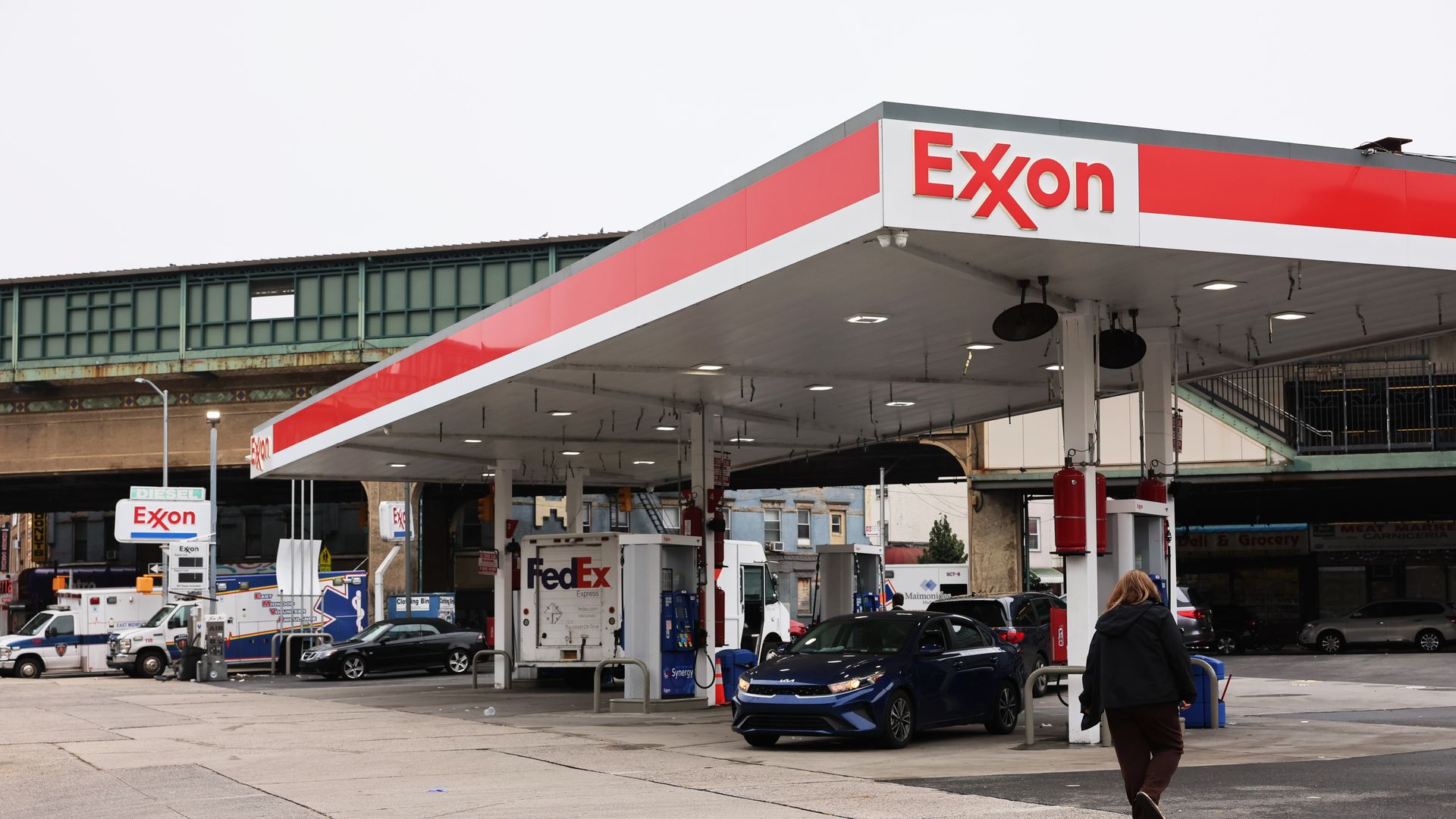
ExxonMobil announced Wednesday it will buy U.S. shale driller Pioneer Natural Resources for $59.5 billion in stock.
Why it matters: This would be ExxonMobil's largest deal since its two namesakes got married, and would give it the Permian Basin's most prolific player.
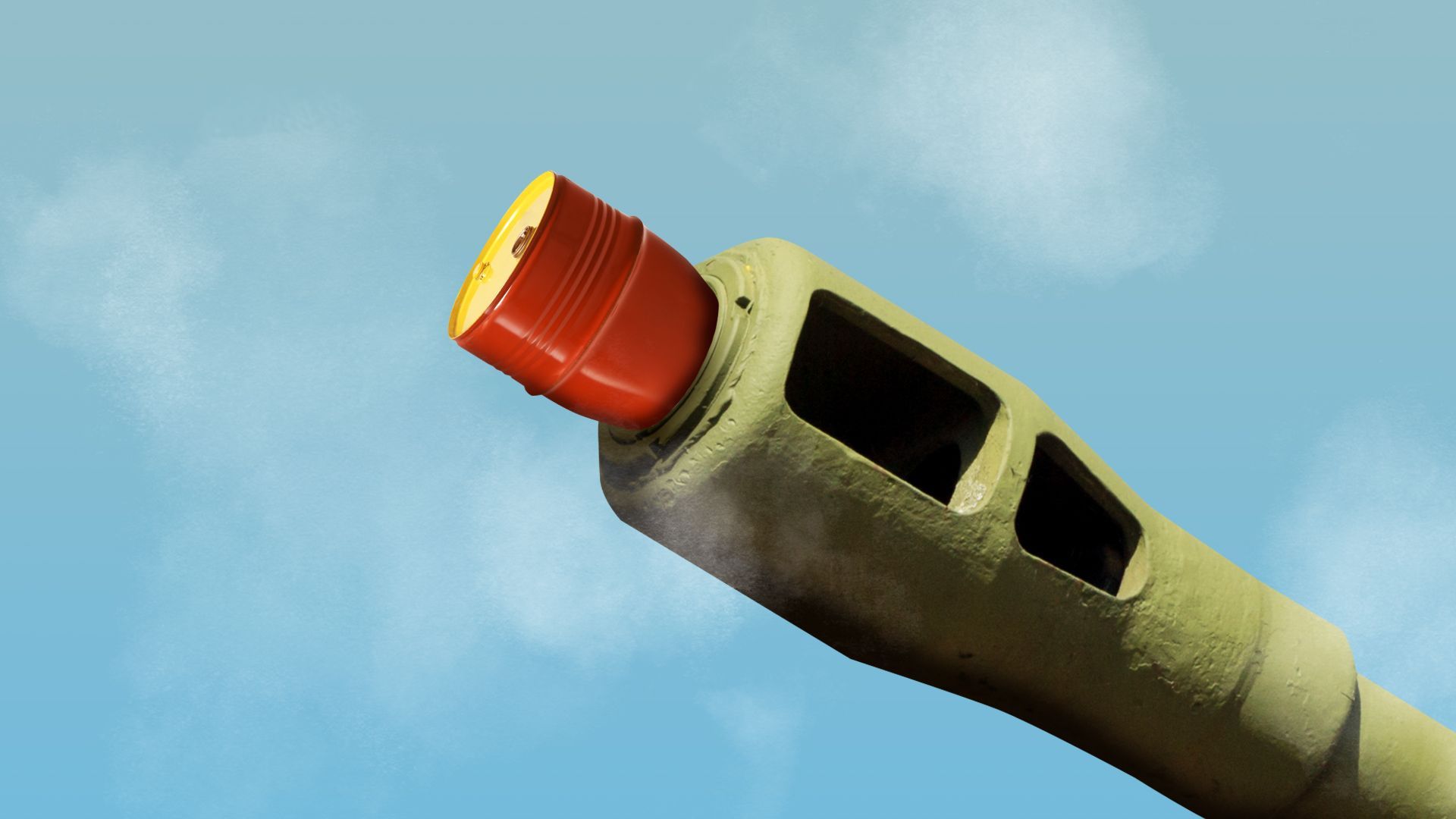
Fallout from Hamas' attack against Israel pushed up oil prices after a roughly weeklong slide — and they could go far higher if the conflict escalates.
Why it matters: Spurred by OPEC's machinations and growing geopolitical risks, crude recently hit its highest levels of 2023. Now gasoline prices, which have been falling of late, could be pressured too, with new inflation risks in tow.
Billions of people are at risk of temperatures exceeding survivability limits if global temperatures increase by 1°C (1.8°F) or more above current levels, a new study warns. Even young, healthy people could find it unbearably hot during part of the year, the study finds.
Driving the news: Regions in the Middle East and South Asia would "experience the brunt of deadly or intolerable conditions," researchers noted. Toward the higher end of warming scenarios, "potentially lethal combinations of heat and humidity could spread" to areas including U.S. Midwestern states.