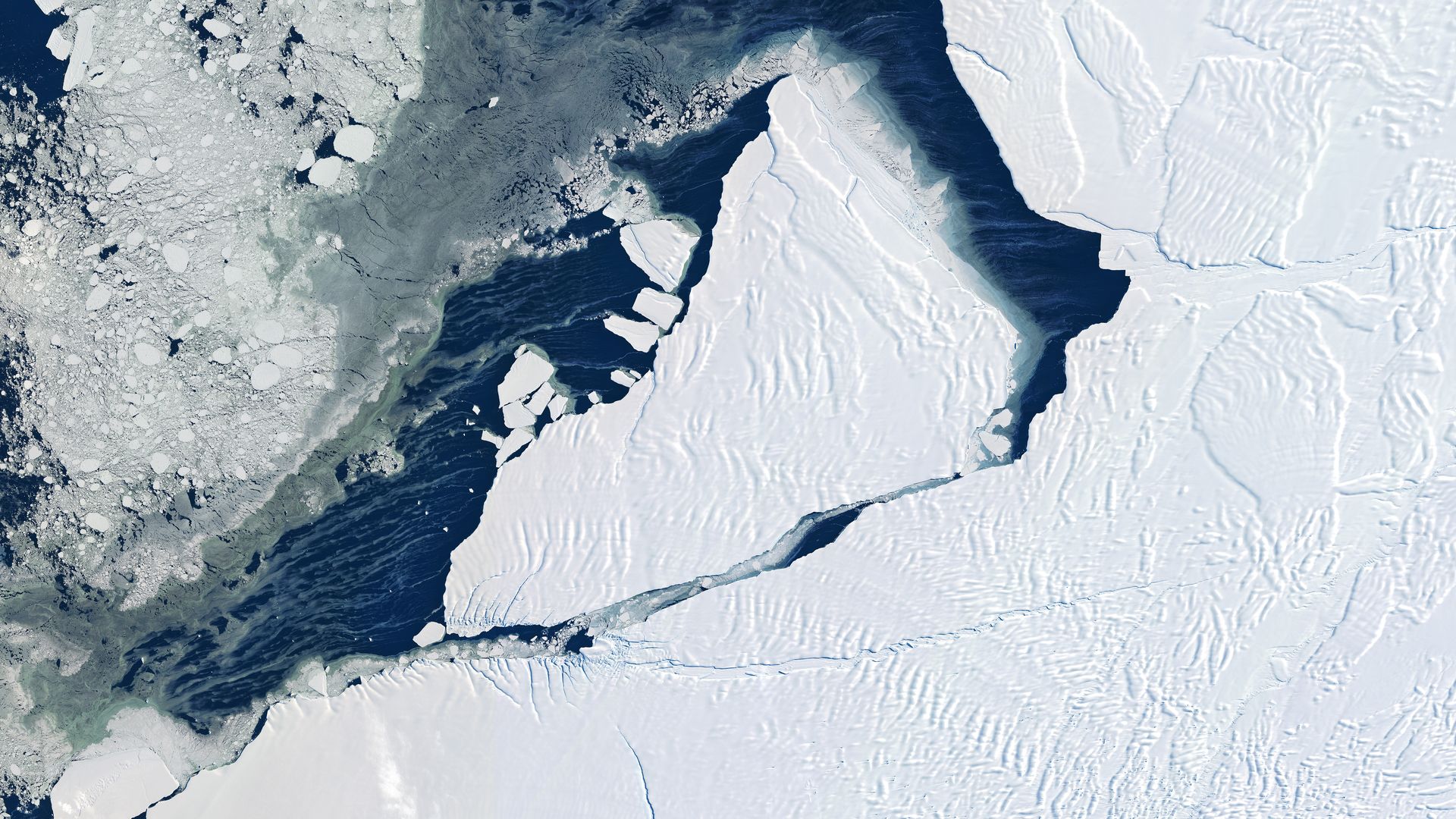
Antarctic sea ice fell to an all-time lowest seasonal peak, reaching about 398,000 square miles below the previous record in 1986, according to the National Snow and Ice Data Center in Boulder, Colo.
Why it matters: The pronounced lack of sea ice this year, which is part of a steep drop seen during the past several years, could have implications for land-based ice stability and the functions of global ocean currents.
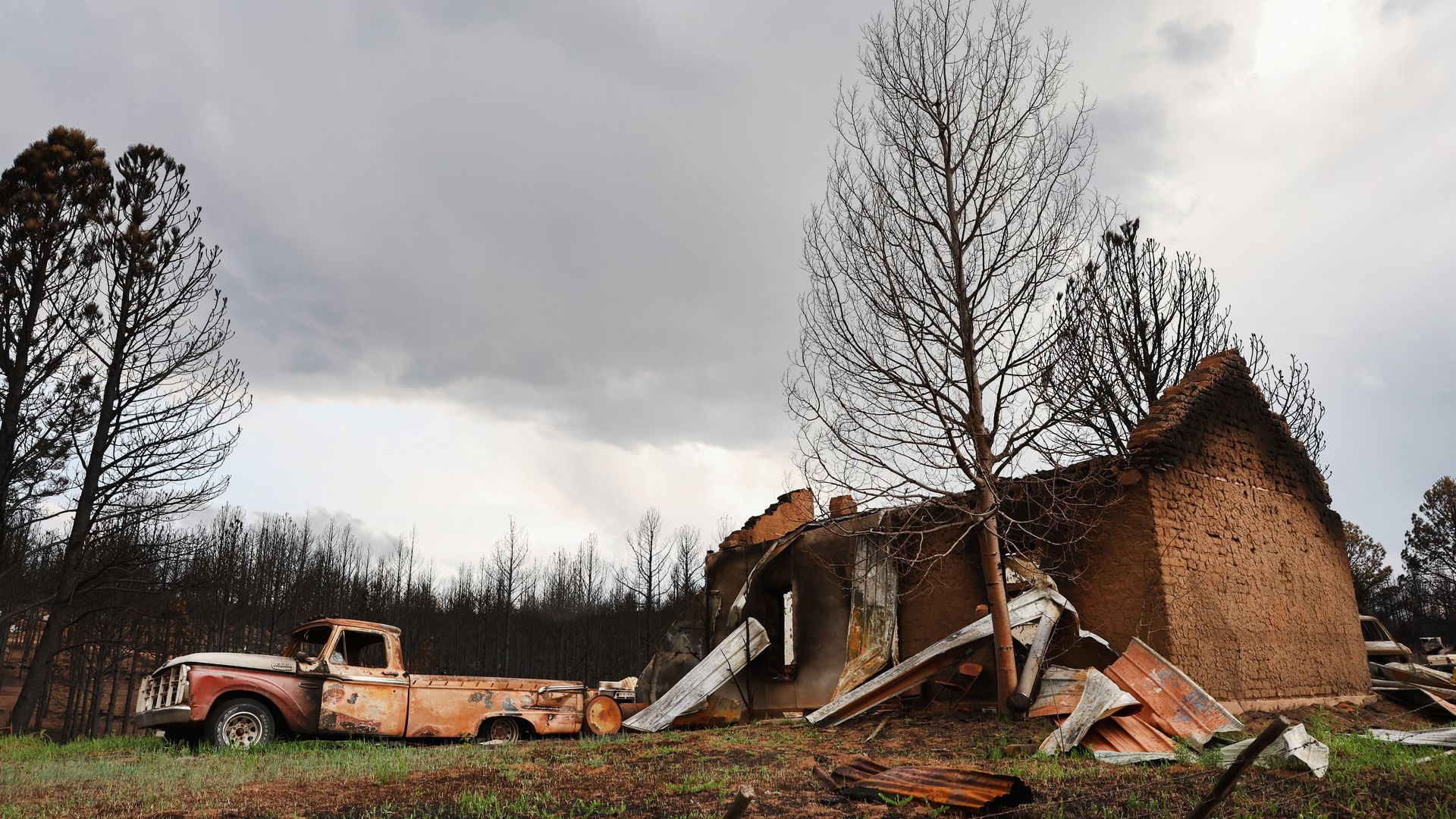
Millions of homeowners nationwide are facing higher insurance rates due to the risk of wildfires, high winds and flooding, a new analysis finds.
About 12 million properties may see premium hikes because of the risk of flooding, nearly 24 million because of potential wind damage, and about 4.4 million because of wildfire risk, per estimates from the First Street Foundation, a climate data nonprofit.
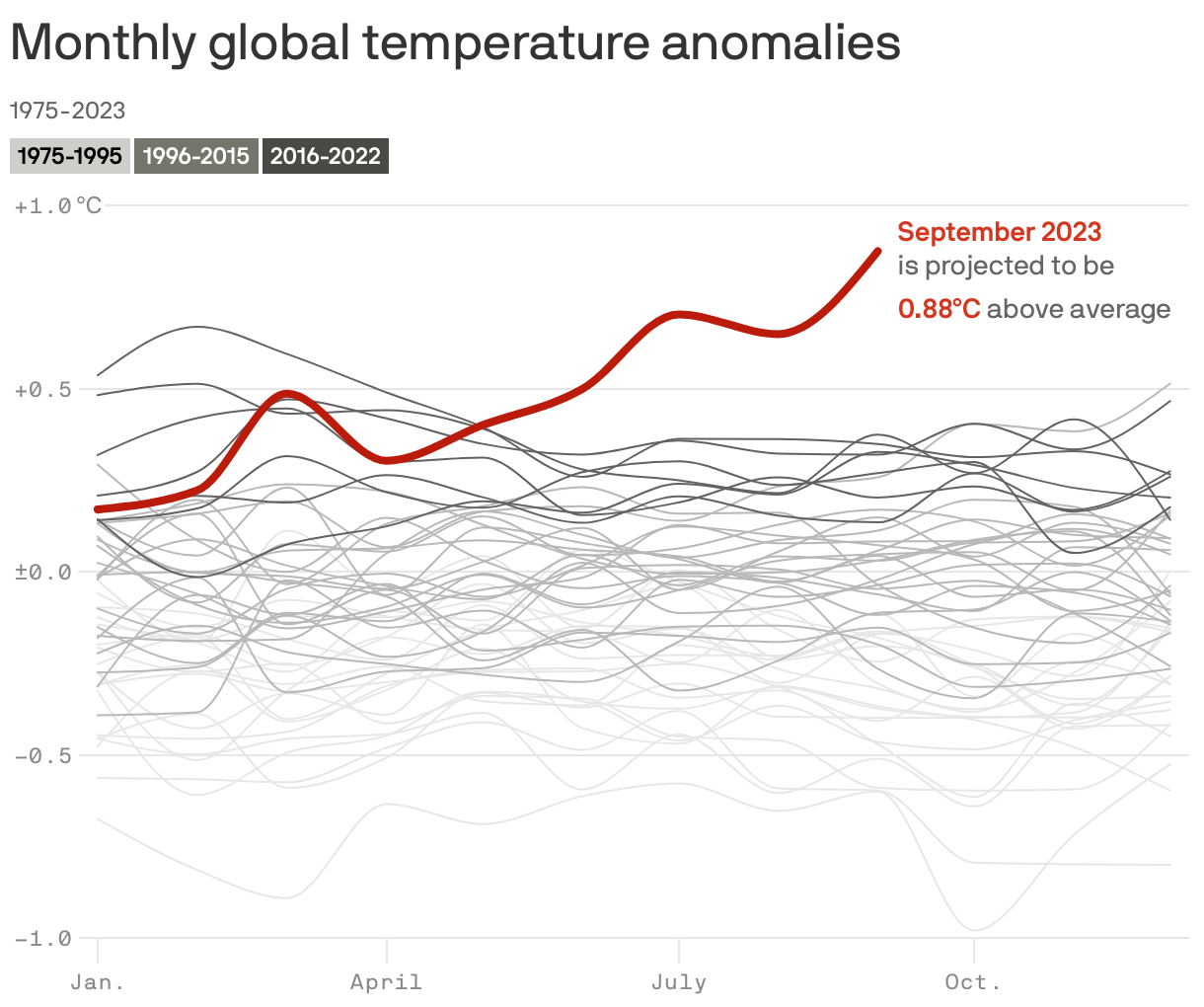
Data: The Climate Brink Via Zeke Hausfather; Chart: Tory Lysik/Axios Visuals
This summer featured the hottest days yet recorded worldwide. And we're already seeing some of the biggest temperature anomalies of any fall season.
Our thought bubble: There have been so many temperature records set this year that some of the words we use to describe them — "unprecedented," "record" and "unusual" — are losing their punch.
The Biden Administration is pushing for Latinos to be better prepared for natural disasters and the effects of climate change.
Why it matters: A large percentage of Latinos live in the Southwest, where wildfires hit annually, and along hurricane-prone areas like Florida and North Carolina. But until a couple of years ago, the federal government didn't have enoughmaterials targeting Latinos about potential disasters.
New York City's new mandatory composting law could usher in an era when organic waste collection becomes commonplace in U.S. cities, just as its bottle and can recycling program sparked a nationwide movement after it passed in 1989.
Why it matters: Composting food and yard waste instead of burying it in landfills reduces methane emissions, which are a major contributor to climate change and are increasing.
The window for adhering to the Paris Agreement's 1.5-degree temperature target is narrow, but quick action before 2030 could help forestall potentially devastating climate change impacts, a new report finds.
Why it matters: The assessment, from the International Energy Agency, is likely to prove influential at the upcoming UN climate summit in Dubai later this year and in energy policy circles afterward.
Concern is increasing in New Orleans with every mile a wedge of salty water gains in its slow creep up the Mississippi River toward the city, but there's still much locals and officials don't yet know.
Why it matters: A major American city may not have safe drinking water within weeks due to the saltwater intrusion, and few options are available to mitigate the trouble it'll cause.