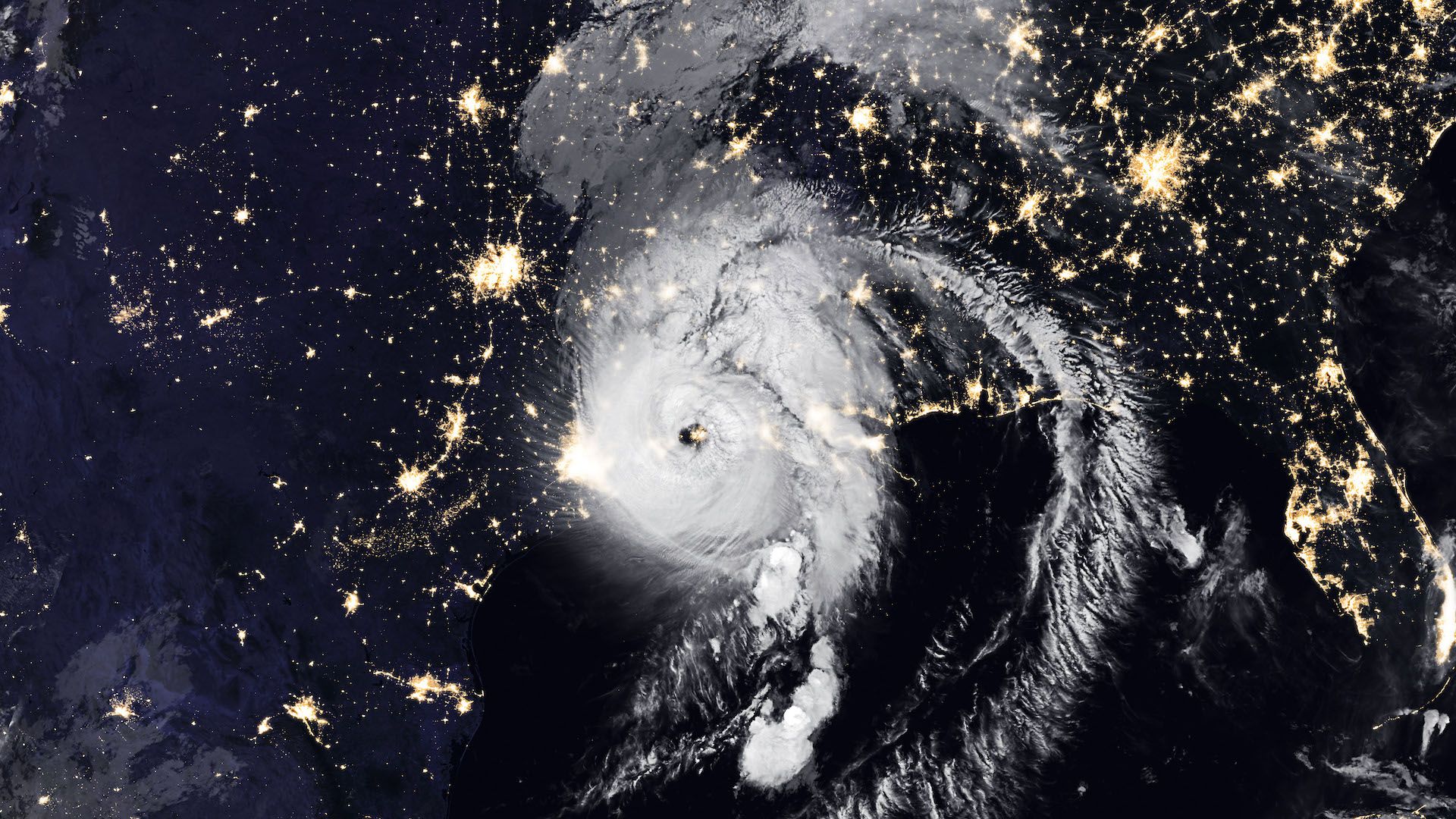
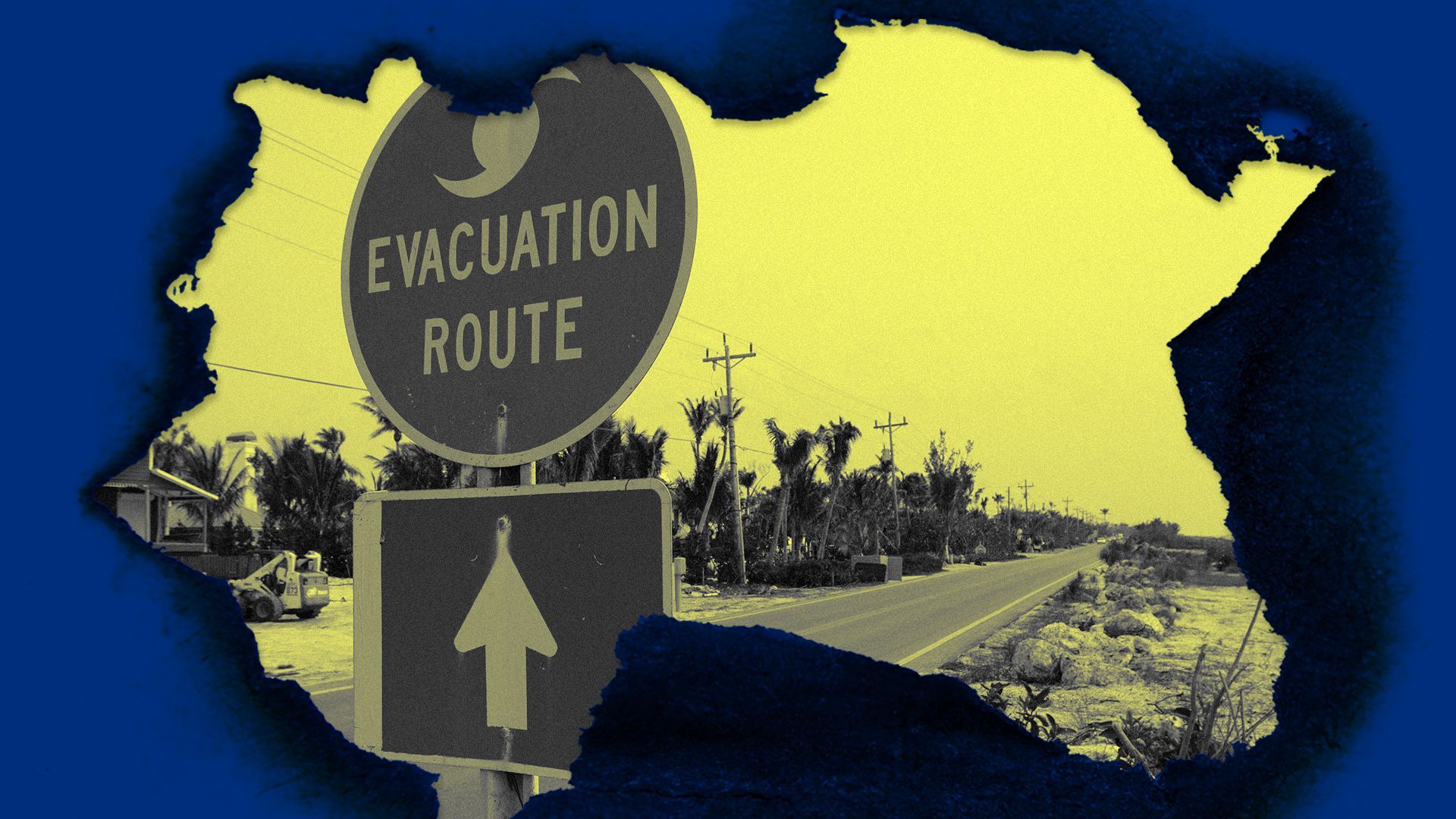
The upcoming Atlantic hurricane season is still likely to be unusually active, though not quite as severe as initially predicted, according to a forecast update from the National Oceanic and Atmospheric Administration (NOAA) on Thursday.
Why it matters: If the forecast proves accurate, this would be the seventh straight year of above average activity in the tropical Atlantic.
Bridger Aerospace, a Montana-based provider of aerial firefighting and wildfire surveillance services, agreed to go public via a blank check company called Jack Creek Investment Corp. The deal would value Bridger at an implied $869 million.
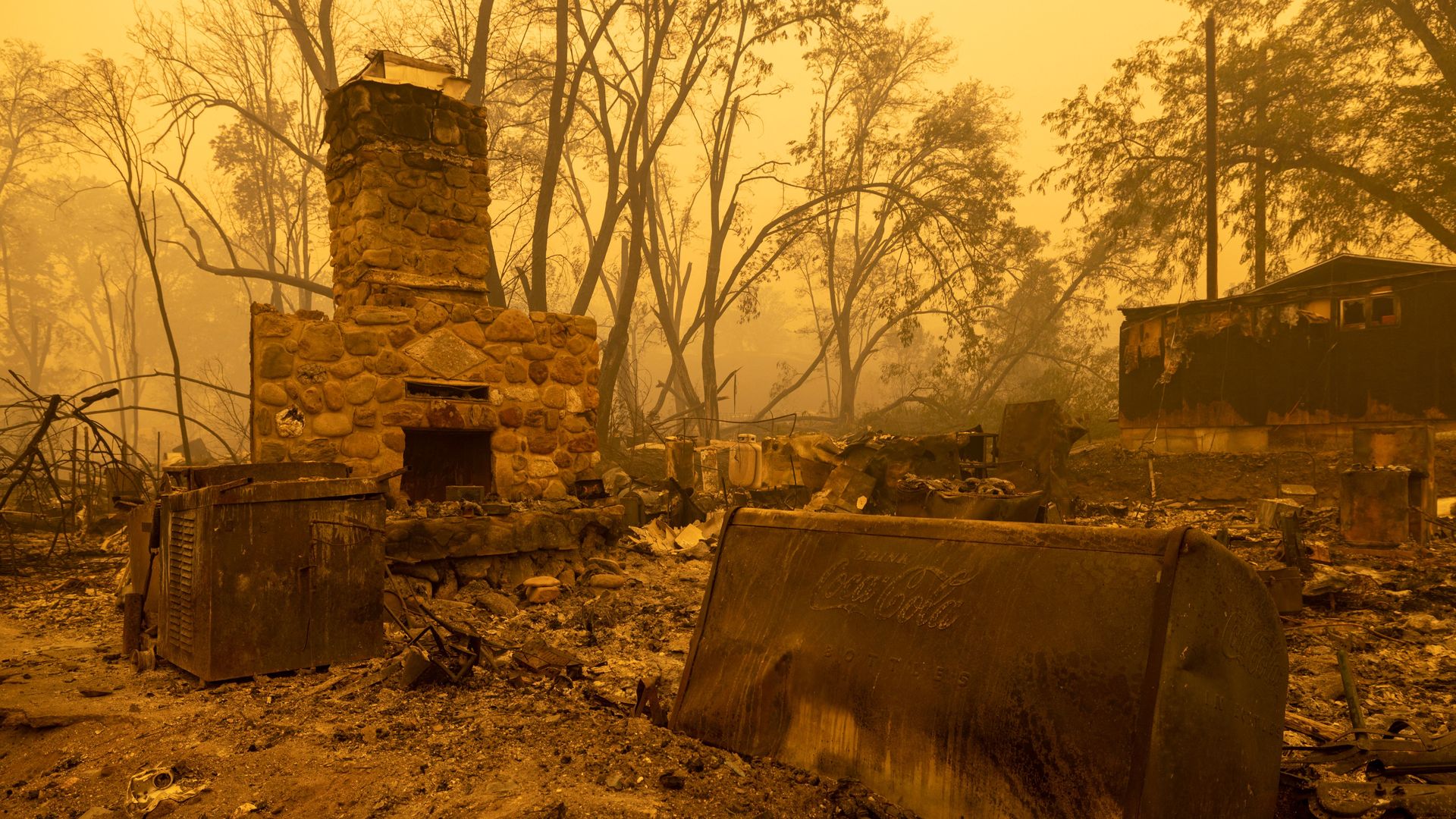
Why it matters: More than 60 wildfires are burning across the U.S., as climate change has significantly increased wildfire risks. The National Interagency Fire Center reported Sunday that the active number could soon rise, while the U.N. recently said to expect a 30% jump in global wildfires by 2050.
Celebrities would be doing the Earth a favor if they cut back on private jets, but combating global warming will require bigger systemic changes, not just better personal behavior.
Driving the news: A recent report from Yard, a U.K. marketing firm, found that Taylor Swift's flying habits put her atop the list of celebrity emissions "offenders" — and gets at a long-running debate about how much of a difference individual decisions make.
Australia's House of Representatives has passed the federal government's bill by 89 votes to 55 to cut the country's emissions by 43% below 2005 levels by 2030.
Why it matters: The landmark bill enshrines into law the Labor government's election pledge for the world's driest inhabited continent, where fossil-fuel exports have been in high demand in recent years as Australians faced a series of climate-change related extreme weather events — from deadly wildfires to flooding.
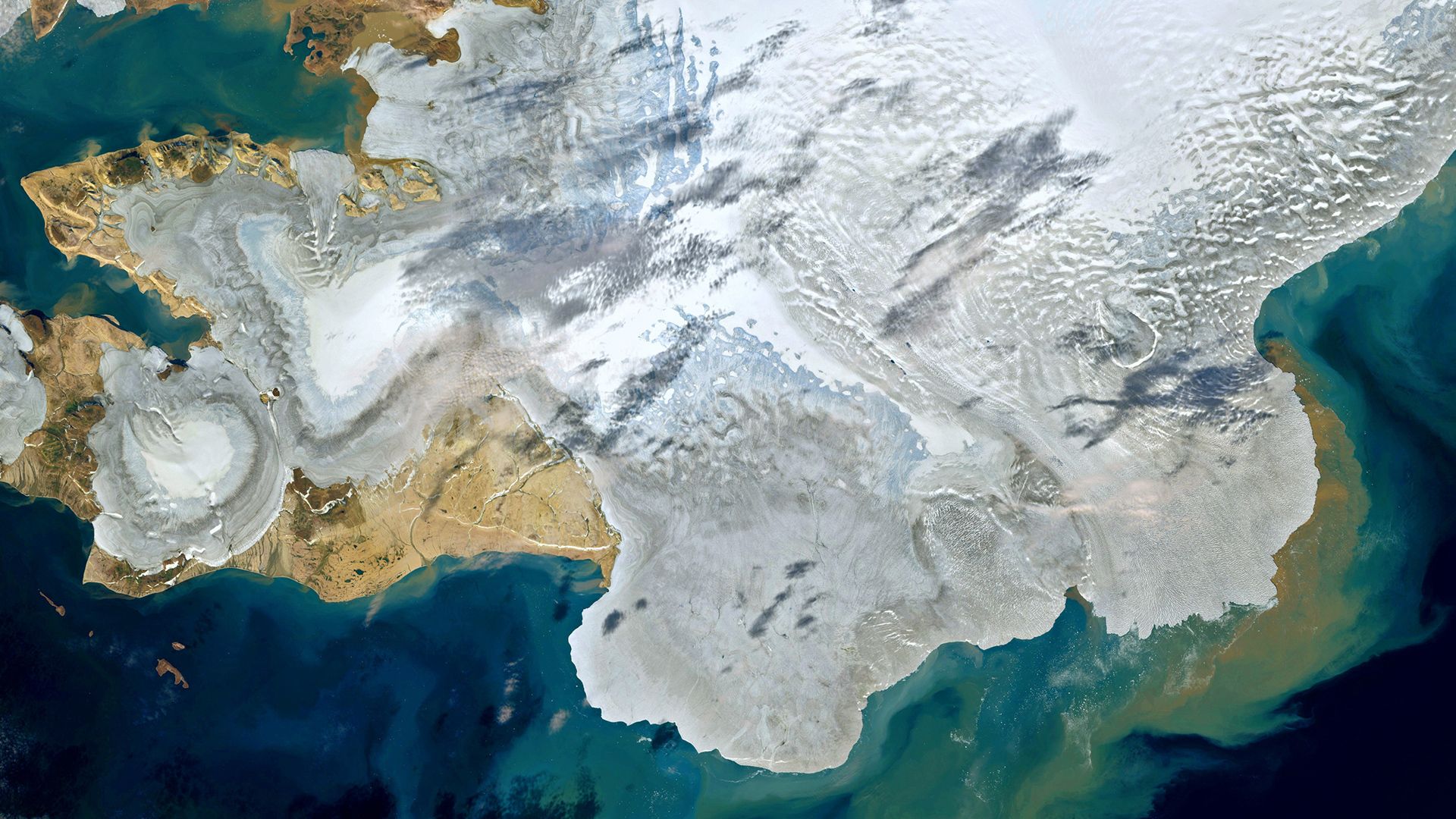
The Norwegian Arctic Archipelago of Svalbard, situated northeast of Greenland, is seeing a record melt season tied to human-caused global warming, scientists tell Axios.
Why it matters: The meltwater is pouring into the Atlantic Ocean, where it helps to raise sea levels. The rapid melt this year demonstrates Svalbard's status as one of the fastest warming places in the Northern Hemisphere, at about three times the rate of lower latitudes.
Sen. Kyrsten Sinema (D-Ariz.) is eyeing changes to Democrats' $740 billion reconciliation bill — specifically increasing climate funding and restructuring the tax provisions — as the Senate moves rapidly toward final passage before the August recess, Axios has learned.
Why it matters: Sinema is the one senator potentially standing in the way of Democrats clinching President Biden's longtime goal of passing an ambitious package tackling climate change, health care and taxes — renamed the "Inflation Reduction Act of 2022."
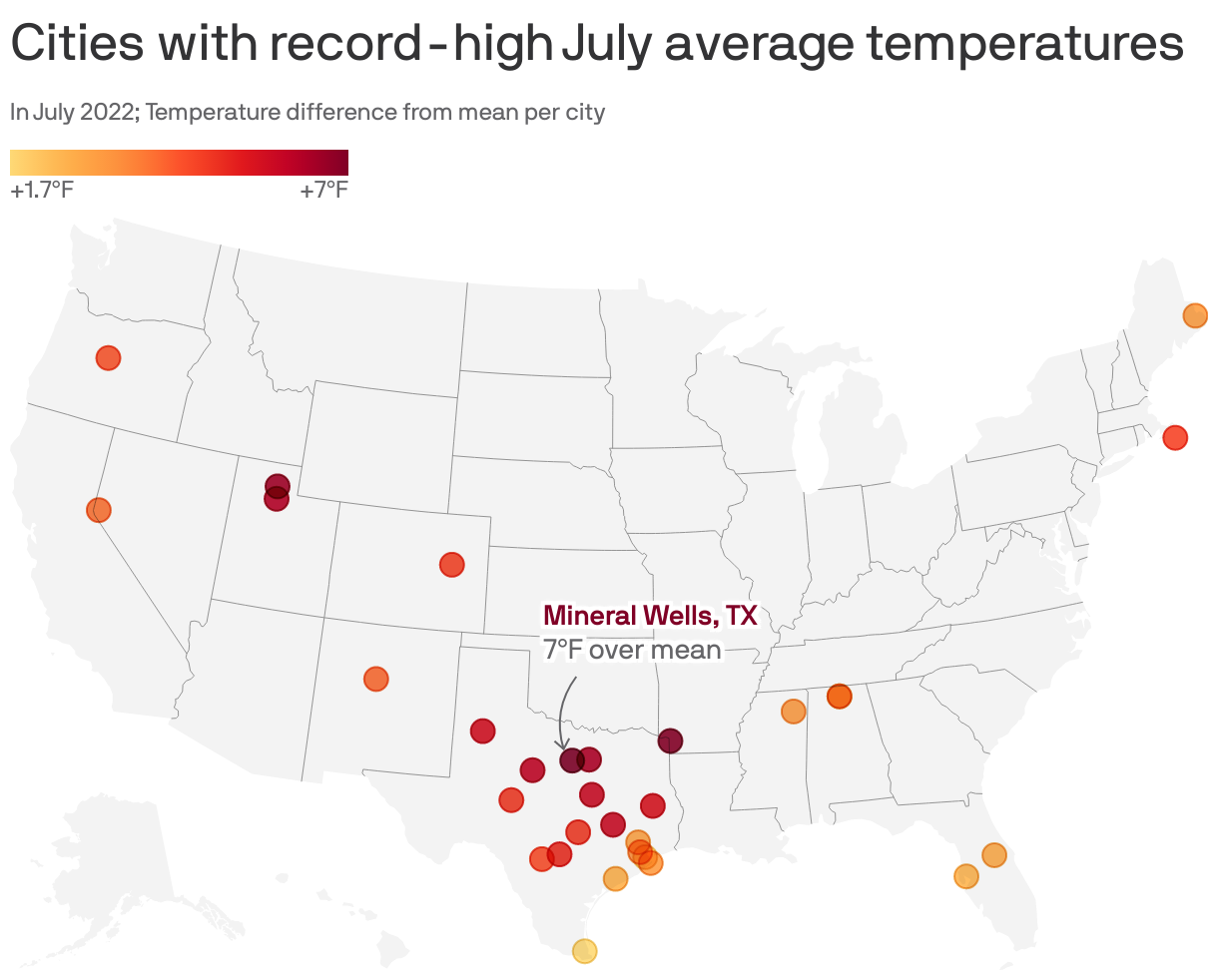
New data shows that at least 43 locations across the U.S. set or tied for their hottest July on record, according to data from the National Oceanic and Atmospheric Administration (NOAA) via the Southeast Regional Climate Center.
Driving the news: The record-breaking temperatureswere concentrated in Texas, Tennessee, Alabama, Mississippi, North and South Carolina and Oregon.
California's McKinney Fire, located near the Oregon border, has burned nearly 57,500 acres of land and conditions this week are ripe for continued fire spread.
Why it matters: The McKinney Fire is the state's largest wildfire so far this year and has prompted evacuation orders and a state of emergency declaration in California's Siskiyou County.
OPEC and its allied producers agreed Wednesday to increase oil output next month by around 100,000 barrels per day, a modest boost amid high oil prices and inflation and growing fears of a global recession.
Why it matters: High oil and gas caused by unstable energy supply set off by the coronavirus pandemic and aggravated by Russia's invasion of Ukraine have contributed to increased global inflation, though gas prices in the U.S. have recently started to fall since breaching $5-per-gallon in June.
The fragile Senate climate deal would provide a funding infusion for the National Oceanic and Atmospheric Administration, including for its climate and weather forecasting capabilities.
Why it matters: Accurate weather and climate forecasts are even more critical as extreme weather events become more severe due to human-caused global warming.
Political leaders and climate activists often say that human-caused climate change presents an existential threat to humanity, or could lead to a global catastrophe, but this is rarely defined.
Driving the news: A group of top climate scientists has come forward to argue that more rigorous research is urgently needed into such worst-case scenarios, which they call a "climate endgame."