President Biden announced Tuesday that the U.S. will ban all imports of Russian oil, natural gas and coal in response to Vladimir Putin's invasion of Ukraine.
What he's saying: "We will not be part of subsidizing Putin’s war," Biden said. "The American people will deal another powerful blow to Putin's war machine."
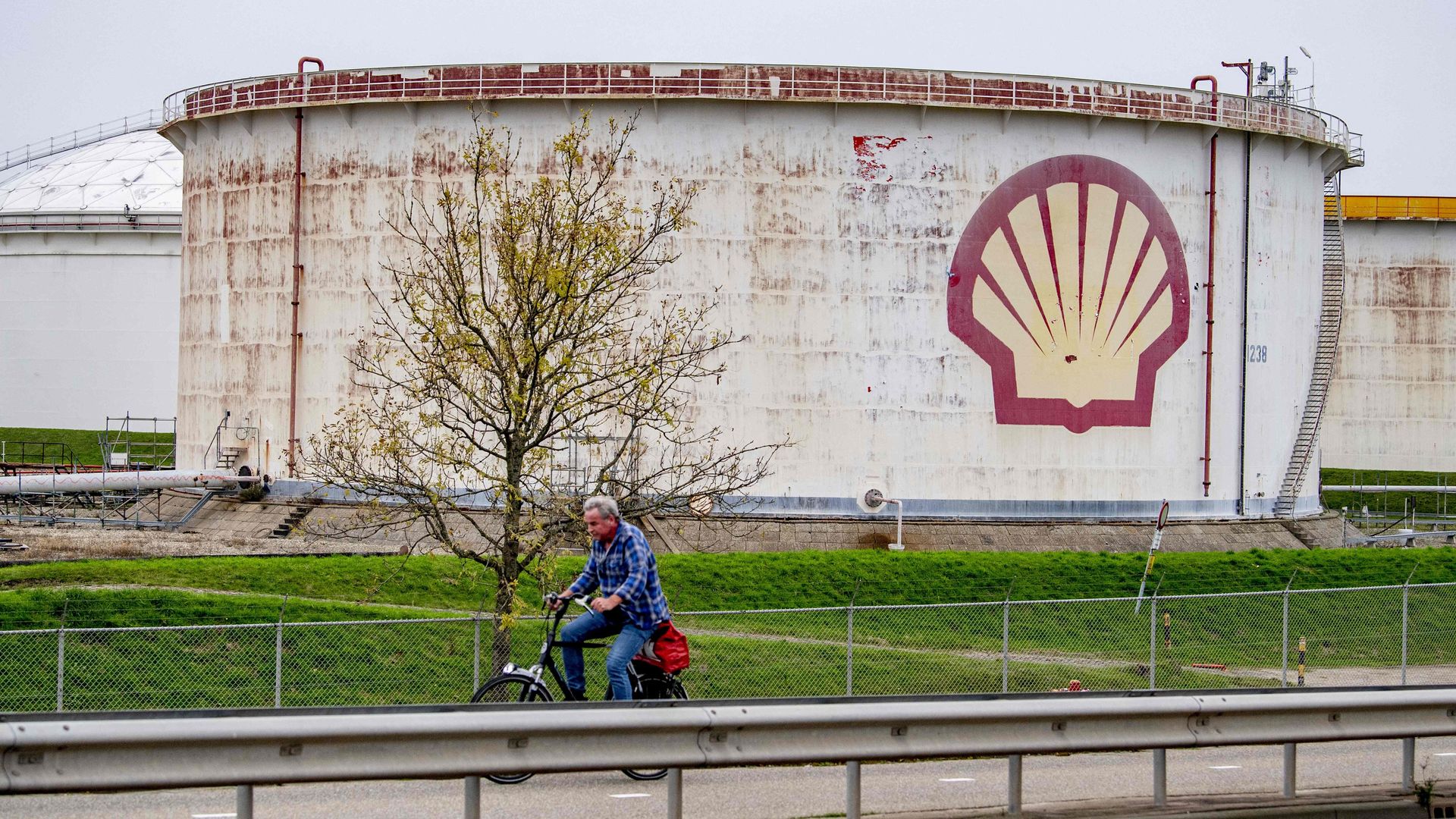
HOUSTON — CEOsof multinational oil-and-gas giants Exxon and TotalEnergies gave remarks at a major industry gathering here that underscore Big Oil's differing diversification strategies across the Atlantic.
What they're saying: Exxon CEO Darren Woods touted Exxon's emphasis on carbon capture, hydrogen and biofuels.
The Biden administration is walking a tightrope when it comes to addressing the climbing price of gas in ways that square with the administration’s climate policies.
Driving the news: The White House is caught between the need to address the high price of gas, which Tuesday hit a national record, and its ambitious climate agenda.
The Department of Defense will permanently close a World War II-era bulk fuel storage facility in Hawaii that leaked petroleum into the local drinking water supply last year, Defense Secretary Lloyd Austin announced Monday.
Why it matters: Water samples from a Navy-operated well serving military families contained diesel fuel 350 times the safe level, and thousands of families had to temporarily move from their homes near Joint Base Pearl Harbor-Hickam because of the leak, according to the New York Times.
Driving the news: The record, which isn't adjusted for inflation, comes as Russia's unprovoked invasion of Ukraine continues to disrupt the markets and drive up energy costs.
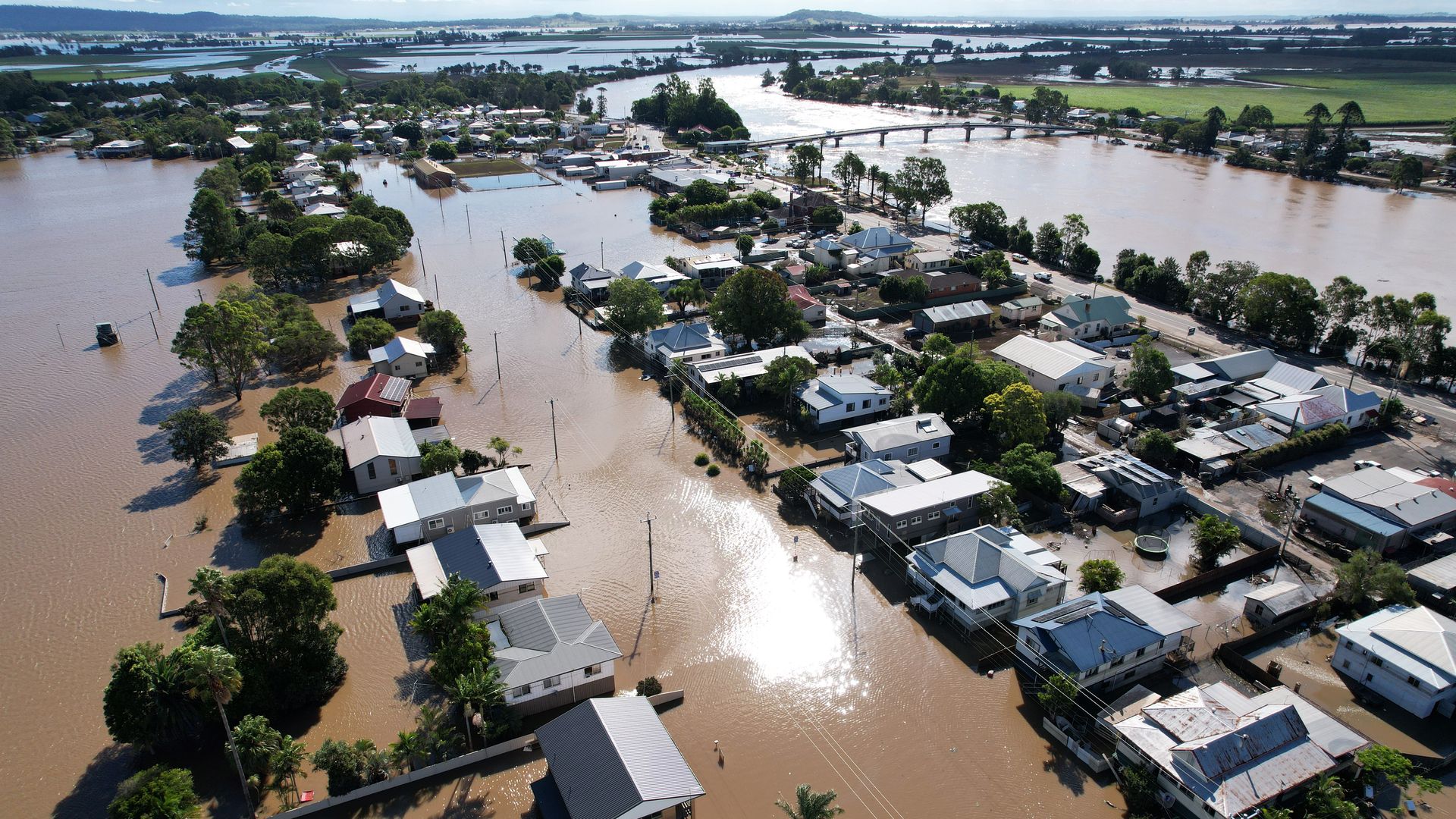
Some 60,000 Sydney residents were under evacuation orders as heavy rains and flash flooding linked to climate change pummeled much of Australia's largest city on Tuesday, per Australian emergency services.
The big picture: The severe weather has lashed Australia's east coast since late last month, killing at least 20 people. An Australian Bureau of Meteorology official told a briefing Tuesday that Sydney faced a "tough" 48 hours due to heavy rains, and minor to major flooding was occurring from the state of Queensland's border to Victoria's.
SK Group is pouring $100 million into 8 Rivers Capital, which bills itself as “a full-service Net Zero solutions provider.” The move will also establish an 8 Rivers-SK joint venture that will focus on decarbonization in South Korea and other Asian markets.
Why it matters: The announcement reflects how major corporations are willing to spend big to find ways to decarbonize beyond renewables and storage.
Satellite images collected over the past two decades show that more than 75% of the Amazon rainforest is likely struggling to recover from wildfires, droughts and human-caused disturbances, including logging, according to a study published Monday in the journal Nature Climate Change.
Why it matters: Researchers behind the study warn that because parts the Amazon are increasingly losing resilience, they risk eventually transforming into dry savannah.
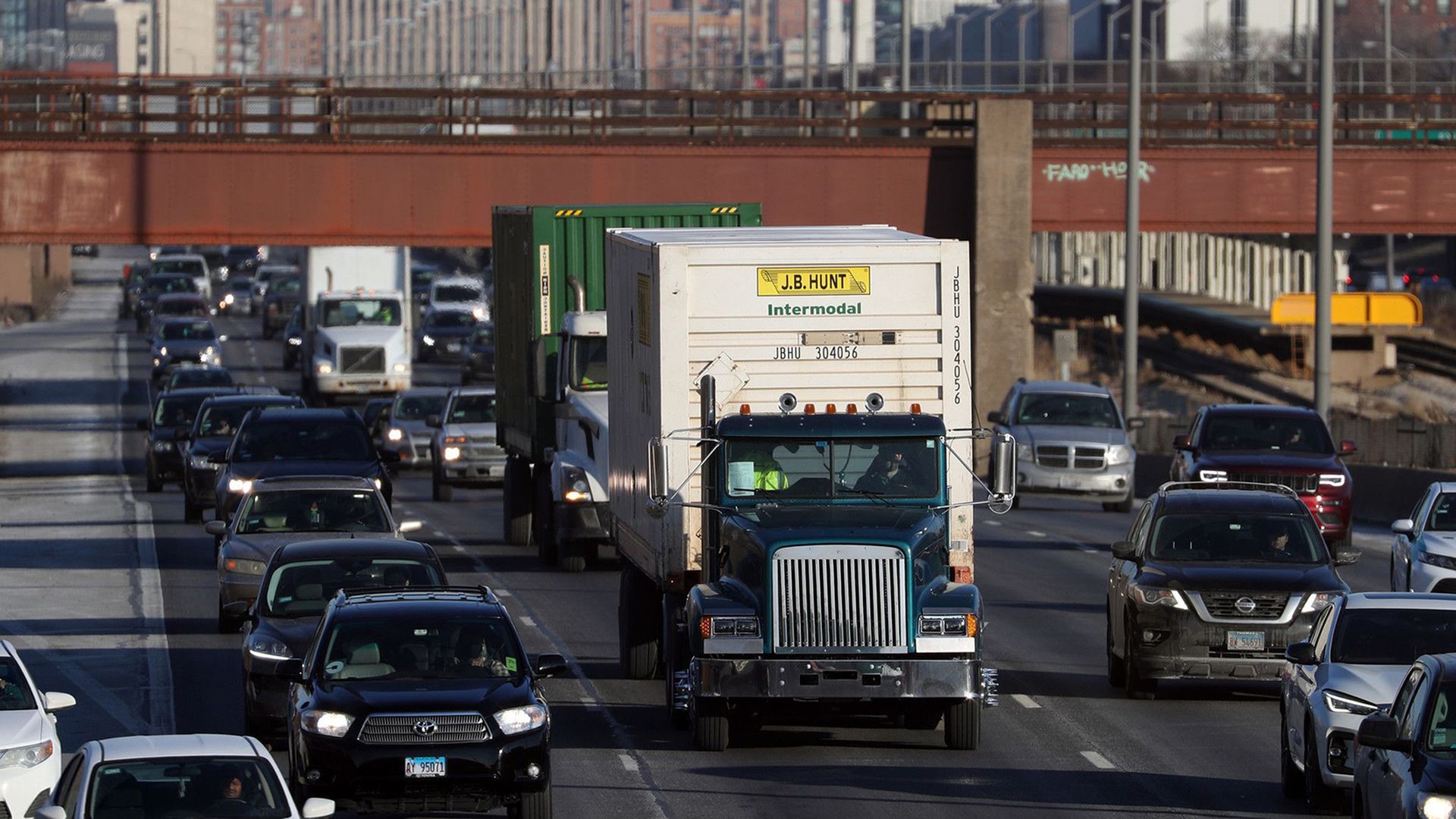
The Environmental Protection Agency on Monday proposed new limits on smog- and soot-forming nitrogen oxide emissions from heavy-duty vehicles like buses, vans and trucks.
Why it matters: This is the first update to tailpipe standards for the largest heavy-duty vehicles in more than 20 years, per the New York Times. It would apply to large 18-wheeler trucks and many school buses, moving trucks and delivery vans by model year 2027.
The risk of deaths due to extreme temperatures could rise significantly under a warming scenario of more than 2°C, according to a study published Monday in the journal Environmental Research Letters.
Why it matters: As Axios' Andrew Freedman reported recently, peer-reviewed research the world is already on course for at least 3°C (5.4°F) of warming above preindustrial levels — and running out of time to do something about it.
Top European leaders said Monday that they recognize the need to reduce the continent's dependence on Russian energy but stressed that an immediate embargo would not be feasible.
Why it matters: Under pressure from Congress and the Ukrainian government, the Biden administration may move to ban Russian oil imports on a unilateral basis if the U.S. cannot immediately bring along its European allies.
In a memo provided first to Axios, Evergreen Action is pushing back against the argument that boosting domestic oil and gas drilling is the best way to free the U.S. from Russian oil imports.
Driving the news: The environmental group is calling for a major boost in clean energy deployment instead.
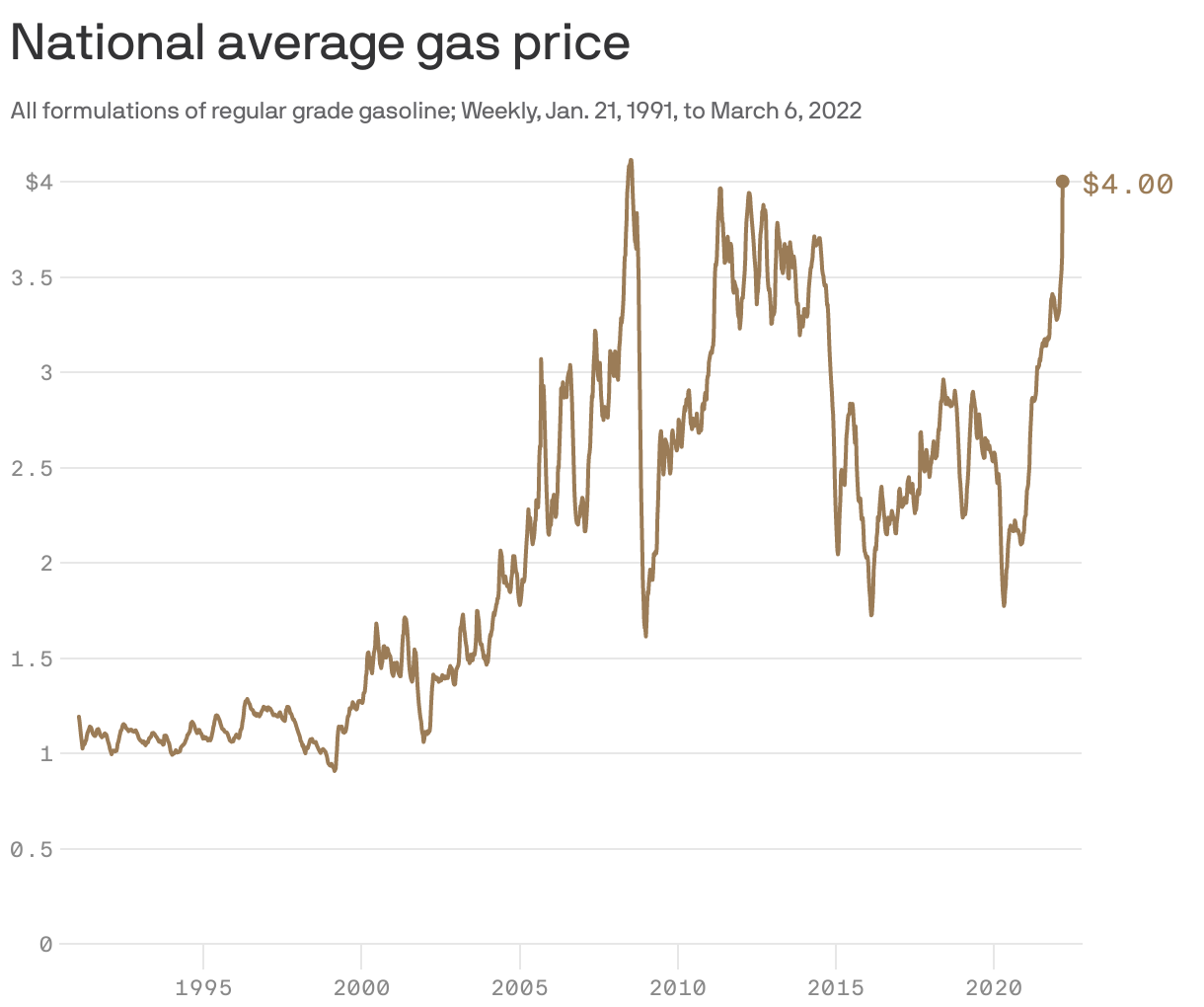
Data: U.S. Energy Information Administration/AAA; Chart: Will Chase/Axios
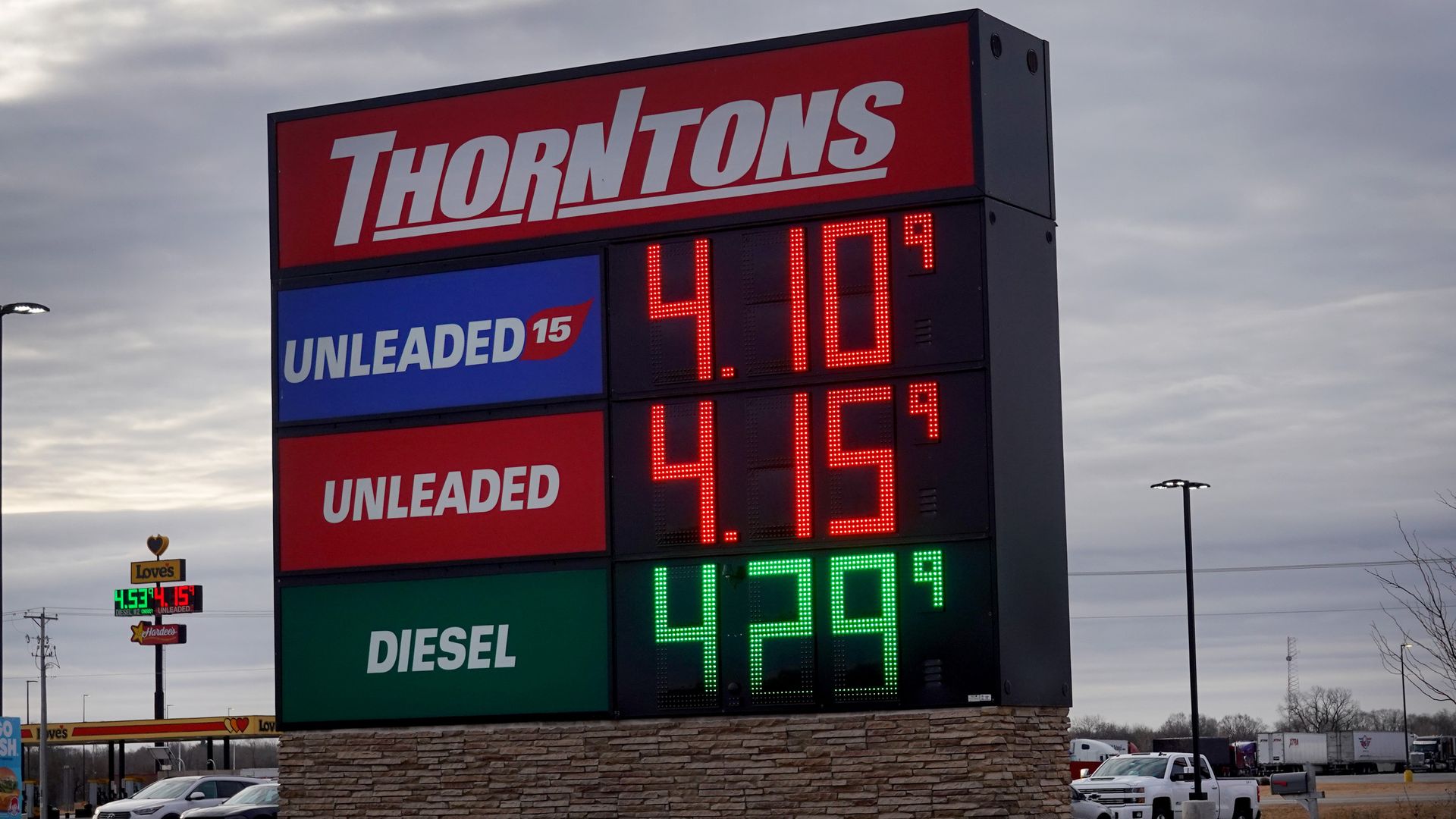
The average regular U.S. gasoline price climbed to $4.07 per gallon Monday, per AAA. That's a roughly 45-cent increase over the last week alone, it reports.
Why it matters: The increase means gas prices are now pennies away from the all-time high set in 2008 when the average price hit $4.11 a gallon. The record, which isn't adjusted for inflation, could fall in the coming days.
HOUSTON — A premier energy industry gathering is back in-person after a two-year COVID hiatus, but discussions that will dominate many sessions and closed-door meetings are different than anyone would have imagined before Russia invaded Ukraine.
Driving the news: CERAWeek by S&P Global draws Big Oil CEOs, Cabinet officials, foreign energy ministers, tech and power giants and everything in between.
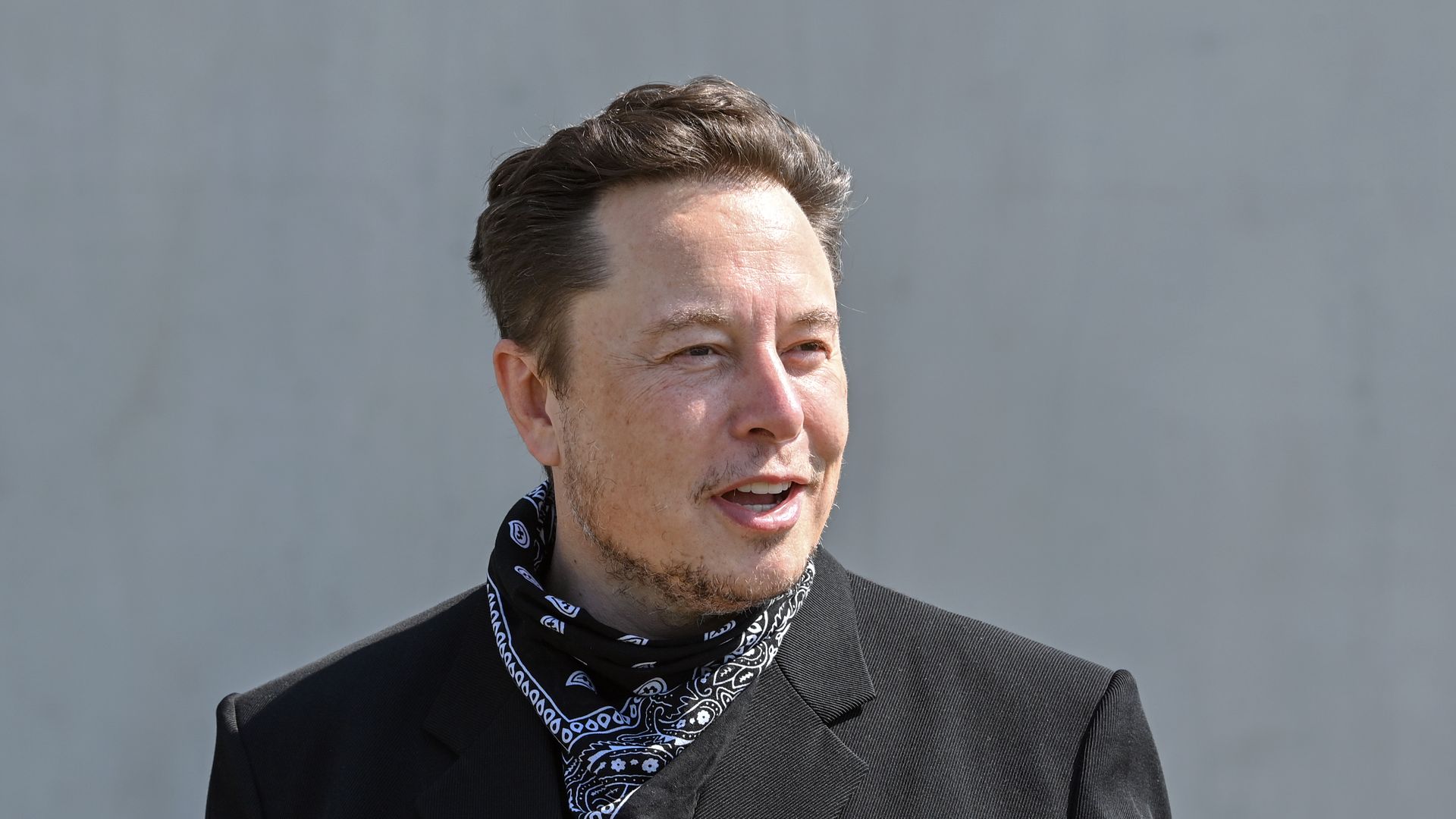
Tesla CEO Elon Musk is calling for the expansion of nuclear power in Europe and greater oil production in the U.S. as Russia's invasion of Ukraine spikes prices and lays bare the EU's energy vulnerabilities.
Driving the news: He tweeted Sunday that it's "extremely obvious that Europe should restart dormant nuclear power stations and increase power output of existing ones," calling it "critical" to national and international security.












/2022/03/07/1646666992514.gif?w=3840)