If there is a saving grace in this new world of $110 per barrel oil, it is that petroleum products play a less significant role in the U.S. economy than they did during the oil shocks of the 1970s, or even the price spikes of 2008.
Driving the news: Energy represented 4.2% of Americans' personal consumption expenditures in January, before the recent price surge. It was nearly 7% in the summer of 2008.
HOUSTON — Geothermal energy is hot these days, despite supplying a tiny share of global power, as startups employing sophisticated technologies are attracting significant venture capital.
What they're saying: Tim Latimer, CEO of the startup Fervo Energy, chatted with Axios at a major energy conference here.
HOUSTON — Energy Secretary Jennifer Granholm was by turns defiant and solicitous in remarks to oil-and-gas executives here as she called for cooperation on supply increases and the clean energy transition.
Why it matters: Her speech on Wednesday at the CERAWeek by S&P Global conference is part of a push for faster domestic output growth as Russia's war on Ukraine crimps supply, but without — so far — backing off policies the industry calls restrictive.
HOUSTON — Top oil industry officials say they deserve a seat at the table when it comes to tackling climate change — and argue there's really no choice anyway.
Driving the news: "At COP26 the energy industry was not invited to have a seat at the table to find solutions to the transition to alternatives," Saudi Aramco CEO Amin Nasser said at the CERAWeek by S&P Global conference here Tuesday, referring to the big UN climate summit in late 2021.
The Environmental Protection Agency on Wednesday restored California's legal authority to set tailpipe emissions standards that are stricter than the federal rules.
Why it matters: The move restores California's status as a climate regulator after former President Trump stripped the state of that power when he was in office. The EPA has long signaled its intent to reverse the rollbacks.
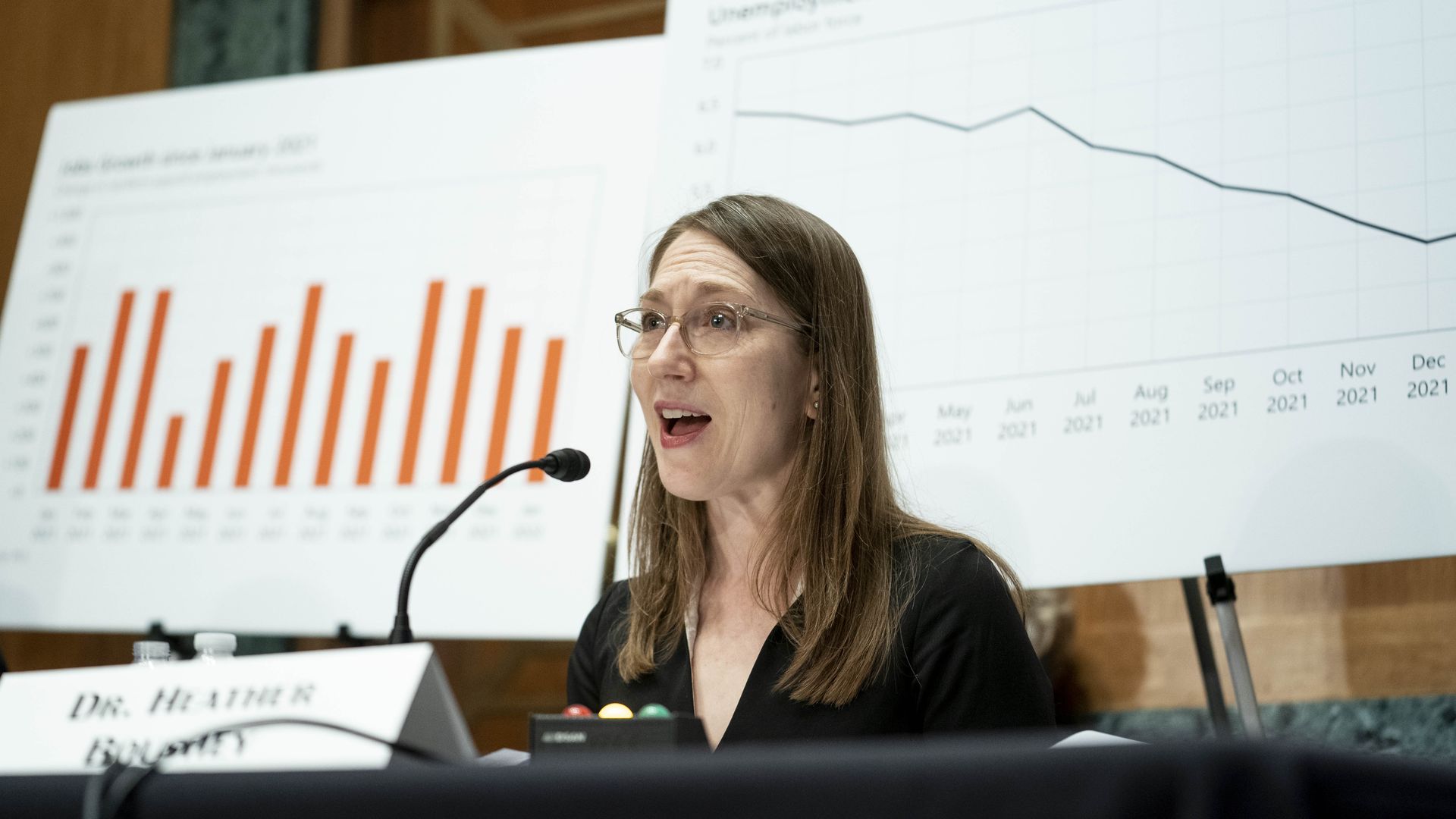
The U.S. can meet its energy needs without Russia, White House economic adviser Heather Boushey told Axios at an event Wednesday, adding that a pivot toward clean energy could help keep Americans from paying high gas prices in the future.
Why it matters: Gas prices hit a record high on Tuesday at $4.173 per gallon. The U.S. on the same day banned imports of Russian oil in response to Vladimir Putin's invasion of Ukraine.
Australian Prime Minister Scott Morrison declared a national emergency Wednesday to speed up the delivery of aid to parts of the country's east coast that have been devastated by widespread, record floods for several weeks.
What they're saying: The national emergency declaration will "ensure all our emergency powers are available and that we cut through any red tape we might face in delivering services and support on the ground,” Morrison said in the press release.
The world's energy-related CO2 emissions reached an all-time high in 2021, according to new data released by the International Energy Agency.
Why it matters: The emissions rebound after the COVID-related economic downturn is another sign that the global economic recovery has not been a "green" or sustainable one.
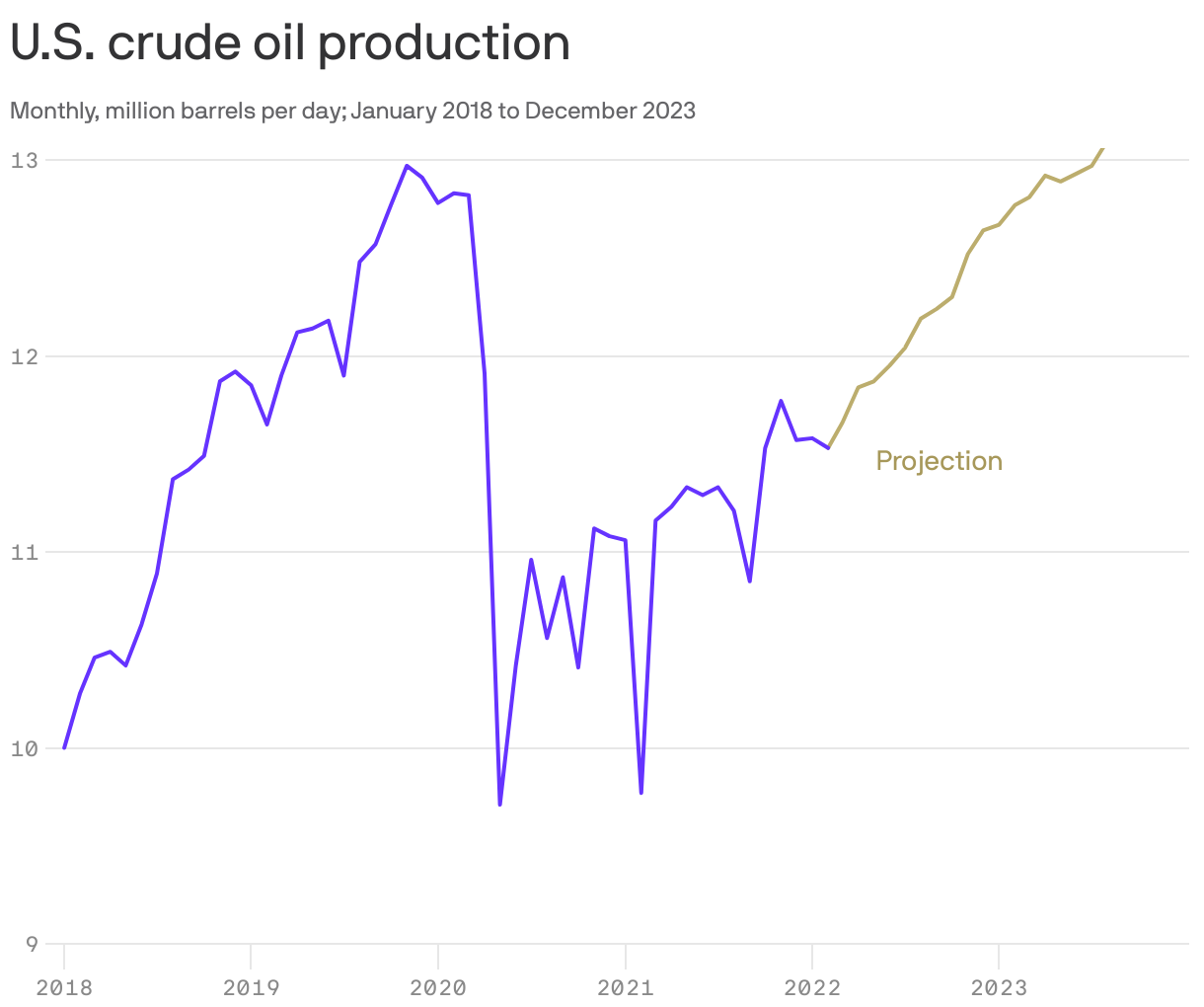
HOUSTON — One topic getting lots of attention at a huge energy industry conference here is whether U.S. oil production can grow even faster as western countries seek to isolate Vladimir Putin.
Driving the news: The U.S. Energy Information Administration just increased its 2023 U.S. production forecast to an average of 13 million barrels per day (mbd), up from 12.6 mbd in last month's projection.
HOUSTON — President Biden's ban on Russian oil imports has rather limited commercial effects, but carries symbolic weight and quickly entered domestic energy policy battles.
The big picture: The U.S. and EU commercial positions are very different. Russia provides significant amounts of oil to the U.S., but nowhere near the huge volumes it provides Europe.
The most important shifts — both substantive and symbolic — in the West's energy stance toward Russia unfolded Tuesday on both sides of the Atlantic.
The big picture: The European Union, long dependent on Russian oil and natural gas, unveiled plans to break that reliance for good — and with astonishing speed.