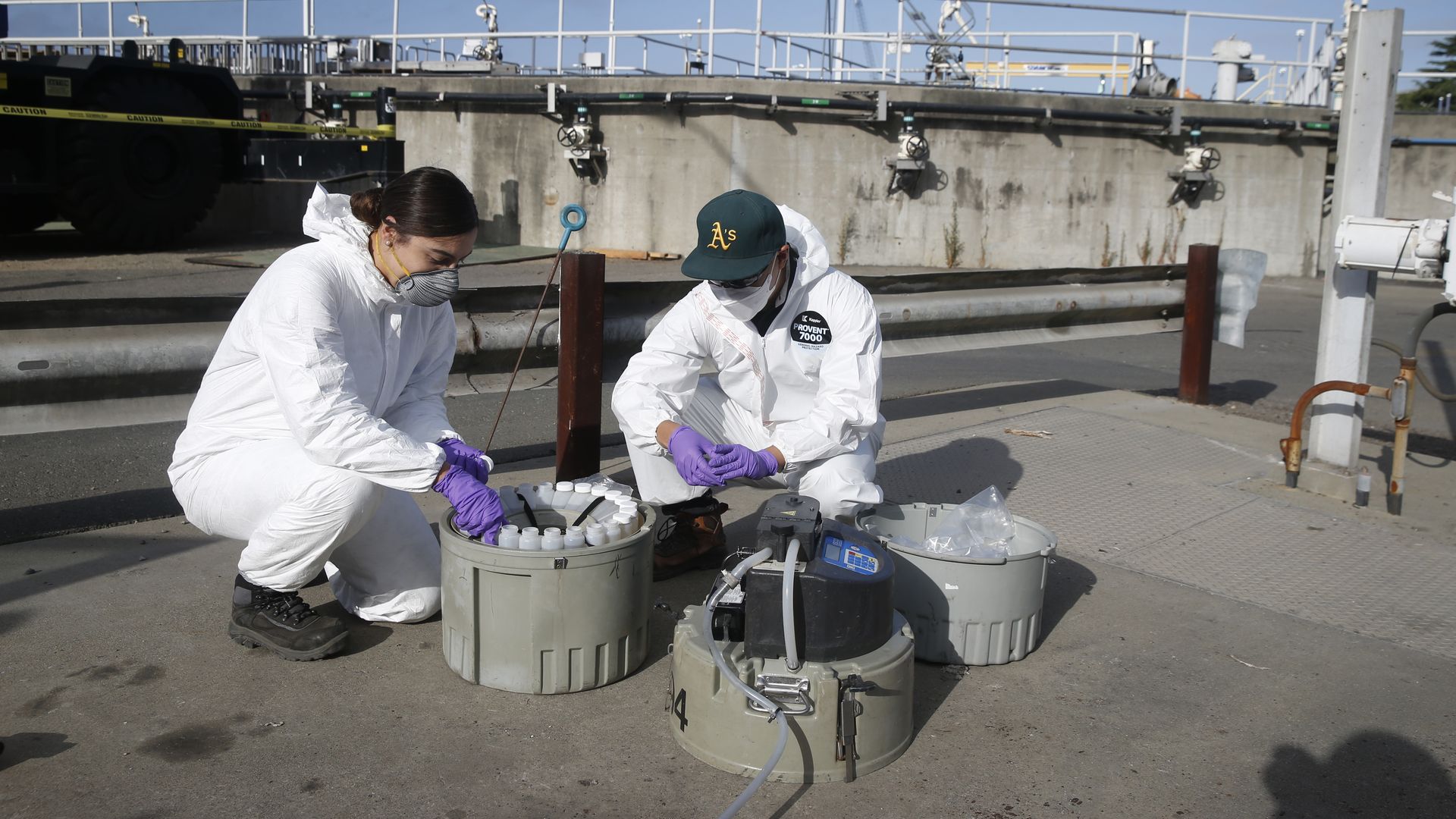
The Centers for Disease Control and Prevention (CDC) announced Friday that it will expand a program that detects the coronavirus in wastewater as part of an effort to better track infection trends across the U.S.
Why it matters: Roughly 40-80% of people with COVID-19 shed viral RNA in their feces, according to CDC estimates. That makes wastewater surveillance a critical tool for monitoring the virus' spread.
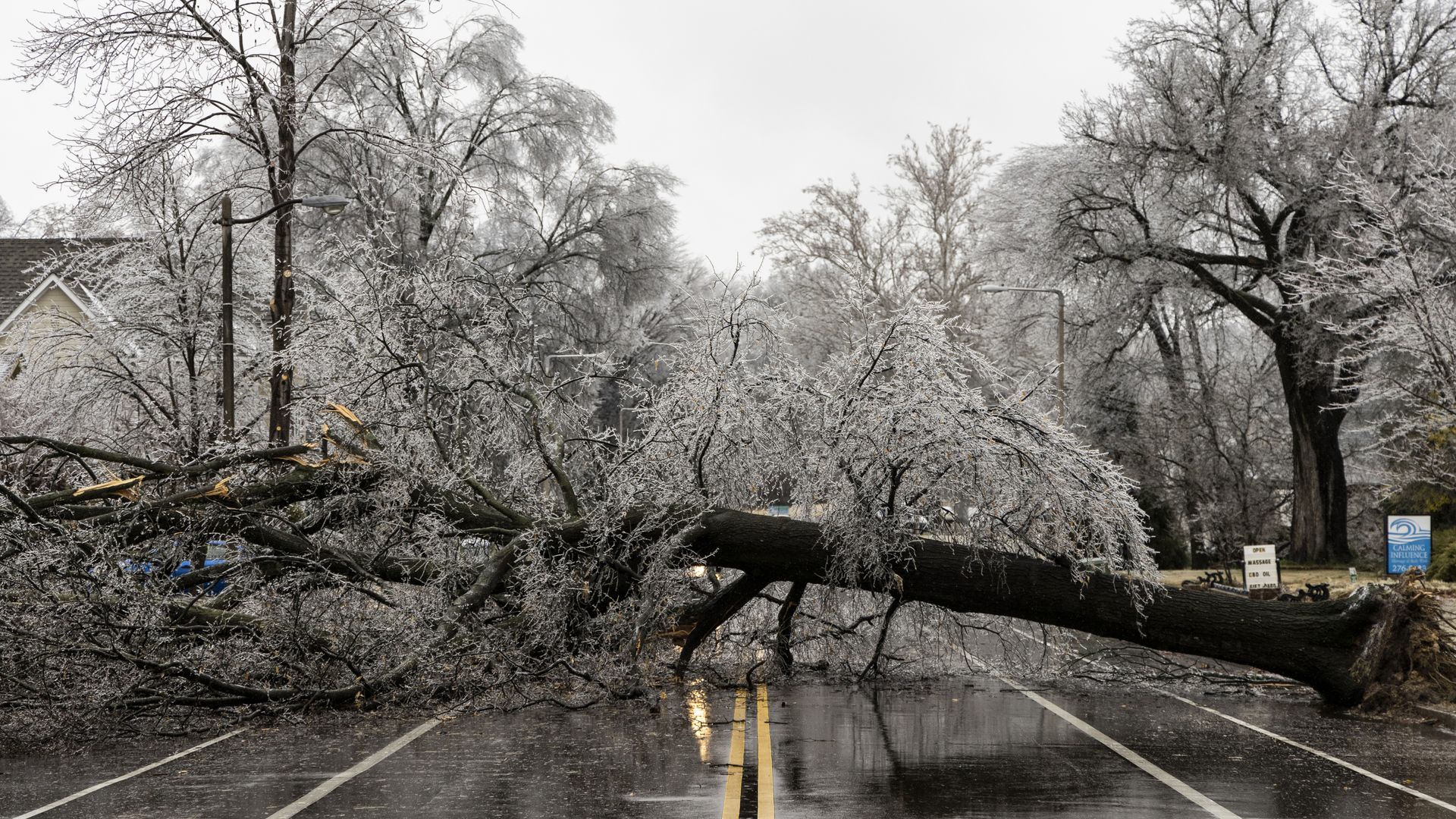
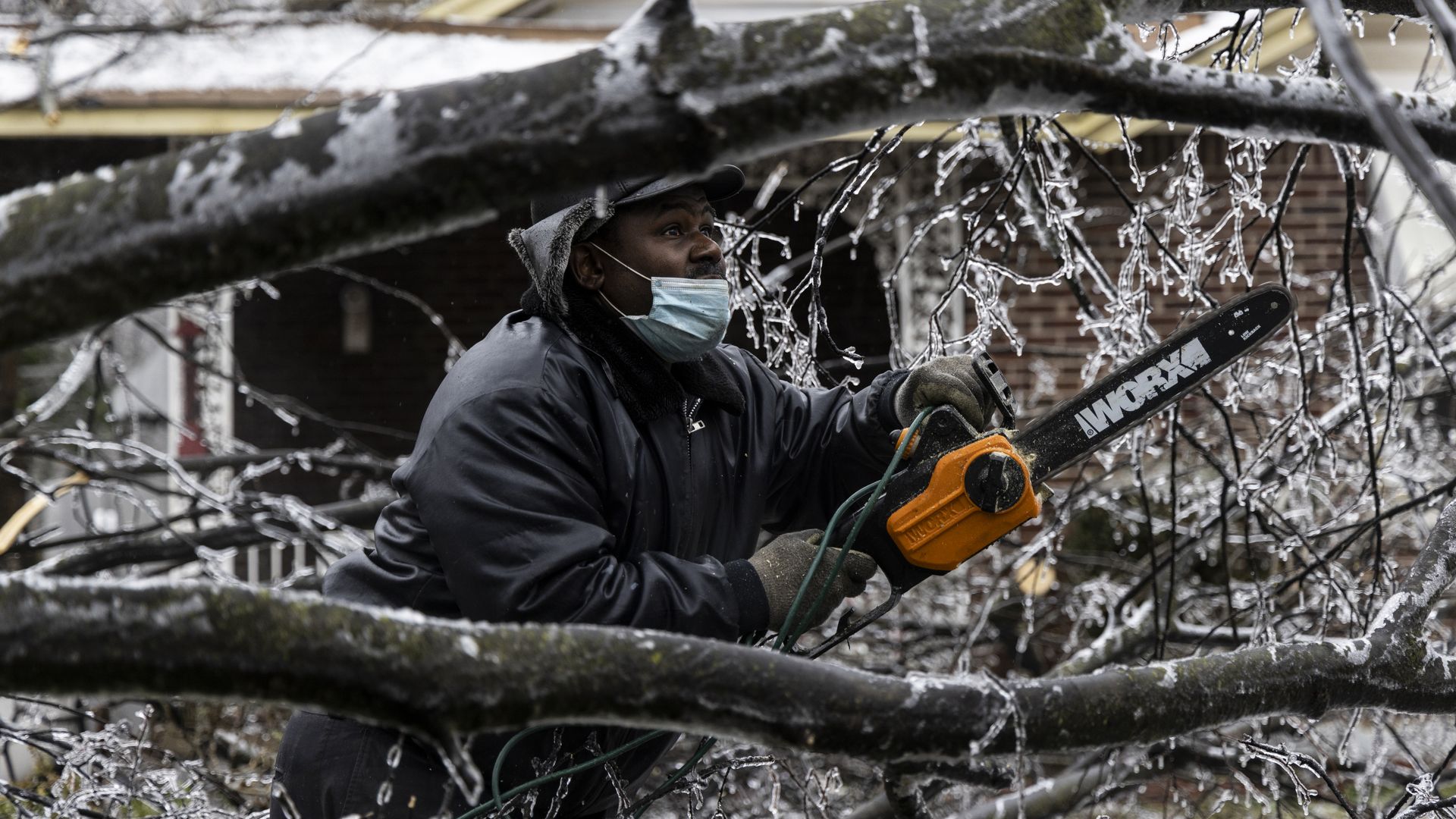
A sprawling winter storm that has forced schools to close, knocked out power and massively disrupted road and air travel is expected to blast the Northeast U.S. with heavy snowfall and "treacherous" ice accumulations on Friday before exiting over the Atlantic Ocean this weekend, the National Weather Service said.
Driving the news: Multiple governors declared states of emergency as heavy snow, freezing rain and ice pummeled much of the Central, Eastern and Southern U.S. On the warm side of the storm, thunderstorms spawned tornadoes in Alabama that killed one person Thursday.
The Biden administration is taking initial steps to meet a tough goal: powering the government with zero-carbon power around the clock.
Driving the news: Yesterday the General Services Administration — the government's landlord — and the Defense Department announced a formal request for information (RFI) to solicit input.
A Senate hearing on Thursday showed intense interest in the Federal Reserve's climate work as Republicans' fear of anti-oil banking policies gives a key nominee a rocky path to confirmation.
Driving the news: Senate Banking Committee Republicans pressed Sarah Bloom Raskin, President Biden's pick for the Fed's top banking cop, on whether she'd seek to limit credit to fossil fuel industries.
A massive winter storm that has slammed much of the country will enter its third day Friday and is expected to slam the Northeast U.S. before exiting over the Atlantic Ocean this weekend, the National Weather Service said.
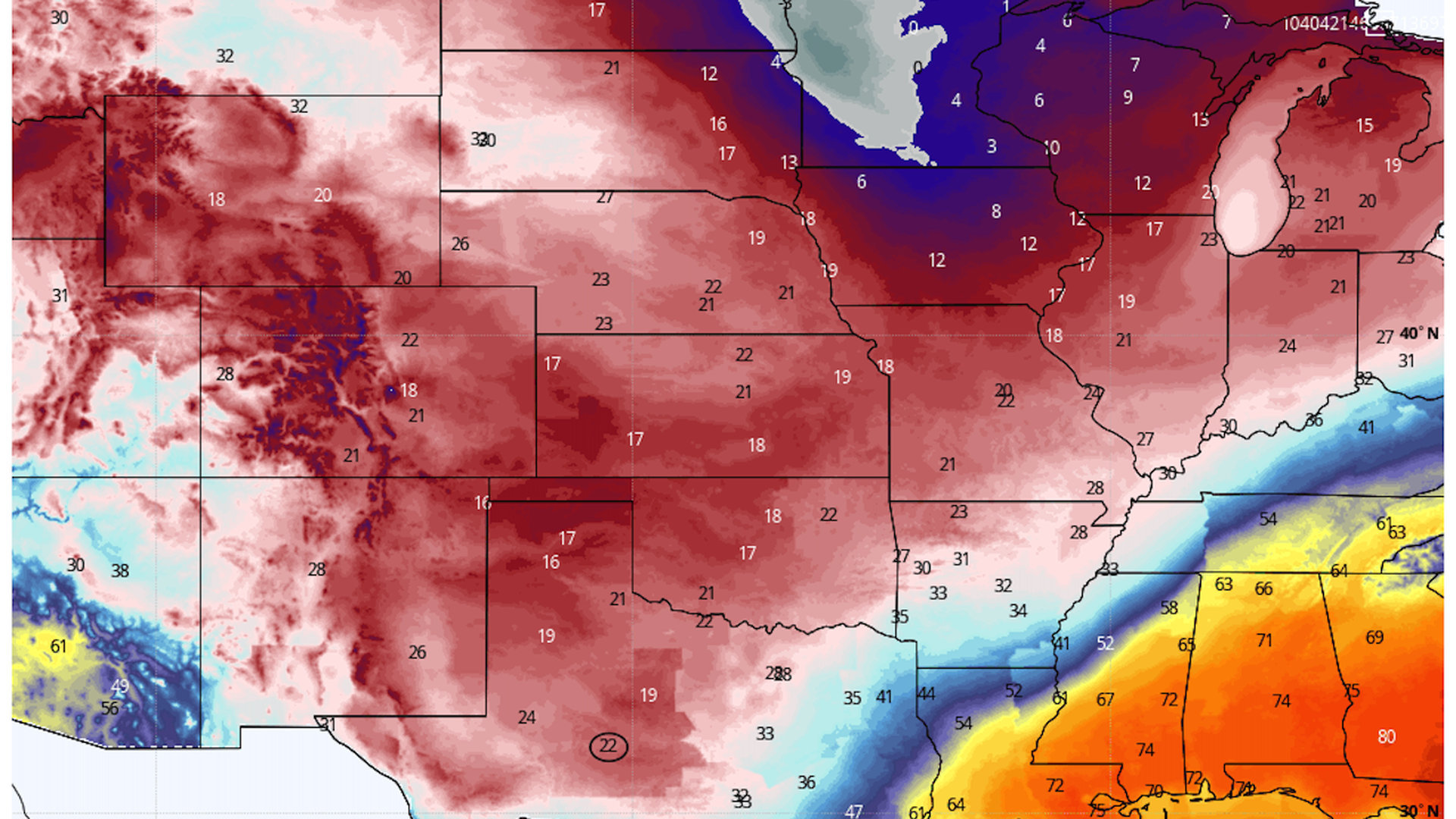
The latest: The NWS said heavy snowfall and "treacherous" ice accumulations are expected to hit the Northeast Friday. The storm will bring with it temperatures ranging between 15 to 30 degrees below average from the Southern Plains to the Ohio Valley.
President Biden plans to maintain former President Trump's tariffs on solar cells and panels, but loosen some restrictions on importing supplies from Asia to help combat climate change, according to people familiar with the matter.
Driving the news: Biden will issue a proclamation on Friday morning to extend the so-called Section 201 tariffs, due to expire Sunday, for another four years, an administration official said.
European climate policy moves and the Ukraine crisis together show why environmentalist campaigns against natural gas face headwinds on both sides of the Atlantic.
Driving the news: The European Commission on Wednesday included certain forms of gas and nuclear power in the "taxonomy for sustainable activities" meant to guide private investment.
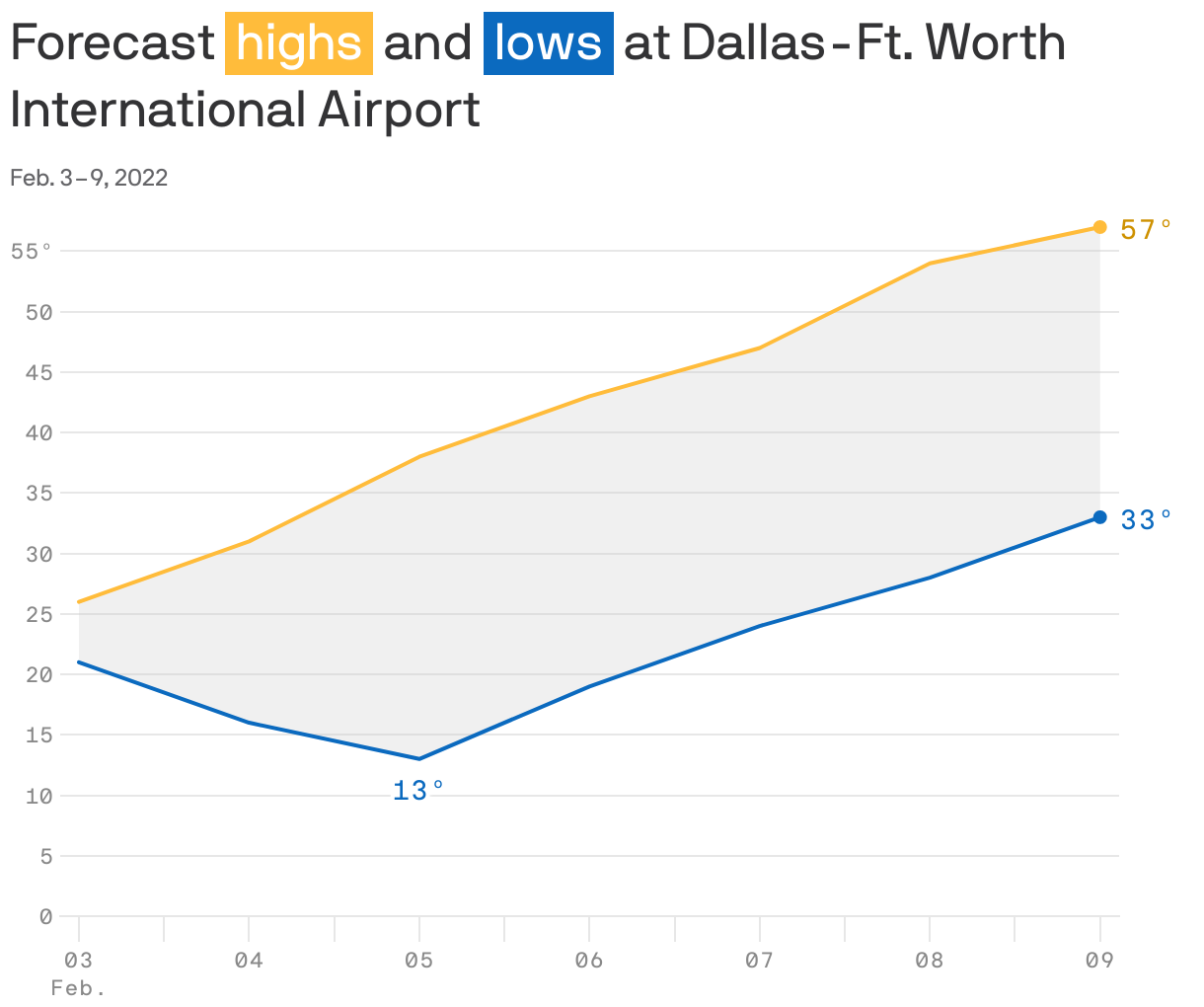
Data: National Weather Service; Chart: Jared Whalen/Axios
Frigid air has once again moved into Texas, with freezing rain, sleet and snow falling in parts of the state, including the Dallas-Ft. Worth metro area.
Shell reported $6.4 billion in Q4 net earnings and a full-year 2021 profit of $19.3 billion today.
Why it matters: The big quarter and year is the latest sign of Big Oil's financial recovery from COVID-19 on the strength of higher commodity prices and demand.
Near Space Labs, a Brooklyn-based Earth observing company, is making images of the U.S. available at the ultra-high, 10-centimeter resolution for commercial use beginning this week, the company tells Axios.
The big picture: This makes Near Space Labs the only company to offer imagery this detailed on the commercial market right now.
The National Butterfly Center in Mission, Texas, said Wednesday that it will shut down "for the immediate future" after facing ongoing harassment rooted in right-wing conspiracy theories.
Why it matters: The nonprofit nature reserve, one of the most popular tourist destinations in the Rio Grande Valley, became a target after it sued the Trump administration in 2017 disputing its planned U.S.-Mexico border wall.
More than 109 million people are under winter precipitation alerts and over 3.6 million are subject to cold temperature alerts as the U.S. faces its second major winter storm in a week. Compared to last weekend's New England blizzard, this has a much larger real estate footprint, with the National Weather Service (NWS) describing its scope as "massive."
The latest: About a third of the continental 48 states are feeling its impact, with temperatures dropping 20 to 40 degrees below average in some areas, according to the NWS. It's due to hit the hardest in the Ohio Valley and parts of the South, where icy roads and power outages could lead to blackouts.



/2022/02/04/1643988053381.gif?w=3840)