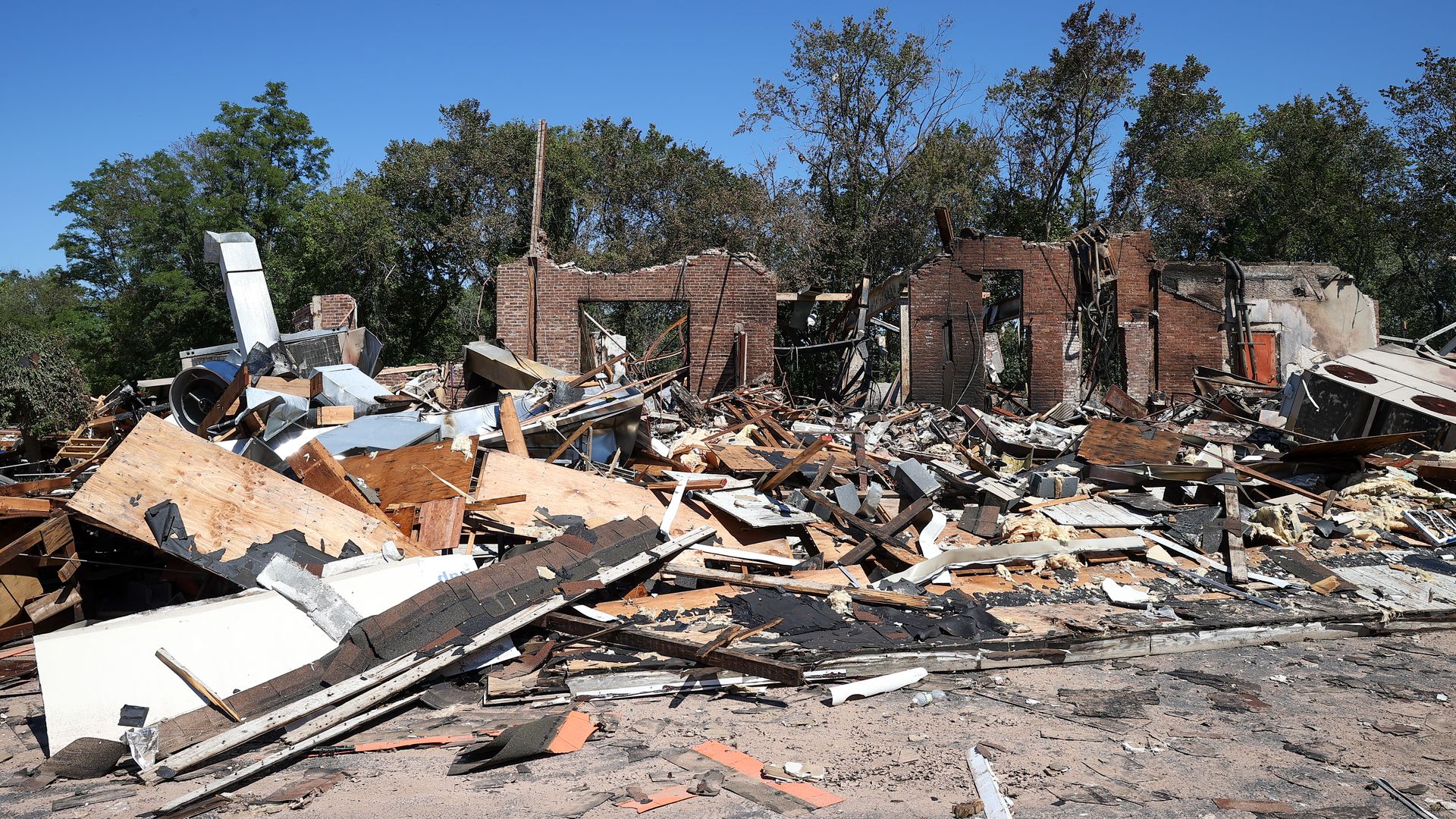
Weather and climate disasters in 2021 have killed 538 people in the U.S. and cost over $100 billion, according to a report from the National Oceanic and Atmospheric Administration.
Why it matters: The first nine months of 2021 saw the largest number of billion-dollar disasters in a calendar year so far, with 2021 on pace for second behind 2020, per the report.
A lot of discussion about oil companies' climate efforts compares U.S. and European majors, but a new report shows there's no strategic consensus in the wider industry.
Driving the news: Deloitte's analysis says separate approaches have emerged as companies prepare for long-term declines in demand in a world that will still likely use huge amounts of oil for decades.
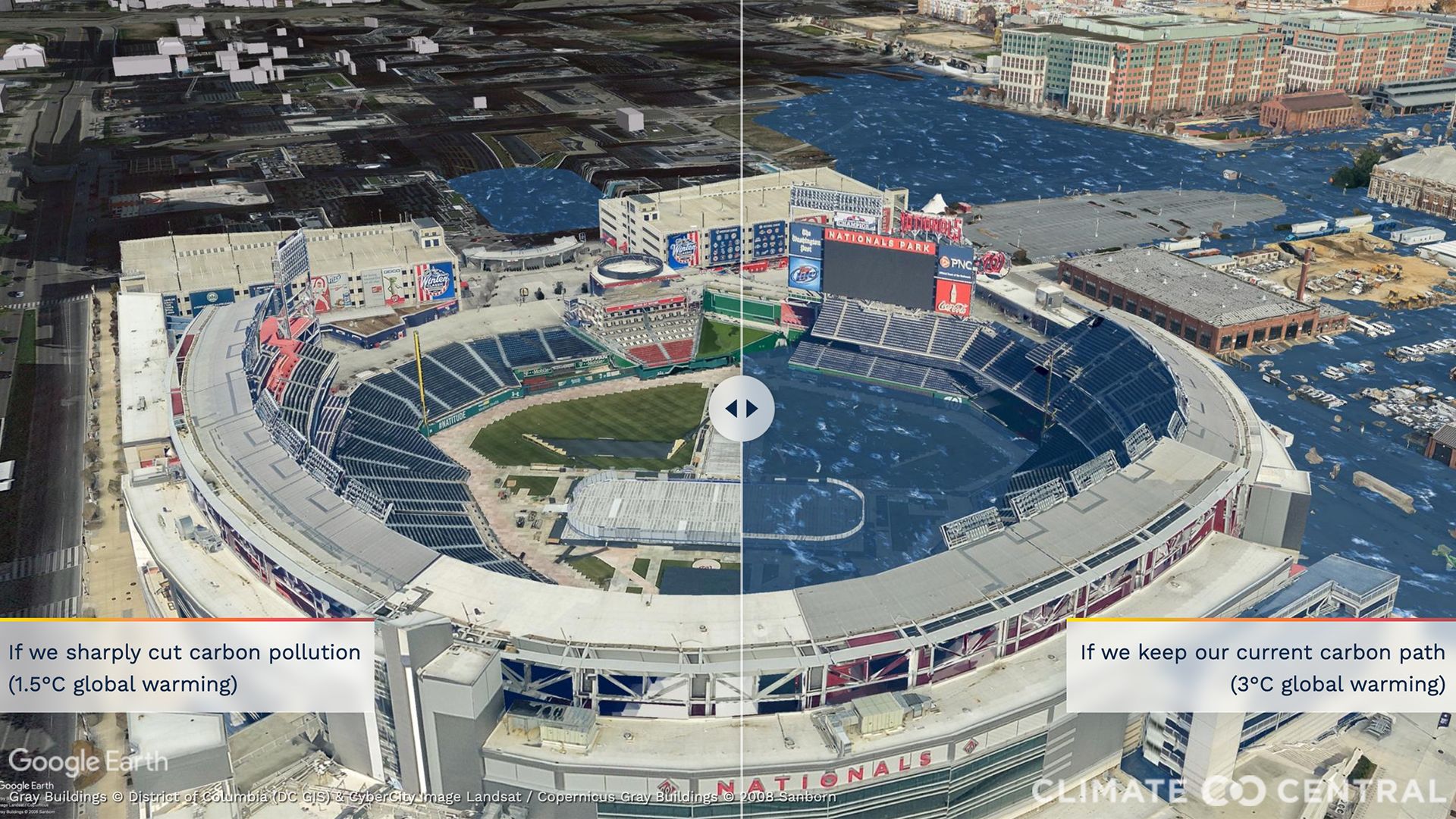
Nations’ follow through — or lack thereof — on pledges made at the looming UN climate summit will help determine the long-term fate of tens of millions of people living in coastal megacities threatened by rising seas.
Why it matters: The delayed response of the climate system, with seas that warm and expand slowly and ice sheets that can take centuries to reach equilibrium — long after air temperatures have leveled off, means the stakes of COP26, and government decisions in coming years, are extraordinarily high.
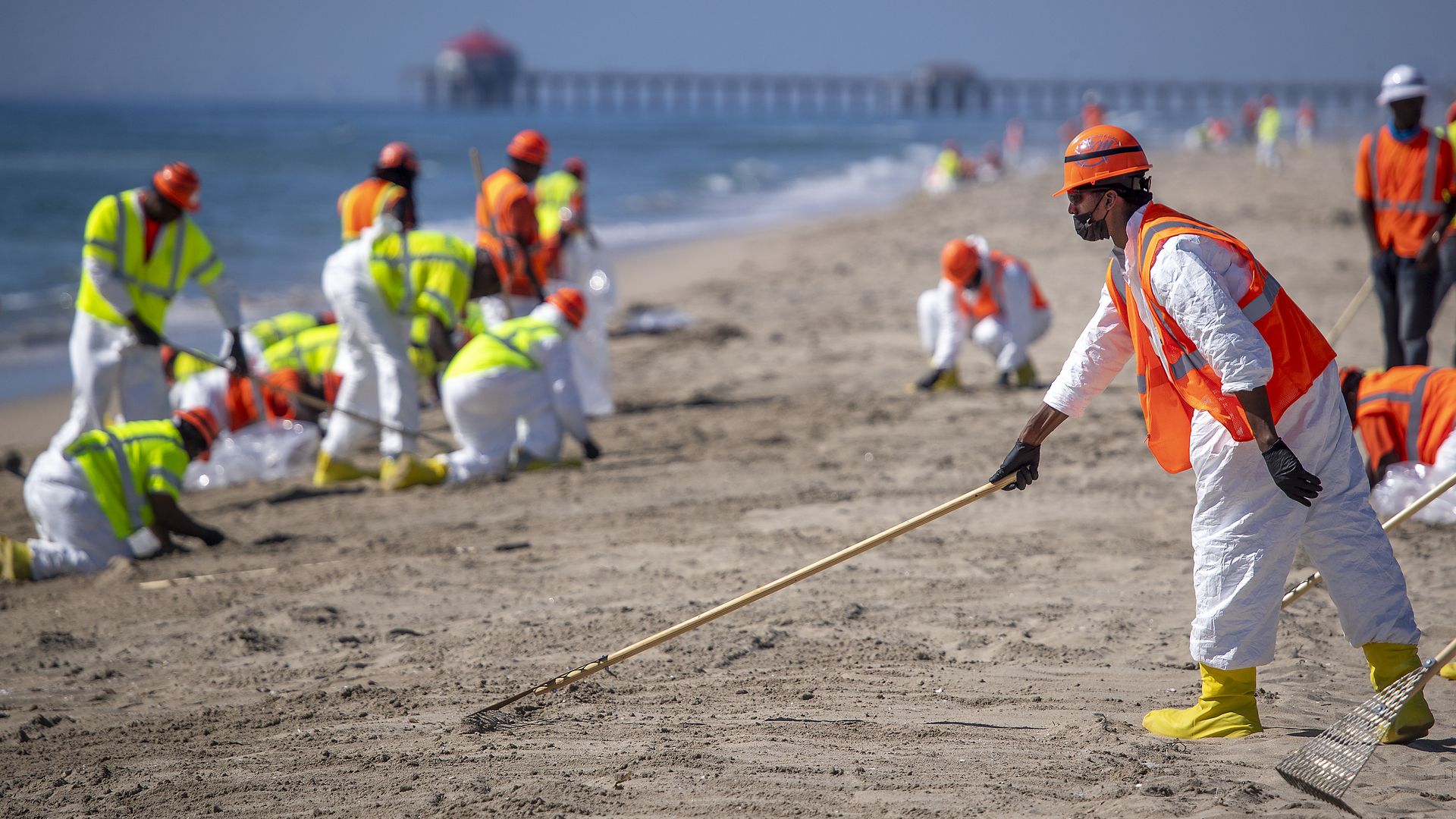
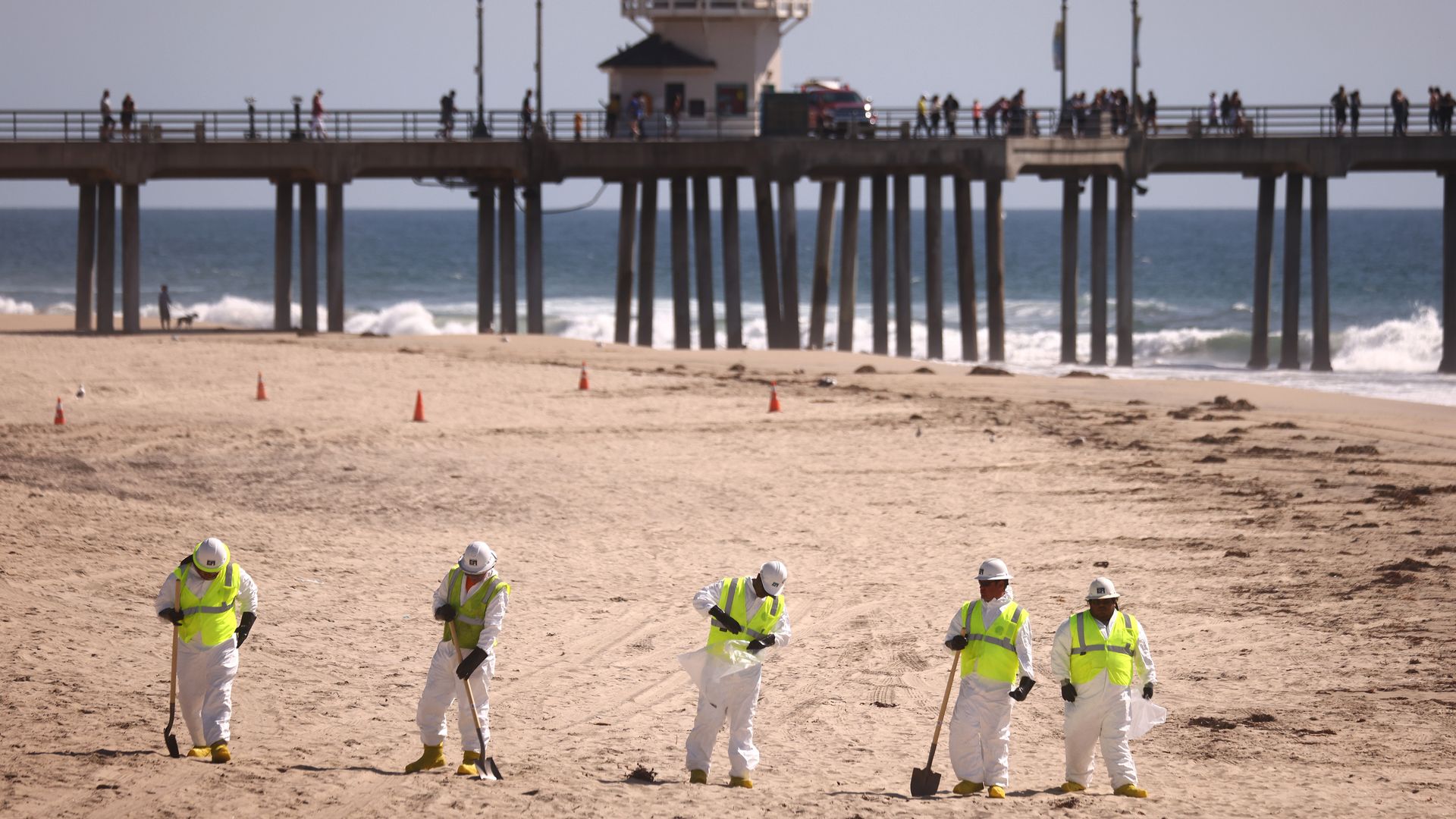
California Attorney General Rob Bonta announced Monday that the state's Justice Department is investigating the massive oil spill off Orange County's Huntington Beach coastline.
Why it matters: It's "an environmental disaster with far-reaching consequences for our fish and wildlife, for our communities, and for our economy," Bonita said in a statement.
A UN panel announced Monday that it cannot rule on a complaint by Greta Thunberg and other youth climate activists stating that inaction on climate change violates children's rights, the UN Human Rights Office said in a press release.
Why it matters: The complaint is part of a trend of legal suits invoking climate inaction as a human rights issue.
A Southern California coastal area closed since one of the largest oil spills in the state's recent history struck over a week ago reopened Monday, as cleanup efforts continue.
The latest: Huntington Beach's reopening Monday came sooner than many expected, after water quality tests came back with no detectable levels of oil associated toxins in the ocean water, AP reports.
U.S. special climate envoy John Kerry announced Monday that 24 additional countries agreed to a voluntary pledge to cut emissions of methane, a potent greenhouse gas, by one-third by 2030.
Why it matters: The Global Methane Pledge, which the Biden administration announced with the European Union last month, now includes nine of the world's top 20 methane emitting countries, representing around 30% of total emissions and 60% of the global economy.
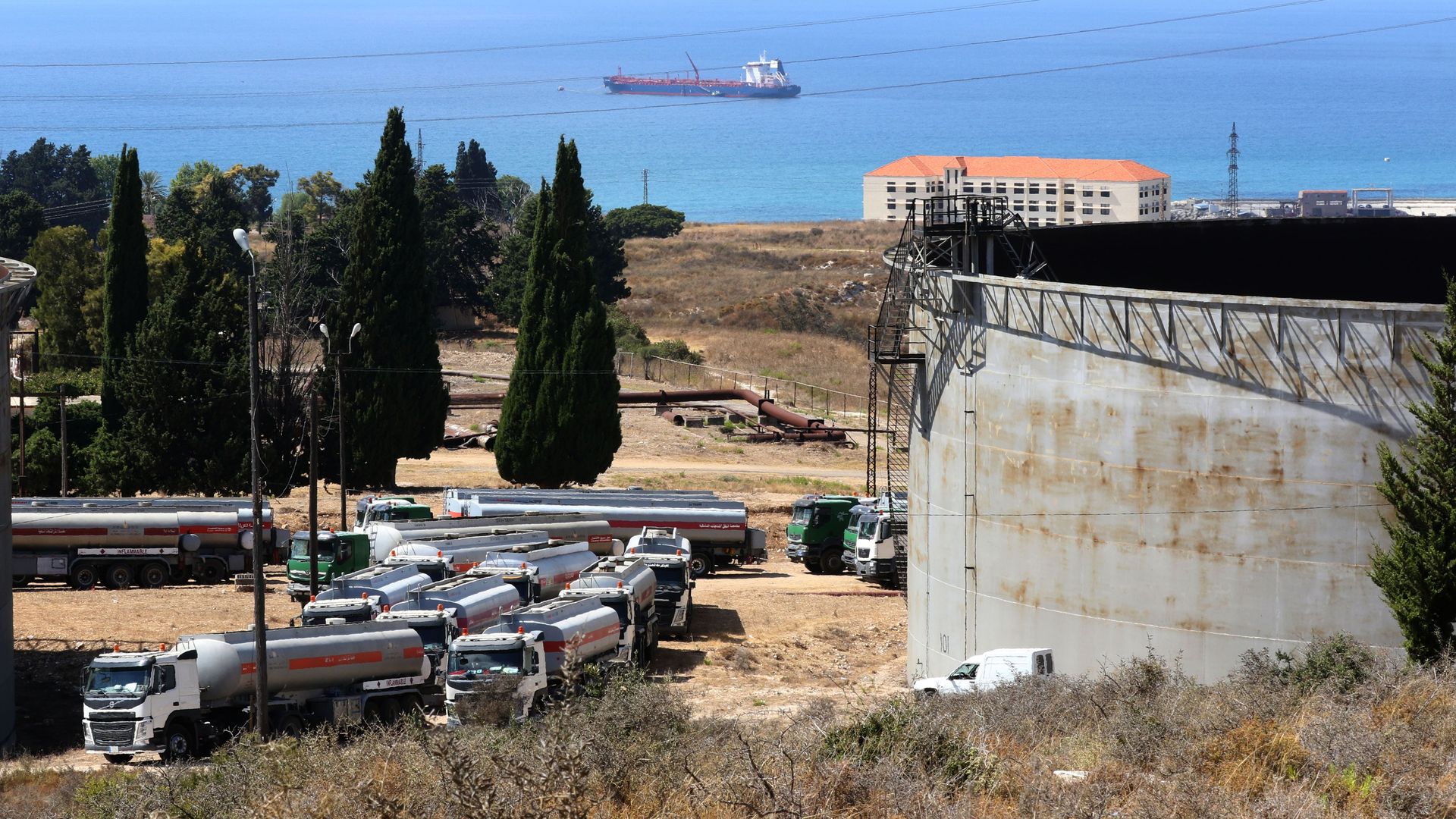
Firefighters extinguished a blaze that erupted in a fuel storage tank at Lebanon's Zahrani oil facility, AP reports.
Details: No casualties have been reported. Energy Minister Walid Fayad said the fire started while workers were transferring gasoline from one storage tank to another, per AP. It is not clear what exactly caused the fire.
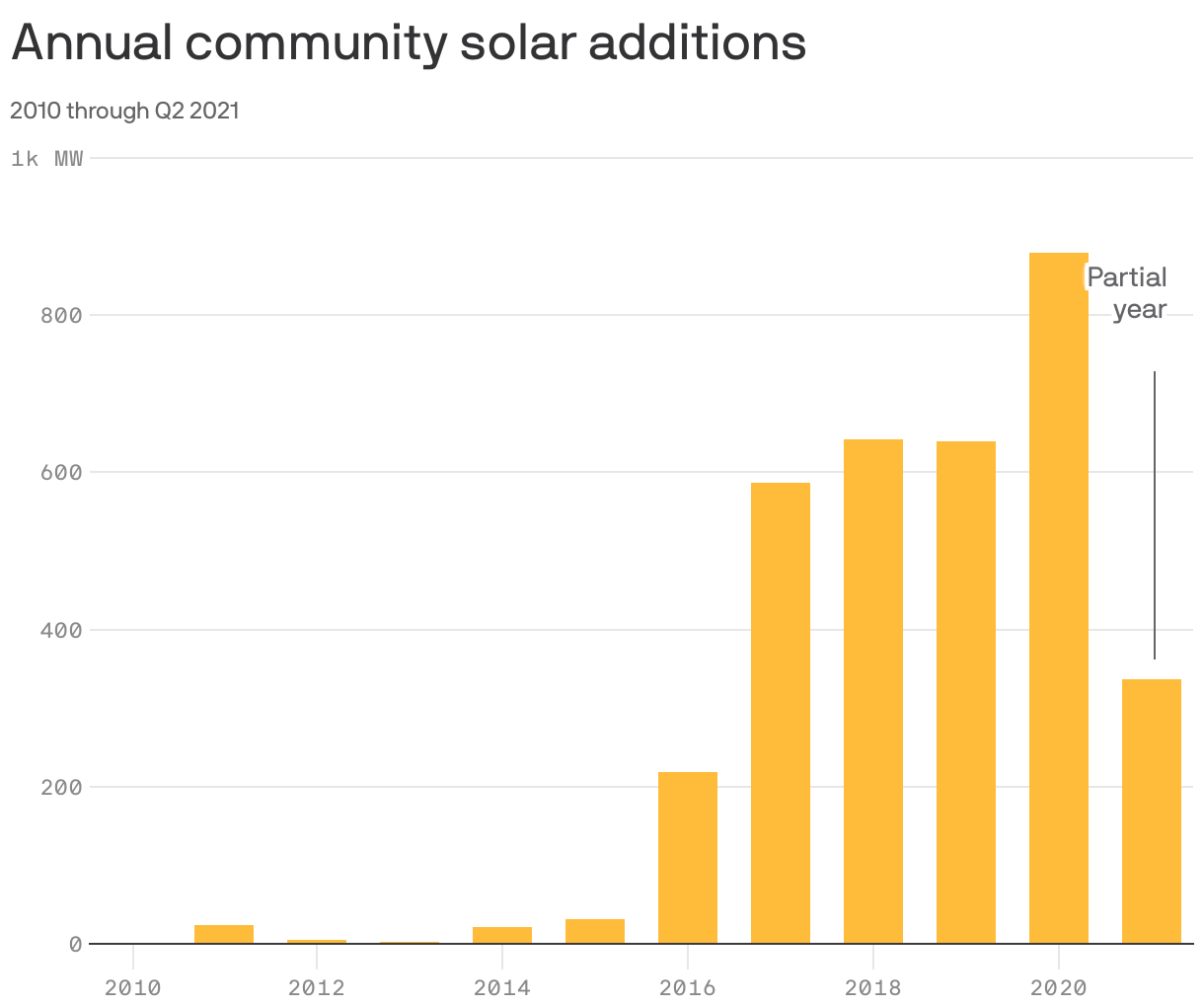
Data: Solar Energy Industries Association; Chart: Will Chase/Axios
The Energy Department is launching new efforts to boost "community solar" — a form of development that provides access to people ill-equipped to install rooftop systems.
Driving the news: DOE just launched the "National Community Solar Partnership (NCSP)," which brings together the agency, developers, local and state governments and more.
Plan A for the White House is walking into the UN climate summit in Glasgow with a huge new emissions-cutting law from Congress. Plan B is more complicated.
The big picture: It's anyone's guess whether Democrats' reconciliation plan will pass before the summit starts at the end of the month, and if so, whether huge climate investments will be intact.
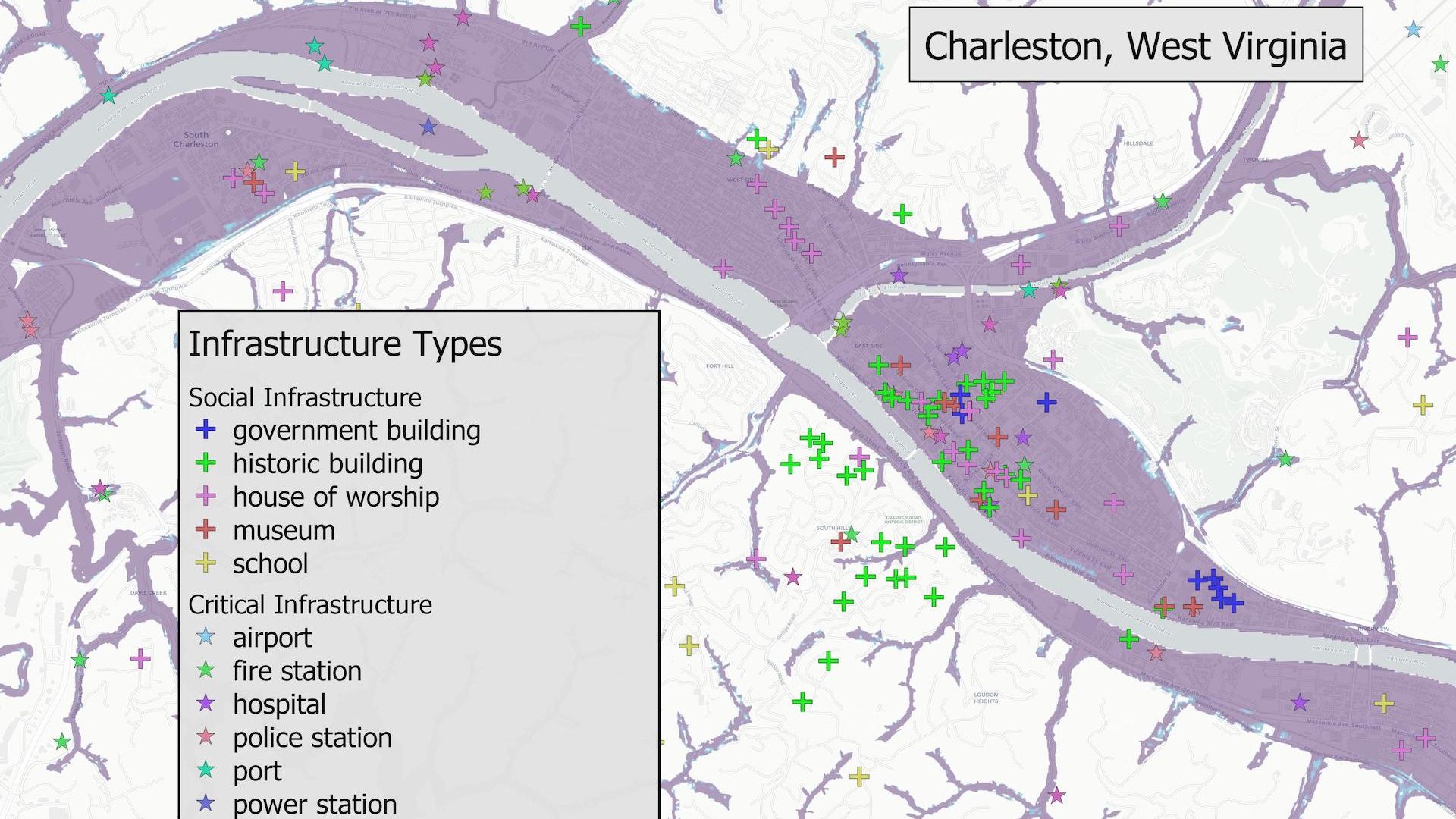
About 25%, or 1 in 4 units of critical infrastructure, such as police stations, airports and hospitals, are at risk of being rendered inoperable due to flooding, a comprehensive new report finds. The report points to climate change for heightening risks.
Why it matters: The new national inventory of flood risk during the next thirty years, which takes into account climate change-driven increases in sea levels and heavy precipitation events, is the first of its kind.
A growing part of the U.S. will face an increased risk of critical infrastructure, like emergency services and hospitals, being rendered inoperable due to severe flooding linked to climate change over the next 30 years, a report out Monday from the First Street Foundation shows.
The big picture: Hospital systems are increasingly being disrupted due to climate-fueled weather disasters like more intense hurricanes, flooding, heatwaves and, in some cases, cold snaps, and have to harden their infrastructure.