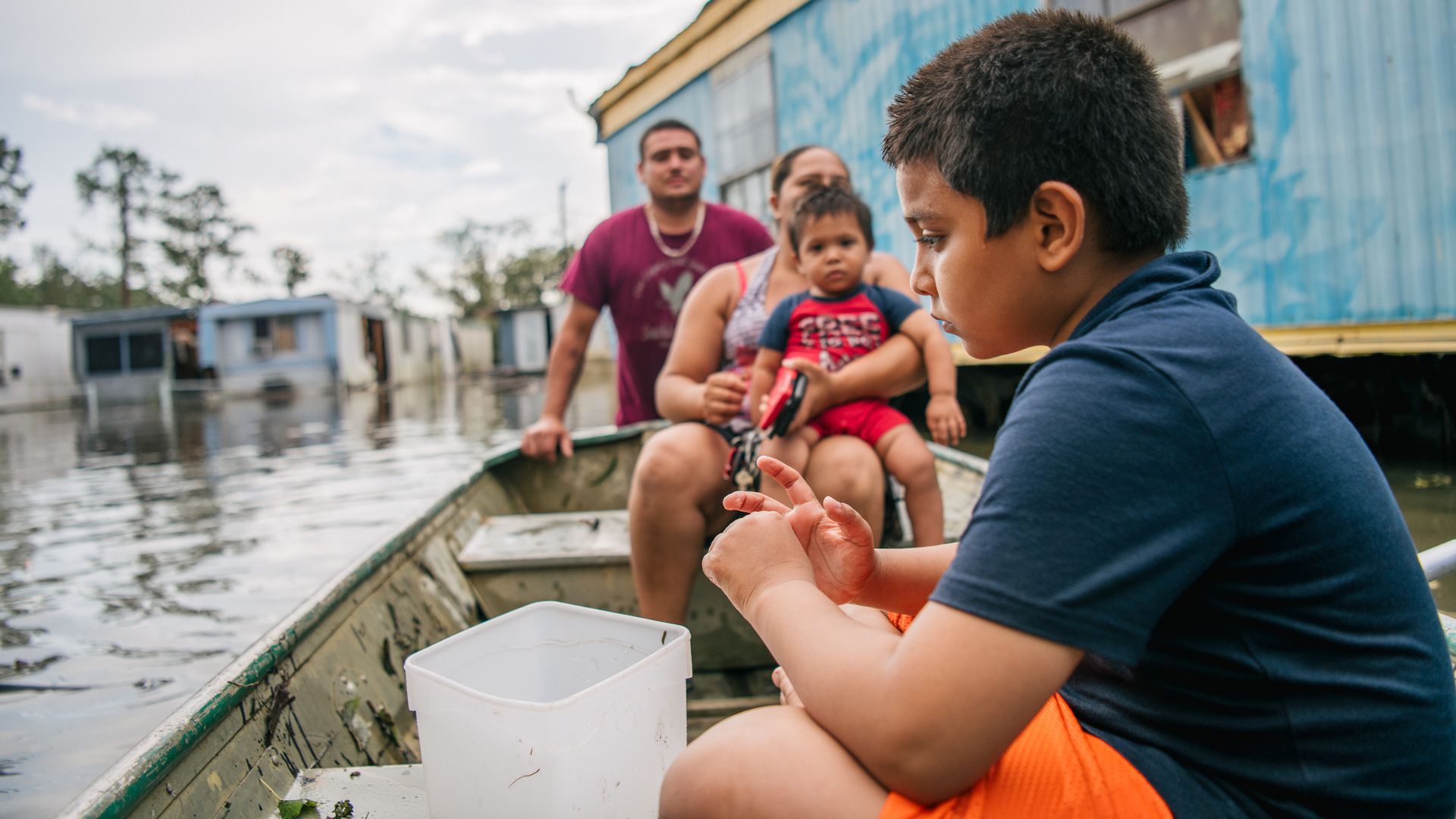
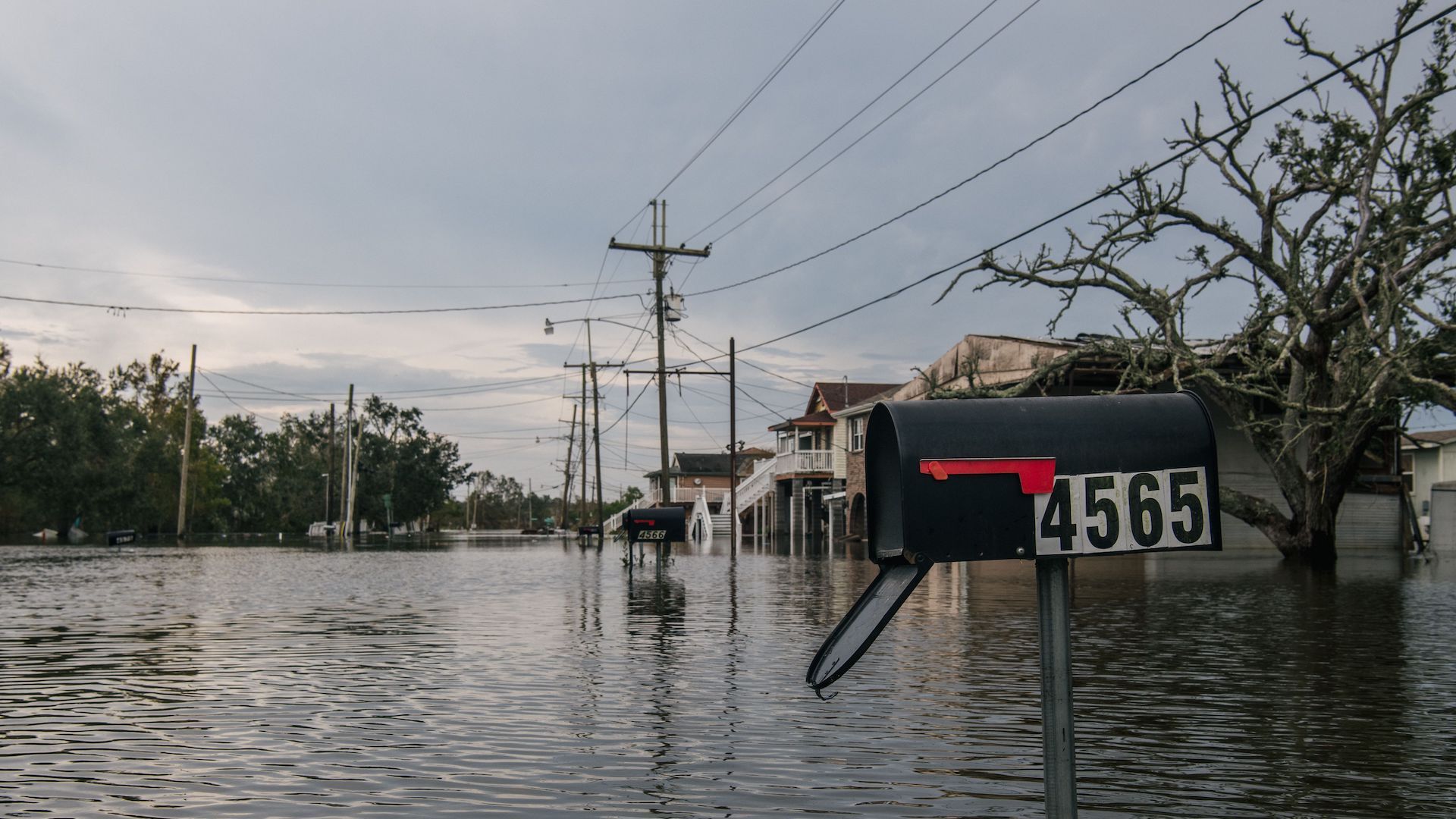
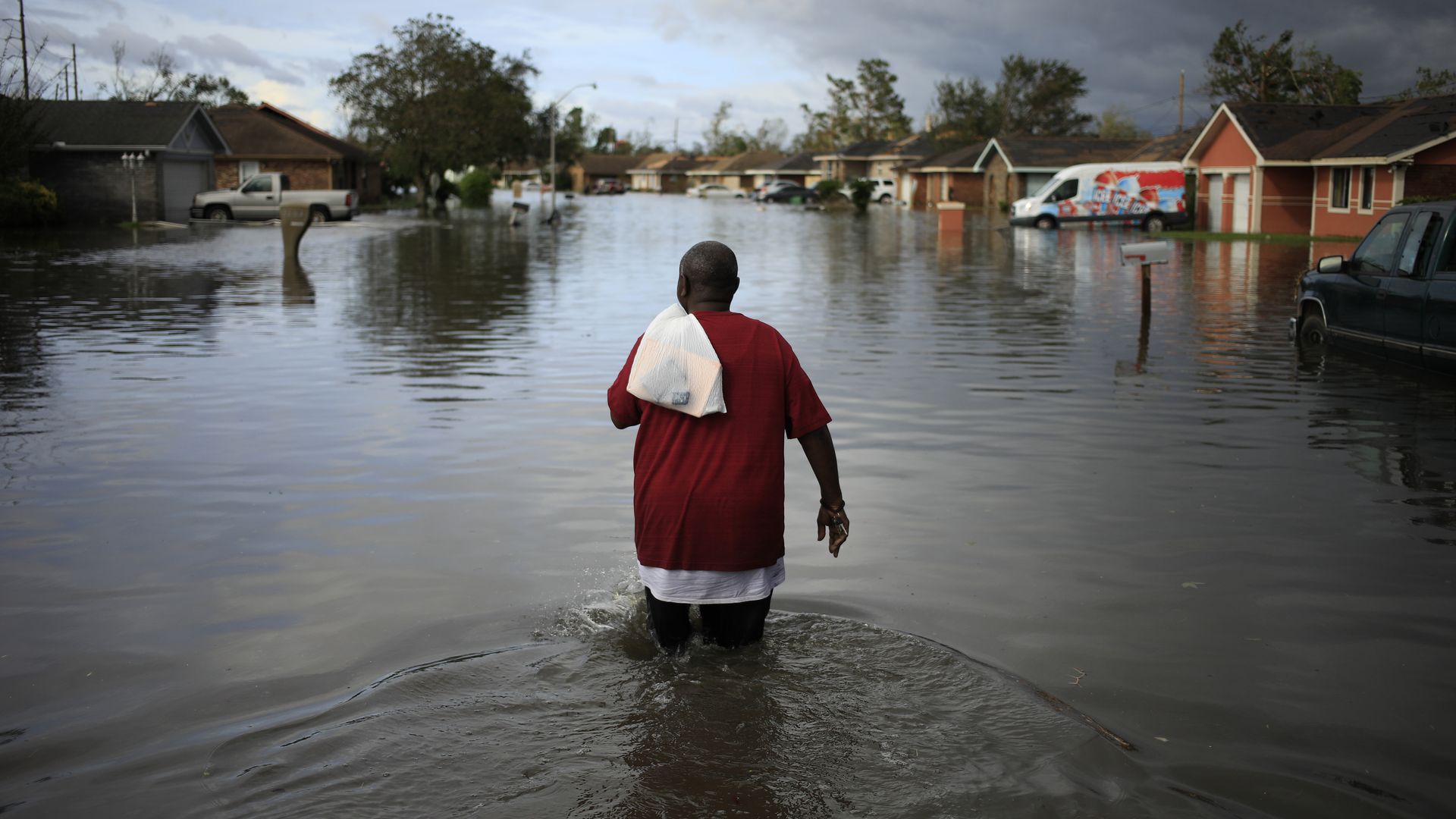
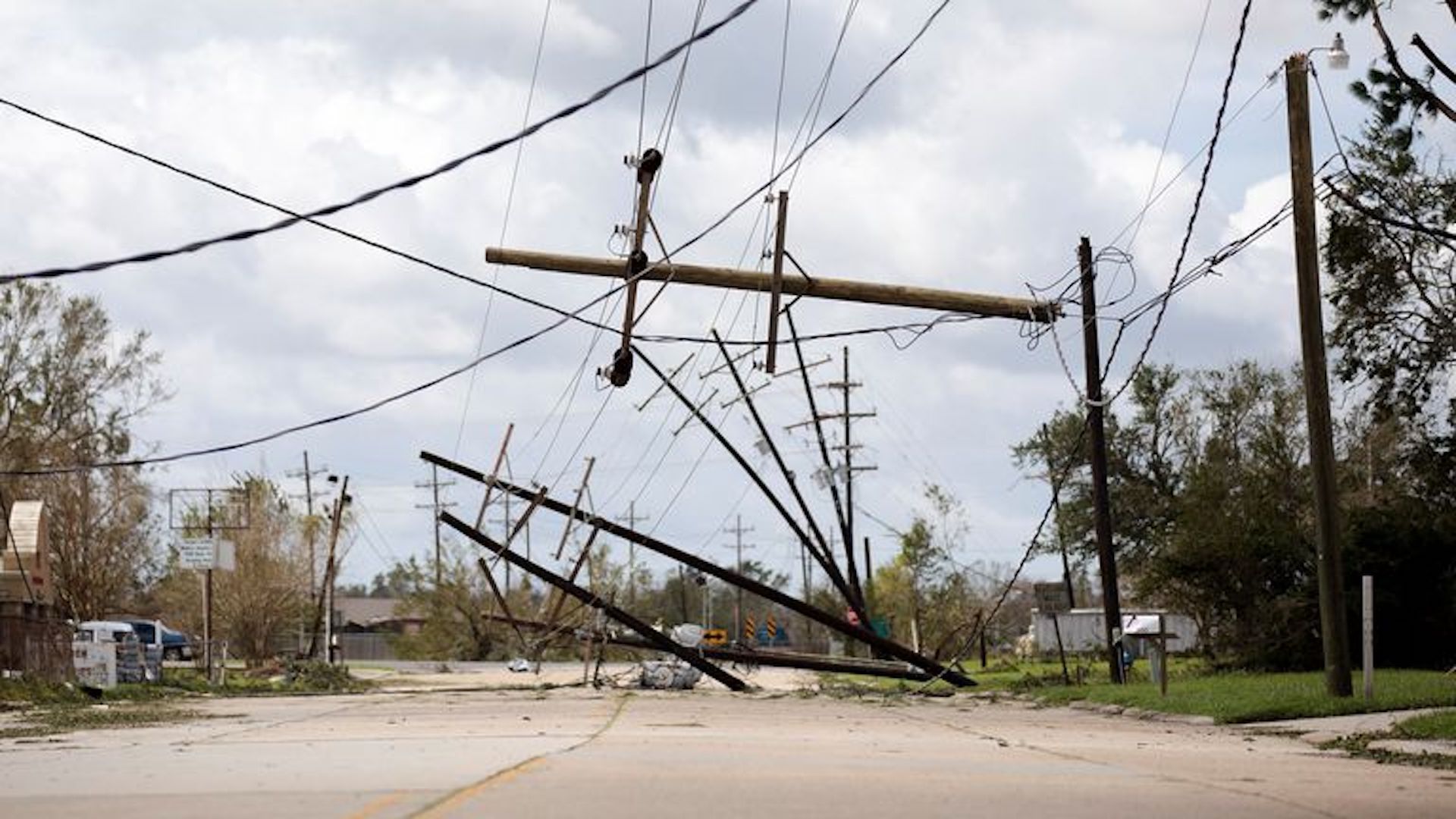
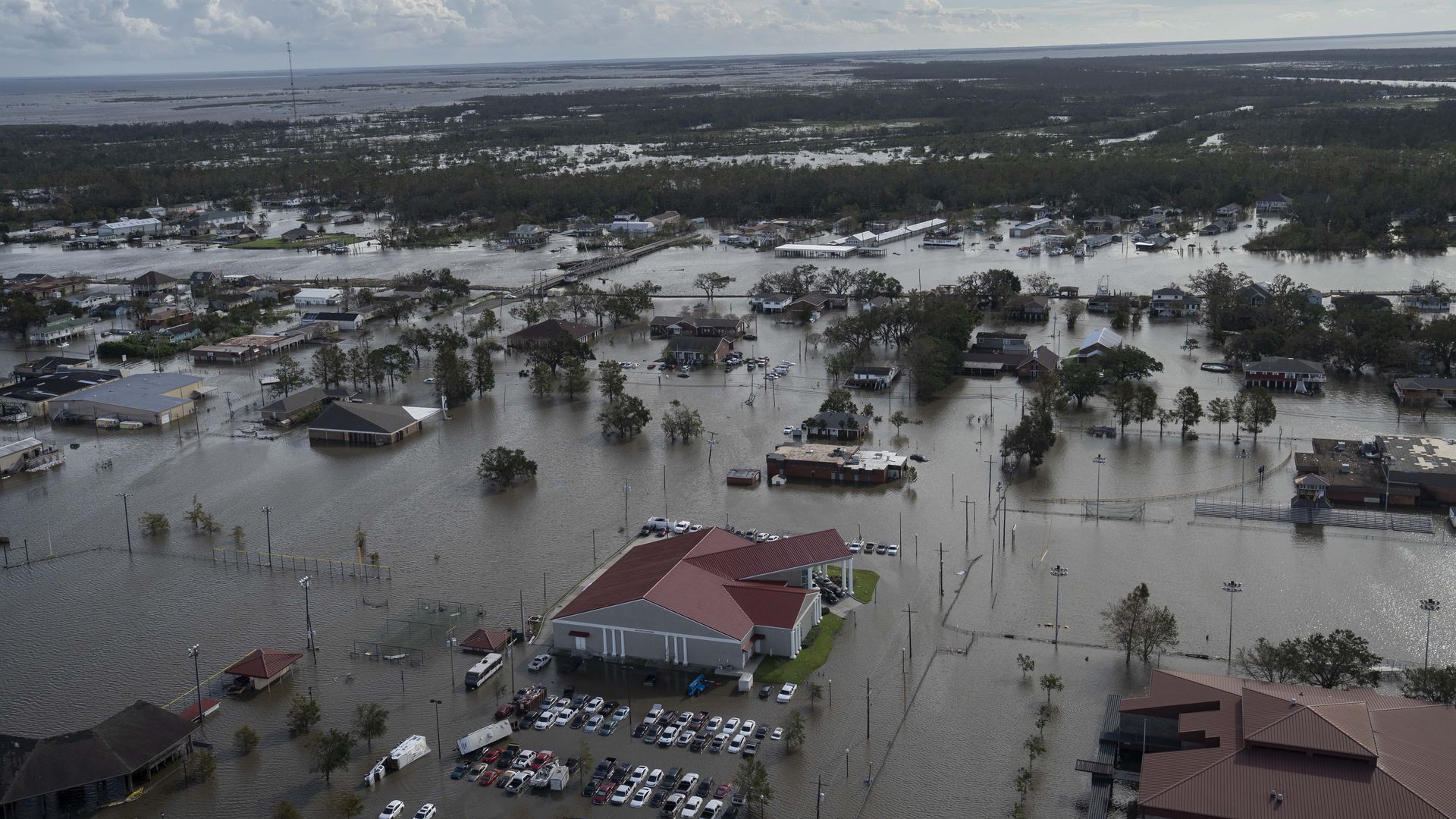
Days after Hurricane Ida made landfall in Louisiana, many of the state’s Latino residents are awaiting aid amidst sweltering heat and lack of power, food and drinking water.
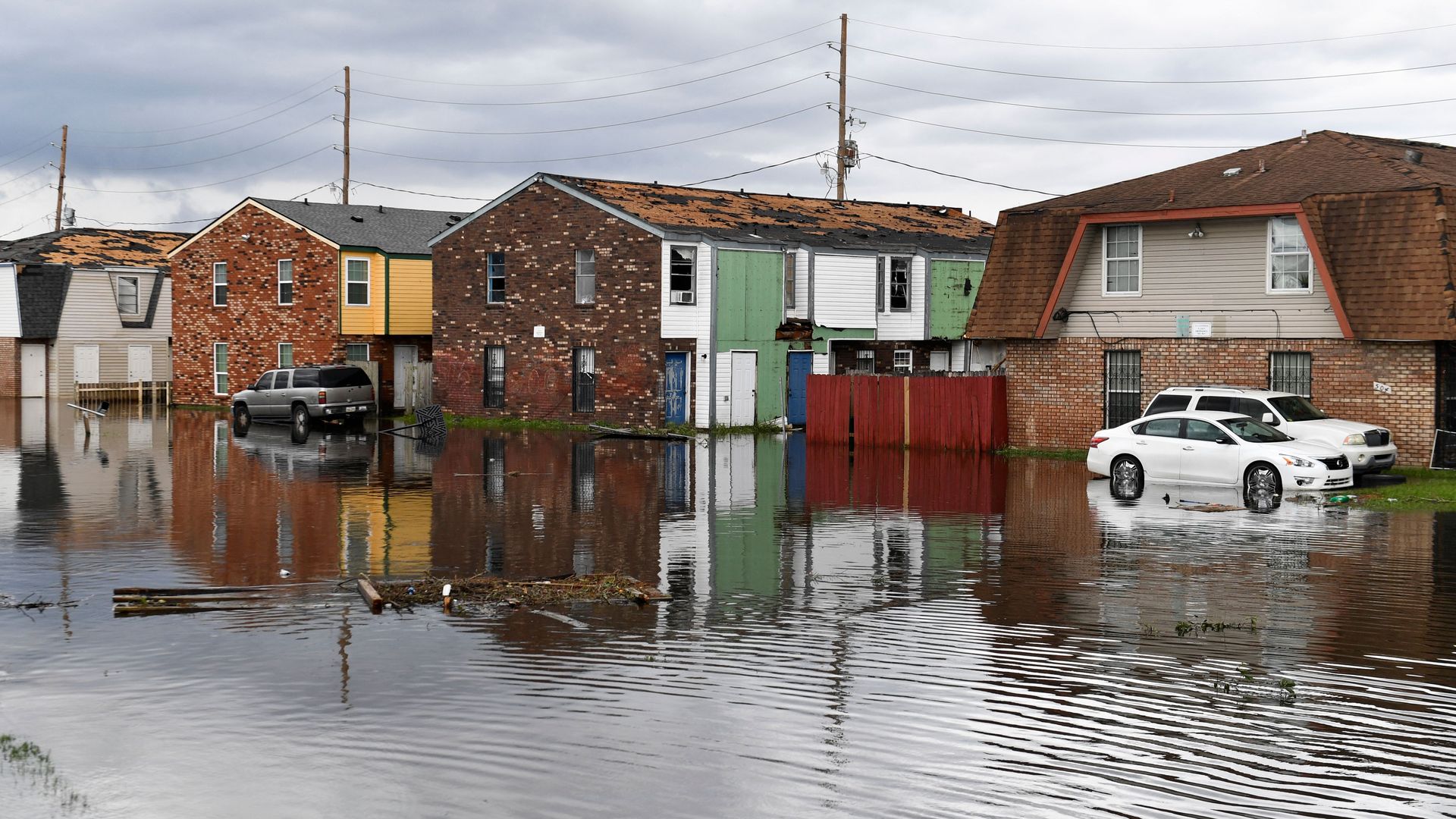
Details: The category 4 storm left many houses and apartments unlivable and their residents stranded in the swath between the Gulf of Mexico and Lake Pontchartrain, where many of the state’s Latinos reside.
The effects of climate change disproportionately fall on "underserved communities who are least able to prepare for, and recover from, heat waves, poor air quality, flooding, and other impacts," according to an Environmental Protection Agency report released Thursday.
Why it matters: “The impacts of climate change that we are feeling today, from extreme heat to flooding to severe storms, are expected to get worse, and people least able to prepare and cope are disproportionately exposed," EPA Administrator Michael Regan said in a statement.
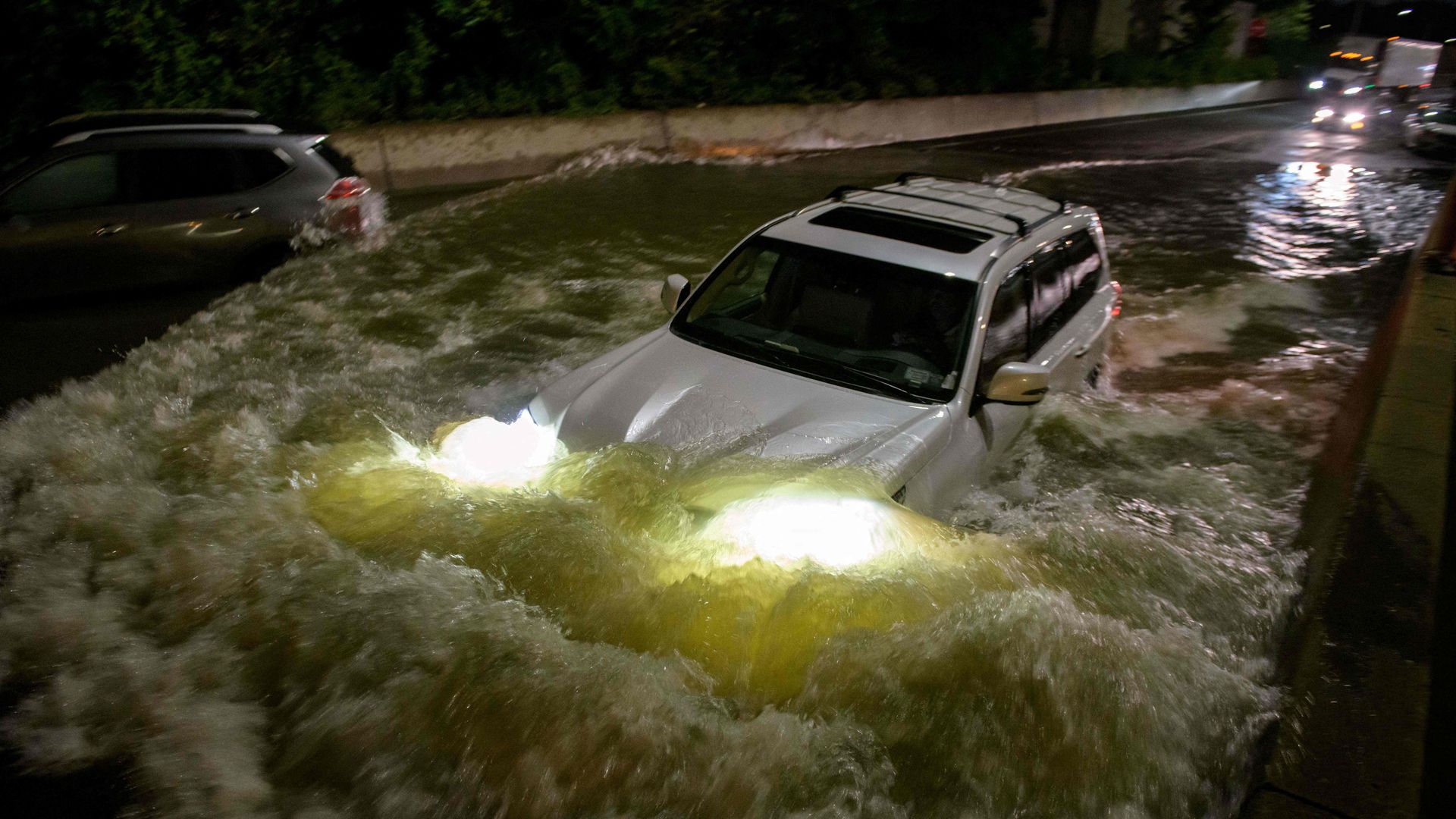
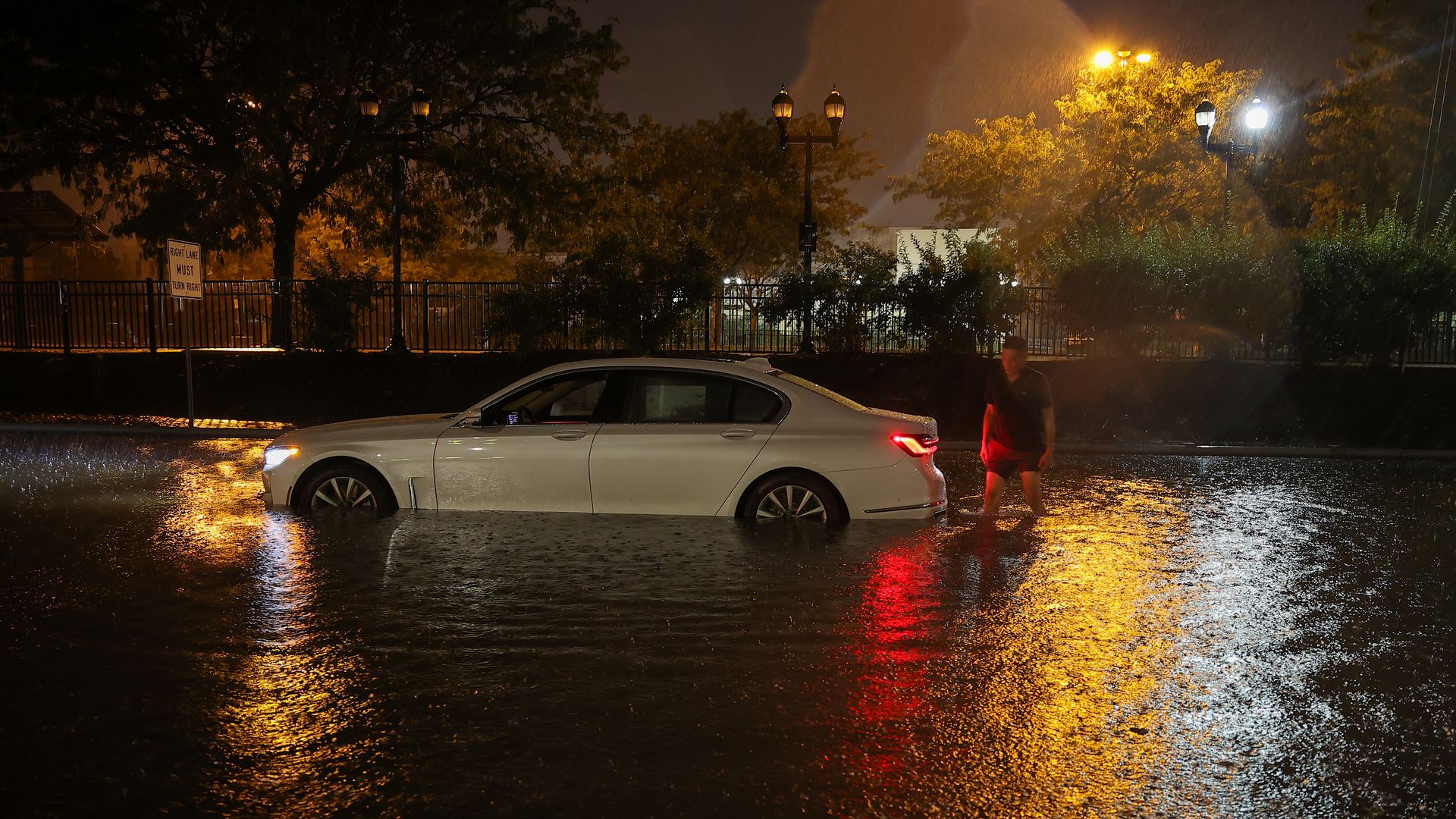
The remnants of Hurricane Ida brought a tropical deluge of unprecedented proportions to the New York City metro area on Wednesday night into Thursday.
Driving the news: The flooding that resulted from the heavy rainfall shut down Newark Airport, and turned city and country roads in all five boroughs and surrounding areas of New Jersey and Pennsylvania into rivers.
Power and oil-and-gas production are starting to revive after Hurricane Ida, but there's a long way to go for Louisiana's sweltering residents and industrial damage assessments are ongoing.
Driving the news: The Interior Department reports that roughly 80% of Gulf of Mexico crude oil production and 83% of gas production was shut-in as of yesterday.
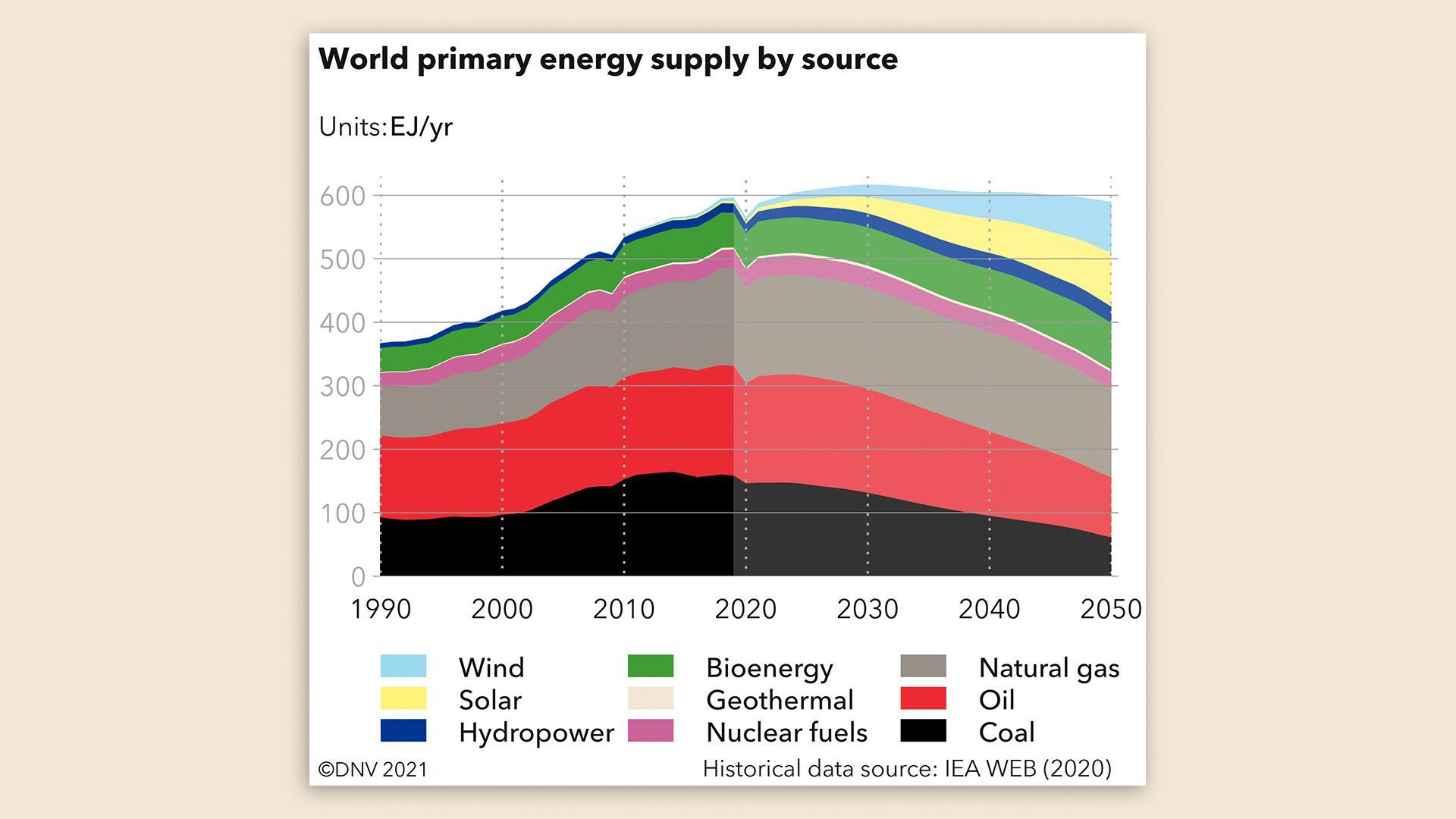
A new report explores how emerging work patterns created under the pandemic's strain may create important long-term shifts in energy use, but not in ways that significantly change emissions.
Driving the news: The latest multidecade energy outlook from the consultancy DNV provides a look at some new normals around remote labor and virtual services.
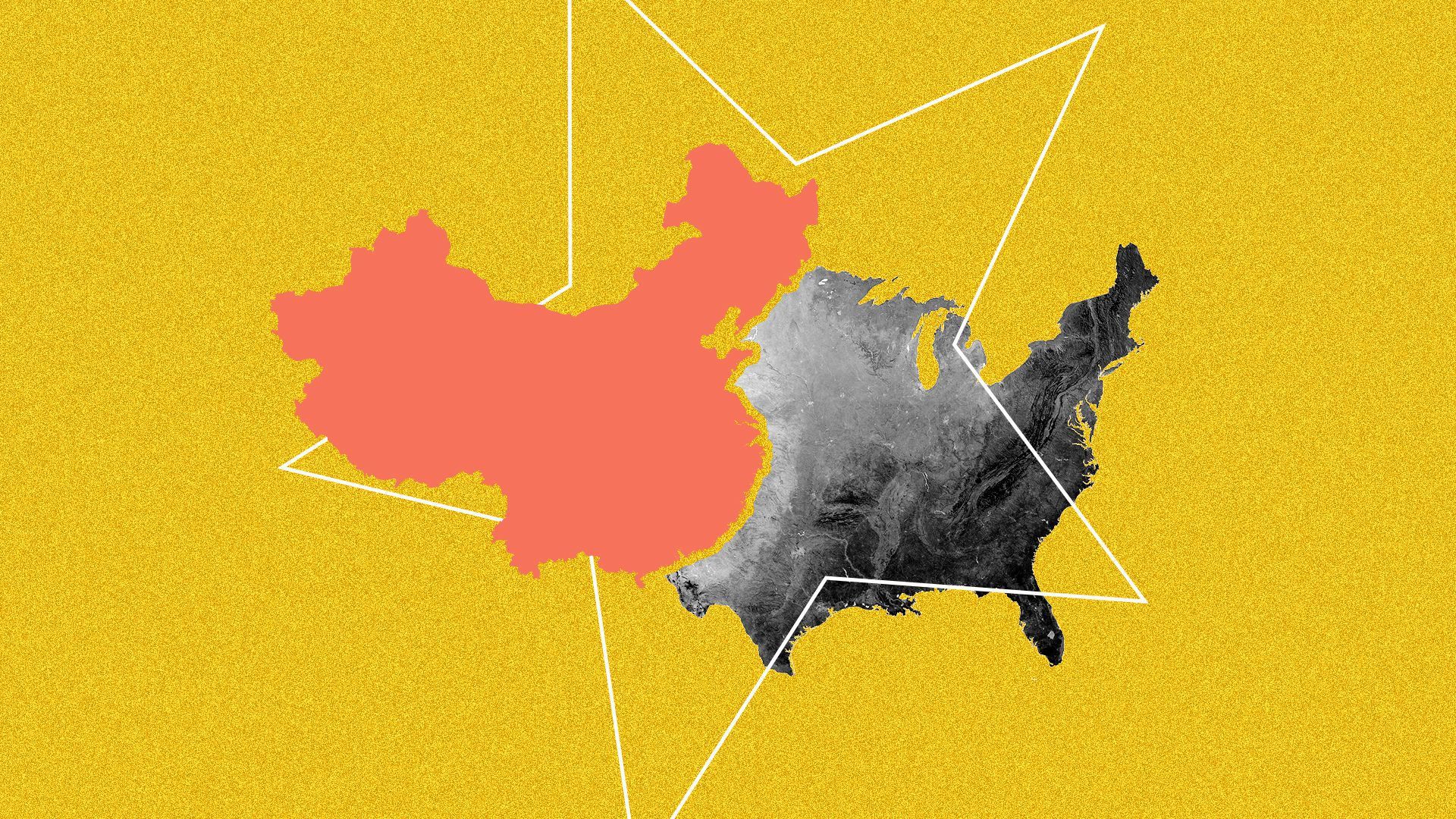
Chinese officials have used special climate envoy John Kerry's visit to warn the U.S. that mutual work on climate change can't be untethered from other tensions between the two powers.
Driving the news: "The Sino-U.S. climate change cooperation cannot be separated from the overall environment of Sino-U.S. relations," the country's foreign ministry said.
The remnants of Hurricane Ida combined with other storm systems to lash the Northeastern U.S. with heavy rains overnight. It left at least one person dead and triggered the first-ever flash flood emergency declaration for New York City.
The big picture: As widespread power outages hit the Northeast, nearly 1 million people in Louisiana still had no electricity — four days after Ida made landfall as a Category 4 hurricane in the state.
Weather-related disasters have become more common and more costly over the past 50 years but so far have killed fewer people than catastrophes in the past, according to a new report from the United Nations' weather agency.
Why it matters: The World Meteorological Organization's (WMO) report, which includes the most comprehensive reviews of mortality and economic losses from weather disasters to date, found the increase in extreme events has been driven by climate change and improved reporting.
The restorationof Gulf Coast power services and petroleum facilities won't be quick, easy or clean.
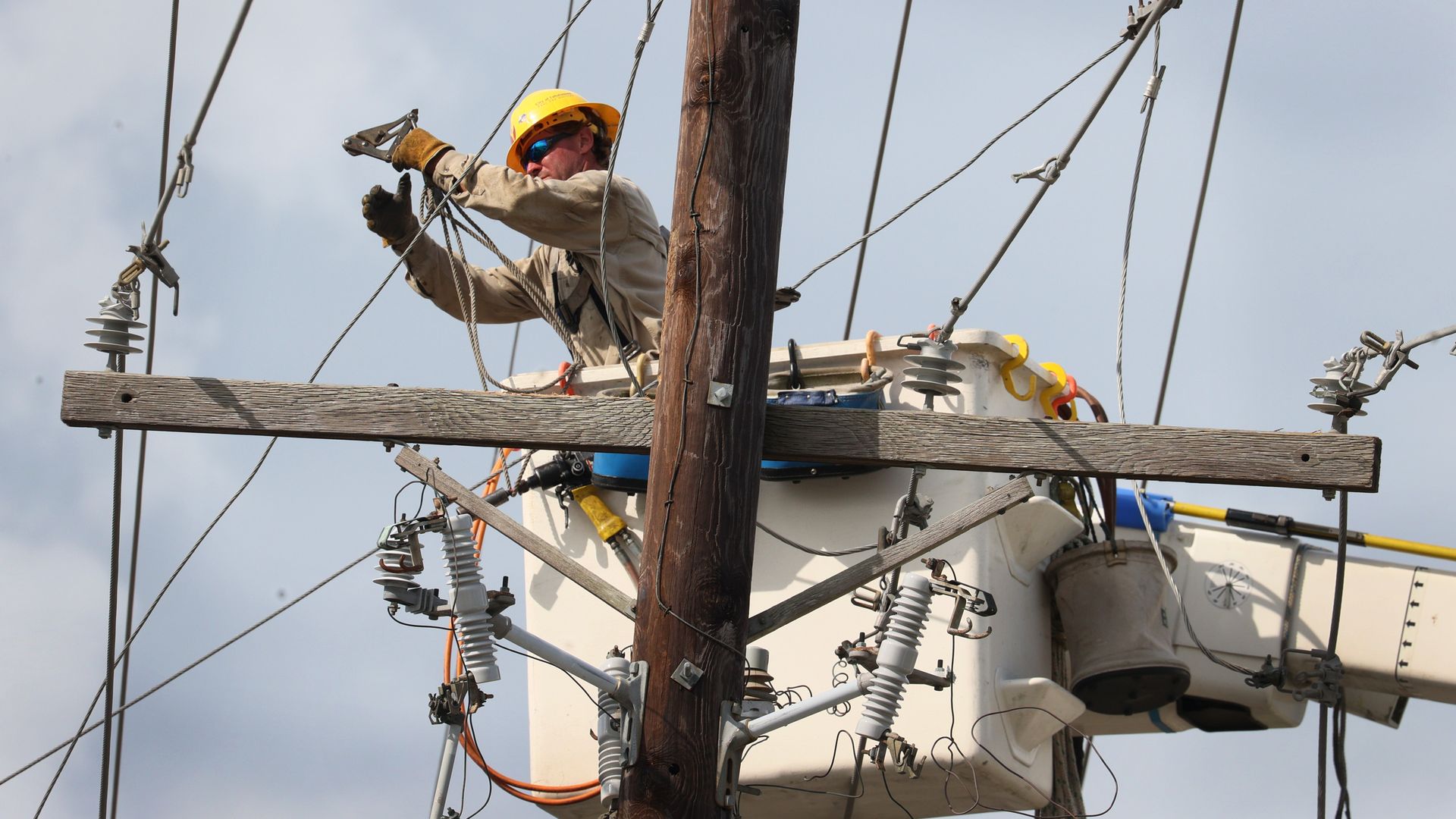
Driving the news: Almost 988,000 homes and businesses are without power in Louisiana, per tracking service PowerOutage.US — a slight improvement from the storm's immediate aftermath.
Power company Entergy on Wednesday announced that its crews turned on power for some customers in eastern New Orleans after Hurricane Ida tore through Louisiana and left approximately 1 million customers without electricity.
Why it matters: While outages still persist throughout much of the state, affecting hundreds of thousands of people, Wednesday's announcement offers a sign of hope for the region's recovery in the aftermath of the storm, AP notes.
The Treasury Department just launched a new effort to grapple with how climate change is affecting the insurance market and, by extension, financial markets more broadly.
Driving the news: Treasury, via the Federal Insurance Office, is soliciting information on topics like data needed to measure and assess the sector's climate-related risk exposures and "climate-related issues or gaps in the supervision and regulation of insurers."
NASA and Joby Aviation are kicking off acoustic measuring tests as part of a program to promote public confidence in emerging aviation markets, Joby announced Wednesday.
Why it matters: If electric air taxis are to gain wide adoption, they need to be quiet aircraft, so measuring their precise noise footprint gives Joby an early mover advantage versus the competition in this area.
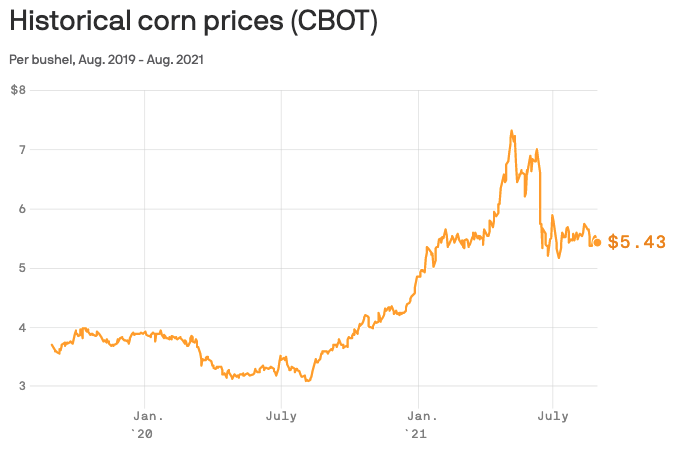
This year’s extreme weather, caused by climate change, is impacting crops to extremes that farmers haven't seen in their lifetimes.
Catch up quick: Prolonged heat waves and droughts have caused this year's corn, soybean, almond, honey, citrus and avocado production to crash and prices to skyrocket.
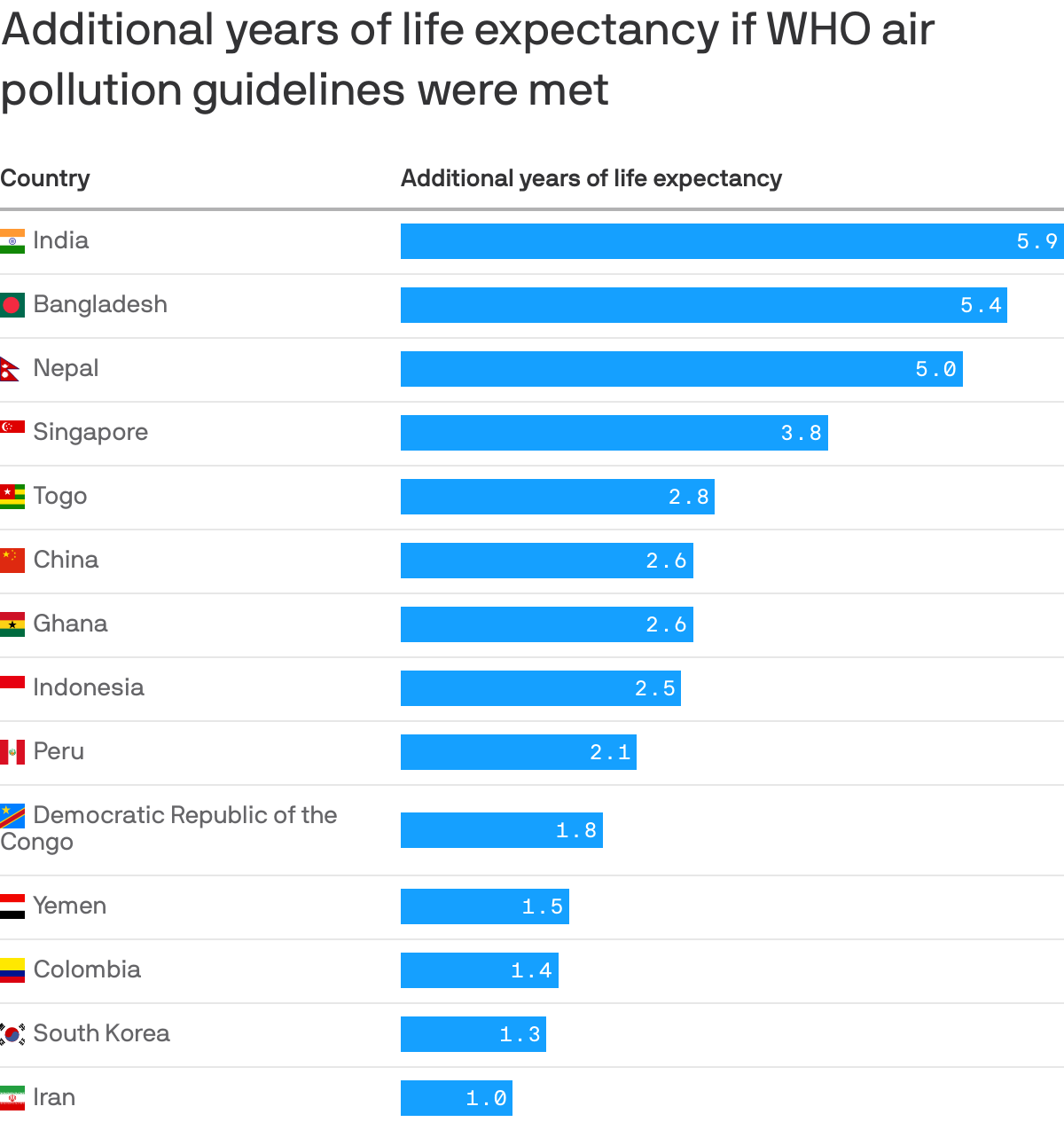
Data: Energy Policy Institute at the University of Chicago; Chart: Jared Whalen/Axios
The average person is losing about 2.2 years of life expectancy due to air pollution, according to new research by the University of Chicago's Energy Policy Institute.
Driving the news: The Air Quality Life Index (AQLI), published Wednesday, shows that the burden of harmful air pollution is unevenly distributed — with China making rapid, measurable progress in cleaning up its air, and other global hotspots now emerging in South Asia and Sub-Saharan Africa.
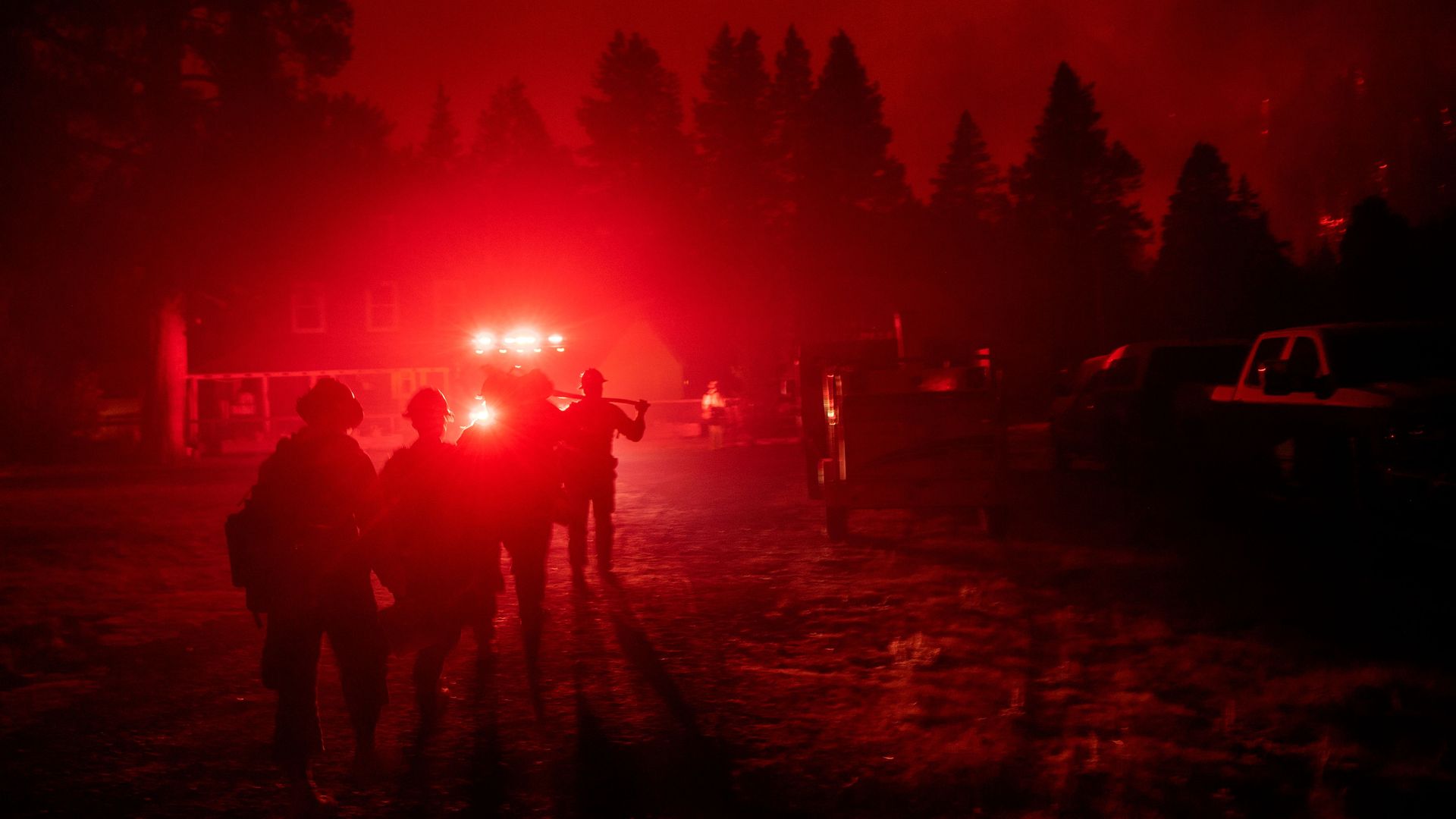
California firefighters worked into the night to try and stop the growing Caldor Fire from reaching the resort city of South Lake Tahoe, as evacuation orders were expanded to border communities in Nevada.
The latest: The wildfire had grown to more than 199,600 acres and was 18% contained, as it threatened almost 34,000 homes and other structures in the area, per the Sacramento Bee.