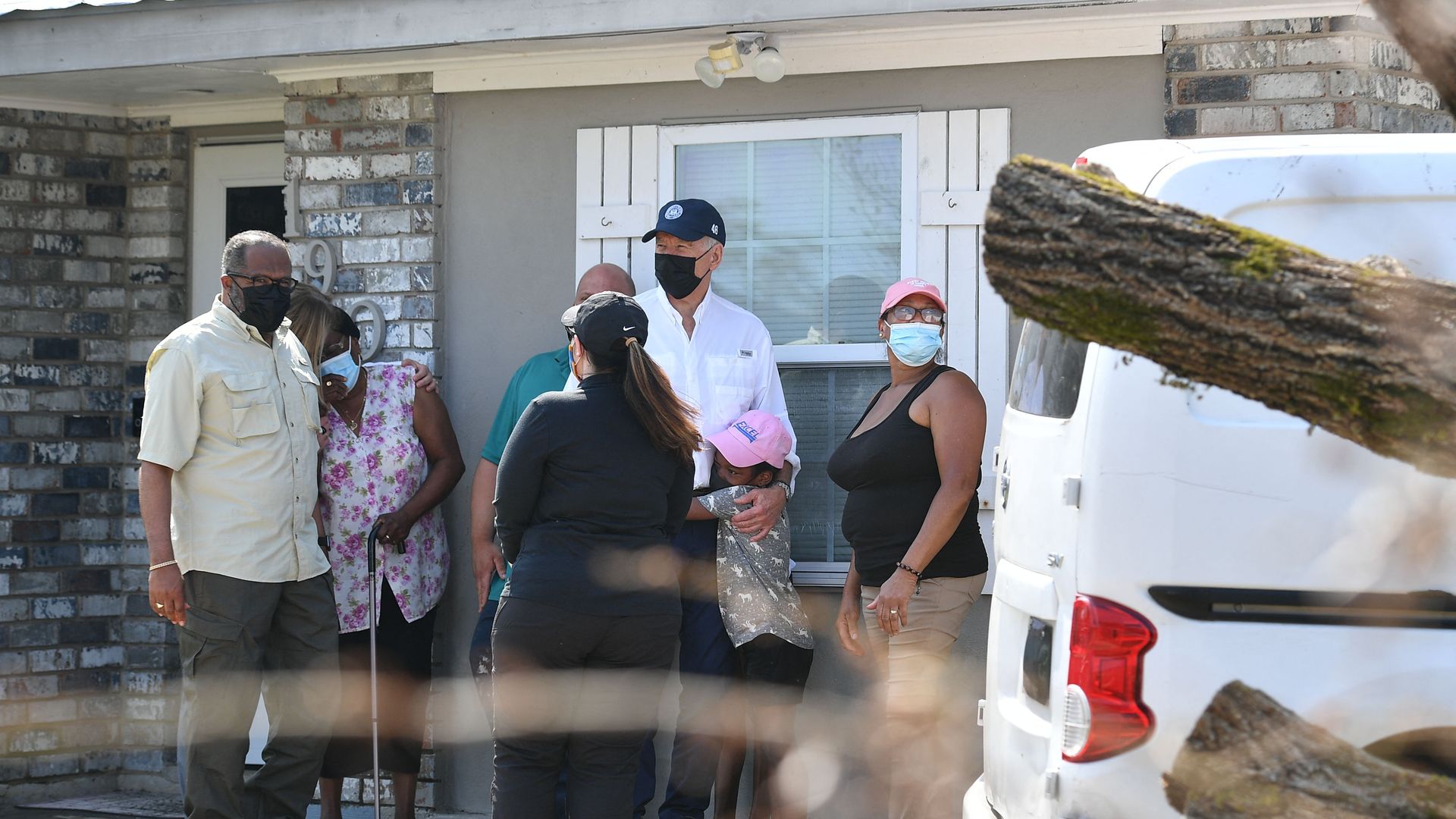
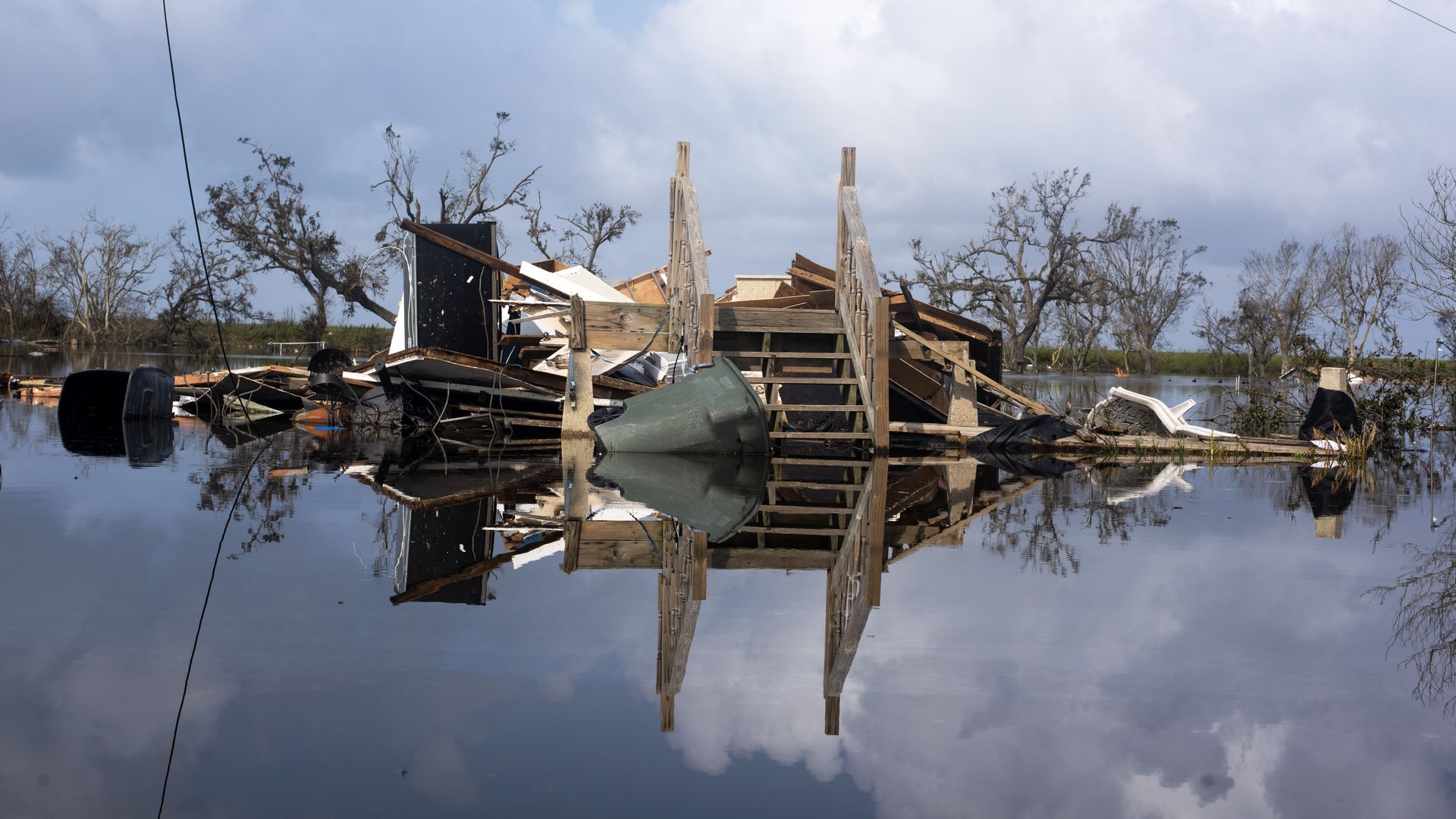
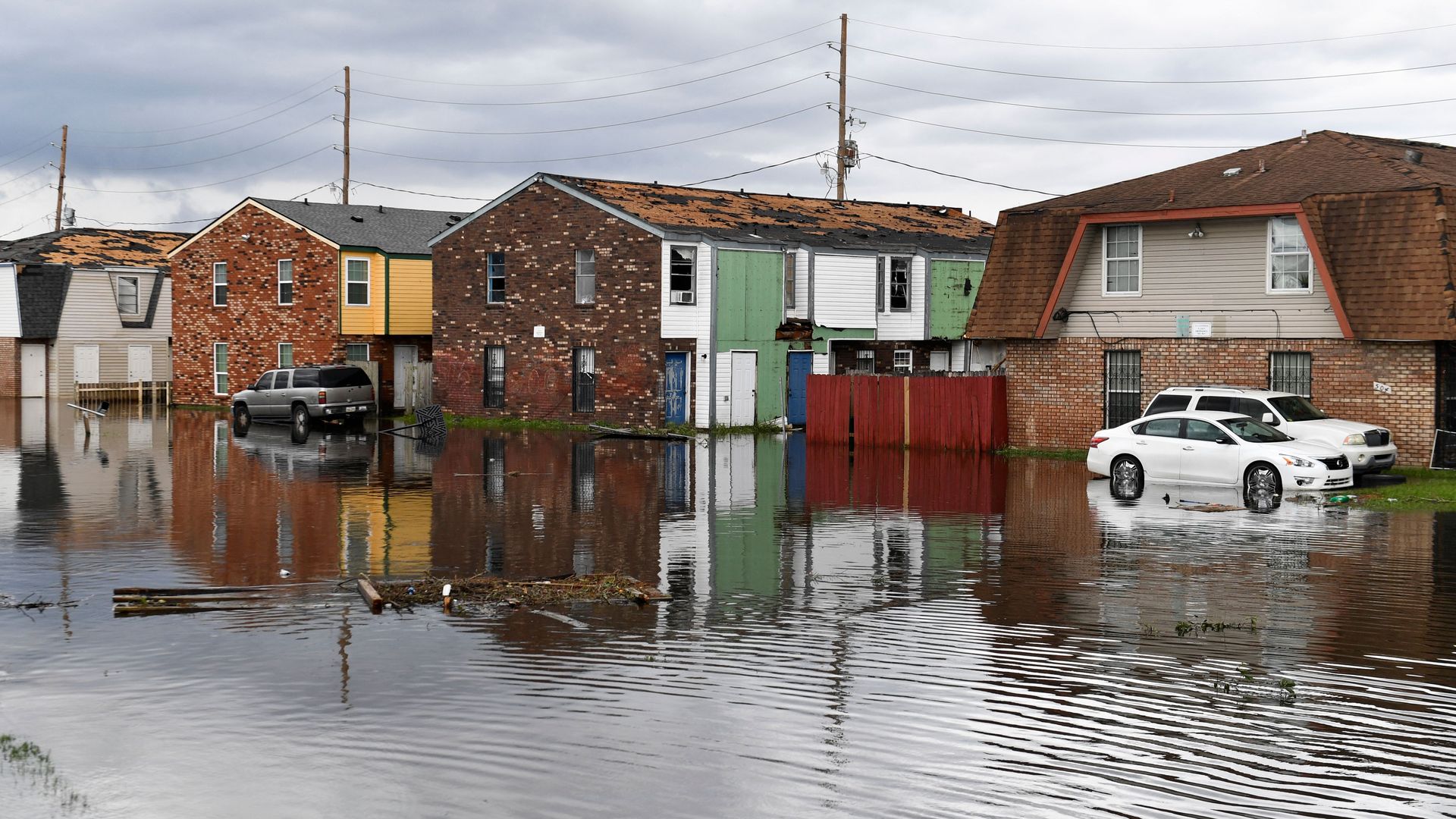
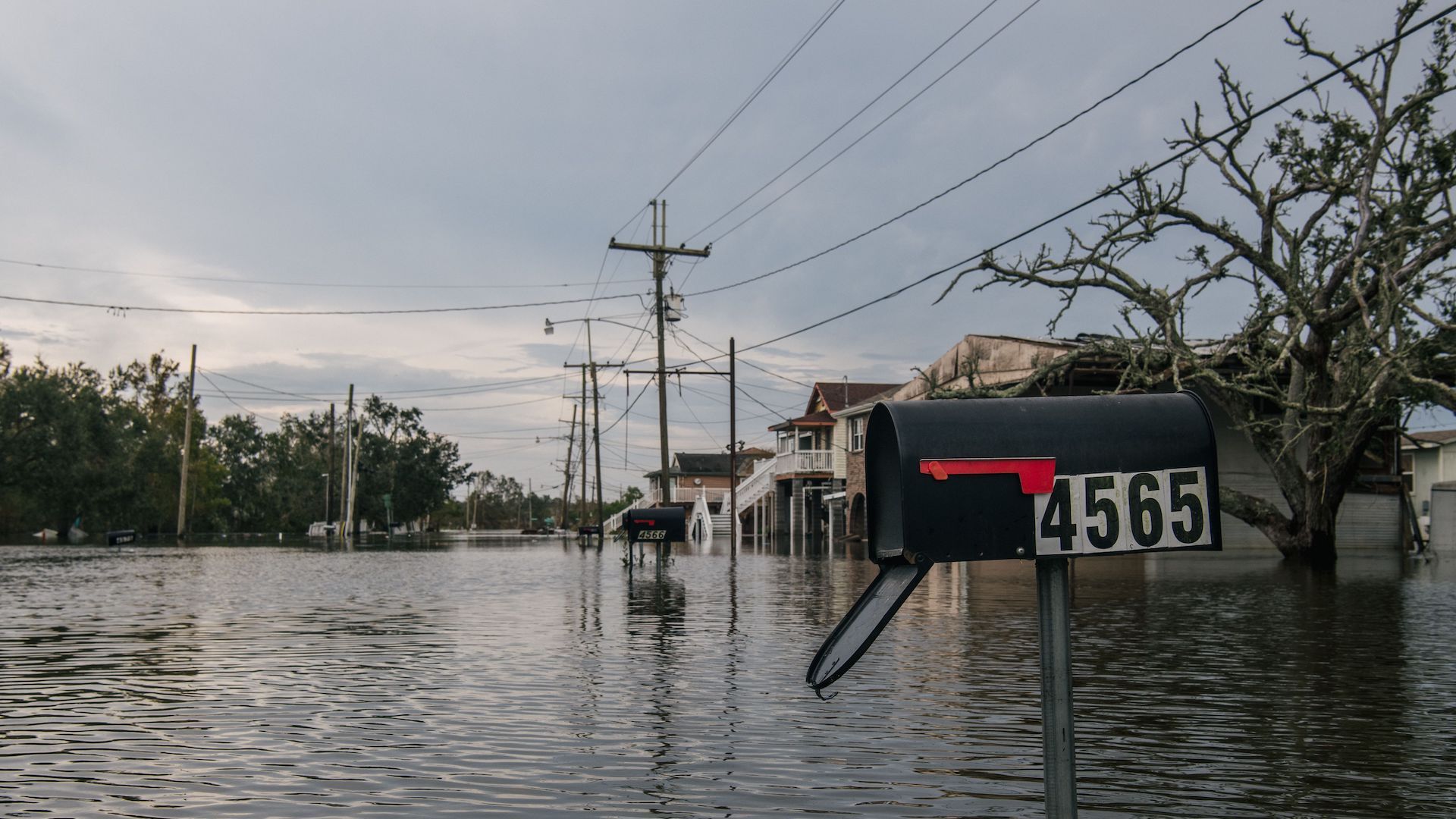
President Biden met with locals in Louisiana on Friday to offer federal assistance less than a week after Hurricane Ida tore through the Gulf Coast and destroyed millions of homes, AP reports.
Why it matters: Ida has killed at least 48 people in the Northeastern U.S. and 13 in Louisiana, Mississippi and Alabama. Over one million people were still without power in Louisiana as of Tuesday morning.
Mayor Bill de Blasio (D) announced on Friday that New York City would increase its use of preventive measures like evacuations, alerts and travel bans during future storms.
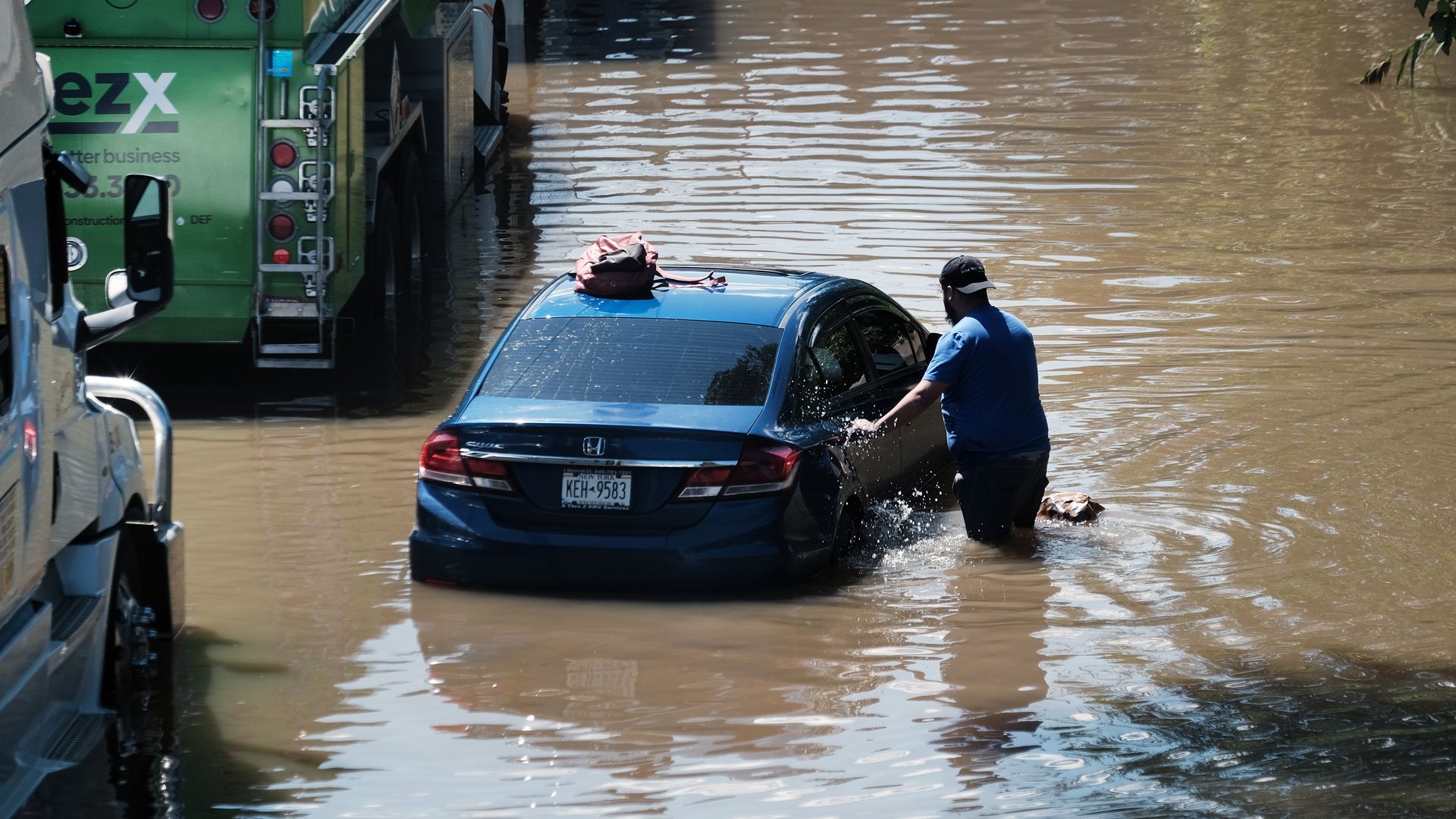
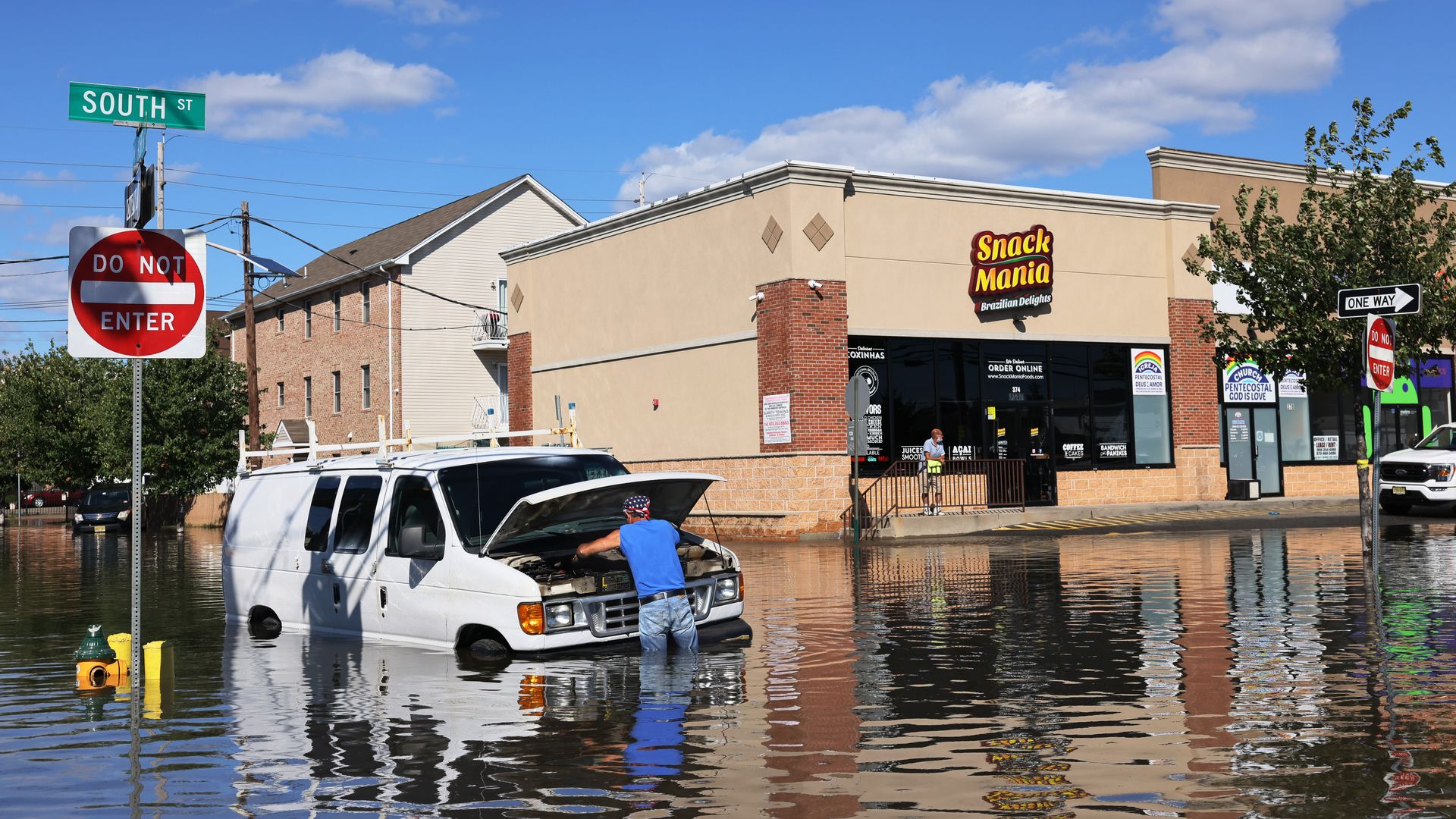
The Northeast continued its recovery Friday after at least 48 people in five states died from extreme flooding caused by the remains of Hurricane Ida, AP reports.
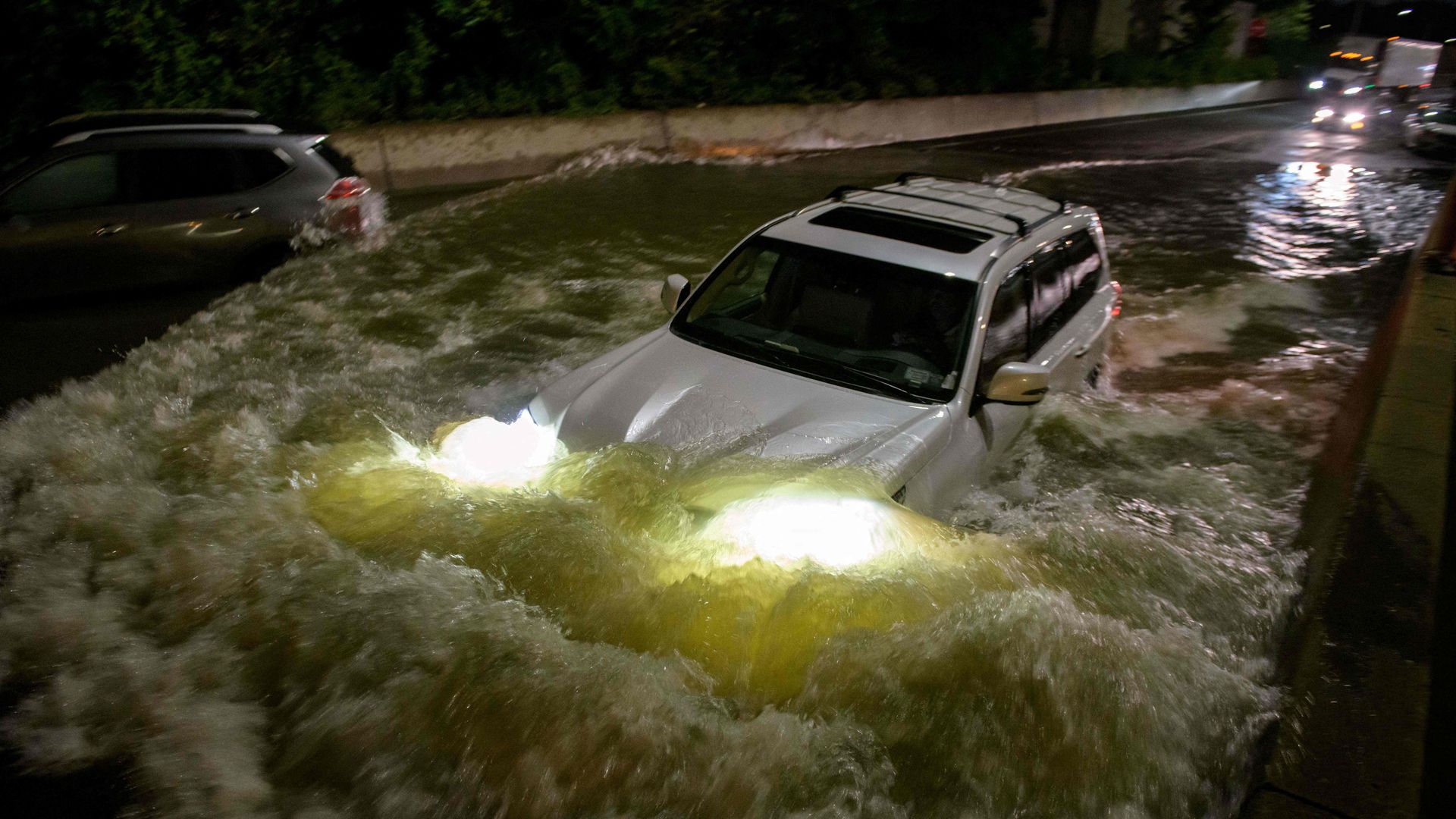
Driving the news: In New Jersey, where the death toll was highest, at least 25 people died from torrential rainfall, including many who drowned after their vehicles were caught in flash floods, per AP.
Democrats' Beltway drama over their $3.5 trillion spending package could influence the outcomes at a critical United Nations climate summit this fall.
Driving the news: Sen. Joe Manchin (D-W.Va.) is calling for a "pause" in senior Democrats' plan to move a $3.5 trillion package that would include major clean energy and climate measures.
The White House is boosting its cadre of climate science experts.
Driving the news: Philip Duffy, a physical scientist, has joined the White House Office of Science and Technology Policy (OSTP) as a climate science adviser in the new climate and environment division.
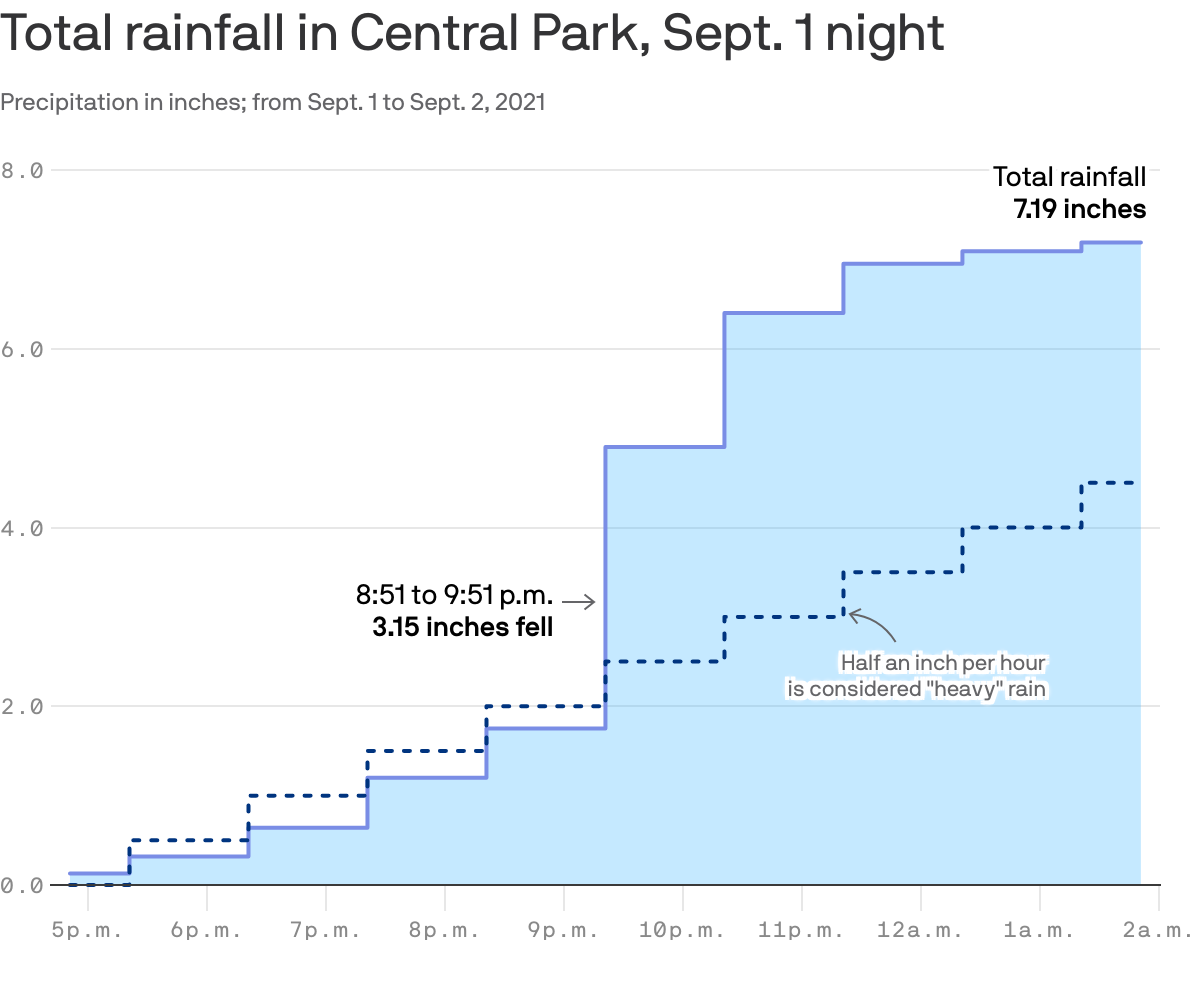
Data: National Weather Service; Chart: Kavya Beheraj/Axios
Weather and climatescience experts are struggling to determine how their accurate warnings of potentially disastrous urban flooding, instigated by Hurricane Ida’s remnants and supercharged by climate change, still resulted in so many deaths.
Why it matters: As climate change exacerbates extreme precipitation events such as this one, disconnects between forecasters and the public will need to be fixed in order to limit future deaths.
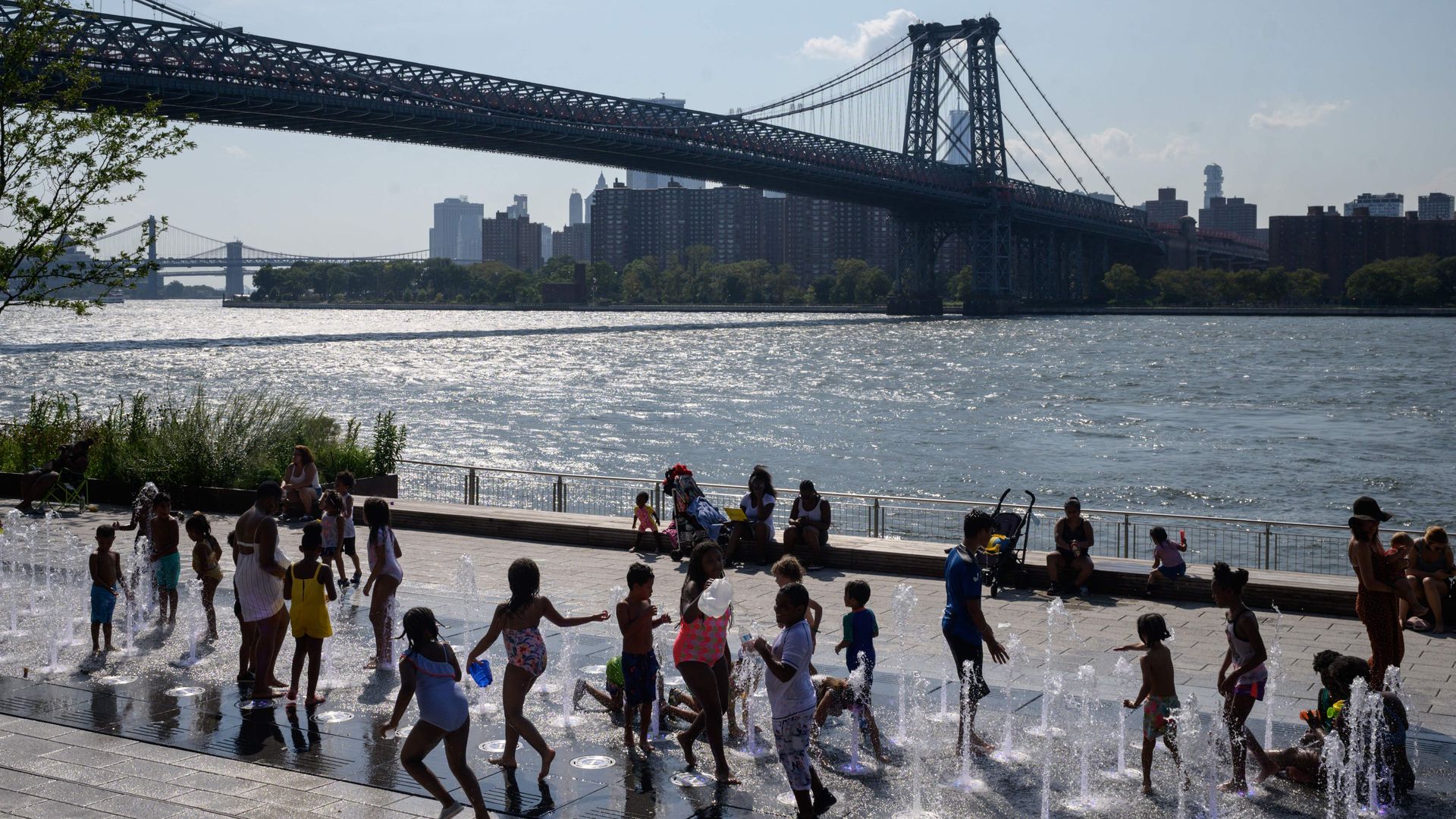
Hot times, summer in the city: As rising temperatures turn urban centers into smoldering heat bubbles, cities are turning to technology like reflective pavement coatings and "cool roofs."
Why it matters: Climate change will keep making cities hotter, and municipal leaders are starting to acknowledge that planting trees, opening "cooling centers," and putting white paint on streets and rooftops will not be enough.
The Federal Emergency Management Agency (FEMA) announced Thursday that it will no longer require disaster survivors living on inherited land to prove homeownership before they can access federal assistance for rebuilding.
Why it matters: The policy disproportionately impacts Black families, whose land is often passed down informally rather than through legal deeds and wills, according to a Washington Post analysis published in July. The change comes on the heels of Hurricane Ida.
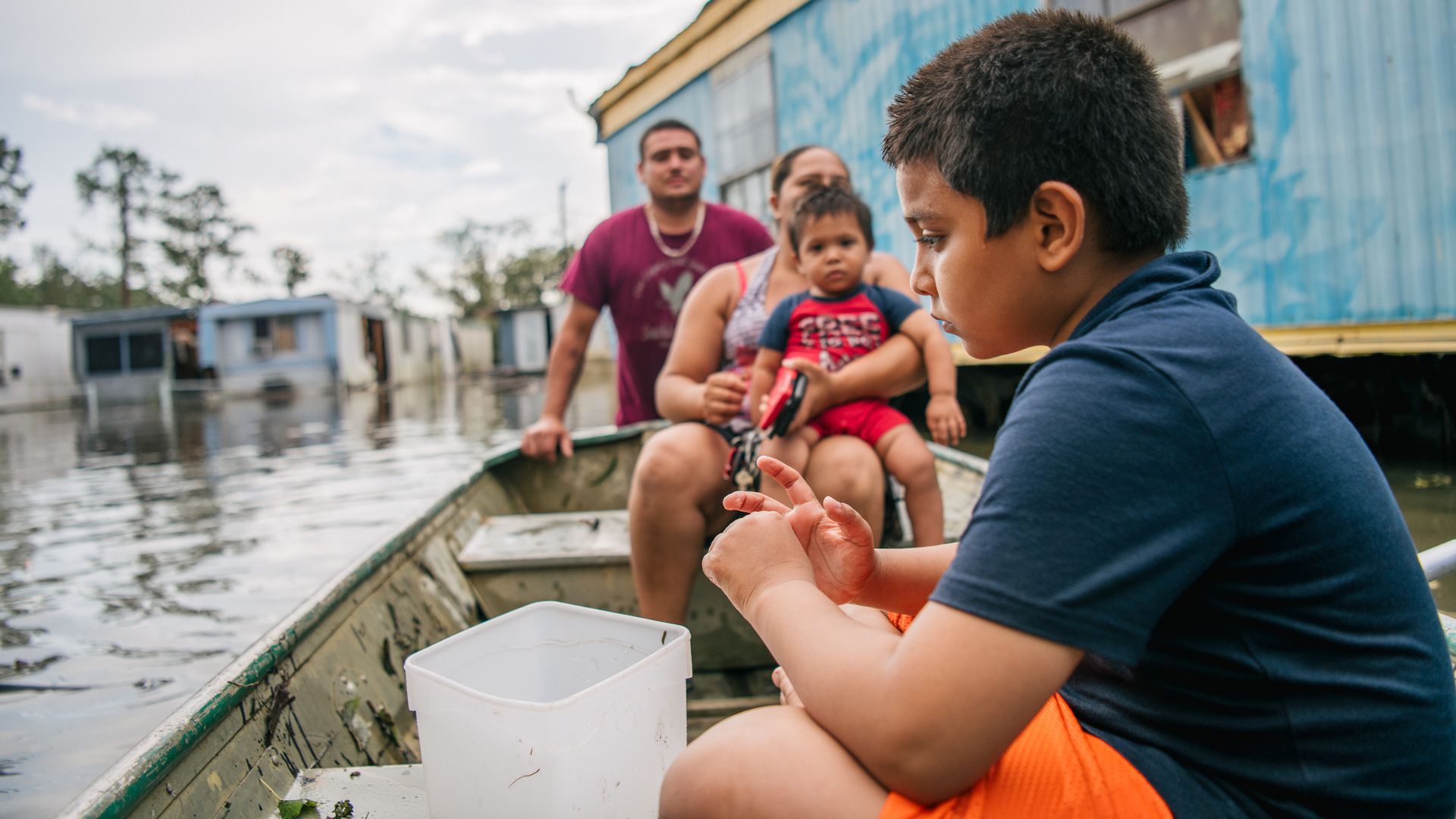
Days after Hurricane Ida made landfall in Louisiana, many of the state’s Latino residents are awaiting aid amidst sweltering heat and lack of power, food and drinking water.
Details: The category 4 storm left many houses and apartments unlivable and their residents stranded in the swath between the Gulf of Mexico and Lake Pontchartrain, where many of the state’s Latinos reside.
The effects of climate change disproportionately fall on "underserved communities who are least able to prepare for, and recover from, heat waves, poor air quality, flooding, and other impacts," according to an Environmental Protection Agency report released Thursday.
Why it matters: “The impacts of climate change that we are feeling today, from extreme heat to flooding to severe storms, are expected to get worse, and people least able to prepare and cope are disproportionately exposed," EPA Administrator Michael Regan said in a statement.
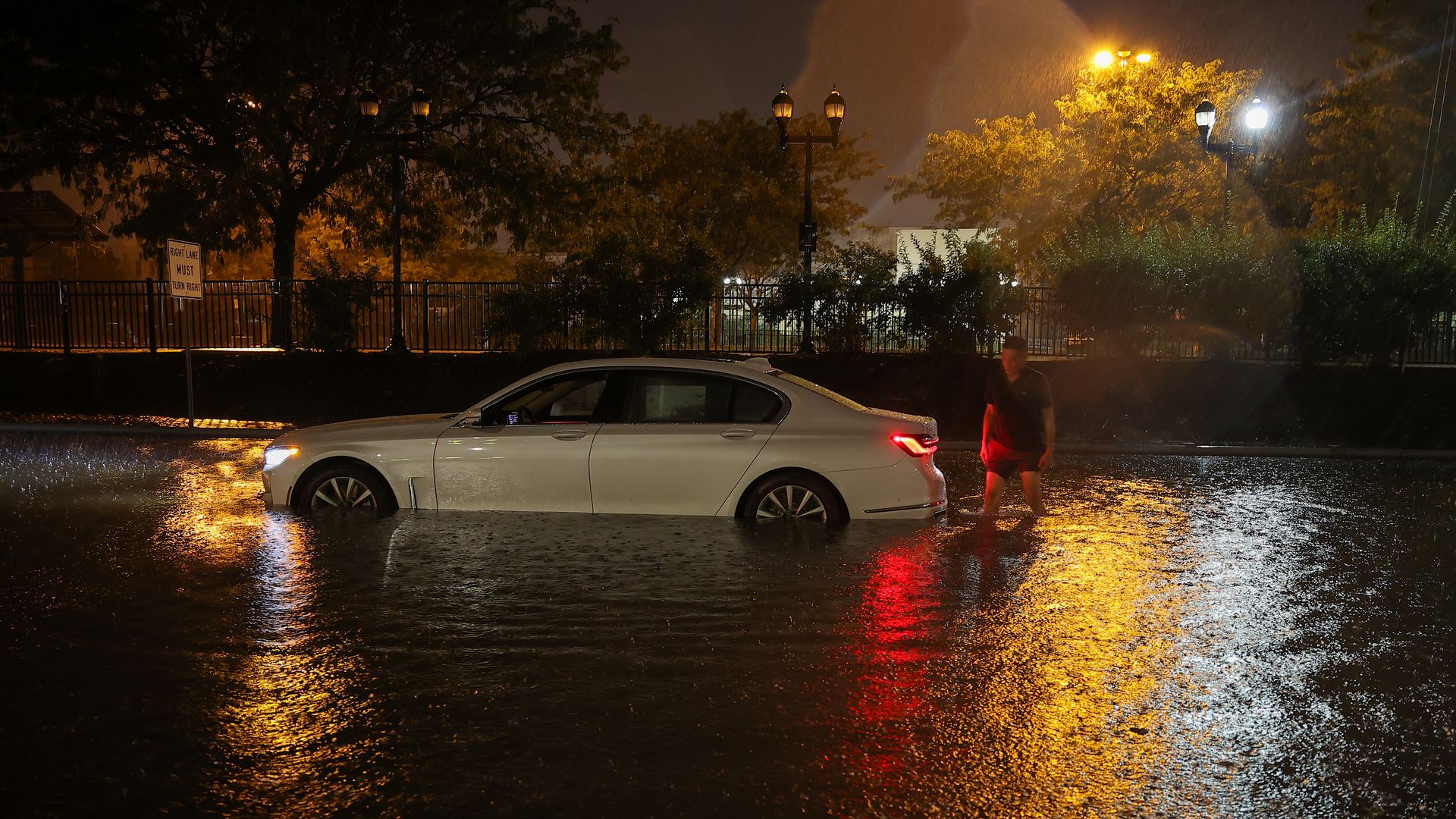
The remnants of Hurricane Ida brought a tropical deluge of unprecedented proportions to the New York City metro area on Wednesday night into Thursday.
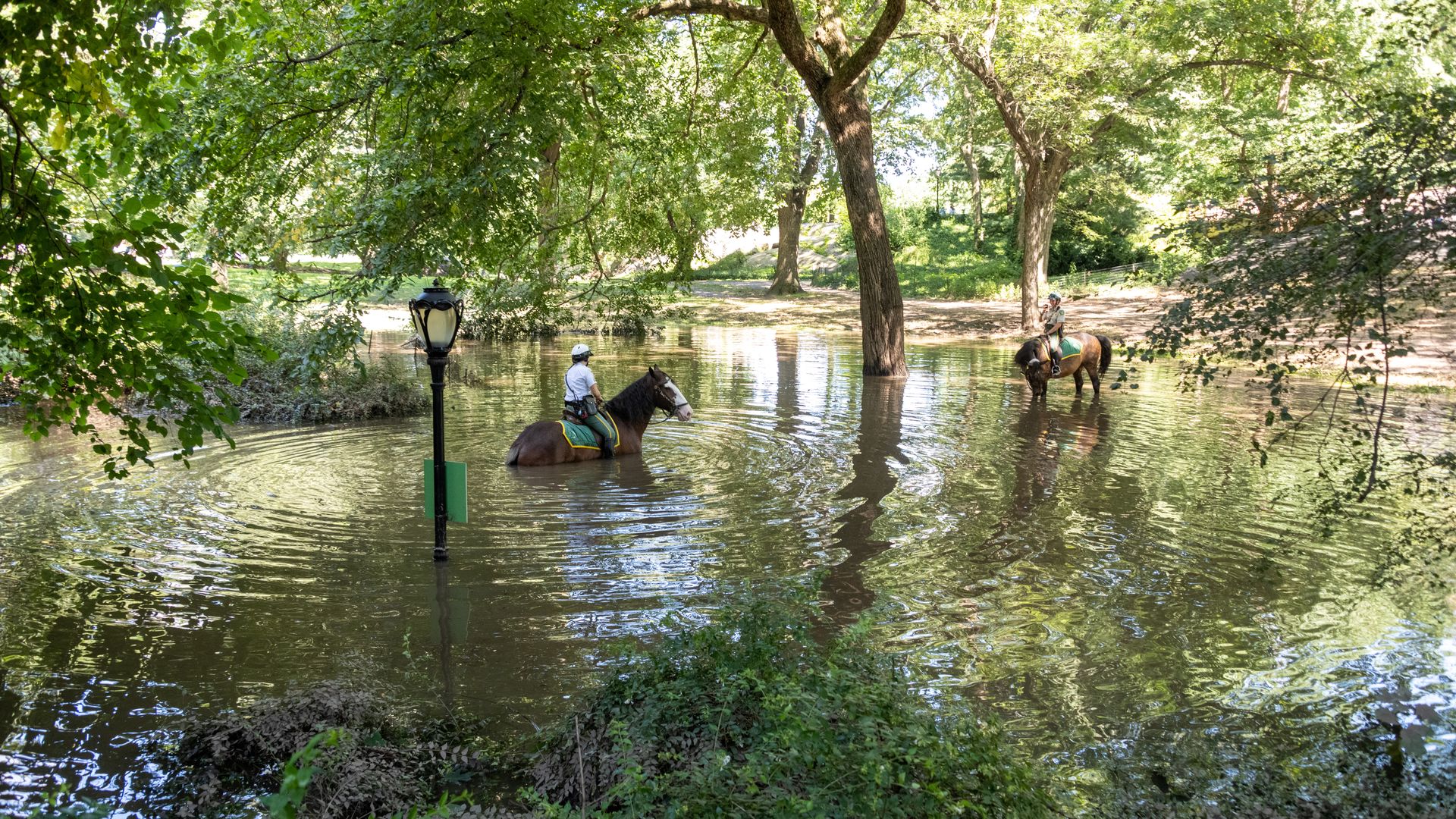
Driving the news: The flooding that resulted from the heavy rainfall shut down Newark Airport, and turned city and country roads in all five boroughs and surrounding areas of New Jersey and Pennsylvania into rivers.
Power and oil-and-gas production are starting to revive after Hurricane Ida, but there's a long way to go for Louisiana's sweltering residents and industrial damage assessments are ongoing.
Driving the news: The Interior Department reports that roughly 80% of Gulf of Mexico crude oil production and 83% of gas production was shut-in as of yesterday.
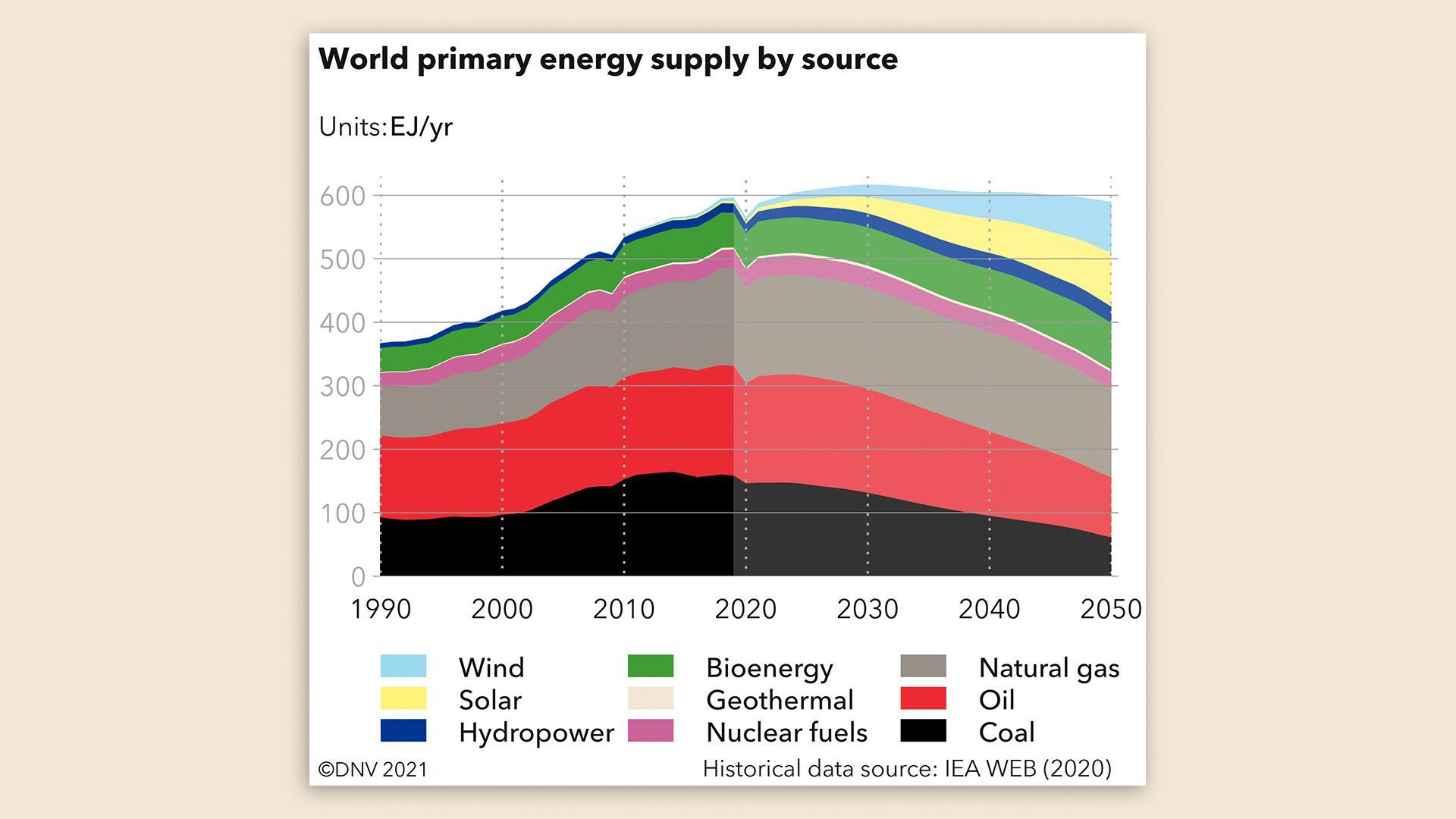
A new report explores how emerging work patterns created under the pandemic's strain may create important long-term shifts in energy use, but not in ways that significantly change emissions.
Driving the news: The latest multidecade energy outlook from the consultancy DNV provides a look at some new normals around remote labor and virtual services.
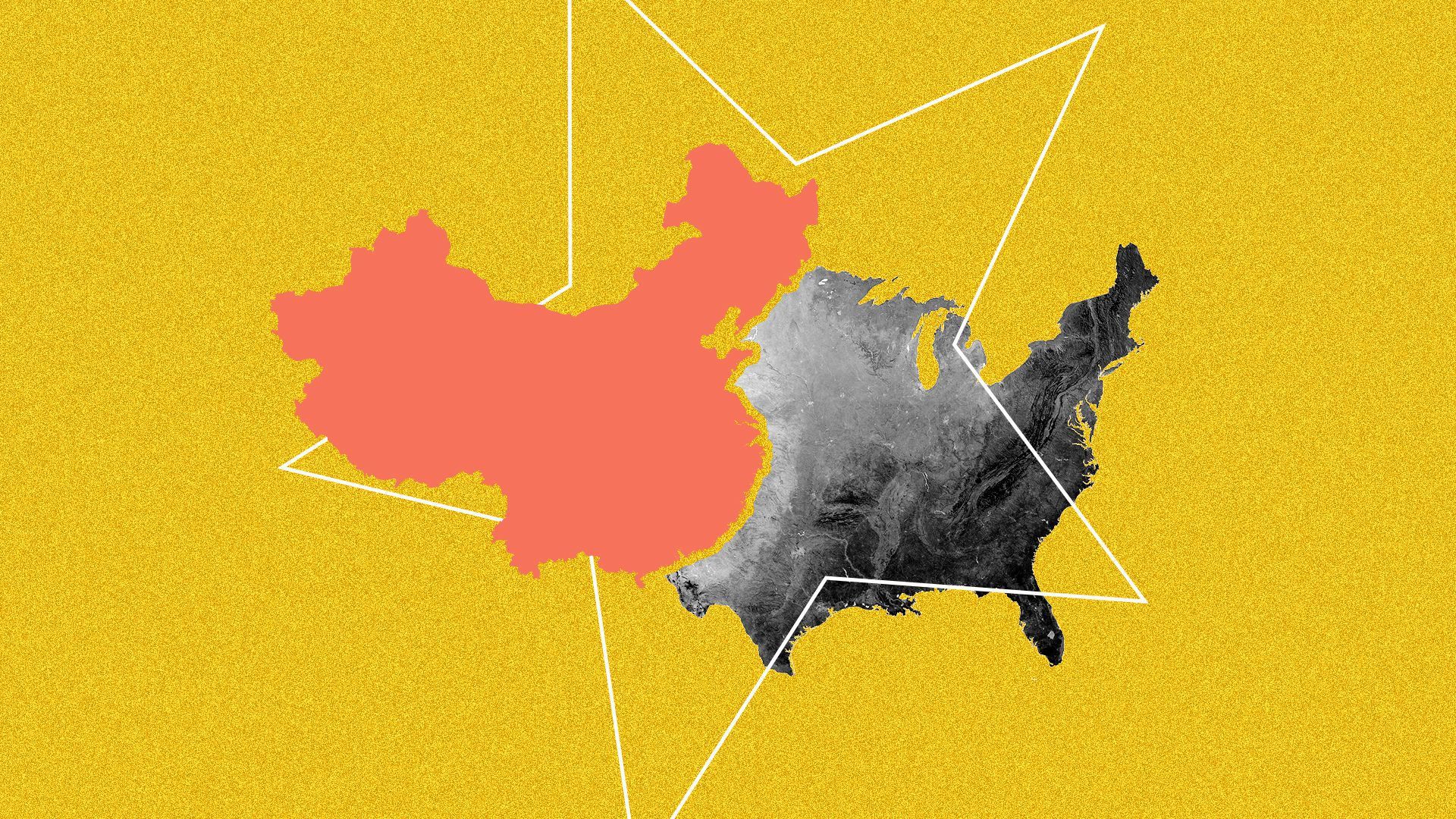
Chinese officials have used special climate envoy John Kerry's visit to warn the U.S. that mutual work on climate change can't be untethered from other tensions between the two powers.
Driving the news: "The Sino-U.S. climate change cooperation cannot be separated from the overall environment of Sino-U.S. relations," the country's foreign ministry said.
The remnants of Hurricane Ida combined with other storm systems to lash the Northeastern U.S. with heavy rains overnight. It left at least one person dead and triggered the first-ever flash flood emergency declaration for New York City.
The big picture: As widespread power outages hit the Northeast, nearly 1 million people in Louisiana still had no electricity — four days after Ida made landfall as a Category 4 hurricane in the state.