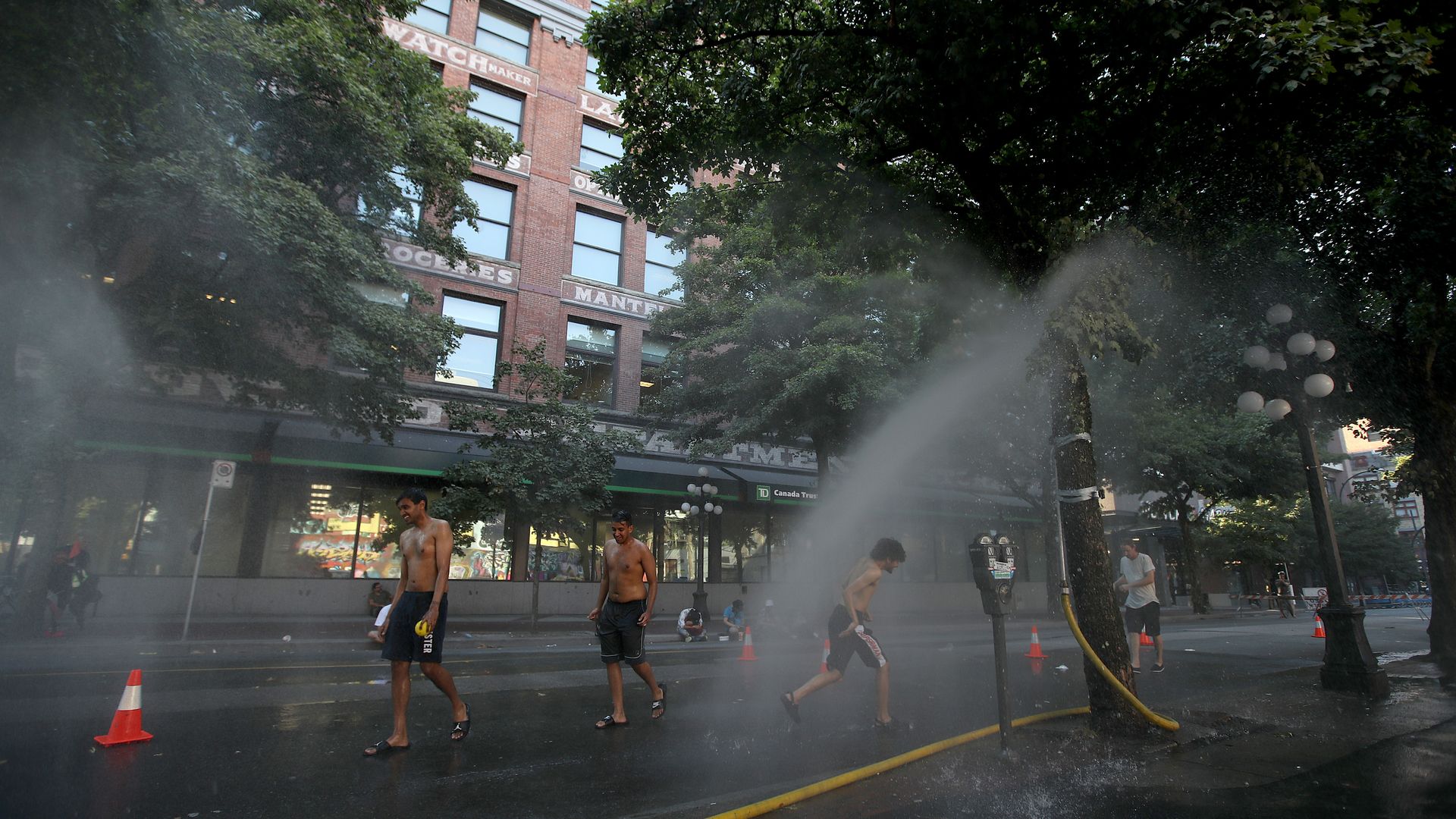
Nearly 500 people have died in British Columbia since Friday as a historic heat wave grips the region, Chief Coroner Lisa Lapointe said in a statement Wednesday.
Why it matters: The heatwave in the Pacific Northwest has shattered records and alarmed scientists. In Lytton, British Columbia the temperature soared to 121°F on Tuesday, conditions which, in North America, are usually reserved for the desert Southwest.
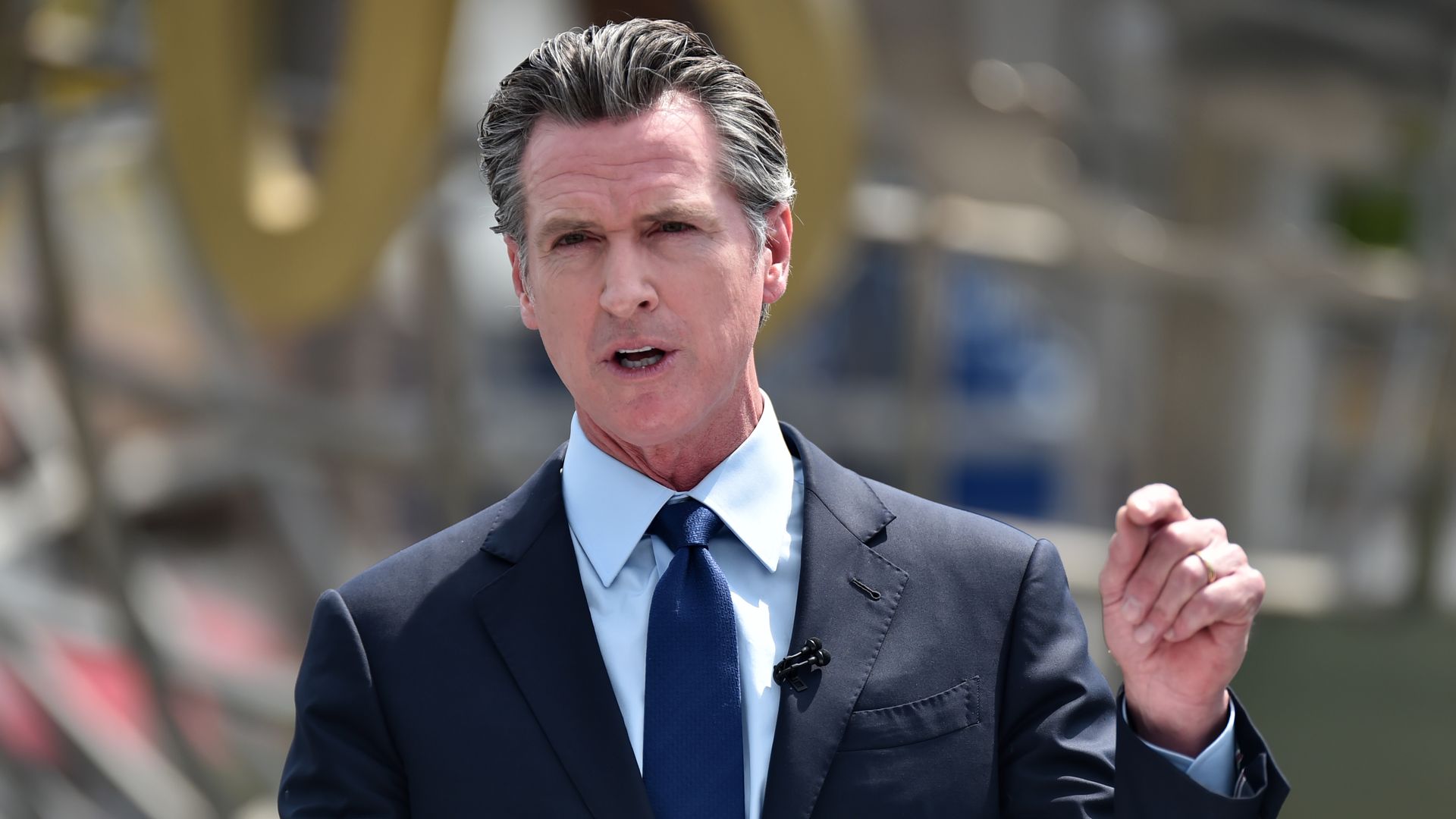
California Gov. Gavin Newsom (D) urged people to "believe your own damn eyes" when it comes to climate science, during remarks on Wednesday after meeting with President Joe Biden, Vice President Kamala Harris and other administration officials to discuss the threat of wildfires on the West Coast.
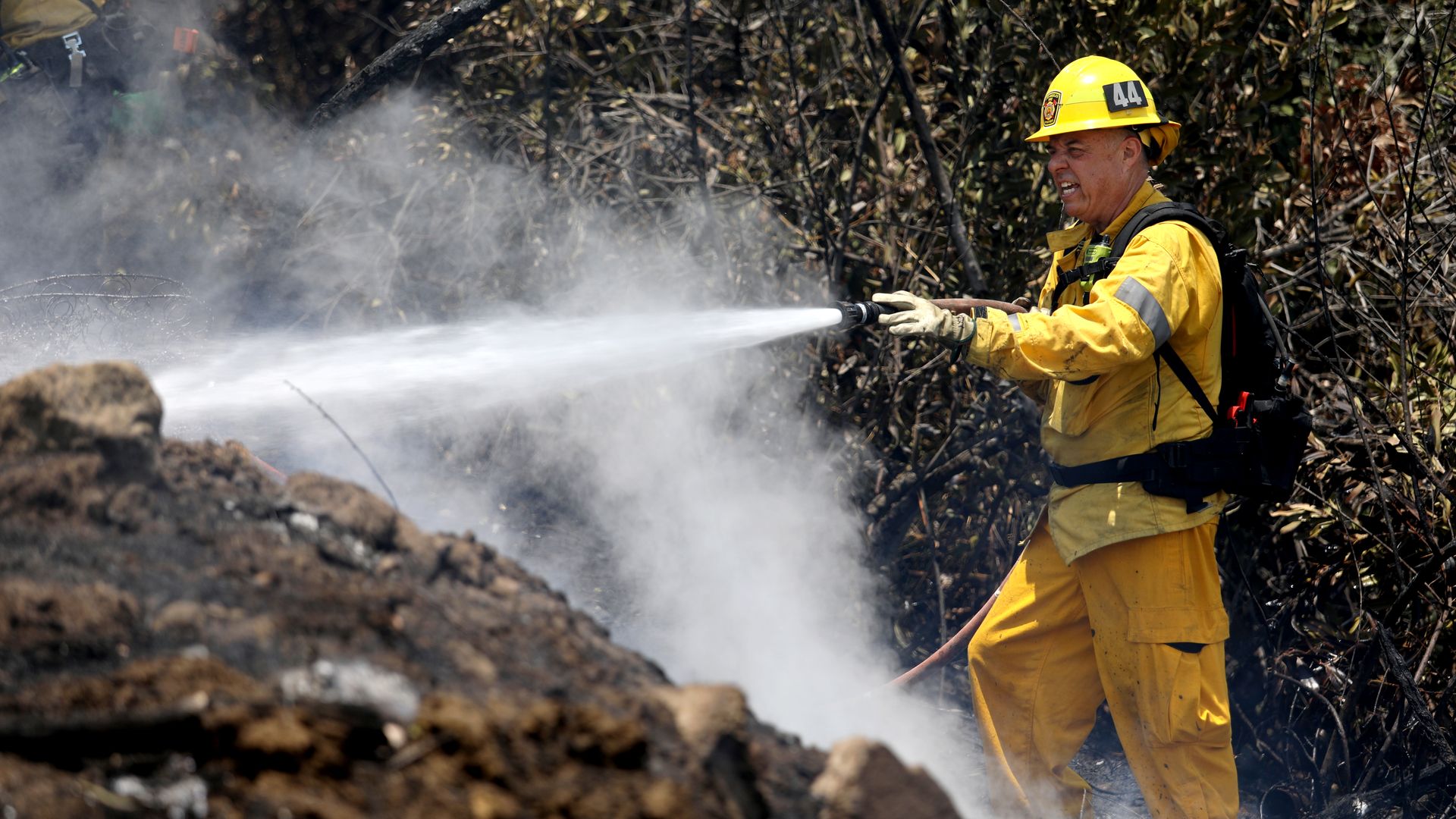
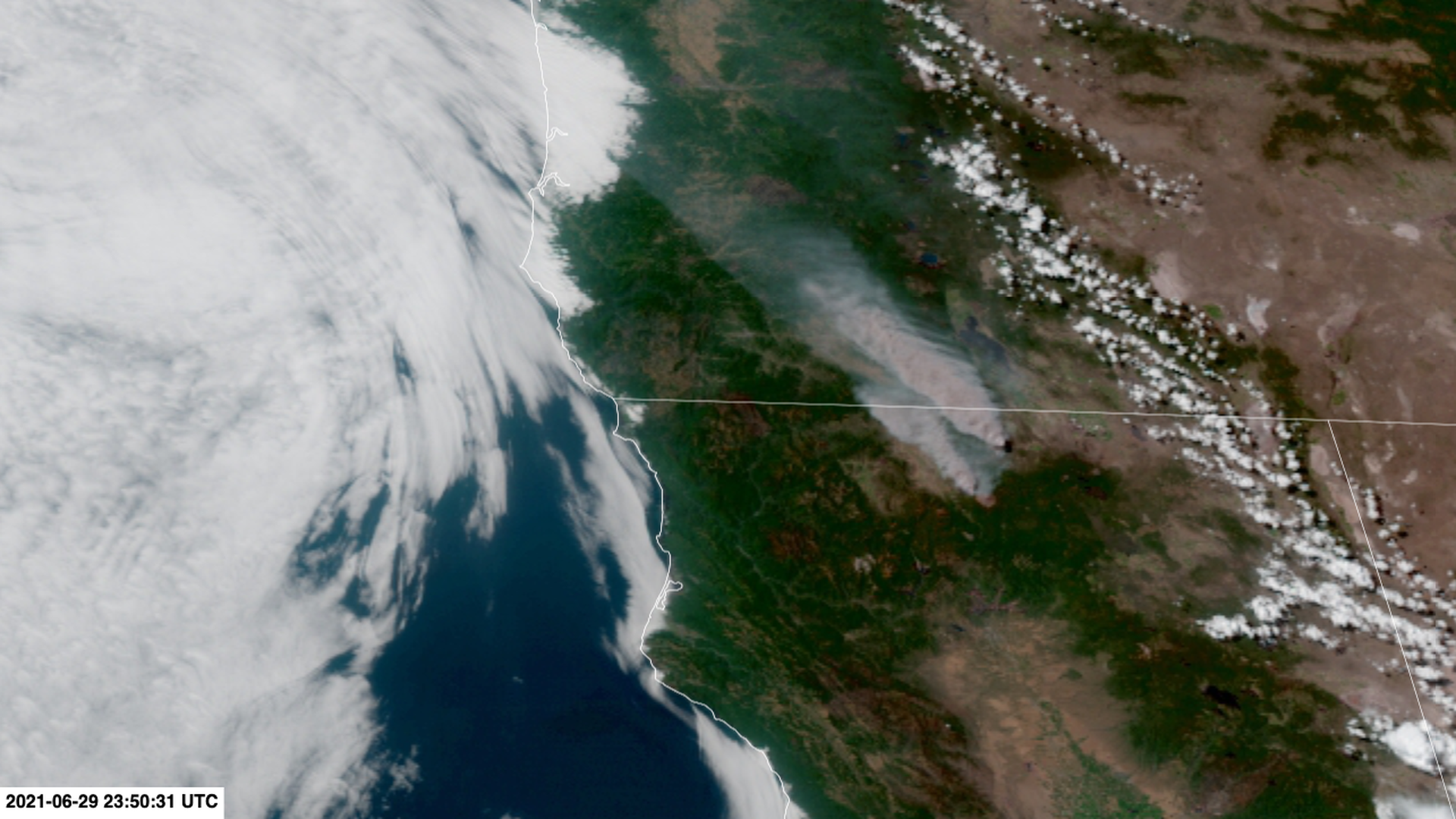
Driving the news: Wildfire season has started early because of the severe drought and record-breaking heat wave affecting the Pacific Northwest. In California, the Lava Fire grew to nearly 18,000 acres overnight and is continuing to spread.
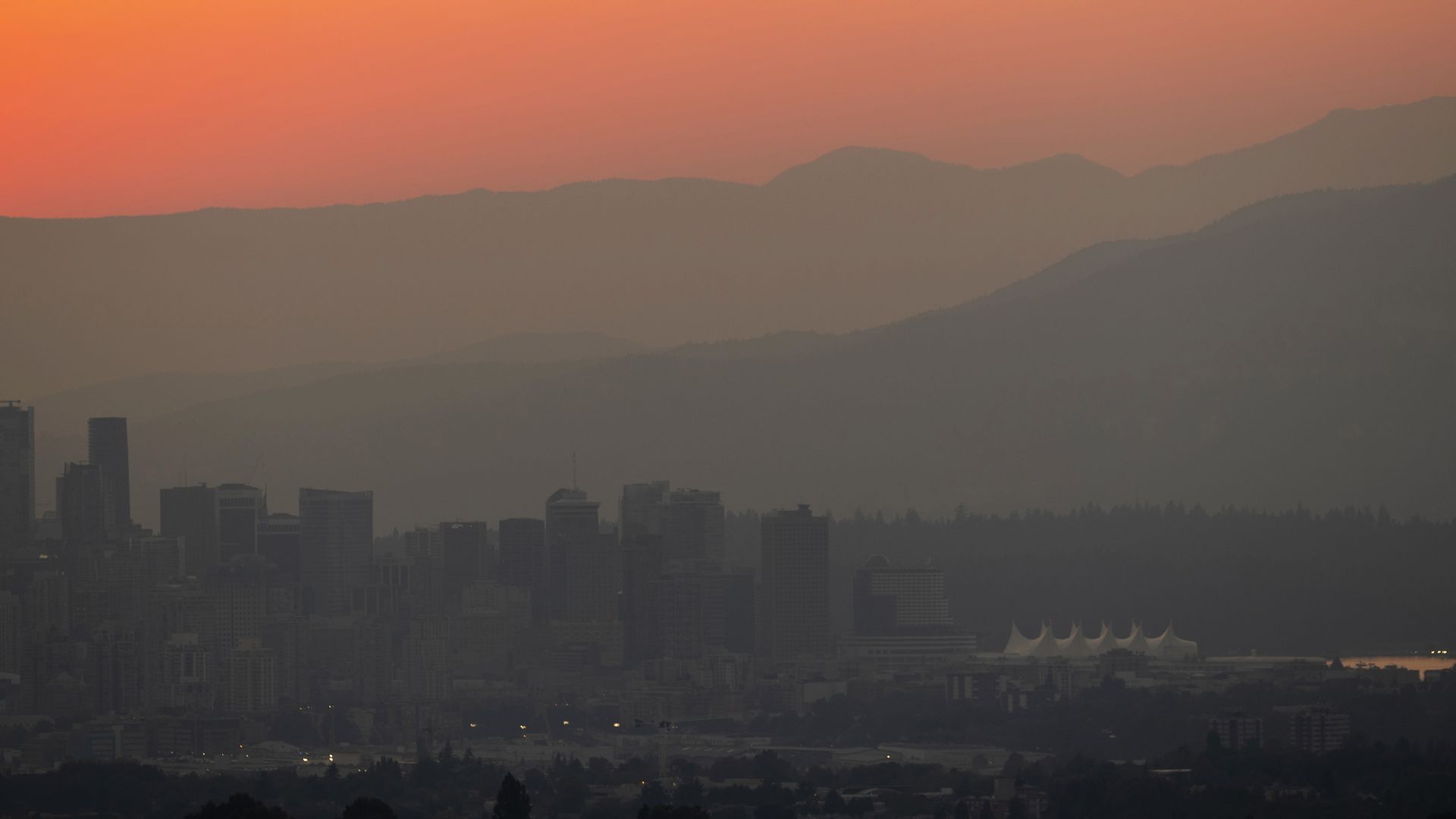
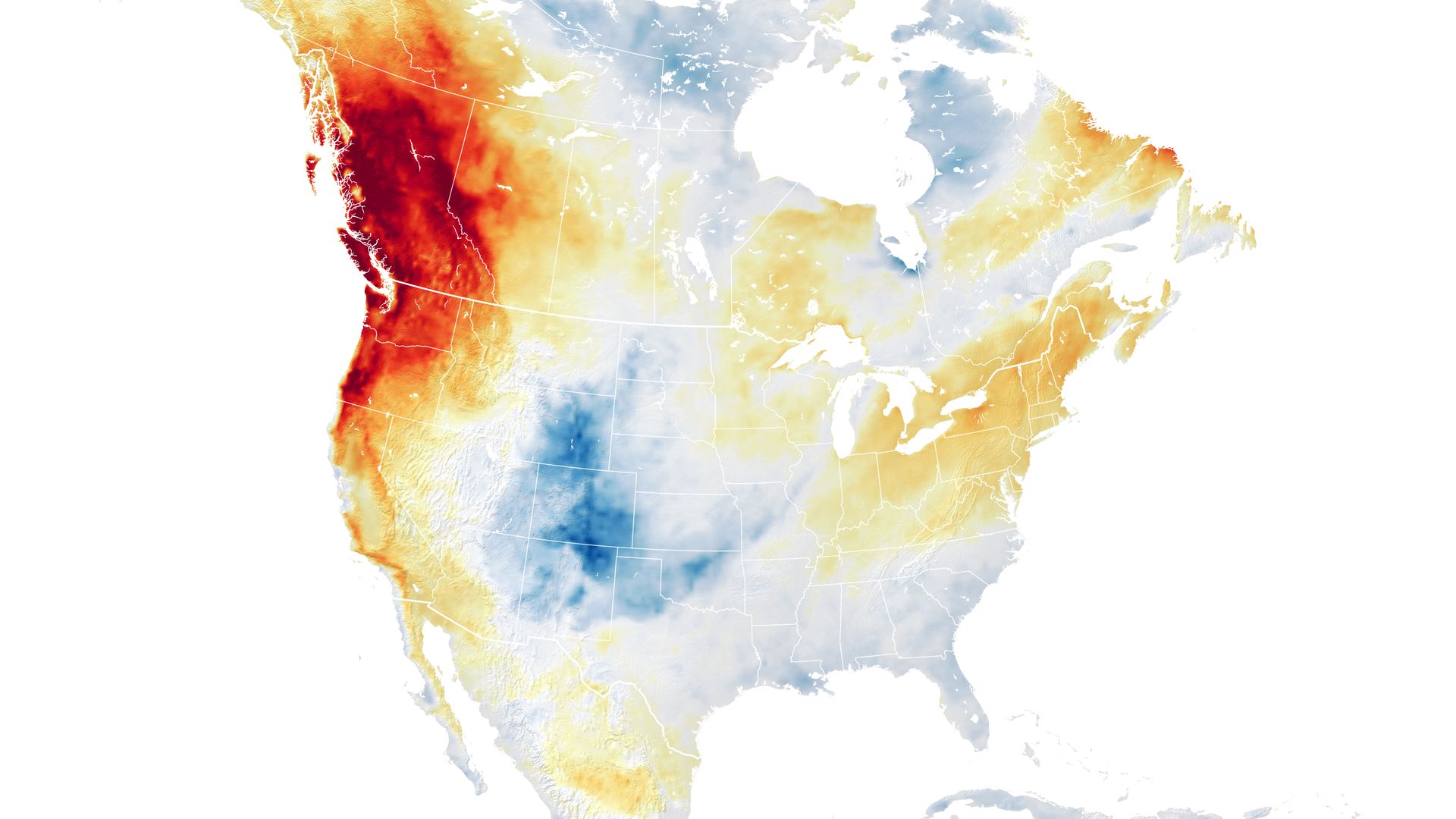
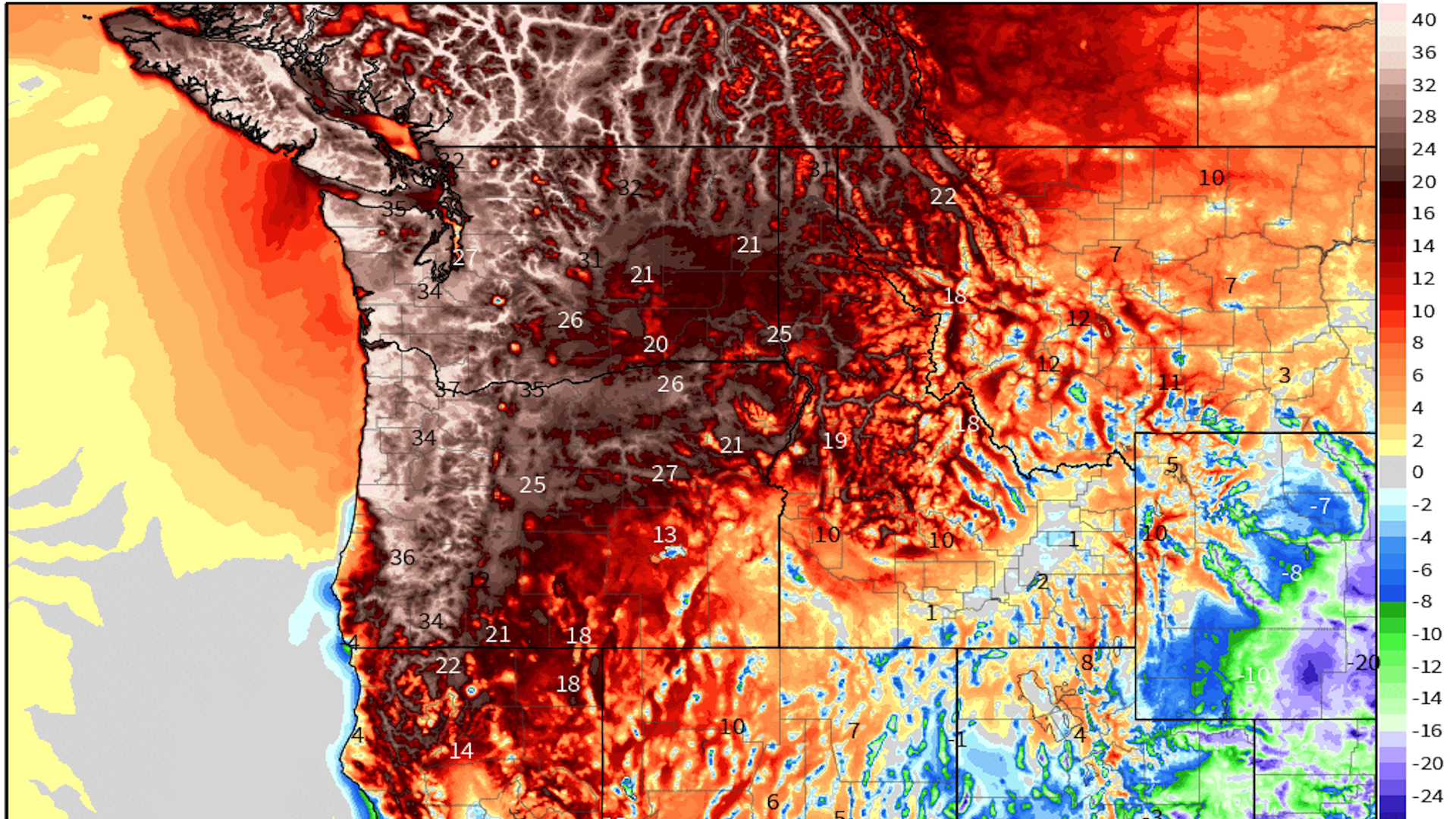
The extreme heat that shattered records across the Pacific Northwest — and still has not abated in many areas — has no precedent in modern record-keeping, data analyses shows. This is especially the case in British Columbia, where the temperature soared to an almost unimaginable 121°F in Lytton on Tuesday.
Why it matters: Heat of this magnitude is proving to be deadly, which is consistent with findings that heat waves are typically the deadliest weather phenomena in the U.S. each year. The temperatures are also shocking some scientists.
The White House hopes to use the filibuster-proof budget reconciliation process to mandate that power companies supply escalating amounts of zero-carbon electricity, according to a memo from two top aides obtained by Axios.
Why it matters: The policy, called a "clean energy standard," is a priority for environmentalists, and the memo comes as activists fear infrastructure talks will leave major climate measures on the cutting room floor.
In the midst of the worst heat wave in the history of the Pacific Northwest and an early start to the West's wildfire season, the Biden administration is moving to raise federal firefighters' pay while taking other steps to bolster wildfire preparedness.
Why it matters: With a severe drought gripping the West, particularly California and Arizona, Biden and other members of his administration will convene virtually with a group of western governors Wednesday to discuss the challenges that lie ahead this summer and fall.
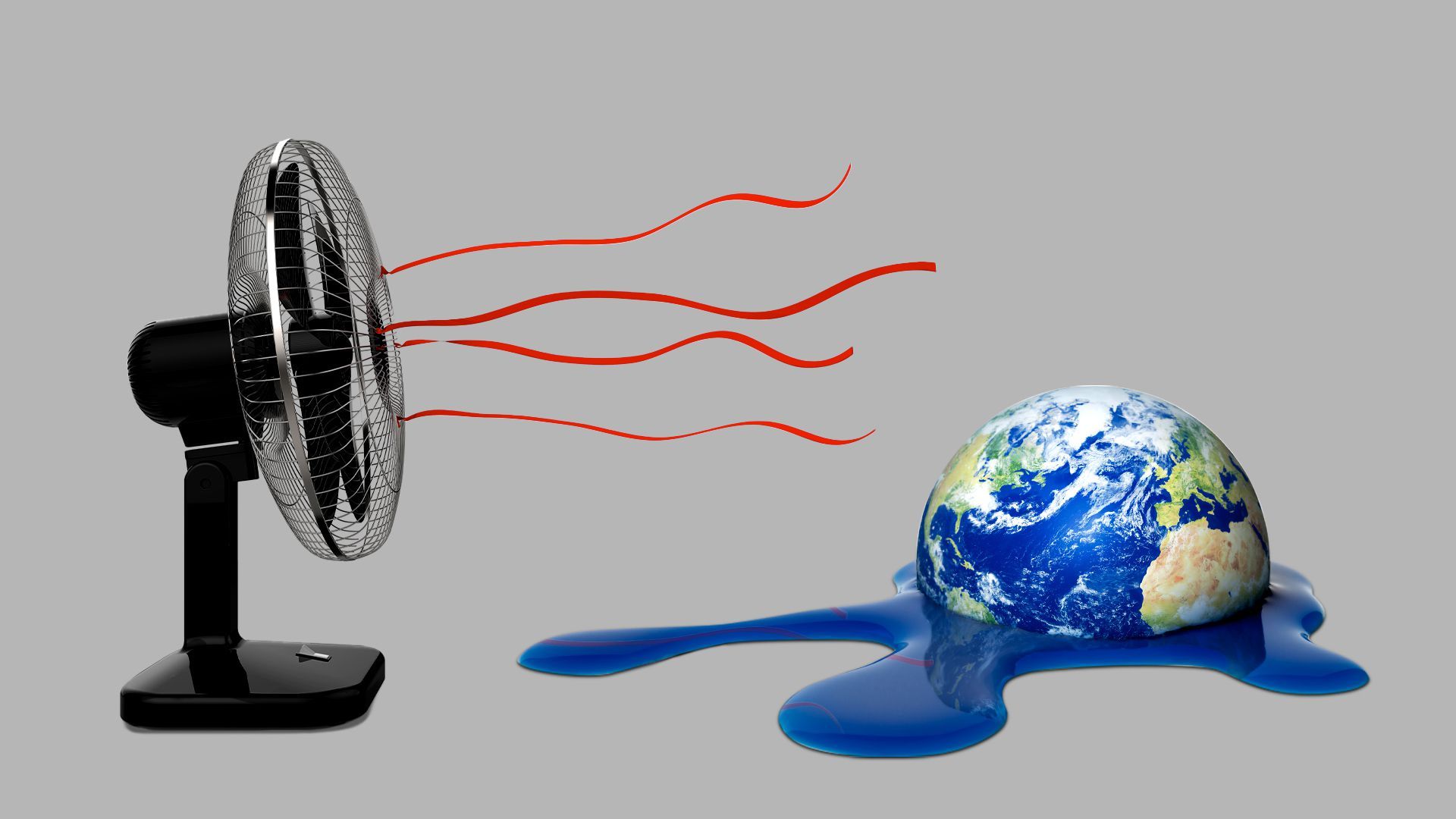
Record-breaking Pacific Northwest heat offers a window into the global need for more air conditioning as climate change makes heat waves more extreme.
Why it matters: Extreme heat is the deadliest weather hazard in the U.S. and many other countries, and with average temperatures climbing due to climate change, the risks and severity of heat waves are escalating even faster.
The Pacific Northwest heat wave has been linked to dozens of deaths in Canada — where Lytton reached 121°F Tuesday. It's the third consecutive day the British Columbia town had smashed the country's all-time high temperature record.
What's happening: From Friday, when the heat wave began, to Monday officials in the West coast province had recorded at least 233 deaths — roughly 100 more reports than they would typically receive over a four-day period, the B.C. Coroners Service said in a statement on the fallout from the extreme heat.
Driving the news: The lightning-sparked Lava Fire in Siskiyou County has scorched more than 13,330 acres of land, expanding nearly tenfold since Monday, per the U.S. Forest Service.
After reaching an unprecedented peak, the ferocious heat wave in the Pacific Northwest is retreating inland on Tuesday, sparing some of the biggest cities, including Seattle, from another day of record-breaking heat.
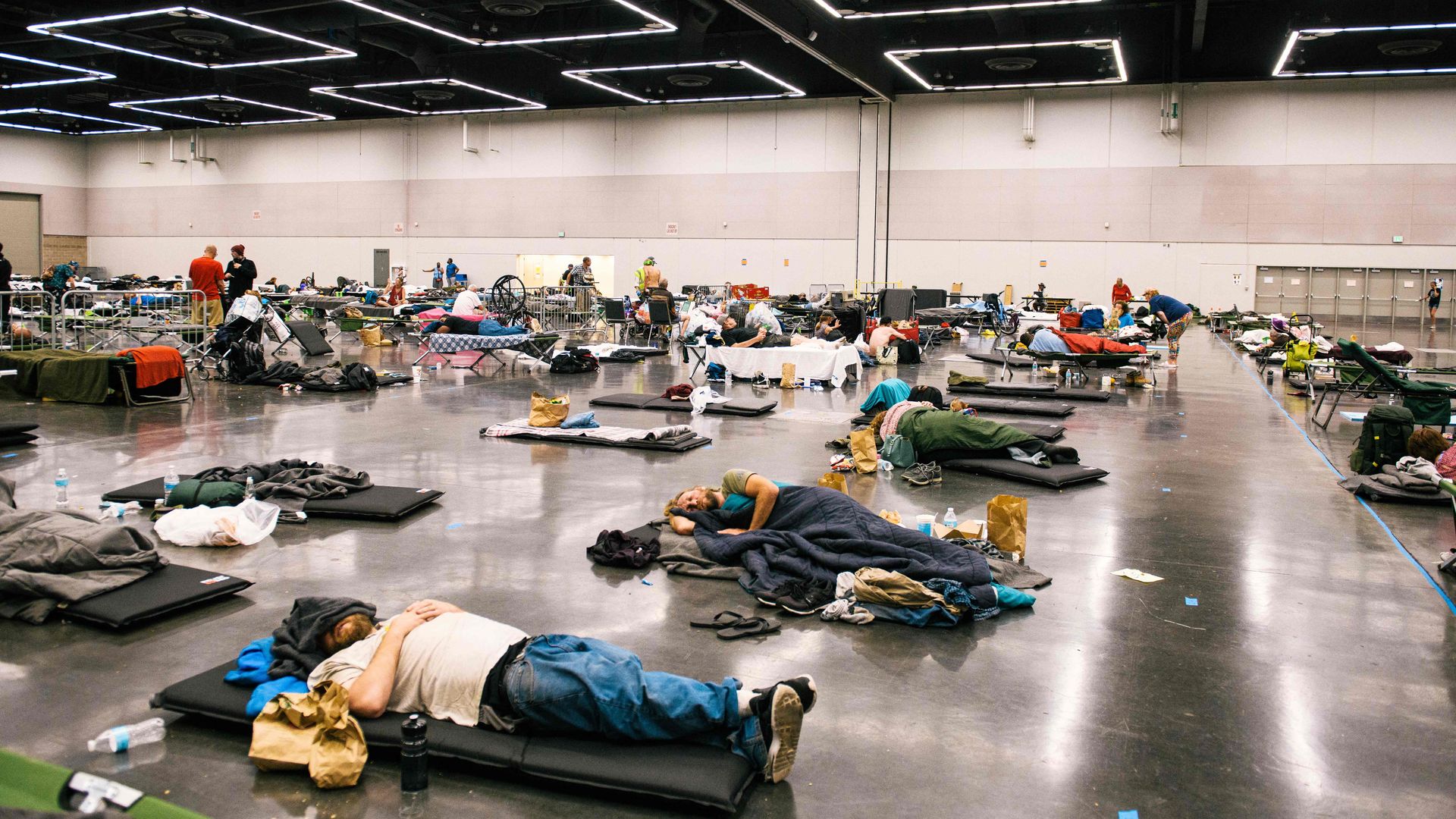
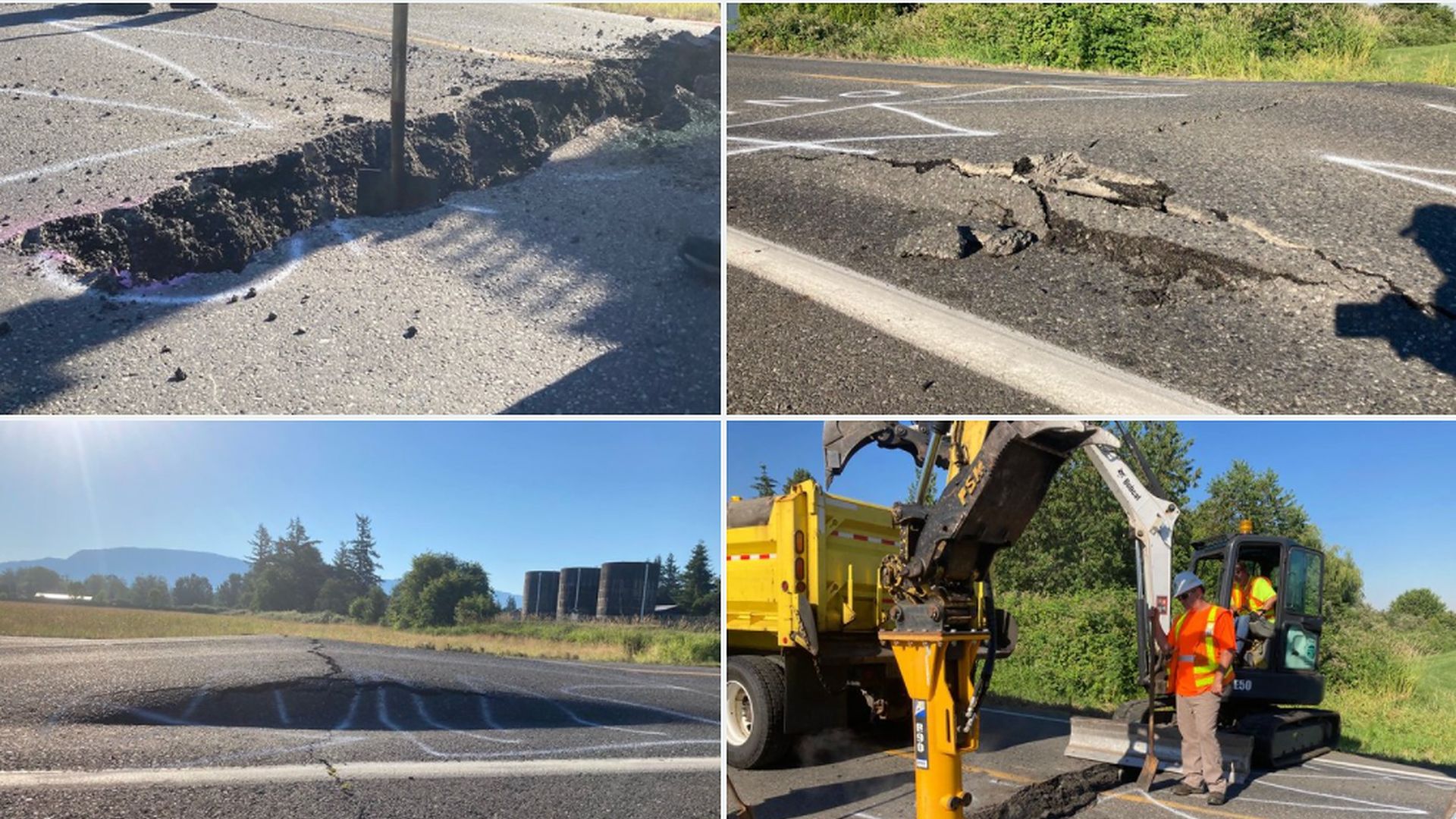
Why it matters: The worst heat wave on record in the Pacific Northwest has had a wide range of impacts, from damaging public transit infrastructure — rails failed and roads buckled — to public health issues. This event is not over, given the continued record high temperatures in areas further away from the coast.
The worst heat wave on record in the Pacific Northwest has resulted in more than 1,100 people going to the hospital for possible heat-related illness as of Tuesday, BuzzFeed reports.
The White House is trying to build support for clean energy and climate pieces of the $1.2 trillion bipartisan infrastructure outline at a time when activists are calling the plan far too modest.
Why it matters: The White House faces growing urgency to corral progressive lawmakers now that President Biden has abandoned threats to veto the plan unless a much larger, Democrats-only package moves too.
Of note: Seattle surpassed its record set Sunday by 4°F when it hit 108°F Monday evening and Portland for the third consecutive day recorded an all-time high temperature record high, reaching 116°F. The Canadian town of Lytton set a new national record for the second straight day when it hit 118.2°F.
The extraordinary heat wave that's stifling the Pacific Northwest reached its peak in many areas on Monday. Seattle smashed its all-time high-temperature record, set just the day before, by 4°F.
Why it matters: After two days of oppressive heat and little relief at night, the extreme weather event, boosted by global warming, is moving into a more dangerous phase.
President Biden in an op-ed published by Yahoo! News Monday pledged to do more to tackle climate change as he touted the $1.2 trillion infrastructure deal he reached with a group of bipartisan senators.
Why it matters: Biden has faced criticism from progressives over the agreement for not doing enough to address issues such as climate change. Reps. Cori Bush (D-Mo.) and Alexandria Ocasio-Cortez (D-N.Y.) joined hundreds of protesters outside the White House Monday to demand the president act on the matter.