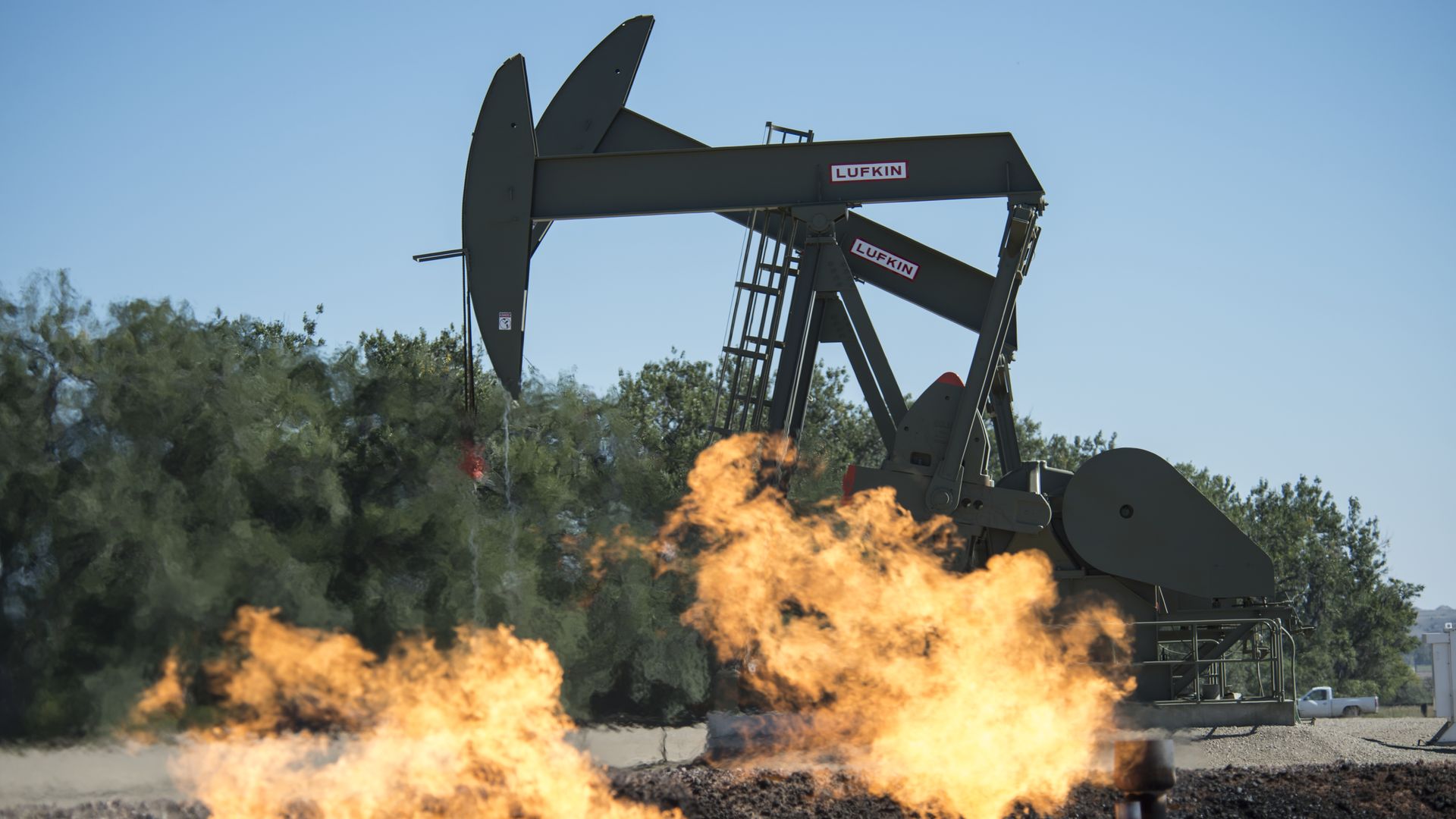
Methane emissions from oil and gas, agriculture and other sources are contributing to thousands more deaths per year from air pollution than previously thought, while simultaneously leading to a rapid increase in global average temperatures, according to a comprehensive new U.N. report.
Why it matters: The report, which is the most thorough study of methane's contribution to global warming, public health ailments, and solutions to date.
The Biden administration on Thursday released a broad blueprint outlining its aspiration to conserve 30% of U.S. lands and waters by 2030.
Why it matters: The target is meant to serve multiple goals, including biodiversity, water protection, natural carbon sequestration, outdoor recreation access, public health and more.
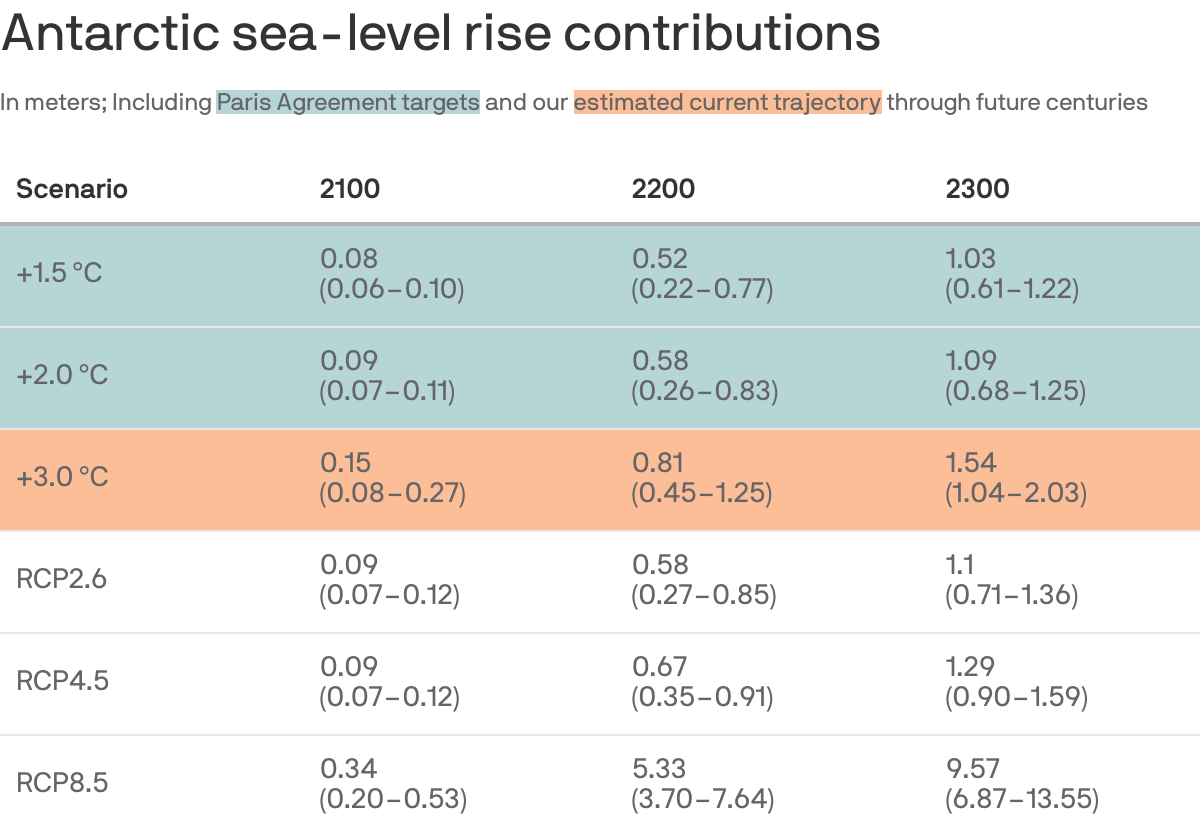
Data: The Paris Climate Agreement and future sea-level rise from Antarctica; Table: Axios Visuals
Sea-level risefrom glaciers and ice sheets is closely tied to the pace and extent of global warming during the next several decades, data from two major new ice melt studies show.
Between the lines: Coastal communities might be able to adapt to the sea-level rise contribution from Antarctica alone through 2100 at lower warming scenarios.
Amazon Web Services (AWS) launched a "clean energy accelerator" this morning to help advance startups with climate-friendly technologies.
Why it matters: It's the latest step in the tech sector's expanding climate work, even as the industry remains under pressure from activists over its work with oil-and-gas clients.
The distribution of global greenhouse gas emissions has reached an inflection point: China's emissions exceeded developed nations combined in 2019, a new Rhodium Group analysis concludes.
Why it matters: "The shifting dynamics of global emissions — with China surpassing the developed world for the first time — means that meeting the Paris goals will require significant and rapid action from all countries," Kate Larsen, a director at Rhodium, tells Axios.
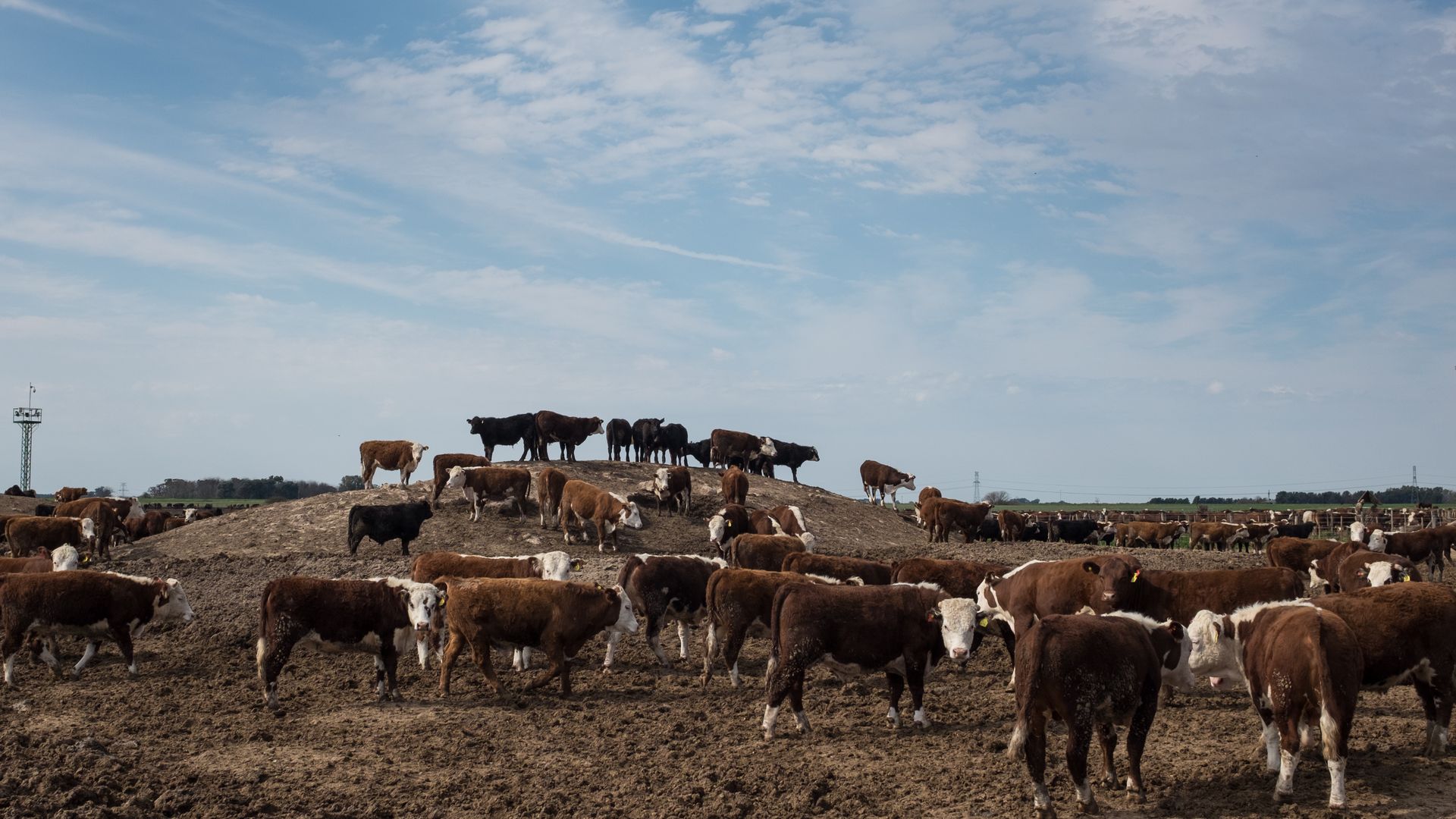
Argentina's government has this week launched a "Green Mondays" campaign that calls on citizens to replace meals containing meat with plant-based ones on Mondays in an effort to tackle climate change.
Why it matters: Cattle ranches contribute to 22% of all emissions in Argentina, making them the "biggest contributor" in the country, per Bloomberg. The campaign is part of a growing worldwide environmental movement away from meat.
The Federal Aviation Administration announced plans to impose massive fines on four airline passengers for unruly behavior, including two who allegedly assaulted flight attendants after refusing to comply with face mask guidelines.
Why it matters: The proposed civil penalties ranging from $9,000 to $32,750 are part of the FAA's new "zero tolerance" policy, introduced after an uptick in incidents of disobedient passengers on flights stemming from their refusal to wear masks and January's U.S. Capitol riot. Airlines have reported some 1,300 cases since February — about 1,000 more than in a typical year.
The world runs a growing risk of triggering accelerating and potentially unstoppable sea level rise from the Antarctic ice sheet if greenhouse gas emissions are not strictly curtailed. However, this fate can be avoided if the Paris Agreement's targets are met, according to two new studies published Wednesday.
Why it matters: At stake is the viability of coastal megacities like Shanghai, Manila and New York City, as well as entire nations like the low-lying Maldives. The severity of sea level rise depends largely on the pace and extent of ice melt from the world'stwo largest ice sheets: Antarctica and Greenland.
Soaring amounts of key minerals used in clean energy tech are needed to fight climate change, but costs and supply risks could create big headwinds, a new International Energy Agency analysis finds.
Why it matters: "Today’s mineral supply and investment plans fall short of what is needed to transform the energy sector, raising the risk of delayed or more expensive energy transitions," IEA warns.
New analysis from the firm Energy Innovation finds that building new U.S. wind and solar power generation is very often more cost-effective than continuing to run existing coal-fired power plants.
The big picture: "[Seventy-two] percent of existing U.S. coal capacity and 80 percent of existing U.S. coal plants are either more costly to continue operating compared to building new nearby wind or solar plants, or are slated to retire in the next four years," a summary of the "coal crossover" report notes.
At least three people have died as a powerful storm system continues to lash much of the South, spawning tornadoes, causing flash flooding and leaving over 250,000 homes without power overnight.
Driving the news: Powerful winds and rain damaged homes, downed power lines and tress and saw boat rescues from Texas to Virginia on Tuesday, AP notes, and the threat remains for several states.