The world runs a growing risk of triggering accelerating and potentially unstoppable sea level rise from the Antarctic ice sheet if greenhouse gas emissions are not strictly curtailed. However, this fate can be avoided if the Paris Agreement's targets are met, according to two new studies published Wednesday.
Why it matters: At stake is the viability of coastal megacities like Shanghai, Manila and New York City, as well as entire nations like the low-lying Maldives. The severity of sea level rise depends largely on the pace and extent of ice melt from the world'stwo largest ice sheets: Antarctica and Greenland.
Soaring amounts of key minerals used in clean energy tech are needed to fight climate change, but costs and supply risks could create big headwinds, a new International Energy Agency analysis finds.
Why it matters: "Today’s mineral supply and investment plans fall short of what is needed to transform the energy sector, raising the risk of delayed or more expensive energy transitions," IEA warns.
New analysis from the firm Energy Innovation finds that building new U.S. wind and solar power generation is very often more cost-effective than continuing to run existing coal-fired power plants.
The big picture: "[Seventy-two] percent of existing U.S. coal capacity and 80 percent of existing U.S. coal plants are either more costly to continue operating compared to building new nearby wind or solar plants, or are slated to retire in the next four years," a summary of the "coal crossover" report notes.
At least three people have died as a powerful storm system continues to lash much of the South, spawning tornadoes, causing flash flooding and leaving over 250,000 homes without power overnight.
Driving the news: Powerful winds and rain damaged homes, downed power lines and tress and saw boat rescues from Texas to Virginia on Tuesday, AP notes, and the threat remains for several states.
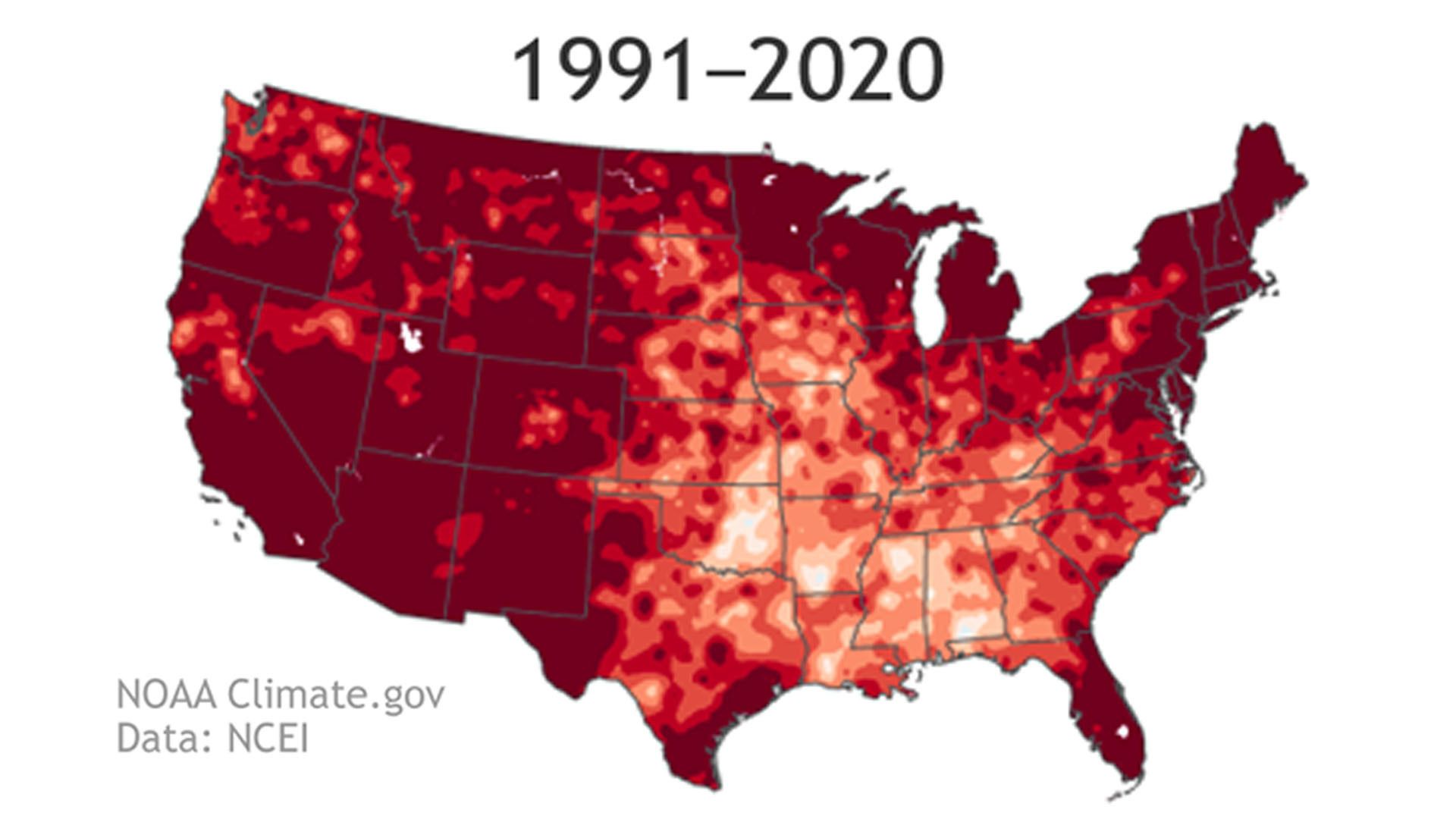
The National Oceanic and Atmospheric Administration revealed new standards on Tuesday for what an average or "normal" U.S. climate looks like, showing average temperatures in the U.S. rising significantly.
Why it matters: Shifting the baseline for normal temperatures highlights just how quickly climate change is affecting conditions on Earth.
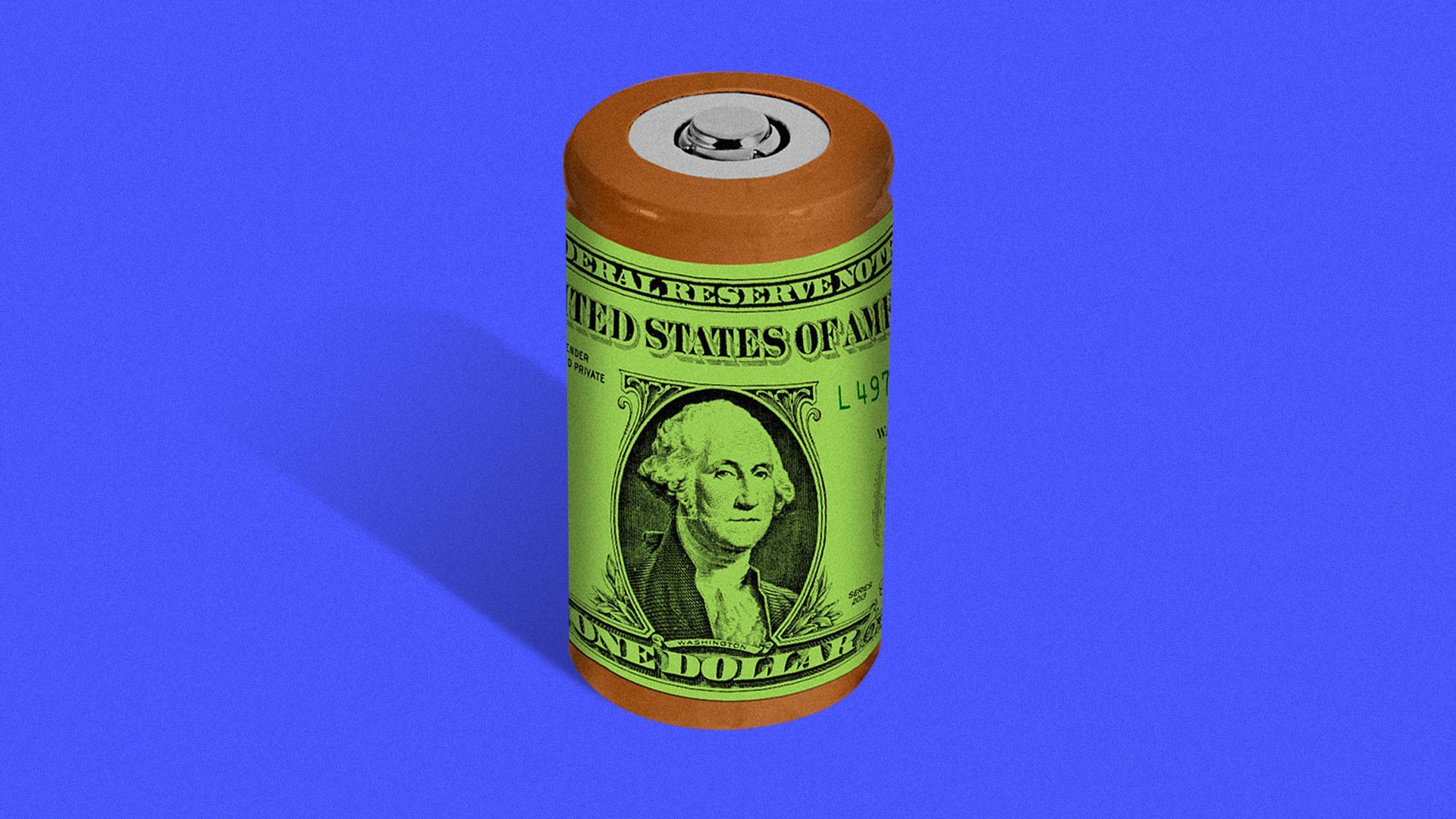
Ford and BMW, along with the VC firm Volta Energy Technologies, are investing $130 million in the solid-state battery startup Solid Power.
Why it matters: Solid-state batteries hold the promise of more energy density, durability and safety than existing battery tech with liquid electrolytes, but successful and widespread commercialization remains a challenge.
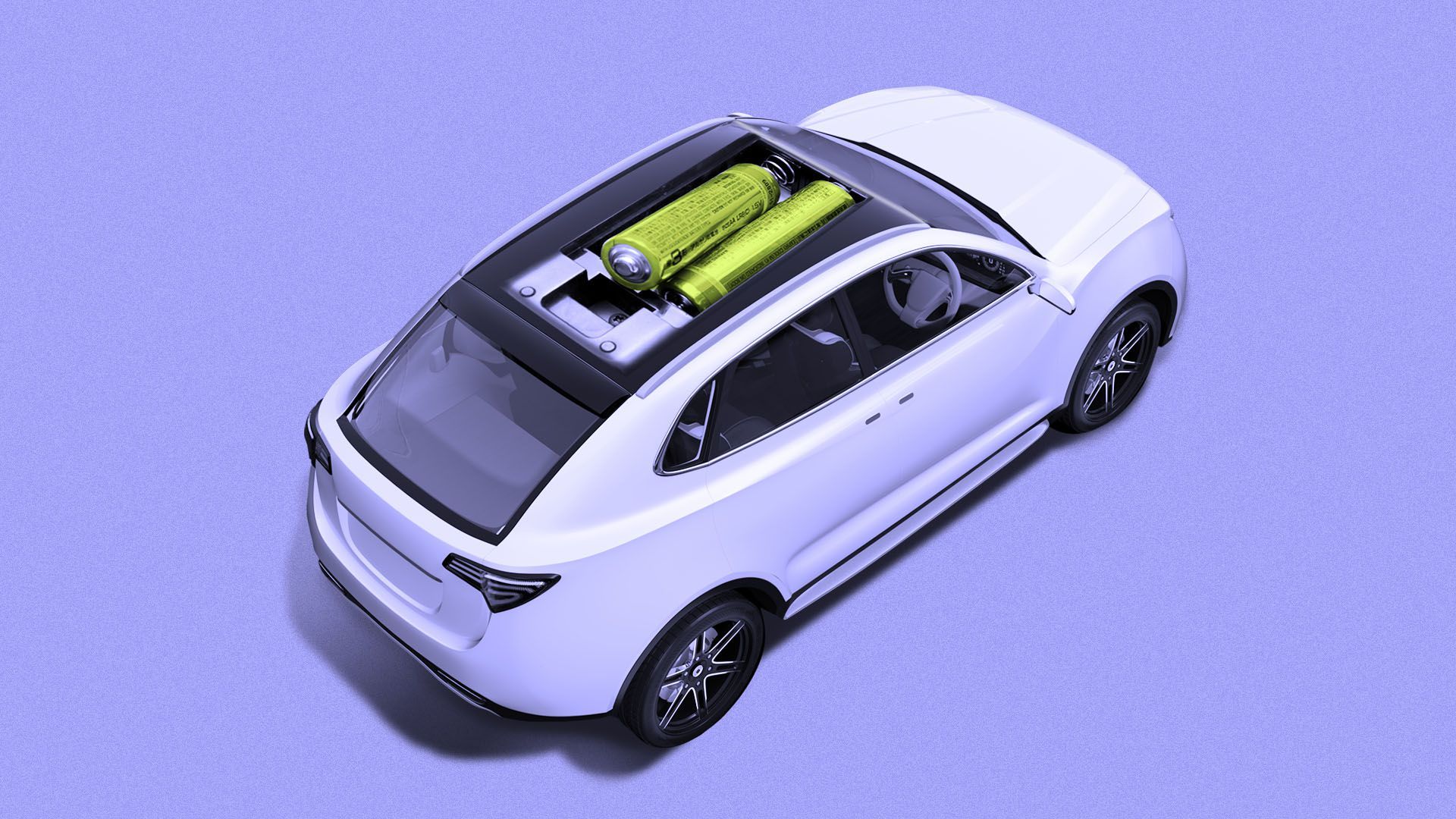
Uber and the electric vehicle startup Arrival are teaming up to develop an "affordable, purpose-built" EV for the ride-hailing industry that Arrival hopes to bring into production in late 2023, the companies said.
Why it matters: Making ride-hailing electric is important from a climate standpoint, given the mileage the vehicles travel and signs that ride-hailing replaces some walking, biking and mass transit use.
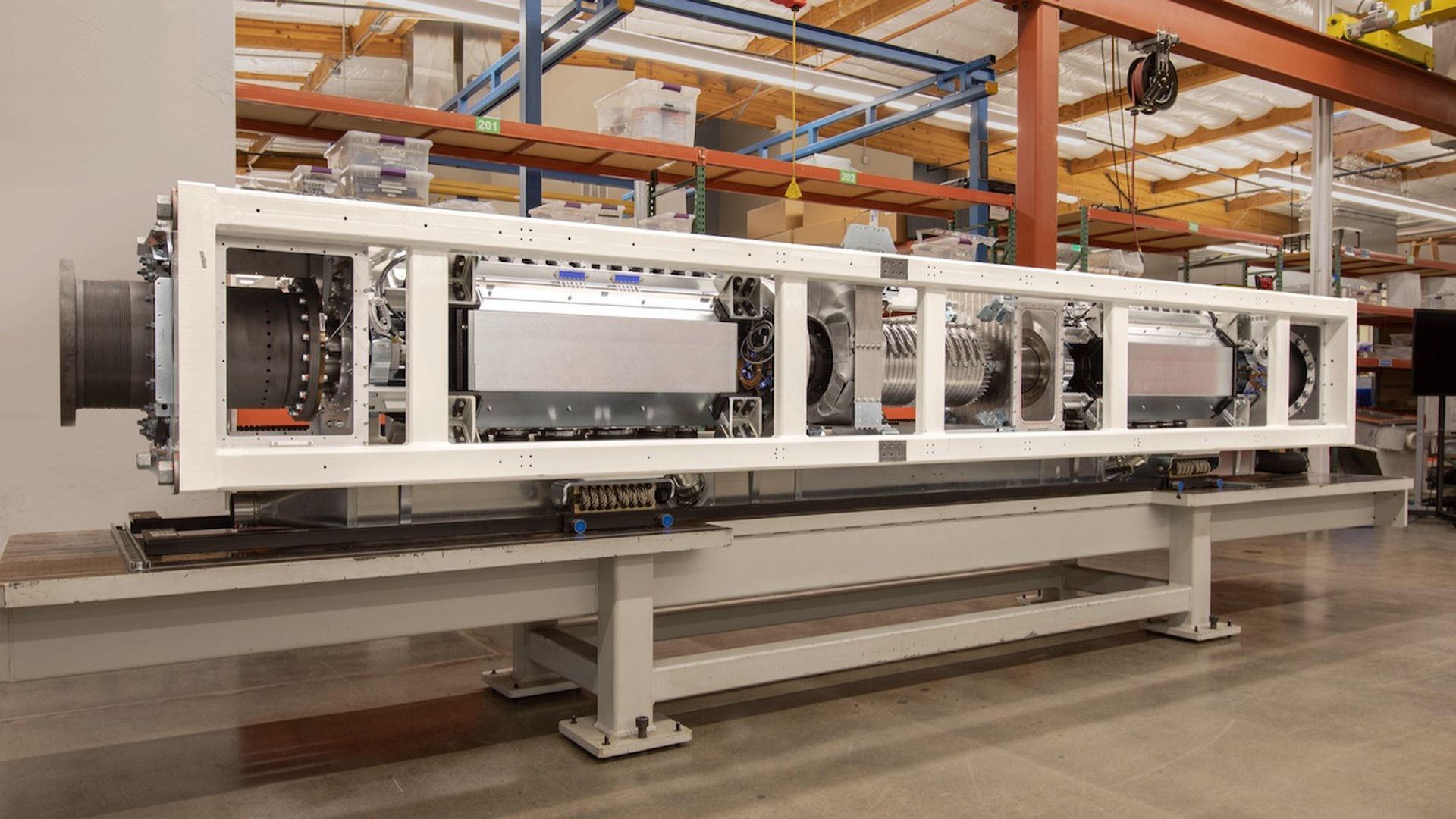
The distributed generation company Mainspring Energy has raised $95 million in new funding led by Fidelity Investment's private equity arm, alongside other new and existing backers like Chevron, Princeville Capital and Bill Gates.
Why it matters: There's growing interest in low-carbon onsite power sources as a way to fight climate change and to create more flexibility and resilience as grids are increasingly stressed by extreme weather.
Google and the energy company AES announced a 10-year deal to supply three Northern Virginia data centers with 90% power from zero-emissions sources on an hourly basis.
Why it matters: It's the latest move in Google's pledge to have all its operations run round-the-clock on carbon-free power by 2030.
The role of food in climate change is having its time in the spotlight, though advocates for eating less red meat probably weren't hoping for it to happen quite like this.
Why it matters: The food system, including raising cattle for consumption, accounts for greater than 30% of worldwide emissions of heat-trapping gases. How to reduce those emissions is an increasingly urgent question as the world remains off track to meet the temperature targets set in the Paris agreement.
A subway train derailed in Mexico City after an overpass partially collapsed onto a road Monday night, killing at least 23 people and wounding dozens of others.
Details: Mexico City Mayor Claudia Sheinbaum told reporters early Tuesday that children were among the dead, and 49 wounded people had been taken to hospitals.
The Federal Aviation Administration (FAA) said Monday unruly airline passenger incidents have soared this year, with airlines reporting some 1,300 cases since February, per Reuters.
Why it matters: The FAA usually deals with 100-150 reports of such behavior in any given year, NBC News notes. Passenger numbers remain below pre-pandemic levels.