In the blitz of media coverage following the Trump administration's new climate report, one statistic kept popping up — that by the end of the century, global warming could cost the U.S. 10% of its gross domestic product.
Why it matters: This figure has been used to indicate that global warming will inflict massive economic costs on the U.S. if dramatic actions to adapt to climate change and curtail emissions are not taken in the next decade. Critics, including the White House, have seized upon the statistic to paint the report as "radical" and "extreme."
The word "innovation" is having a Beltway moment, so it's worth reading two new substantive reports.
What's new: The reports offer a roadmap for expanding federal initiatives for developing improved and next-wave zero-carbon energy sources and getting them into commercial deployment.
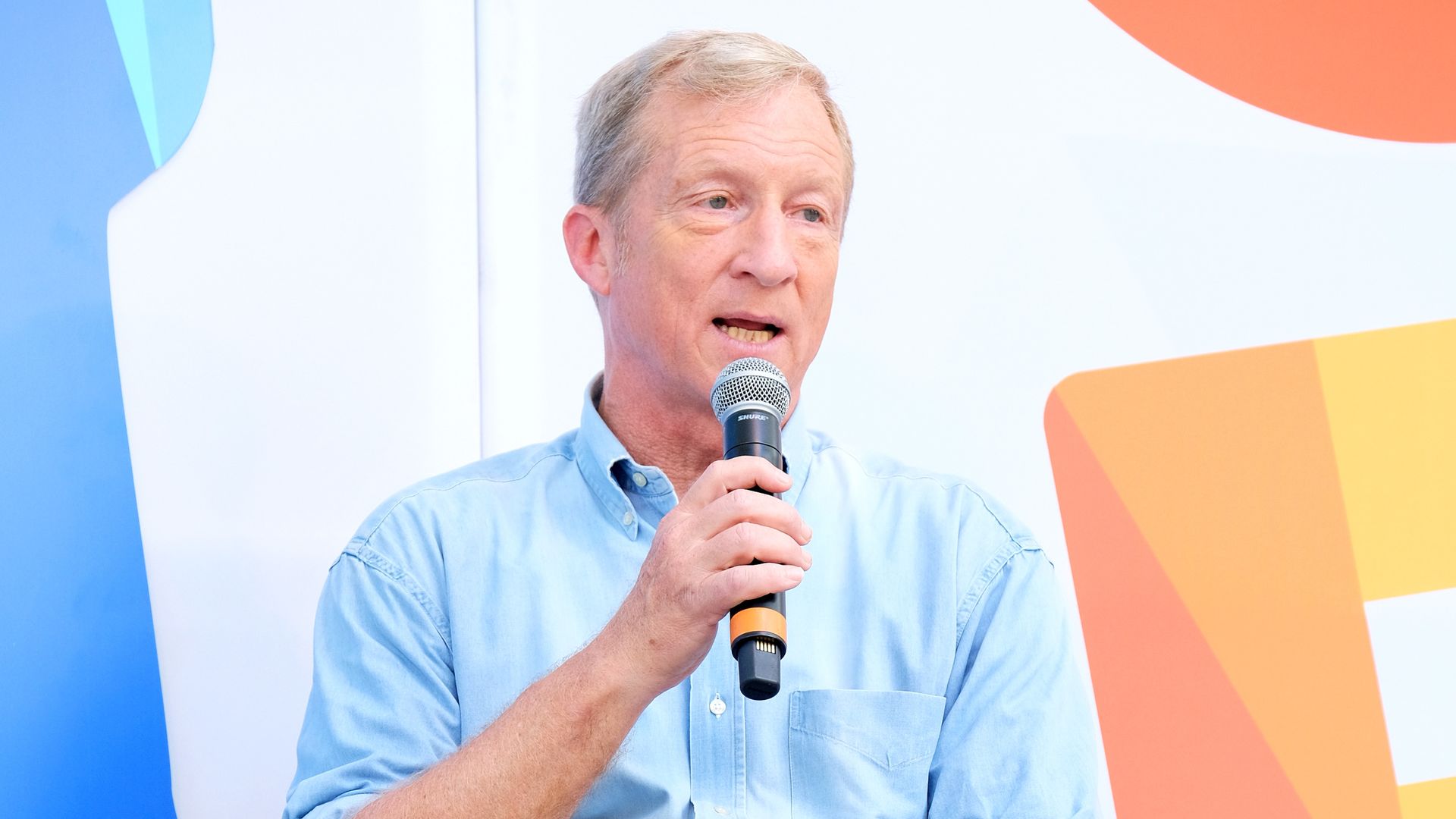
U.S. politicians are mostly sitting out next week's big United Nations climate conference in Poland, but at least one notable political activist is going: Tom Steyer.
Why he matters: Steyer, a billionaire who made his money from hedge funds, is a likely 2020 presidential hopeful and has made climate change a key pillar of his national activist agenda. He'll be there for a few days at the end of the first week and stay through the start second, per a spokeswoman.
One of the most dire, and expensive, scenarios of climate change damage in the Fourth National Climate Assessment — the report the Trump administration released on Black Friday — is the rising sea levels that are already causing problems in coastal cities from New Orleans to Boston.
Why it matters: The report says theU.S. will have to ratchet up actions to adapt to global warming-related impacts at the same time that cuts to greenhouse gases are made. But since the climate is a complex system that's tough to turn around on a dime, a certain amount of warming and sea level rise is baked into the next few decades.
The White House is dismissing its own massive report on climate change, which warns of catastrophic economic consequences. Dan and Axios' Amy Harder discuss.
"We base almost all of our big economic policies on data projections but, in this case, it’s apparently taboo."
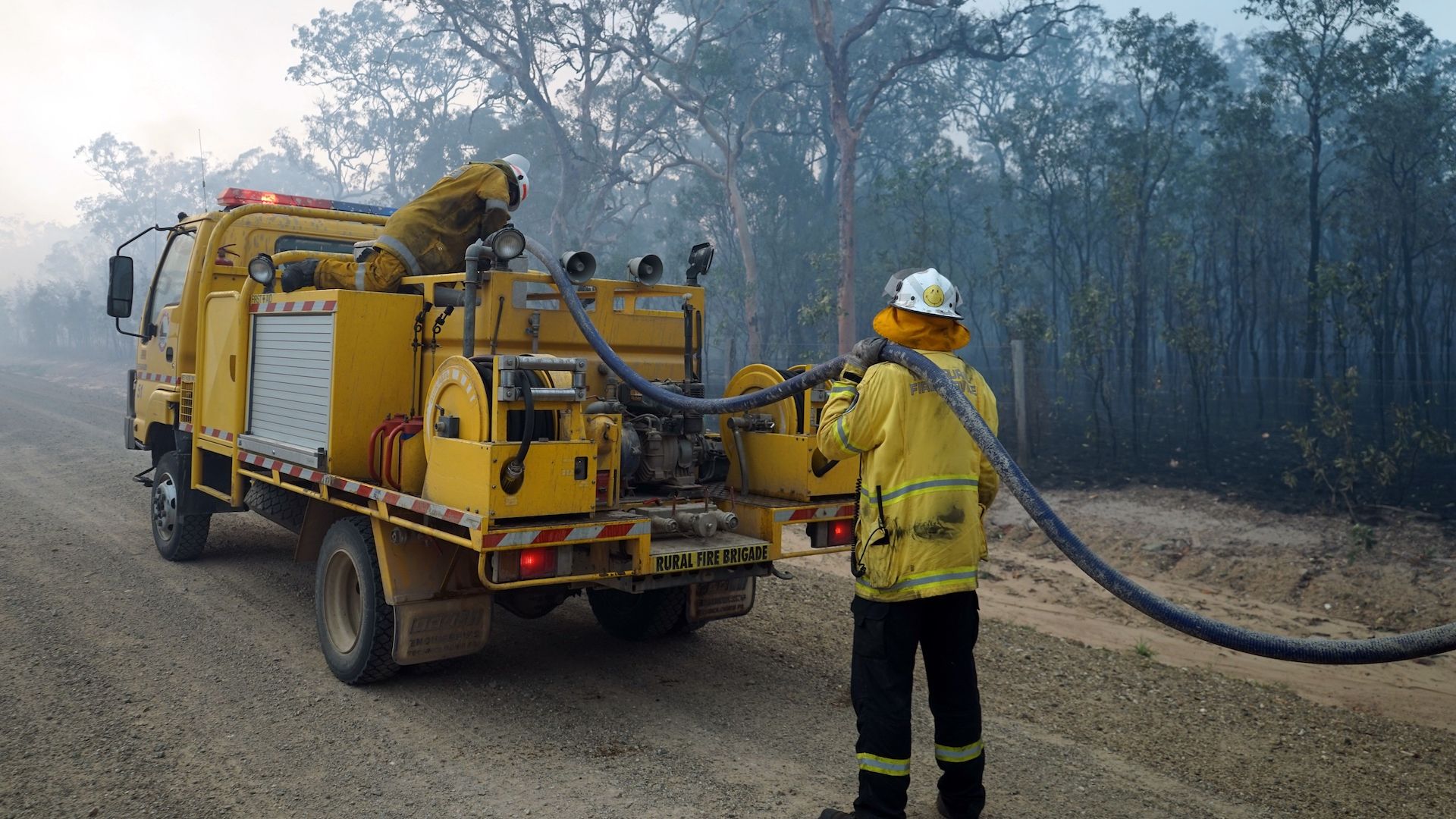
Northeastern Australia is facing an unprecedented wildfire situation and all-time record heat, with numerous milestones eclipsed during the past week in parts of Queensland. The extreme weather event marks the first time that Queensland's fire danger has been rated as "catastrophic," which is the highest threat level on their scale.
Why it matters: The heat is coming at what is not typically the warmest time of year in northeastern Queensland. More intense and longer-lasting heat waves are one of the clearest effects of a warming planet due largely to human emissions of greenhouse gases.
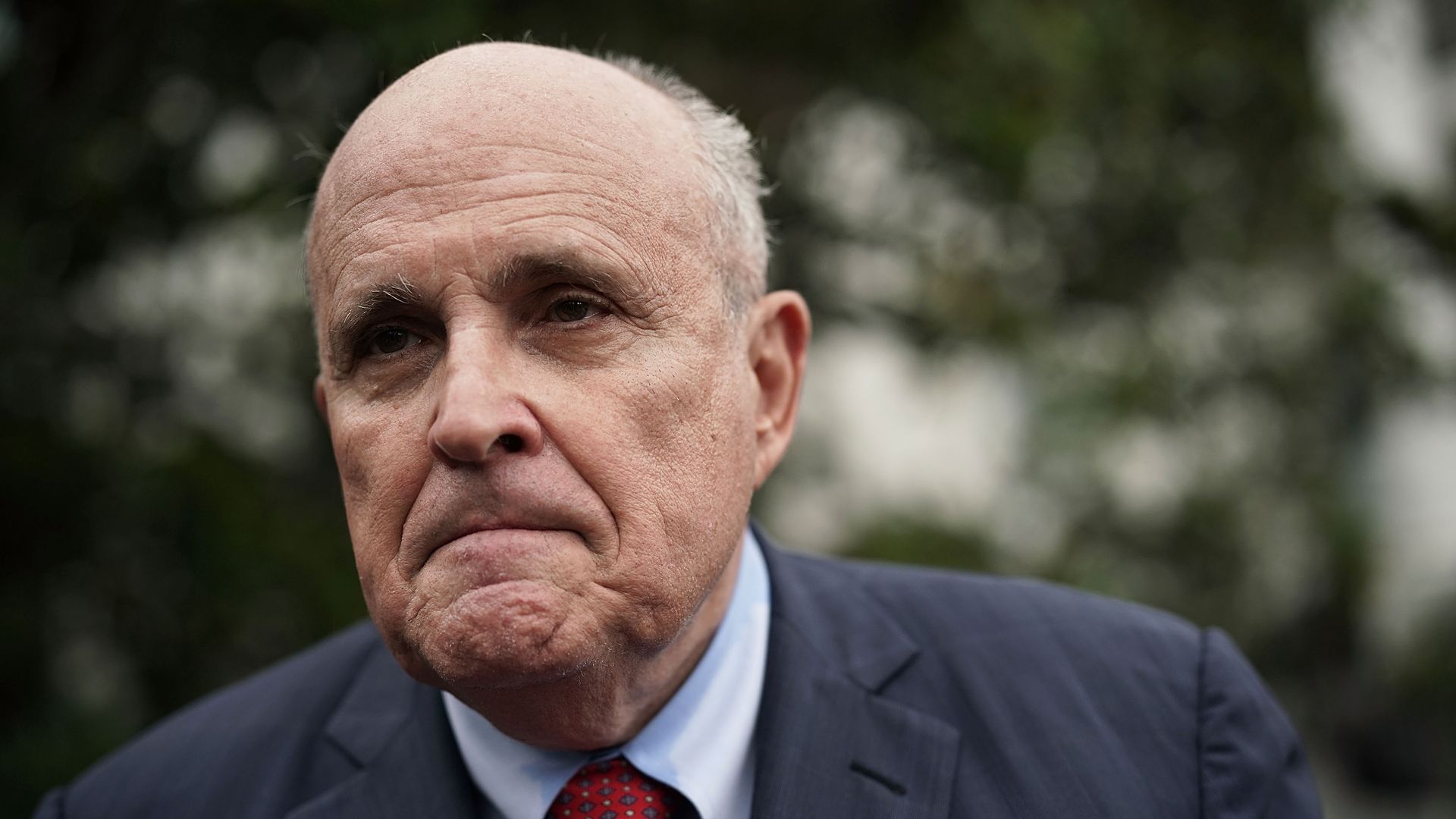
Rudy Giuliani has confirmed to The Daily Beast that President Trump has a joint defense agreement with Jerome Corsi, who has come under scrutiny from special counsel Robert Mueller's investigation for his connections to Roger Stone and WikiLeaks.
The big picture: NBC News reported Tuesday that Corsi, a former InfoWars journalist who Trump knew from his involvement in the Obama birther conspiracy, emailed Stone in August 2016 to notify him of WikiLeaks' future plans to release emails damaging to Hillary Clinton.
Brazil's government says it will no longer host next year's United Nations annual climate summit, citing "budgetary and financial restrictions," reports Bloomberg.
The big picture: Experts have warned that the environmental policies favored by right-wing president-elect Jair Bolsonaro could cause a spike in greenhouse gas emissions and deforestation in the Amazon rainforest — which a recent report claims has reached its highest level in a decade.
A bipartisan handful of House members unveiled a carbon tax plan last night that stands no chance of becoming law, at least not for years.
Why it still matters: It's a marker for efforts to move national carbon pricing beyond the think tank and advocacy world, where it has largely been exiled since a big cap-and-trade plan collapsed in the Senate in 2010. And it could help shape what emerges if climate legislation gains traction under a different president, and if there's a shift in congressional power with either firm Democratic control or erosion of what's now almost unified GOP's resistance.
ChargePoint, one of the world's biggest players in electric vehicle charging, said Wednesday that it has raised another $240 million dollars — an amount that approaches the nearly $300 million previously raised during its 11-year history.
Why it matters: The money — and who it's from — signal investor and corporate confidence that EVs are an important growth market, even though today they're a tiny share of the global auto market.
Evidence is mounting that Special Counsel Robert Mueller is moving toward further indictments — and perhaps some big ones, with an end-of-year flurry of activity.
The big picture: Graff — one of the most astute Mueller-watchers, and author of a book focused on his dozen years as FBI director — sees six signs that a Mueller climax may be accelerating.
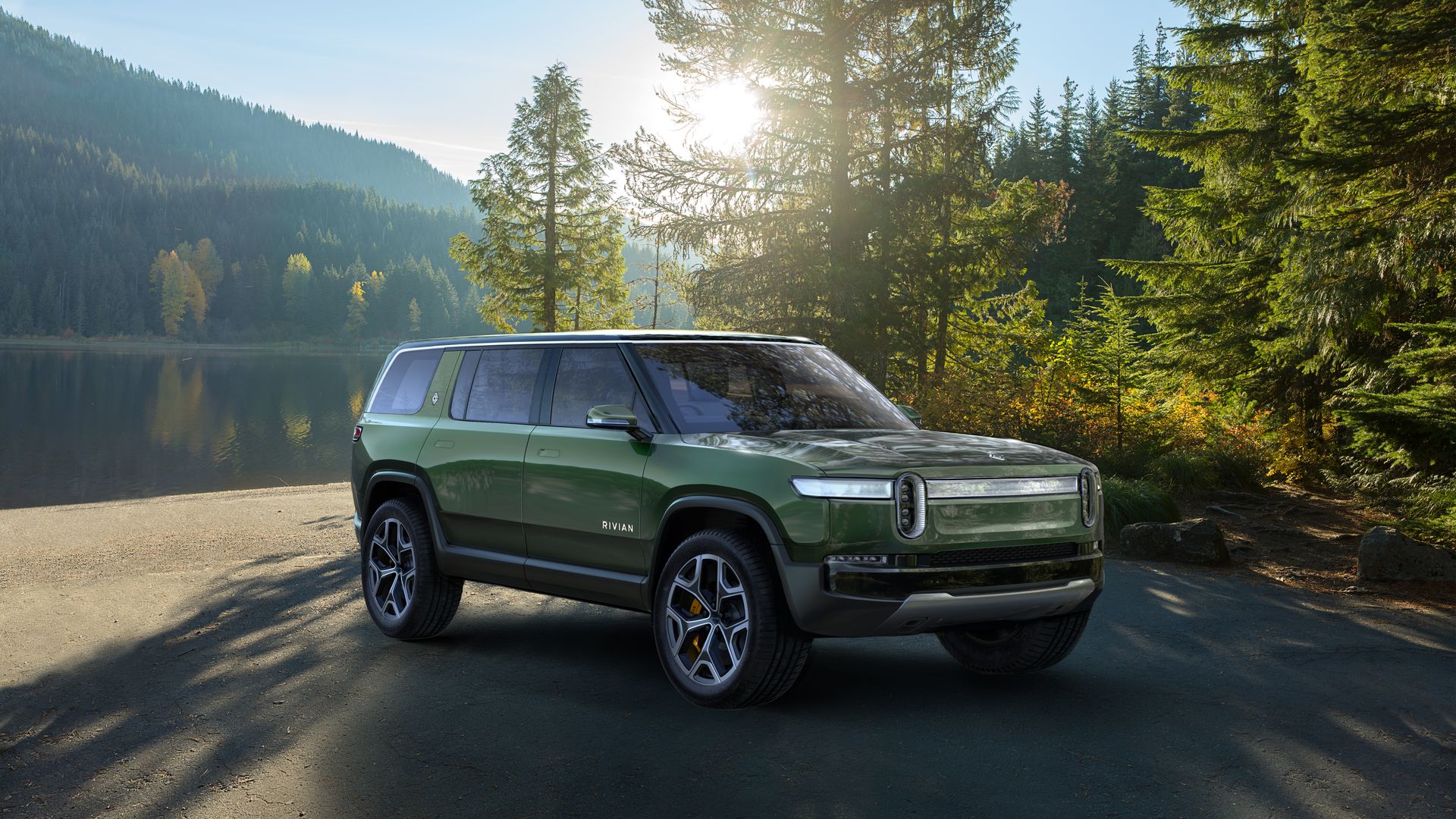
Electric vehicle start-up Rivian made its debut at the Los Angeles auto show by taking the wraps off two new rugged battery-powered models — a pickup truck and a seven-passenger SUV.
The big picture: Founded in 2009, Rivian is one of a slew of EV start-ups trying to elbow their way into the automotive industry at a time of unprecedented disruption. Tesla is a rare success story — and even it came within weeks of death this year, CEO Elon Musk recently told Axios. Rivian is targeting a unique niche: adventurous, off-roading families.
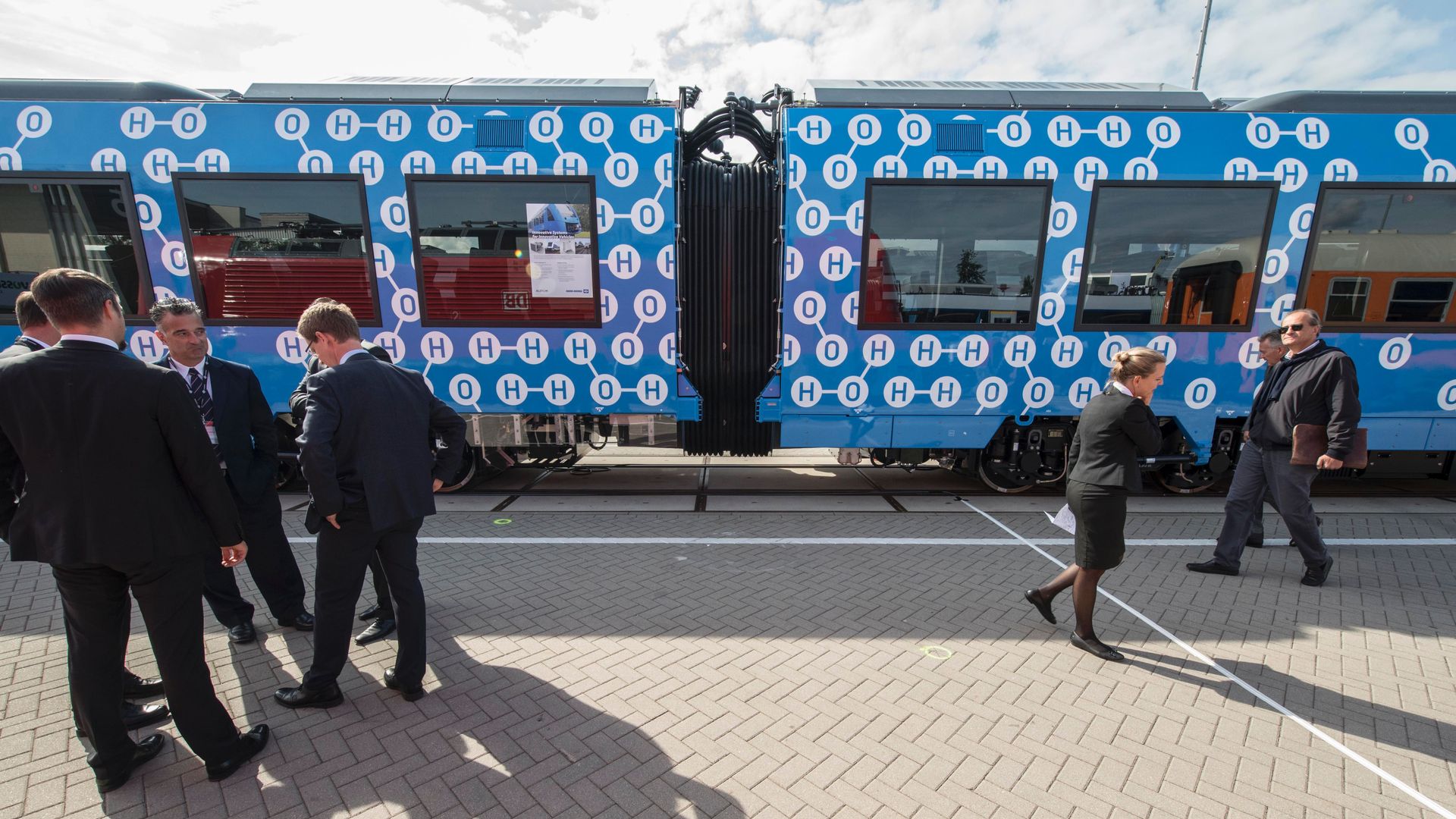
In September, Germany started operating the world's first hydrogen train, the Coradia iLint, which is powered by hydrogen fuel cells stored on top of its carriages. Like a conventional electric train, the Coradia iLint produces no direct air pollution, but it can operate without access to the electric grid.
Why it matters: Hydrogen-powered trains like the Coradia iLint could be built on un-electrified lines in areas where diesel engines are still used, which would greatly reduce harmful emissions typical of combustion technologies. If those trains use hydrogen fuel produced from renewable energy sources, such as wind and solar, they could become an almost entirely carbon-free mode of transport.
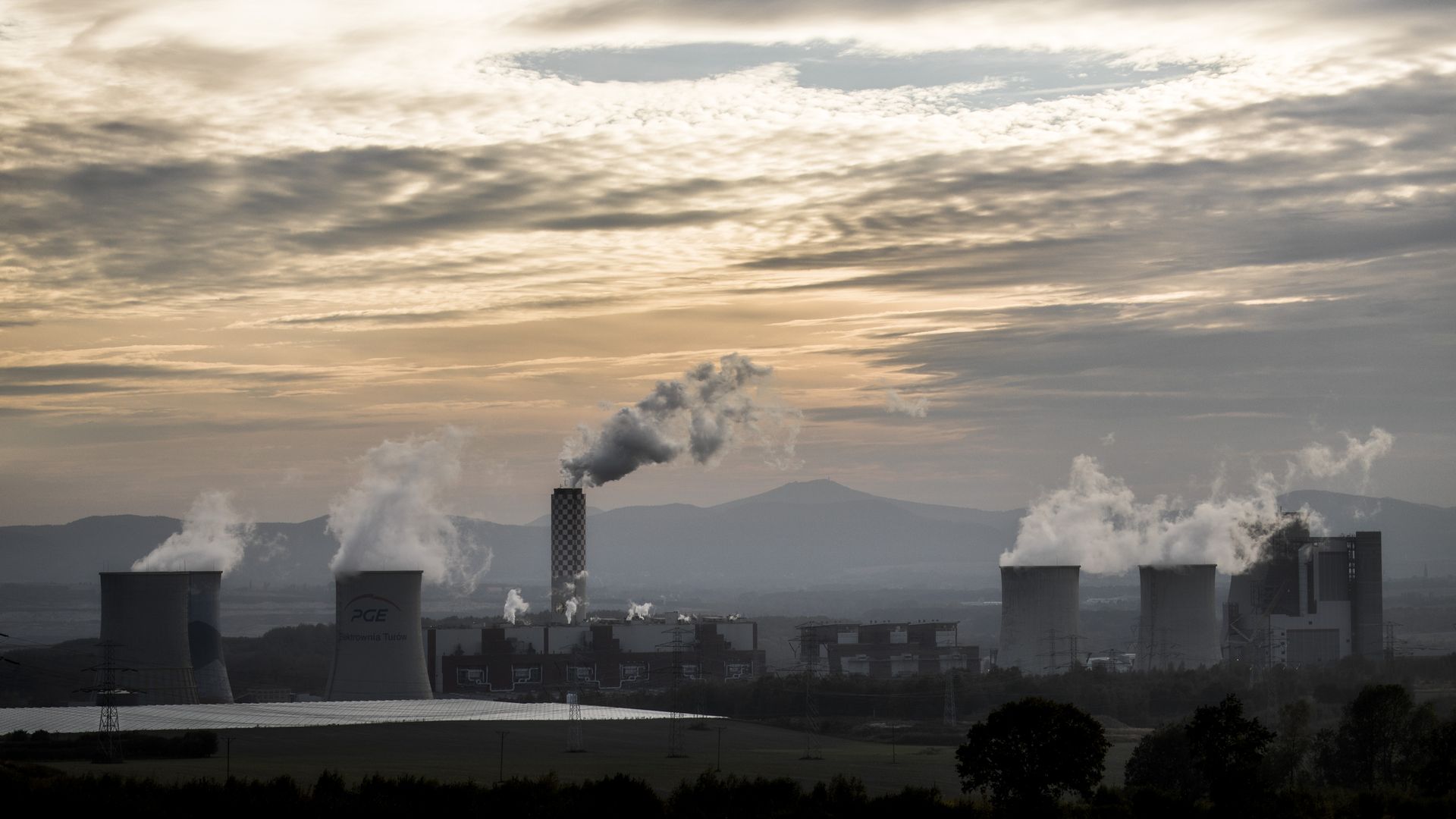
Very few, if any, Democratic politicians are expected to attend a big United Nations climate conference next week in Poland.
Why it matters: Attending this annual event is often considered a show of commitment to an issue that typically doesn’t get a lot of attention. Many factors go into whether politicians go, and this year’s relative low attendance appears to be due to several. One is the fact Congress is in session and it’s nearly a month later than last year’s event, according to congressional aides.