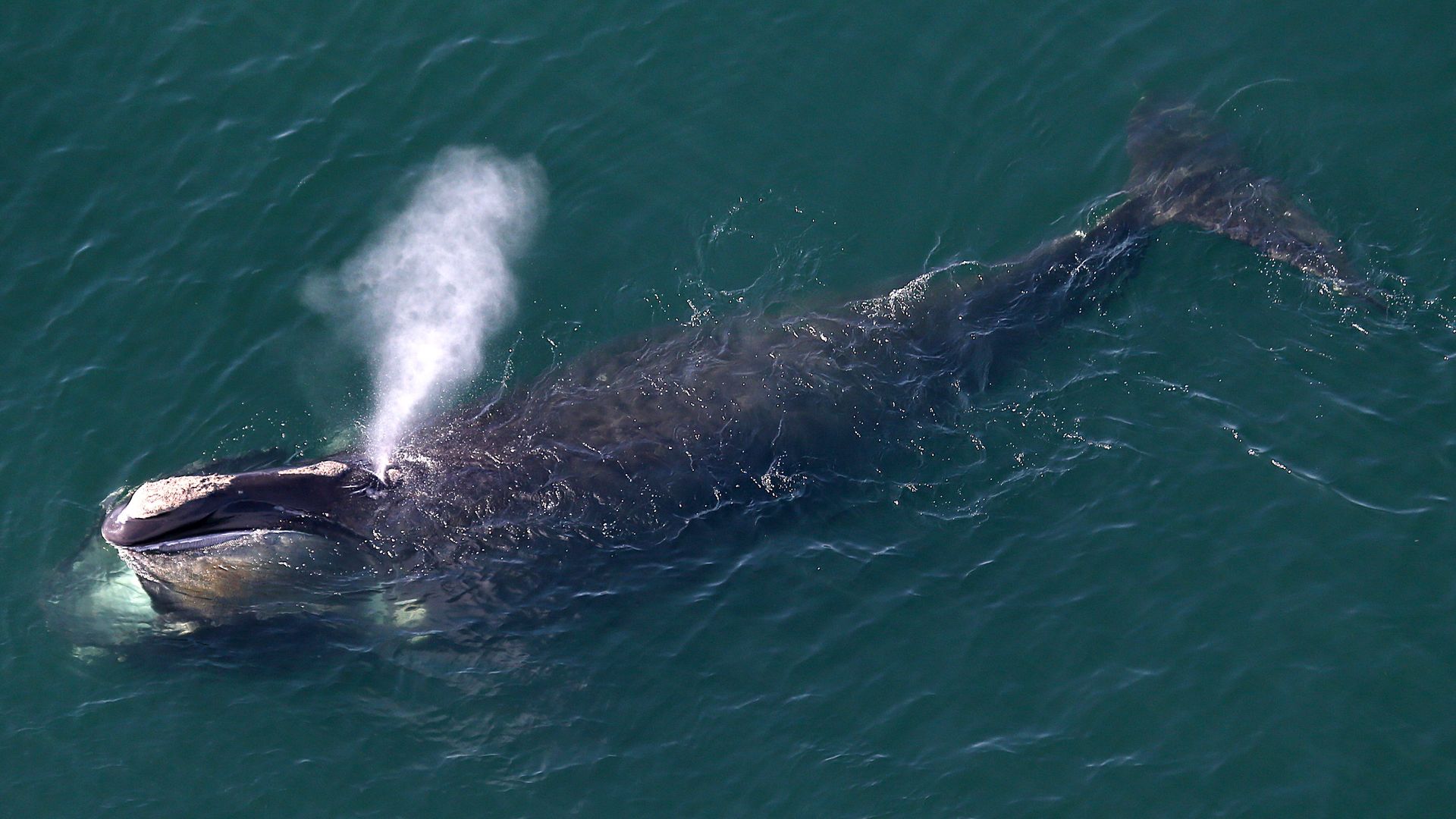
The Trump administration is set to allow companies to conduct seismic tests for oil-and-gas resources in the Atlantic Ocean — a process that uses powerful air-gun blasts that could harm whales, dolphins and other marine life.
Why it matters: The surveys will help gauge the size of hydrocarbon resources off coastal areas that are now off-limits to drilling, but would become available under draft federal offshore leasing plans. However, environmental groups say the tests could harm or even lead to the death of sensitive ocean mammals. The Obama administration had thwarted similar industry requests.
Garrett M. Graff — author of a book focused on Mueller, and one of the investigation's best narrators — writes for Axios that we now have a host of new clues to Mueller coming attractions.
What's happening: Michael Cohen's lies to Congress fit an odd pattern. Multiple people in Trump's orbit have outright lied or "forgotten" about a whole variety of contacts with Russian officials, developers, oligarchs, and emissaries. It's a uniquely consistent problem, across many top aides, that only seems to occur when the subject is Russia.
President Trump took credit again this week for lowering oil prices over the past two months. Oil markets are clearly reacting to his tweets and public comments, which have become a new source of price volatility.
The big picture: Trump’s ongoing campaign against higher oil prices marks a shift from Republican oil policy in the Bush era, which generally relied more on markets to respond to high prices. Despite the presence of oil-friendly cabinet members such as Rick Perry and Ryan Zinke, Trump has aimed to keep prices low.
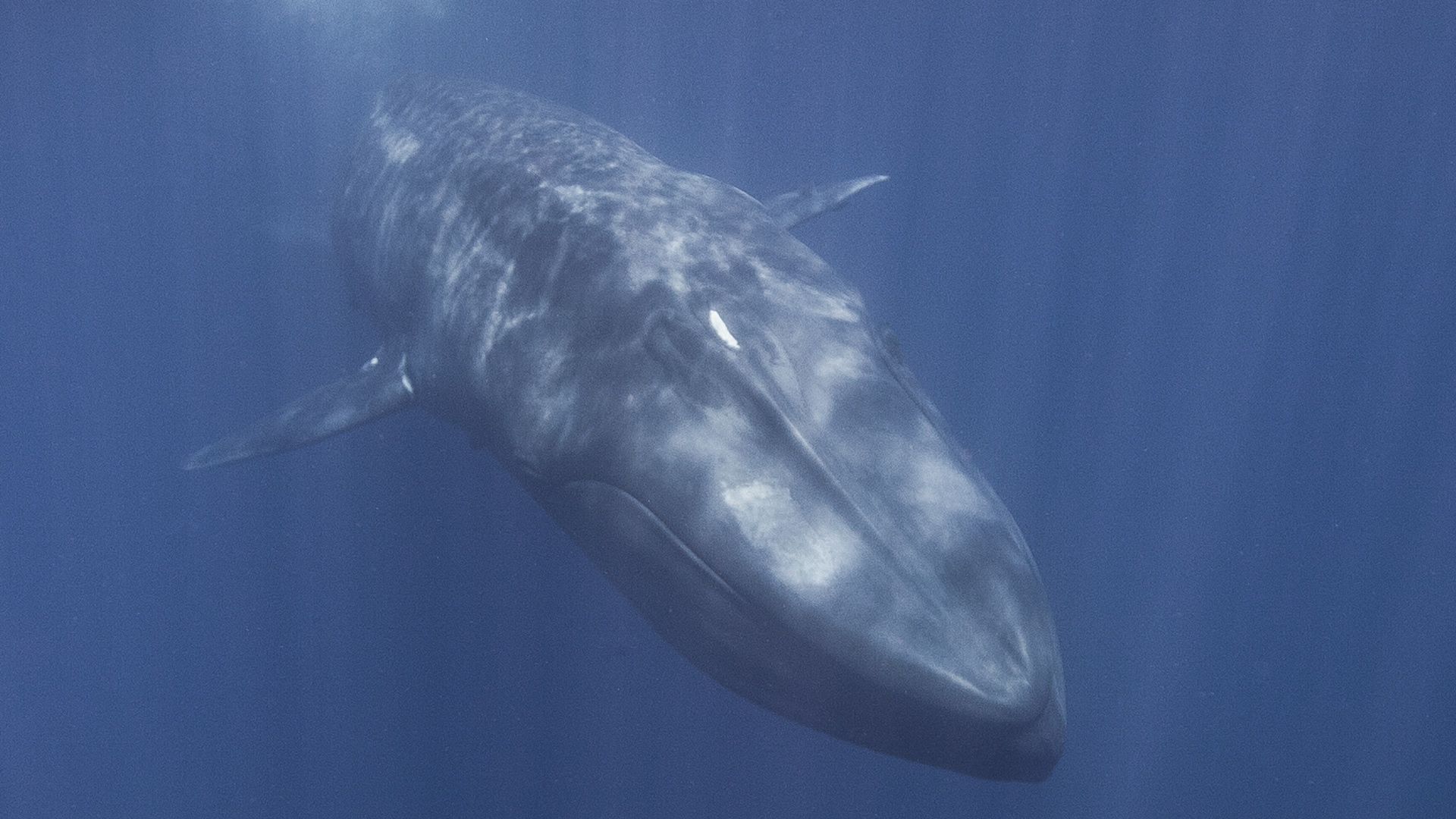
Blue whales are changing their tune, according to a new study published in the Journal of Geophysical Research: Oceans.
Why it matters: The global decline in the pitch of whale songs has been a mystery, with chief suspects being the increase in ocean noise from shipping, submarines and underwater resource exploration. The new study, however, suggests other factors may be behind the trend.
One of the key questions addressed in the Fourth National Climate Assessment is one of timing: When will the U.S. begin to feel the impacts of global warming?
The answer is unsettling, because it's past tense. We've been seeing the impacts, in the form of hotter and longer-lasting heat waves as well as sea-level rise and more frequent coastal flooding, for years.
Why it matters: We're not responding in the ways climate experts hope we will, at least not yet.
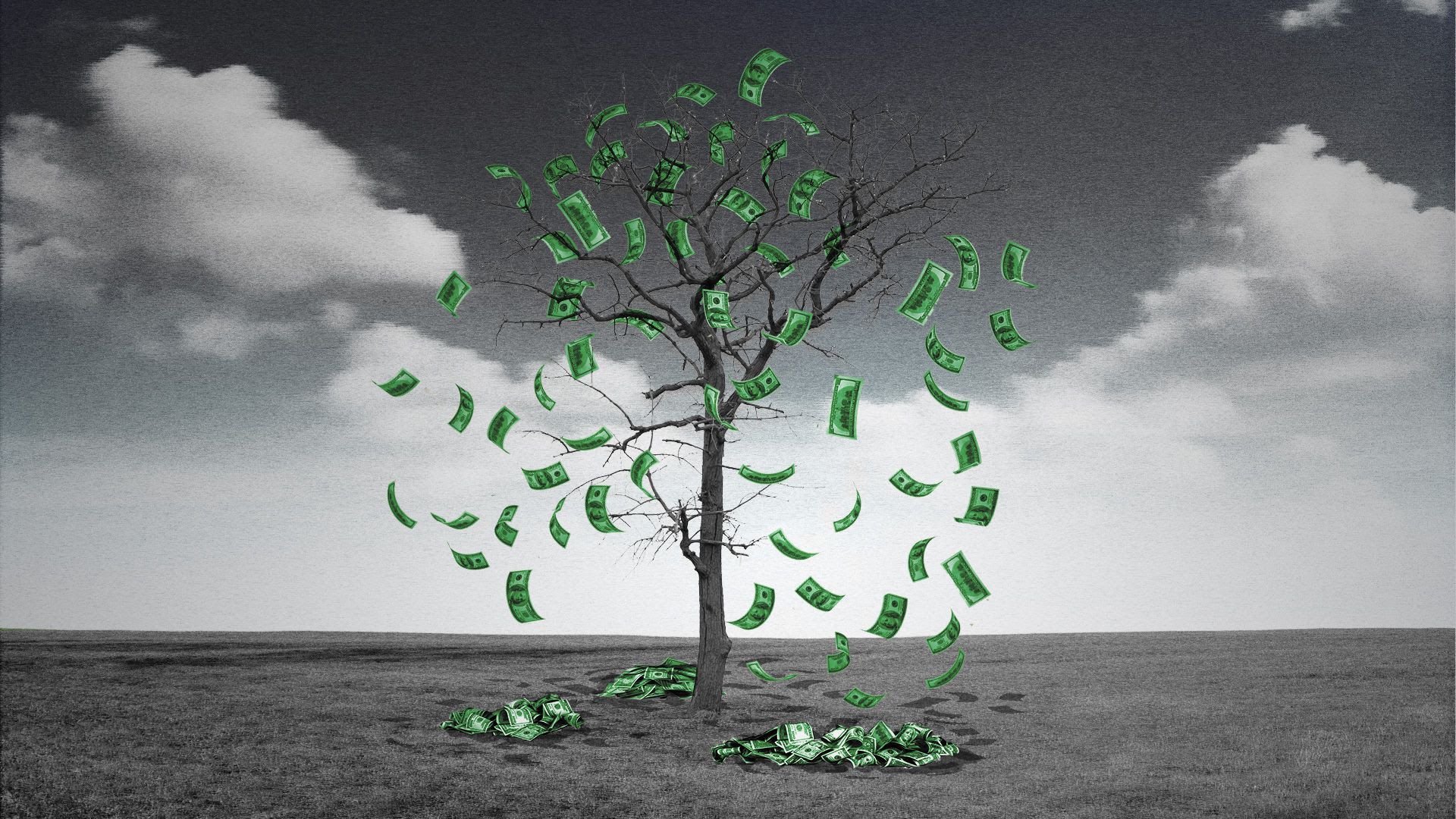
In the blitz of media coverage following the Trump administration's new climate report, one statistic kept popping up — that by the end of the century, global warming could cost the U.S. 10% of its gross domestic product.
Why it matters: This figure has been used to indicate that global warming will inflict massive economic costs on the U.S. if dramatic actions to adapt to climate change and curtail emissions are not taken in the next decade. Critics, including the White House, have seized upon the statistic to paint the report as "radical" and "extreme."
The word "innovation" is having a Beltway moment, so it's worth reading two new substantive reports.
What's new: The reports offer a roadmap for expanding federal initiatives for developing improved and next-wave zero-carbon energy sources and getting them into commercial deployment.
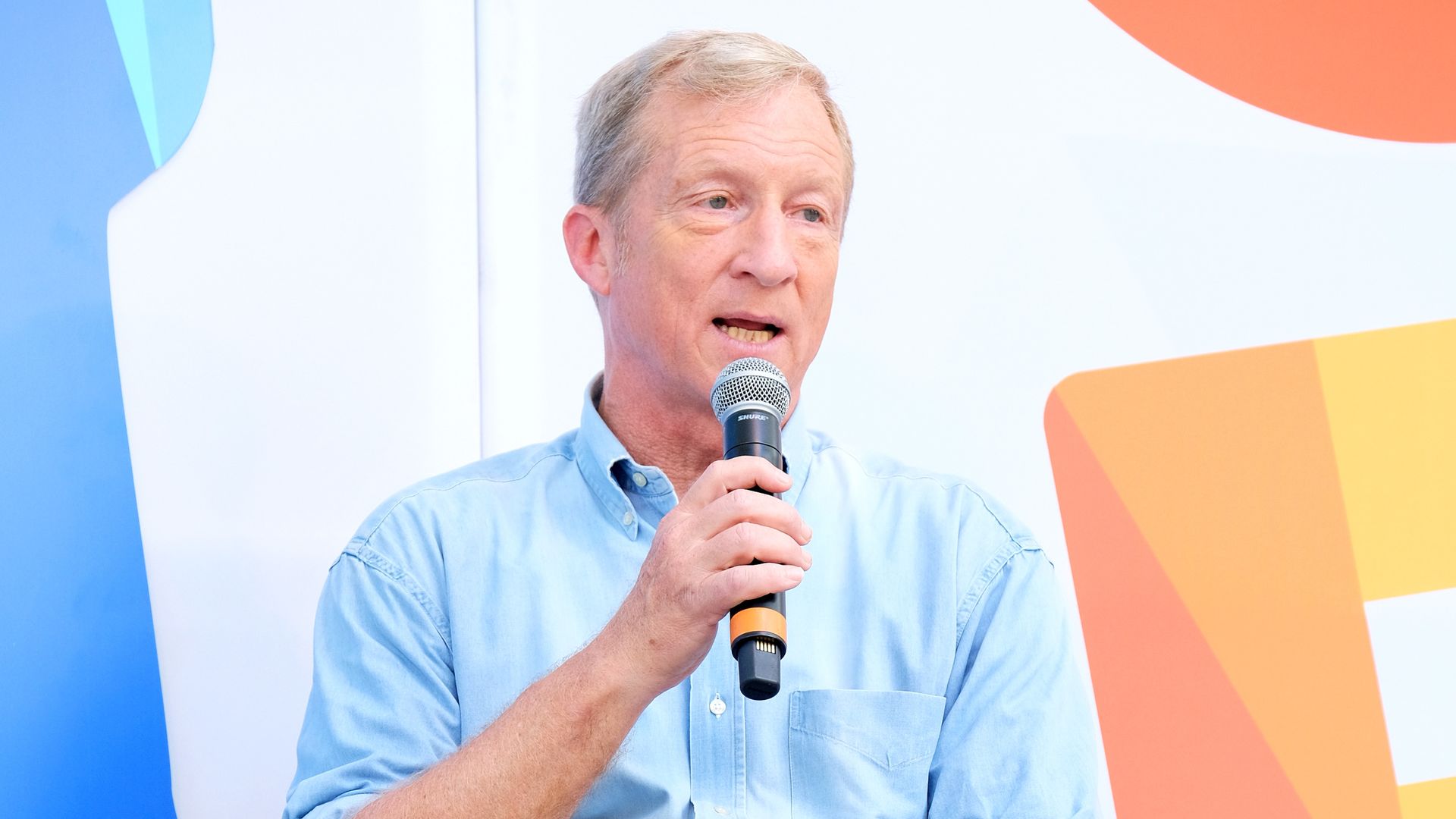
U.S. politicians are mostly sitting out next week's big United Nations climate conference in Poland, but at least one notable political activist is going: Tom Steyer.
Why he matters: Steyer, a billionaire who made his money from hedge funds, is a likely 2020 presidential hopeful and has made climate change a key pillar of his national activist agenda. He'll be there for a few days at the end of the first week and stay through the start second, per a spokeswoman.
One of the most dire, and expensive, scenarios of climate change damage in the Fourth National Climate Assessment — the report the Trump administration released on Black Friday — is the rising sea levels that are already causing problems in coastal cities from New Orleans to Boston.
Why it matters: The report says theU.S. will have to ratchet up actions to adapt to global warming-related impacts at the same time that cuts to greenhouse gases are made. But since the climate is a complex system that's tough to turn around on a dime, a certain amount of warming and sea level rise is baked into the next few decades.