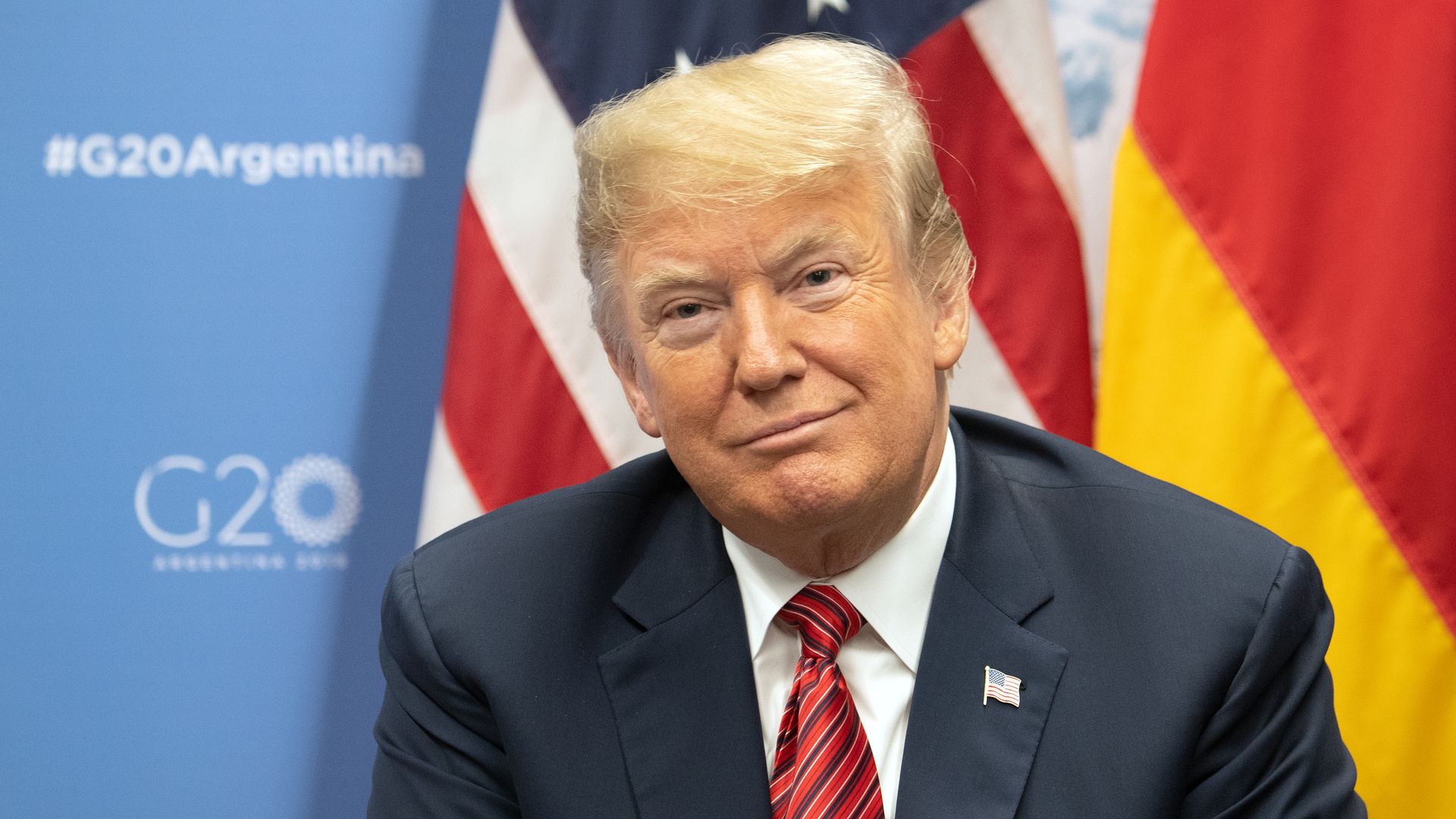
In a joint declaration released Saturday, leaders of G20 nations reaffirmed their commitment to fighting climate change by upholding the Paris Agreement — with the exception of the U.S.
The United States reiterates its decision to withdraw from the Paris Agreement, and affirms its strong commitment to economic growth and energy access and security, utilizing all sources and technologies, while protecting the environment.
— G20 communique
Between the lines: The Trump administration's position on the Paris Agreement is well known, and a similar clause was included in the communique from last year's G20 summit in Hamburg. But a senior White House official told reporters that the Paris climate section was one of the last issues to be settled "because the countries who typically might agree couldn't agree with each other." Countries like Turkey, Saudi Arabia and Russia might be starting to second-guess their commitment to a multilateral approach to climate change, the official said.
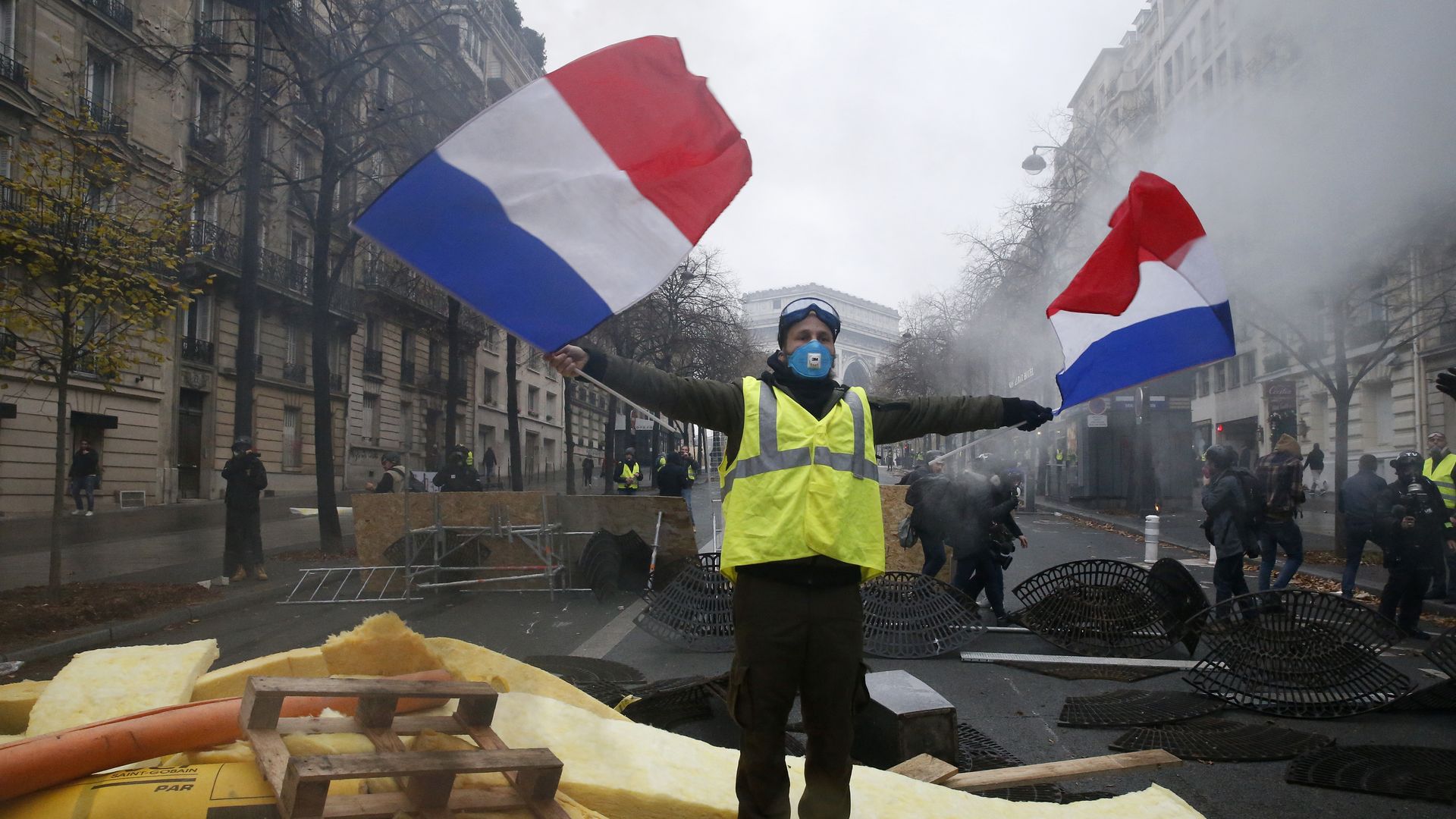
At least 65 people, including 11 police officers, have been injured during mass protests in Paris over President Emmanuel Macron's fiscal policies, including his decision to increase gas taxes, the AP reports.
The big picture: This is the third straight weekend that "yellow vests" — so-called because of the jackets they must don to be permitted to block roads — have turned out to demonstrate against Macron, whose approval rating has plummeted to 26%. Authorities say more than 5,000 people gathered around the Champs-Elysees avenue to protest Saturday, with rare spurts of violence against police officers leading to 140 arrests.
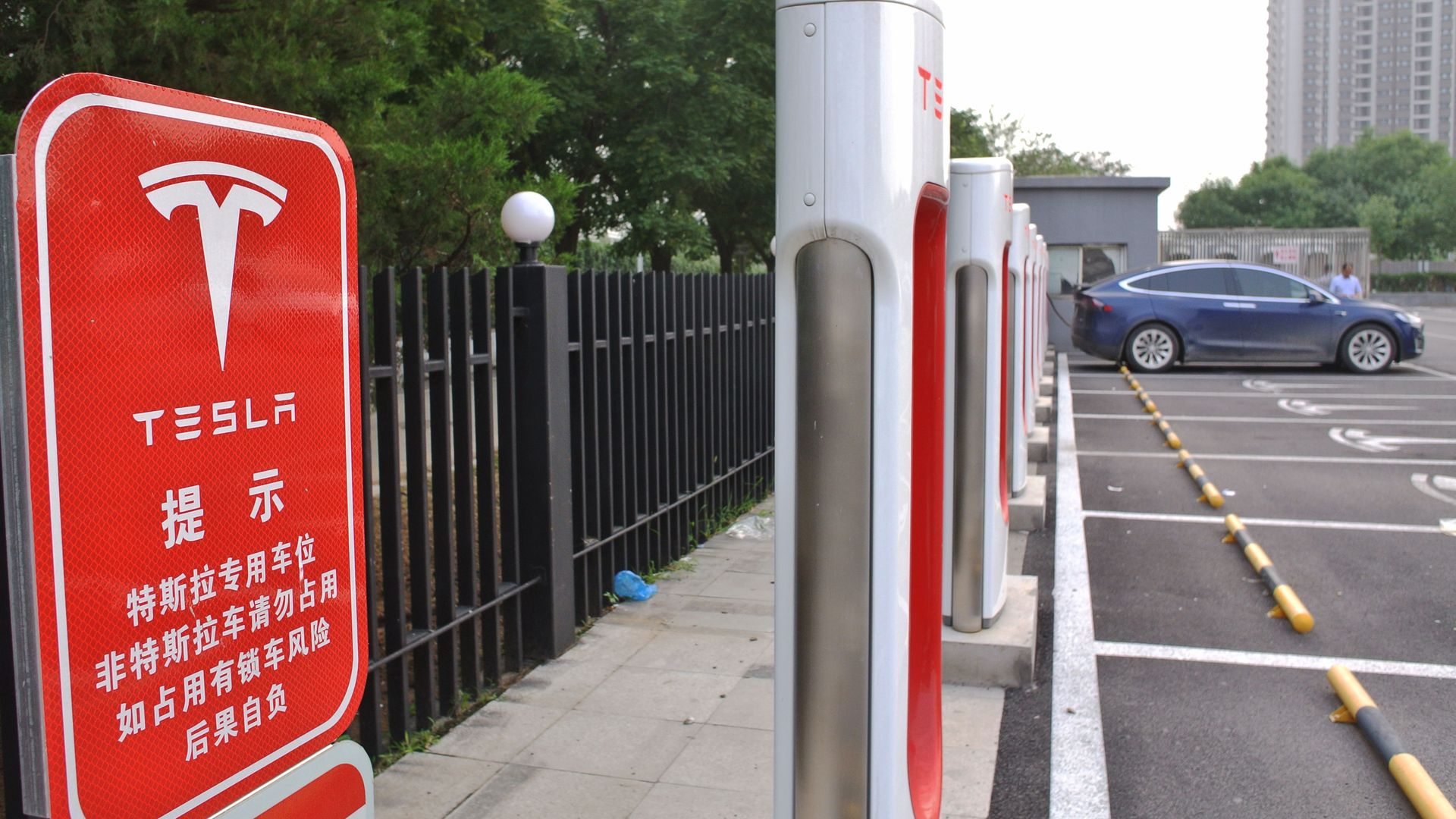
Teslas and other electric vehicles in China constantly send information about the precise location of cars to the government, AP's Erika Kinetz reports.
Why it matters: The data adds "to the rich kit of surveillance tools available to the Chinese government as President Xi Jinping steps up the use of technology to track Chinese citizens."
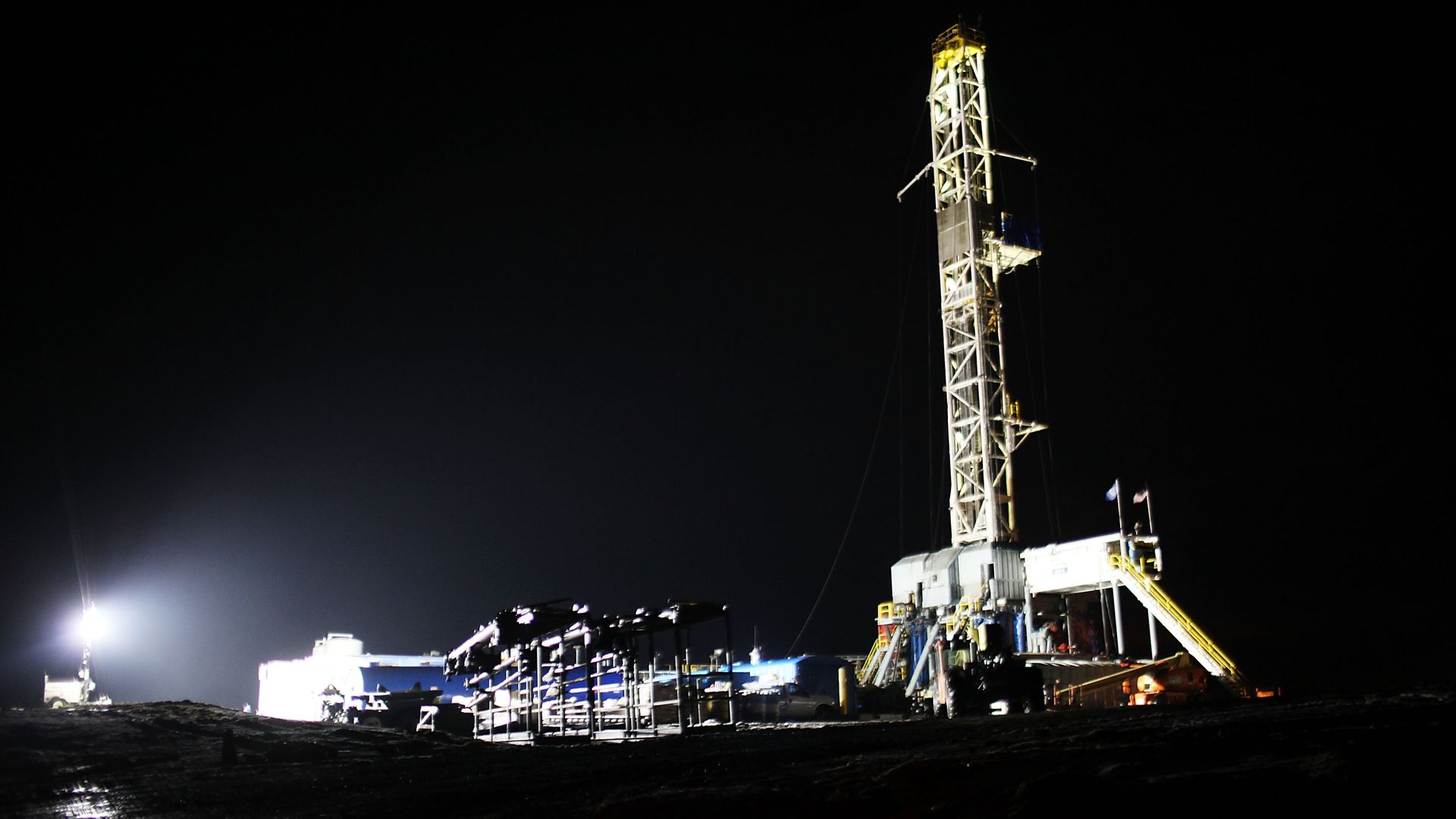
Yet again, energy experts have gotten the oil market wrong: Less than two months ago, Brent crude was about $86 a barrel, and the talk was a certain return to ultra-profitable $100 oil. Today, Brent closed at $58.68, down 31% from the peak, after the industry's worst two months in a decade.
Oil's biggest kingpins are now at the G20 summit in Buenos Aires, where they will try to set things right. But if they can't — for reasons including pressure from President Trump and their own divisiveness — look for a renewed bloodbath in oil, with danger for the world's petro-states and numerous other industries.
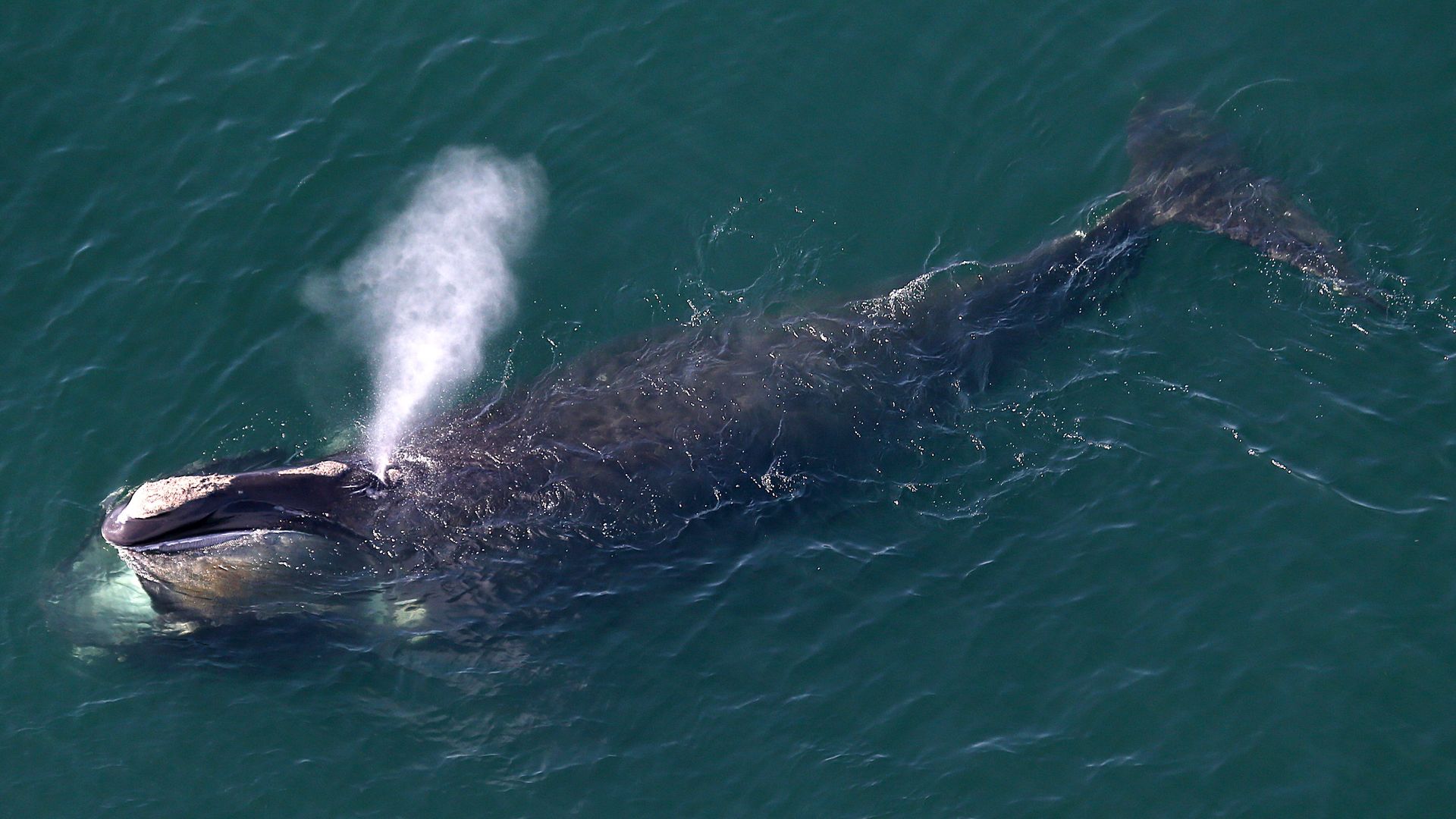
The Trump administration is set to allow companies to conduct seismic tests for oil-and-gas resources in the Atlantic Ocean — a process that uses powerful air-gun blasts that could harm whales, dolphins and other marine life.
Why it matters: The surveys will help gauge the size of hydrocarbon resources off coastal areas that are now off-limits to drilling, but would become available under draft federal offshore leasing plans. However, environmental groups say the tests could harm or even lead to the death of sensitive ocean mammals. The Obama administration had thwarted similar industry requests.
Garrett M. Graff — author of a book focused on Mueller, and one of the investigation's best narrators — writes for Axios that we now have a host of new clues to Mueller coming attractions.
What's happening: Michael Cohen's lies to Congress fit an odd pattern. Multiple people in Trump's orbit have outright lied or "forgotten" about a whole variety of contacts with Russian officials, developers, oligarchs, and emissaries. It's a uniquely consistent problem, across many top aides, that only seems to occur when the subject is Russia.
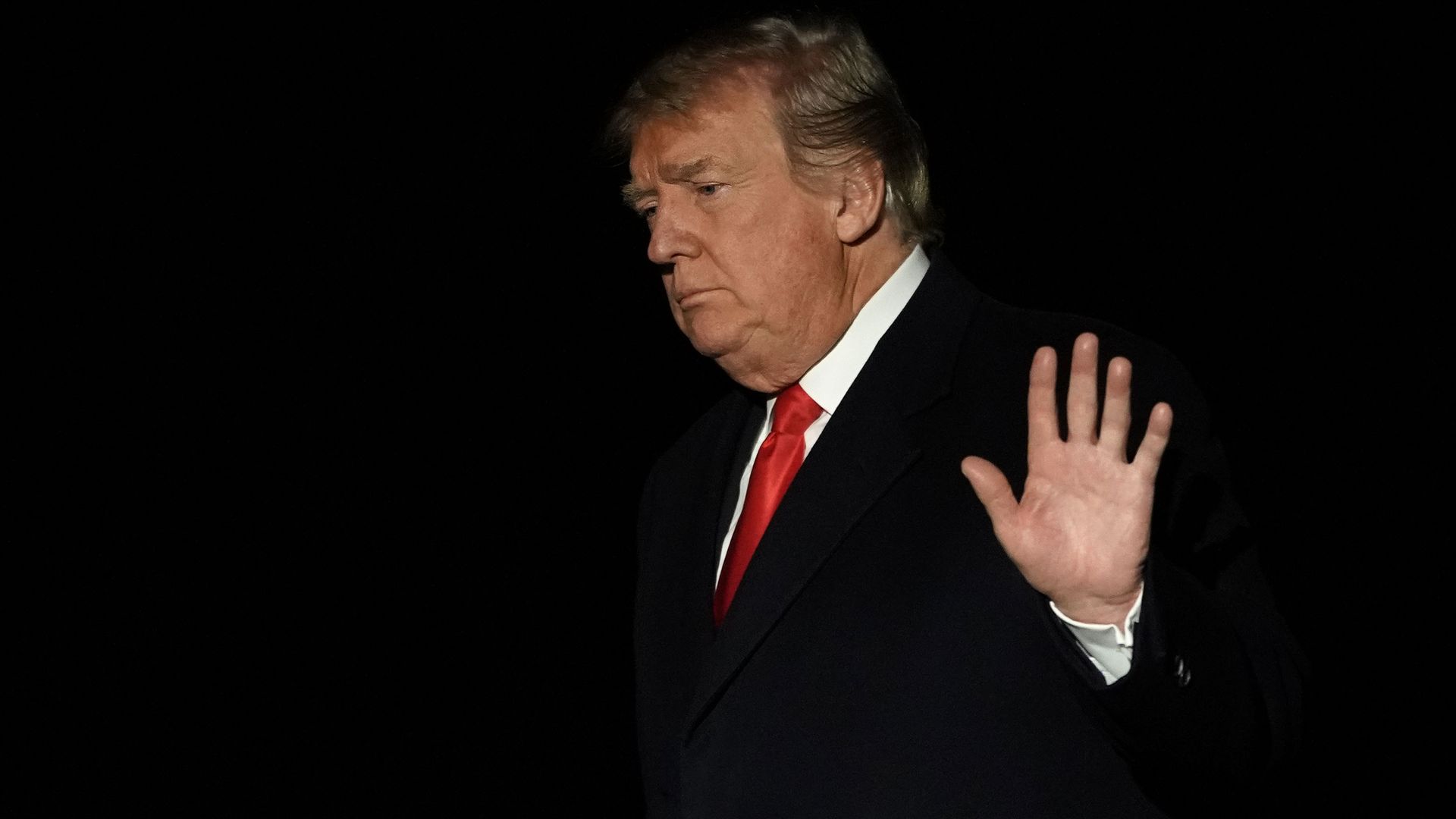
President Trump took credit again this week for lowering oil prices over the past two months. Oil markets are clearly reacting to his tweets and public comments, which have become a new source of price volatility.
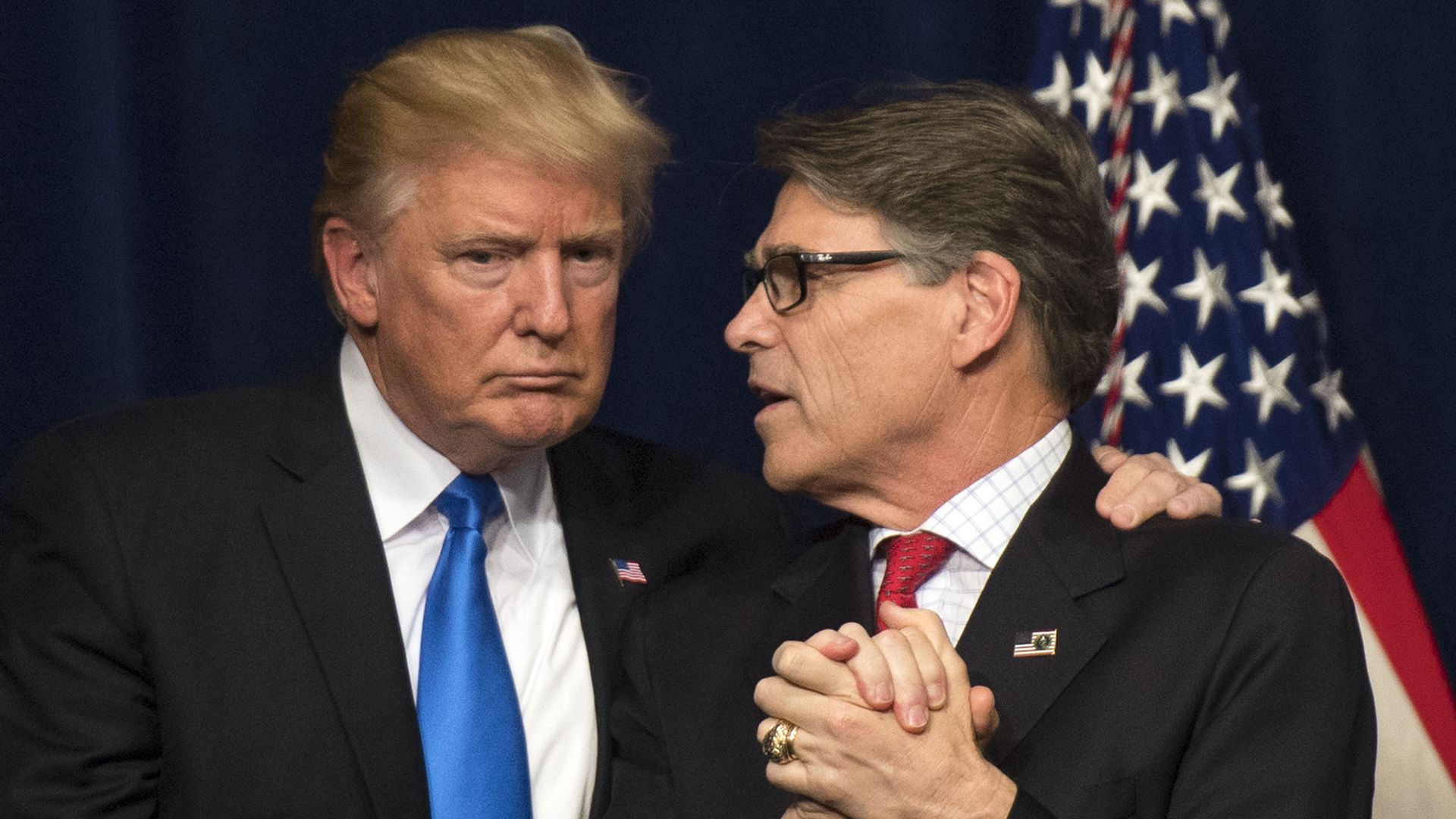
The big picture: Trump’s ongoing campaign against higher oil prices marks a shift from Republican oil policy in the Bush era, which generally relied more on markets to respond to high prices. Despite the presence of oil-friendly cabinet members such as Rick Perry and Ryan Zinke, Trump has aimed to keep prices low.
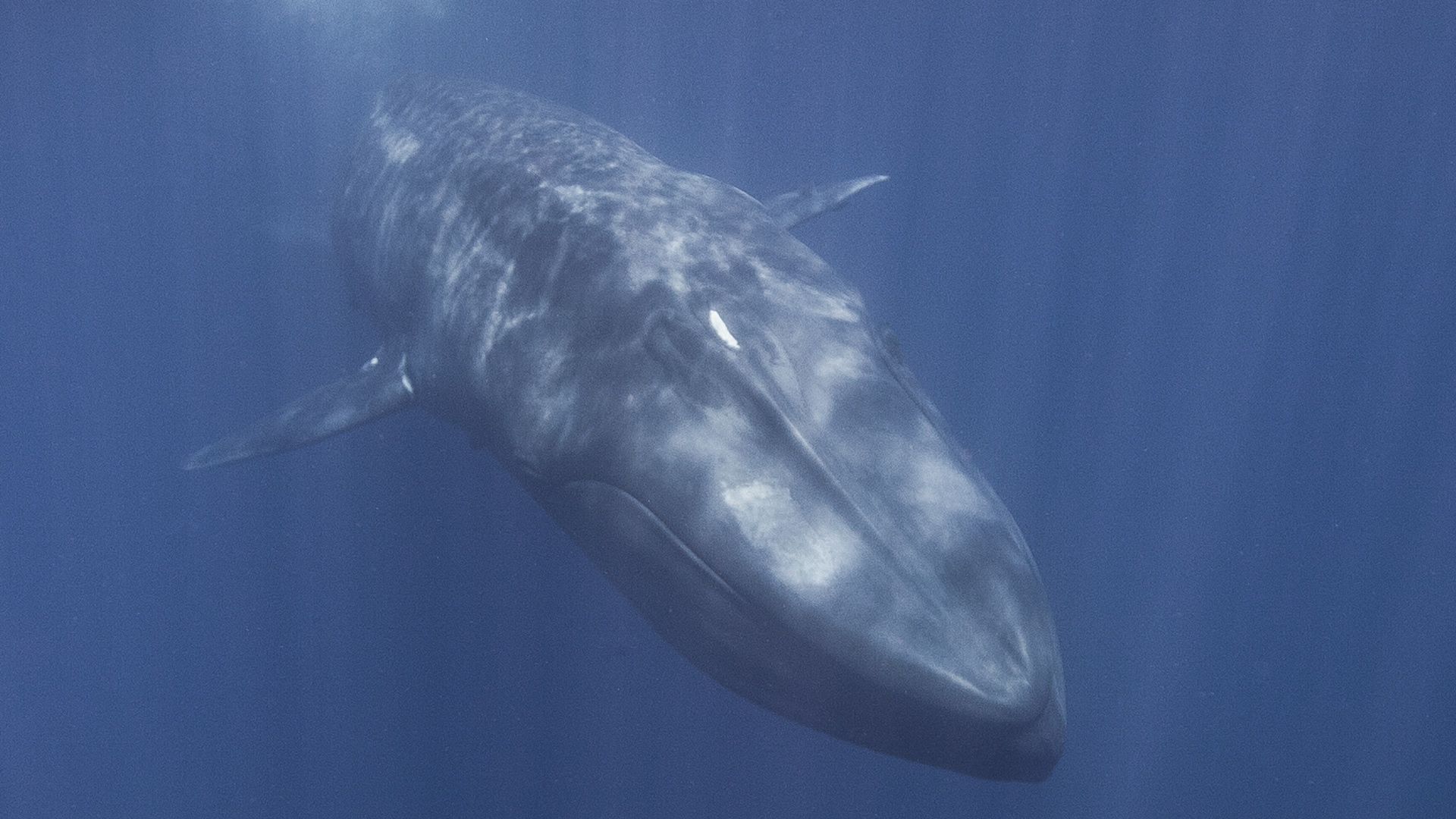
Blue whales are changing their tune, according to a new study published in the Journal of Geophysical Research: Oceans.
Why it matters: The global decline in the pitch of whale songs has been a mystery, with chief suspects being the increase in ocean noise from shipping, submarines and underwater resource exploration. The new study, however, suggests other factors may be behind the trend.
One of the key questions addressed in the Fourth National Climate Assessment is one of timing: When will the U.S. begin to feel the impacts of global warming?
The answer is unsettling, because it's past tense. We've been seeing the impacts, in the form of hotter and longer-lasting heat waves as well as sea-level rise and more frequent coastal flooding, for years.
Why it matters: We're not responding in the ways climate experts hope we will, at least not yet.