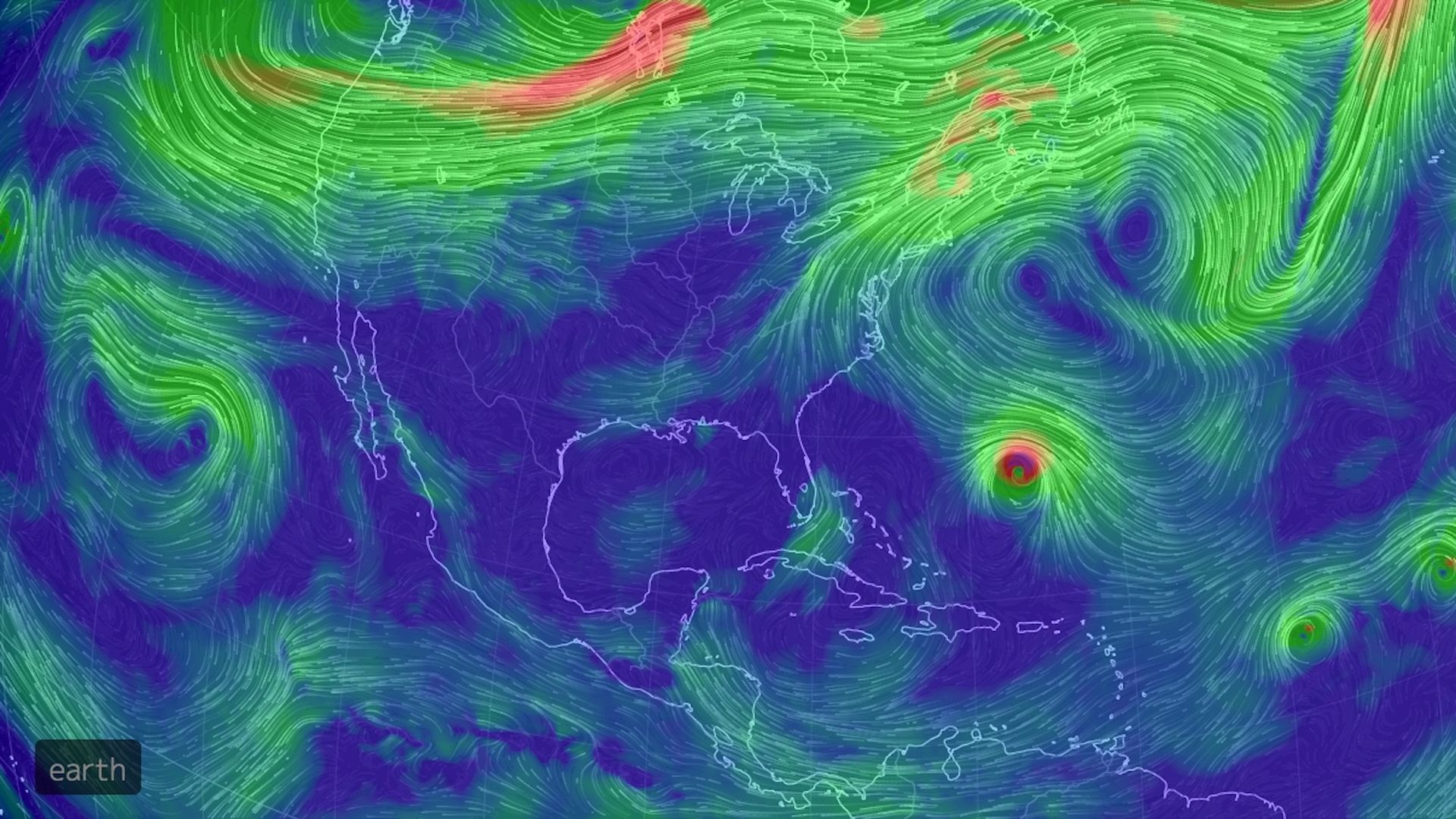
Due largely to an unusual weather pattern across the North Atlantic, Tropical Storm Florence is increasingly likely to threaten the East Coast of the U.S. sometime next week, possibly as a major hurricane of Category 3 intensity or greater.
Why this matters: Computer model guidance for Florence have been volatile, exhibiting what forecasters call the "windshield wiper effect" of oscillating back and forth from run to run. However, they've now narrowed somewhat, agreeing that the storm will either pass close to or move into the East Coast next week — a potentially damaging scenario.
Gabrielle Toledano, Tesla's chief people officer, will not be coming back after her leave of absence, Bloomberg reports.
Why it matters: This comes the same day Tesla's chief accounting officer Dave Morton announced his resignation due to "the level of public attention placed on the company." The company's stock has already suffered, dropping as much as 8.5% before the start of regular trading Friday morning, per Bloomberg. The company had already lost two other executives in the first quarter of the year.
After just a month at the company, Tesla's chief accounting officer Dave Morton resigned over "the level of public attention placed on the company," the company announced in an SEC filing Friday.
The details: Tesla shares dropped about 9% on the news pre-market. Morton, who left on September 4, said in a statement that he believes "strongly in Tesla, its mission, and its future prospects, and I have no disagreements with Tesla's leadership or its financial reporting."
President Trumpwill not voluntarily answer questions about obstruction of justice, gambling that Robert Mueller won’t have the stomach for a court fight.
A source close to Trump’s legal team tauntingly tells us it’s “Mueller’s moment of truth.”
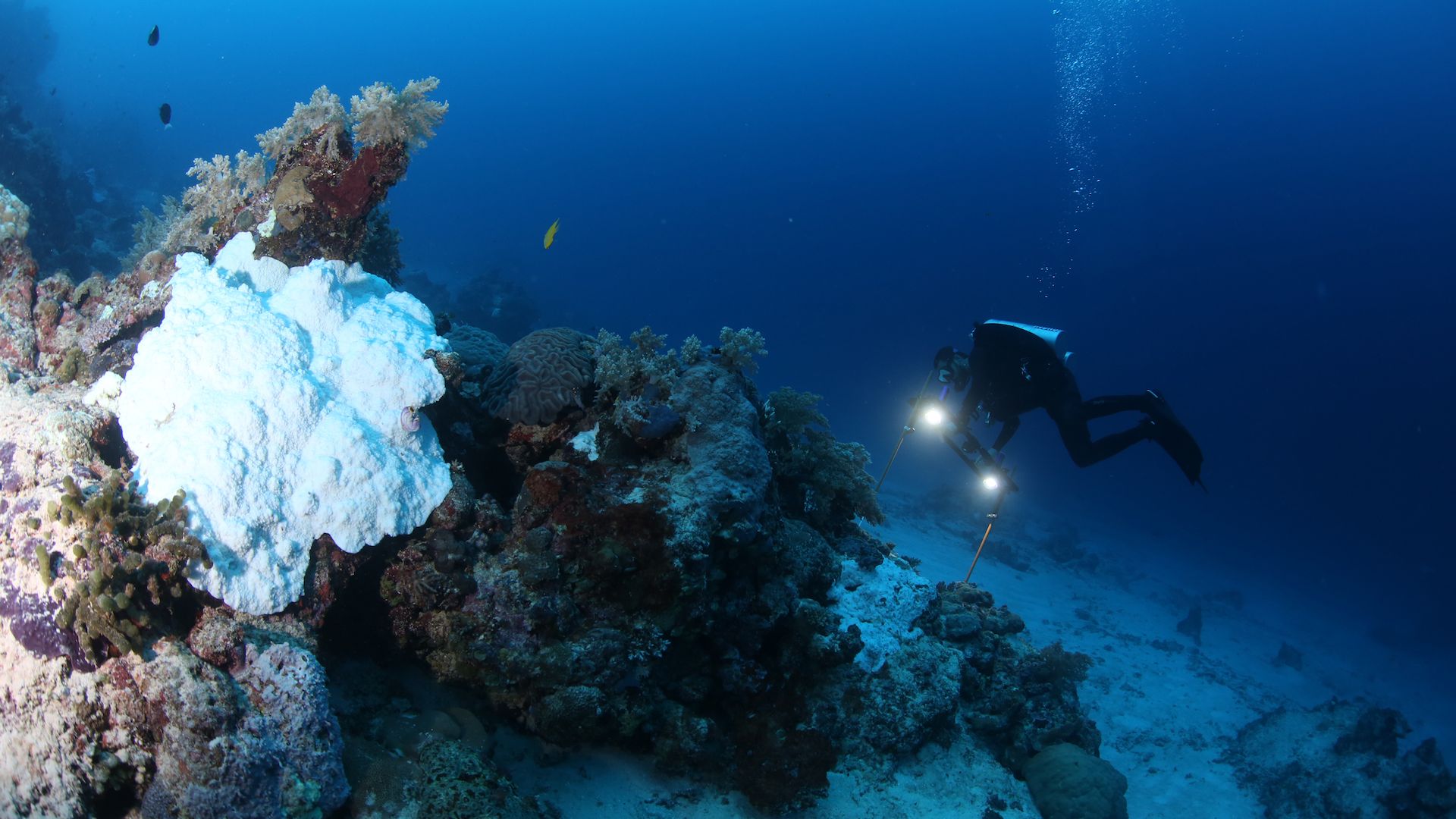
Deep-water coral reefs may not offer protection to corals being degraded by heatwaves at the surface of the ocean, according to new research.
Why it matters: Those reefs, at between 100 to 500 feet underwater, are frequently viewed as conservationists’ best hope in saving vulnerable corals. The widespread degradation of coral reefs — which nurture creatures that provide critical food supplies for millions of people — is one of the clearest climate change-related impacts affecting humanity.
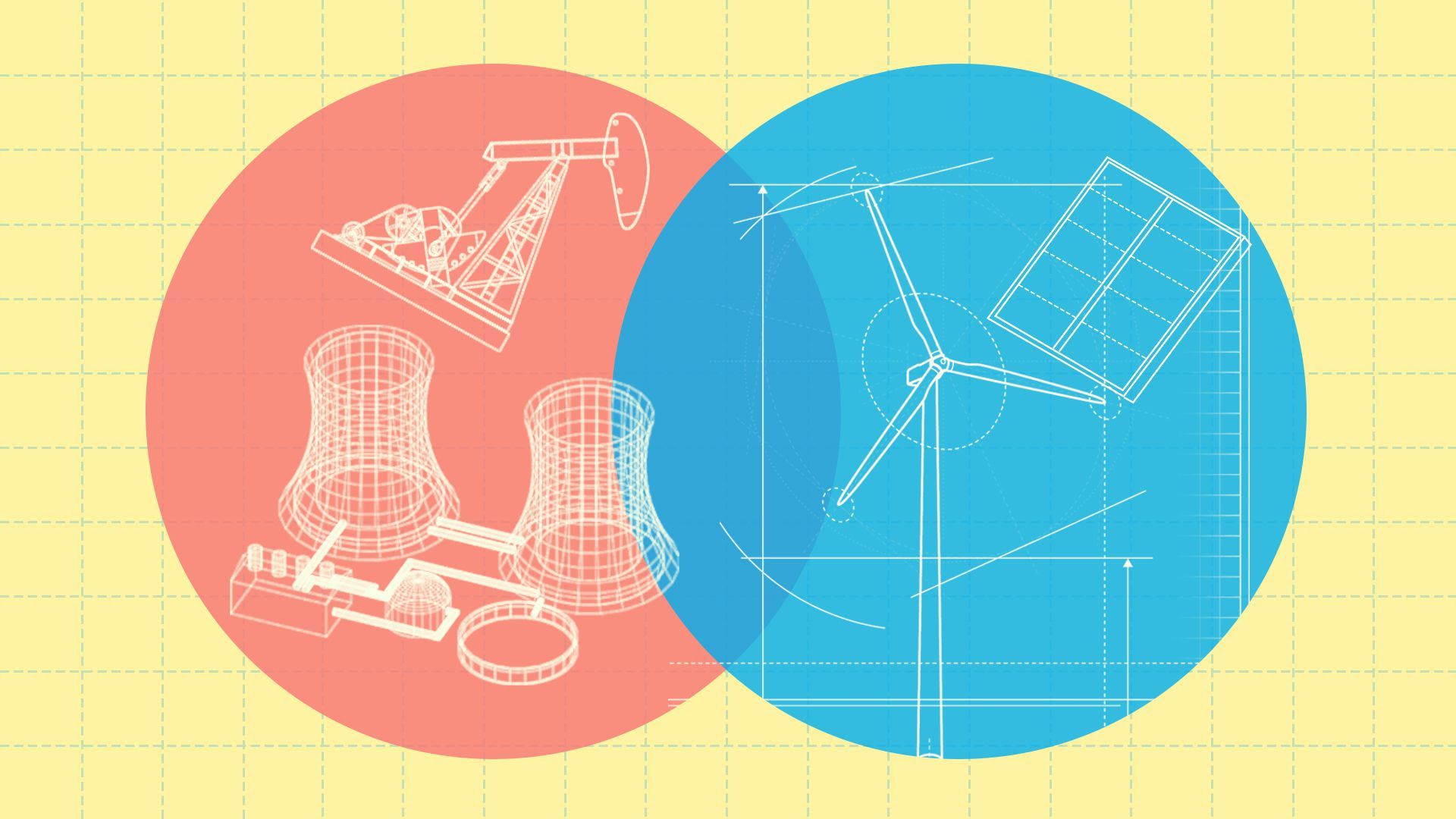
What's the best way to cost-effectively wring almost all carbon emissions out of power generation?
Renewables are part of the answer, but it will also take other low-carbon tech options, and policymakers should not close the door on any of them, a new paper by MIT researchers finds.
Why it matters: So-called "deep decarbonization" of electricity systems by mid-century is an important part of preventing runaway global warming.
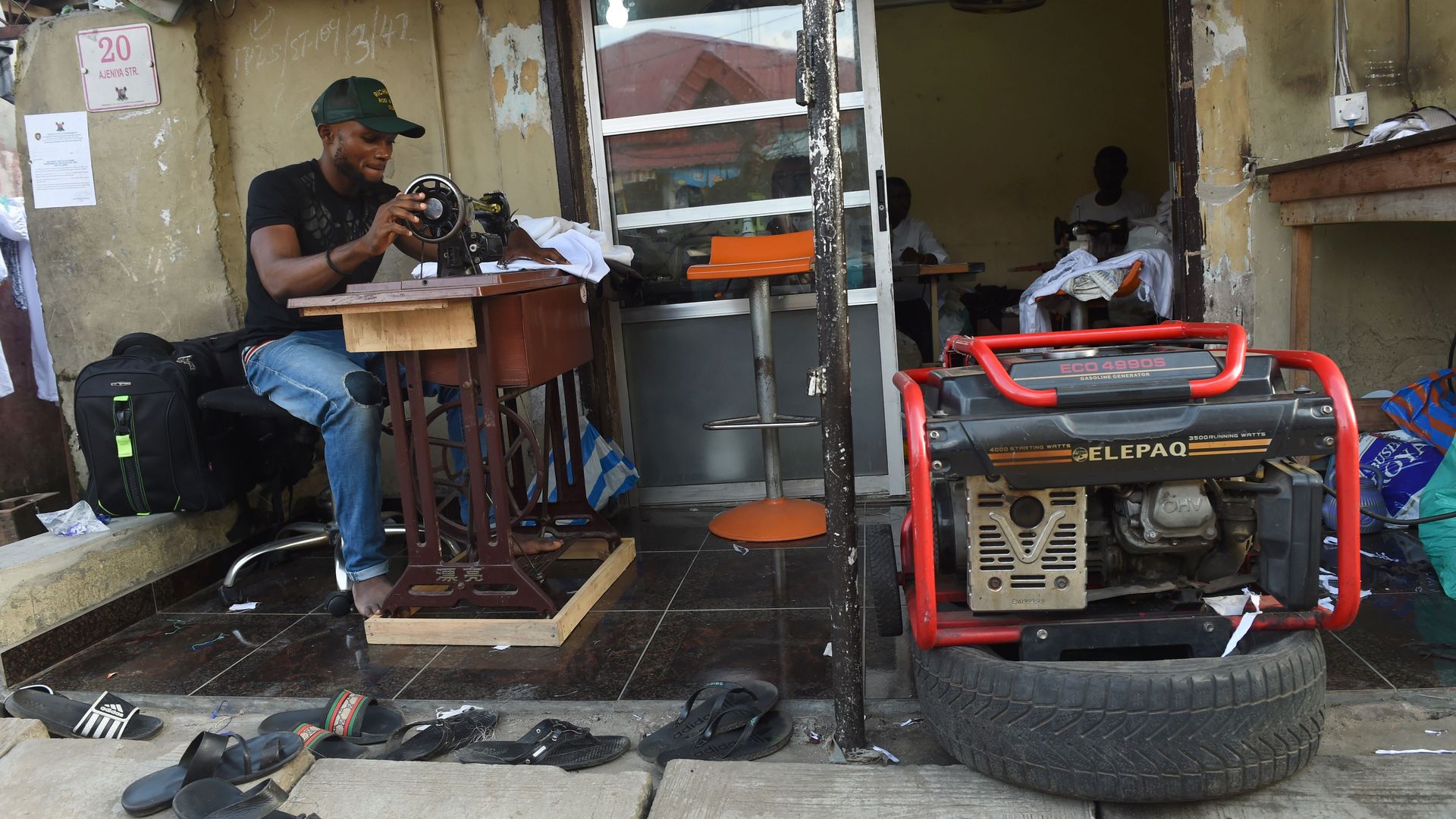
Yes, but: Factors that have impeded the Nigerian OGS market appear to be changing and the sector is poised for substantial growth in the coming years. Widespread deployment of commercial OGS technology across the country could not only address the harmful energy-access shortfalls but also provide a catalyst for job growth and investment.
A comprehensive Stanford-led analysis in Science finds that Saudi Arabia's crude oil production has the lowest carbon emissions per barrel among major petro-players.
Why it matters: Upstream production (before it's refined and used in cars, etc.) accounts for 5% of all greenhouse gas emissions from global fuel combustion, the study finds, which could have ramifications for carbon pricing and other global climate policies. Saudi Aramco, which is a sponsor of the study, is expected to tout these low CO2 findings, sources say.
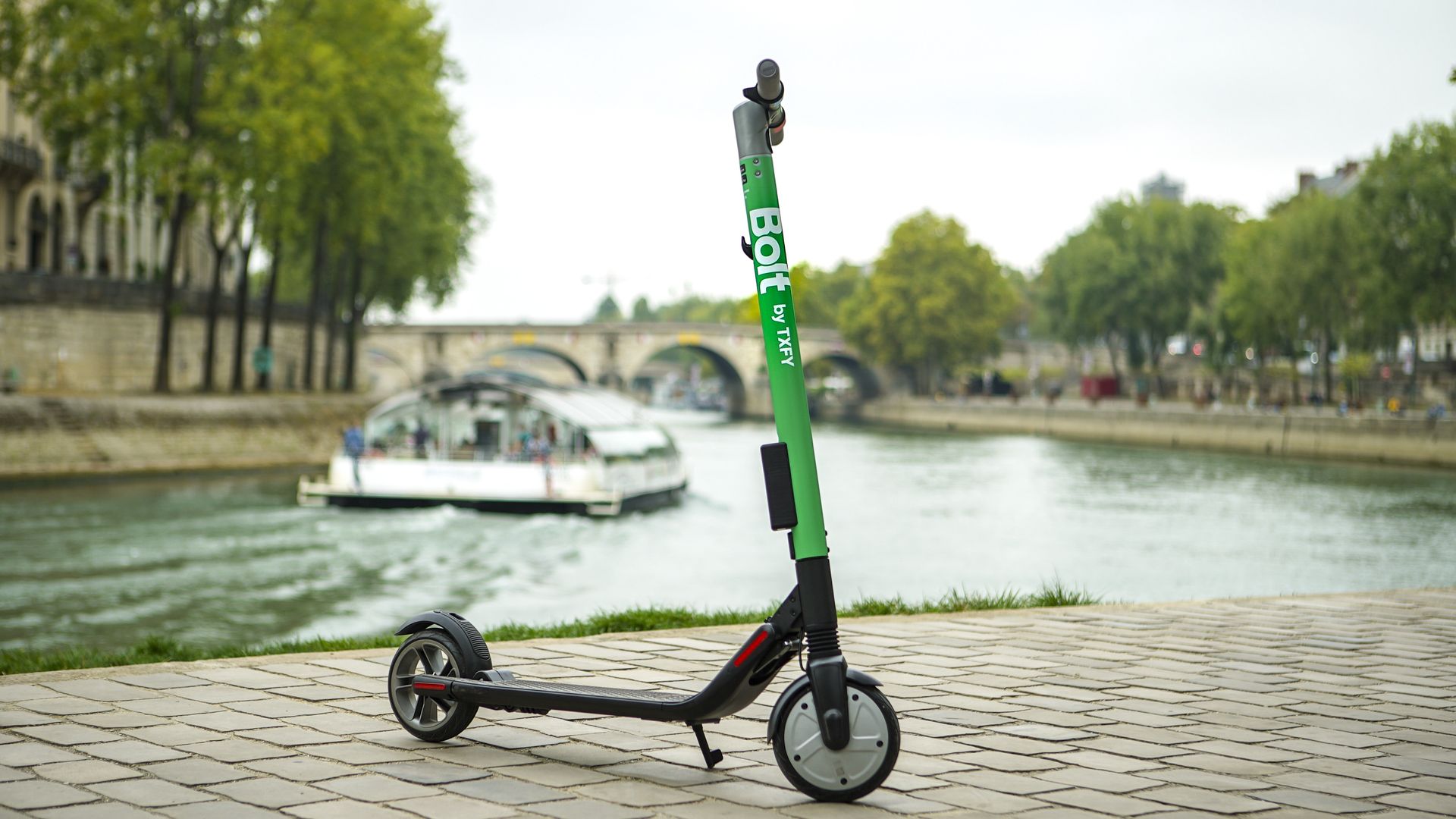
Taxify, an Estonian ride-hailing company that operates in Europe and Africa, says it will roll out a scooter rental service in Paris this week and later expand to more European cities.
Why it matters: Other ride-hailing companies like Uber and Lyft have also realized the potential business growth of adding transportation options such as scooters and bikes to supplement car rides. In Paris, however, Taxify will compete with scooter companies like Bird and Lime, at least for now.