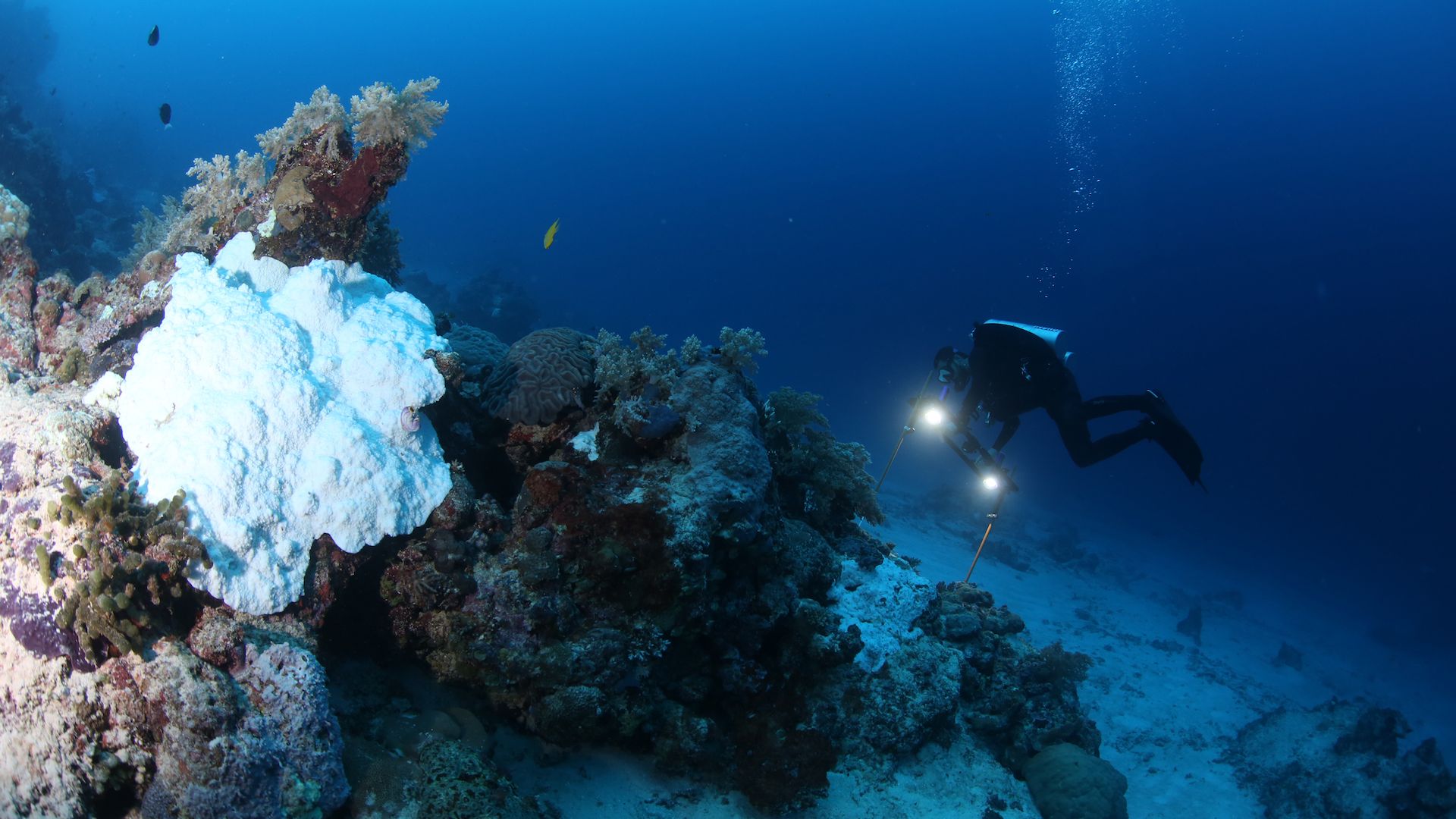
Deep-water coral reefs may not offer protection to corals being degraded by heatwaves at the surface of the ocean, according to new research.
Why it matters: Those reefs, at between 100 to 500 feet underwater, are frequently viewed as conservationists’ best hope in saving vulnerable corals. The widespread degradation of coral reefs — which nurture creatures that provide critical food supplies for millions of people — is one of the clearest climate change-related impacts affecting humanity.
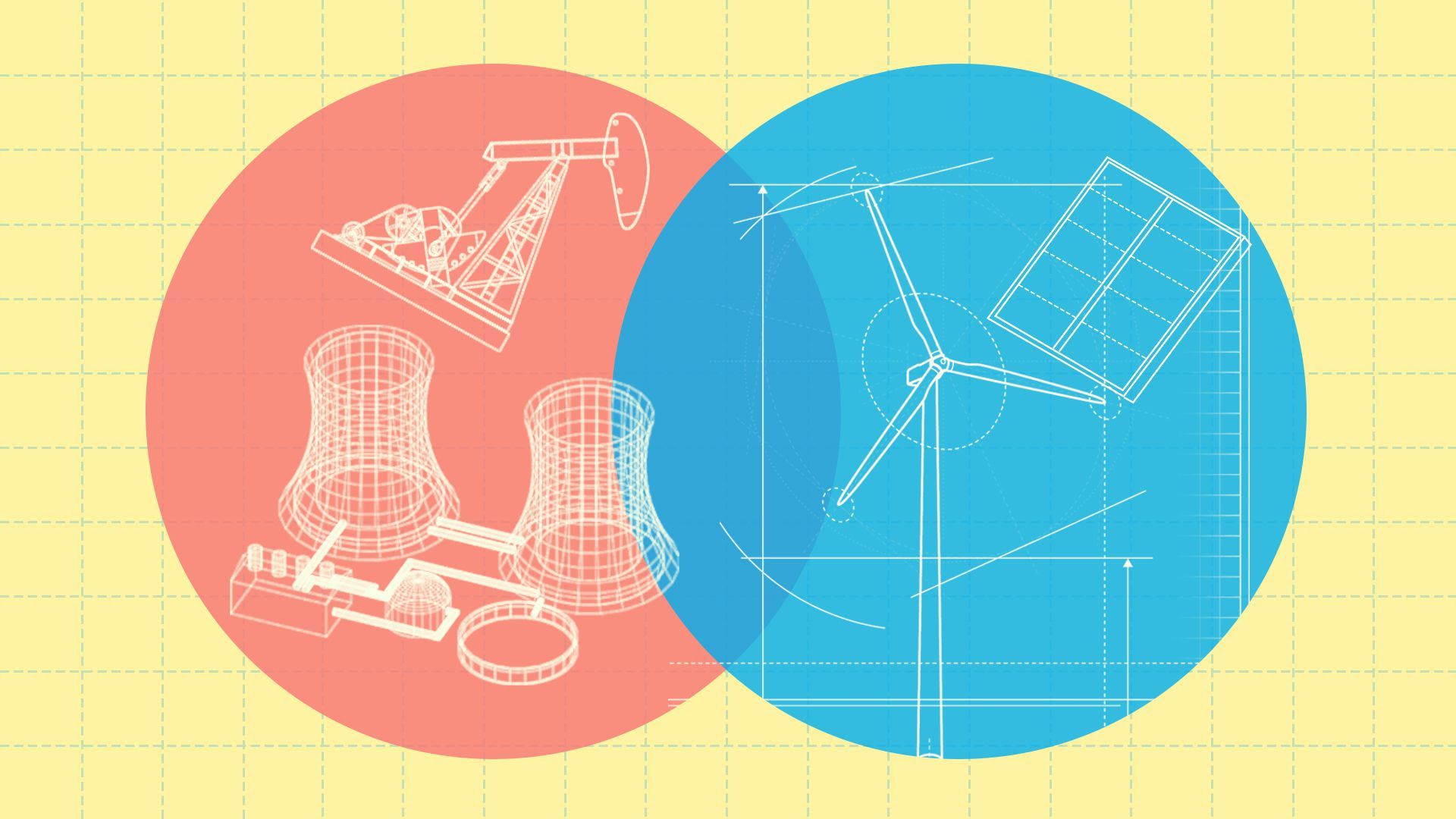
What's the best way to cost-effectively wring almost all carbon emissions out of power generation?
Renewables are part of the answer, but it will also take other low-carbon tech options, and policymakers should not close the door on any of them, a new paper by MIT researchers finds.
Why it matters: So-called "deep decarbonization" of electricity systems by mid-century is an important part of preventing runaway global warming.
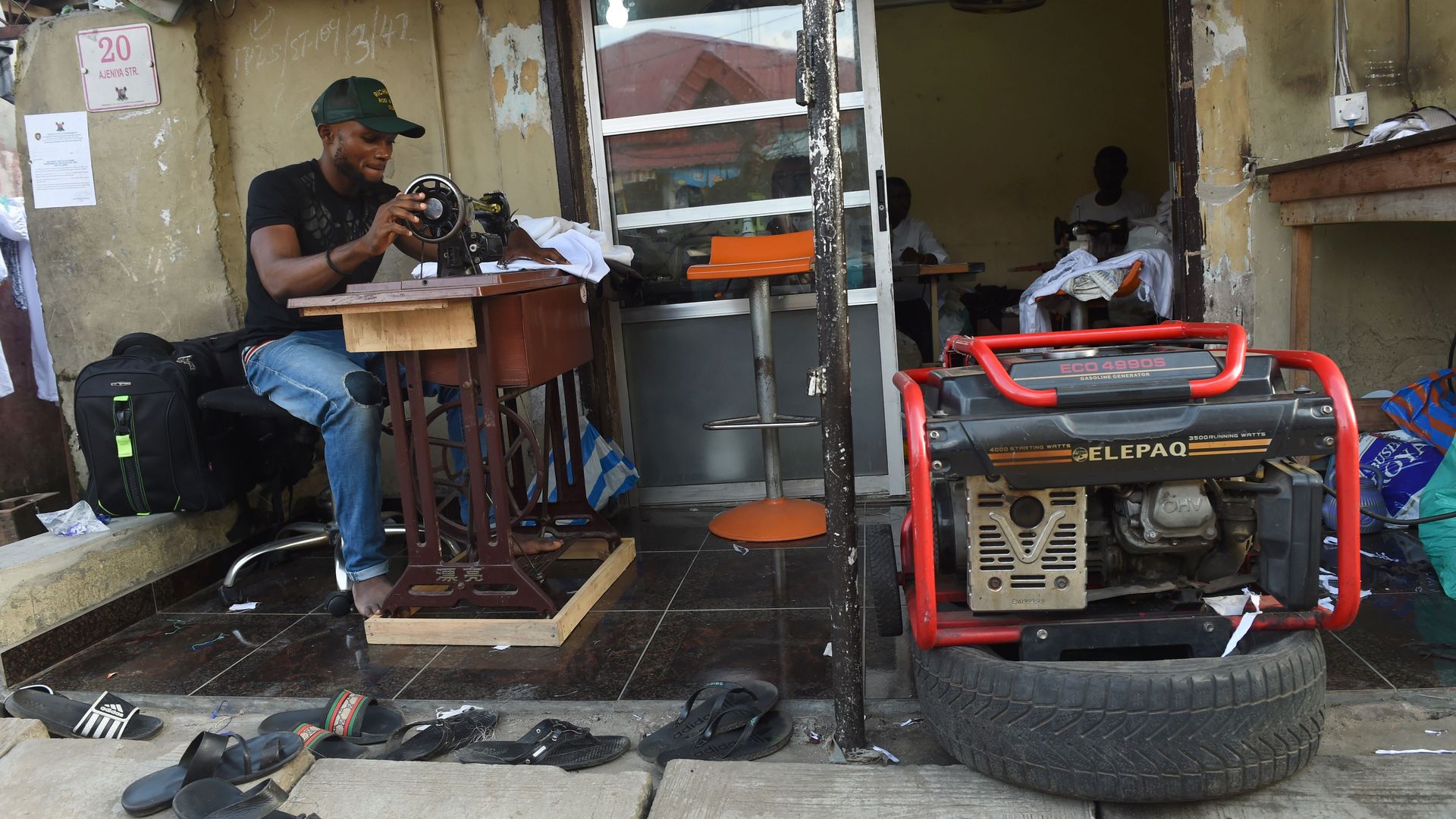
Yes, but: Factors that have impeded the Nigerian OGS market appear to be changing and the sector is poised for substantial growth in the coming years. Widespread deployment of commercial OGS technology across the country could not only address the harmful energy-access shortfalls but also provide a catalyst for job growth and investment.
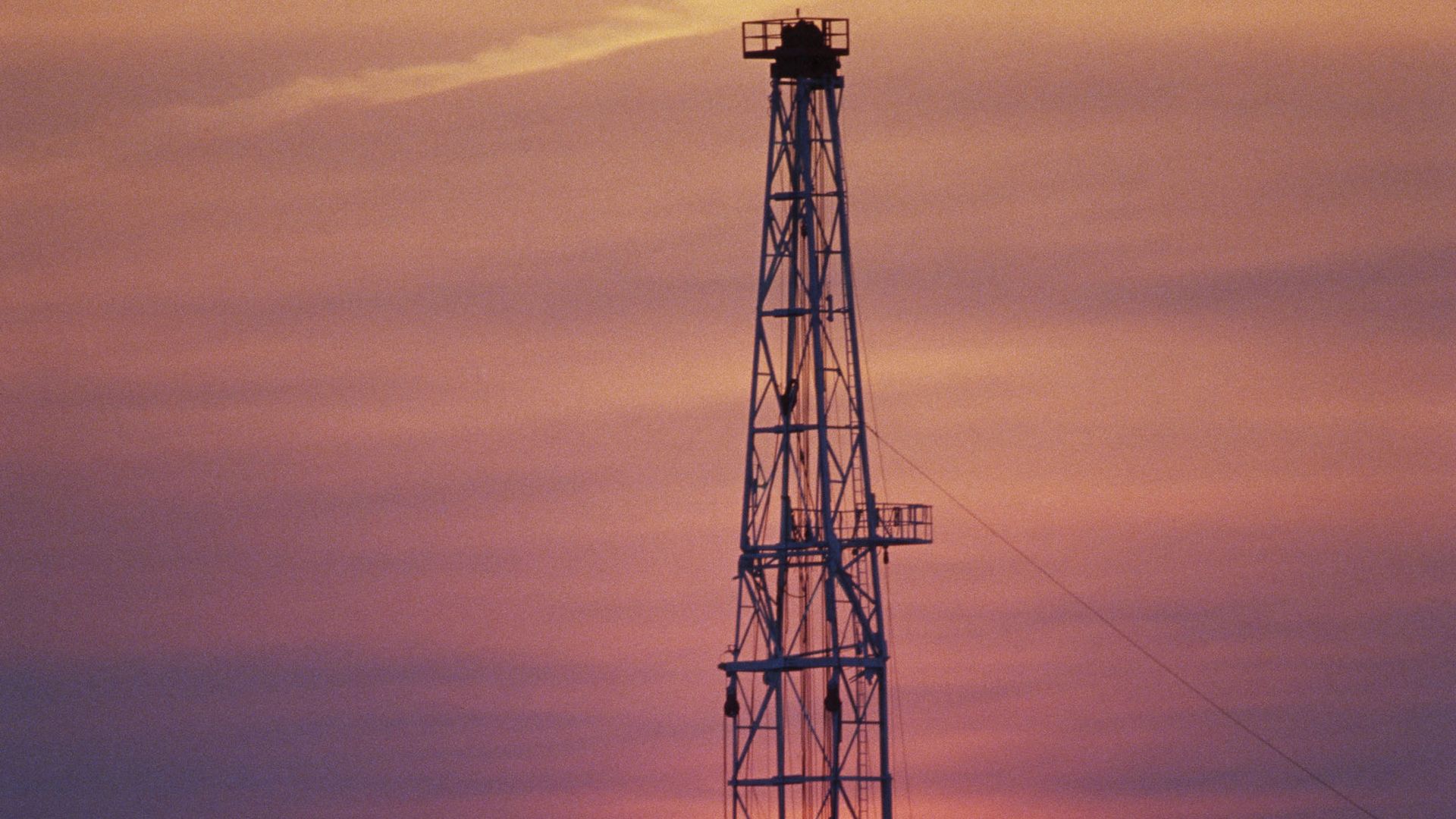
A comprehensive Stanford-led analysis in Science finds that Saudi Arabia's crude oil production has the lowest carbon emissions per barrel among major petro-players.
Why it matters: Upstream production (before it's refined and used in cars, etc.) accounts for 5% of all greenhouse gas emissions from global fuel combustion, the study finds, which could have ramifications for carbon pricing and other global climate policies. Saudi Aramco, which is a sponsor of the study, is expected to tout these low CO2 findings, sources say.
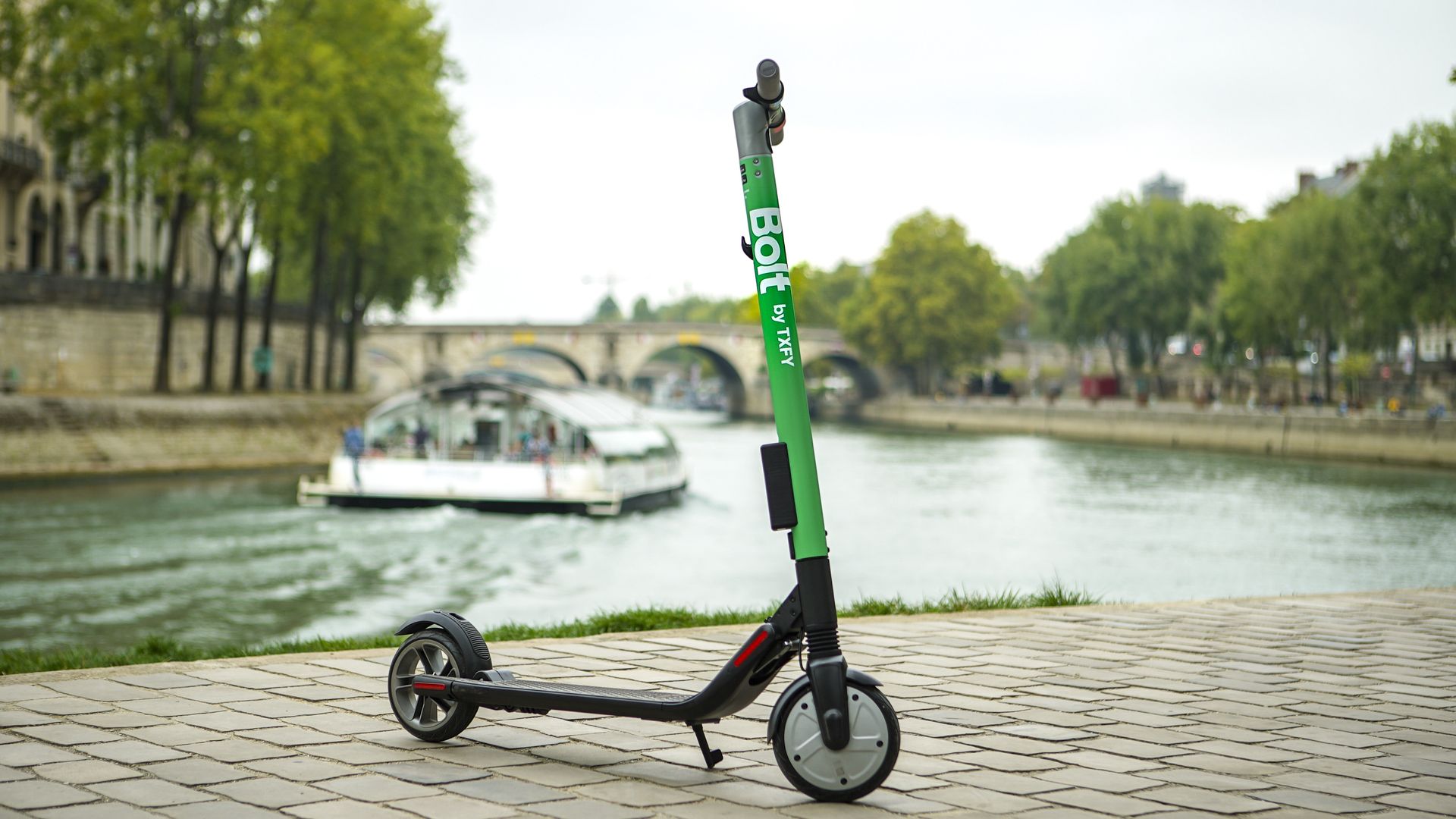
Taxify, an Estonian ride-hailing company that operates in Europe and Africa, says it will roll out a scooter rental service in Paris this week and later expand to more European cities.
Why it matters: Other ride-hailing companies like Uber and Lyft have also realized the potential business growth of adding transportation options such as scooters and bikes to supplement car rides. In Paris, however, Taxify will compete with scooter companies like Bird and Lime, at least for now.
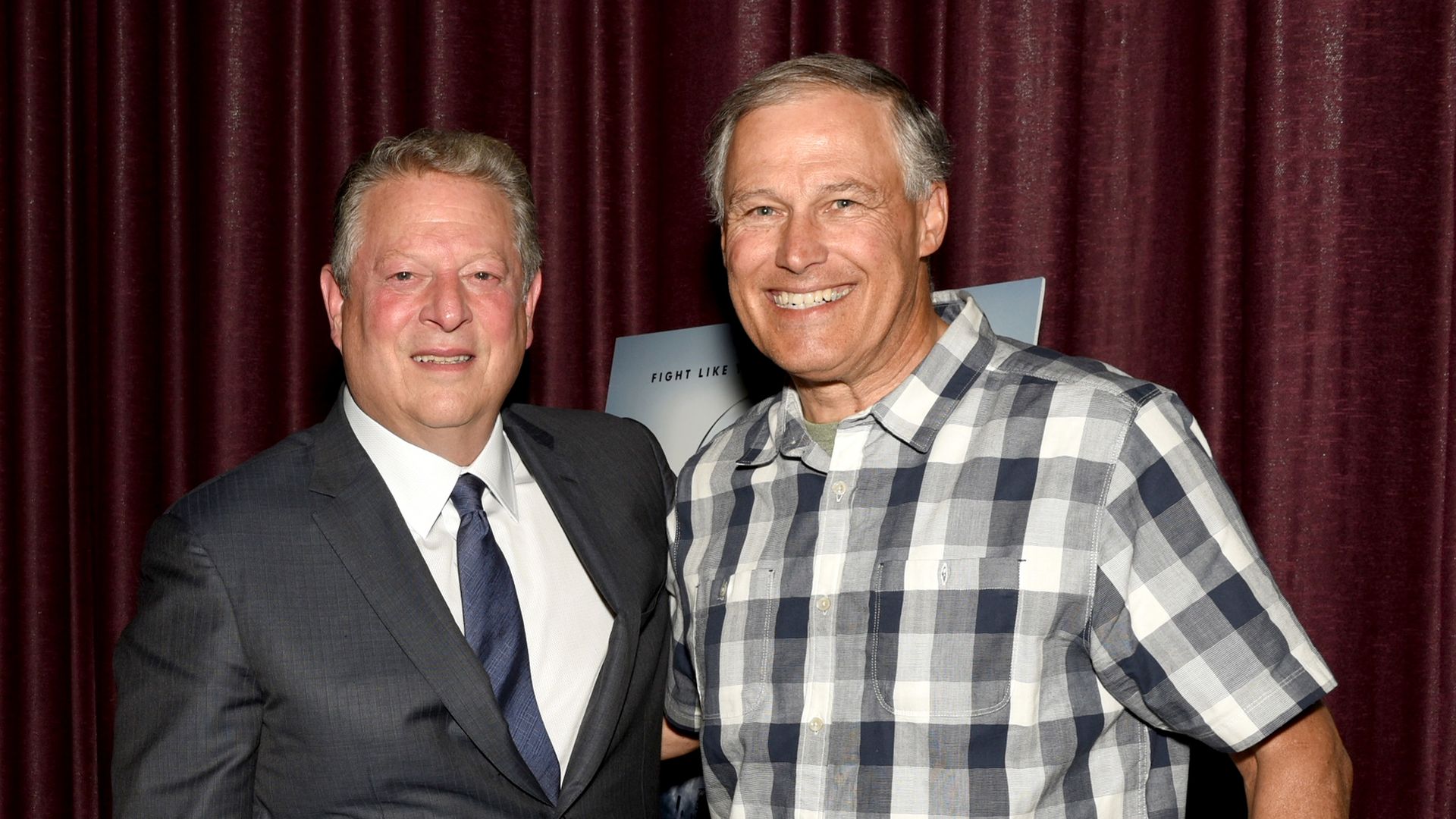
Over mushroom omelettes at the governor’s mansion in Olympia, Washington, the state’s Democrat governor, Jay Inslee, and I talked about his support for a ballot initiative taxing carbon emissions, climate-related lawsuits and more.
Why he matters: Inslee, chair of the Democratic Governors Association, is emerging as a leading progressive politician and critic of President Trump. Excerpts of the interview are below — with some corresponding reality checks.
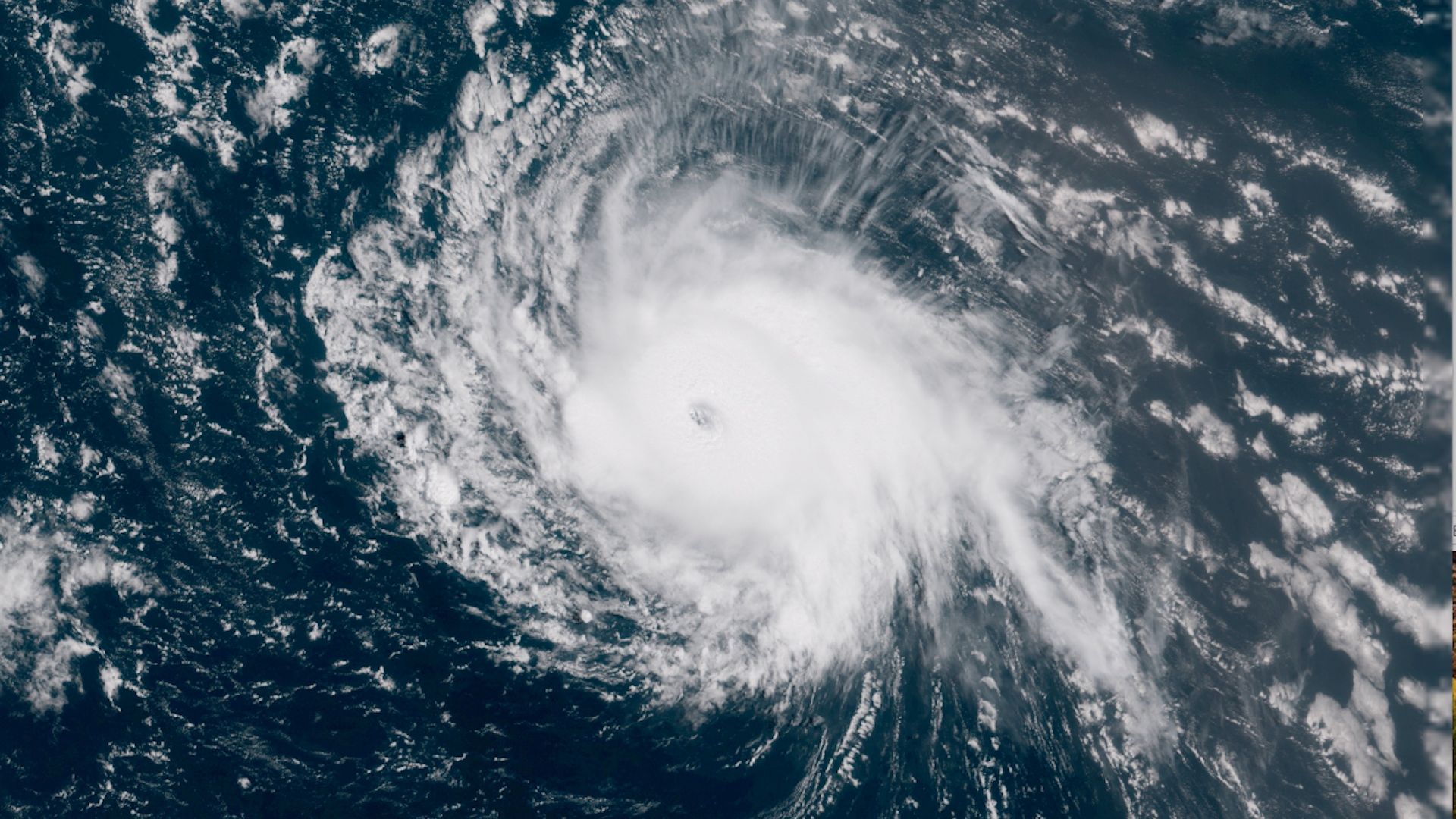
Forecast trends suggest that Hurricane Florence, which is currently swirling away as a Category 4 storm in the open Atlantic, could make a run at the East Coast by early next week — though there's still a great deal of uncertainty.
What we're watching: Weather patterns across the Atlantic as well as a broader cycle of atmospheric circulation, known as the Madden-Julian Oscillation, are combining to make the Atlantic far more favorable to storm development than it has been all season.
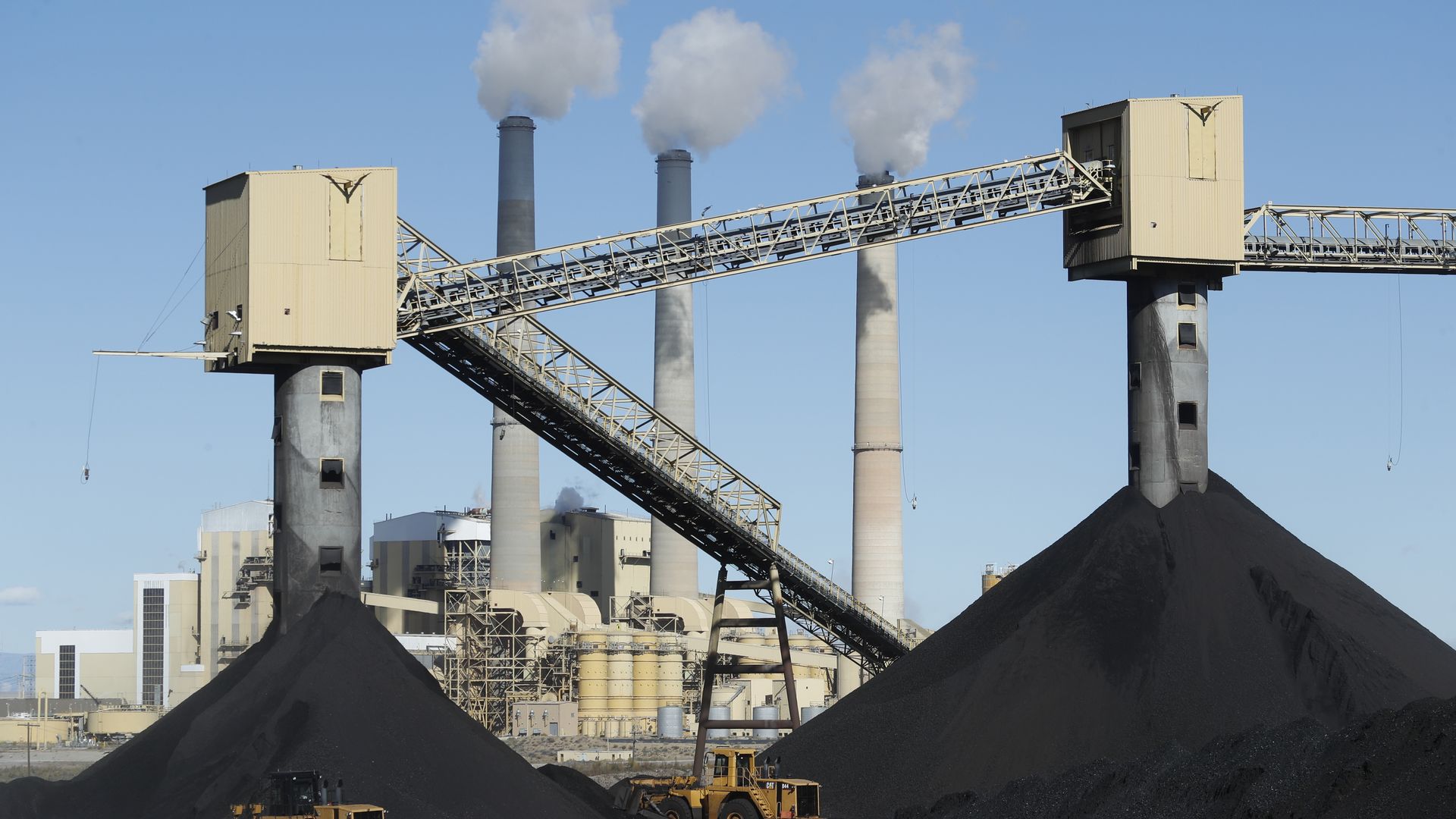
The Washington Examiner reports that key utilities, including Duke Energy and American Electric Power, aren't looking to extend the lives of their coal-fired power plants despite Trump administration moves to help keep them running.
Why it matters: Their piece gets several utility powerhouses on the record about their plans and signals the uphill climb facing the White House as it tries to revive the fortunes — or even substantially slow the decline — of the once-dominant fuel.
Newly published research finds that luck plays a role in oil-and-gas executives' compensation — and one author says it's time to rethink how C-suite pay is structured.
Reproduced from a chart by The Conversation; Data: Standard & Poor's Compustat; Chart: Axios Visuals
What they did: Professors from UC-Berkeley and University of Michigan broke down 1992–2016 of data for hundreds of executives at 80 oil-and-gas producers, for their working paper (not peer-reviewed).