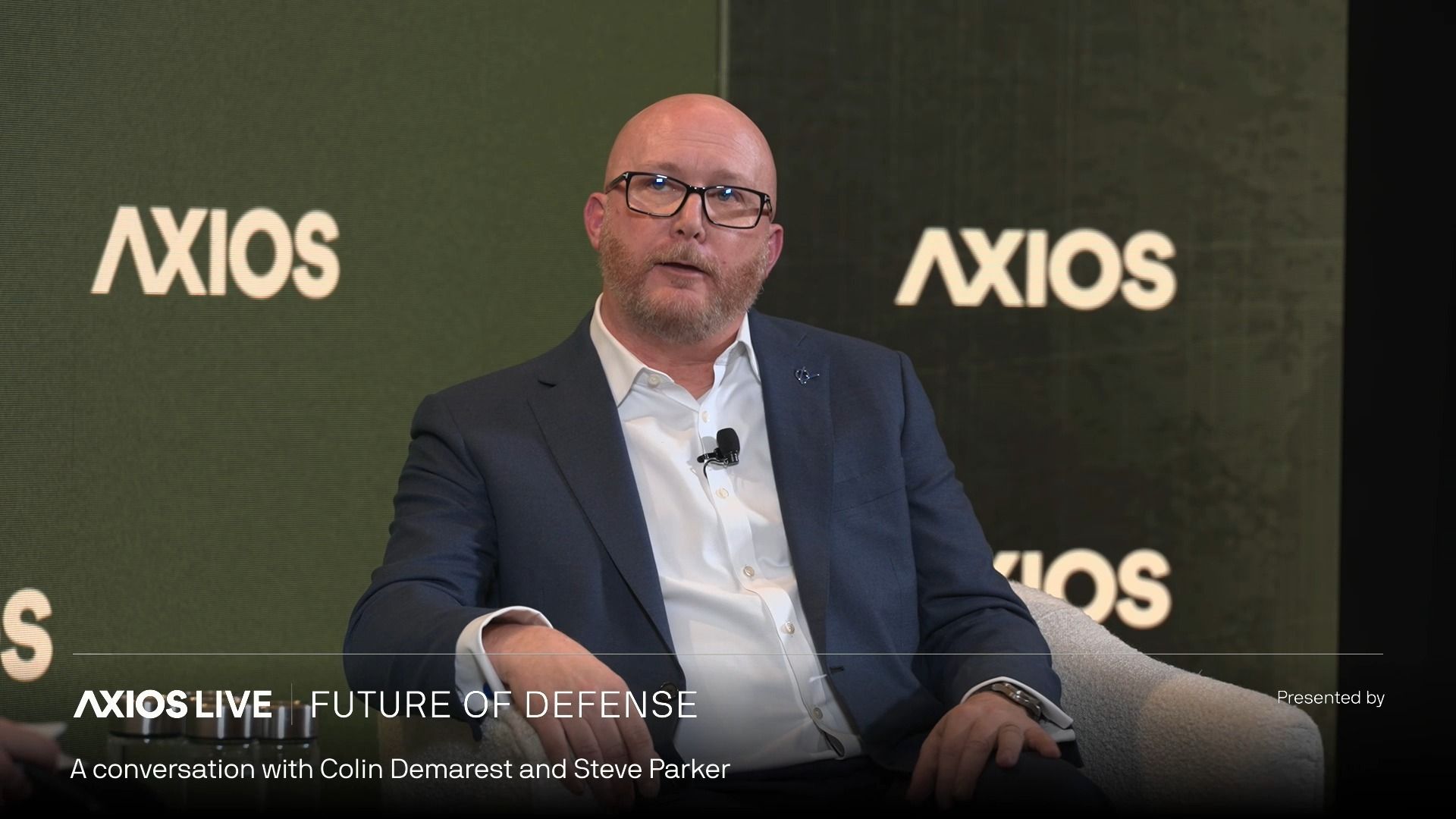
Boeing Defense, Space and Security chief executive Steve Parker said the company feels a "huge responsibility" in developing the next generation of military aircraft at Thursday's Future of Defense Summit.
The big picture: Despite production setbacks in recent years, Parker believes Boeing's F-47 fighter jet and other defense contracts will position the company to deliver the advanced capabilities the U.S. military needs.
Major grocery retailers are switching up their Thanksgiving dinner deals this year, with a few lowering prices, others swapping out items and some shifting toward more flexible meal options.
The big picture: Lower advertised prices from some retailers could offer relief to Americans already stretching their holiday budgets, but shifting menus mean shoppers may not be getting the same bang for their buck.
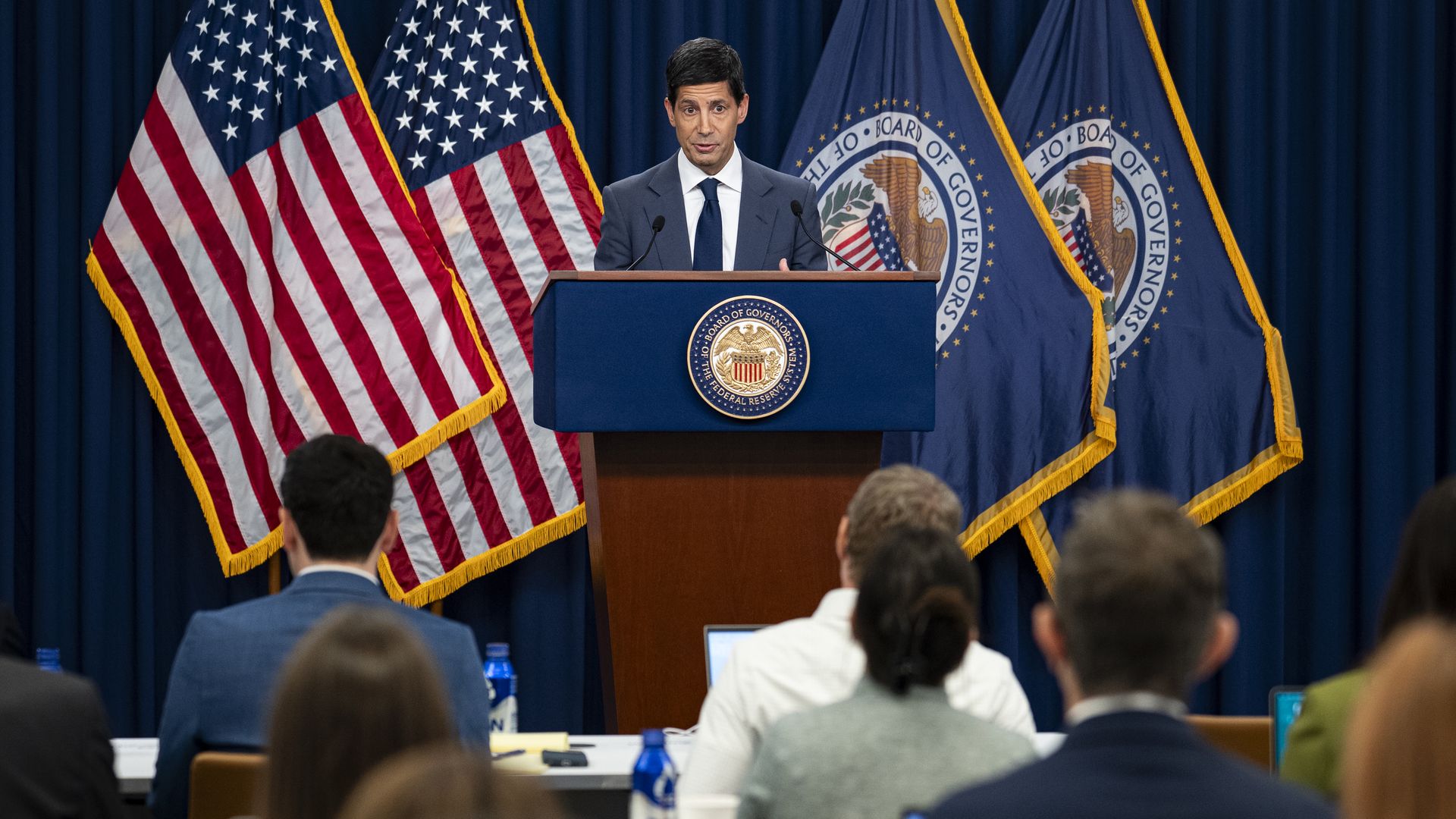
Minutes from the Federal Reserve's October meeting suggest Fed officials broadly agree on the need for higher interest rates, even as they debate how quickly to raise them.
Zoom in: "Almost all" policymakers expected further rate increases would be appropriate, broadly in line with their September projections.
You can't solve a supply-side problem with a demand-side solution. This is the year that a bipartisan majority of Congress came to grips with that reality.
The big picture: The U.S. economy has been held back this decade by inadequate supplies of housing, energy and infrastructure. There's now surprising momentum on Capitol Hill to change that.
Wall Street isn't sweating existential threats to humanity. That's a tomorrow problem. Today there's money to make.
Driving the news: Anthropic last night raised $81.35 billion in its IPO, after pricing 980 million shares at $83 per share. It had planned to sell 825 million shares at $70-$78 per share.
Giant tech companies seem to control the commanding heights of the emerging AI economy at this stage of the AI trade.
Why it matters: Owning the hyperscalers has been one of the most popular positions on Wall Street, but some argue they actually may be more vulnerable than they look.
The big picture: They've got all the money they need, via cash from their massively profitable business models and relatively cheap debt.
Hyperscalers are also in a prime strategic spot, as they can sell wholesale computing power and AI services, as well as consumer and enterprise applications like Meta's Muse or Alphabet's Gemini Tasks.
Reality check: If this whole AI thing goes down in a flaming crash, hyperscalers will essentially be fine. They'll write down a few hundred billion in investment losses and go back to their pastime of minting money and plowing it into share buybacks.
Plus, if things do get ugly, people are going to want to own giant blue chips with durable cash flows and fat profit margins. You know, Microsoft, Alphabet, Apple. Big Tech.
(And then there's the situation in which hyperscalers control giant slugs of stock in companies like Anthropic, which could mitigate potential competitive threats.)
Zoom out: For all those reasons, sometimes it does seem like the strongest Big Tech companies really can't lose.
Yes, but: Not everybody agrees.
"I think the most underappreciated risk when it comes to AI is the disruption risk to the big tech incumbents," Ulrike Hoffmann-Burchardi, head of global equities at UBS Global Wealth Management, told Axios Tuesday, at a UBS event to discuss its 2027 outlook.
What they're saying: She said she is telling clients that market bounces could be opportunities "to balance exposure and to balance and diversify away from the largest index weights."
The bottom line: It was an interesting view. And it seemed consistent with wrinkles we noticed in the recent crop of earnings, which included surprising weakness in the core businesses of giants like Alphabet and Amazon, for example.
Walmart raised its sales and earnings outlook as its online business continues to surge, but the company's rate of growth in the U.S. fell as it took a hit in its prescription drug business.
Why it matters: The retailer is a bellwether for the broader economy, offering a window into the health of the American consumer.
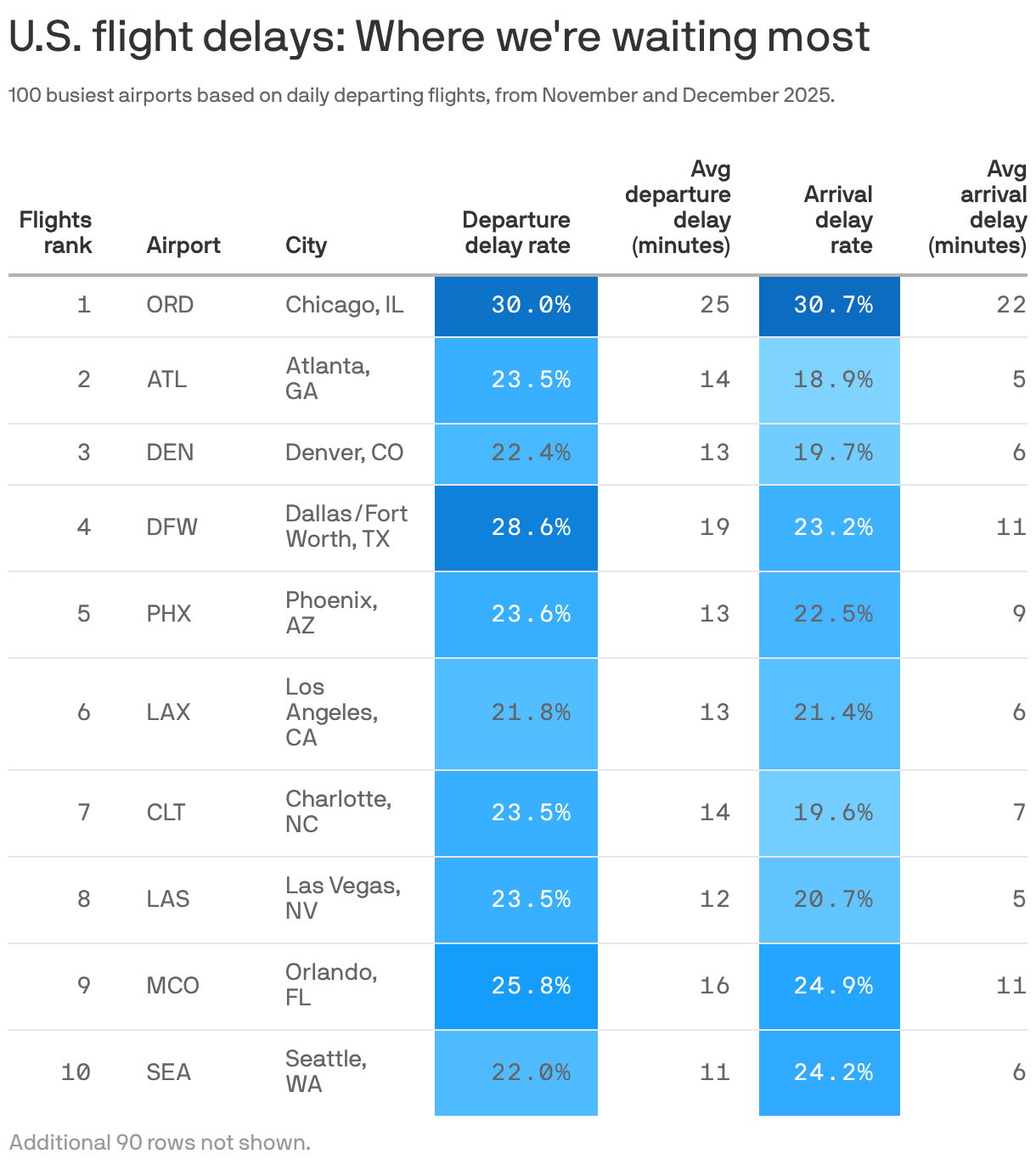
Data: BTS; Table: Brad Jennings/Axios. Note: Average departure and arrival delay stats include all flights.
Nearly a quarter of U.S. flights arrived at least 15 minutes late in November and December 2025, according to an Axios analysis of federal airline data.
Why it matters: Before booking holiday-season flights, especially any with tight connections, it's worth checking how often flights get delayed at the airports on your route.
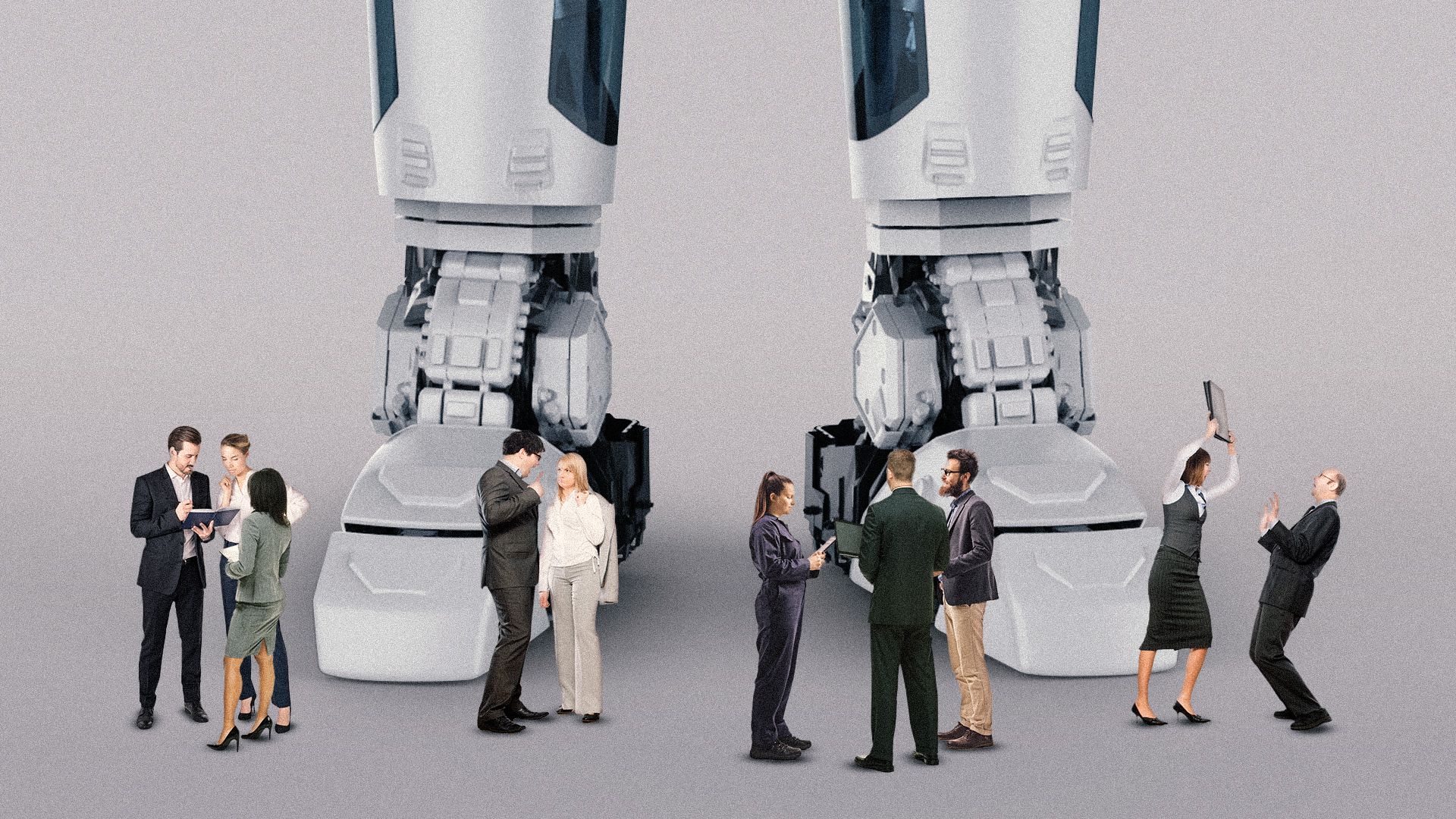
Anthropic will make its Wall Street debut Thursday at a moment of profound contradiction in the history of AI:
The humans are embattled — bogged down by scandal, financial turmoil and political revolt.
But the machines are ascendant — accelerating toward an "intelligence explosion" they expect will transform civilization.
Why it matters: The industry's recent chaos has obscured a breathtaking surge in technological progress, forcing some of the world's leading researchers to reconsider just how soon AI could surpass human intelligence.
Get ready for an interest rate hike in three weeks' time. Then probably a couple more early next year. But pump the brakes on talk of a supersized rate hike — and keep an open mind about what 2027 policy looks like.
That is the upshot of comments from Federal Reserve leadership in recent days that show officials relatively unfazed by the bumpy last few weeks in financial markets — so far, at least.
The big picture: There is broad consensus among policymakers that inflation is the predominant concern right now, and the combination of robust growth, a solid job market and continued price pressure demands higher rates.
NEW YORK — Some of Wall Street's biggest financial voices remain optimistic on artificial intelligence, but questions about valuations, risks and the technology's impact on the economy loomed large at Axios BFD.
Why it matters: It remains unclear if AI makes money, and how much. Whether the technology delivers on its potential could have immense consequences for the country's economic outlook.
The Nov. 17 event was sponsored by Center for Audit Quality, Imprint, KPMG and TriEdge Investments.
Catch up quick: Here are our top takeaways.
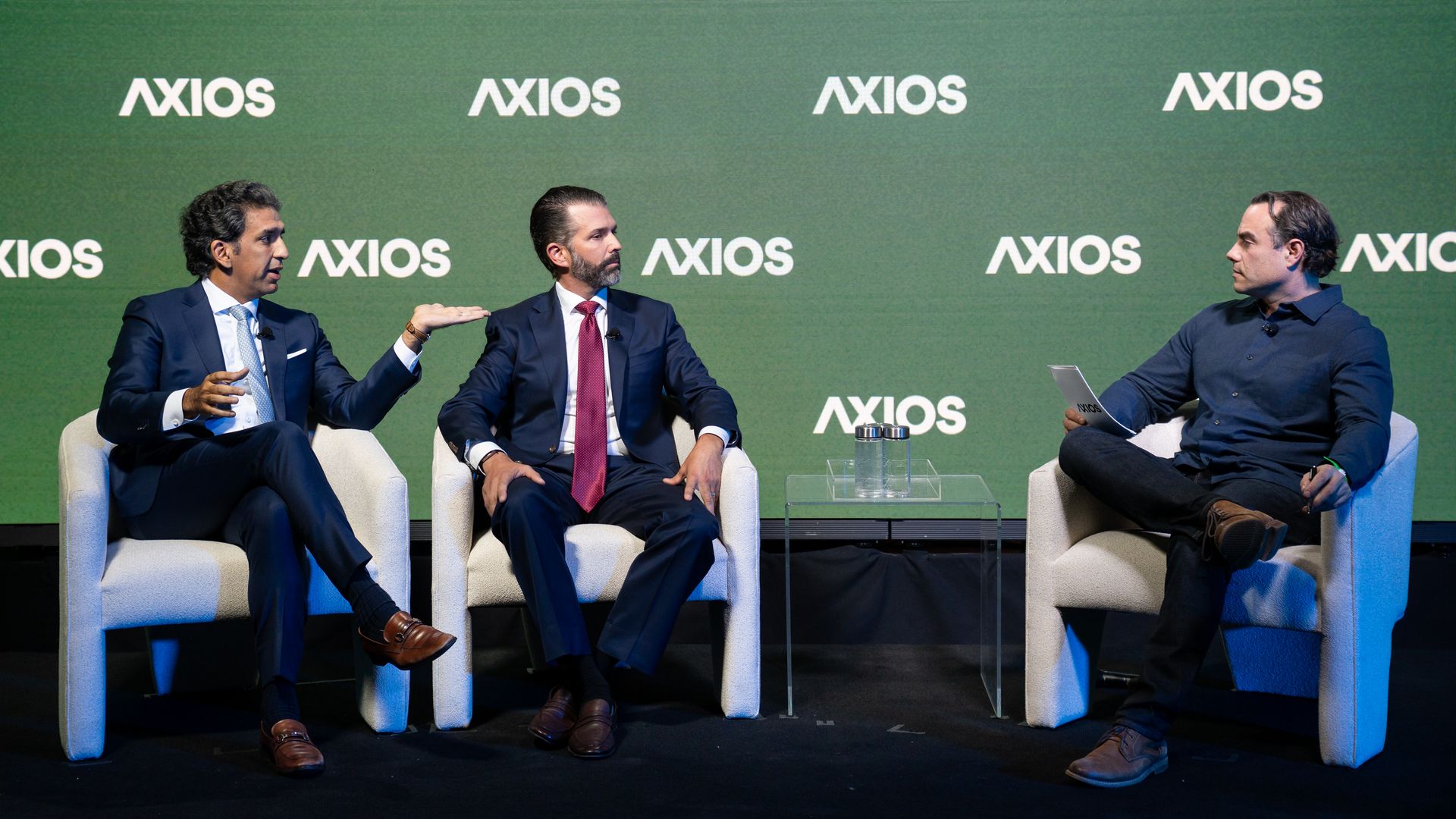
Trump Organization executive vice president and 1789 Capital partner Donald Trump Jr. acknowledged investors may have underestimated the negative sentiment around AI and that tech founders are "probably not the best messengers when they basically say, 'AI is gonna rule the world, and you should be thrilled about it.'"
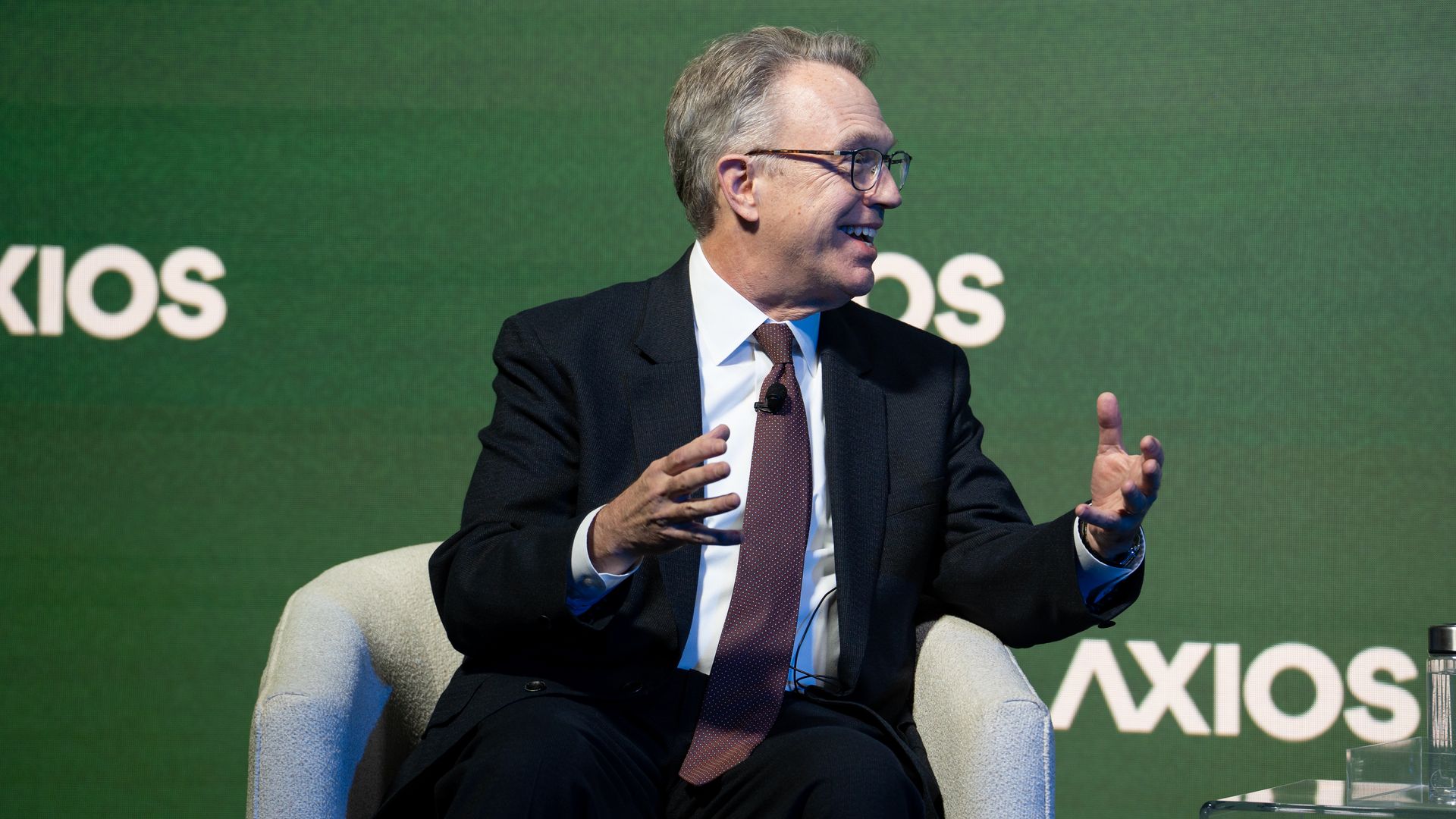
Fears over cybersecurity are "double underlined" in the age of AI, Federal Reserve Bank of New York president and CEO John C. Williams said. He added that the AI boom may push the Fed to raise interest rates again next year.
There may be "mini-bubbles" floating around the AI ecosystem, Goldman Sachs global co-head of investment banking Kim Posnett said, adding that "we don't yet know who the winners and losers" of the AI boom are.
"There is often a component of AI" in the companies that world-class tennis champion, entrepreneur and host of the "Pretty Tough" podcast Maria Sharapova invests in, she said.
Not everyone or everything needs expensive frontier AI models, Vista Equity Partners founder, chairman and CEO Robert F. Smith said. Instead, Vista has built its own "agentic factory," Smith explained, which he said can double or triple the margins of its portfolio companies.
Content from the sponsors' segments:
In a View From the Top conversation, Center for Audit Quality public affairs vice president Amy O'Connor said times of uncertainty are an opportunity to build trust and interrogate information sources.
"All of us … can really benefit from ensuring we're asking ourselves and those around us the right questions. I think that will only lead to better capital allocation decisions."
In a sponsored conversation, Imprint founder and CEO Daragh Murphy said he can't see the future but expects AI agents to transform commerce and purchasing.
"Five months ago, we had 0% agent transactions on our card. Today, we have 2%. That doesn't sound like a lot, but the curve is already exponential. So, we would predict that … 15%, 20%, 25% of commerce may be intermediated by agents, and we're already seeing that at the bleeding edge."
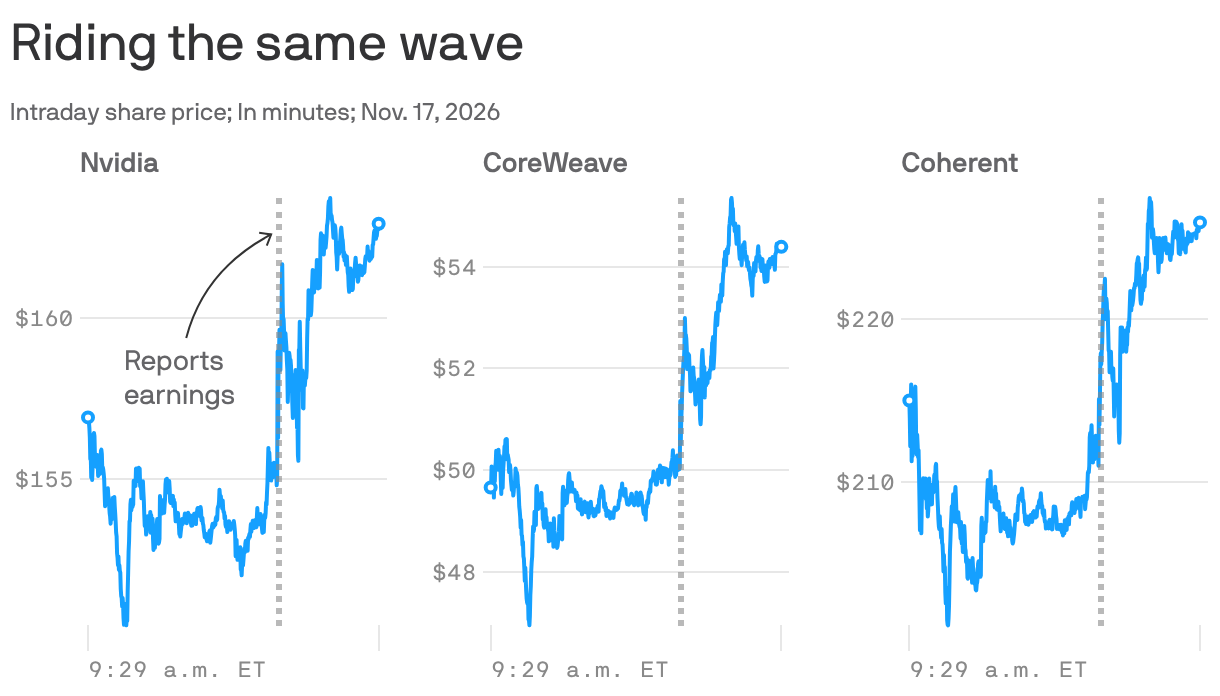
Nvidia's strong results, better-than-expected guidance and statements of ongoing support for the AI ecosystem are giving the tech trade a fillip.
Why it matters: The bump for firms financially linked to Nvidia reveals how the resignation of Jensen Huang — the driving force behind the company's unorthodox financial arrangements with smaller AI entities — has been weighing on the markets more broadly.
Target is regaining traction after a prolonged slump as its investments in food, beauty and fun items begin to pay off.
Why it matters: The big-box retailer struggled to find its way amid runaway inflation and rapidly evolving fashion trends, but a new CEO and investments in key categories are paying off.
A group of elected officials from five states led by Democrats is seeking to pressure Anthropic to square its warnings of catastrophic risk with plans to go public.
Why it matters: The questions for the company aren't likely to stop the IPO, but they are a preview of the scrutiny tech giants can expect to face after the midterms' blue AI earthquake.
While Democrats have yet to build a comprehensive AI policy platform, it's already clear that many do not favor acceleration.