Wednesday's economy stories






Homebuilder warning: Construction rebounds, but building plans plunge





Axios BFD: Investors weigh the promises and pitfalls of AI
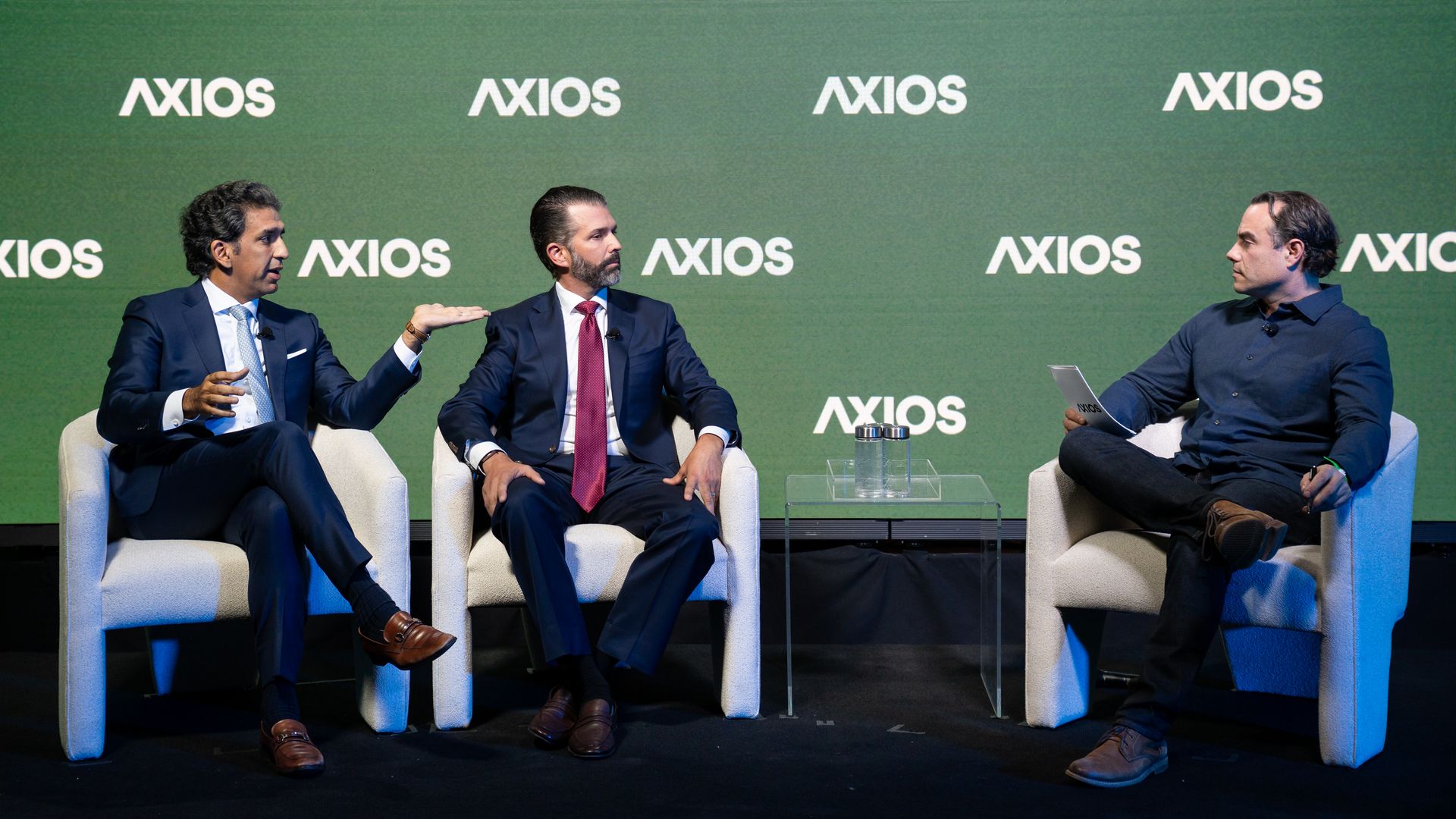
NEW YORK — Some of Wall Street's biggest financial voices remain optimistic on artificial intelligence, but questions about valuations, risks and the technology's impact on the economy loomed large at Axios BFD.
Why it matters: It remains unclear if AI makes money, and how much. Whether the technology delivers on its potential could have immense consequences for the country's economic outlook.
- The Nov. 17 event was sponsored by Center for Audit Quality, Imprint, KPMG and TriEdge Investments.
Catch up quick: Here are our top takeaways.
- Trump Organization executive vice president and 1789 Capital partner Donald Trump Jr. acknowledged investors may have underestimated the negative sentiment around AI and that tech founders are "probably not the best messengers when they basically say, 'AI is gonna rule the world, and you should be thrilled about it.'"
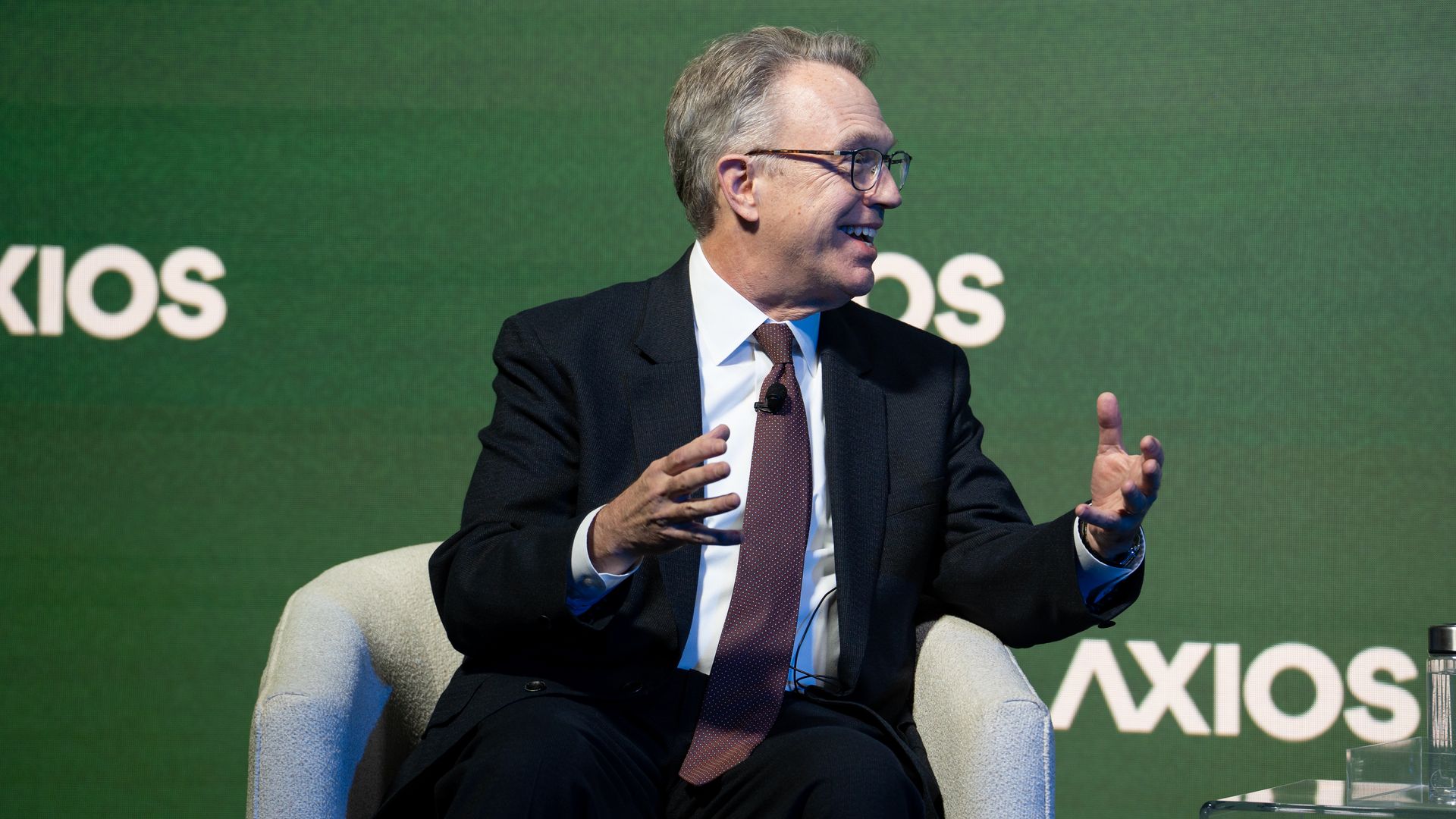
- Fears over cybersecurity are "double underlined" in the age of AI, Federal Reserve Bank of New York president and CEO John C. Williams said. He added that the AI boom may push the Fed to raise interest rates again next year.
- There may be "mini-bubbles" floating around the AI ecosystem, Goldman Sachs global co-head of investment banking Kim Posnett said, adding that "we don't yet know who the winners and losers" of the AI boom are.
- "There is often a component of AI" in the companies that world-class tennis champion, entrepreneur and host of the "Pretty Tough" podcast Maria Sharapova invests in, she said.
- Not everyone or everything needs expensive frontier AI models, Vista Equity Partners founder, chairman and CEO Robert F. Smith said. Instead, Vista has built its own "agentic factory," Smith explained, which he said can double or triple the margins of its portfolio companies.
Content from the sponsors' segments:


In a View From the Top conversation, Center for Audit Quality public affairs vice president Amy O'Connor said times of uncertainty are an opportunity to build trust and interrogate information sources.
- "All of us … can really benefit from ensuring we're asking ourselves and those around us the right questions. I think that will only lead to better capital allocation decisions."
In a sponsored conversation, Imprint founder and CEO Daragh Murphy said he can't see the future but expects AI agents to transform commerce and purchasing.
- "Five months ago, we had 0% agent transactions on our card. Today, we have 2%. That doesn't sound like a lot, but the curve is already exponential. So, we would predict that … 15%, 20%, 25% of commerce may be intermediated by agents, and we're already seeing that at the bleeding edge."


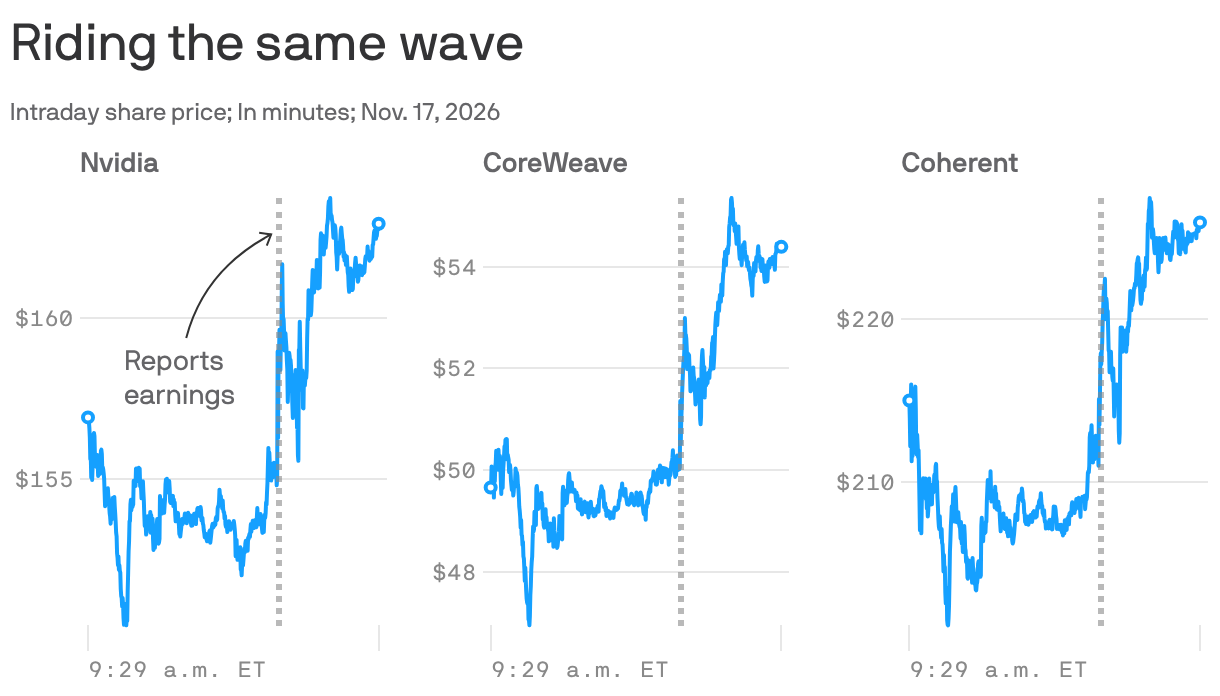
The Nvidia backstop lives, within limits