Thursday's economy stories

Trump reveals why $5,000 checks can wait until after the midterms
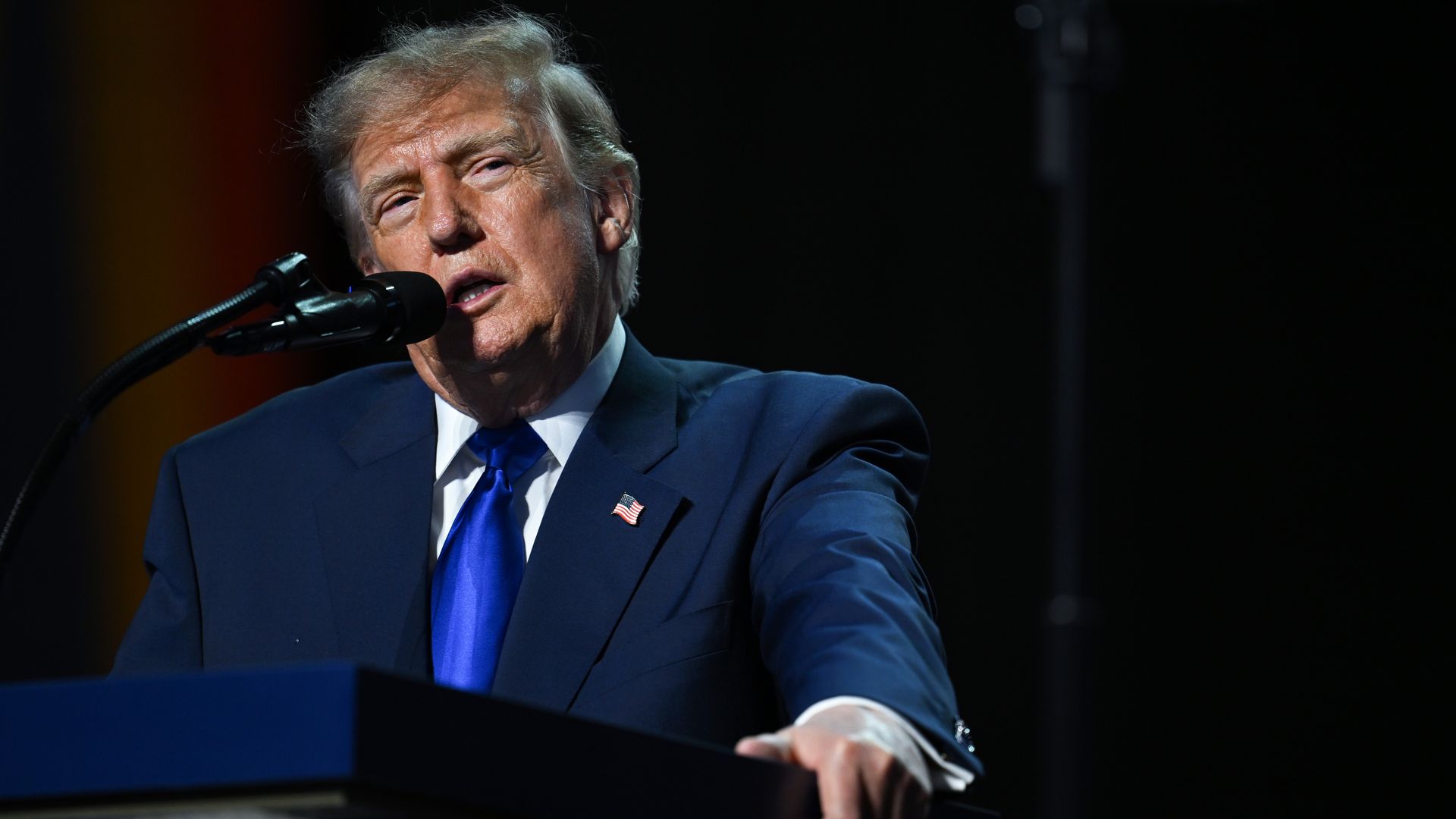
President Trump defended waiting until after the midterms to send Americans $5,000 "dividend" checks, telling Fox News Channel's "The Ingraham Angle" on Thursday that Democrats "can't do it" now.
The big picture: Trump is teasing the checks as Americans remain frustrated by inflation, expensive groceries and high gas prices ahead of the midterms.

Nvidia CEO Jensen Huang: AI fears designed to generate cybersecurity business

Nvidia CEO Jensen Huang dismissed recent AI fears as a way for the cybersecurity sector to generate new business.
Why it matters: Huang — whose comments on AI are highly influential among investors — risks losing control of the narrative amid growing fears of widespread destruction.

DOJ investigates Nvidia's deal with Groq
The Justice Department is investigating Nvidia's $20 billion non-exclusive" licensing agreement with Groq to determine if it "tried to skirt antitrust scrutiny," according to the NY Times.
Why it matters: If this sort of arrangement is determined to be illegal, it could extend to a raft of other AI industry deals.

Inflation pressures build


Renewed inflation risks are complicating the economic outlook on both sides of the Atlantic.
- In the U.S., wholesale prices accelerated in August, boosting expectations for a Fed rate hike next week.
- In Europe, the European Central Bank raised rates for the second time since June as the Iran war keeps inflation risks tilted to the upside.
Why it matters: Inflation pressures were already building in August, and the latest surge in oil prices suggests there may be more to come. Brent crude blew past $105 a barrel, while the U.S. benchmark, West Texas Intermediate, topped $100 a barrel for the first time since May.
What they're saying: "The longer energy prices stay high, the more likely they are to drive up broader inflation through indirect and second-round effects," ECB president Christine Lagarde told reporters this morning.
- Lagarde said eurozone growth has held up better than expected, helped by AI-related activity that the ECB expects will contribute to slightly higher core inflation.
By the numbers: U.S. wholesale prices rose 0.4% in August and 5.4% from a year earlier, largely reflecting higher energy costs.
- Goods prices jumped 1.1%, reversing two months of declines.
- Diesel surged 24% in a single month, accounting for more than a third of the goods increase and raising costs for moving goods.
- Transportation and warehousing costs gained 2.3%, a sign higher fuel costs may be bleeding into shipping.
Perhaps more troubling for the Fed is that some components that feed into its preferred inflation gauge, the Personal Consumption Expenditures Price Index, including airfares and hospital care, were firmer than expected.
- As Axios reported Tuesday, next week's Fed decision could hinge on a few hundredths of a percentage point in August core PCE inflation.
What to watch: After Wednesday morning's Producer Price Index data, Bank of America now estimates that core PCE could rise by 0.26% — enough in its view to green-light a rate increase, though tomorrow's Consumer Price Index data could shift that estimate.
- CME's FedWatch tool puts the odds of a rate hike at the meeting concluding on Sept. 16 at about 70%, up from 60% before the PPI data.

The macroeconomics of $5K checks
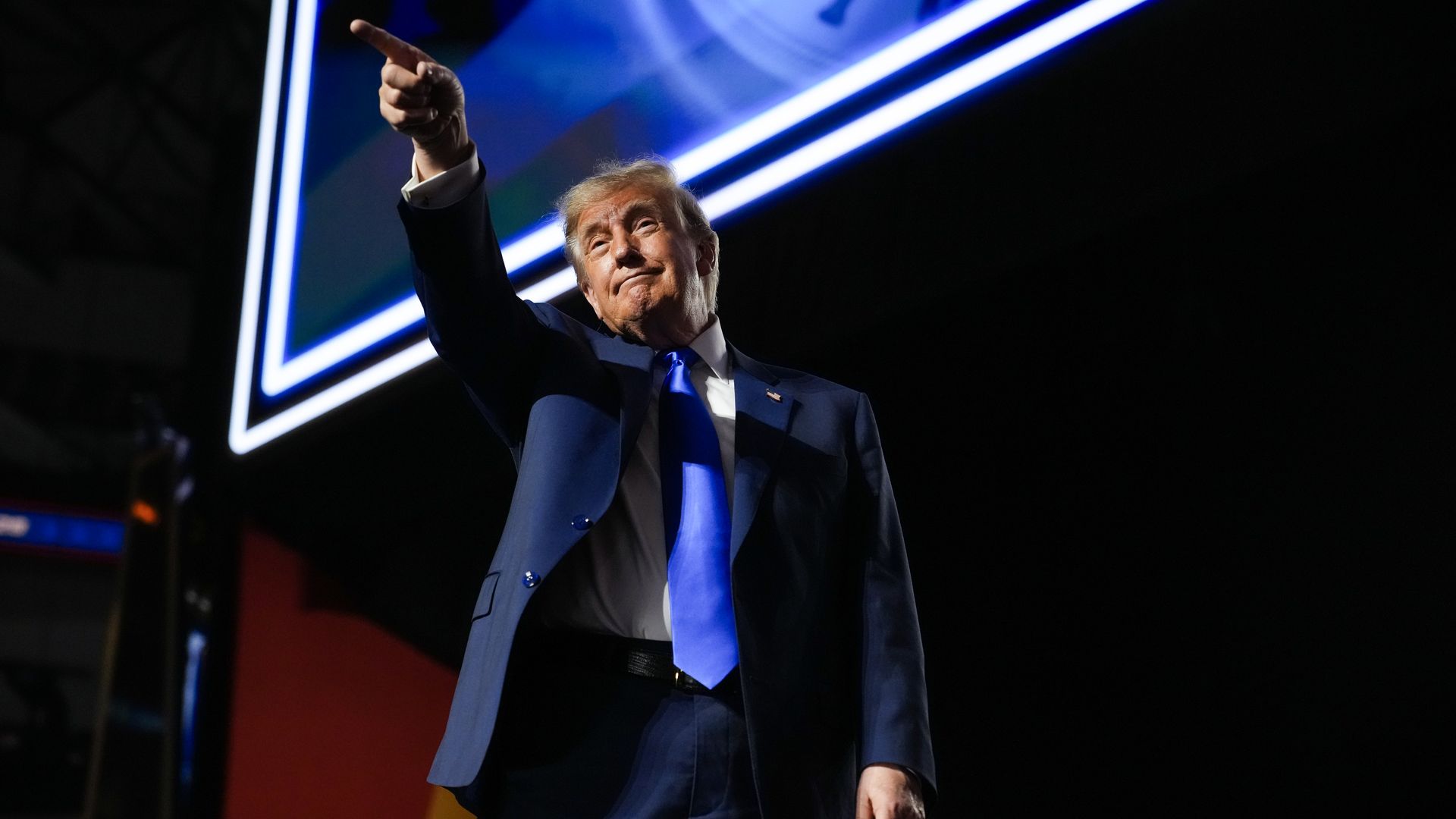
President Trump said last night that if Republicans prevail in the midterm elections, the government will send $5,000 payments to each adult citizen. That would come with serious economic risks.
The big picture: The federal deficit is already running around $2 trillion a year, bond markets are starting to demand higher rates to finance government borrowing, the economy is at full employment, and inflation has been high for nearly six years.
- Borrowing an extra trillion dollars or so and sending it to households would risk overheating the economy and making debt, interest rates and inflation worse.
- It would have echoes of the $1.9 trillion stimulus that President Biden pushed through in early 2021, which included $1,400 payments to individuals — except that then unemployment was higher, inflation had not yet taken off, and the national debt was lower.
- Even against that macroeconomic backdrop that made fiscal stimulus more justifiable, the American Rescue Plan contributed to the inflation surge in 2021 and 2022 that undermined the Biden presidency.
By the numbers: There are around 260 million adult U.S. citizens, so $5,000 payments would amount to around $1.3 trillion, plus administrative costs, minus any reductions if high earners are excluded from the program.
- Vice President Vance said last night that tariffs would pay for the "Trump dividends," but tariff revenue has been tracking something on the order of $300 billion per year, with high uncertainty given volatile policy and legal challenges.
- It all comes as the Treasury Department has been intervening to try to suppress longer-term interest rates.
- This morning, the yield on the 10-year U.S. Treasury note — the benchmark for mortgages and other loans — has been a hair's width away from a 19-year high. At 11:15am ET, it was at 4.92%.
What they're saying: "President Trump is talking about stimulating an economy with an existing inflation problem and without a lot of slack," Michael Strain of the American Enterprise Institute tells Axios. "I think there's a real risk that we would have an acceleration of inflation if the president's proposal became law."
- "Financial markets are registering concern about the structural deficit, the Treasury secretary is engaged in increasingly aggressive efforts to put downward pressure on long-term yields, and the Fed chairman has made very clear the economy has an inflation problem."
- "Now is a strange time to be stimulating the economy," said Strain, AEI's director of economic policy studies.
Reality check: The president's proposal seems more like a rhetorical get-out-the-vote device than a buttoned-down policy proposal. He has previously spoken of offering a "tariff dividend" and a "DOGE dividend" that have not materialized.
- If Republicans maintain control of Congress, it will likely be with narrow margins, and lawmakers will face continued bond market pressure to restrain deficits.
- Still, at least some Republicans are taking the idea literally. Sen. Bernie Moreno (R-Ohio) said he will craft legislation to authorize the payments.

Bessent fails to shock and awe the bond market
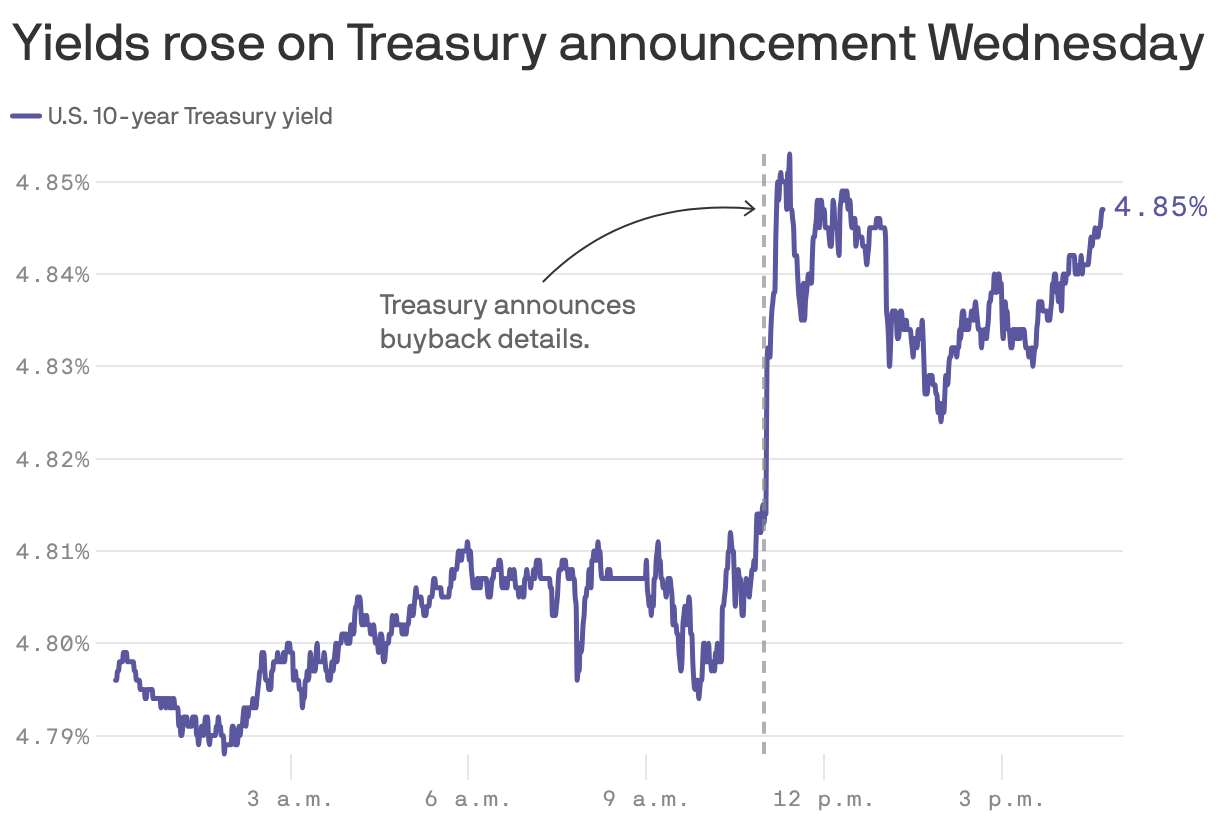
The Treasury Department failed to cow the bond market Wednesday with its amped-up buyback announcement, as rates still rose.
Why it matters: The reaction suggests that Treasury Secretary Scott Bessent's unusual showdown with the markets could itself add to upward pressure on interest rates — precisely the opposite of what most think he's trying to achieve.

Trump makes a familiar promise: $5,000 checks for everyone
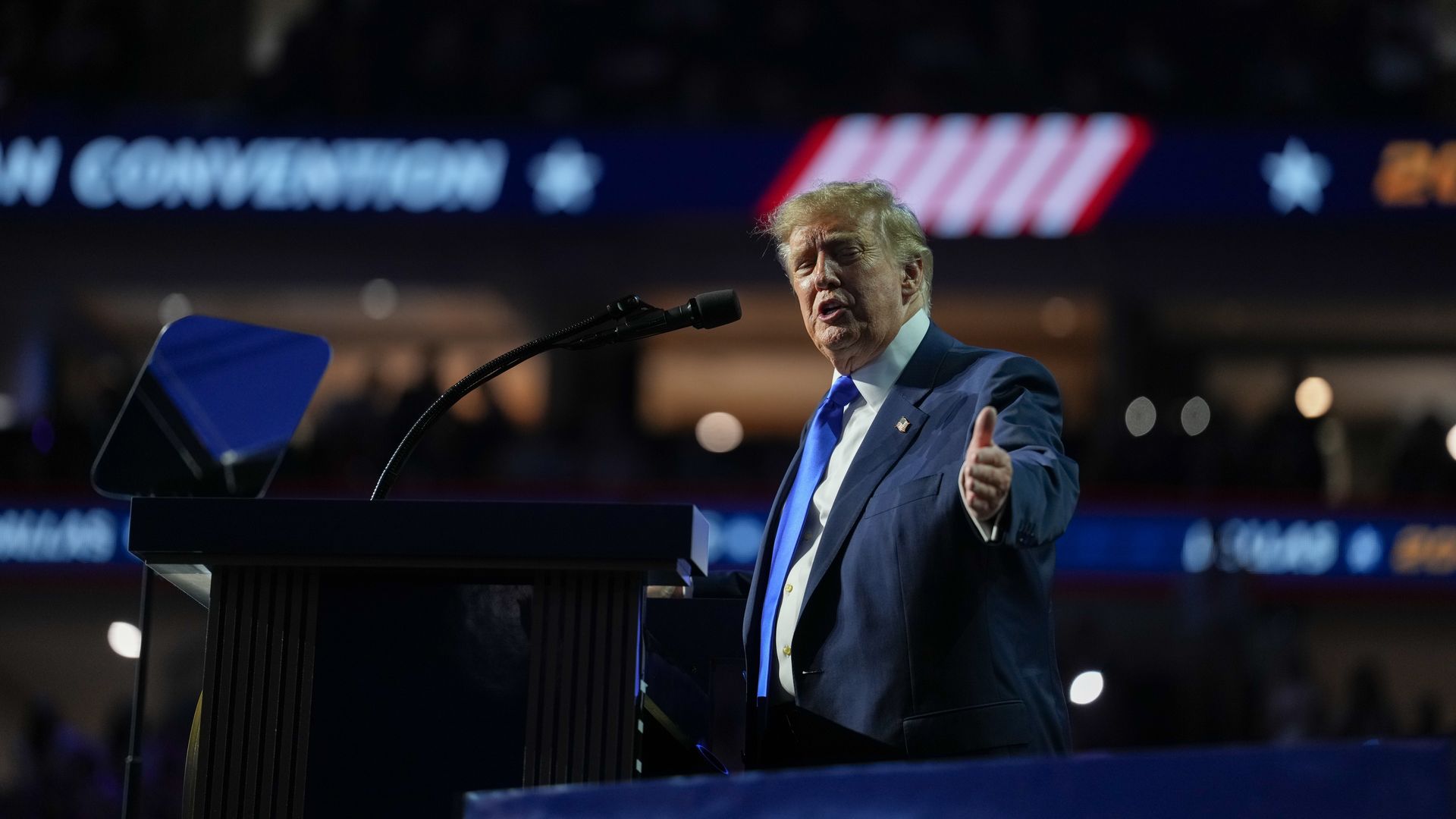
President Trump is promising $5,000 checks for every adult U.S. citizen if Republicans retain control of Congress in the upcoming midterm election.
Why it matters: He's made similar suggestions before, many times, none of which ever came to pass.


Energy Department hikes 2027 diesel price outlook
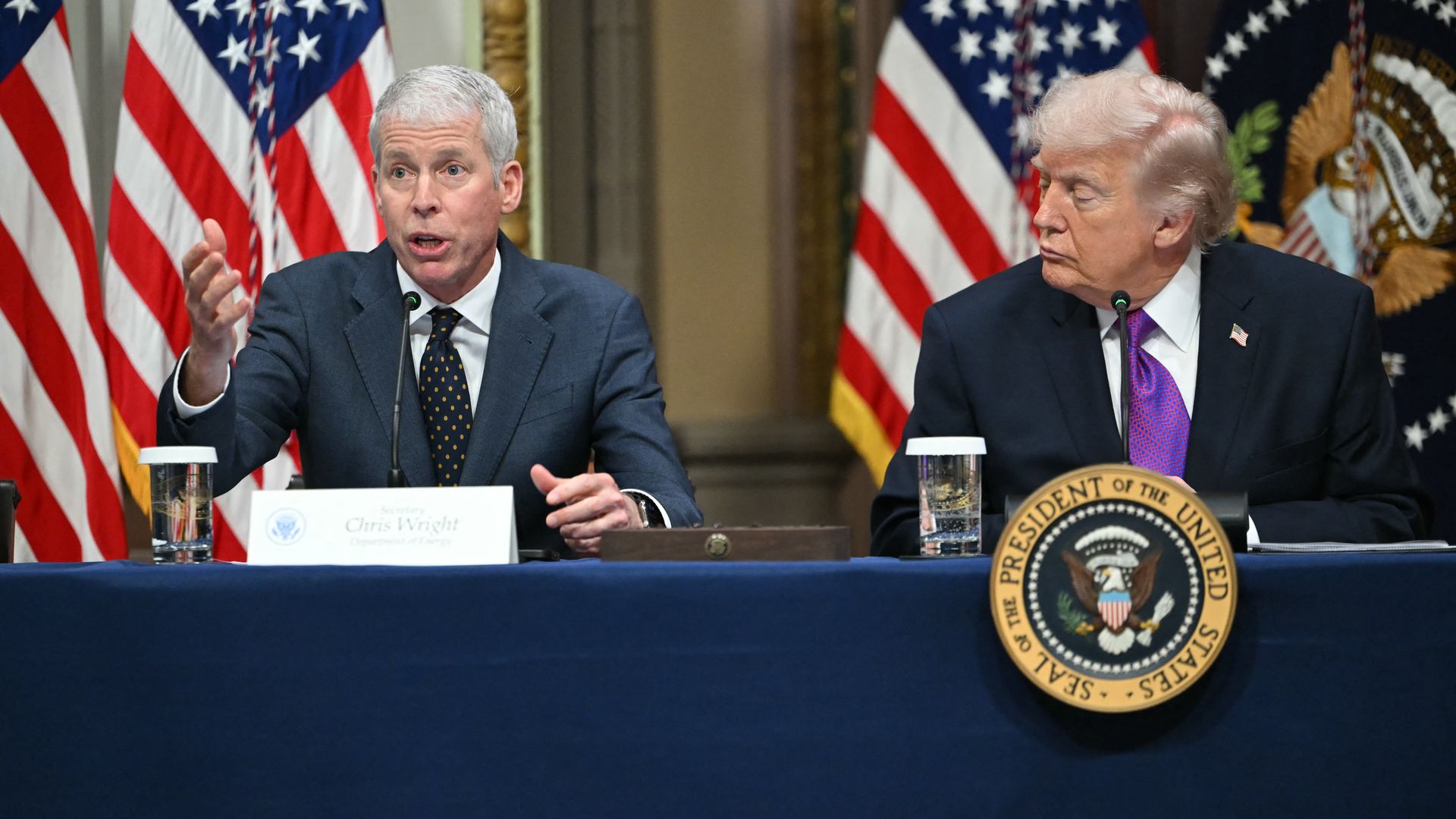
The Energy Department's statistics arm on Wednesday sharply raised its forecast for U.S. diesel prices next year as tight global supplies keep domestic inventories unusually low.
Why it matters: The outlook suggests Americans could face elevated fuel costs well into 2027, as President Trump acknowledged Wednesday that oil prices may not fall until after November's midterm elections.
Fed's interest rate decision may come down to hair-splitting inflation data
It looks like a jump ball as to whether the Fed will raise interest rates at a meeting concluding a week from today — and the decision may hinge on a few hundredths of a percent of a single month's inflation data.
The big picture: This is the opposite of what chairman Kevin Warsh wants. He has long criticized the Fed's proclivity for fine-tuning policy based on the smallest blips in economic data.
- But in the absence of a persuasive, fully developed alternative framework for setting monetary policy, much of the Federal Open Market Committee seems to be focused on parsing the numbers.
- As such, two August inflation reports on tap this week could tip the decision on whether to hike rates or not.
State of play: The Labor Department will release the August Producer Price Index tomorrow and the Consumer Price Index on Friday.
- Analysts can crunch those numbers to arrive at a good estimate of where the Fed's preferred inflation measure — the Personal Consumption Expenditures Price Index — will land when it is announced Sept. 30.
- If the month-over-month core PCE inflation number is on track to be 0.2% or lower, it would suggest that inflation is falling toward the Fed's target. If it is 0.3% or higher, it implies a worrying re-acceleration. If it's somewhere in between, well, that's where things get interesting.
- A 0.2% monthly inflation rate, sustained for a full year, would translate to 2.43% annual inflation, while 0.3% works out to 3.66%. (It would take 12 months of 0.165% monthly inflation to achieve the Fed's 2% target.)
Zoom in: This has Fed watchers turning to extraordinarily granular detail of how this week's numbers will map onto PCE inflation, and in turn how various levels of August PCE inflation are likely to shape Fed policymakers' debate this coming Tuesday and Wednesday.
- Deutsche Bank economists led by Matthew Luzzetti published an elaborate table last week with their best guess on the policy stance of each of the 18 non-Warsh members of the Federal Open Market Committee in the event that August inflation looks to be 0.19% or lower, 0.2-0.24% and 0.25% or higher.
- "To give you a sense of how close call the September rate hike decision is, my team is operating on 1000th decimal points for our [PCE] inflation forecasts," wrote Bloomberg chief U.S. economist Anna Wong on X last week.
- "This precision is ludicrous," writes Krishna Guha at Evercore ISI in a note, "but for what it is worth," he sees a reading of 0.21 or 0.22% (or lower) as favoring a hold on interest rates, while 0.23 or 0.24% "could well go to a hike."
Of note: The government is tweaking the calculation method for some components of PCE inflation, including portfolio management fees, at the end of the month, another factor for modelers to grapple with.
Reality check: A frequent criticism that Warsh made of the 2010s-era Fed was that it got overly worked up over false precision. Officials fretted that inflation was undershooting the 2% target because it was routinely coming in around 1.8%.
- That looks downright sensible compared with a policy call hanging on a couple of hundredths of percent of one month's projected data.

High gas prices revving up EV interest
Fifty-six percent of drivers say gas prices have raised their interest in EVs, according to HERE Technologies and SBD Automotive's annual survey.
Why it matters: As gas prices remain high, drivers increasingly see EVs as a way to save money.

Entrepreneurs could hold the key to Tesla's Cybercab plans

Tesla's traditional do-it-yourself instinct could be tested by its nationwide robotaxi ambitions.
The big picture: Manufacturing self-driving taxis is one thing. Financing, parking, charging, cleaning and maintaining enough of them to blanket the country is another — and Tesla is signaling that it might want entrepreneurs to help shoulder the load.
New research sketches out how AI might reshape the economy


New research from Anthropic outlines radically different paths for how AI will transform the economy in the next four years.
Why it matters: In one, AI's impact resembles that of the internet. In another, its impact resembles the arrival of the internet and electricity at once, while the most extreme AI economic scenario has no historical precedent.
Home heating oil bills are rising
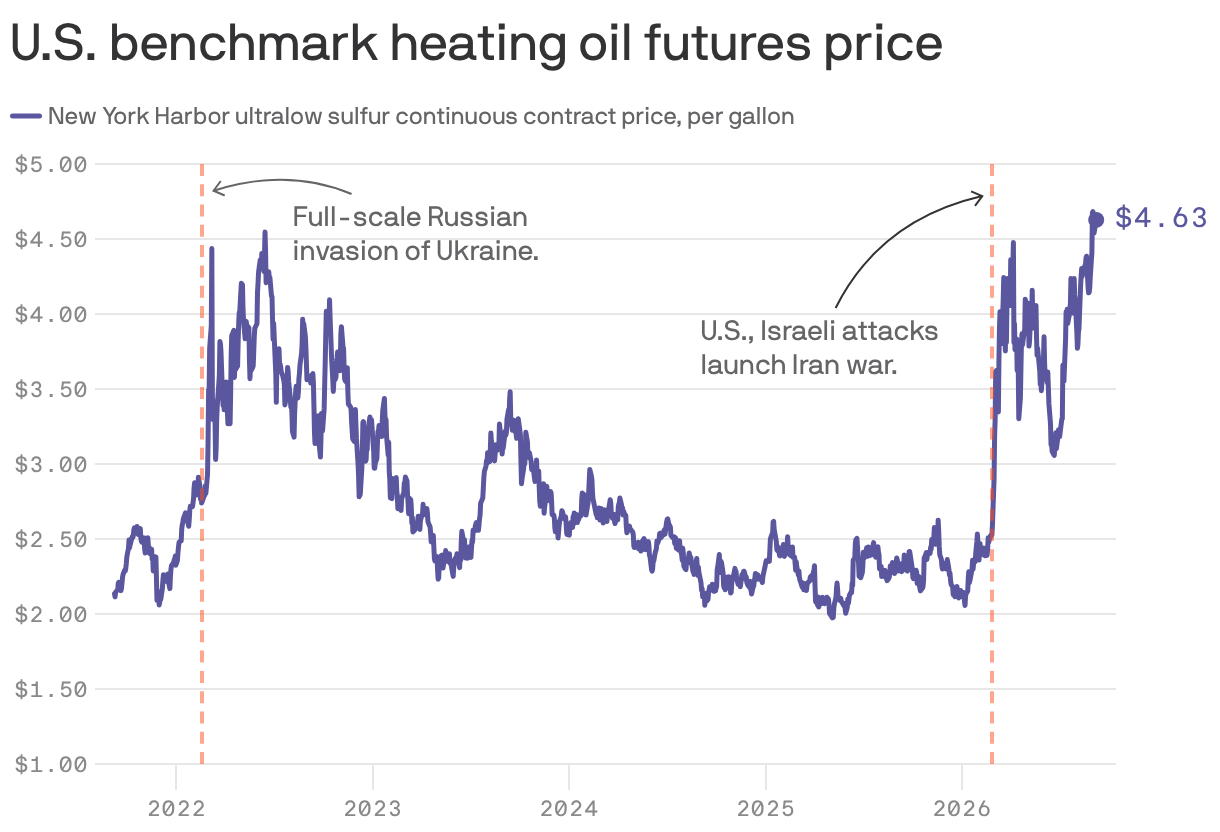
Home heating oil bills are likely to be massive this winter in the Northeast — and as one such homeowner, I am terrified.
Why it matters: Beyond my ability to keep my daughter and dog alive through the long, dark suburban winter, the looming shadow of the oil delivery truck underscores the costs consumers are bearing as a result of parallel wars in Iran and Ukraine.
- U.S. gasoline prices averaged $4.15 for a gallon of regular on Tuesday, according to AAA.
- Diesel hit an all-time high price of $5.90 a gallon on Monday and stayed there on Tuesday.

Tariff worries drive copper prices to record high


Copper is trading at an all-time high.
Why it matters: A rise in the metal's price usually serves as an informal gauge of global economic growth, but right now Doctor Copper's diagnosis is muddled by U.S. tariffs and other supply issues.
Scoop: Best states for EV charging
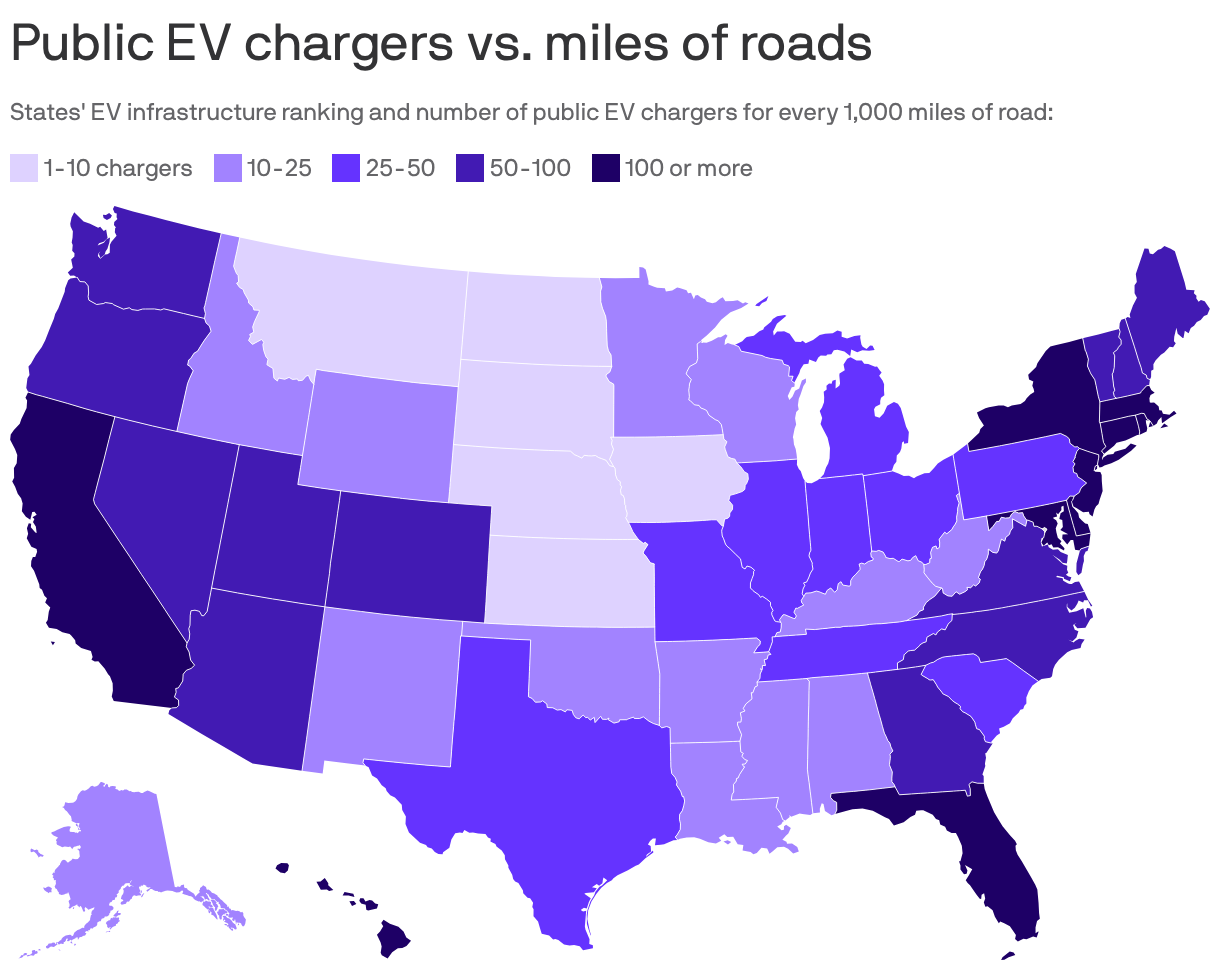
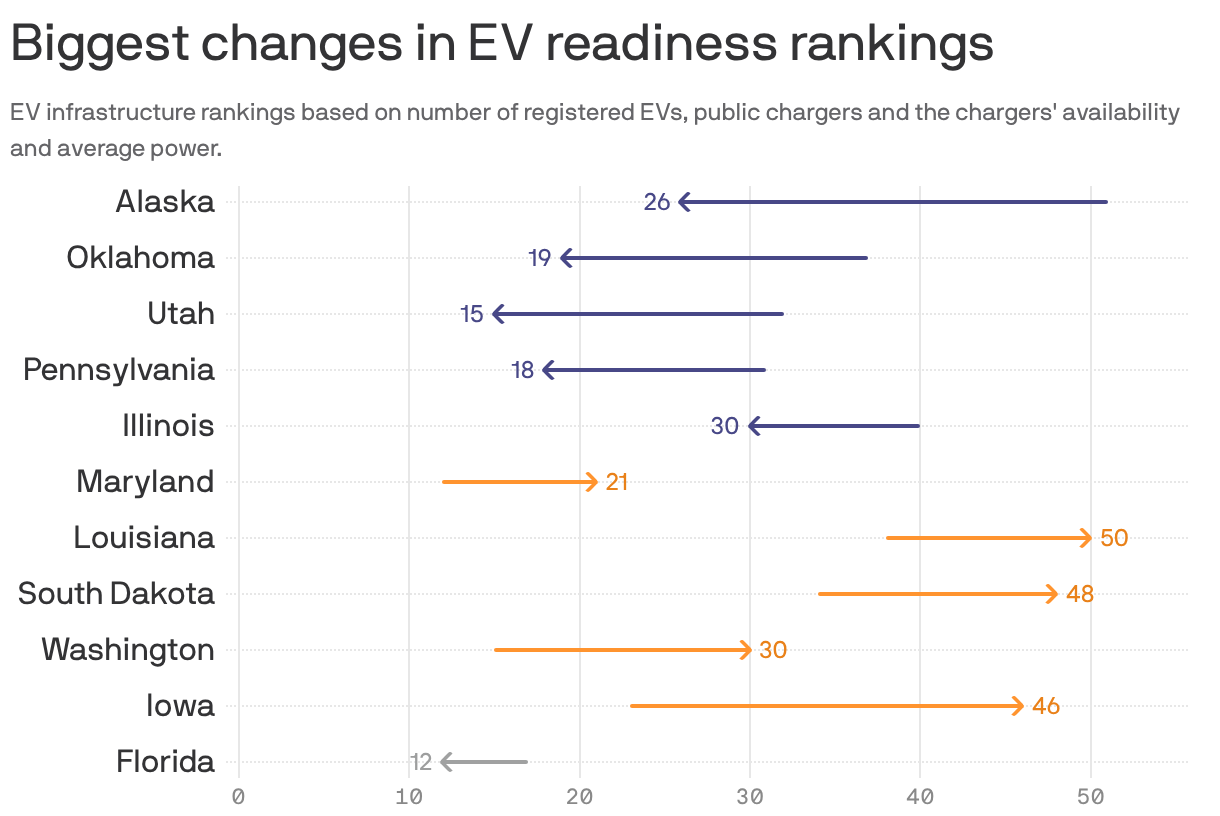
The chances of finding a public EV charger are much better in the Northeast compared to the Great Plains.
Why it matters: While U.S. public charging options grew 13% since last year, that growth hasn't been evenly distributed, according to HERE Technologies and SBD Automotive's annual ranking.