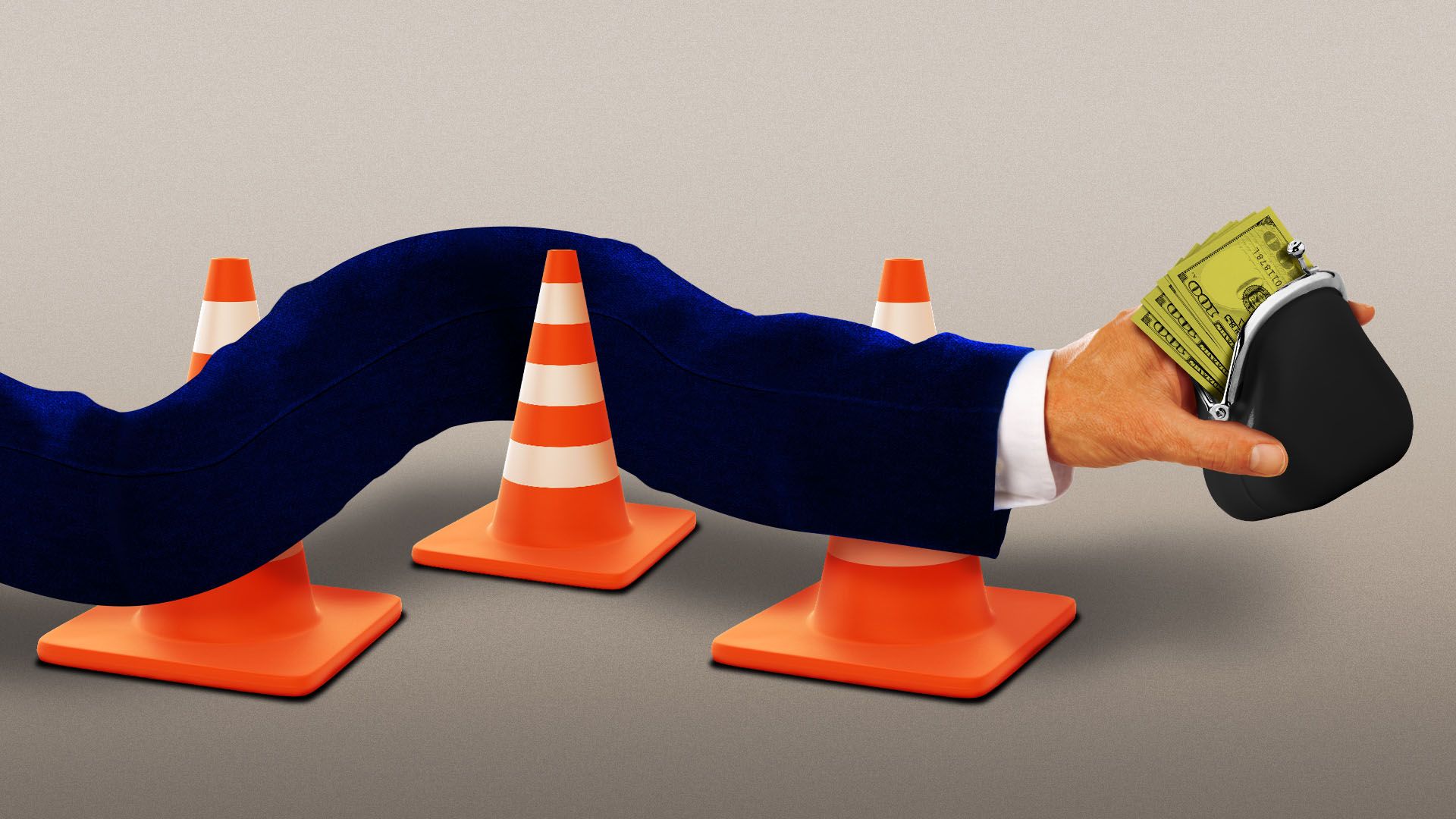
The Trump administration moved faster than anyone expected to build a system to repay businesses billions of dollars in tariffs. Now, the president is warning companies not to use it.
Why it matters: Businesses face an especially tricky quandary: On the one hand, consumers and some lawmakers are calling on them to pass down refunds to their customers. On the other, there's now political pressure not to seek refunds at all.
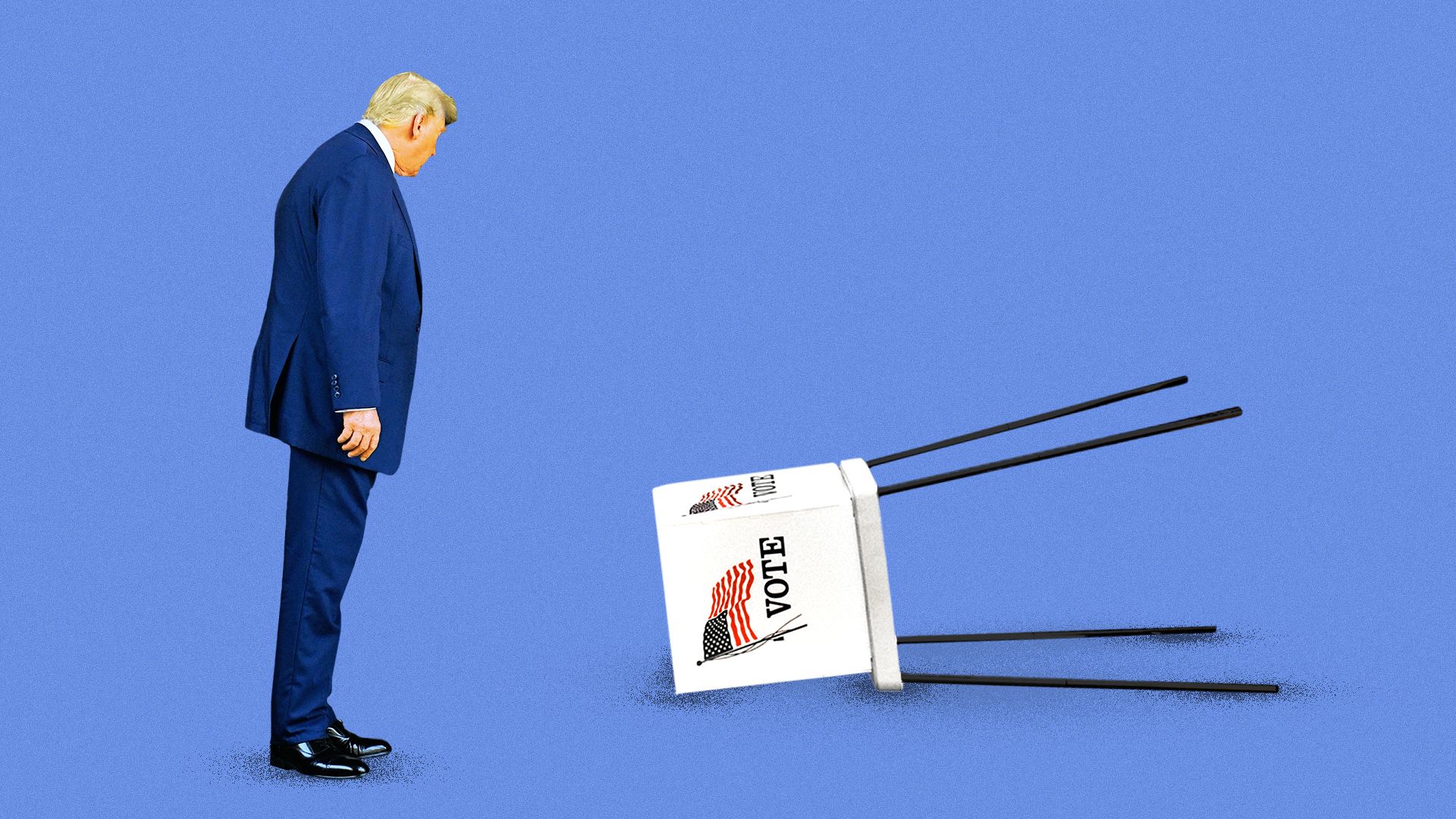
President Trump is governing like a man who will never face voters again, mortgaging his party's future on promises he won't be around to keep.
Why it matters: Trump's approval has plunged to a second-term low. His signature bets — tariffs, the war in Iran, redistricting — are curdling into long-term liabilities the GOP could carry long past November.
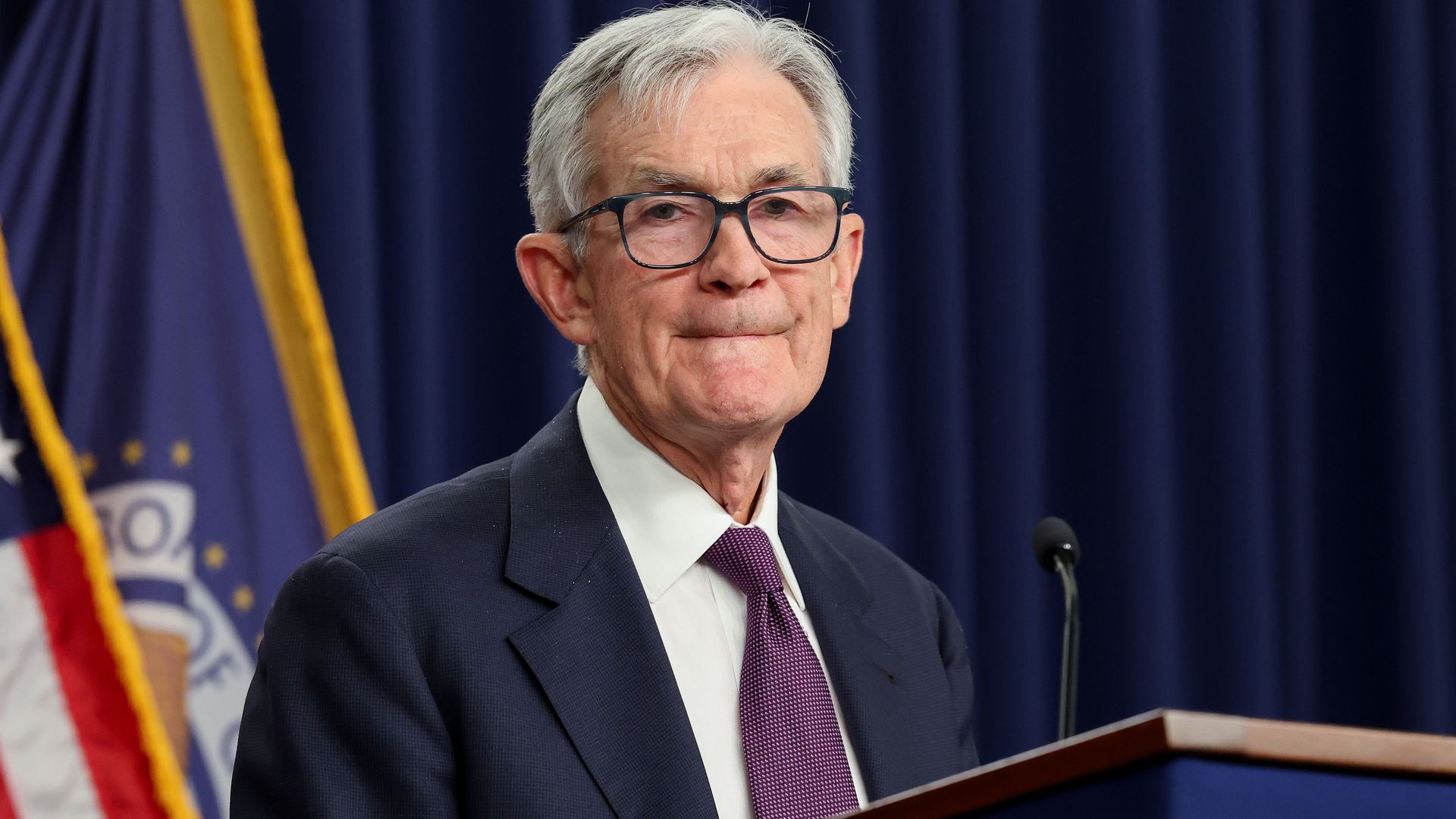
The Department of Justice said Friday it will drop a criminal probe into Federal Reserve chair Jerome Powell, a sharp pivot in an unprecedented investigation into the nation's top central banker.
Why it matters: It opens the path for President Trump's pick to lead the Fed, Kevin Warsh, to be confirmed to the post after a standoff with Sen. Thom Tillis (R-N.C.), who blocked confirmation until the investigation was closed.
If the United States gets into the business of providing dollar liquidity to the United Arab Emirates and other Persian Gulf states battered by the Strait of Hormuz's closure, it will amount to a novel use of an old power.
The big picture: The Federal Reserve used swap lines with foreign central banks as a key tool to calm global financial disruptions in periods of stress, starting in the early days of the global financial crisis in 2007. They were driven by Fed leaders' belief that dollar funding shortages worldwide risked blowing back to the U.S. banking system and economy.
The potential use to backstop Gulf states carries a more explicit geo-strategic role: seeking to reward and bolster key allies in the region.
Economists and analysts say that AI in the long term will make the economy more productive — we'll get more done in less time, and that might even keep inflation in check.
Why it matters: It's a long complicated road to get to that fairy-tale ending. In the short term, AI is actually increasing inflation modestly at a time of more urgent inflationary pressures like war.
Persian Gulf countries like the United Arab Emirates have plenty of dollars, yet they're asking the U.S. for access to more — via what's called swap lines — and the Trump administration seems open to the idea.
Why it matters: The asks are less about finances and more about politics — a sign of how the U.S. is trying to maintain dollar dominance amid a changing geopolitical backdrop.