Chicken is winning the protein wars

Add Axios as your preferred source to
see more of our stories on Google.
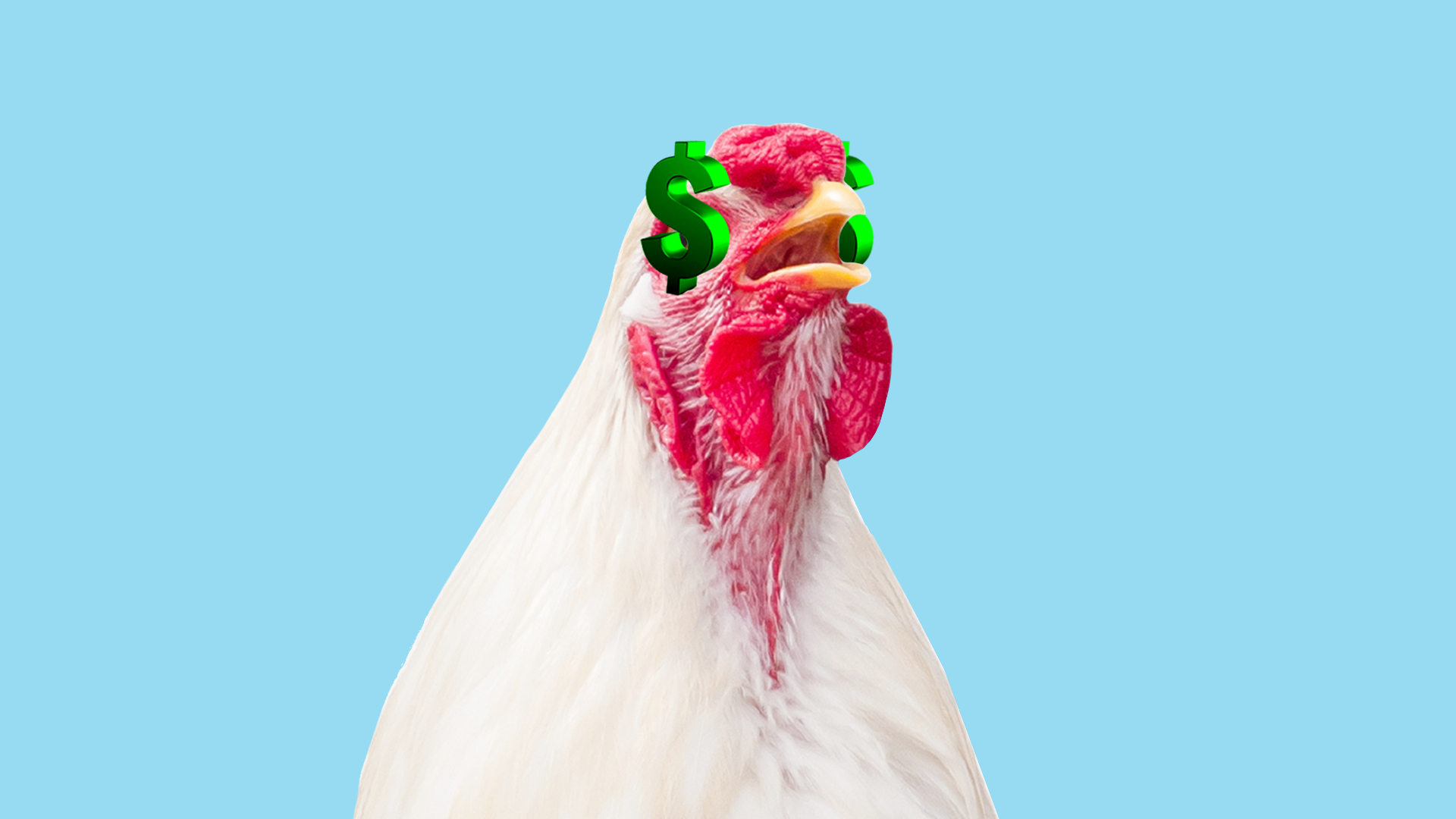
Illustration: Rebecca Zisser/Axios
Chicken may be the surprise winner of the protein craze that's driven an explosion of protein powders and amino-acid enhanced foods.
Why it matters: Private equity firms are finding opportunities in that trend, especially amid sustained high beef prices.
- "In the 90s and 2000s, it always felt like chicken was secondary," says private equity firm Kingswood Capital Management partner Andrew Kovach. "Now chicken is the main event ... that has a lot to do with the pricing of the protein, and it being viewed as healthier."
Catch up quick: Just last week, Kingswood invested in Soulshine Farms, a poultry-processing company that prepares the fowls for quick-service restaurants, including Raising Canes.
- Several chicken QSRs are experiencing a renaissance, and last year saw Roark Capital invest in Dave's Hot last year, valuing it at $1 billion. McDonald's is also focusing on chicken, citing its fast growth compared to beef.
- KKR agreed to acquire Australian broiler chicken grower ProTen, for $856 million, Warburg Pincus agreed to invest up to $1 billion in Global Eggs, Cargill and Continental Grain-backed Wayne-Sanderson Farms acquired Harrison Poultry, and TowerBrook acquired Chicken sausage maker Amylu last summer.
Between the lines: Direct poultry deals remain rare, in part because private equity firms dislike direct commodity price exposure. The farm space, meanwhile, is heavily concentrated.
The big picture: The rise in GLPs means consumers are now more precious with their calories. Chicken breast, in particular, is considered one of the best bang-for-buck proteins.
- The USDA says chicken consumption has seen the strongest growth among the animal proteins in the last few years.
- Meat, poultry, and eggs are still by far the most consumed proteins, according to the IFIC.
- This also all comes amid a surge in beef and whey prices — the most commonly used additive for protein supplements.
- Shares of Bellring Brands, which owns Premier Protein, are down some 78% over the last year in part due to those higher costs, and due difficulties differentiating among protein powder makers.
The bottom line: New-fangled companies are experiencing faster growth by injecting protein into foods previously considered protein-poor. But chickens remain king.
