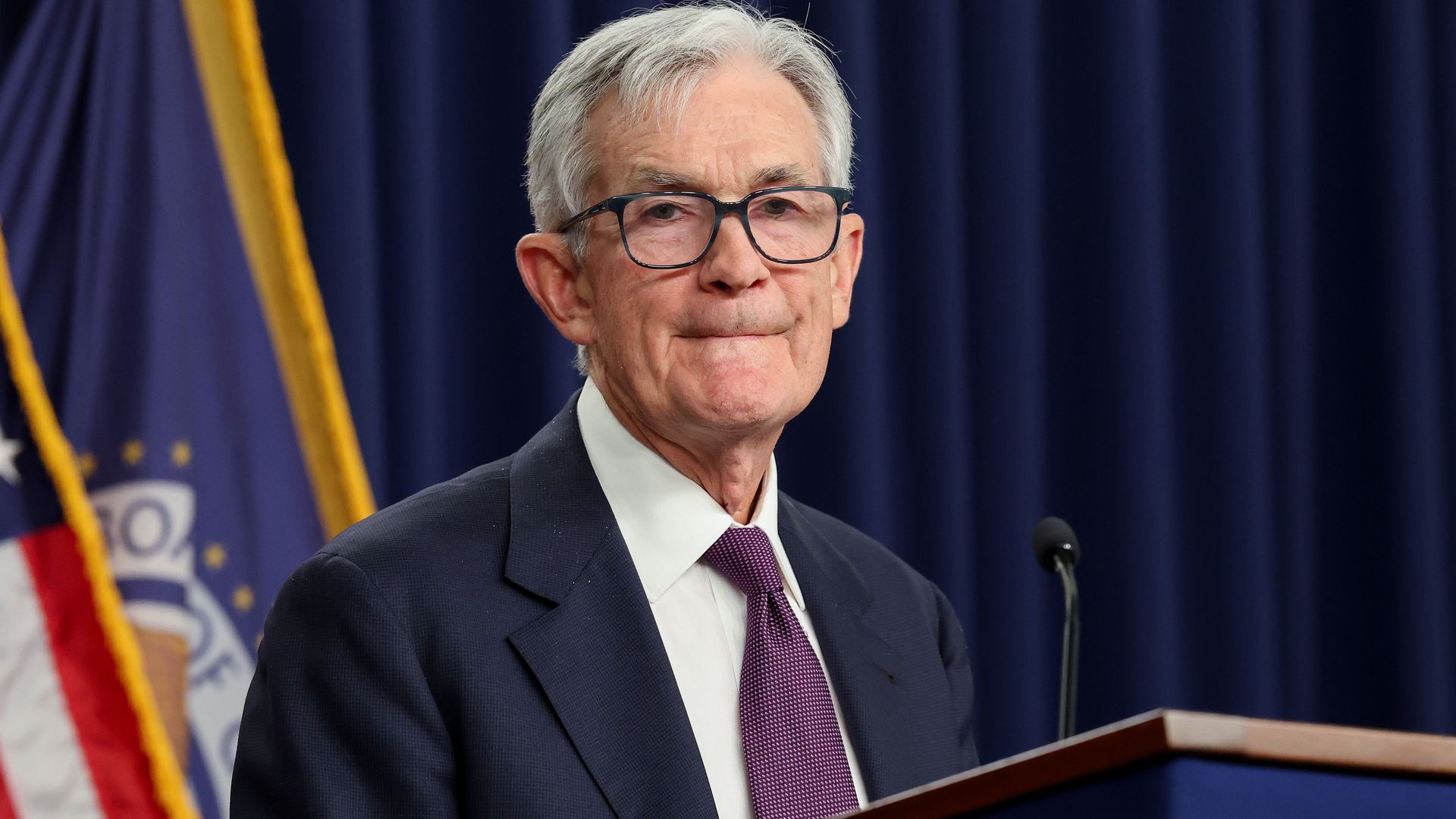
The Department of Justice said Friday it will drop a criminal probe into Federal Reserve chair Jerome Powell, a sharp pivot in an unprecedented investigation into the nation's top central banker.
Why it matters: It opens the path for President Trump's pick to lead the Fed, Kevin Warsh, to be confirmed to the post after a standoff with Sen. Thom Tillis (R-N.C.), who blocked confirmation until the investigation was closed.
If the United States gets into the business of providing dollar liquidity to the United Arab Emirates and other Persian Gulf states battered by the Strait of Hormuz's closure, it will amount to a novel use of an old power.
The big picture: The Federal Reserve used swap lines with foreign central banks as a key tool to calm global financial disruptions in periods of stress, starting in the early days of the global financial crisis in 2007. They were driven by Fed leaders' belief that dollar funding shortages worldwide risked blowing back to the U.S. banking system and economy.
The potential use to backstop Gulf states carries a more explicit geo-strategic role: seeking to reward and bolster key allies in the region.
Economists and analysts say that AI in the long term will make the economy more productive — we'll get more done in less time, and that might even keep inflation in check.
Why it matters: It's a long complicated road to get to that fairy-tale ending. In the short term, AI is actually increasing inflation modestly at a time of more urgent inflationary pressures like war.
Persian Gulf countries like the United Arab Emirates have plenty of dollars, yet they're asking the U.S. for access to more — via what's called swap lines — and the Trump administration seems open to the idea.
Why it matters: The asks are less about finances and more about politics — a sign of how the U.S. is trying to maintain dollar dominance amid a changing geopolitical backdrop.
Call it a CAR crash: The stock price of auto rental company Avis, whose ticker symbol is CAR, collapsed by nearly 70% over the past two days — after a run-up of more than 600%!
Why it matters: This was a wild short squeeze — investors who bet that the stock price would fall got cornered and were forced to buy their way out of a jam, driving the price even higher.
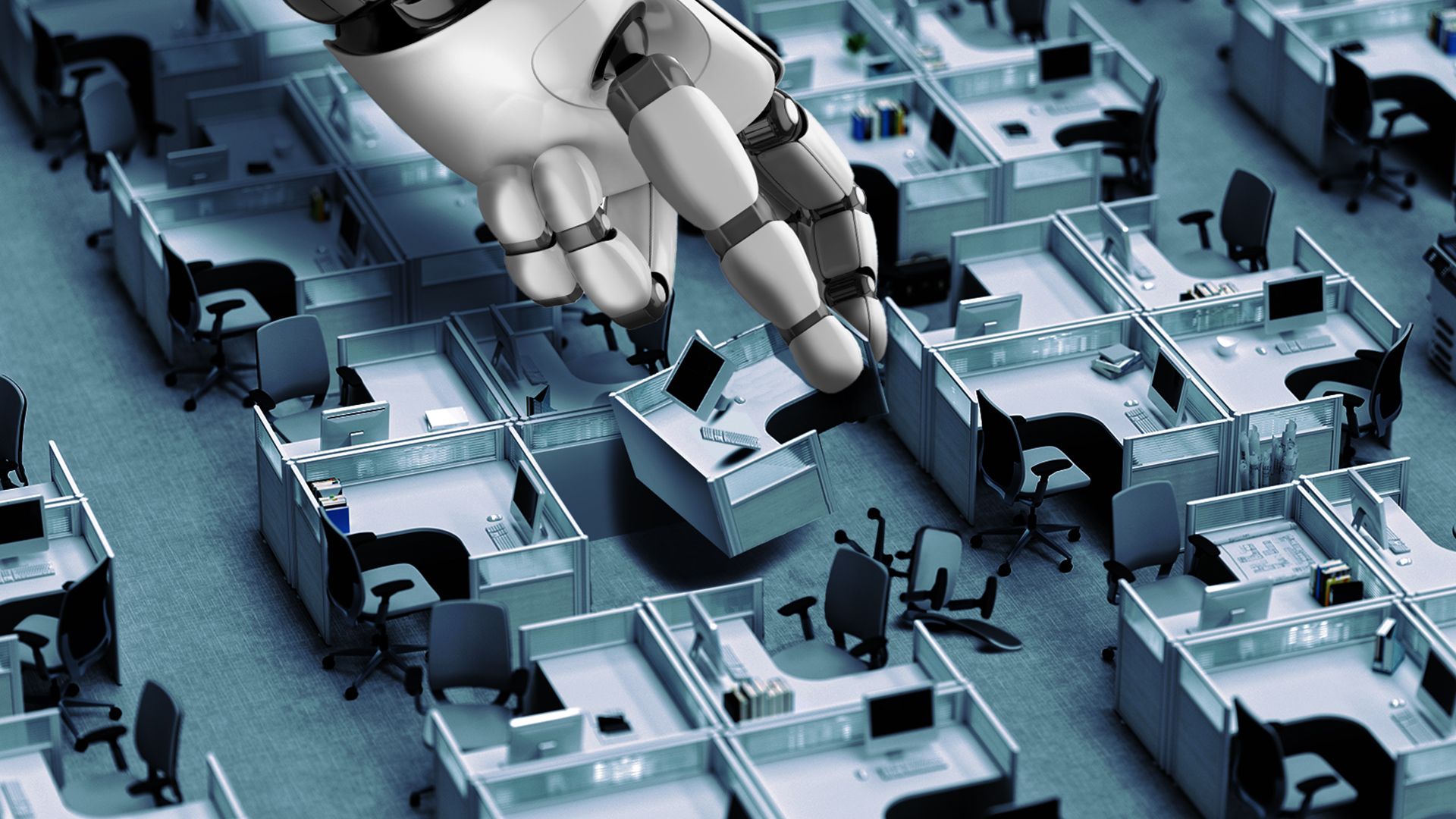
Meta told staff Thursday it plans to lay off roughly 8,000 people, or around 10% of the company, two sources confirmed to Axios.
Why it matters: The cuts underscore how soaring AI costs are pressuring even the biggest tech companies to cut jobs to protect margins and reassure investors.
Opposition to President Trump's potential Spirit Airlines bailout is mounting in Congress, including among his fellow Republicans.
Why it matters: Lawmakers from both parties are questioning whether taxpayers should rescue a repeat-bankrupt airline with an uncertain path to profitability.
President Trump on Thursday announced a drug pricing deal with Regeneron — the last of 17 manufacturers the administration pressured last year to commit to his "most favored nation" policy.
Why it matters: The deals with the other companies to lower certain drug prices are being touted as one of the administration's signature health accomplishments, though Democrats question whether the confidential arrangements are really helping consumers.
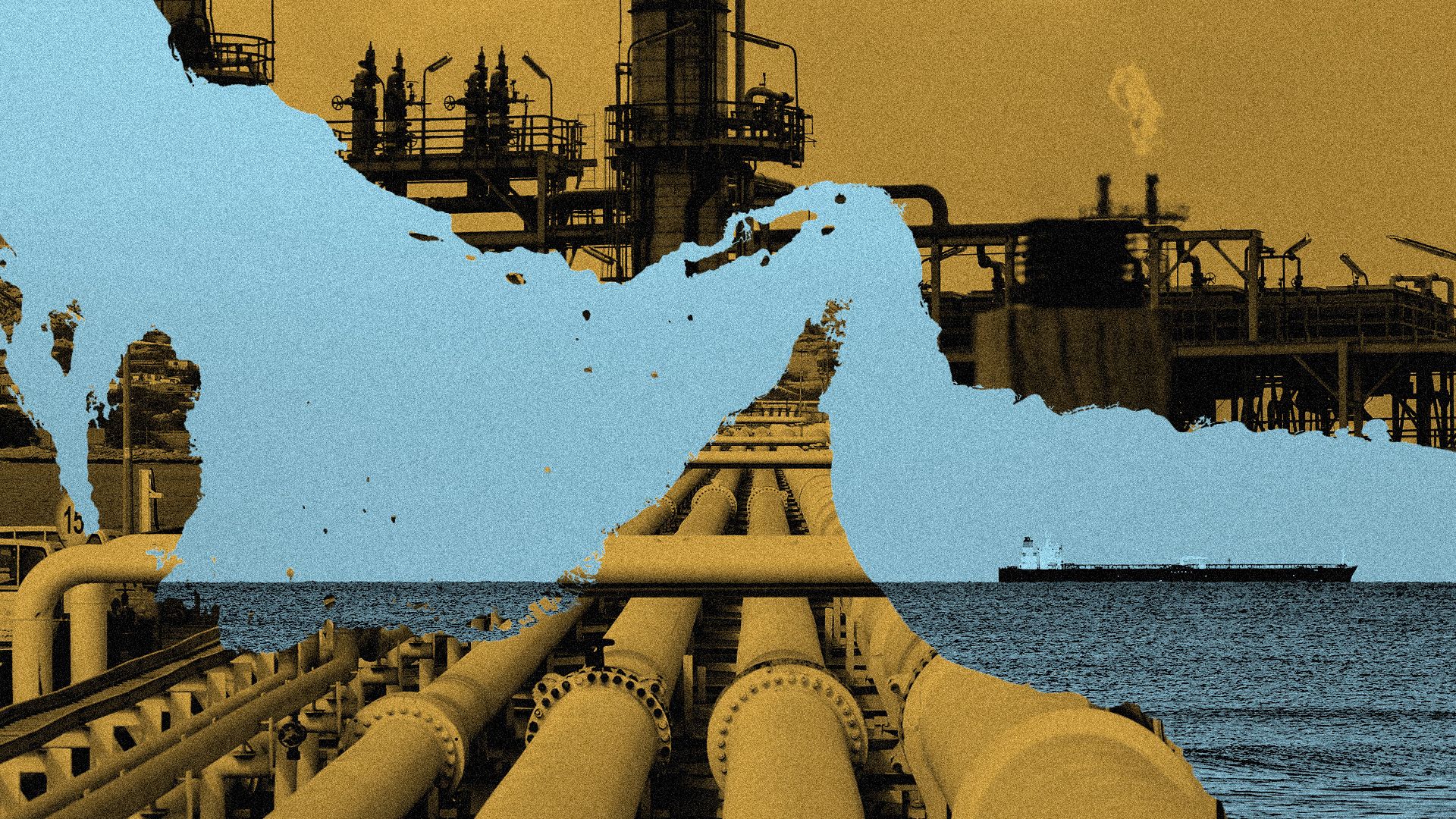
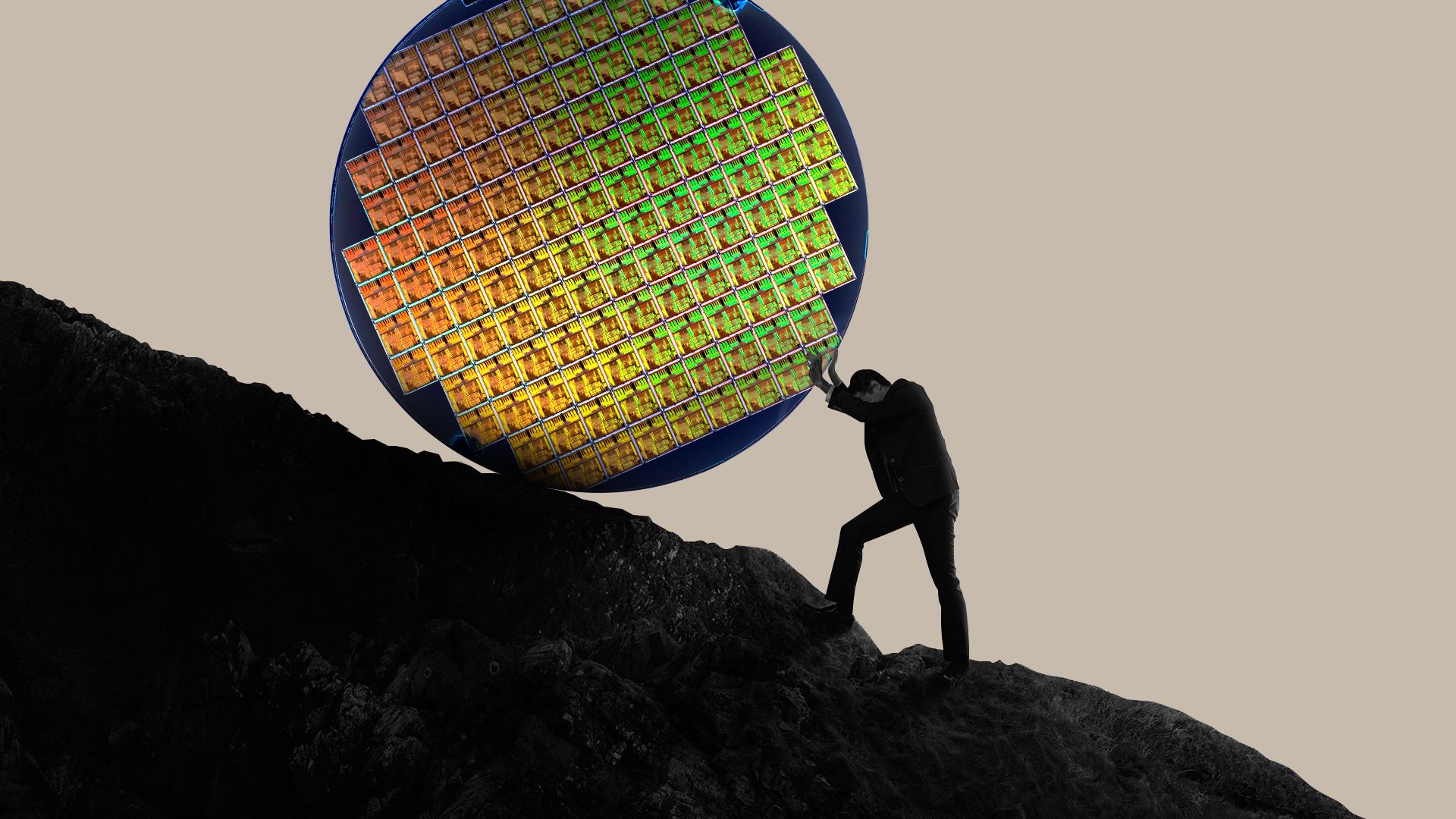
The AI economy is being constrained by the physical world: The Iran war threatens to squeeze the industrial inputs that chip manufacturers depend on, the latest confirmation that once-reliable global chokepoints are now more fragile than ever.
Why it matters: It is part of a growing pattern defining the economic conditions of the 2020s: shocks exposing the fragility of supply chains that the world took for granted.
At the start of the war, stocks fell and oil prices rose on fears of the economic fallout from a historic energy shock — now that connection is fraying.
Why it matters: It highlights a key distinction between the stock market, which frequently seems to trade on vibes and memes, and commodities markets which ultimately are tethered to real physical goods.