Warner Bros. Discovery said that Paramount Skydance raised its offer price to $31 per share from $30 and added that the updated bid "could reasonably be expected" to lead to a superior proposal.
Why it matters: It's a signal that Paramount's campaign to acquire all of WBD isn't over, potentially reigniting a bidding war with Netflix.
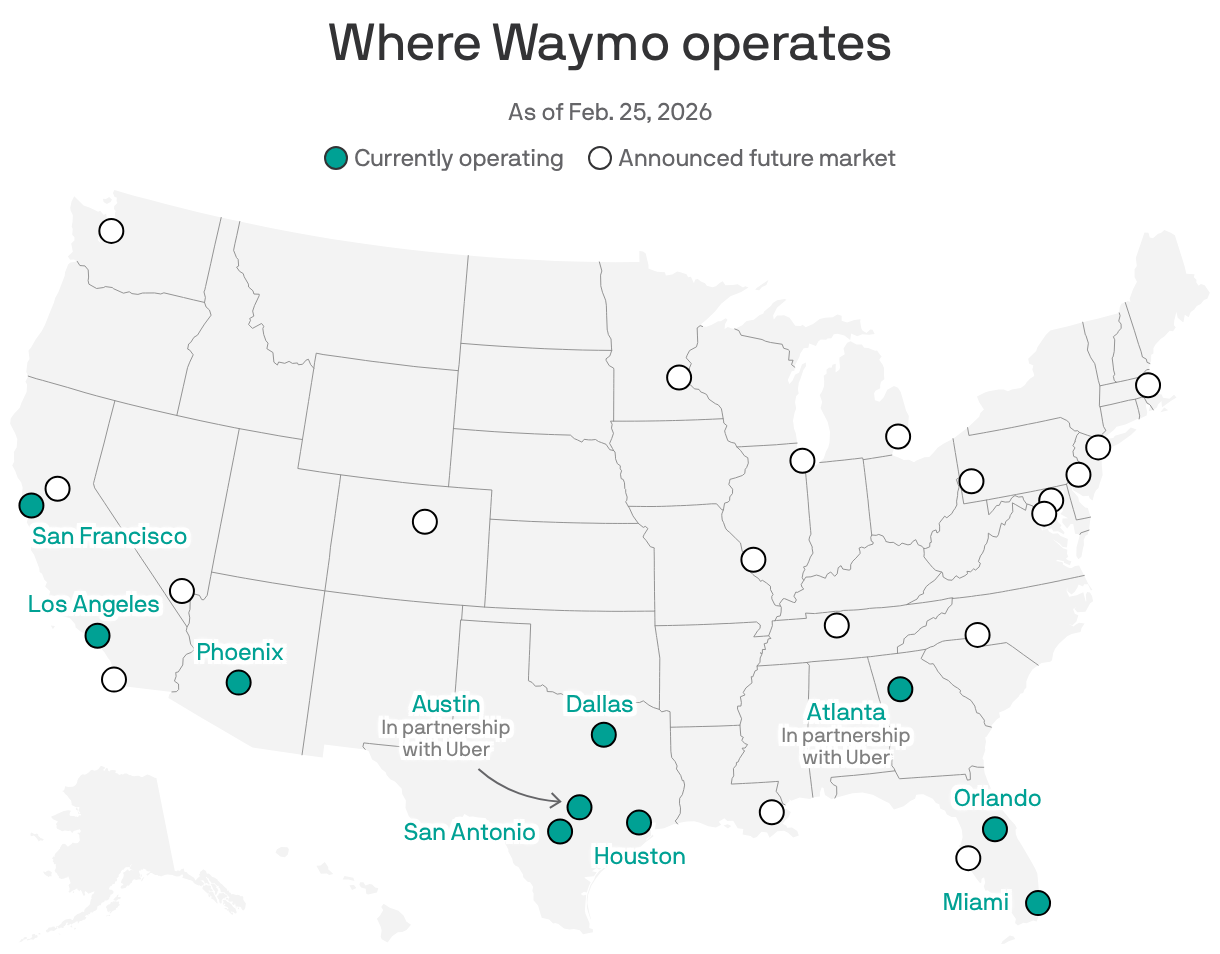
Waymo is accelerating its rollout of robotaxis in the U.S., adding four new cities in Texas and Florida this week as self-driving technology begins to penetrate mainstream America.
Why it matters: Armed with $16 billion in fresh capital from parent Alphabet and others, Waymo is quickly extending its lead over other players like Tesla and Amazon-owned Zoox, which are still mostly in testing mode.
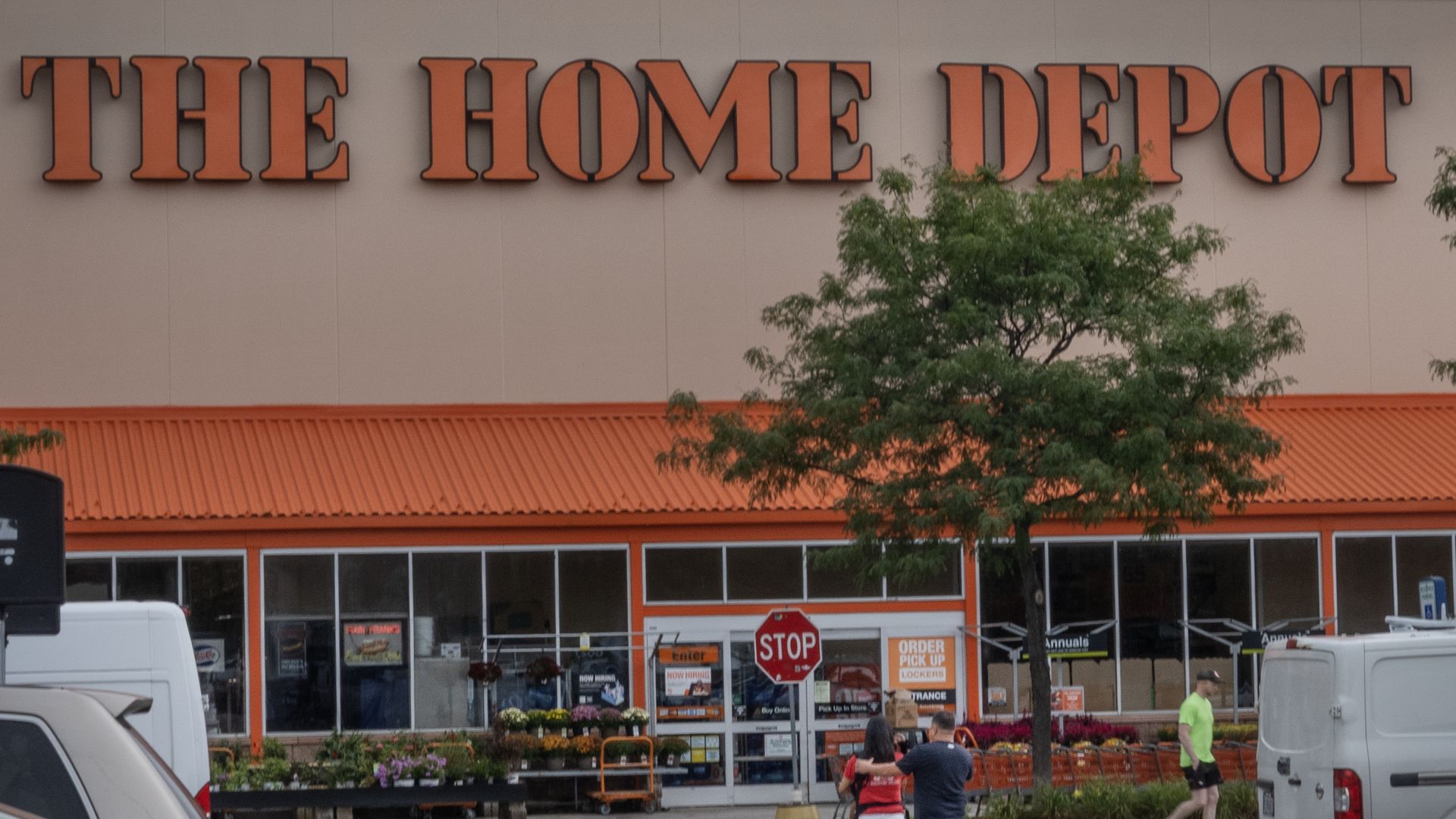
Home Depot beat expectations Tuesday, offering a mixed read on the U.S. consumer: financially resilient — but increasingly uneasy.
Why it matters: The home improvement giant serves one of the economy's strongest spending groups — middle- and upper-income homeowners — making any shift in their confidence an early read on broader consumer demand.
The anything but AI trade is catching on, as investors hunt for companies unlikely to be wiped out by an Anthropic plug-in or ChatGPT — think real things like airplanes or beer or energy.
Why it matters: It's a counter to the AI scare trade, which has been on a bender this year, steamrolling entire industries based on the flimsiest of evidence that the technology is coming for them.
The AI revolution may be upon us. But nobody knows for sure what it will mean for measures of overall economic well-being like GDP, unemployment, incomes and asset prices.
The big picture: Will super-intelligent computing unleash stunning growth in output — or will it be more like some previous big advances that created "ghost GDP" that didn't show up much in the economic statistics?
When the Supreme Court threw out the Trump administration's use of a novel emergency tool to implement tariffs Friday, the White House quickly turned to a differentnovel emergency tool — but economists and lawyers are now questioning its legality as well.
Why it matters: Goodbye, IEEPA tariffs (that would be the International Emergency Economic Powers Act). Hello, Section 122 of the Trade Act of 1974. But the new tool comes with its own questions and limitations.
The shopping center along the NY-347/25A corridor outside Port Jefferson is getting a makeover — including a new Whole Foods — and a new name.
Here's the deal: Regency Centers, a national retail developer, acquired the former Mount Sinai Shopping Center in January and is redeveloping it as Crystal Brook Corner, a cohesive daily-needs destination.
Why it matters: Survival tactics of the past few years — higher prices and delivery expansion — are losing effectiveness, leading operators to reset the math.
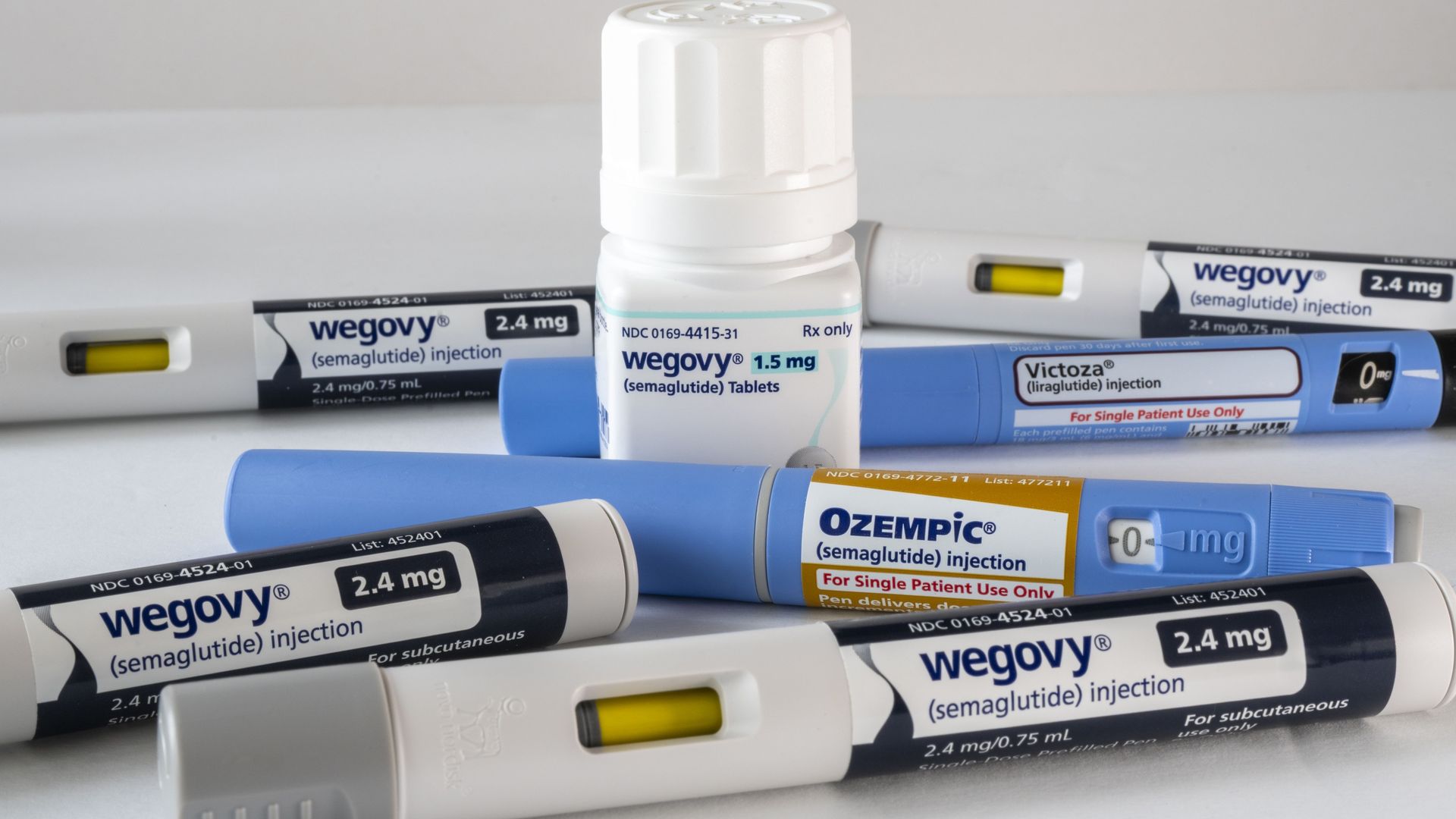
The punches keep coming for Novo Nordisk in its bout with Eli Lilly for weight-loss drug supremacy.
Why it matters: Novo was the early GLP-1 leader — so dominant that its diabetes drug Ozempic became shorthand for the class — but Lilly has pulled ahead in what has quickly become one of pharma's richest battlegrounds.
DAVOS, Switzerland — C-suite leaders of multiple American businesses said long-term resilience will require balancing strategic generative AI usage with the needs of American workers.
Why it matters: The geopolitical order is changing, and strategies around supporting employees, improving stateside workflows, and bolstering community relationships can determine whether organizations remain competitive.
Axios' Kate Marino moderated the Jan. 20 Expert Voices roundtable, which was sponsored by Philip Morris International U.S. under Chatham House rules.
Inside the room: Here are five takeaways from the conversation…
1. Relying exclusively on AI has risks. It remains crucial to invest in physical infrastructure, put energy toward the human workforce, and give back to the community.
2. People come first. Offering union roles with health care, benefits, and fair wages while offering growth and mobility opportunities within an organization is a clear motivator and helps build a mutually beneficial future.
3. Consider the world of tomorrow. To compete, the U.S. needs to improve systems from within — infrastructure, the supply chain, and, yes, technology.
4. Acknowledge the tension. There is a strain between wealth creation and broad prosperity, especially as the cost of living rises and wages remain stagnant.
5. Remember American values: Don't steal, don't cheat, and don't lie. Treat those around you with dignity. Think about the company's commitment to those it serves.
A message from the sponsor:
Philip Morris International's U.S. businesses (PMI U.S.) are committed to being invested in America — in its manufacturing, innovation, and communities.
The business noted it is driving public health advances with smoke-free alternatives as well as prioritizing manufacturing, job creation and community impact, having invested, since 2022, more than $1 billion in U.S. manufacturing, operational capabilities and people costs (through September 30, 2025).
Over the three days since the Supreme Court struck down most of President Trump tariffs, there's been plenty of confusion. But here's one certainty amid the noise.
The hill to Shein's IPO is just as steep as it was a year ago.
Threat level: In hard-hit areas, travel will be "extremely treacherous," forecasters say, and some leaders are restricting it. Meanwhile,more than half a million customers in Massachusetts, New Jersey, Delaware and Rhode Island are without power.
A manic new phase of the AI boom is sweeping through Silicon Valley, powered by autonomous "agents" capable of liquefying weeks of manual labor into minutes.
Why it matters: For now, the frenzy is largely confined to software engineering. But inside that bubble, the shift feels seismic — deepening the gulf between AI builders and bystanders.
President Trump lost an economic tool that destroyed the norms of global trade. But the new era that he had launched with it is likely here to stay.
Why it matters: The U.S. can no longer credibly wield a threat of instant, triple-digit tariffs to get the world to do what it wants.
But Trump — and perhaps future administrations — are expected to use trade more as a go-to tool, even if the means to do so are slower and more blunted than before. The rest of the world has already started to adjust accordingly.
Mexican security forces killed Nemesio Rubén Oseguera Cervantes, the country's most-wanted drug lord, following information from the U.S. that assisted in Sunday's operation, the Trump administration and Mexico's defense ministry said.
Why it matters: President Trump has for months pressed Mexican officials to target drug cartels and the U.S. had offered a reward of up to $15 million for information leading to the arrest of Oseguera Cervantes, known as "El Mencho," who led the Jalisco New Generation Cartel (CJNG) — a designated terrorist organization in the United States.