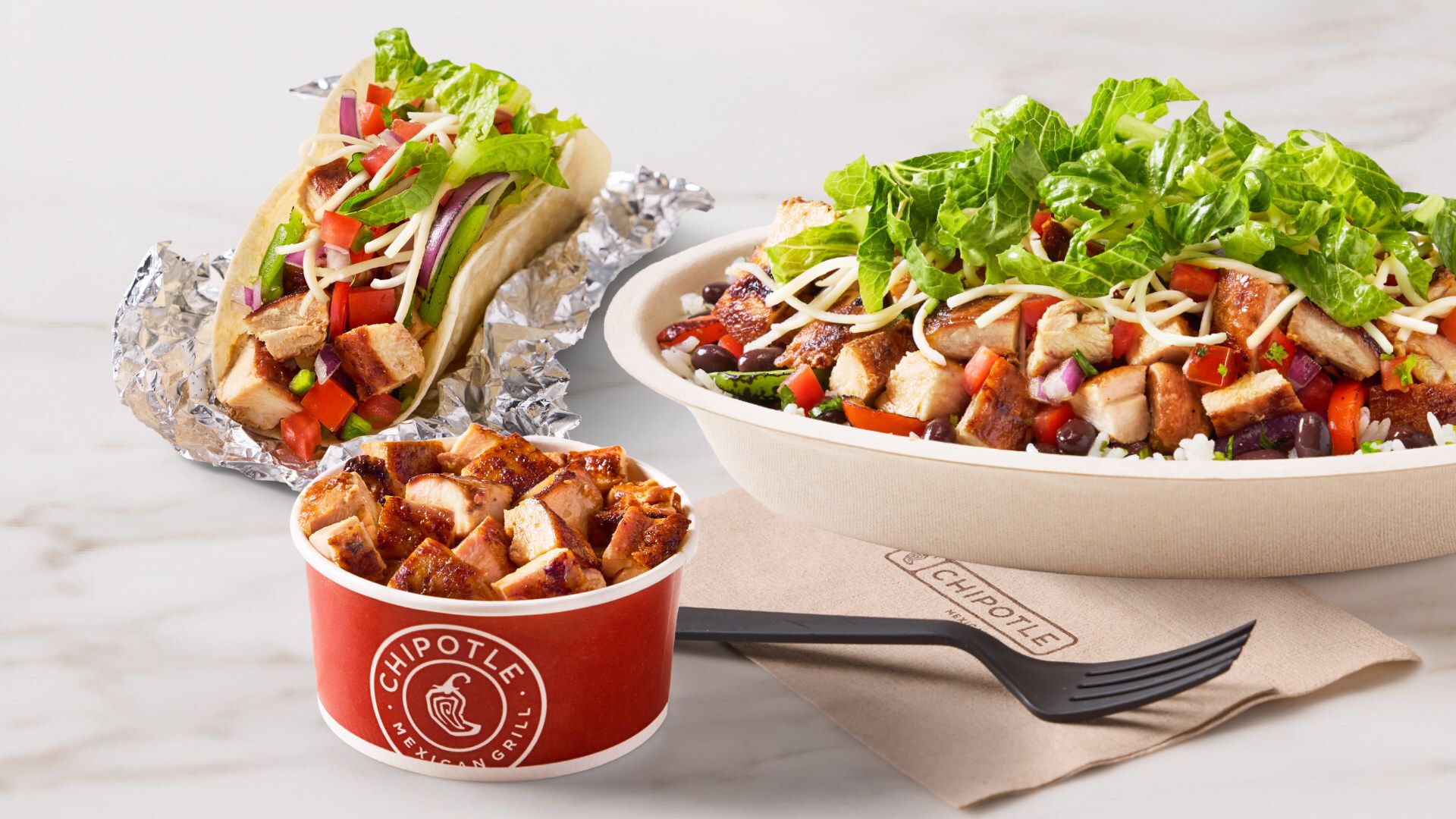
Chipotle is rolling out its first-ever High Protein Menu — and it's tying the launch to the rise of GLP-1 weight-loss drugs and a broader focus on macronutrients.
Why it matters: The fast-casual chain is stepping into territory most major restaurant brands have avoided — directly acknowledging how GLP-1 drugs like Ozempic and Zepbound are reshaping how Americans eat, signaling the messaging is going mainstream.
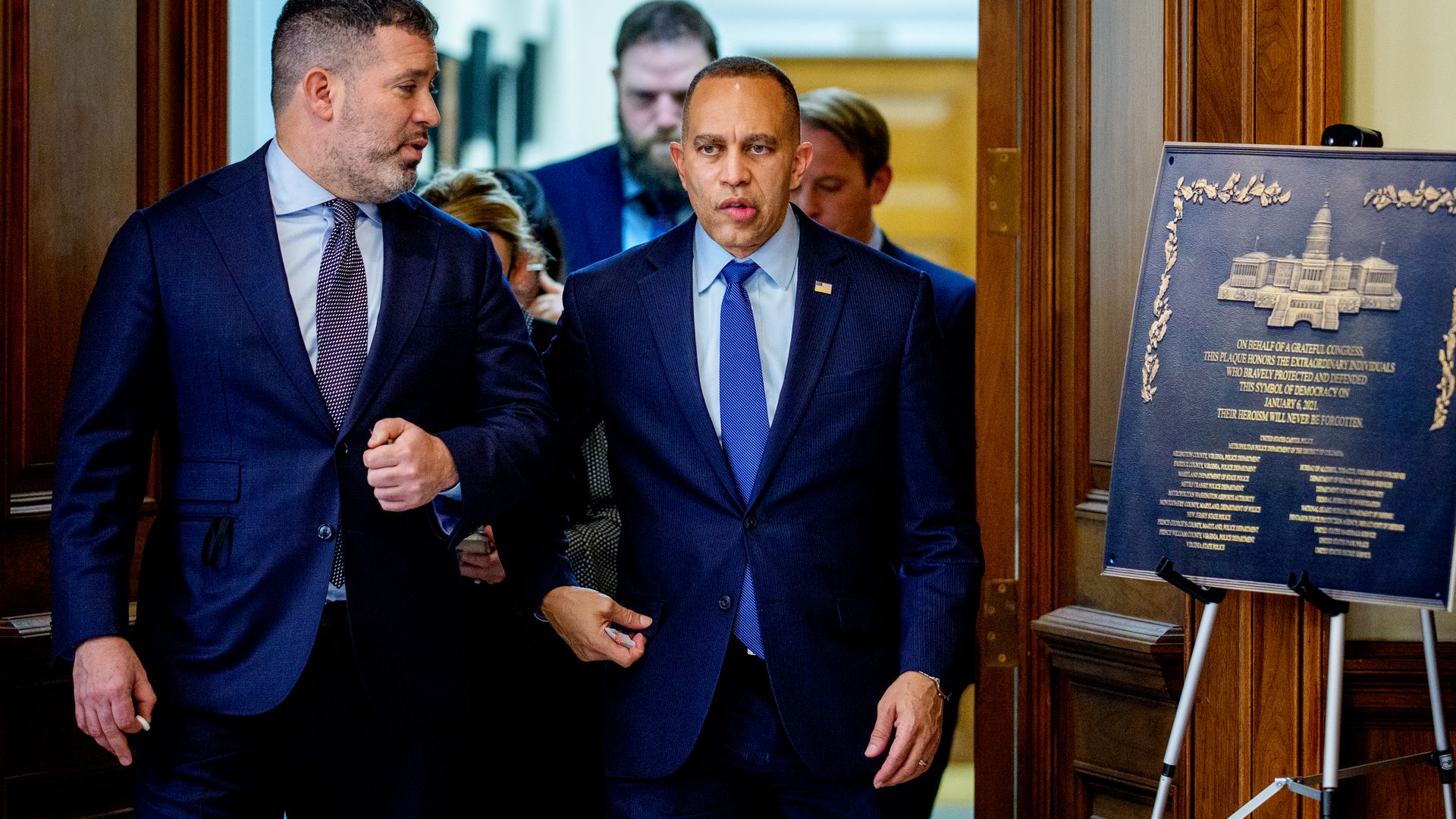
House Democrats responded with swift fury on Thursday after the Kennedy Center board purportedly voted unanimously to rename the performing arts center to the "Trump-Kennedy Center."
Why it matters: Democrats argue the name change can't be done without an act of Congress, and they're vowing to fight back in any way they can.
Medline yesterday jolted the sleepy IPO market, raising the largest offering in years and then watching shares pop more than 40%.
It also might have restored faith in leveraged buyouts, at a time when many limited partners in private equity funds are questioning the model's viability.
Catch up quick: Axios wrote a lot about Medline when it was acquired in 2021, namely because it felt like a nostalgic throwback.
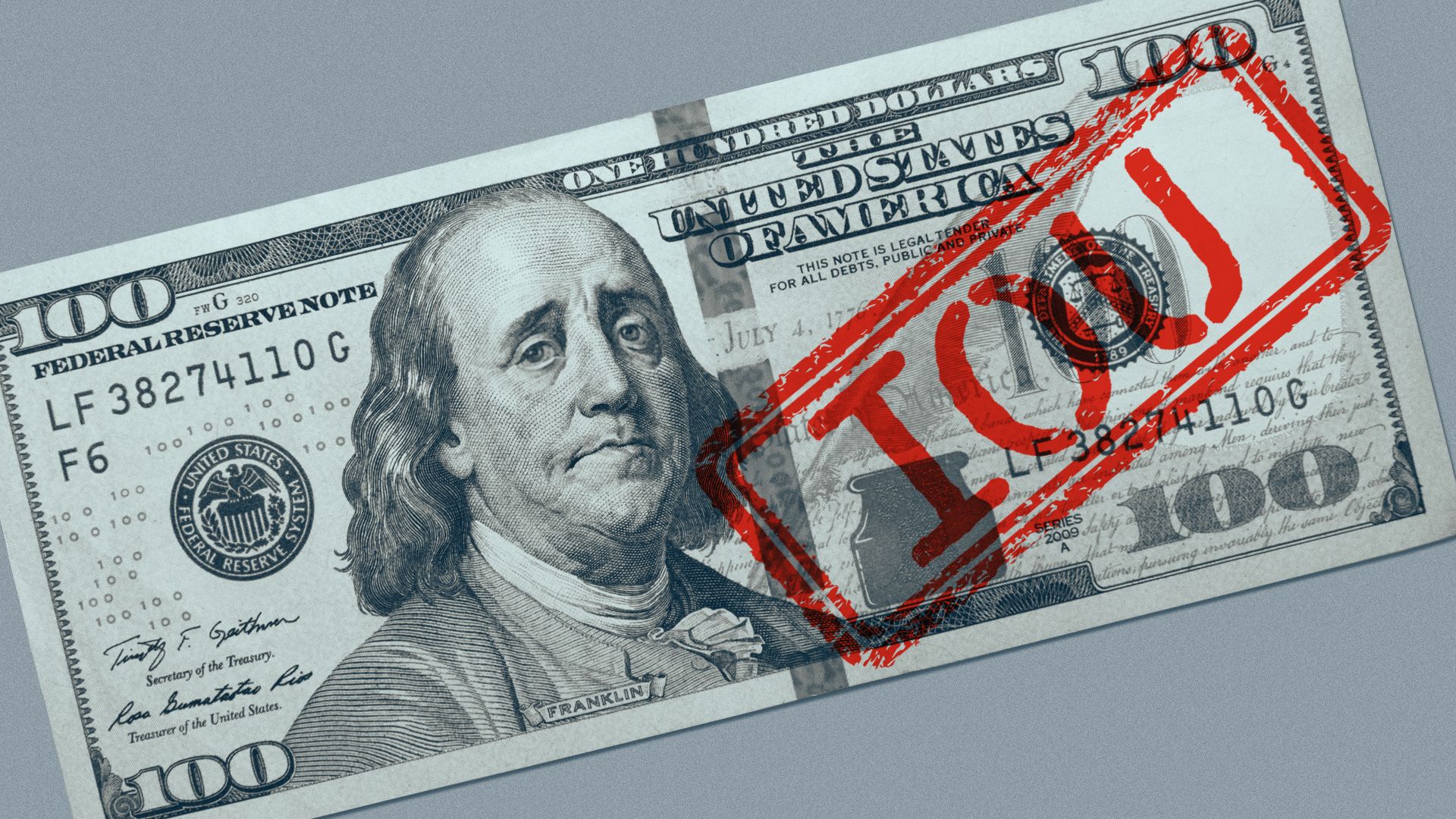
For starters, the deal was huge. More than $30 billion, in what was one of the largest health-care buyouts ever. And over half the headline number was debt.
Second, it was a club deal. Three private equity firms — Blackstone, Carlyle, and Hellman & Friedman — that each had identical stakes that, when combined, gave them control. There also was a few billion of sovereign wealth co-invest, while the founding Mills family remained Medline's largest single shareholder.
Finally, this was never going to be flipped via a trade sale, as Medline was the market leader in hospital supplies by a country mile. Its new debt made a sponsor sale unlikely. Going public was always the goal.
The intrigue: There also was timing risk related to the COVID-19 pandemic.
Medline's financials still were stuffed with revenue from products like masks, gloves, and testing kits. The buyers had to suss out how much of that excess demand would wane.
Meanwhile, some rivals abandoned the space. McKesson announced plans to spin off its relevant business, while Owens & Minor last month agreed to sell its unit to Platinum Equity for $375 million.
Zoom in: Medline spent four years growing via over $1 billion in acquisitions and international expansion.
It filed confidentially for an IPO at the end of 2024 and began serious conversations in March.
But those plans got waylaid by President Trump's tariff rollout in early April, both because of their impact on Wall Street and also on Medline's actual business.
By the numbers: Blackstone, Carlyle, and H&F invested roughly $3.5 billion into the buyout, Axios Pro's Lucinda Shen reports.
At yesterday's close, each of those stakes would have been valued at $9.3 billion. Minus any shares sold via a synthetic secondary tied to the IPO.
It's the sort of return that can calm a lot of LP concerns (much like what SpaceX might do next year for VC fund LPs).
The bottom line: It feels weird to say that private equity needed a win. But it did.
A federal judge on Wednesday ordered the Trump administration to reverse hundreds of layoffs enacted during the government shutdown earlier this year.
Why it matters: It's another setback for the administration, which has been repeatedlyblocked in its efforts to reduce the size of the federal workforce.
Time is running out to ship gifts and have them delivered by Christmas.
Why it matters: Carriers are hitting their last recommended dates to get packages to doorsteps by Dec. 24 — and the longer you wait, the more you'll pay.
The Consumer Price Index cooled in November, signaling easing inflation, the Bureau of Labor Statistics said on Thursday.
Why it matters: The first inflation report since the government reopening shows easing price hikes as the White House faces growing pressure to address affordability concerns.
Bond yields for the largest Big Tech debt borrowers have climbed and trading in credit default swaps has surged as investors reassess the risks behind the AI boom.
Why it matters: The activity may actually reflect traders hedging so they can buy even more AI-linked debt, a sign of froth, not fear.
Oracle keeps making investors nervous. Not just about the company itself, but about Big Tech's enormous bet on AI that has been the engine of our economic growth and the bull market.
Why it matters: With so much money at stake, any sign of a delay in AI profits raises the risk that some players may never get there.
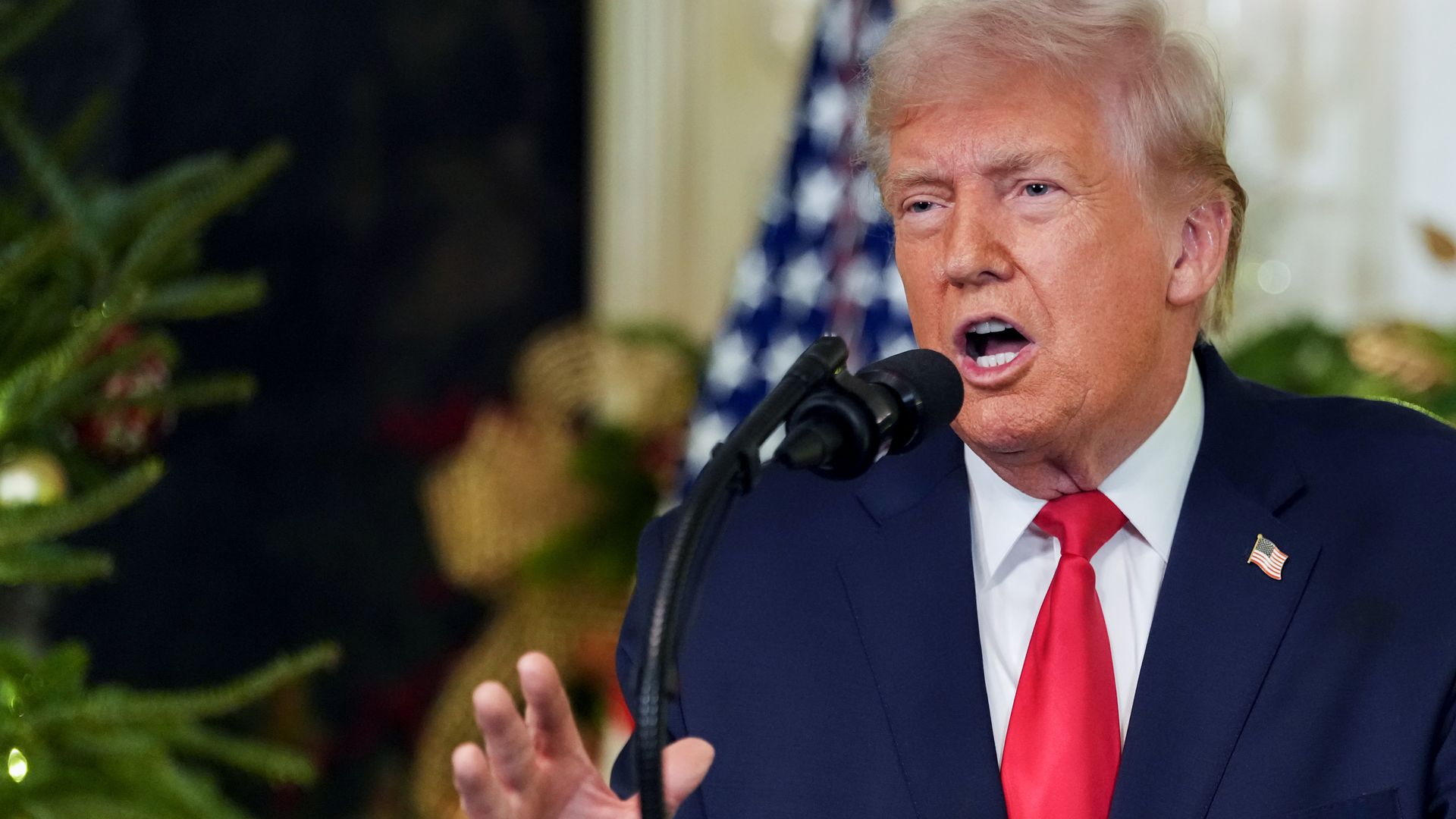
A fiery President Trump — addressing Americans from a holiday-decked White House — insisted the economy is stronger than people think it is and any problems are all Democrats' fault.
The big picture: Trump's speech was closer to a Festivus airing of grievances than a Christmas message of hope, as he ran through a litany of problems — inflation, wage growth, the border, crime — that he said were entirely the fault of the Biden administration, and that he insisted he'd already fixed.
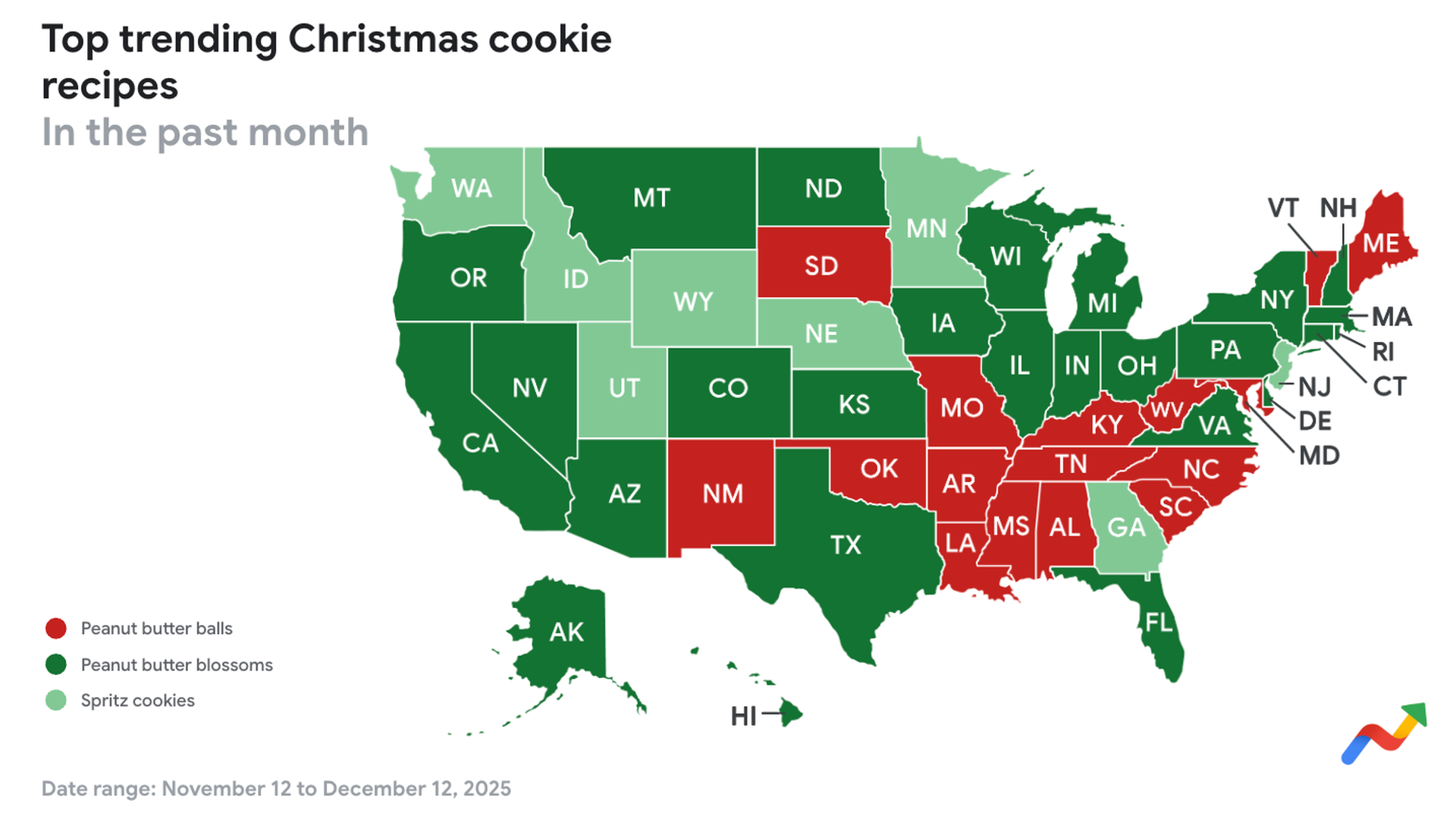
Google search data shows America is craving peanut butter this Christmas, with recipes for Peanut Butter Blossoms and Peanut Butter Balls topping the holiday charts for fastest-rising cookies.
The big picture: Holiday baking patterns offer an early look at what Americans are craving this winter.