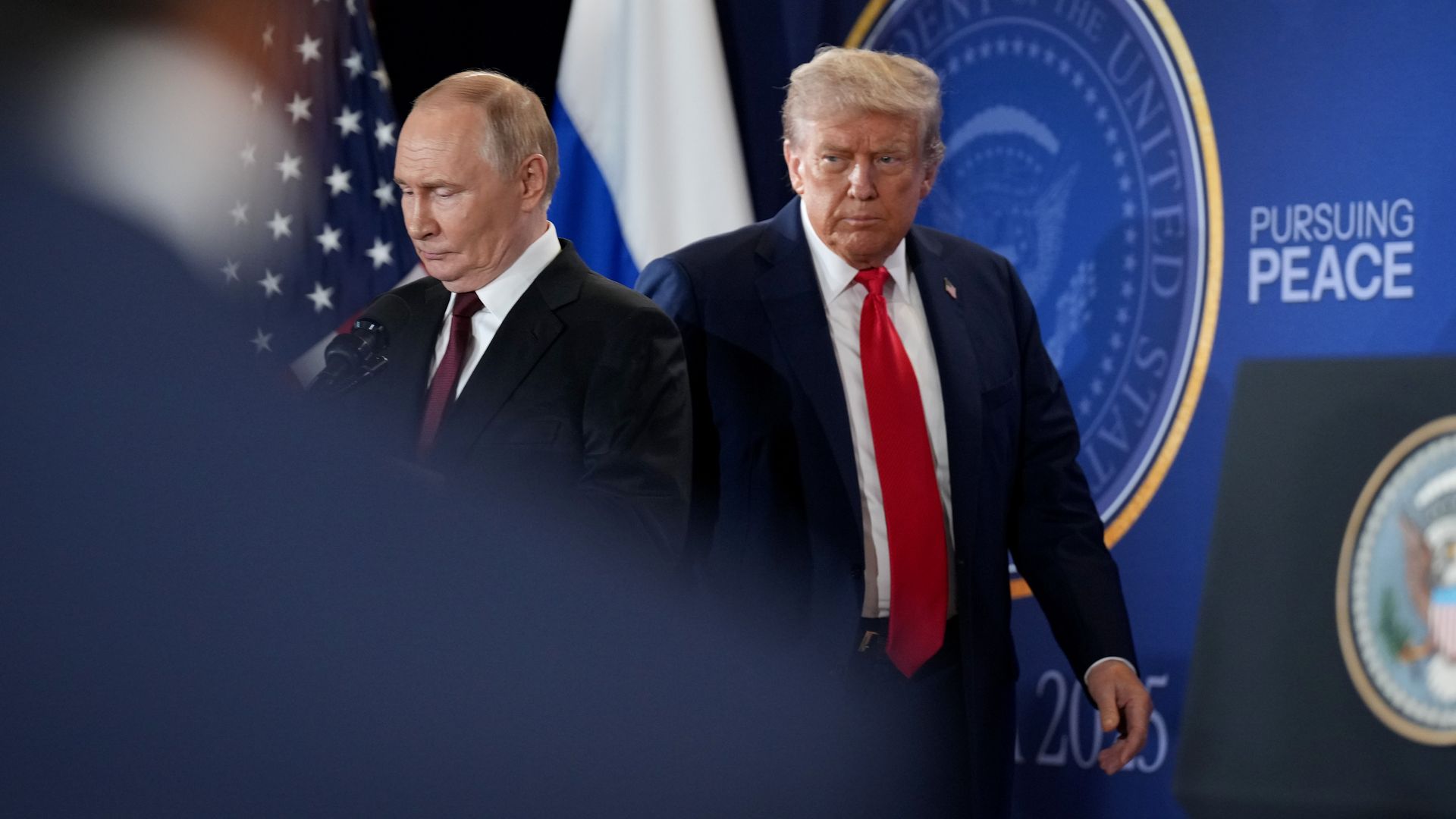
The U.S. imposed new sanctions against Russia's two biggest oil companies on Wednesday in an effort to press Russian leader Vladimir Putin to agree to a ceasefire, President Trump said.
Why it matters: This is the first time the U.S. has imposed sanctions against Russia over the war with Ukraine since Trump assumed office.
Tesla delivered record quarterly revenue after its EV sales rebounded in the third quarter, but its profit fell short of expectations.
Why it matters: The automaker had been facing a sales backlash among consumers who were aggravated over CEO Elon Musk's support of President Trump and leadership of the Department of Government Efficiency.
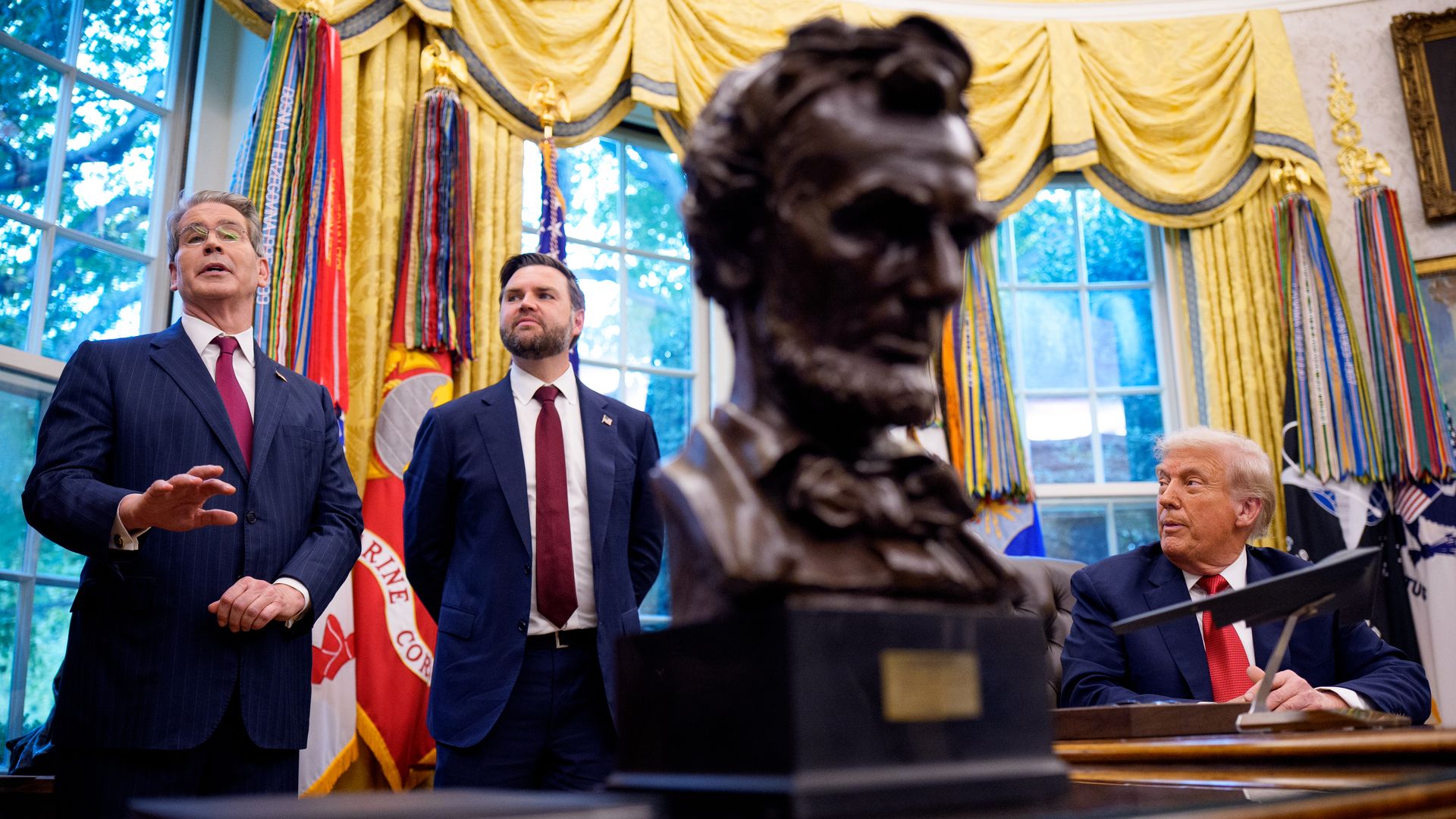
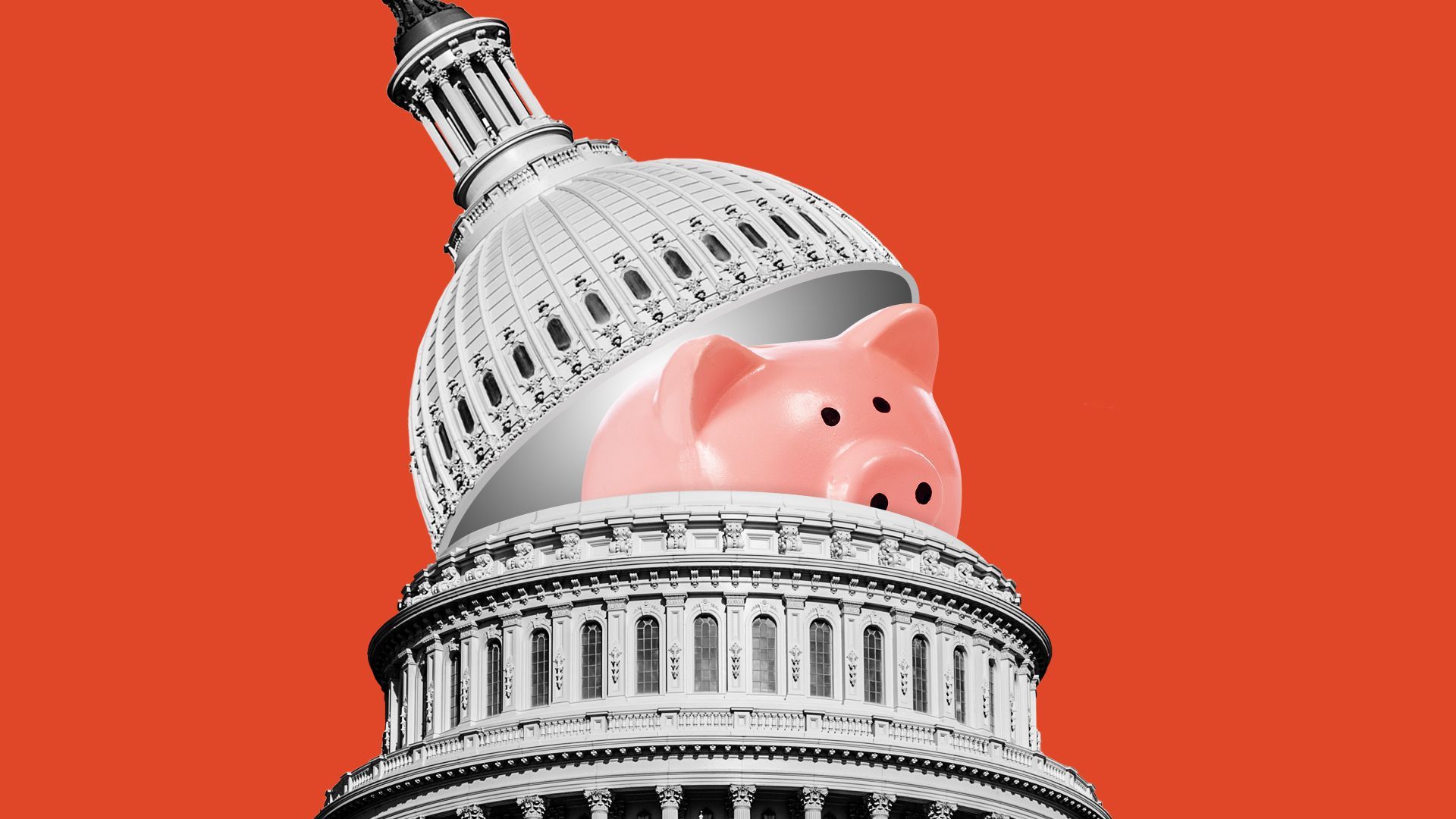
The Trump administration says government spending is slowing in ways that will help shrink the nation's massive deficit, according to new analysis by Treasury Department officials.
The big picture: The analysis shows that government outlays in the just-completed quarter were negative compared to the prior year.
Many of the world's best and brightest want to work in the United States. But U.S. immigration policy does a bad job of enabling them to do so — undermining the nation's economic growth, a paper out Wednesday morning argues.
Why it matters: Top engineering, research, and entrepreneurial talent generate outsize economic gains. But the structure of visa programs that allow new workers in isn't optimized to select for that talent, researchers argue, so potential gains in productivity and growth are lost.
The National Portrait Gallery will soon feature a face familiar to many in New York and Washington alike: JPMorgan Chase CEO Jamie Dimon.
Why it matters: A portrait of Dimon, the longest-serving Wall Street CEO, is among those featured in a new exhibition that honors "extraordinary individuals who have made transformative contributions to the United States," the gallery says.
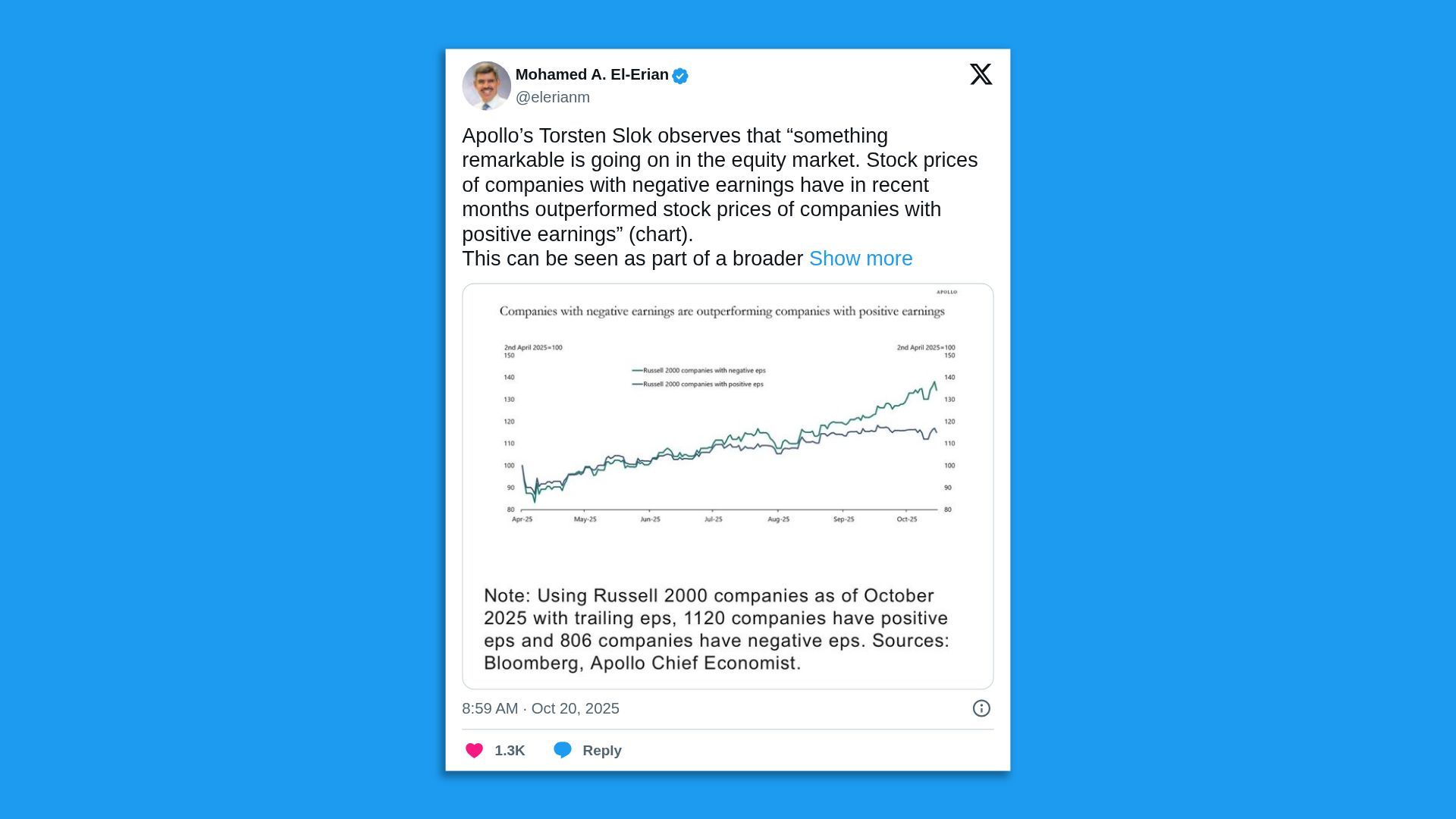
Companies with negative earnings, or losses, are outperforming firms with positive results, according to a chart from Apollo Global Management chief economist Torsten Slok. If you think that's unusual, it is, and it shows the lengths that investors will go to find greater returns.
Why it matters: Unloved corners of the market tend to be that way for a reason. Investors piling in there could signal froth in the market.
As the shutdown drags on, a number of banks are offering assistance to customers in the form of loan relief and refunds for missed payments.
Why it matters: Federal workers are about to miss their first paychecks and they're going to need money. These offers from banks could help keep them afloat.
A man drove a vehicle into the U.S. Secret Service vehicle gate outside the White House on Tuesday night before being arrested, the USSS said.
The big picture: President Trump was inside the White House when the crash happened. While the building wasn't locked down, the Secret Service told Axios in a statement first shared with the New York Times that some closures around the complex would remain temporarily "as teams investigate the cause and manner of the collision."
Consumers are buying higher-priced drinks, pickup trucks and more — a signal from corporate America that the economy appears to be chugging along just fine.
Why it matters: These anecdotes from the nation's biggest brands carry more weight in the absence of official government data, delayed for the foreseeable future as the shutdown drags on.
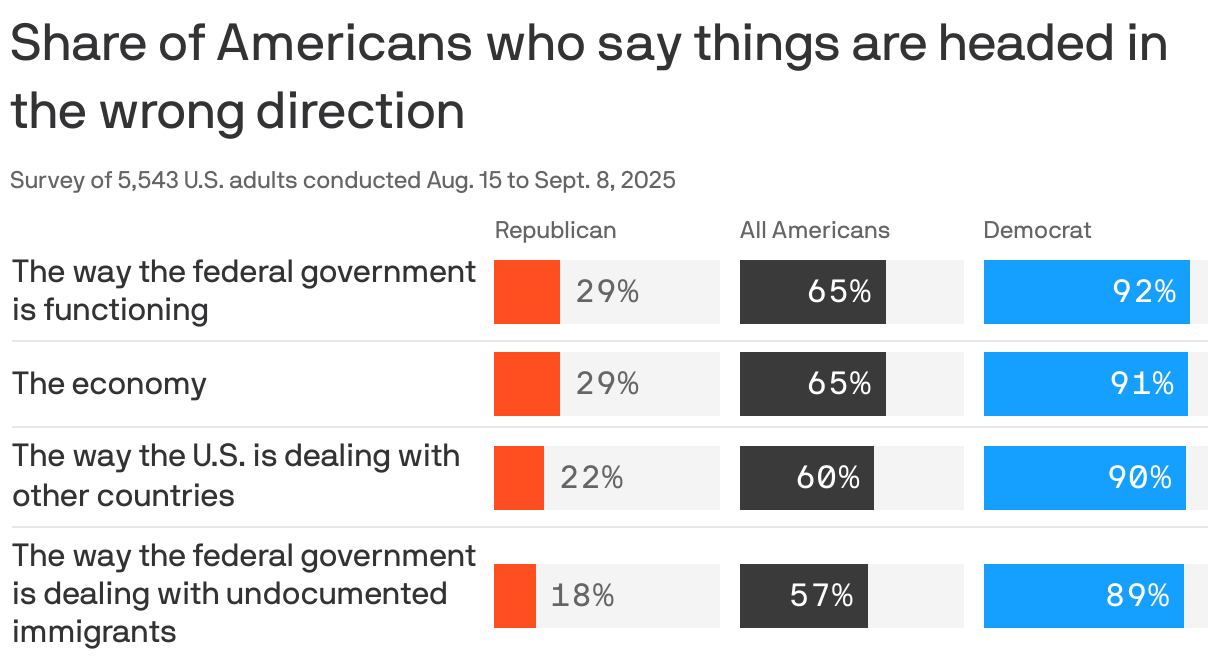
Nearly two-thirds of Americans believe the U.S. is headed in the wrong direction, fueled by dissatisfaction with President Trump's impact on the economy, immigration, race relations and the nation's global standing, according to a new poll with a big, broad sample.
Even among Republicans, a significant share — nearly 30% — gave Trump low marks on the economy and how the government is functioning.
Why it matters: The survey offers a snapshot of the nation's sour mood just more than a year before the 2026 midterms — and suggests that anger could rewire political alliances and test the durability of Trump's support.
The White House and GOP officials are on a PR offensive to tout gasoline prices that — depending on how you slice the data — are at their lowest since either May 2021 or last December.
Why it matters: Average prices are hoveringaround $3 per gallon or have already dipped below that. It adds intrigue to a huge question: Who gains politically when pump prices fall but power bills rise?