Gold and silver futures plunged Tuesday, with gold in particular having its worst day in more than 12 years, after both precious metals recently ran up to record highs.
Why it matters: Investors may be coming to grips with a disconnect between the surge in the traditional safe havens and actual fundamentals.
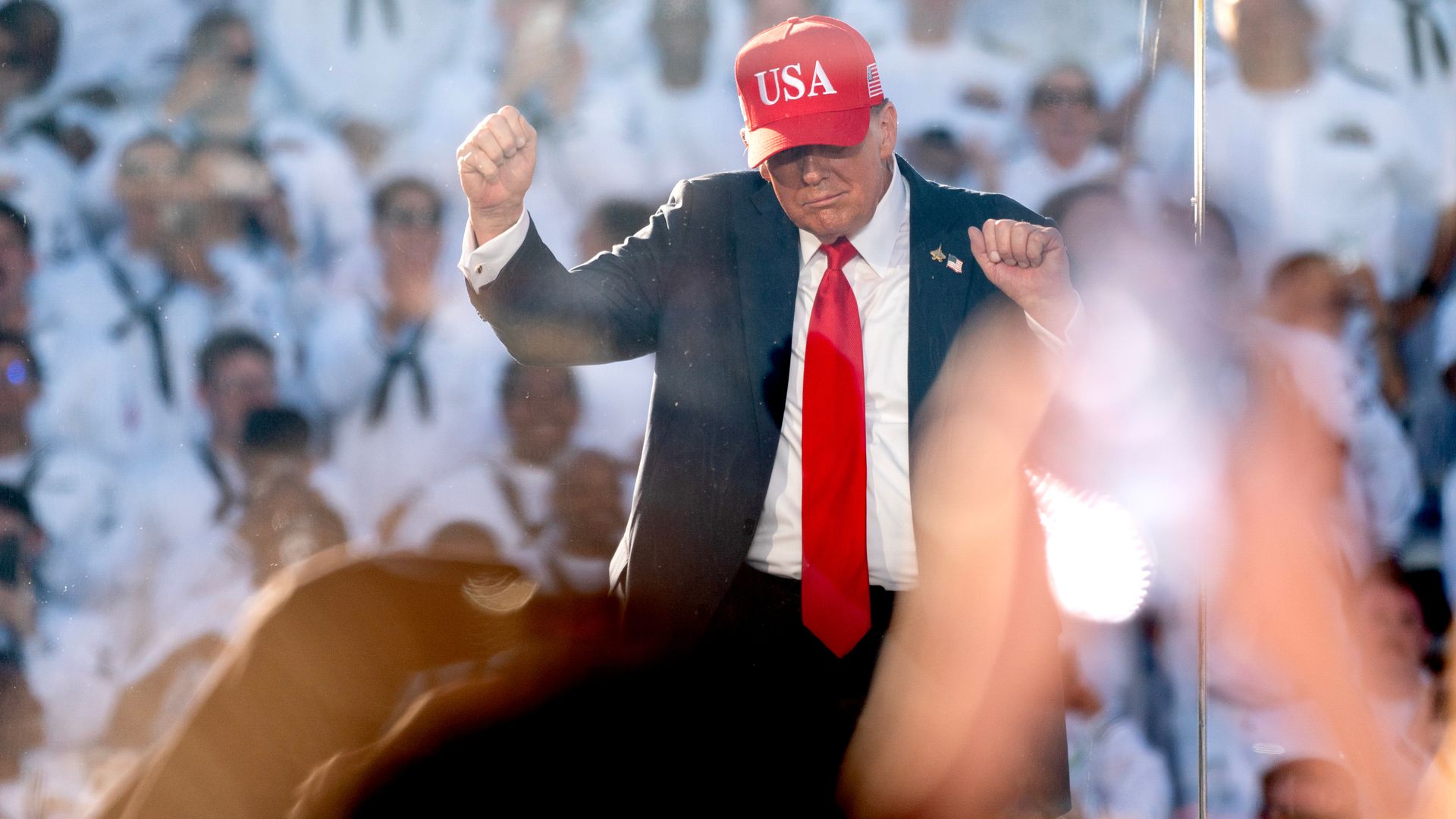
Kenny Loggins' slammed President Trump this week for using "Danger Zone" in an AI-generated video, becoming the latest artist to take issue with Trump using music without permission.
Why it matters: High-profile artists — like The White Stripes, Neil Young, Beyoncé, Foo Fighters and ABBA — have condemned Trump's use of their songs at his campaign rallies or in social media posts.
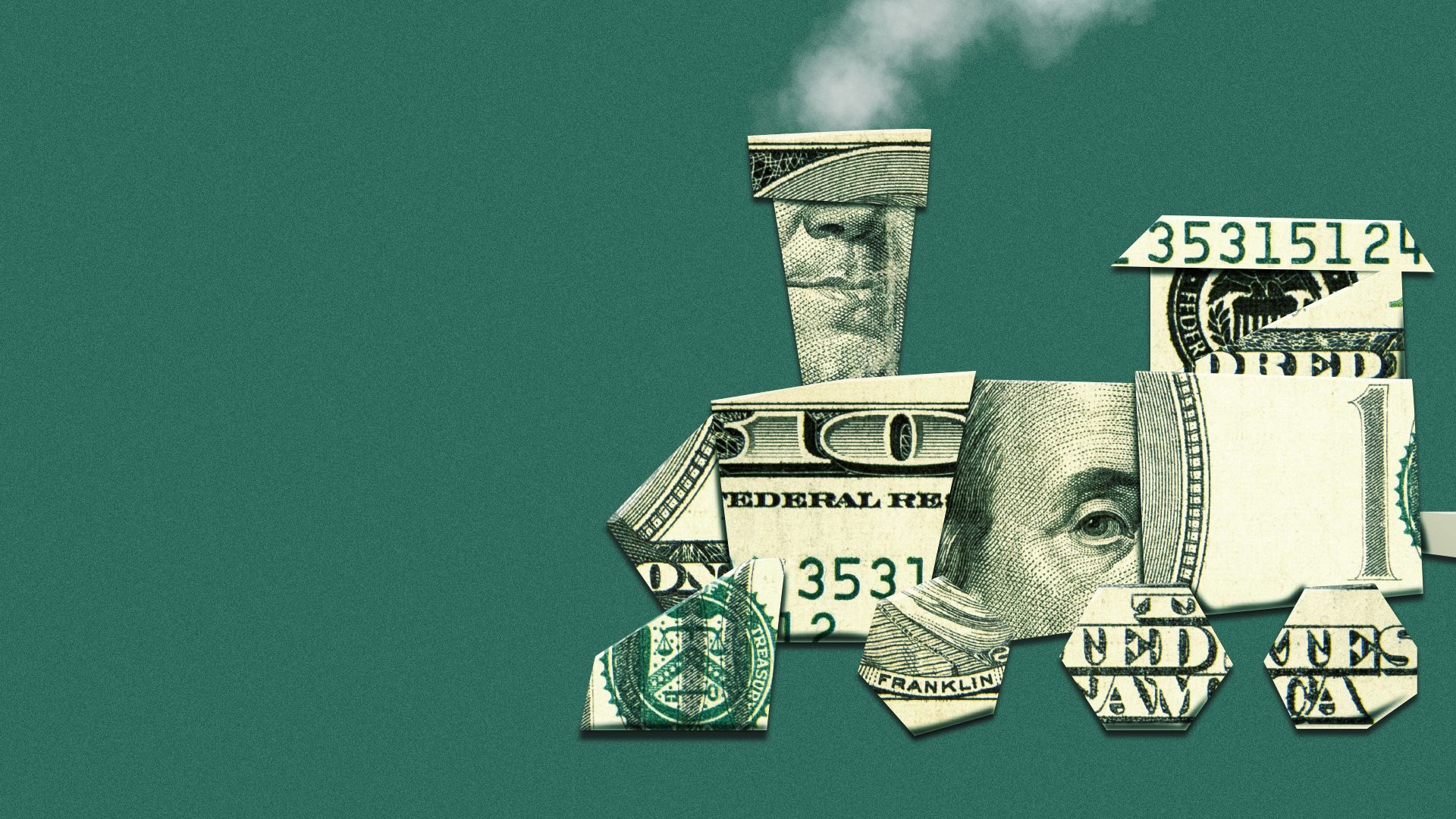
In terms of economic growth, these are the best of times. In terms of the job market, Americans perceive it to be among the worst of times.
The big picture: That situation can't persist forever. The big question hanging over the economyheading into 2026 is whether GDP or job growth data is giving the truer measure of underlying activity.
Put differently: Which one will converge toward the other, and when?
The Fed is considering a new, lighter way for market participants to open an account with the central bank for access to its payments rails, according to Fed governor Christopher Waller, speaking at a conference Tuesday morning.
Why it matters: The idea is to support new payment innovations, opening the door — even if just a little — to the Fed's coveted accounts for digital-asset and fintech firms, something that until now has served as a significant moat for traditional banks.
Union Pacific and Norfolk Southern both have set Nov. 14 for shareholder votes on their $85 billion megamerger, which would create the first U.S. railroad that runs coast-to-coast.
Why it matters: This is a precursor to broader industry consolidation.
Unilever on Tuesday said it will delay the planned spinoff of its ice cream unit, including the Ben & Jerry's and Breyer's brands, because of the U.S. government shutdown.
Why it matters: It's a reminder that the D.C. dysfunction is impacting capital markets — even if the S&P 500 keeps climbing.
A veteran team of advocates and wonks is launching a group to win policy changes that make clean energy "the most affordable, reliable, and fastest way to power America's economy," the group exclusively tells Axios.
Why it matters: The group is made up of former top policy and advocacy staff at the Bill Gates-founded group Breakthrough Energy.
The stock market can't climb skyward forever. Returns are expected to come down to earth in coming years, says JPMorgan chief global strategist David Kelly. So investors should look to alternative investments like private equity for both a boost and a hedge against volatility.
Why it matters: Portfolio protection in the future may look more like private equity and less like Treasury bonds.
Walmart is cutting the cost of its Thanksgiving meal basket to under $4 a person, $3 less than last year — with Butterball turkeys at the lowest price since 2019.
Why it matters: The world's largest retailer is lowering prices even as the U.S. faces its smallest turkey flock in decades, a flex of Walmart's scale and value strategy.
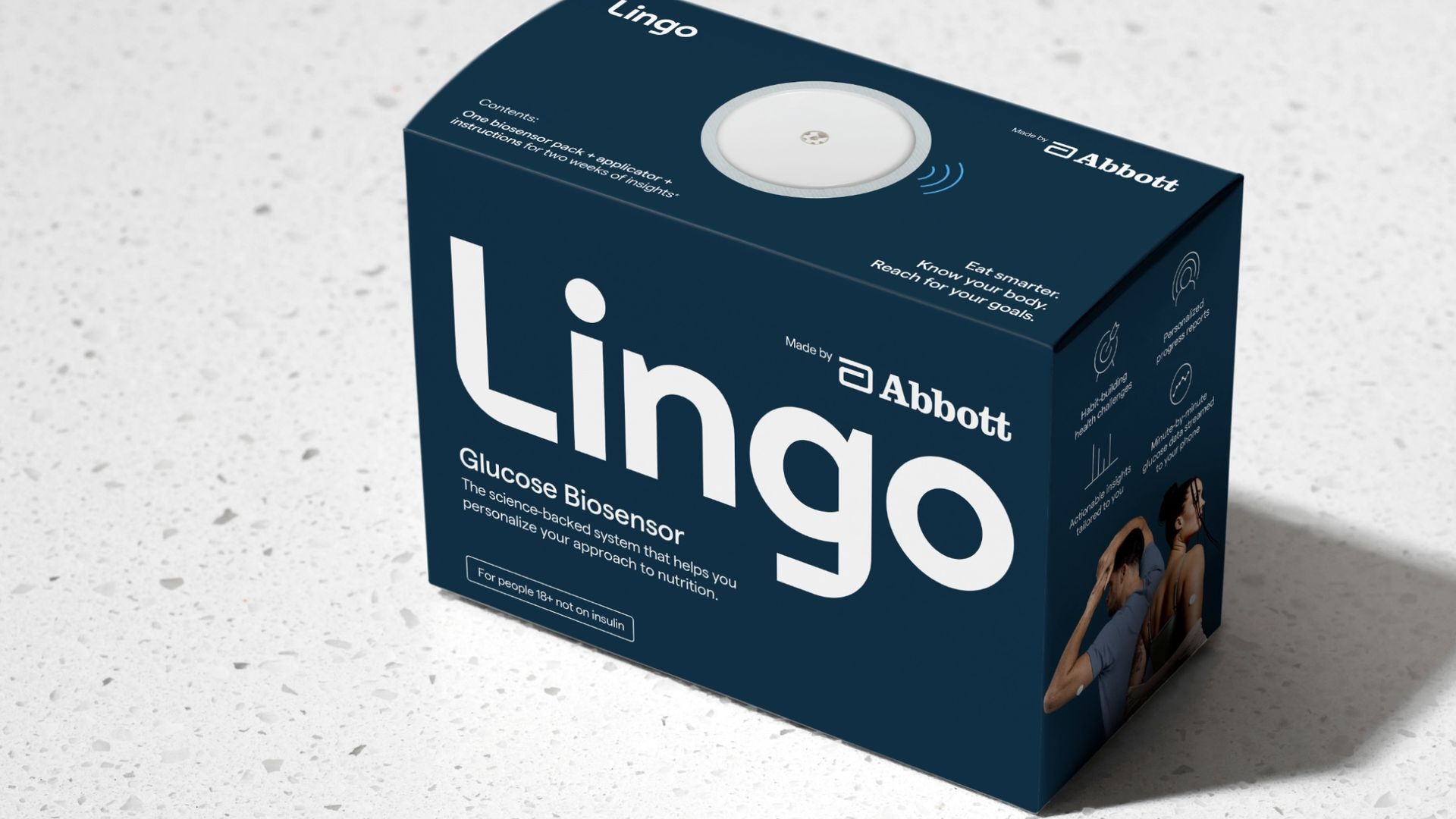
Walmart will become the first U.S. retailer to sell an over-the-counter continuous glucose monitor in physical stores, as Abbott's Lingo rolls out to more than 3,500 locations and online, the health care company told Axios exclusively Tuesday.
Why it matters: It's the latest sign that health tech is going mainstream — making tools that previously required a prescription more accessible to consumers.
China's weaponization of all-important rare earth minerals is sending the Trump administration scrambling to find new sources for the materials that power the modern world.
Why it matters: From Australia to Ukraine, and at all points in between, the U.S. position on rare earth minerals in the Trump administration is clear — get them out of the ground, at any cost, and the sooner the better.
Amazon Web Services, the biggest cloud computing provider, went down Monday morning — crippling thousands of services from some of the biggest companies on earth.
Why it matters: For all its complexity and size, the global economy is fragile — breaking just one weak link drives big disruptions, online and in the real world.