Young adults are pushing back the big milestones Americans have historically associated with growing up — moving out of your parents' house, getting a job, getting married and having kids.
The big picture: In 1975, about half of America's 25– to 34–year–olds had done those things. Fifty years later, less than a quarter have, according to a census working paper out this month.
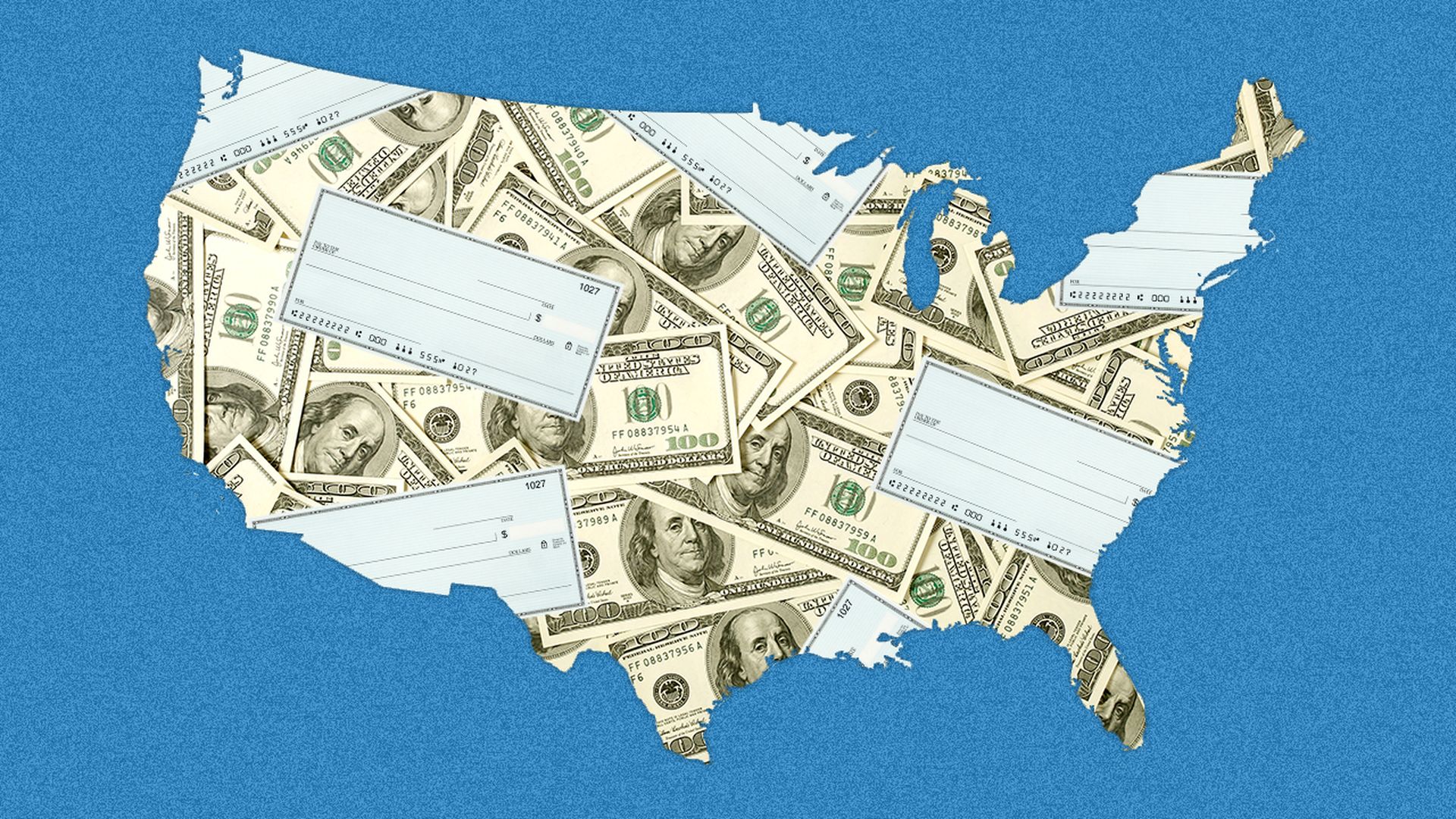
After years of feeling flush, states are now facing budget shortfalls — and that's before the cuts in the "one big, beautiful bill" kick in.
Why it matters: The blowback will be on everyday Americans. To make up for lost revenue, states can either raise taxes or cut services — on things like public education, healthcare and food assistance.
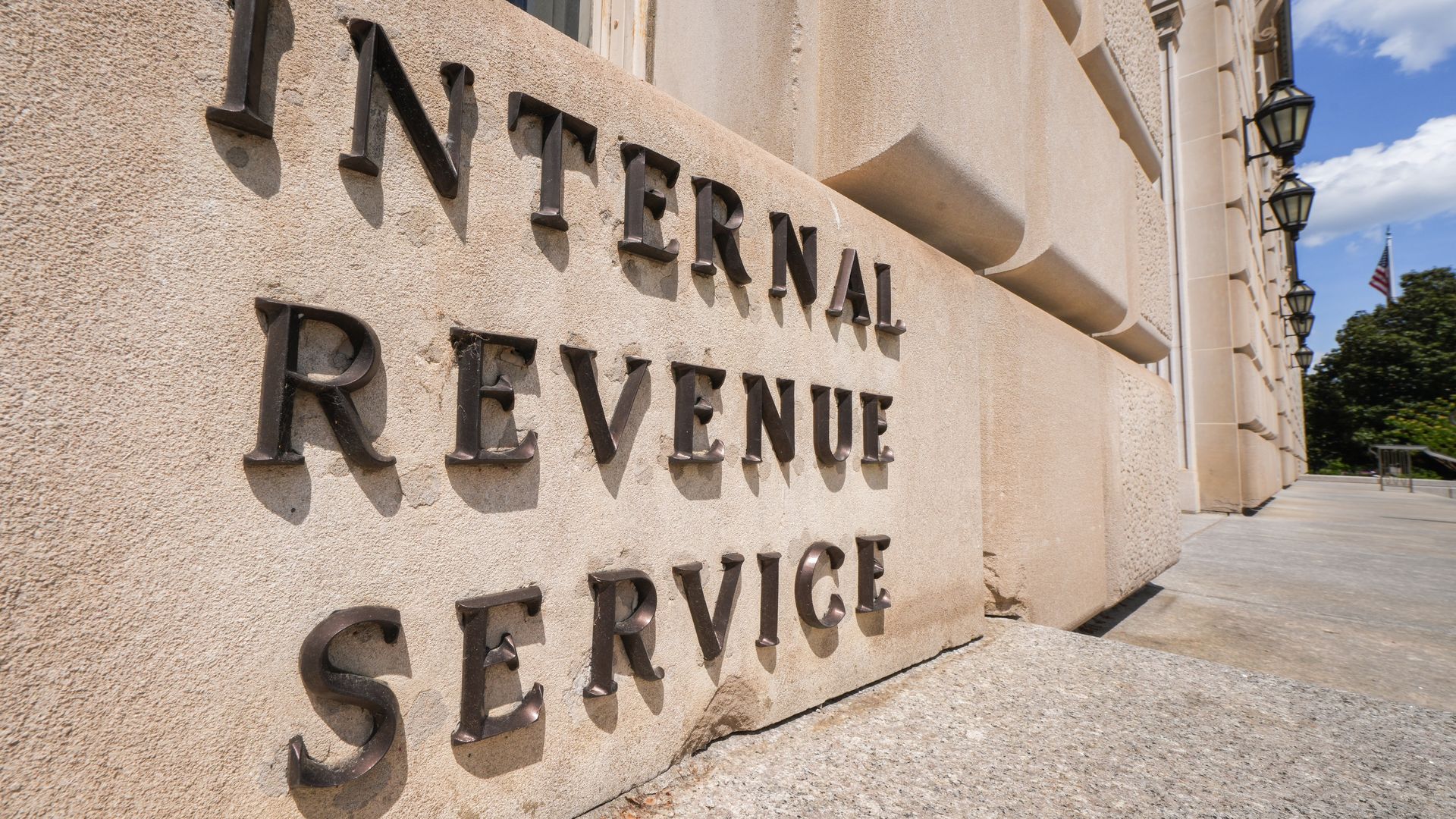
The Internal Revenue Service has called off layoffs and plans to offer jobs back to some employees who took the so-called fork in the road, as the agency scrambles to staff up for tax season.
Why it matters: It's the latest sign that the White House, and DOGE, overdid their firing spree.
The U.S. may impose significant tariffs on imported furniture in the coming months, President Trump said late Friday.
Why it matters: Furniture prices have already been rising, as it's one of the goods most immediately exposed to the sweeping global tariffs he imposed earlier this year.
The Trump administration's tariffs will lower deficits by a combined $4 trillion over the next decade, the Congressional Budget Office said Friday, a substantial increase from its last projection in June.
Why it matters: Tariffs are quickly becoming a part of the country's economic reality, making them harder to get rid of by the day.
Cloud security provider Netskope on Friday filed for an IPO, joining a growing number of tech companies planning to go public after Labor Day.
The big picture: Netskope is losing money, but that's been true of most 2025 tech offerings (minus Figma). What they've also had in common are climbing revenues.
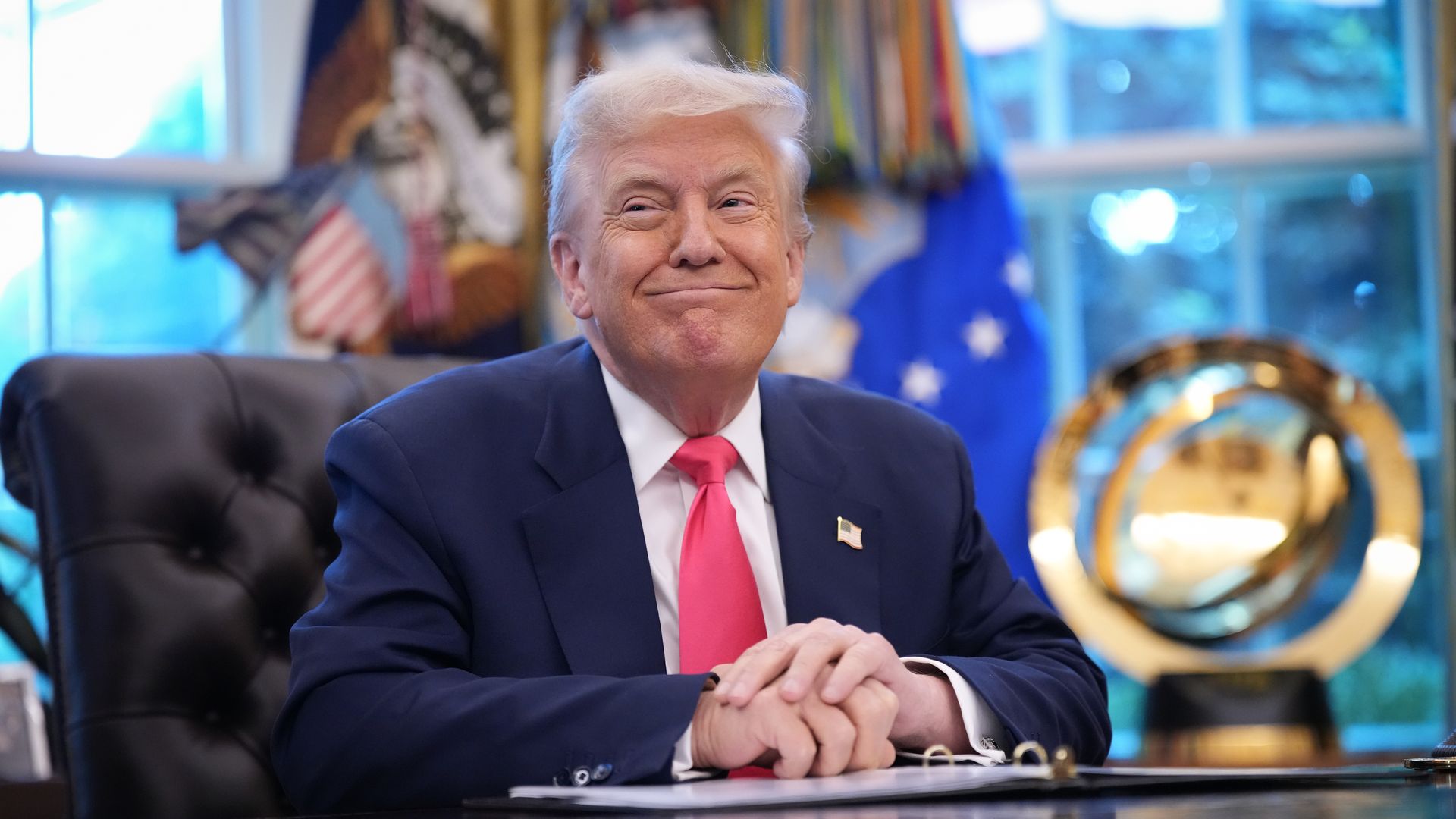
President Trump on Friday told reporters that chipmaker Intel has agreed to sell around a 10% equity stake to the U.S. government. [Update: Intel confirmed the deal after market close]
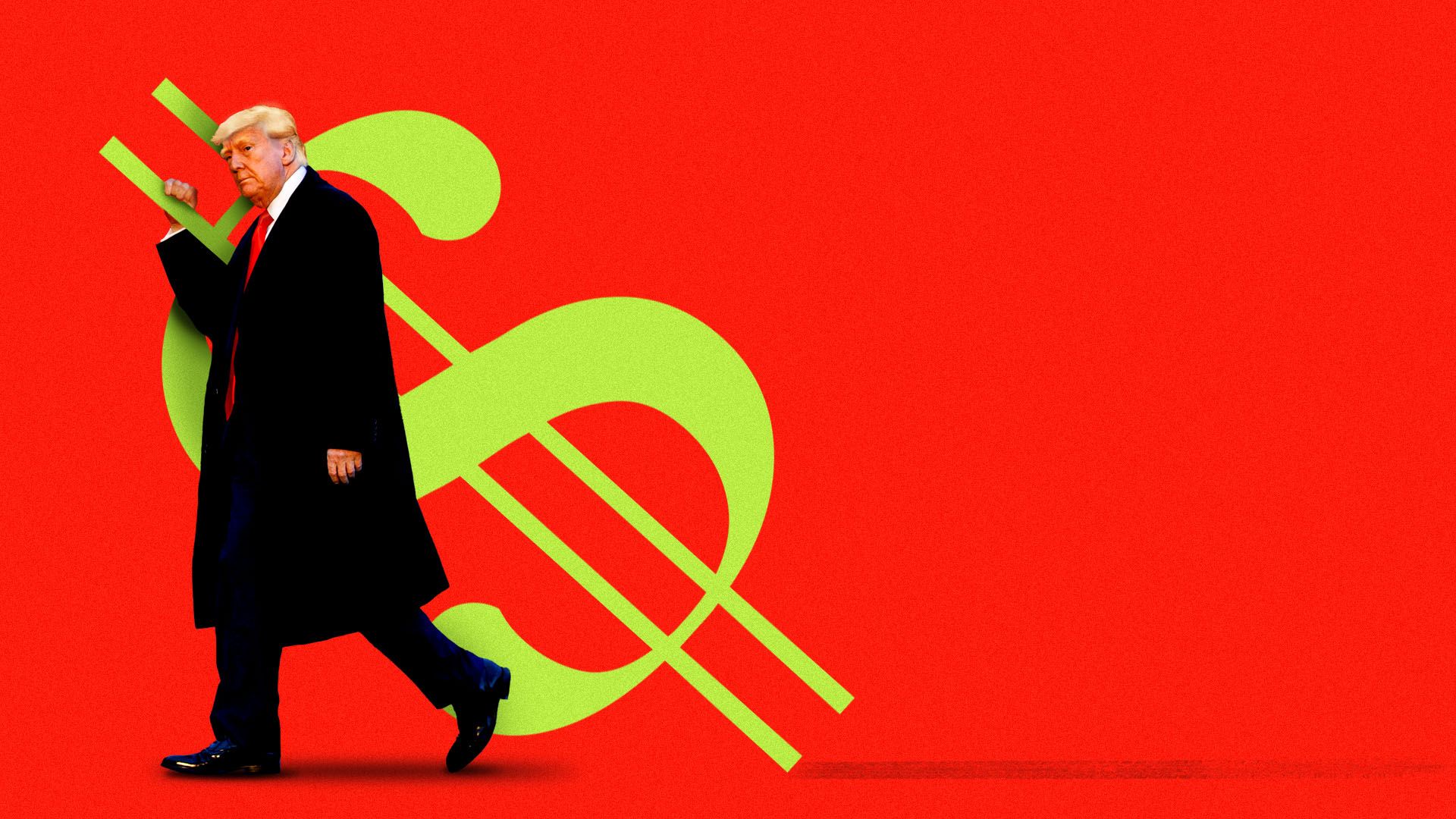
Why it matters: This is part of Trump's new era of pay-me capitalism.
A new paper from a Nobel-prize-winning economist provides an intriguing solution to the puzzle of declining birth rates around the world: more supportive men.
Why it matters: Low fertility rates in the U.S. and around the globe pose problems for economic growth, and they've increasingly become a political issue, particularly on the right.
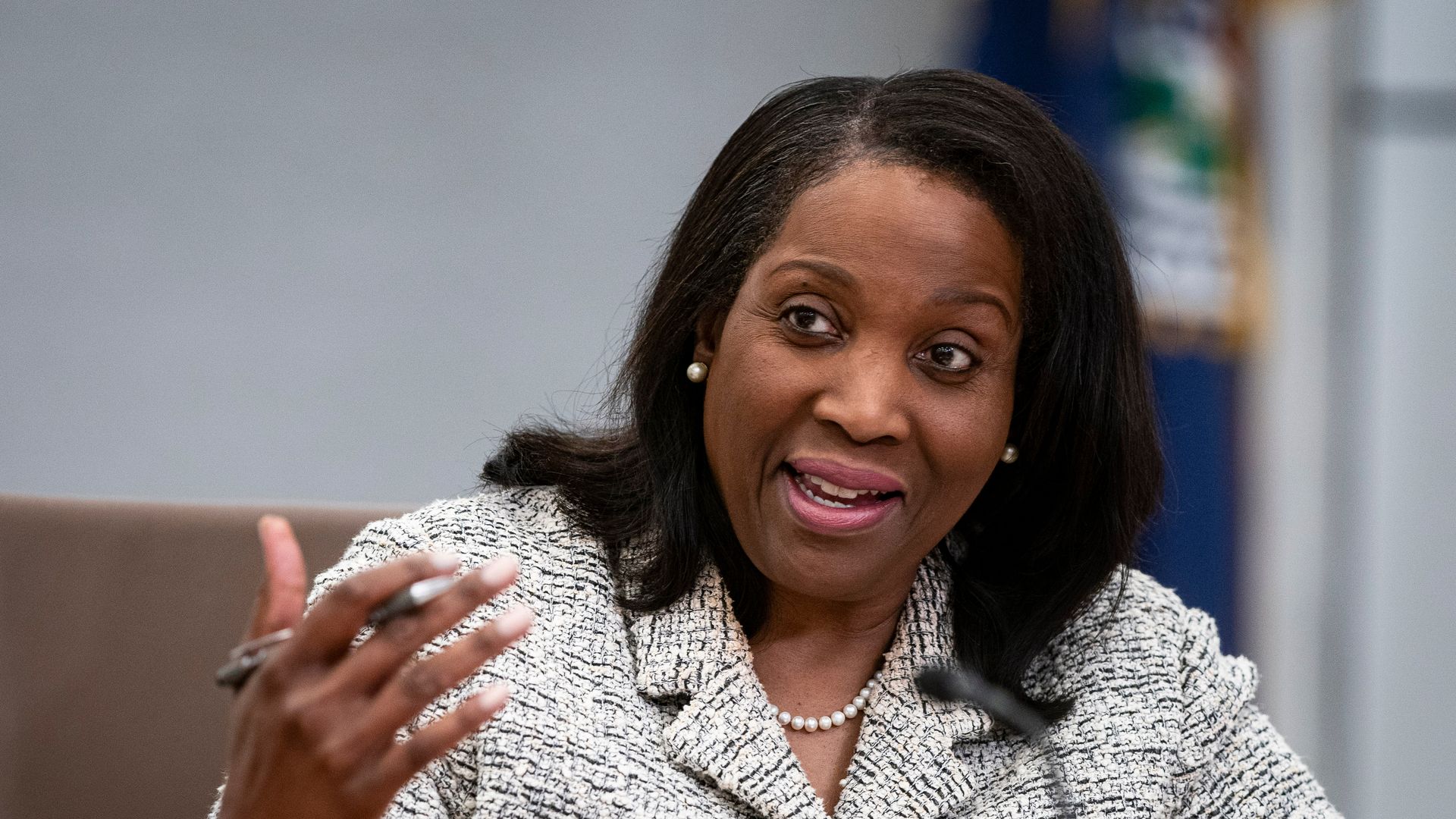
President Trump threatened to fire Federal Reserve governor Lisa Cook on Friday, after housing regulator Bill Pulte doubled down on his attacks on the top central bank official.
Why it matters: The Trump administration is attempting to build a criminal case against Cook, a move that — if successful — would give the White House another vacancy at the central bank.
Investors got what they were betting on Friday —but perhaps not as much as they secretly hoped—as Fed chair Jerome Powell indicated the central bank's policymakers were open to cutting interest rates at their meeting next month.
Why it matters: Hopes for lower rates should keep the market's summertime rally going, after weakness in the jobs market and worries about AI spending slowed the bulls.
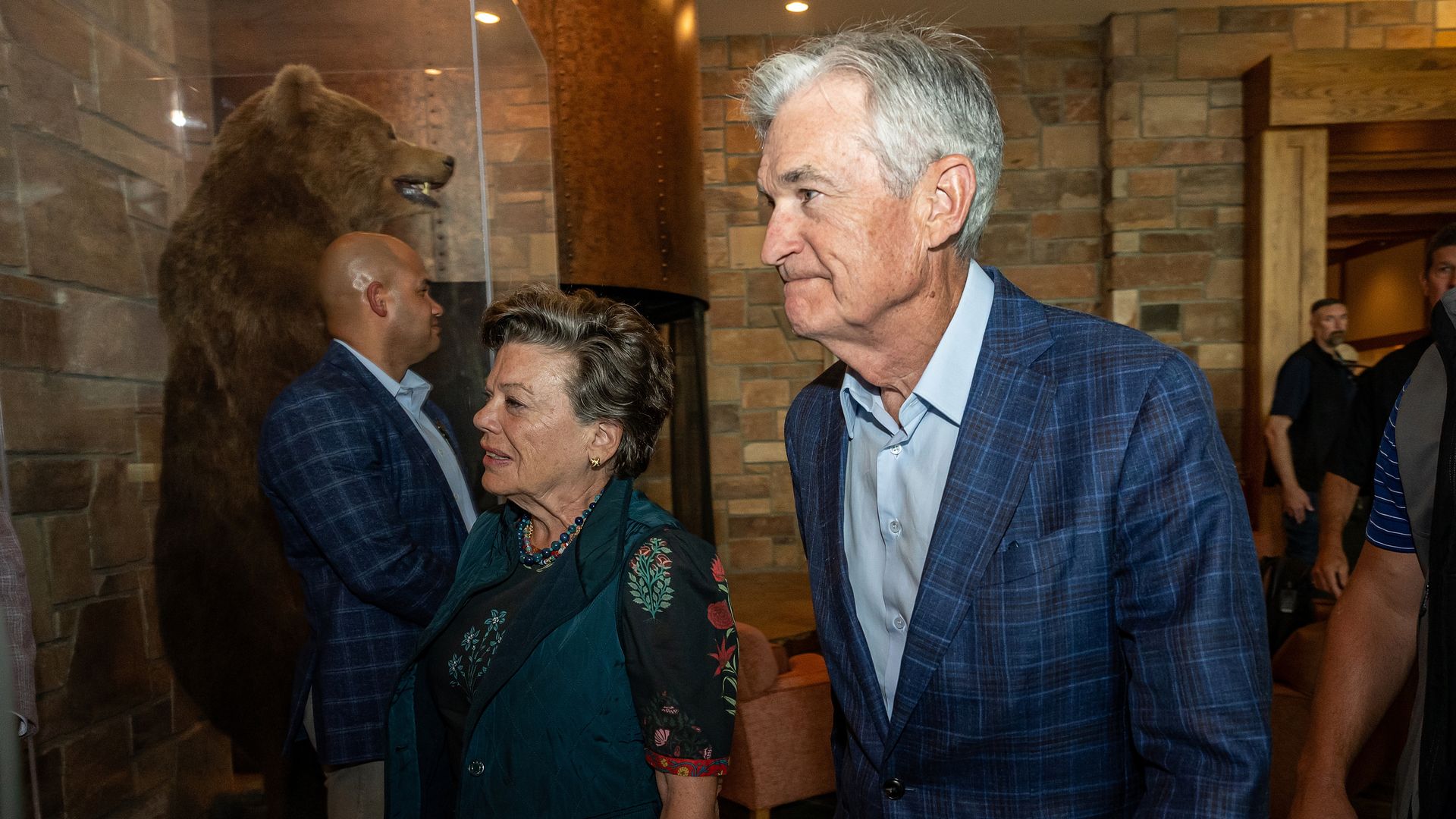
JACKSON HOLE, Wyo. — Federal Reserve chair Jerome Powell opened the door to cutting interest rates in a much-anticipated speech Friday. He didn't fully walk through, though.
The big picture: Powell described a complex mix of forces reshaping the economy, concluding that "the baseline outlook and the shifting balance of risks may warrant adjusting our policy stance," suggesting that a rate cut could arrive as soon as the Fed's mid-September meeting.
FanDuel is making events-based betting more accessible through a partnership with CME Group. Users would be allowed to bet on everything from how high the stock market goes to interest rate decisions from the Federal Reserve.
Why it matters: This is the latest tool rolled out to consumers that looks more like gambling than investing. If these tools attract would-be investors away from stocks, that could have serious implications for the market.
The era of pay-me capitalism has arrived, and companies are quickly learning lessons about what happens if they don't comply.
Why it matters: Just seven months into his second presidency, Trump has broken with more than a century of conservative orthodoxy and taken a maximalist view of presidential intervention in the economy.