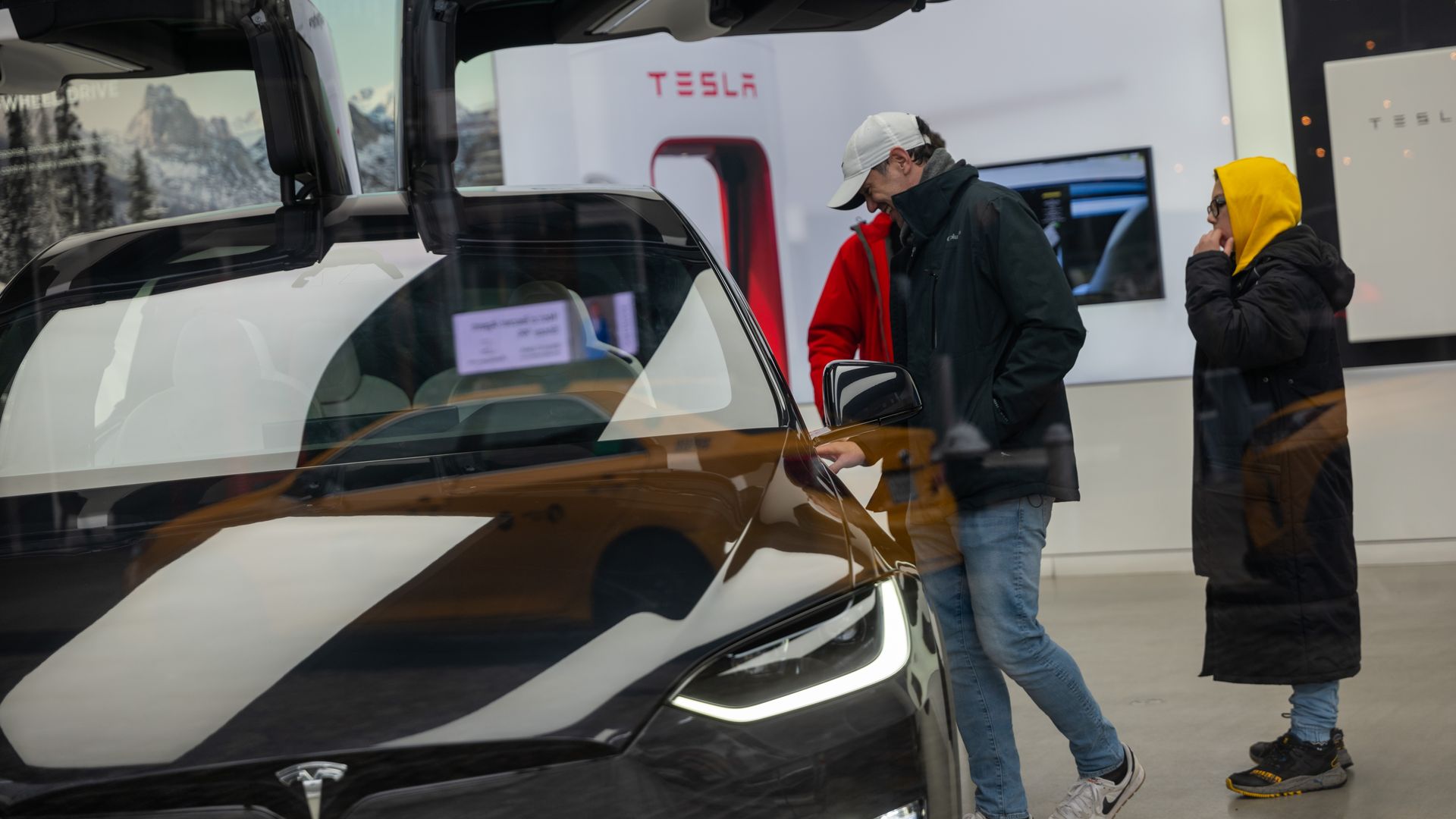
Tesla on Wednesday warned that its EV sales growth could suffer until the company comes up with a cheaper vehicle.
Why it matters: Tesla has enjoyed significant growth in recent years based largely on expanded production and deliveries of the Model Y and Model 3 vehicles.
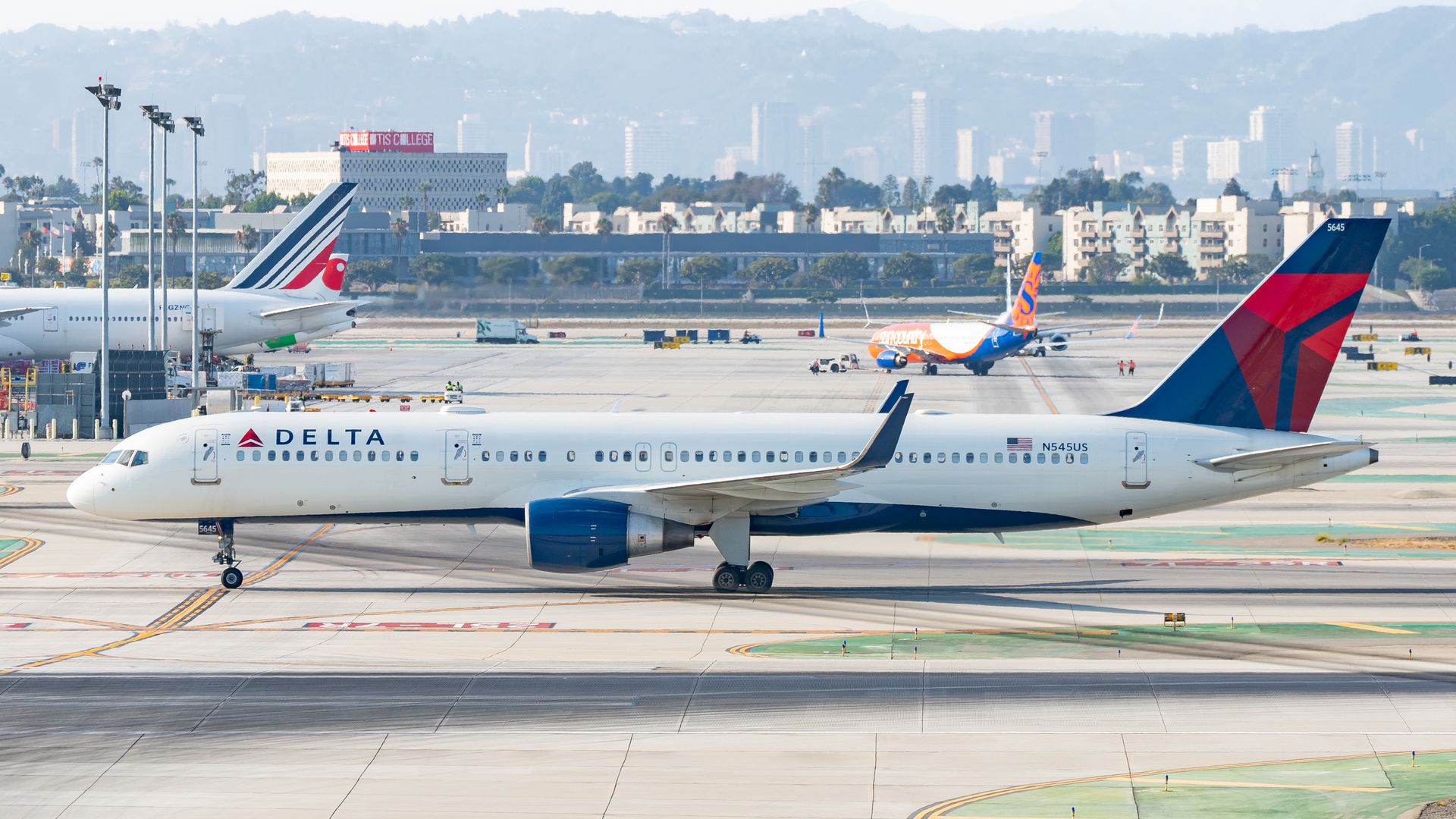
A Boeing jet operated by Delta Airlines lost a wheel on its nose landing gear as it was preparing to take off on Saturday, the Federal Aviation Administration said in a preliminary report.
Why it matters: While the incident is unrelated to ongoing, high-profile issues with Boeing's 737 Max 9 planes, it did involve a 757 aircraft produced by the aerospace giant amid heavy scrutiny against the company.
Elite U.S. universities, including Yale and Columbia,reached further settlements Tuesday in an antitrust lawsuit alleging price-fixing, agreeing to pay $118 million collectively.
Why it matters: The universities named in the lawsuit — described by plaintiffs as a "price-fixing cartel" and accused of favoring wealthy students — are supposed to be need blind in decision processes because of exemption from antitrust laws.
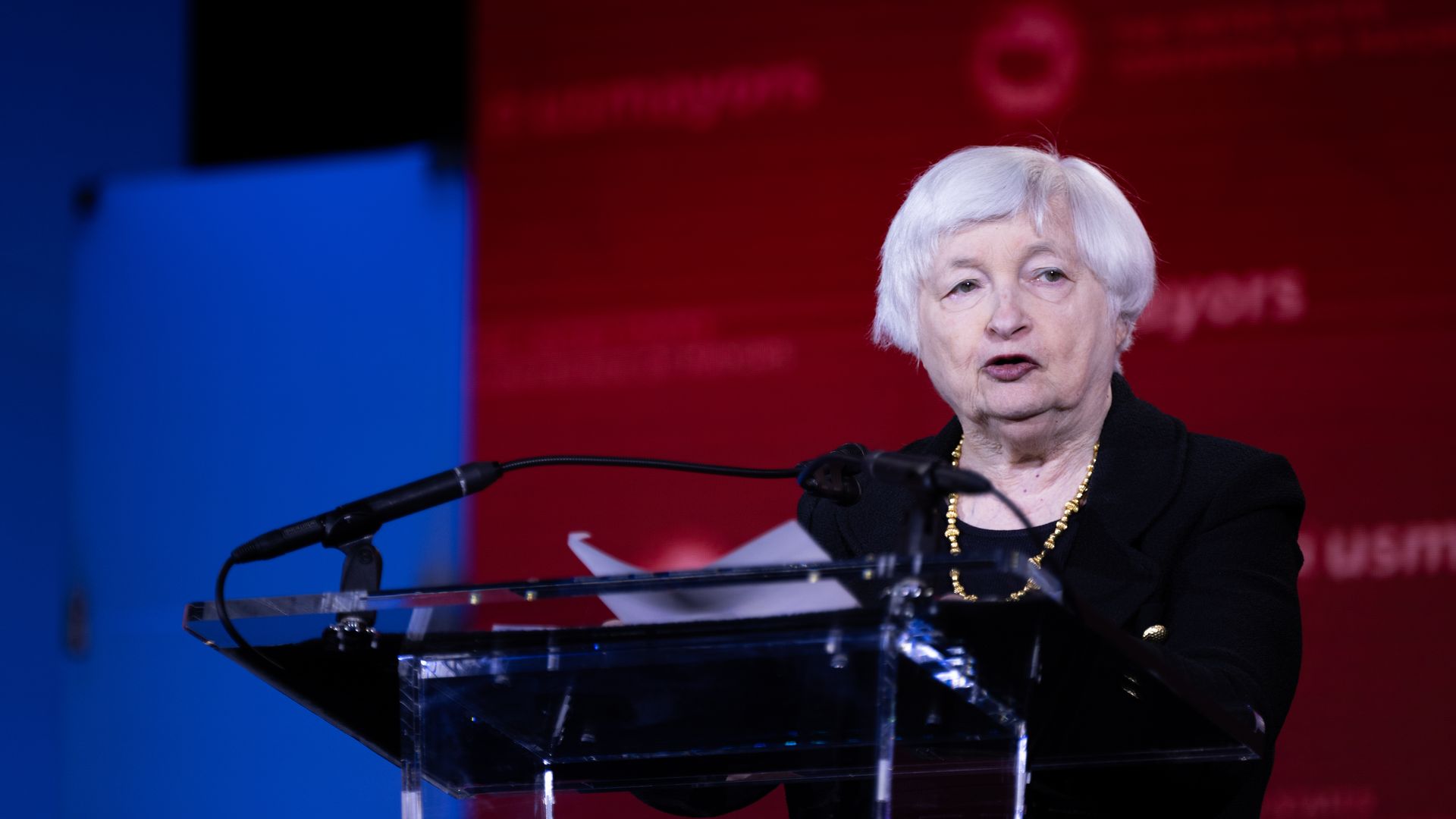
With inflation and recession fears abating, the Biden administration is adopting a more confident, aggressive message about its economic record heading into the 2024 election.
Why it matters: A common thread from the administration's top economic officials is that not only is the economy doing well, but that the U.S. is experiencing a more broadly shared form of growth than was seen under President Trump.
Ford is recalling approximately 1.89 million Explorer SUVs because the trim could detach and cause a "safety hazard" to other vehicles, according to National Highway Traffic Safety Administration documents.
Why it matters: If the trim detaches, it could increase the chance of a crash, NHTSA documents show.
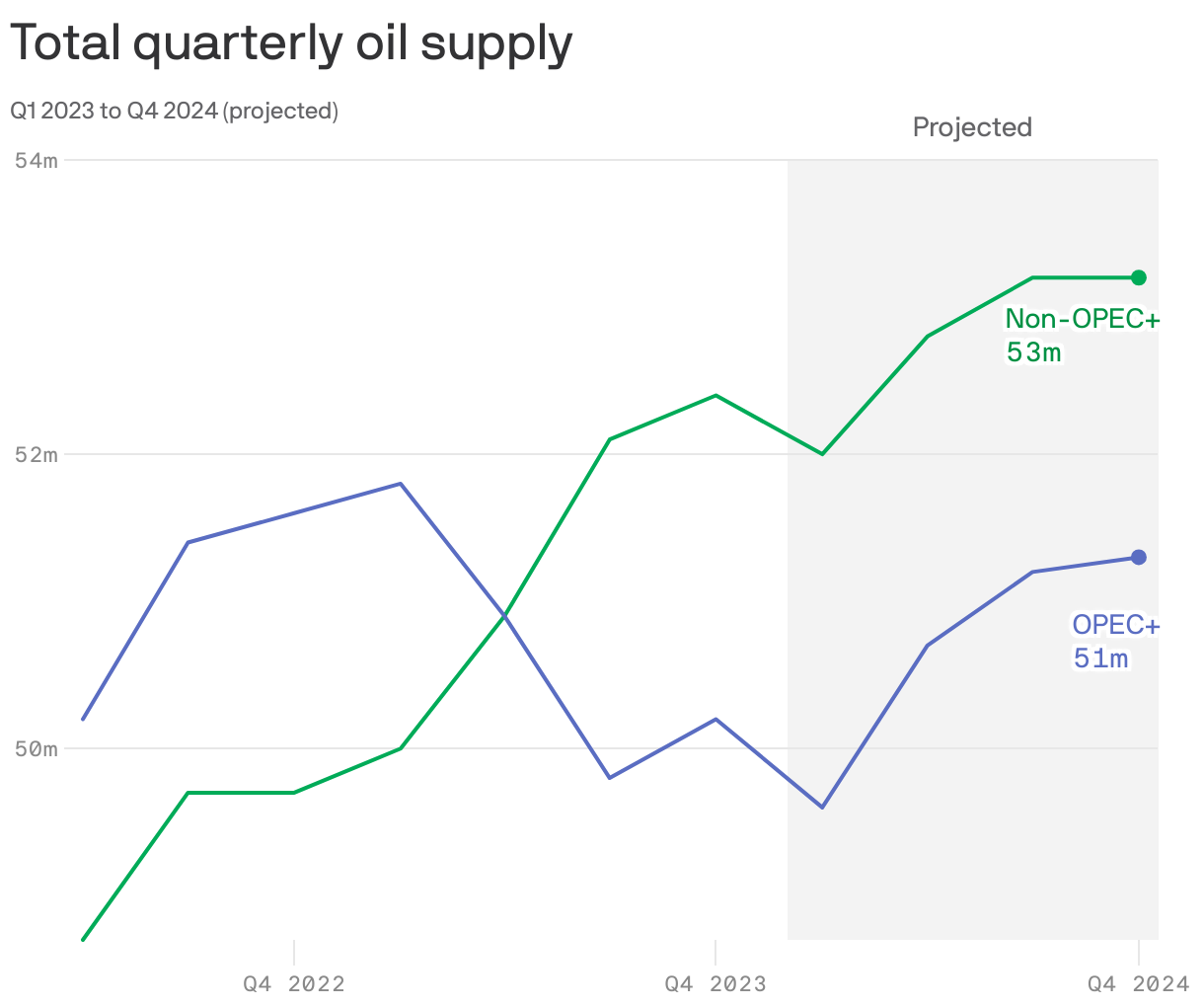
Source:International Energy Agency; Chart: Deena Zaidi/Axios Visuals
Record-setting oil production in non-OPEC nations like Brazil and the U.S. should help make up for production cuts and supply disruptions coming out of the Middle East, the International Energy Agency suggests.
Why it matters: Recent supply disruptions and decreases in production from OPEC+ members, which includes OPEC members and countries including Russia and Kazakhstan, have generated concerns about supply interruptions, and the potential for higher oil prices.
Yes, but: According to monthly IEA data, non-OPEC+ countries will be driving the oil supply wave in 2024. The report tracks global energy supply and security.
By the numbers: Fueled by record-setting output by non-OPEC+ economies like Brazil, Canada, and Guyana, global supply is forecasted to rise by 1.5 million barrels per day, setting a new high of 103.5 million barrels per day by the second quarter of 2024.
With global demand projected to grow at a slightly slower rate — due in part to sluggish economic conditions in China, the world's second-largest crude oil consumer — inventories are projected to rise next year. It potentially puts downward pressure on prices.
What they're saying: "A 2024 market where oil supply growth is sufficient to cover growth in demand is one of the reasons why investors today perceive oil to be an unattractive investment opportunity," J.P. Morgan analysts wrote in a recent research note.
"This perception is a marked turnaround from even a year ago when the consensus view was that … OPEC and its allies had a firm grip on the market."
D.R. Horton's profit margins on home sales fell short of expectations in its most recent quarter, the company reported Tuesday.
Why it matters: The largest U.S. homebuilder's margins disappointed because it's been cutting prices to whip up sales. That's a welcome development for would-be buyers struggling to find homes to purchase amid low inventory and high mortgage rates.
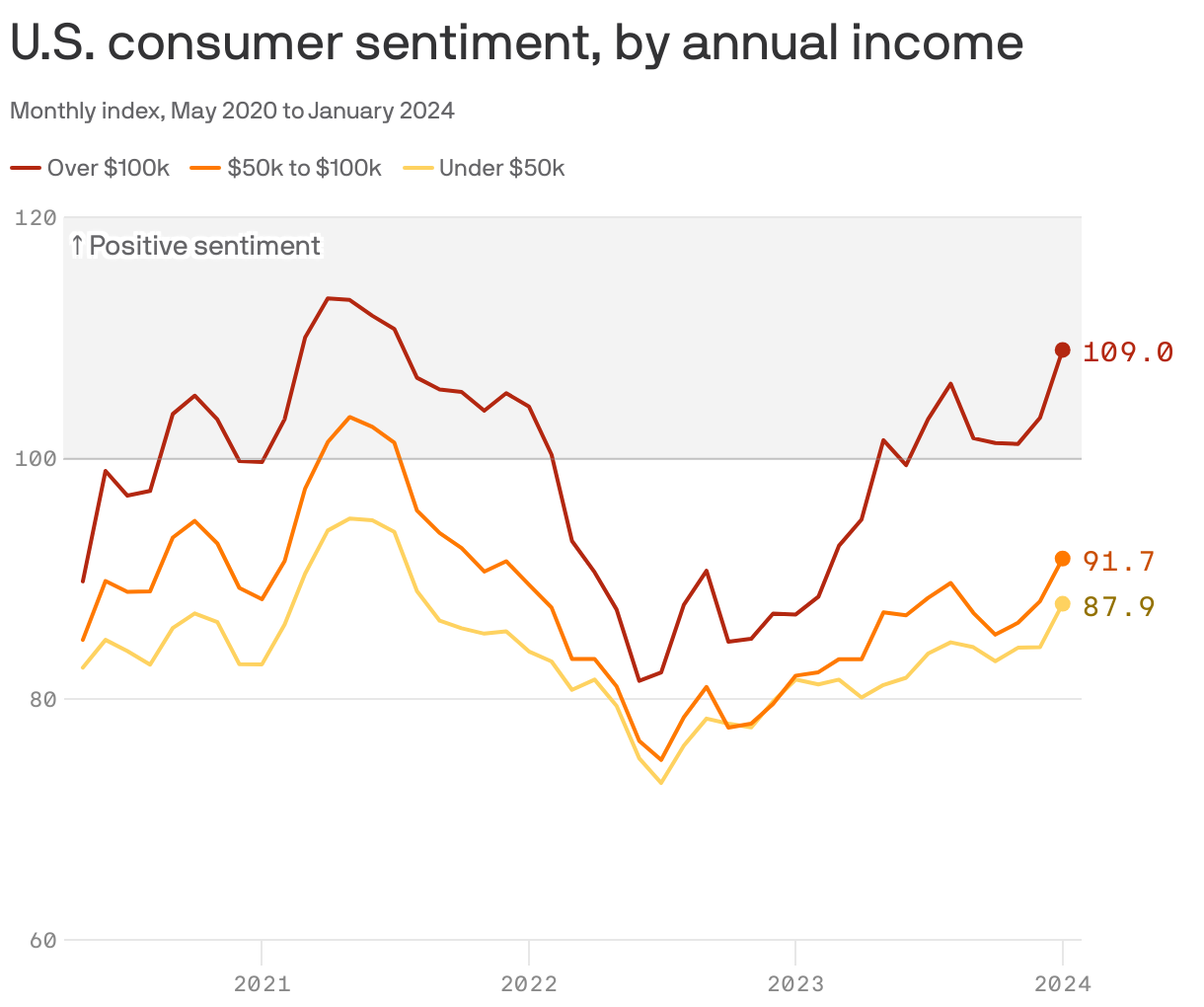
Consumer sentiment rose across income groups in January — and it surged the most among those earning more than $100,000, according to Morning Consult polling out Wednesday morning.
Why it matters: It's just the latest sign of a turnaround in Americans' dour economic mood.
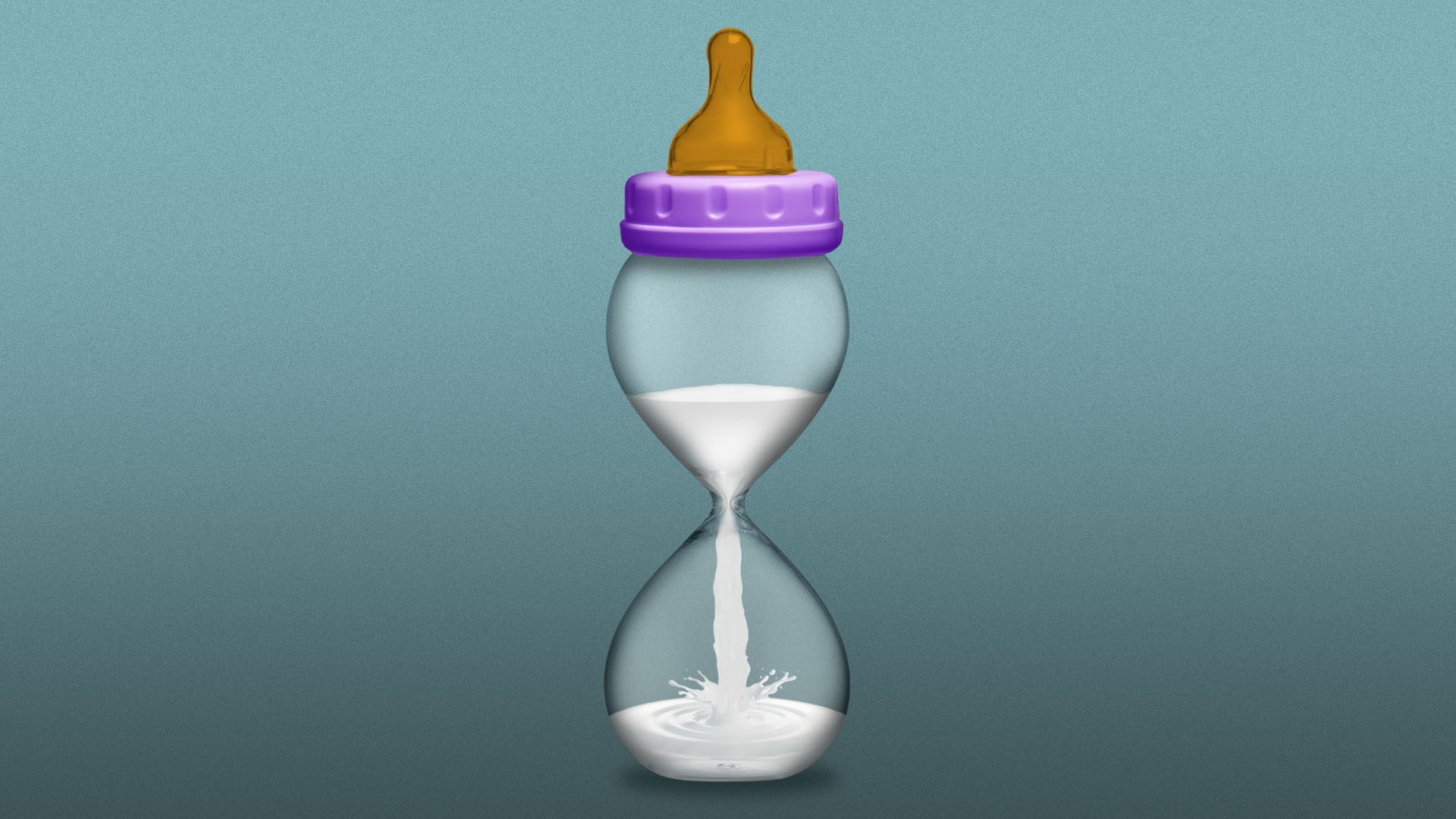
Facing an outcry on TikTok, the CEO of a small baby clothes company issued two public apologies last week for denying a new mother's request to work from home while her baby was in neonatal intensive care.
Why it matters: The public relations disaster at Kyte Baby, a Texas-based business that bills itself as "woman-owned," is a clear example of how the lack of paid leave policies in the U.S. leaves mothers scrambling.