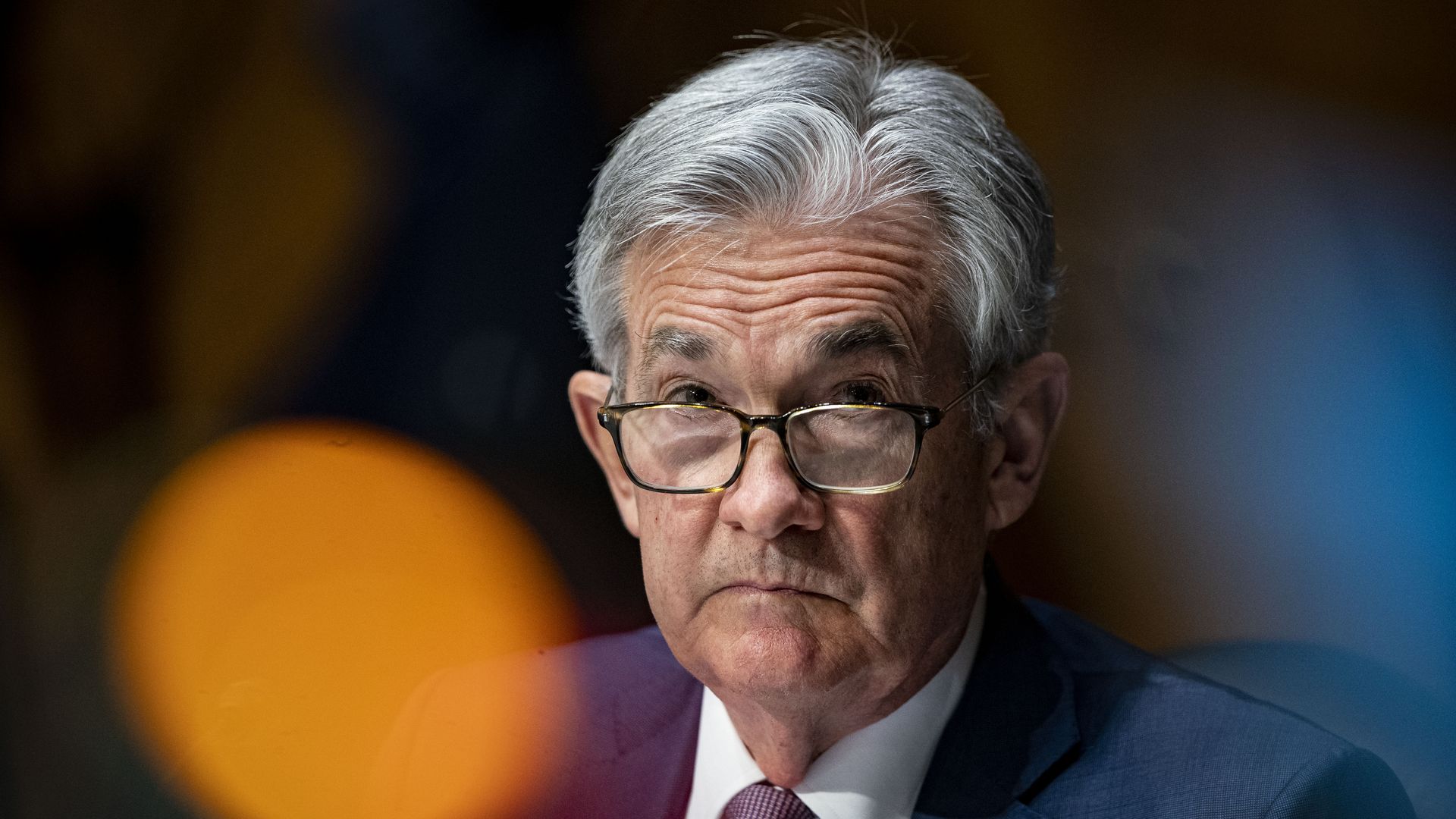
Massachusetts regulators filed a complaint against online investing platform Robinhood on Wednesday, accusing the company of violating state securities laws by aggressively marketing to inexperienced investors and failing to protect customers and their assets.
Why it matters: The complaint suggests Robinhood's tactics exposed investors in the state to "unnecessary trading risks" and encouraged its customers to use the platform through “gamification.”
A new report — first seen by Axios — lays out what could go wrong in the worlds of geopolitics, business and technology in the coming year, as well as what could go right.
The big picture: Viewed side by side, many of the risks and opportunities of 2021 present a mirror image, where different decisions in the same part of the world can lead to positive outcomes — or another year of catastrophe.
Aphria and Tilray on Wednesday announced merger plans for what will become the world's largest cannabis company by sales, just weeks after voters in four states approved marijuana legalization.
Axios Re:Cap digs into cannabis consolidation, and the politics surrounding the mergers, with Aphria CEO Irwin Simon and Tilray chief executive Brendan Kennedy.
2020 has been an awesome year for Corporate America, but not so much for Working America.
The big picture: 45 of America’s 50 biggest publicly traded companies have turned profits since March, while nearly 8 million Americans have fallen into poverty since June, the WashPost reports in a pair of striking stories.
After a months-long battle, Roku and AT&T have finally reached an agreement to distribute AT&T's streaming service HBO Max.
Why it matters: Until now, Roku was the only TV platform that did not carry HBO Max. AT&T struck a deal to distribute HBO's on-demand subscription video service on Amazon Fire devices and Prime Video channels in November.
The Federal Reserve kept rates unchanged at 0%–0.25% at its latest policy meeting, but changed its statement to include a promise to continue to buy at least $120 billion of bonds each month "until substantial further progress has been made toward the Committee’s maximum employment and price stability goals."
Why it matters: Fed chair Jerome Powell consistently stressed during his press conference that the Fed was nowhere close to reducing its massive bond-buying program, even though its evaluation of the economy had improved and would continue to provide monetary policy support.
Autonomous vehicles will be available on Lyft's ride-sharing network in multiple U.S. cities beginning in 2023, Lyft and self-driving tech company Motional announced Wednesday.
Why it matters: It represents a potential milestone in the commercial rollout of self-driving technology, which AV developers say will lead to safer, lower-cost transportation.
The Food and Drug Administration on Tuesday authorized the first over-the-counter, at-home rapid coronavirus test, which allows users to get their results from an app.
The big picture: A slew of at-home tests are in development, which could make diagnostics easier and faster as the pandemic rages on.
The coronavirus pandemic has drastically changed the way supply chains operate, but some CEOs are finding success in creative solutions to combat material shortages and staff outbreaks.
The big picture: Stay-at-home orders and COVID-19 made operations for many manufacturing companies difficult to maneuver. Close-quarters provided ample space for outbreaks and shipping overloads bottlenecked some products and deliveries.
Private sector businesses need to contribute toward social causes they believe in, because "government alone cannot do what needs to be done," Fanatics chief executive Michael Rubin said at an Axios Event on Wednesday.
The state of play: Many private companies have ramped up their charitable efforts during the pandemic. Fanatics, for example, switched gears from producing athletic apparel to manufacturing masks and PPE for essential workers in spring when supplies were falling short. Rubin argues those kinds of relief efforts should be standard in the private sector.
The value of bitcoin jumped to $20,000 on Wednesday morning, CNBC reports, citing Coin Metrics market data.
The big picture: The cryptocurrency almost traded above $20k in 2017, but advocates tell CNBC that institutional support from S&P Dow Jones Indices and Cboe Global Markets have put the virtual currency on an upward track.
On March 5, Sequoia Capital issued a dire warning to its portfolio company CEOs, telling them to "question every assumption" about their businesses.
Flashback: At the time, the WHO wouldn't categorize COVID-19 as a pandemic for another two weeks. The NBA was still playing games in front of fans. Congress had just committed $8 billion to fight the virus, believing it to be a sufficient amount, and non-citizen travel from Europe into the U.S. was still allowed. Kids were still in school.
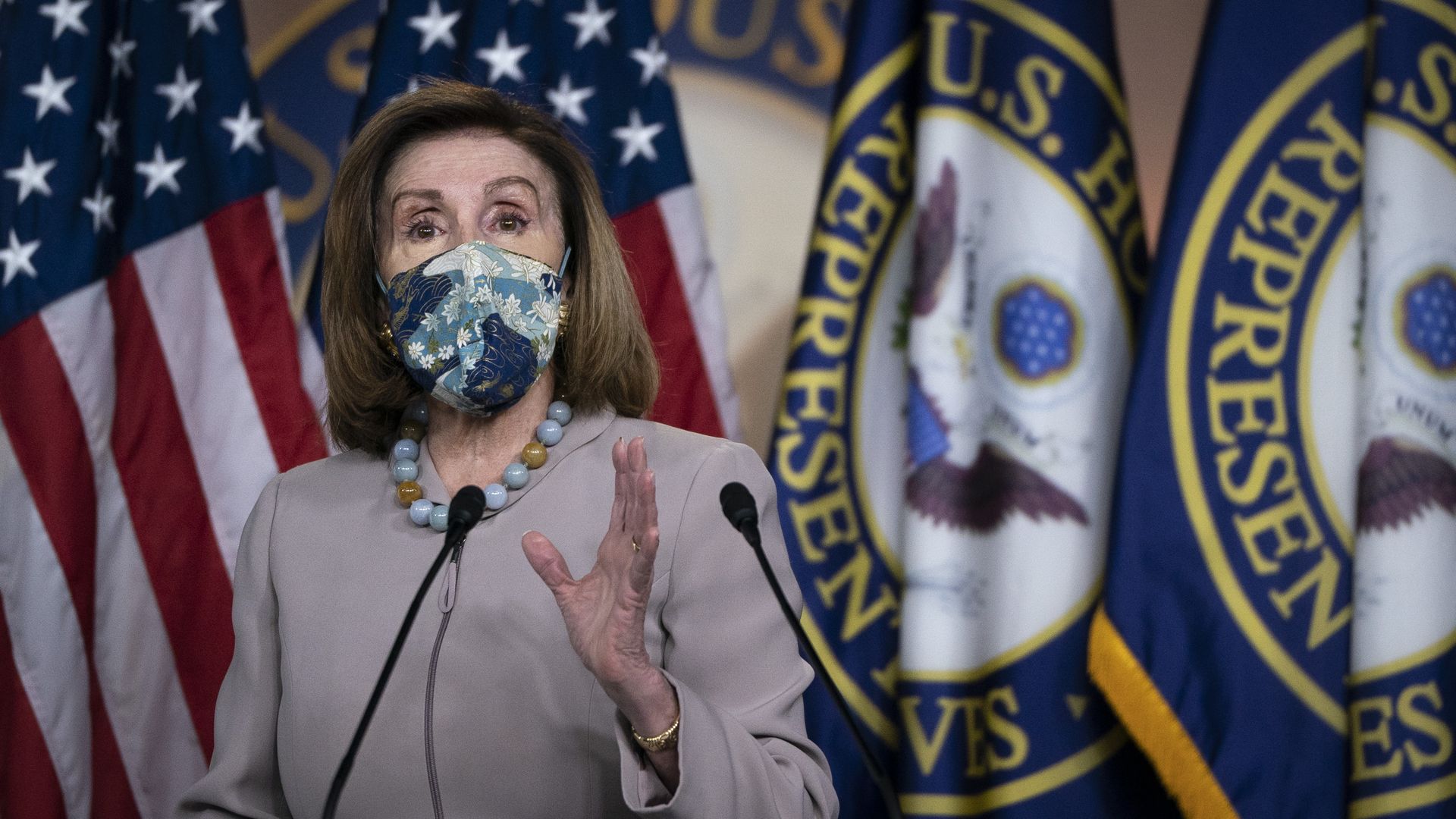
Congressional leaders are moving closer to striking a compromise on coronavirus relief funding, and could soon announce a roughly $900 billion rescue package with a second round of direct payments as low as $600, sources familiar with the talks tell Axios.
The state of play: Negotiations between House and Senate leaders and the White House are ongoing and the details are not yet finalized, but this is the closest Congress has been to reaching a stimulus deal in months.
Pipe, a marketplace for revenue-based lending, has started to let its employees sell some of their equity each year through company-managed secondary sales on the AngelList platform.
Why it matters: Shareholder liquidity continues to be a challenge for tech startups as companies remain private longer than ever before.
The true unemployment rate for women isn't going down, as official statistics suggest. In fact, it's going up — at least according to the most recent analysis of official data from LISEP, the Ludwig Institute for Shared Economic Prosperity.
By the numbers: The LISEP definition of "true unemployment" includes anybody who's looking for a full-time job paying a living wage, but who hasn't been able to find one. By that metric, 30.9% of American women were unemployed in November — an increase of 0.5% from the October figure.
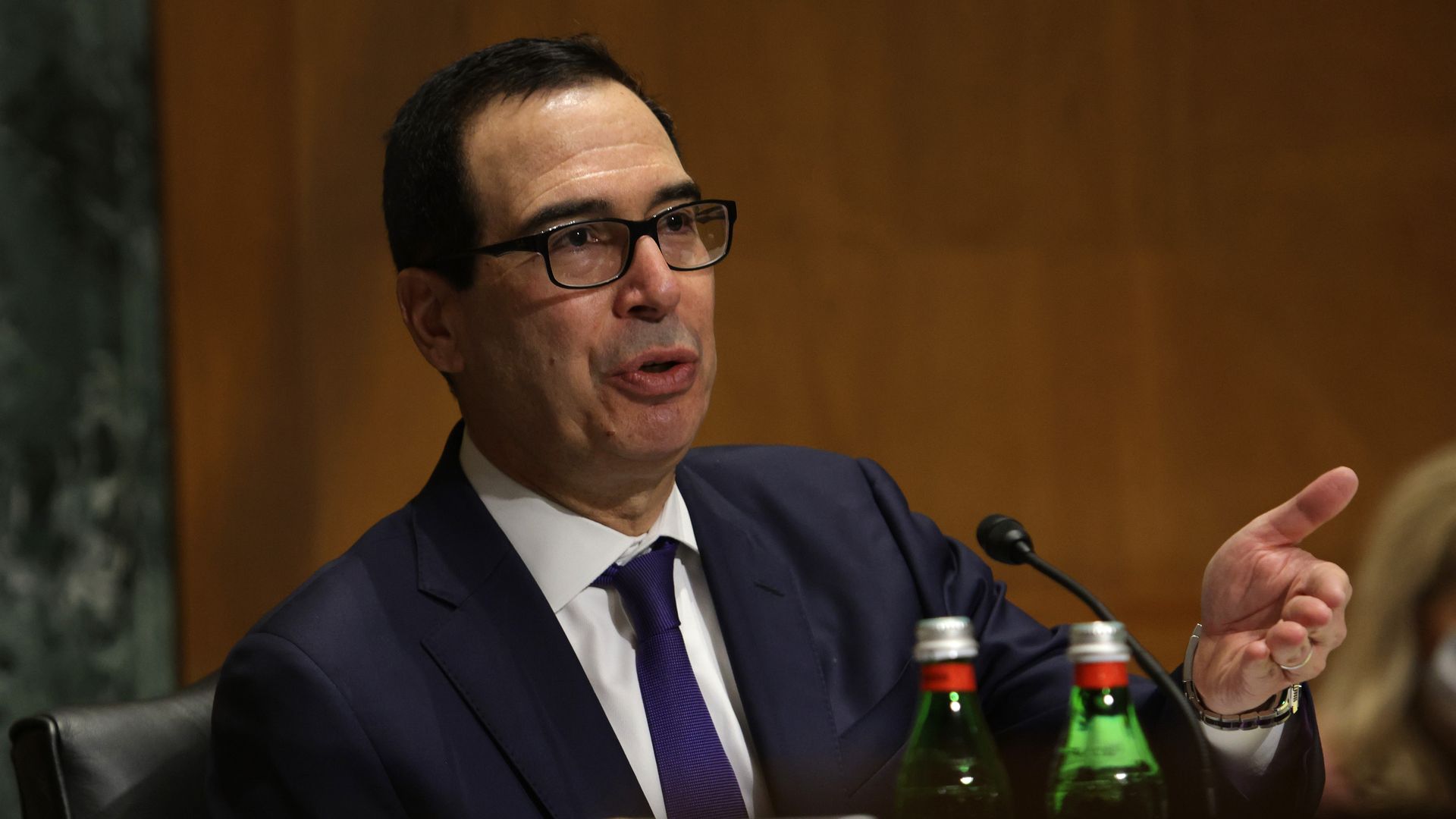
Switzerland and Vietnam have officially been designated as currency manipulators, the Treasury Department announced today.
Why it matters: The designation allows the White House to impose a broad range of tariffs, sanctions and other punishments on the two friendly countries, both of whom have been struggling with strengthening currencies this year.
Oil giant BP said this morning that it has taken a majority stake in Finite Carbon, a U.S.-based company that according to BP is the country's largest developer of forest carbon offsets.
Why it matters: BP, which made a $5 million investment in the firm's parent last year, said the new deal would help the company expand and reach new markets. The size of the deal was not disclosed.
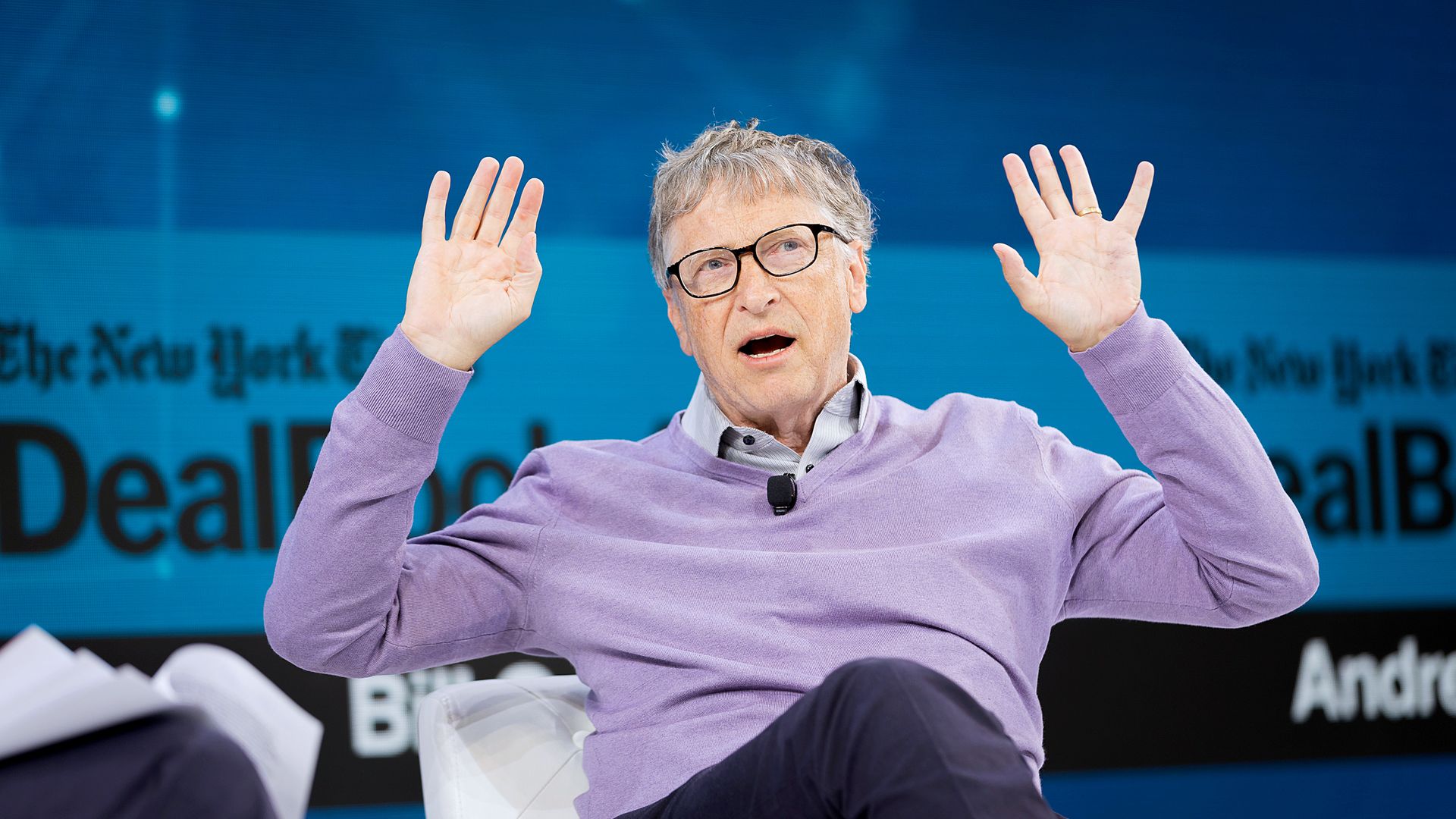
ZeroAvia, a startup looking to commercialize hydrogen fuel cell-powered aviation, secured over $21 million from backers including the Bill Gates-led Breakthrough Energy Ventures, Amazon and Shell.
Why it matters: Aviation is a substantial source of carbon emissions and finding ways to wring emissions from the sector is a big challenge, so these efforts are worth watching.
The pandemic didn't just move us forward in terms of workplace transformations — it also moved us back, erasing decades of workplace progress and deepening existing societal inequalities.
Why it matters: It could take years to reach the levels of equity that existed before the coronavirus ravaged the U.S. economy.
As the year comes to an end, investors find themselves in a similar position to where they were when it started: Watching a feverishly hot stock market hitting new highs and wondering if the rally is too good to be true.
The state of play: While stock traders remain confident the Fed will continue to provide unprecedented monetary policy stimulus, the market may need President-elect Joe Biden and a potentially divided Congress to deliver large fiscal spending packages to keep the rally alive.
In less than a year, the pandemic shot us more than a decade ahead in the workplace transformation.
The big picture: The pandemic's acceleration of telecommuting has changed much more than the way we attend meetings. We'll see lasting impacts on company culture, the job market, demographics and cities.
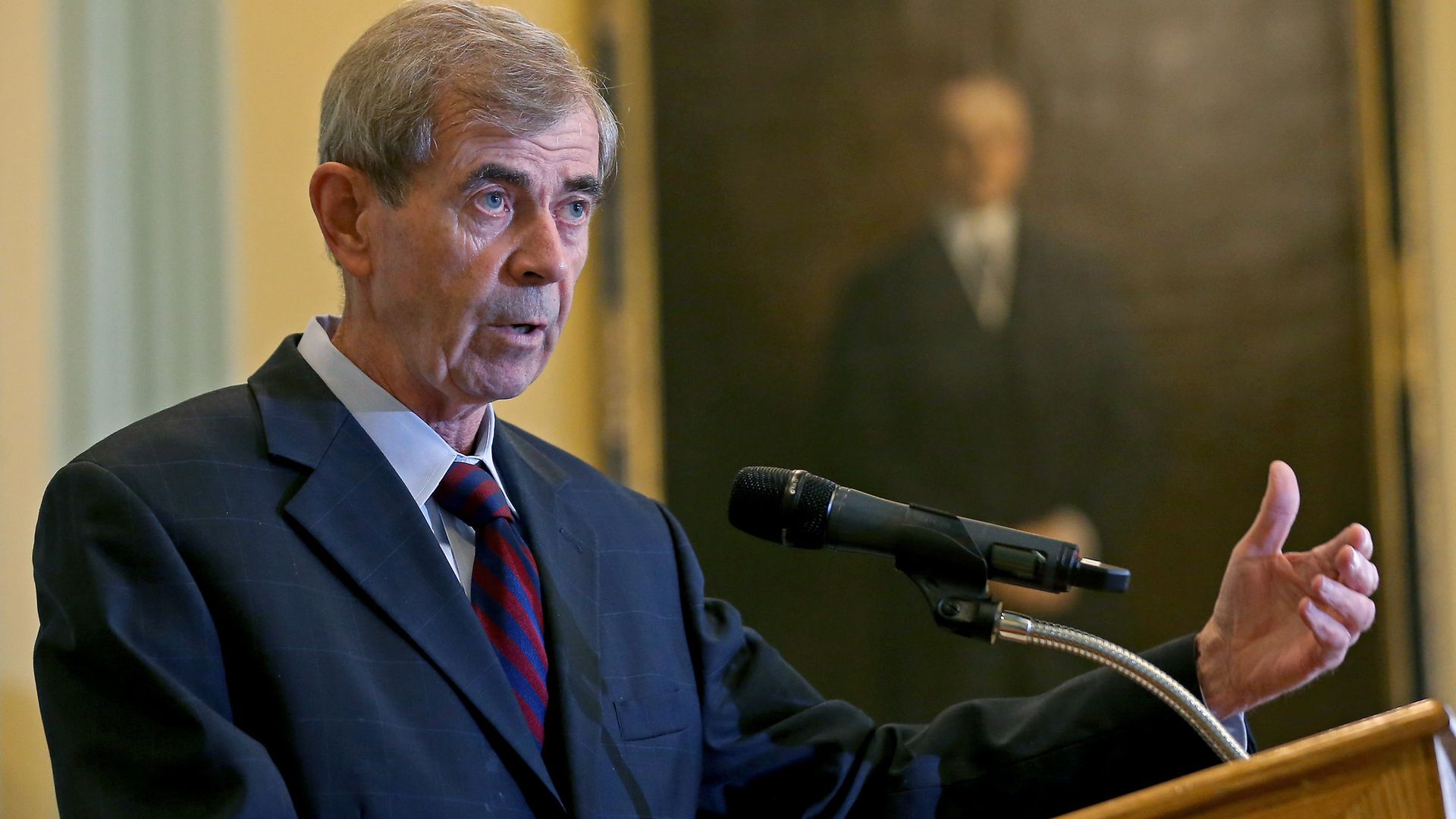
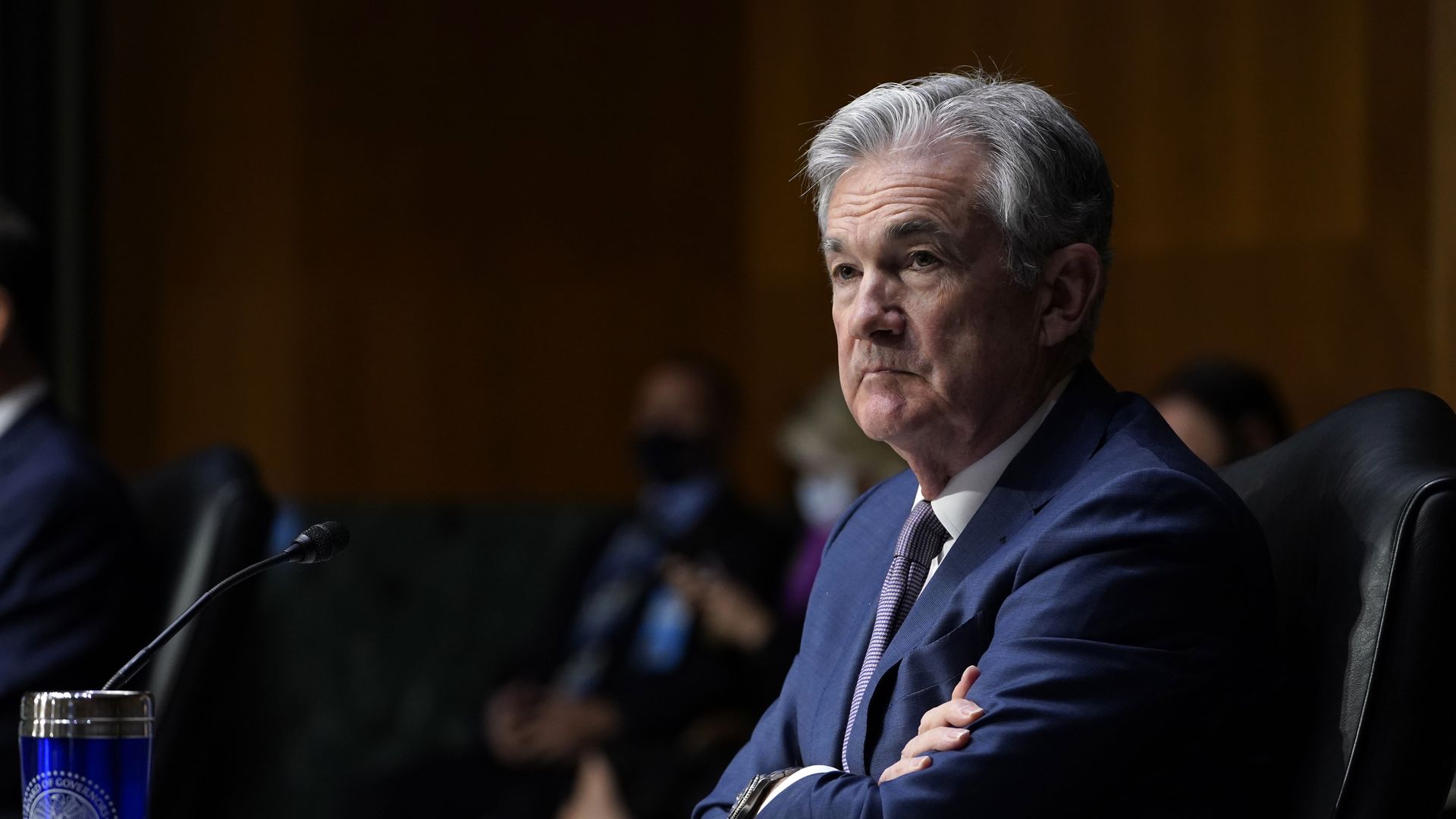
Federal Reserve Chairman Jay Powell holds his final news conference of the year Wednesday — and Congress may get an earful.
What we’re hearing: Powell is likely to plead with Congress to pass more fiscal support for an economy riven by a global pandemic, and to suggest there are limits to what the Fed can do with monetary policy.
















/2020/12/16/1608134542390.gif?w=3840)










/2020/12/15/1608075377607.gif?w=3840)

/2020/12/15/1608073795296.gif?w=3840)