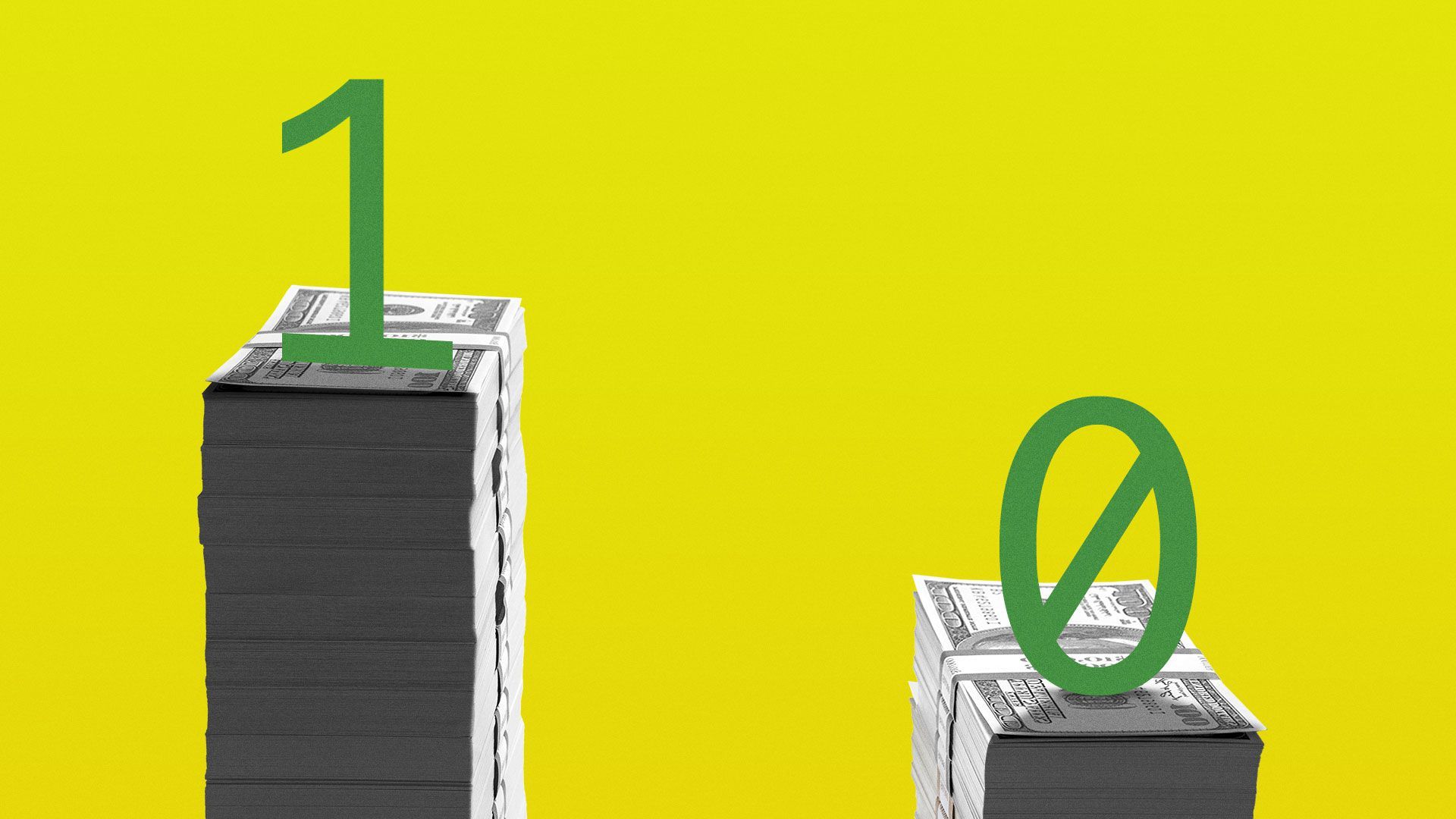
A new report shows that cripplingly high computational costs mean just a handful of big companies are able to do top-flight AI research.
Why it matters: AI will do more than any other technology to shape our future. If only the Googles and the Microsofts of the world have the resources needed to move the field forward, it will solidify their power — and possibly strangle innovation.
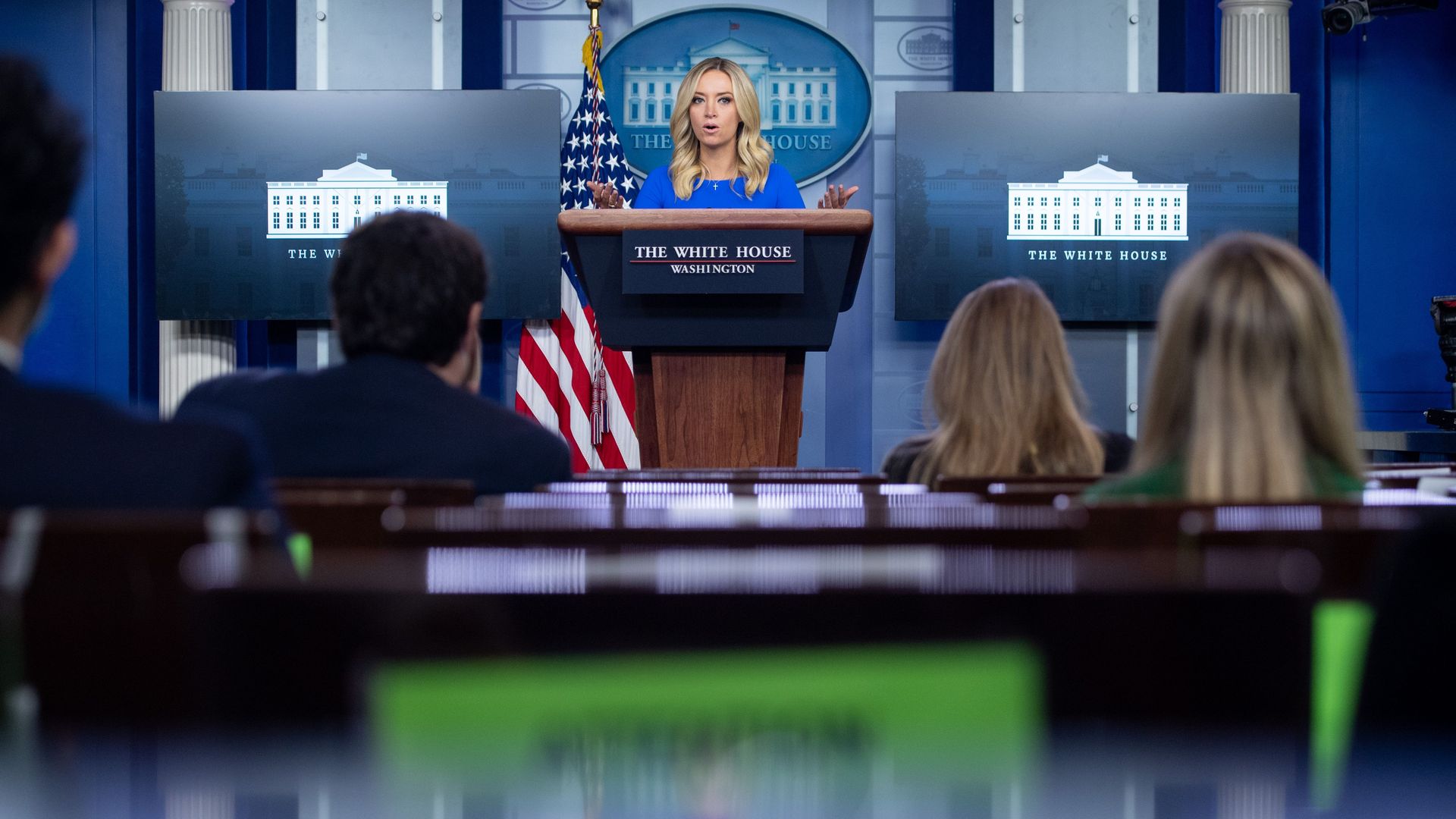
At least three reporters working at the White House tested positive for the coronavirus on Friday, Zeke Miller, president of the White House Correspondents' Association, said in a letter to colleagues.
Why it matters: The cases follow President Trump's positive COVID-19 diagnosis and cases among other White House staffers. Multiple White House journalists are self-isolating while awaiting test results, Miller said.
Cerberus Capital Management on Friday became the latest private equity firm to form a SPAC, a sort of blank-check company that goes public and then acquires a private company.
Why it matters: Cerberus first dipped its toe into SPACs well before the current boom, forming Iron Horse Acquisition in early 2018, but later decreased that SPAC's size and ultimately withdrew its IPO registration.
President Trump has tested positive for COVID-19, raising questions about his condition, the health of others in his orbit, and what this means for the campaign, the markets, public health policy and more.
Axios Re:Cap digs in with reporters Jonathan Swan, Mike Allen, Sam Baker, Dion Rabouin and Sara Fischer.
There were fewer cars on the road last spring during the height of the pandemic, but traffic fatality rates increased 30% in the second quarter as evidence suggests drivers engaged in more risky behavior, federal officials say.
Why it matters: The sharp reversal in what had been a three-year trend toward lower traffic deaths raised alarms within the National Highway Traffic Safety Administration, where officials vowed to dig deeper.
"We've never seen trends like this and we feel an urgency ... to turn this around as quickly as possible," NHTSA deputy administrator James Owens said.
What they found: Total traffic volume fell 16% during the first half of 2020, NHTSA said in a release, while traffic deaths fell just 3%.
The fatality rate during the second quarter was 1.42 fatalities per 100 million vehicle miles traveled, sharply higher than the first quarter rate of 1.10, which was in line with historical trends.
A second NHTSA study of trauma centers found seriously injured or fatal crash victims took risks during the pandemic that included speeding, driving impaired, and not using their seat belts.
For example, the study revealed a higher prevalence of alcohol, cannabinoids, and opioids in crash victims during the quarter compared to the months prior to the pandemic.
The bottom line: Risky behavior, along with a potential reduction in law enforcement and safety messaging during the pandemic, could have contributed to increased fatality rates, NHTSA concluded.
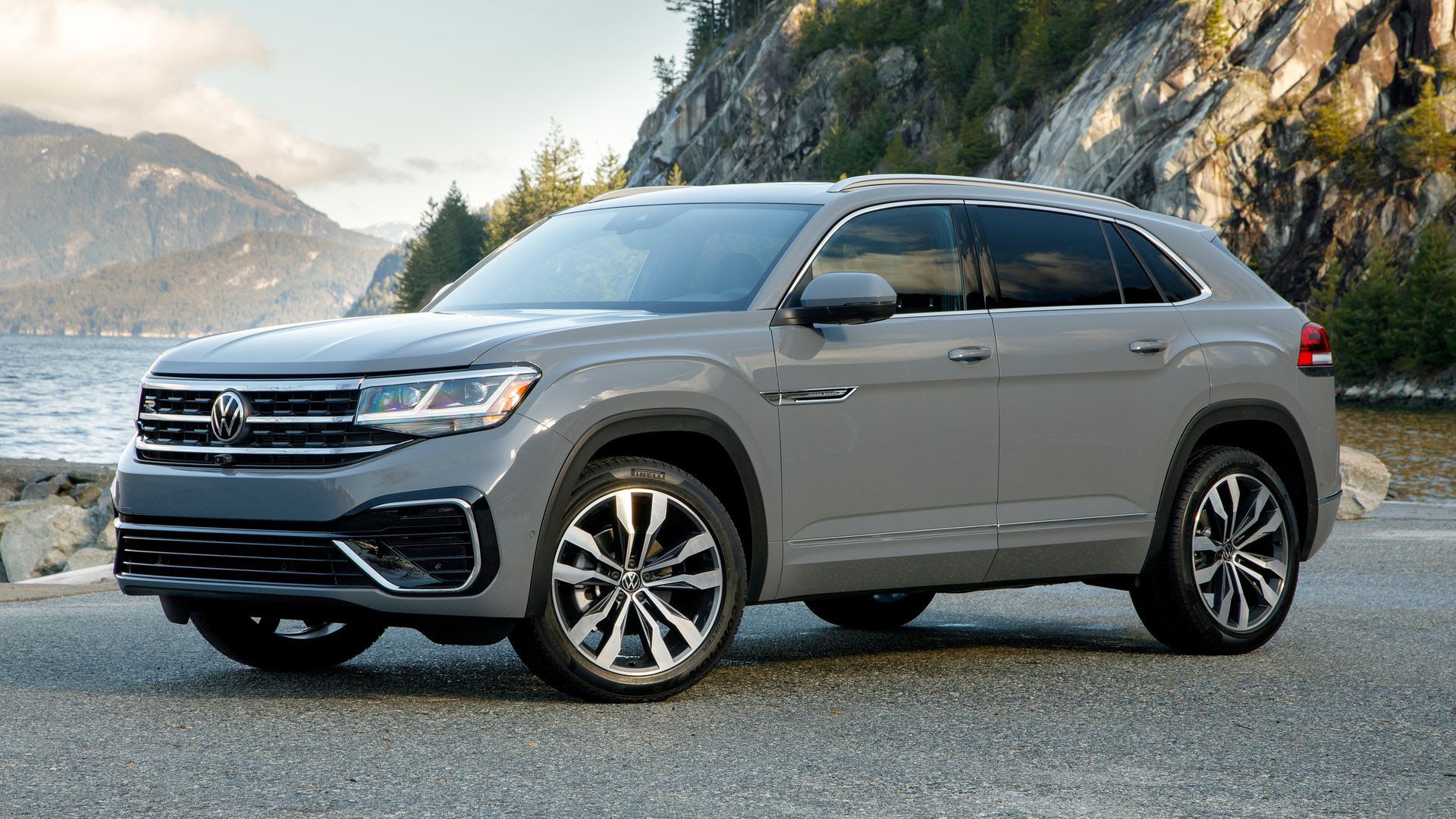
I just turned in the keys on a 2020 Volkswagen Atlas Cross Sport, a slightly smaller and sportier version of the seven-passenger VW Atlas.
The big picture: SUVs are the clear preference for consumers these days, so manufacturers are carving up the SUV market to make sure there's an offering for everyone.
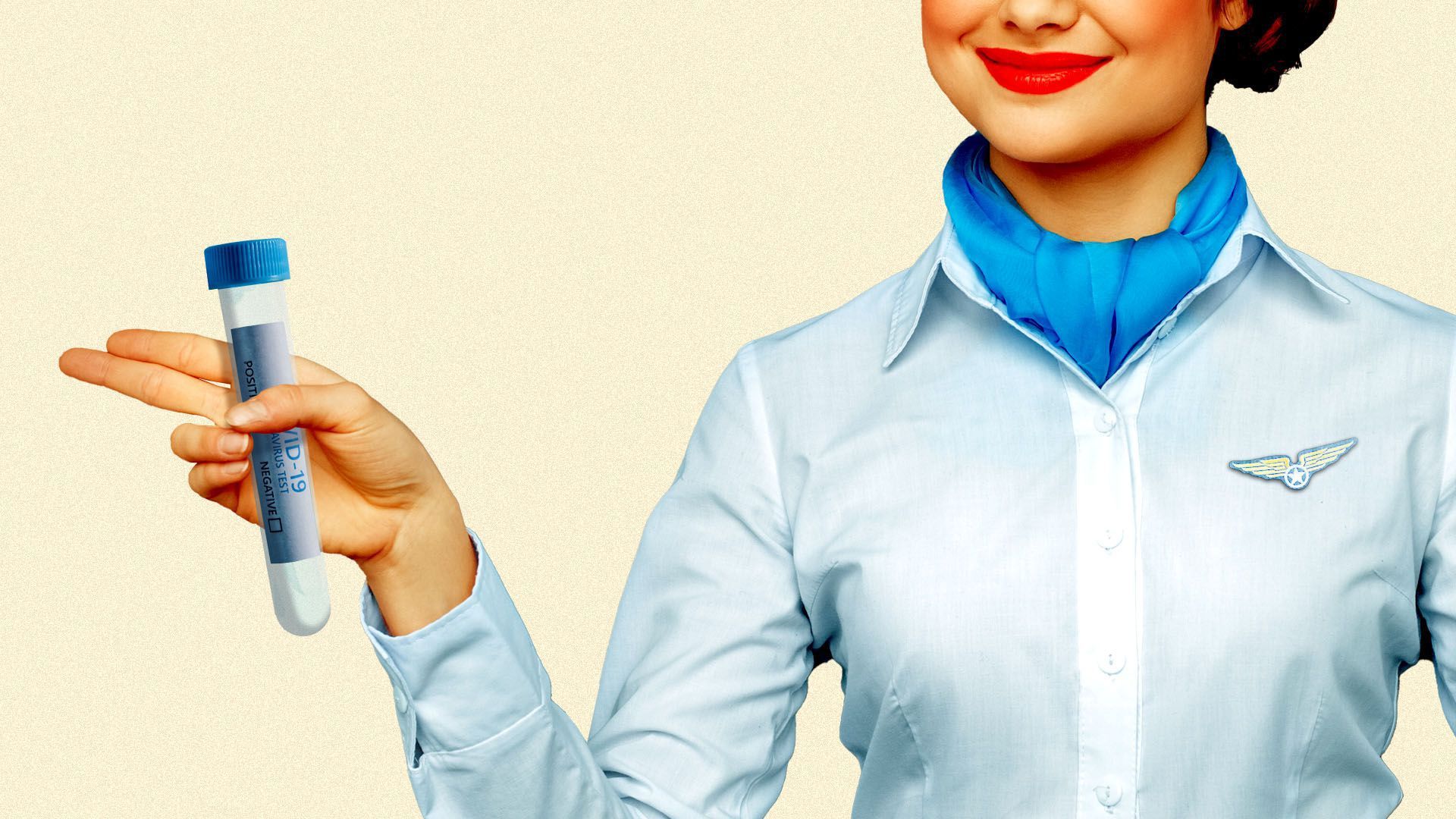
Global airlines are pushing for widespread coronavirus testing as an alternative to quarantine measures and other travel restrictions that have dampened passenger demand and decimated the industry.
Why it matters: Airline officials have pegged the industry's recovery to the discovery of a coronavirus vaccine, but it could be mid-2021 before one is widely available.
Electric cars get lots of attention but an analysis provides sobering numbers that show why EVs are not, as the authors say, a "silver bullet" for wringing emissions out of passenger travel.
Why it matters: The paper in Nature Climate Change arrives as officials in California, the country's largest auto market, are pledging aggressive regulations to ramp up EV sales.
The U.S. economy added 661,000 jobs in September, while the unemployment rate fellto 7.9%from 8.4%, the government said on Friday.
Why it matters: The final jobs report before the election showed a slowdown in hiring — a sign the labor market is in for a longer road to recover from the coronavirus pandemic.
Investors had been returning to emerging market assets in the second quarter and earlier in the third this year, but new data from the Institute of International Finance show a strong reversal that rivals the outflows seen after the 2013 taper tantrum and the 2015 Chinese currency devaluation scare.
Driving the news: JPMorgan strategists said they sold out of some EM assets ahead of expected uncertainty caused by the U.S. presidential election, adding that the president's coronavirus diagnosis could pull forward volatility.
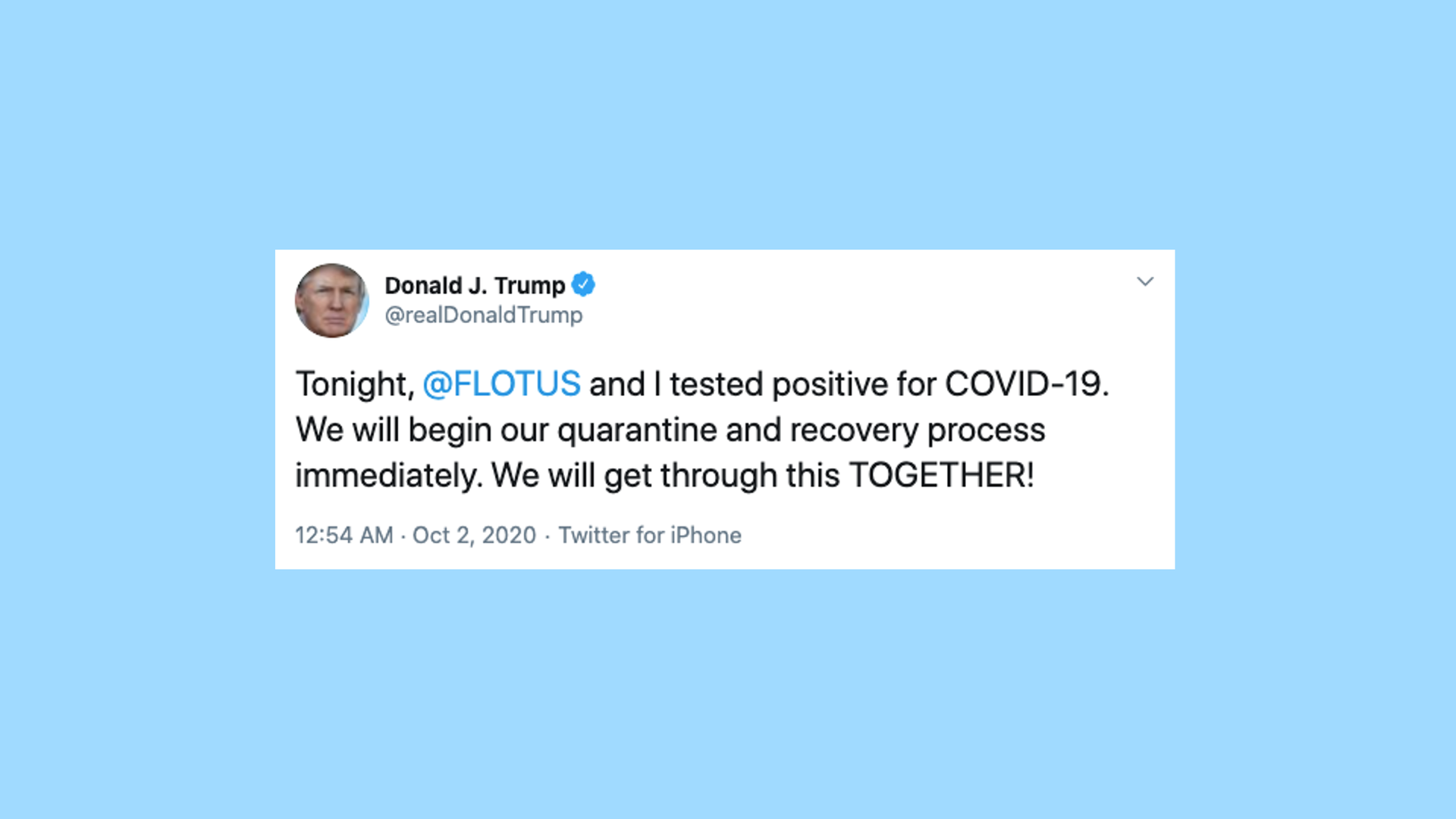
President Trump's tweet on Friday announcing that he and First Lady Melania Trump tested positive for coronavirus quickly become his most retweeted and liked tweet ever.
Why it matters: The tweet — sent at 12:54 a.m. ET — set records while most of the nation was asleep, so it's bound to get even bigger.
The final glimpse of the labor market before election day comes this morning, and it’s expected to show job growth continuing at a slower pace.
Why it matters: President Trump, who is using his record on the economy as a key message on the campaign trail, heads into election with a labor market that has been ravaged by the pandemic and is still millions of jobs in the hole.
U.S. stocks opened lower on Friday morning, following news early on Friday that President Trump and first lady Melania Trump tested positive for the coronavirus.
By the numbers: The S&P 500 fell 1%, the Dow Jones Industrial Average dropped 400 points (or 1.6%), while the Nasdaq Composite fell 1.5%. The declines
More than a quarter of women in a survey of over 40,000 say they are considering downshifting their careers or leaving the workforce entirely, as the coronavirus pandemic has intensified challenges many already faced at work, a study by McKinsey & Company and Lean In shows.
Why it matters: It's an "emergency for corporate America,"the report, which covers the U.S. and Canada, said. The pandemic's disproportionate impact on women threatens to erode years of progress in representation in the workforce, while widening the gender pay gap.
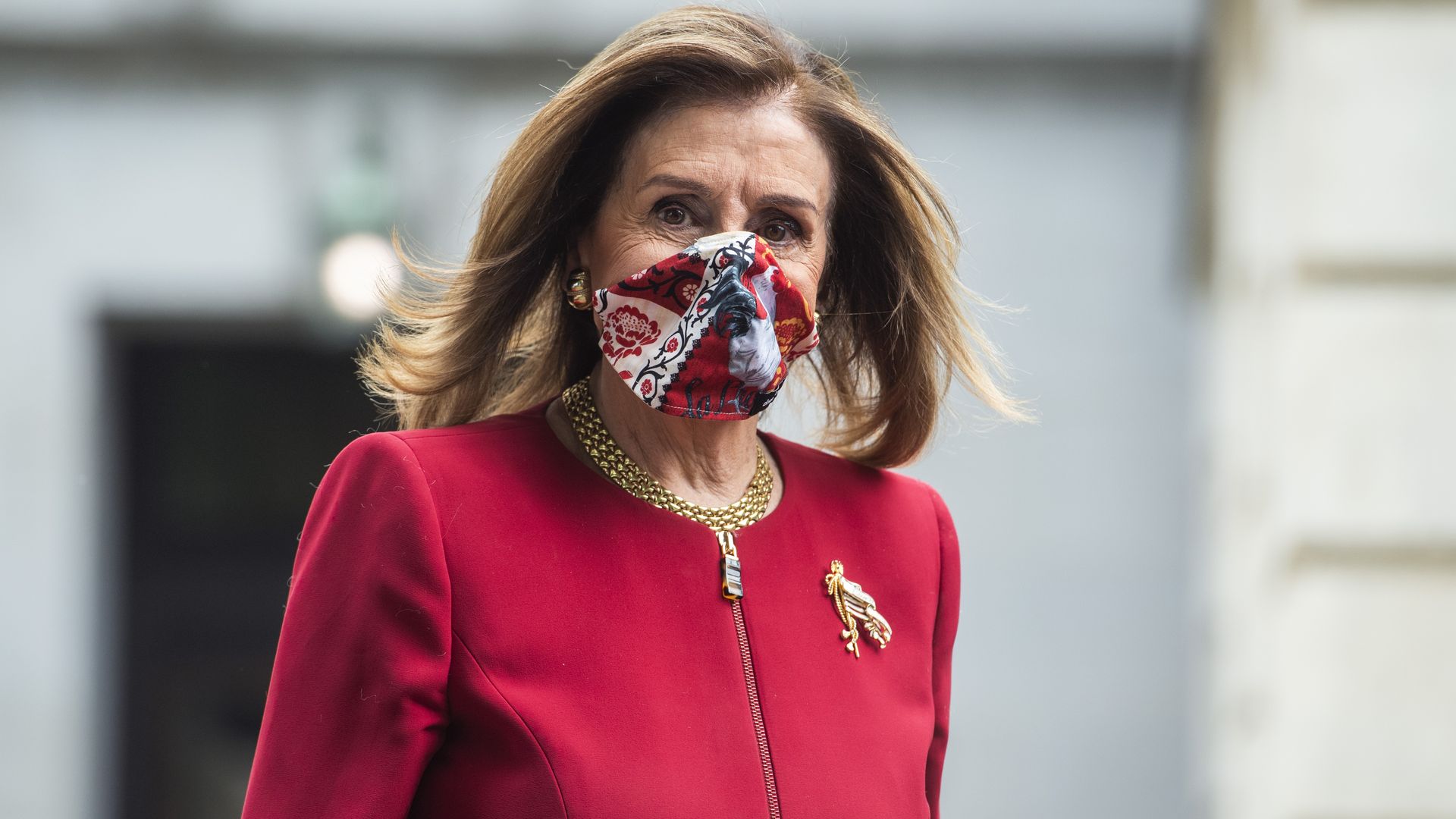
The House passed Democrats' revised $2.2 trillion coronavirus relief bill 214-207on Thursday as 11th-hour negotiations between leaders for a bipartisan deal continue.
Why it matters: The legislation, a slimmed down version of the House's initial $3.4 trillion HEROES Act, is Democrats' last ditch effort to strike a stimulus deal with the White House and Senate Republicans before Election Day, though many lawmakers admit they think the legislation has little chance of becoming law.