It's easy to dog the media. But stop for a second and reflect on everything we know thanks to the media — and often the media alone.
Driving the news: It was the media that gave light to the negligence of White House officials in containing the coronavirus. It was Bloomberg's Jennifer Jacobs who revealed Hope Hicks' positive test, with President Trump disclosing five hours later that he and the first lady had COVID.
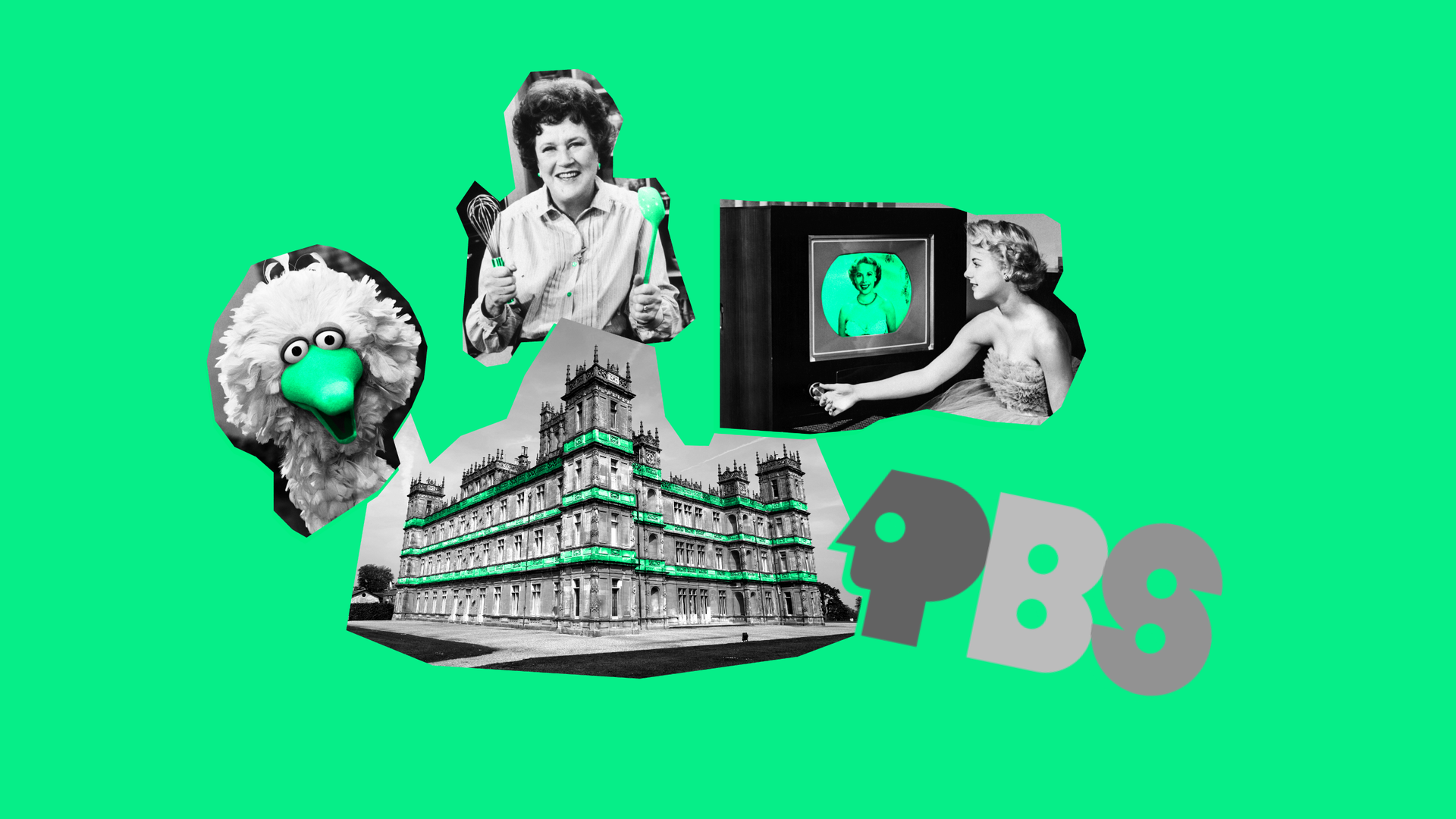
Amid a global pandemic and an election year, PBS, the public broadcaster turning 50 on Sunday, faces its most transformative period yet.
The big picture: While PBS is best known for shows like "Sesame Street" and "Downton Abbey," its legacy also includes innovations in technology, like creating closed captioning to make TV accessible to the deaf, and pioneering diversity in television.
A new report shows that cripplingly high computational costs mean just a handful of big companies are able to do top-flight AI research.
Why it matters: AI will do more than any other technology to shape our future. If only the Googles and the Microsofts of the world have the resources needed to move the field forward, it will solidify their power — and possibly strangle innovation.
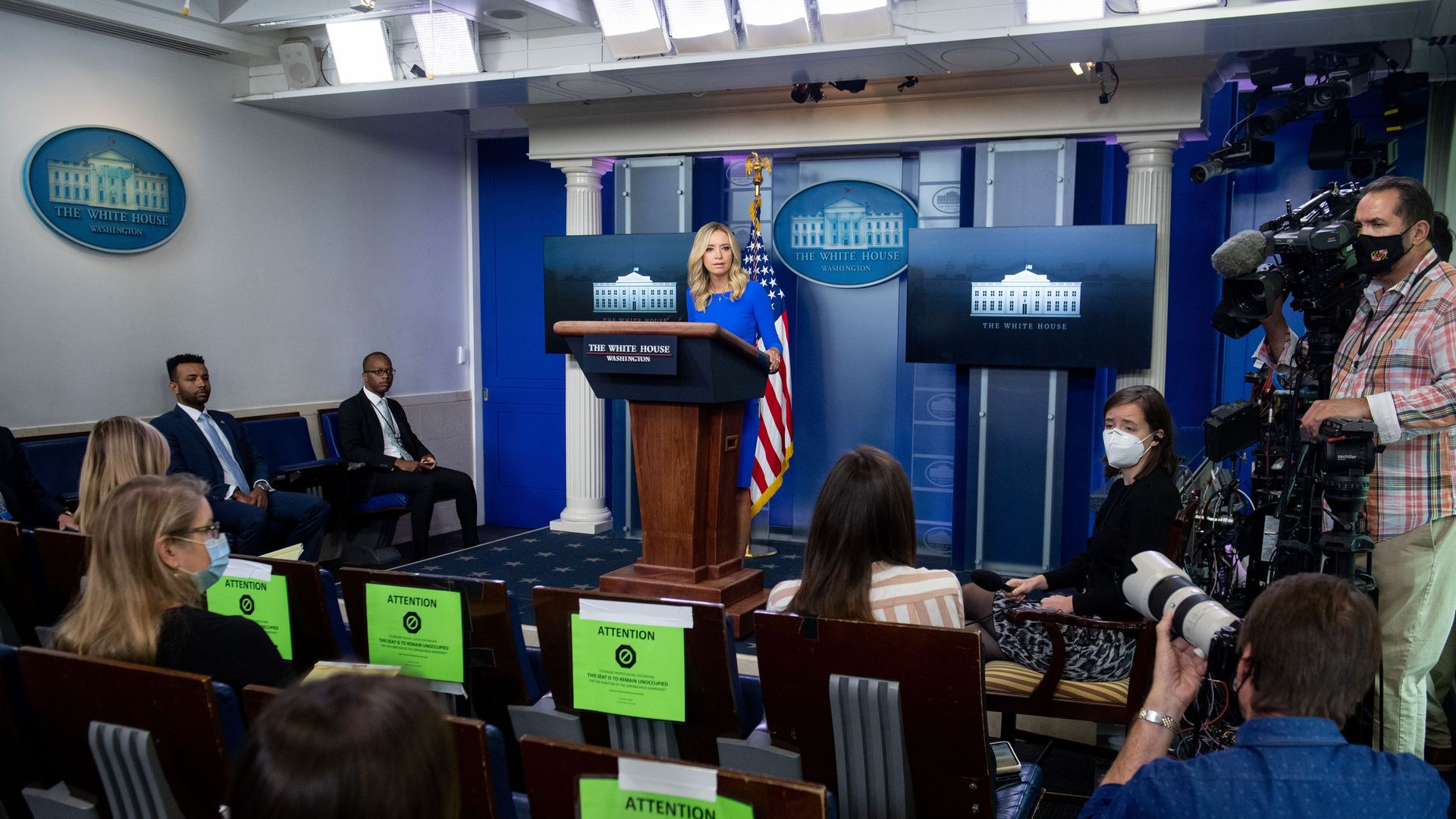
At least three reporters working at the White House tested positive for the coronavirus on Friday, Zeke Miller, president of the White House Correspondents' Association, said in a letter to colleagues.
Why it matters: The cases follow President Trump's positive COVID-19 diagnosis and cases among other White House staffers. Multiple White House journalists are self-isolating while awaiting test results, Miller said.