A bipartisan group of 19 members of Congress on Friday penned a letter to Disney CEO Bob Chapek questioning Disney's cooperation with "security and propaganda authorities" in the Xinjiang Uyghur Autonomous Region (XUAR) during its filming of the remake of "Mulan."
Driving the news: Earlier this month, Disney revealed that some scenes from its live action remake of the 1998 animated classic were filmed in Xinjiang, where the Chinese government is engaged in a campaign of cultural and demographic genocide against indigenous minorities.
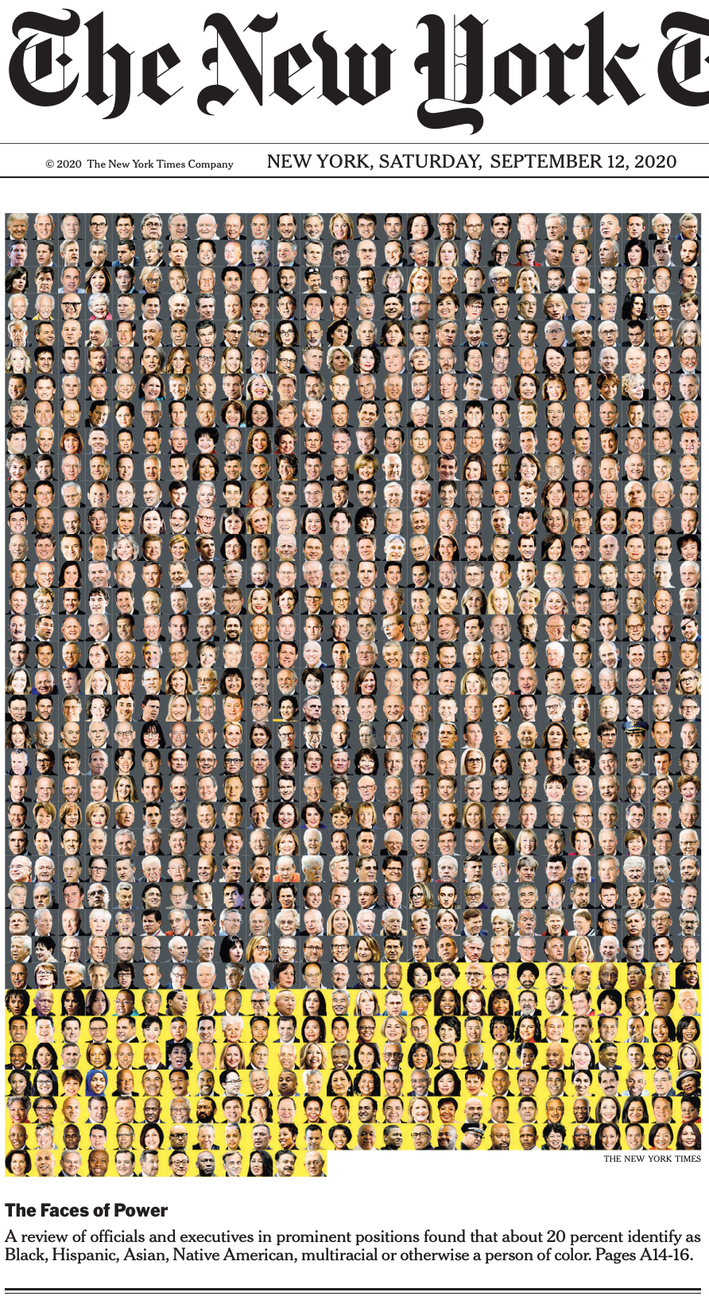
A New York Times investigation found that of more than 900 powerful officials — including executives and prominent positions — only about 20% identify as people of color.
Why it matters: While 40% of Americans identify as Black, Hispanic, Asian, Native American, multiracial or other, representation of those groups at the highest levels of corporate power is sparse, per the Times.
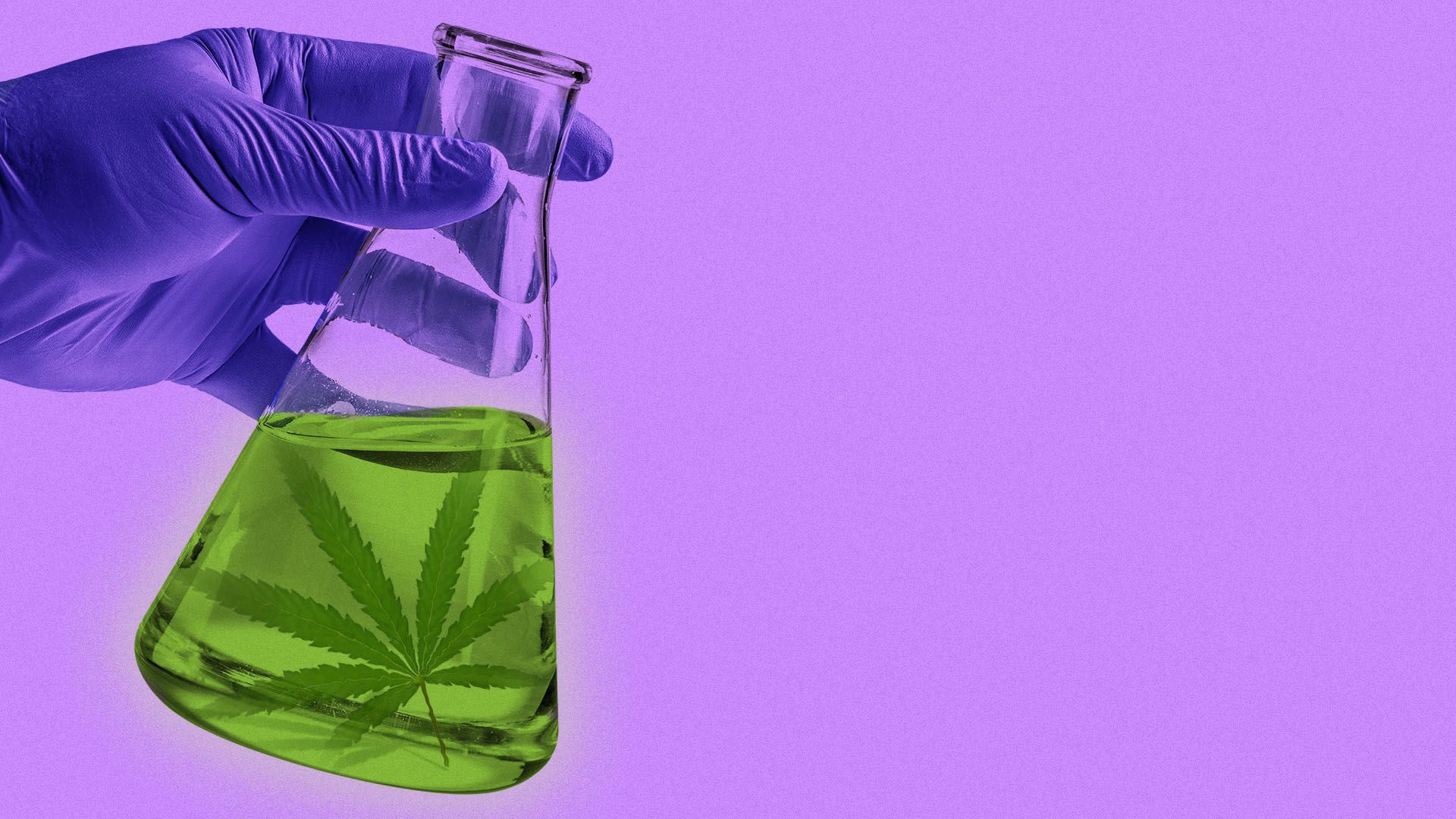
Startups are competing to use biosynthesis to produce the cannabinoids found in different strains of cannabis.
Why it matters: The market for various types of CBD — a non-psychoactive component in cannabis — for medical and nutraceutical purposes is growing rapidly, and biosynthesis promises a cheaper and more controllable method of production than growing plants.
California is on fire right now, and Silicon Valley is among the affected areas. But tech hasn't done too much work to help prevent or fight these sorts of blazes, as most companies prefer to build products for consumers or businesses, not governments.
Axios Re:Cap speaks to one of the exceptions: GoTenna CEO Daniela Perdomo, whose company makes a product that helps wildfire fighters communicate via cell phones even if there isn't available cellular service. We ask what could be doing more of, and why it isn't.
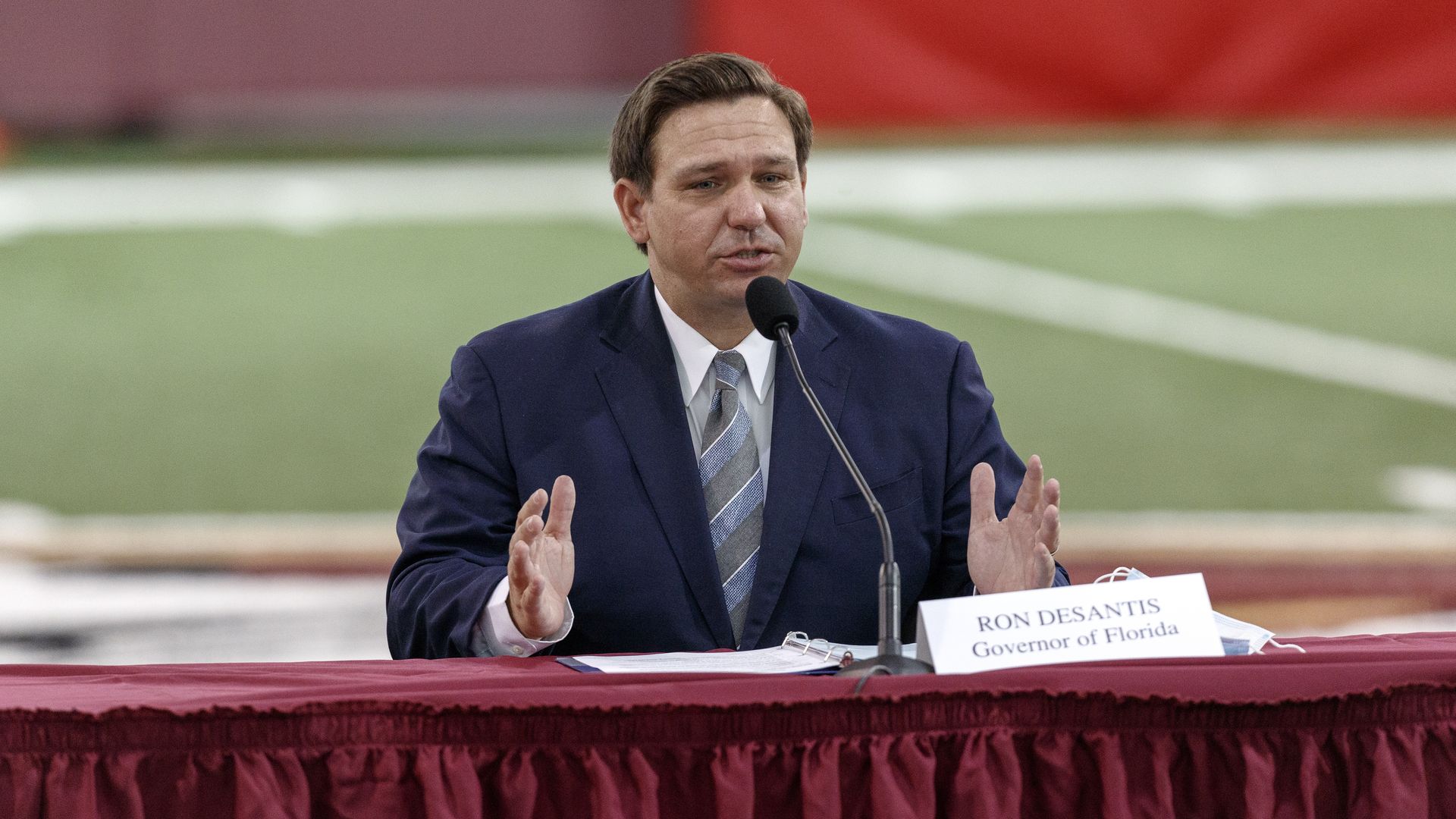
Bars across Florida will be allowed to reopen at 50% capacity next week, state officials announced late Thursday.
Why it matters: The number of daily cases in Florida has consistently decreased since reaching peak-levels in July, although fewer tests have been administered, per the COVID Tracking Project. Hospitalizations have also declined since late July.
One of the pandemic's few silver liningscame in late March, when elected officials put aside partisan differences to quickly pass a massive, across-the-board economic stimulus. Six months later, we're back to the old normal — even though many remain desperate for assistance.
Driving the news: The Senate on Thursday rejected a so-called "skinny bill" championed by Republicans. It would have included a second round of Paycheck Protection Program loans for small businesses, school funding, and virus-related liability protections for businesses.
The EV startup Nikola Corp.'s stock fell Thursday after a financial research firm published a report claiming the electric and fuel cell truck startup is an "intricate fraud."
Catch up quick: It comes just two days after Nikola's shares jumped on the news that GM is taking an 11% stake in the company, is engineering and building its Badger pickup, and will supply key battery and fuel cell tech.
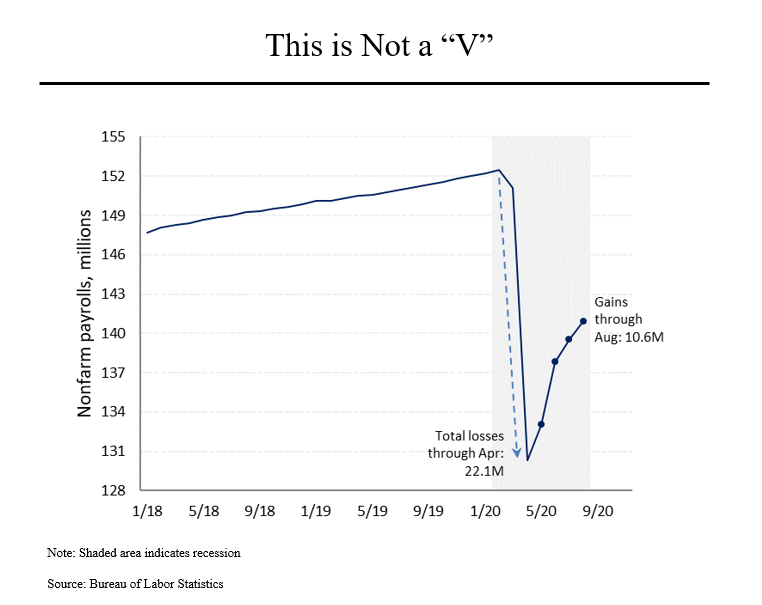
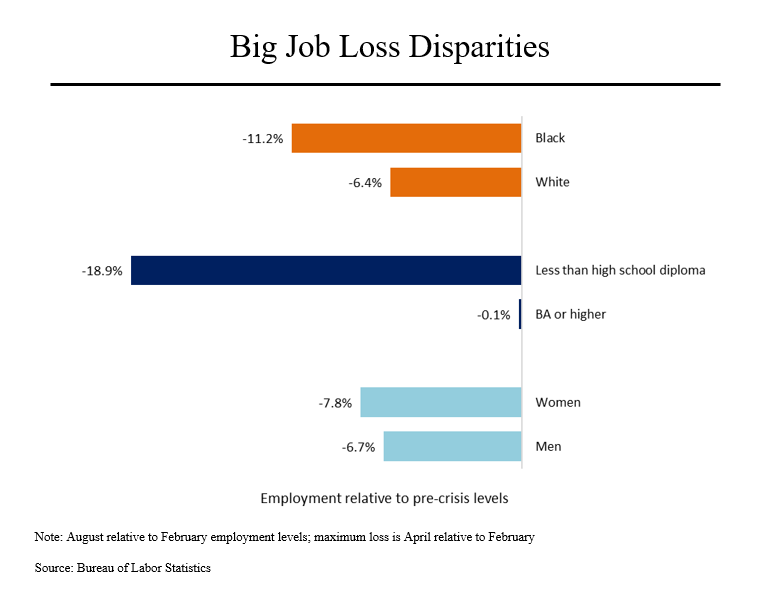
The economy's comeback is slower and narrower than its second-quarter collapse, Steve Rattner, counselor to the Treasury secretary in the Obama administration, shows in these charts for MSNBC's "Morning Joe."
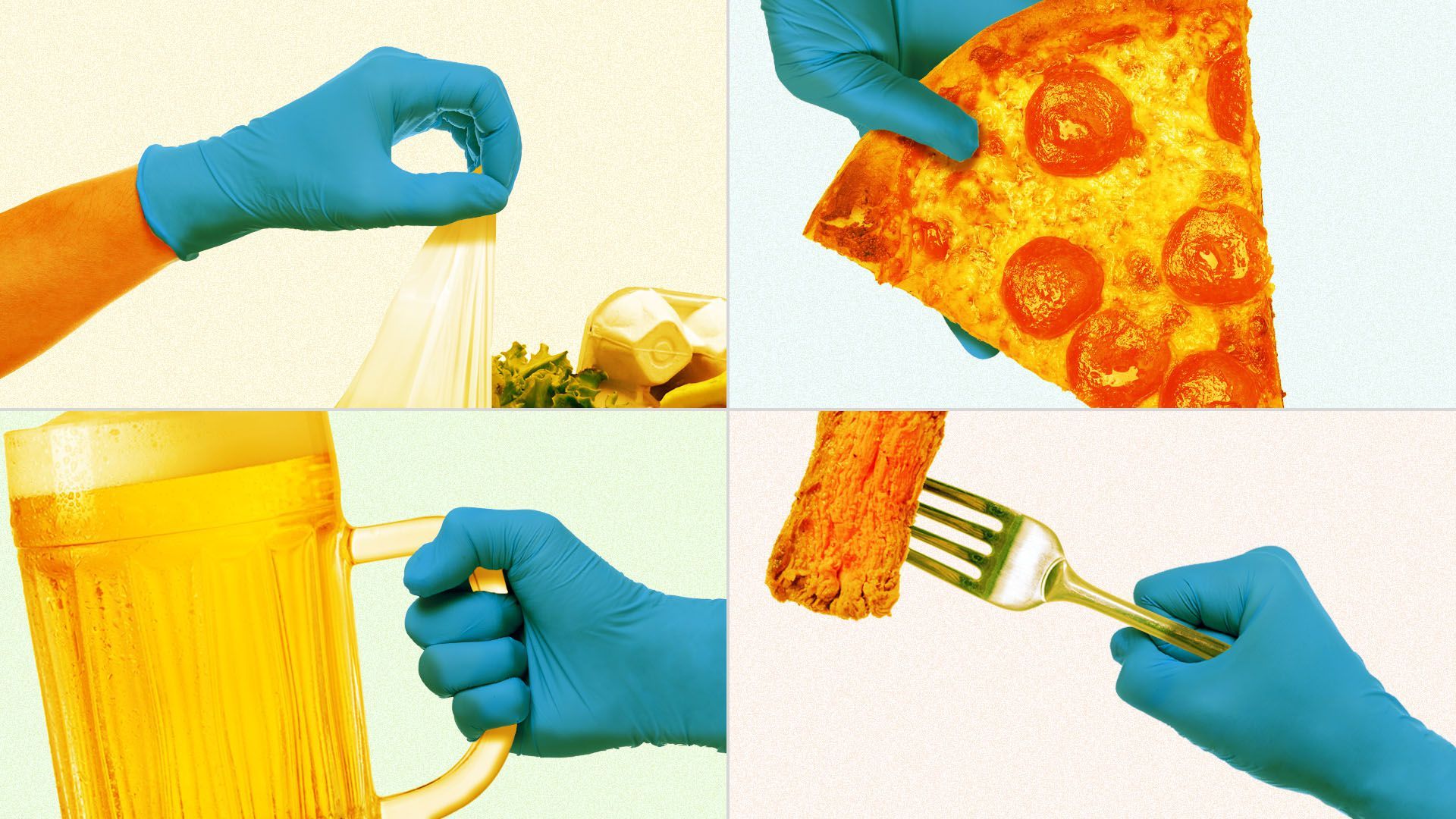
People with and without coronavirus infections have pretty similar lifestyles, with one big difference: whether they have recently ate or drank in public, according to a new study by the Centers for Disease Control and Prevention.
Why it matters: We all miss restaurants, bars and coffee shops. But going to these places carries extra risk, primarily because eating and drinking, by definition, cannot be done while wearing a mask.