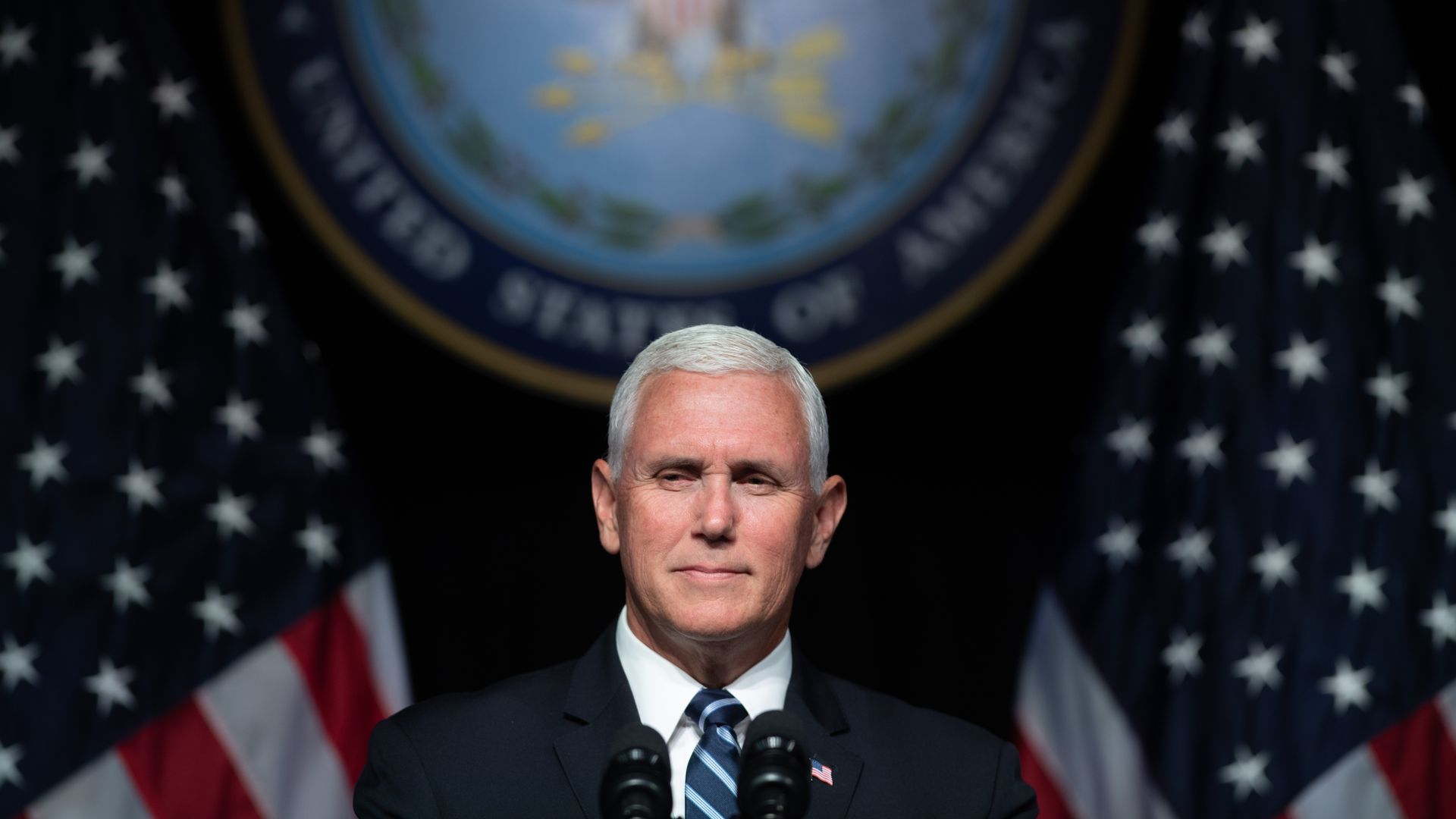
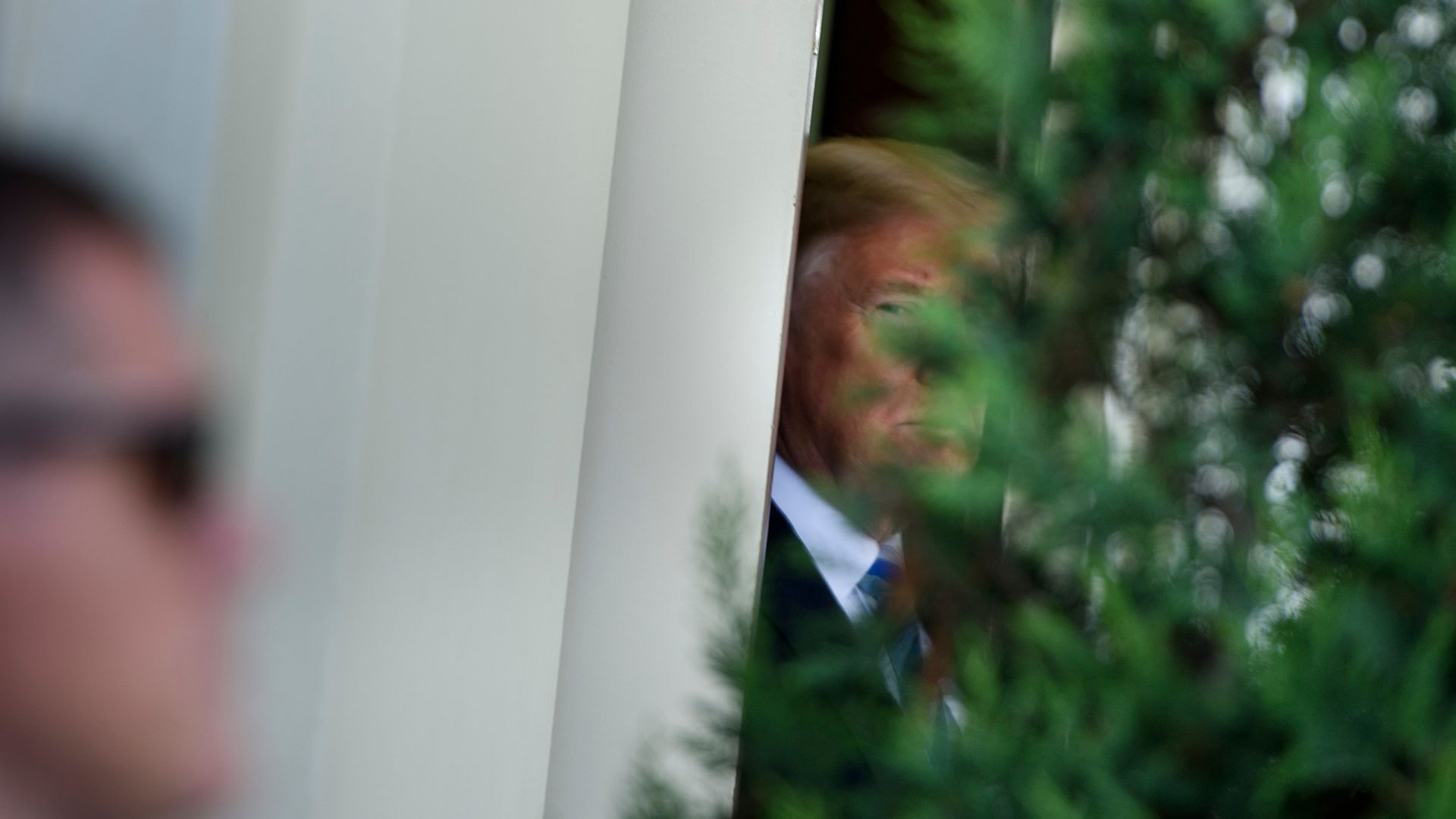
The big picture: Scores of high-ranking officials from Vice President Mike Pence to Defense Secretary James Mattis are denying their involvement. Meanwhile, President Trump is calling on the Times to turn over the author.
CBS announced Thursday that it's debuting its first-ever show dedicated to sports gambling, called "SportsLine Edge," on its 24/7 over-the-top streaming network — CBS Sports HQ.
Why it matters: CBS is looking to capitalize on the Supreme Court's decision last May to allow states to engage in legal sports gambling by highlighting its expertise in sports picks and projections.
First Lady Melania Trump weighed in on the anonymous op-ed published in the New York Times on Thursday, saying the writer is "not protecting this country," but rather "sabotaging it with your cowardly actions."
CBS' board is in talks with CEO Les Moonves, who is facing allegations of sexual harassment, to negotiate a $100 million exit package made up of CBS stock and the appointment of COO Joe Ianniello as his interim successor, reports CNBC.
The big picture: CBS launched its own investigation into the allegations first reported by The New Yorker's Ronan Farrow, but the media giant appeared to back Moonves by allowing him to to lead its second quarter earnings call last month.
China's Ministry of Commerce has promised it will take "necessary countermeasures" if the Trump administration goes ahead with its latest round of tariffs, which would slap 25% duties on $200 billion of Chinese goods as soon as Friday, reports Reuters.
The big picture: The public comment period, which expires at 12:00 a.m. Friday, has seen hundreds of businesses and organizations speak out against the effects these tariffs would have on Americans, as they impact a greater cross-section of consumer goods than the $50 billion of China tariffs already in place. The tariffs could threaten 11 million U.S. jobs — most of which are concentrated in rural, deep-red parts of the country.
"The Vice President puts his name on his Op-Eds. The @nytimes should be ashamed and so should the person who wrote the false, illogical, and gutless op-ed. Our office is above such amateur acts."
— Jarrod Agen, Pence's communications director and deputy chief of staff
The big picture: There was online speculation Wednesday that Pence could be the author based on the op-ed's use of the word "lodestar," which Pence has used throughout his career. But as Axios' Jonathan Swan reported earlier this year, White House officials who frequently leak pay attention to their colleagues' speech patterns to divert suspicion.
The New York Times published an unprecedented anonymous op-ed today by a senior Trump administration official who claims membership in an effort to actively undermine the president.
Why it matters: It's not normal for the Times to publish an anonymous staffer bagging on the president — and the fact that the Times permitted anonymity suggests they're taking this person's words seriously. (The Times knows the staffer's identity and is keeping it secret to protect that person's job.)
Dan looks into why the U.S. still is a leader in producing computer chips, and what could change it, with Axios chief technology correspondent Ina Fried. Plus, in the "Final Two" Dan examines the death of Theranos, and the birth of Smart Cities.
For all the wishful thinking about manufacturing more laptops and iPhones in the U.S., there is one sector of tech manufacturing where America remains a leader: computer chips.
The bottom line: Some $44 billion worth of semiconductors are exported from the U.S. each year, making them America's fourth leading manufacturing export after cars, airplanes and refined oil. There are roughly 80 wafer fabrication plants (aka fabs) in the U.S., spread across 19 states.
The trade deficit, the difference between goods exported from America and imported from other countries into the U.S., jumped 9% in July, according to the Commerce Department.
The big picture: President Trump's desire to eliminate the trade deficit is at the center of his trade policy, but the U.S. sold fewer items like civilian aircraft and soybeans to foreign countries, while imports —including purchases of computer accessories and auto parts—hit a record high.
As workers' overall compensation has risen since 1980, health benefits have taken up a big piece of the pie for lower- and middle-income workers. Wealthier workers, meanwhile, have seen bigger gains in their paychecks, according to a report by the Council for Affordable Health Coverage.
Between the lines: The study found that the bottom 60% of hypothetical two-earner households would have seen their net earnings decline between 1999 and 2015 after paying their own share of rising health premiums. The same is true for the bottom 40% of single earners.