Retailers are marketing directly to kids with personalized messages on their smartphones, WashPost national retail reporter Abha Bhattarai reports on the Sunday Business cover.
The big picture: "Children and preteens are more connected to the Internet than ever, which means retailers are looking for new ways to ... sell ... directly to young shoppers on their phones, tablets and laptops."
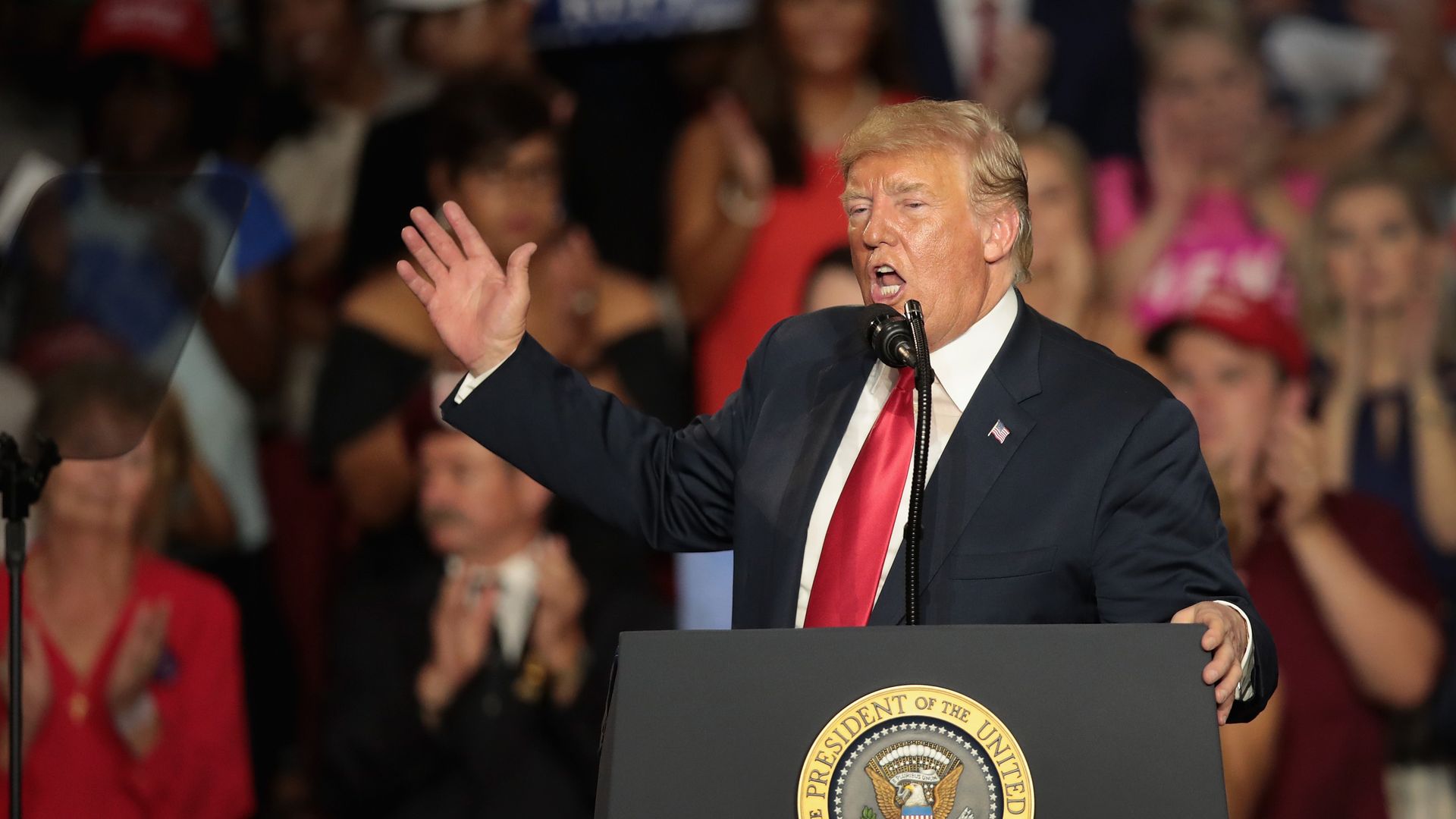
President Trump threatened to slap Canadian-made cars with tariffs if the administration is unable to strike a trade deal with Canadian officials, the Wall Street Journal reports.
The big picture: The administration is in the midst of negotiating new deals with both Mexico and Canada. On Friday, Trump tweeted negotiations with Mexico were "coming along" well and that Canada must wait on a deal.
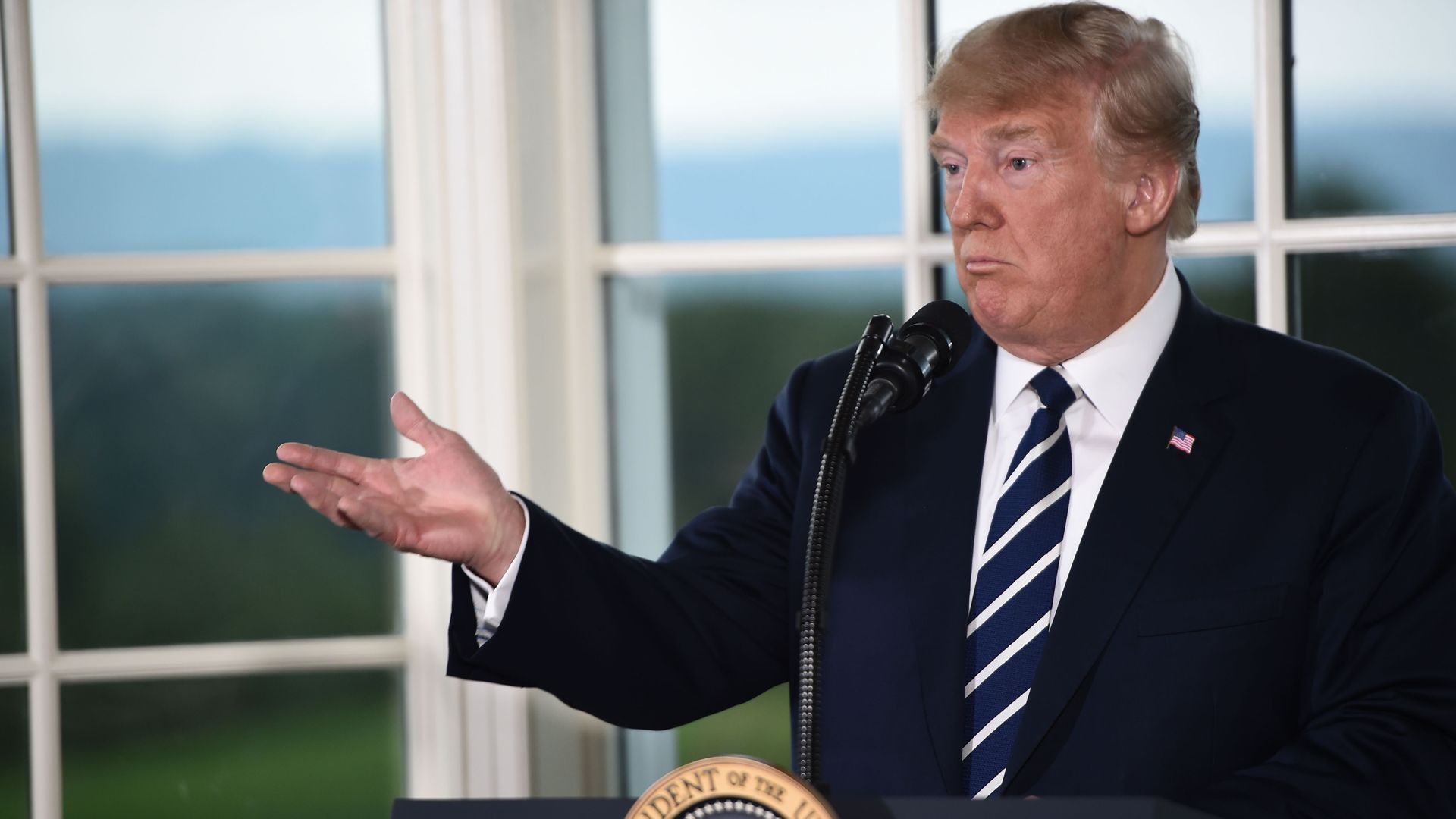
President Trump's economy has steadily held unemployment rates to record lows, but American average hourly earnings have increased just 2.7% while inflation has increased 2.9%, according to data from the Department of Labor.
The big picture: Inflation is taking chunks out of American wages because of low rates stemming from the 2007-2009 recession, reports Bloomberg. Workers are also prioritizing job security over higher wages. Axios' Dan Primack explains the economy seems to be bifurcating a bit in wages. It's climbing for needed skills like tech workers and truckers but not for everyone else.
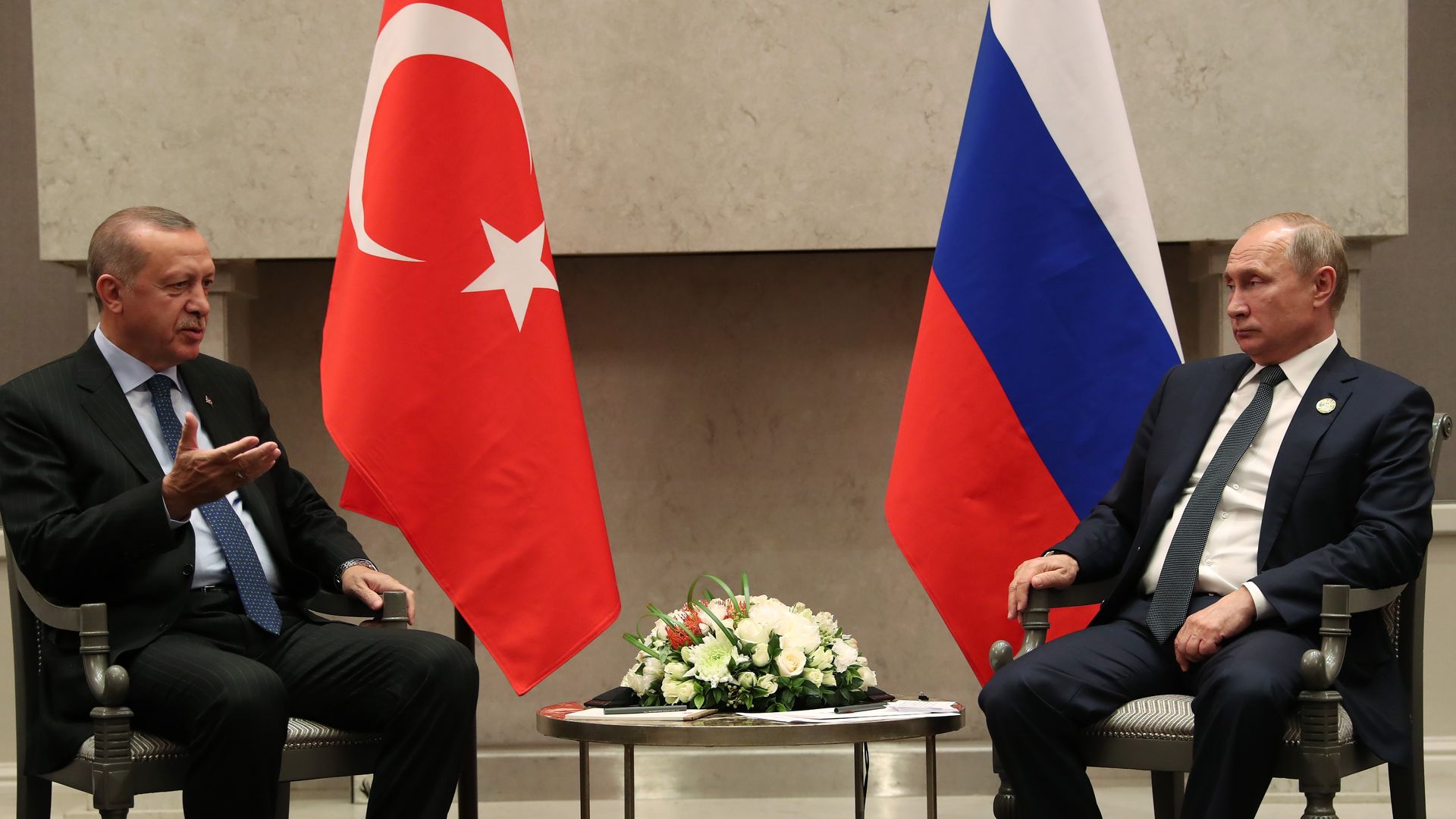
President Trump doubled the tariffs on Turkish steel and aluminum on Friday, causing the Turkish lira to plunge by 16%. The higher tariffs come amid tensions over American pastor Andrew Brunson, who is detained in Turkey, and Turkish cleric Fethullah Gülen, whom the U.S. has refused to extradite from Pennsylvania despite Turkey's allegations of his ties to the failed July 2016 coup.
The big picture: While President Trump himself benefits politically from a trade war with allies, it is actually Russia that stands most to gain from a weakened Turkey. Despite the amicable diplomatic and military coordination between President Erdogan and President Putin in Syria, Russia views Turkey as a geopolitical threat in Eurasia. Russia has attempted to use the Astana peace process to keep its Turkish adversary close, and a widening rift between Washington and Ankara will ultimately redound to Putin's benefit.
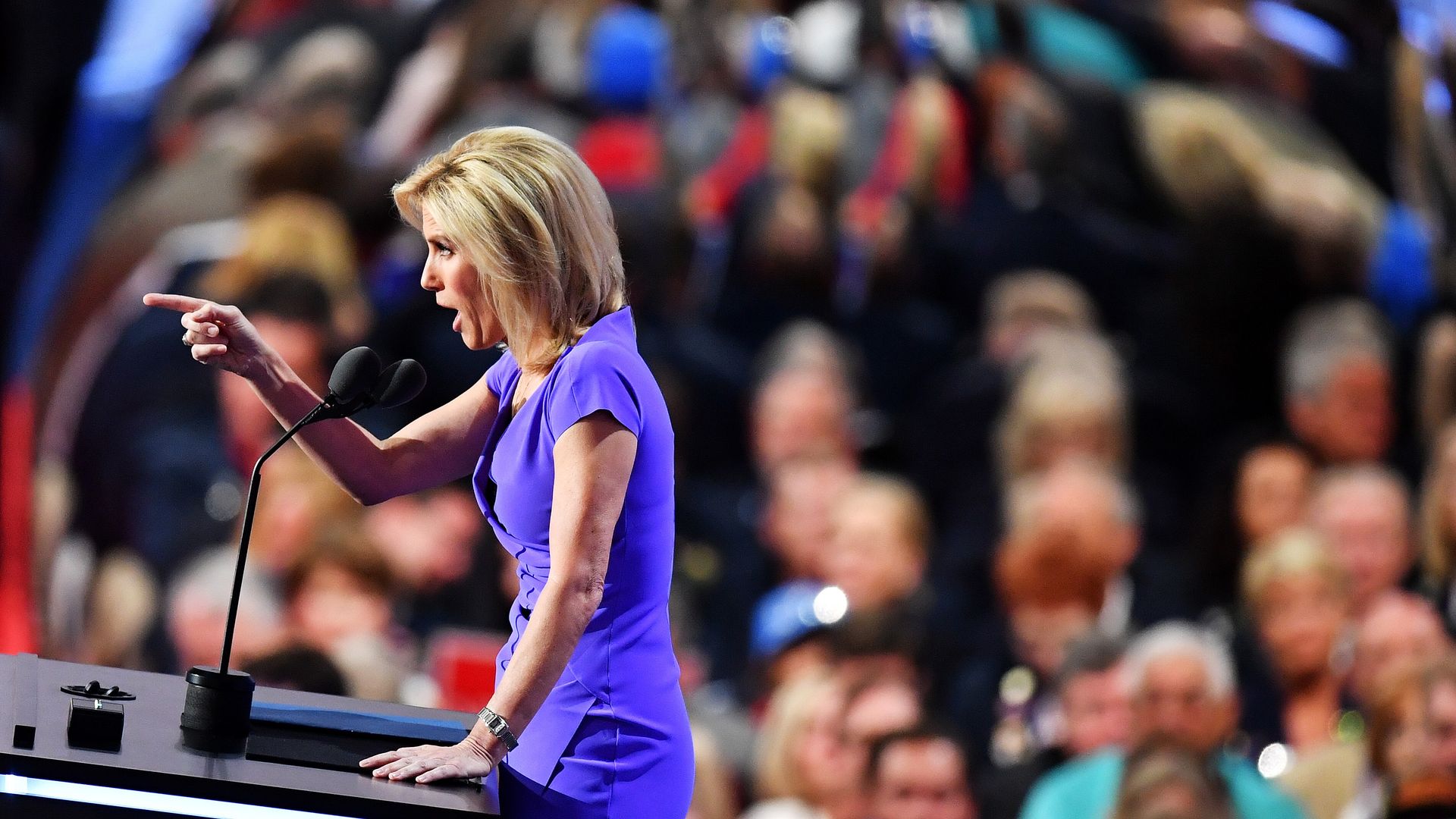
Fox News host Laura Ingraham defended her comments about the "massive demographic changes" in America on Thursday, saying her remarks "had nothing to do with race or ethnicity."
Why it matters: Ingraham's show, along with other prime-time Fox News programs, is popular with President Trump's base. These comments echo some concerns of that voting cohort, the white working class; a 2017 survey from the Atlantic and PRRI found that 48% of the white working-class say they "feel like a stranger in [their] own country," and 68% said the American way of life should be protected from foreign influence.
The lira dropped to an all-time low Friday as geopolitical tensions between NATO allies Turkey and the United States continued to escalate.
The big picture: President Trump announced via tweet that the U.S. would be raising tariffs on Turkey to 50% on steel and 20% on aluminum. Per CNBC, the tweet and the subsequent currency sell-off came after a Turkish delegation returned from the U.S. having made no progress in talks about pastor Andrew Brunson, whose detention prompted the White House to slap sanctions on high-ranking Turkish officials last week.
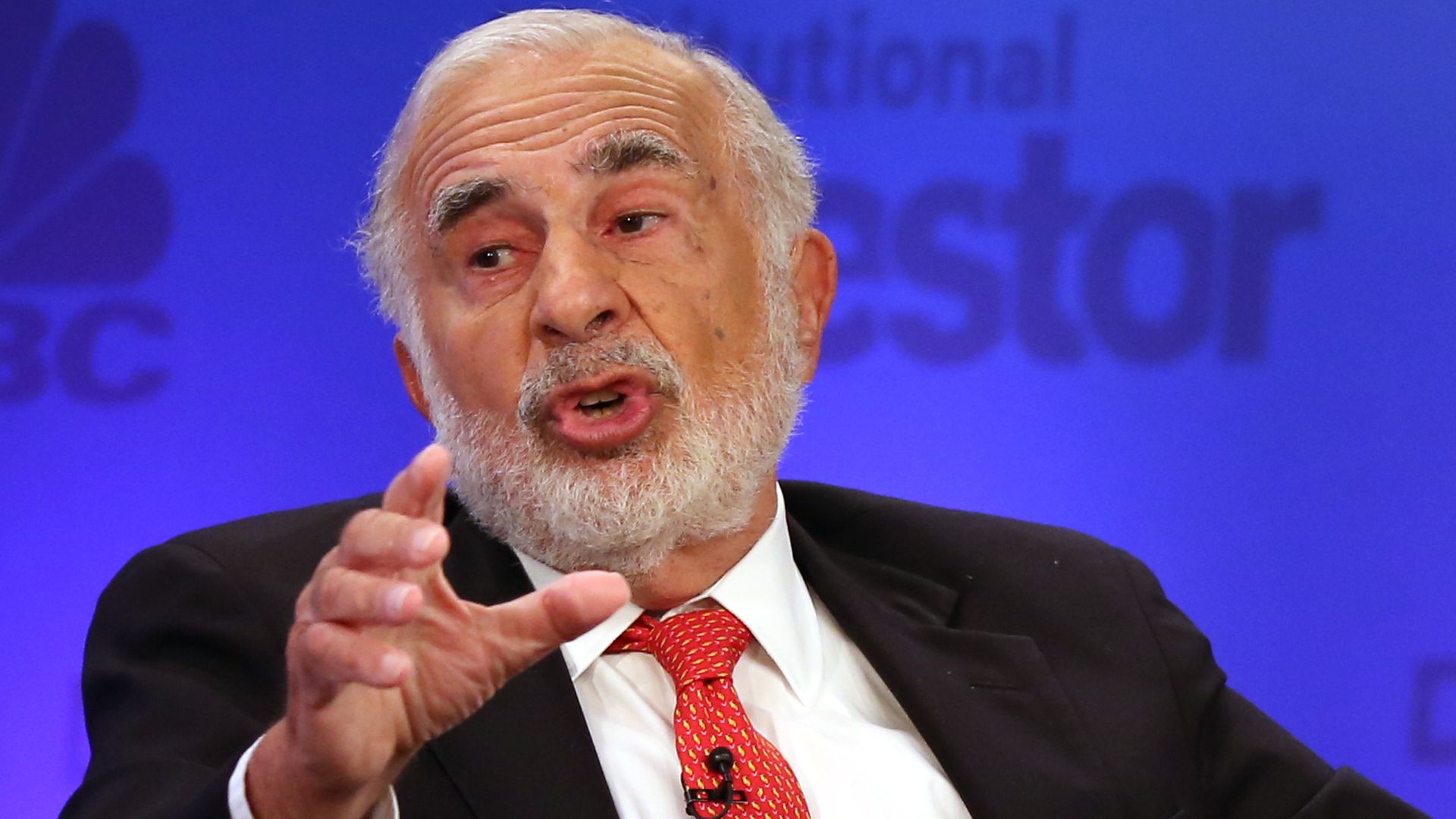
The drama between Carl Icahn and the Cigna-Express Scripts camp is far from over.
The bottom line: This is an entertaining fight among wealthy investors and health care conglomerates with a lot of money on the line. But we still don’t have any reasonably good idea of how much Cigna and Express Scripts customers would save on drug costs or premiums as a result of the deal.
Changes in decades-old broadcasting rules, combined with new types of competition in news and entertainment, are creating a drama-filled free-for-all as local U.S. broadcasters consolidate.
Why it matters: Consolidation will inevitably mean that fewer voices reach more people, but some in the industry argue it's the only way local broadcasting will be able to compete with big tech.