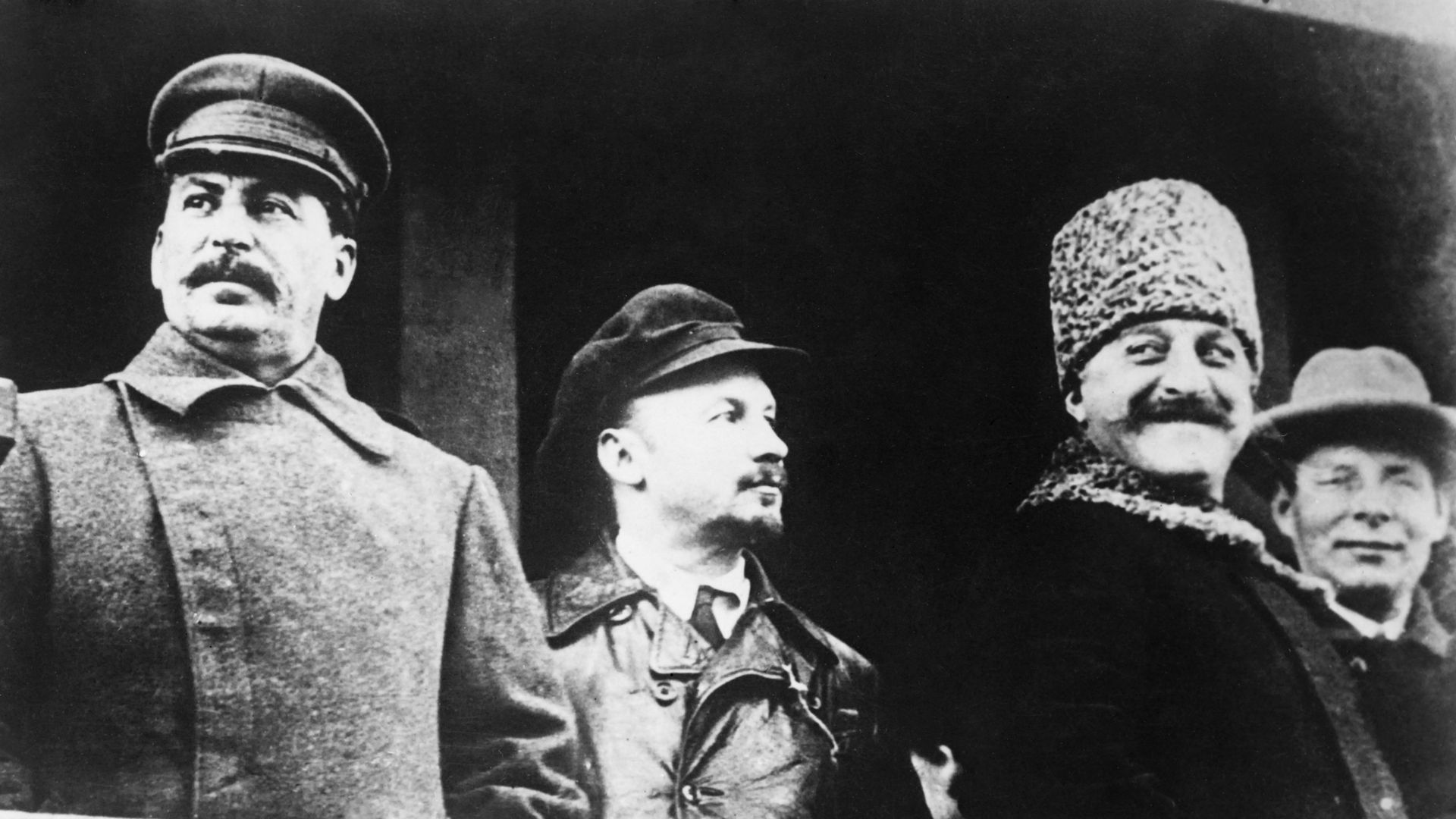
The "enemy of the people,"President Trump said Sunday, is the American media. Amid his numerous slogans, the phrase has made many people especially recoil because of its centrality in a chilling moment of 20th century history: Josef Stalin's 1930s show trials.
Why it matters: The trials demonstratedhowthe indictment of one class of people can rapidly spiral and cut across society.
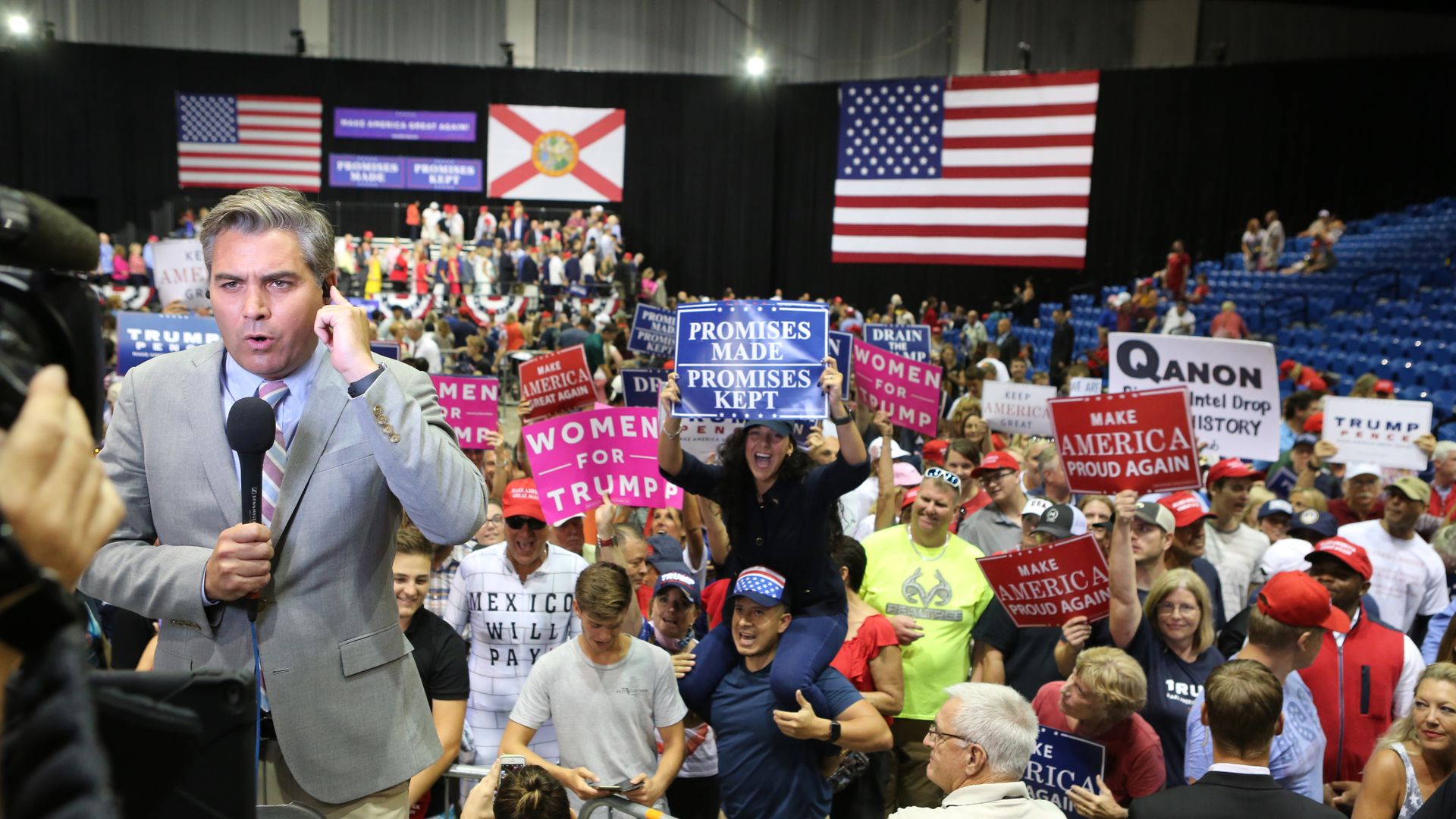
Among the rally-goers at President Trump's Make America Great Again event in Florida on Tuesday were followers of a growing right-wing conspiracy theory — the QAnon crowd.
The big picture: A conspiracy theory that started in fringe online chatrooms has leaped to major political events. Whether President Trump does or does not know about the movement isn't of concern to "the anons," as they call themselves, since they often find signs of his support in almost anything.
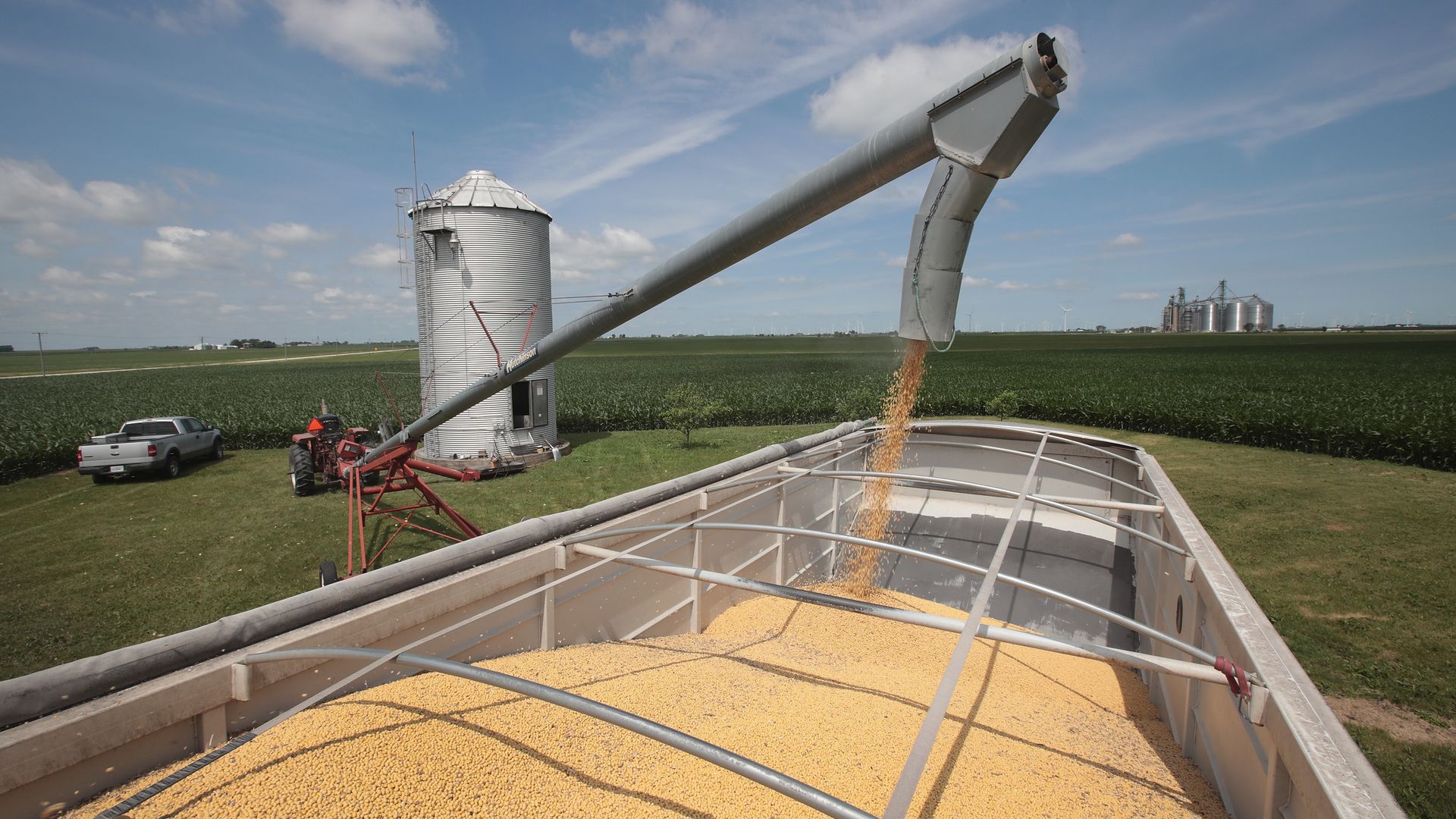
European imports of American soybeans spiked 283% in the last year, and the United States' share of total EU soybean imports reached 37% last month, compared to just 9% in July 2017, per a new report from the European Commission.
Why it matters: The dramatic jump suggests imports were already on the rise before President Trump and European Commission President Jean-Claude Juncker reached a handshake agreement on trade last week. According to Bloomberg, this is likely a result of the retaliatory tariffs China slapped on U.S. soybeans last month, which shook up global markets and opened up the EU as a logical trade target.
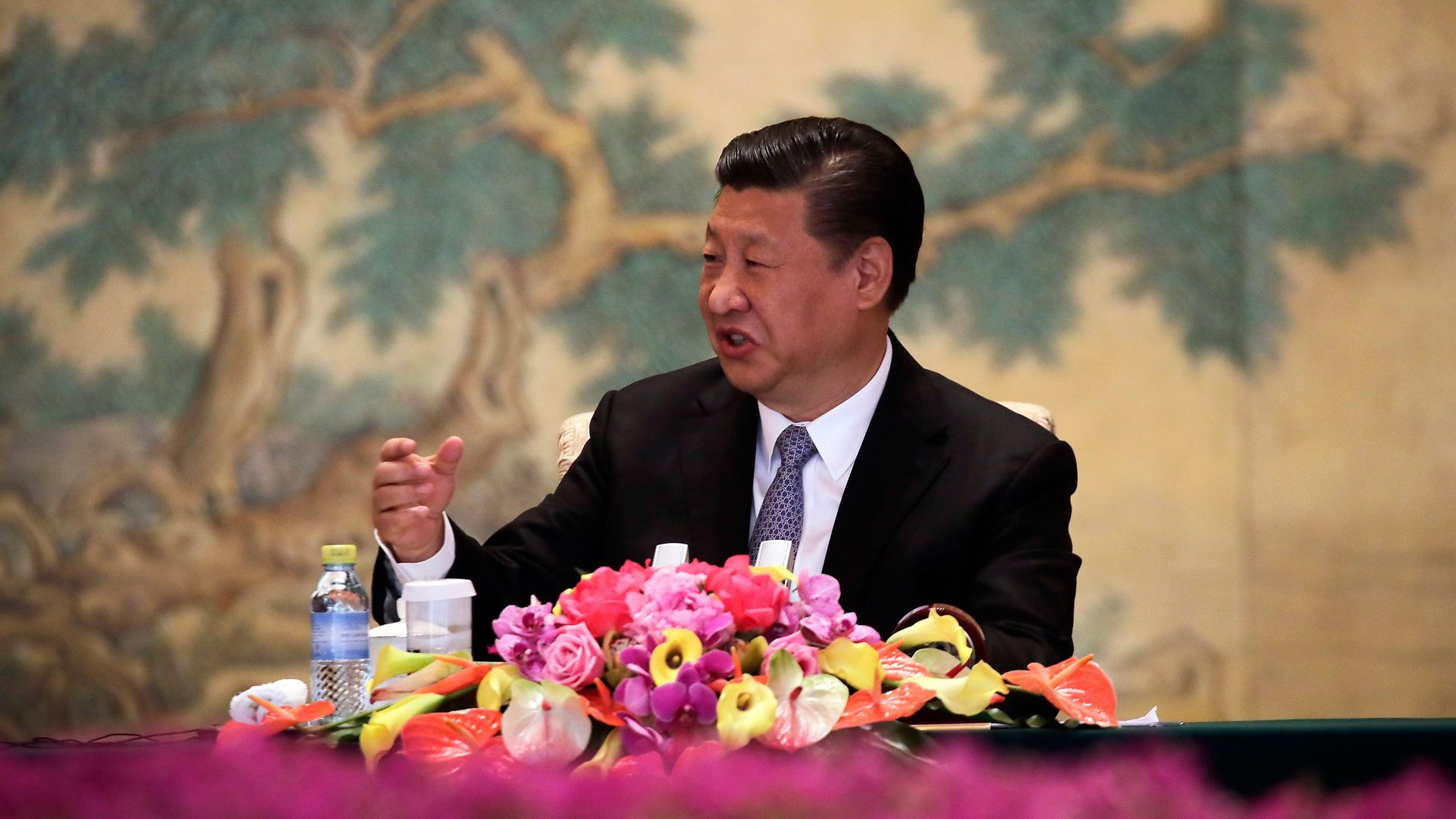
The Chinese government's response to the Trump administration's new threat to hike a proposed tariff on $200 billion worth of Chinese imports from 10% to 25%.
"U.S. pressure and blackmail won't have an effect. If the United States takes further escalatory steps, China will inevitably take countermeasures and we will resolutely protect our legitimate rights."
— Chinese Foreign Ministry spokesman Geng Shuang to reporters
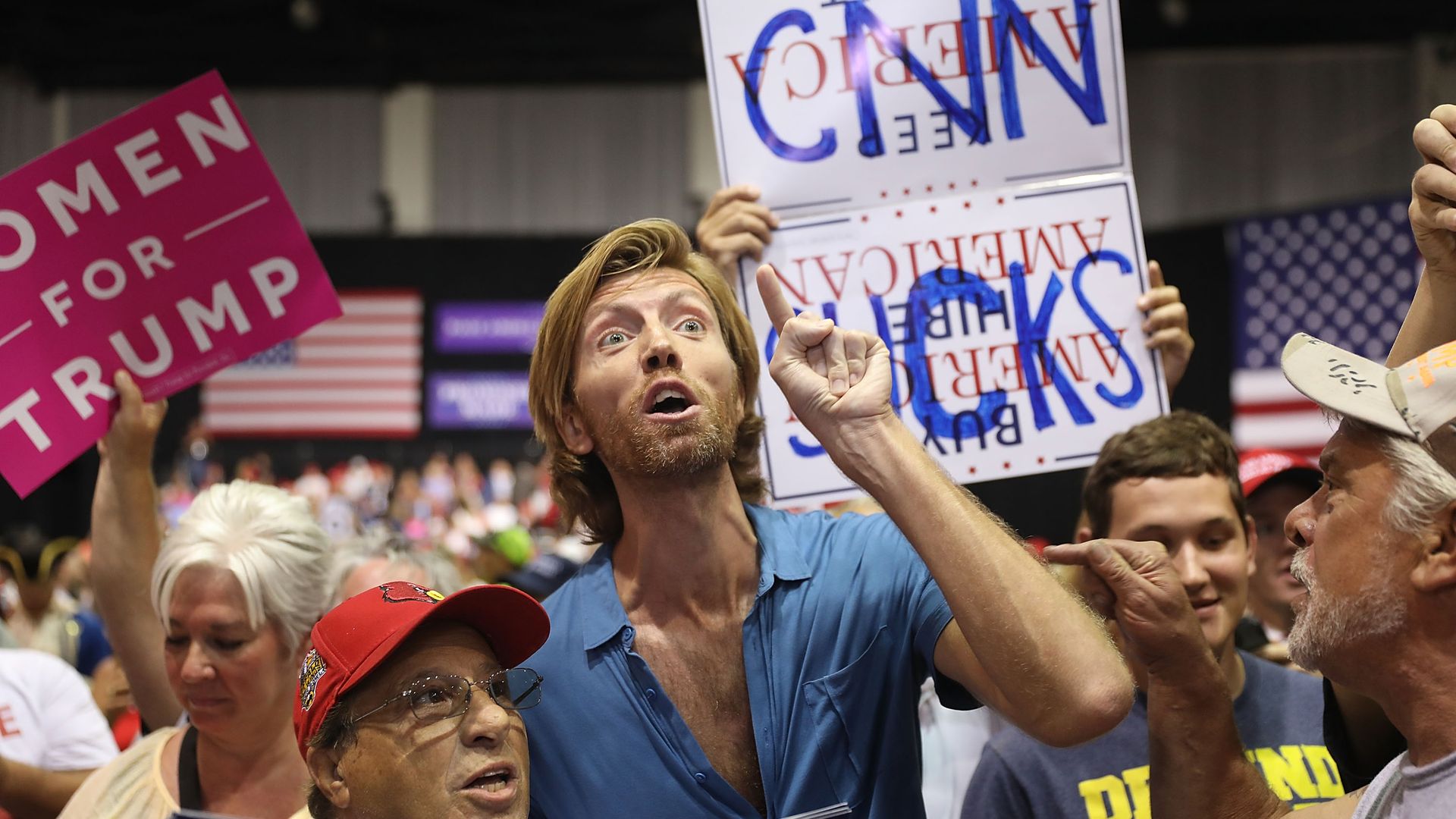
The media — and CNN specifically — was greeted by a particularly hostile crowd at President Trump's rally in Tampa, Florida on Tuesday.
The big picture: While nothing new, the video footage of Trump supporters shouting at and giving the middle finger to CNN's chief White House correspondent Jim Acosta and other media personnel was striking. As the midterm elections near — and Trump hits the road six days a week for Republican candidates — expect plenty more where this came from.
Having a college degree has generally meant higher wages and better jobs, and the pay-off continues to be significant for white Americans. But there's a penalty for African-American women: they earn less than white women having the same credentials, economic data shows.
Why it matters: As they keep raising tuition, colleges risk tipping the cost-value balance and losing minority groups. "Eventually college wouldn’t be worth it,” Lisa Barrow, a senior economist at the Federal Reserve in Chicago, tells Axios.
Note: Underlying data is inflation-adjusted to 2017 dollars. Data includes hourly wages for all wage and salary workers. Salaries were calculated out to hourly amounts by EPI. Data: Economic Policy Institute; Chart: Chris Canipe/Axios
In-theater movie subscription service MoviePass said Tuesday it will limit the viewing availability of blockbuster releases and increase service's cost to $14.95 per month within the next 30 days to accelerate towards profitability.
The details: The move comes after the company was forced to borrow $5 million to pay its bills and following a brief "service interruption." MoviePass said it has more than 3 million subscribers and is generating "incremental non-subscription revenue of approximately $4 to $6 per subscriber per quarter."
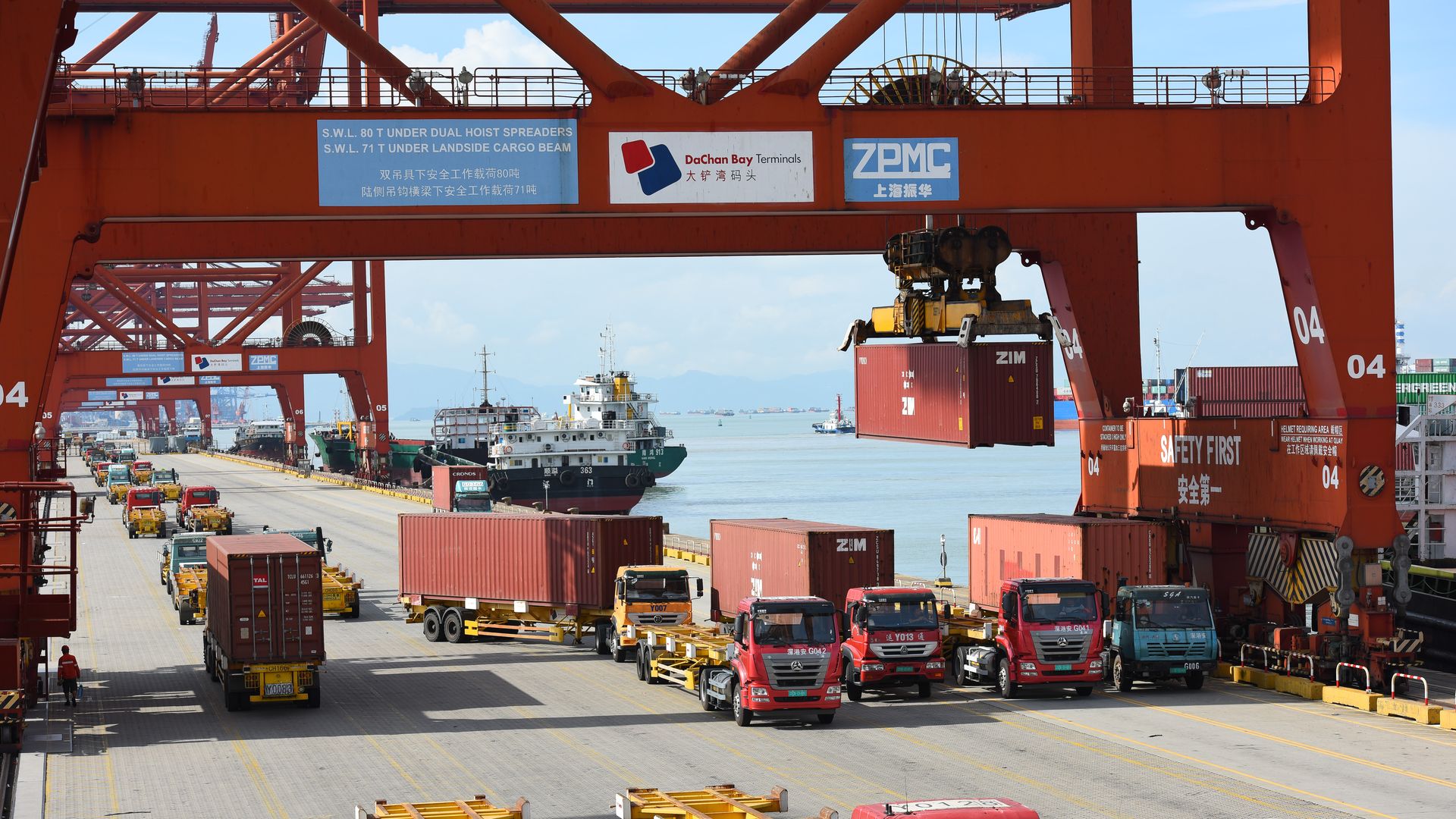
The Trump administration is considering increasing tariffs on $200 billion in Chinese products from 10% to 25% as it seeks to force Beijing to negotiate better trade deals, reports Bloomberg.
The details: The Trump administration imposed tariffs on $34 billion worth of Chinese goods earlier this month, escalating a global trade war that has pitted the country against its trading partners. The move was met by retaliatory tariffs from China, aiming at states that voted for President Trump in the 2016 election. Three sources with knowledge of the plan to increase tariffs told Bloomberg it could be made public in the Federal Register coming days. However, it hasn't been finalized and may not solicit public review.
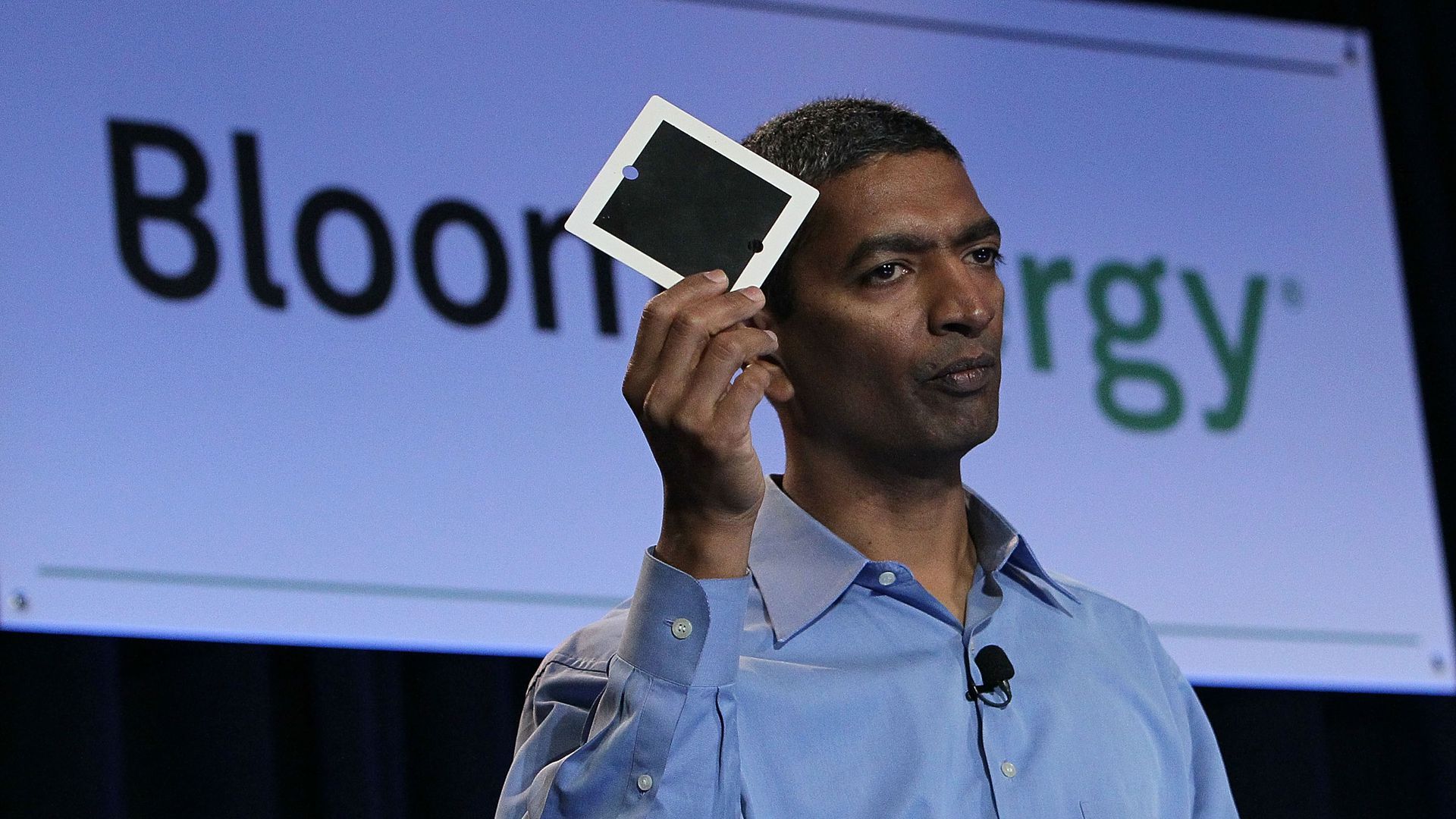
Bloom Energy founder and CEO KR Sridhar gave an interview to MarketWatch after the fuel cell maker's IPO last week, in which he falsely claimed the "the company is already profitable as of the second quarter," made similar claims about year-end expectations and then made unauthorized statements about existing shareholder sales.
Bottom line: Bloom subsequently filed "clarifications and corrections" with the SEC, and it's really an extraordinary document. It reveals that Sridhar either doesn't understand or appreciate the difference between GAAP and non-GAAP accounting, or cash-flow vs. net income.
Refinery29, the digital media company catering to millennial women, announced Tuesday that it will begin to identify, purchase and co-distribute films with NEON, the movie studio responsible for the release of I, Tonya and Ingrid Goes West.
Why it matters: It's the latest example of a digital publisher diving into long-form content to create a new revenue stream and engage their audiences in places other than big social platforms, like Facebook, which is sending less traffic to publishers.
Federal officials are doubling down on sounding alarms about the risks of supply-chain security threats — attacks where hackers sabotage software or hardware before it's sent to the customer — with warnings to businesses up against the theft of intellectual property, federal contractors up against espionage and telecoms who will soon face large-scale buildout of 5G networks.
Why it matters: It's difficult to extract supply-chain-vulnerable products from the market. Many devices and networks include components from a variety of companies from all over the world, providing ample opportunity for bad actors to interfere. Banning certain products can combat such threats, but can also cause friction: Just look at the recent call to remove ZTE and Huawei products from the telecom networks.
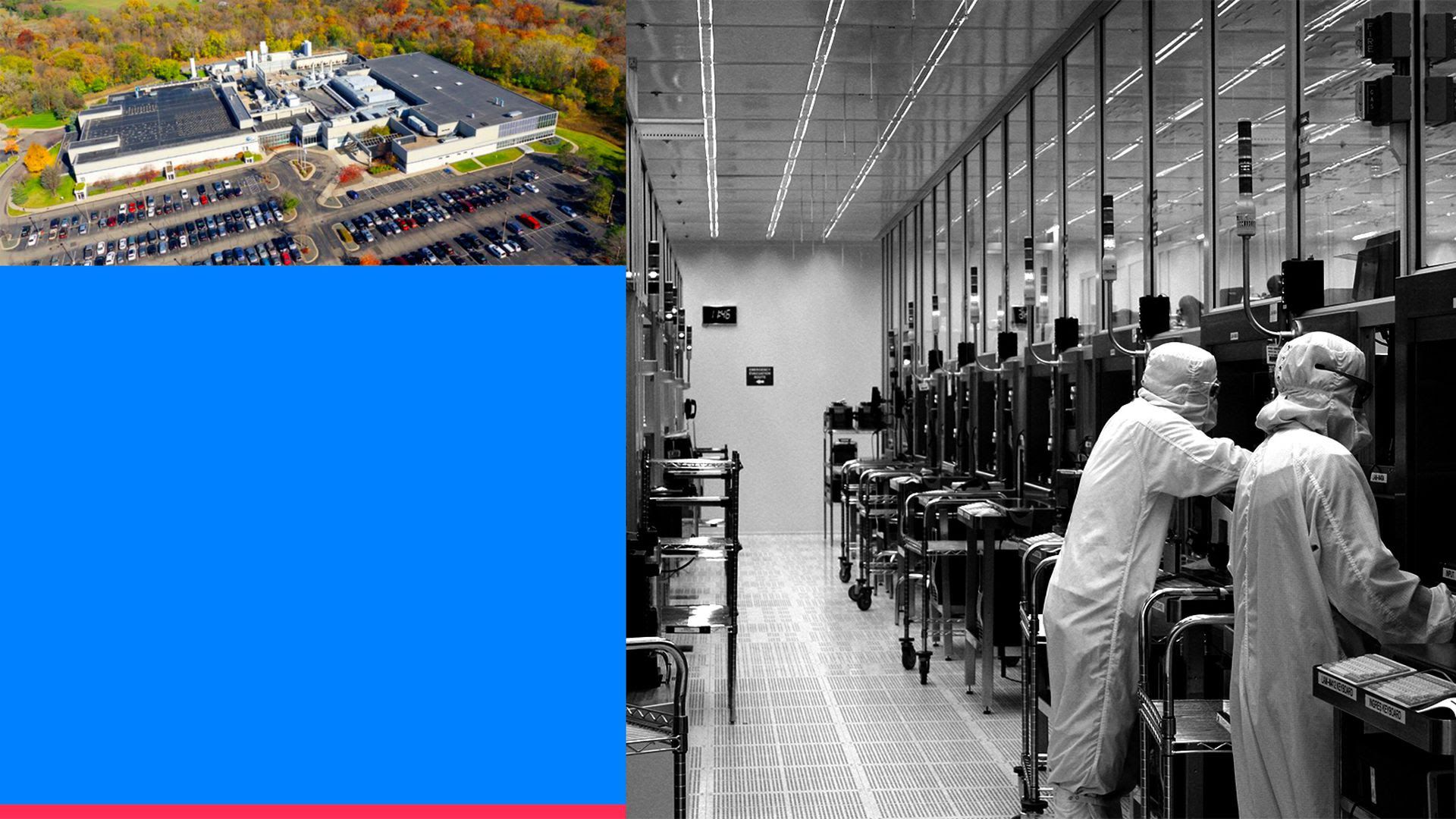
In 2017, with funding from a Minnesota private equity firm, a small startup called SkyWater Technology bought a chip foundry from Cypress Semiconductor in hopes of sparking a resurgence in U.S. chipmaking. Now, with the government pining for more homegrown tech manufacturing, that bet is starting to pay off.
Why it matters: No one is going to suddenly start making iPhones in the U.S., but chip production is one area of tech manufacturing that still has roots in the U.S. The key is finding new uses so that work doesn't just fade out like other tech manufacturing.
President Trump labeled billionaire GOP activist brothers David and Charles Koch as globalists and "a total joke in real Republican circles" in a series of tweets Tuesday morning.
"The globalist Koch Brothers, who have become a total joke in real Republican circles, are against Strong Borders and Powerful Trade. I never sought their support because I don’t need their money or bad ideas. They love my Tax & Regulation Cuts, Judicial picks & more. I made them richer. Their network is highly overrated, I have beaten them at every turn. They want to protect their companies outside the U.S. from being taxed, I’m for America First & the American Worker - a puppet for no one. Two nice guys with bad ideas. Make America Great Again!"
The backdrop: Charles Koch told reporters this weekend that his political network would be moving away from supporting Trump's priorities — especially on trade — ahead of this fall's midterms, even signaling that he may be open to supporting Democrats who believe in free-market ideals over Trump's protectionism.
Several examples of major non-political news stories recently show that collective bias by the mainstream media goes beyond politics, seeping into issues of race, climate and terrorism.
Why it matters: Collective media bias can be hard to detect and address in real time, but the consequences are significant. At best, it can dramatically skew coverage for the majority of the population; at worst, it can distort the truth by inflating or downplaying significant aspects of some news stories.
America is not a socialist nation,and the Democratic Party is not a socialist party. But after Alexandria Ocasio-Cortez’s shocker win in New York, a growing number of Democrats are pushing a formula to try to nudge both the nation and the party in Bernie Sanders' direction.
The bottom line: This isn't going to end — Ocasio-Cortez was just in California spreading the Democratic socialist message.