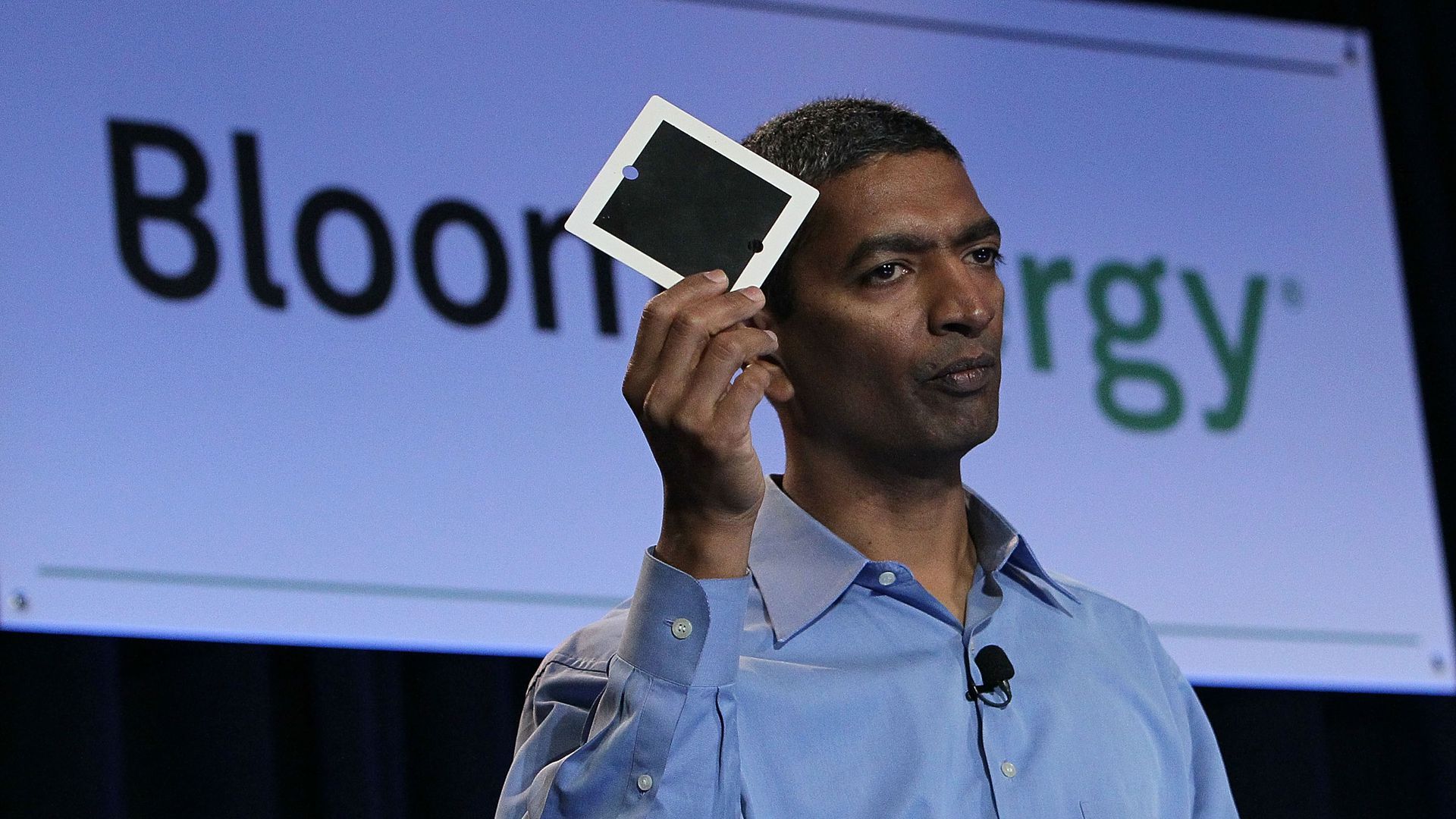
Bloom Energy founder and CEO KR Sridhar gave an interview to MarketWatch after the fuel cell maker's IPO last week, in which he falsely claimed the "the company is already profitable as of the second quarter," made similar claims about year-end expectations and then made unauthorized statements about existing shareholder sales.
Bottom line: Bloom subsequently filed "clarifications and corrections" with the SEC, and it's really an extraordinary document. It reveals that Sridhar either doesn't understand or appreciate the difference between GAAP and non-GAAP accounting, or cash-flow vs. net income.
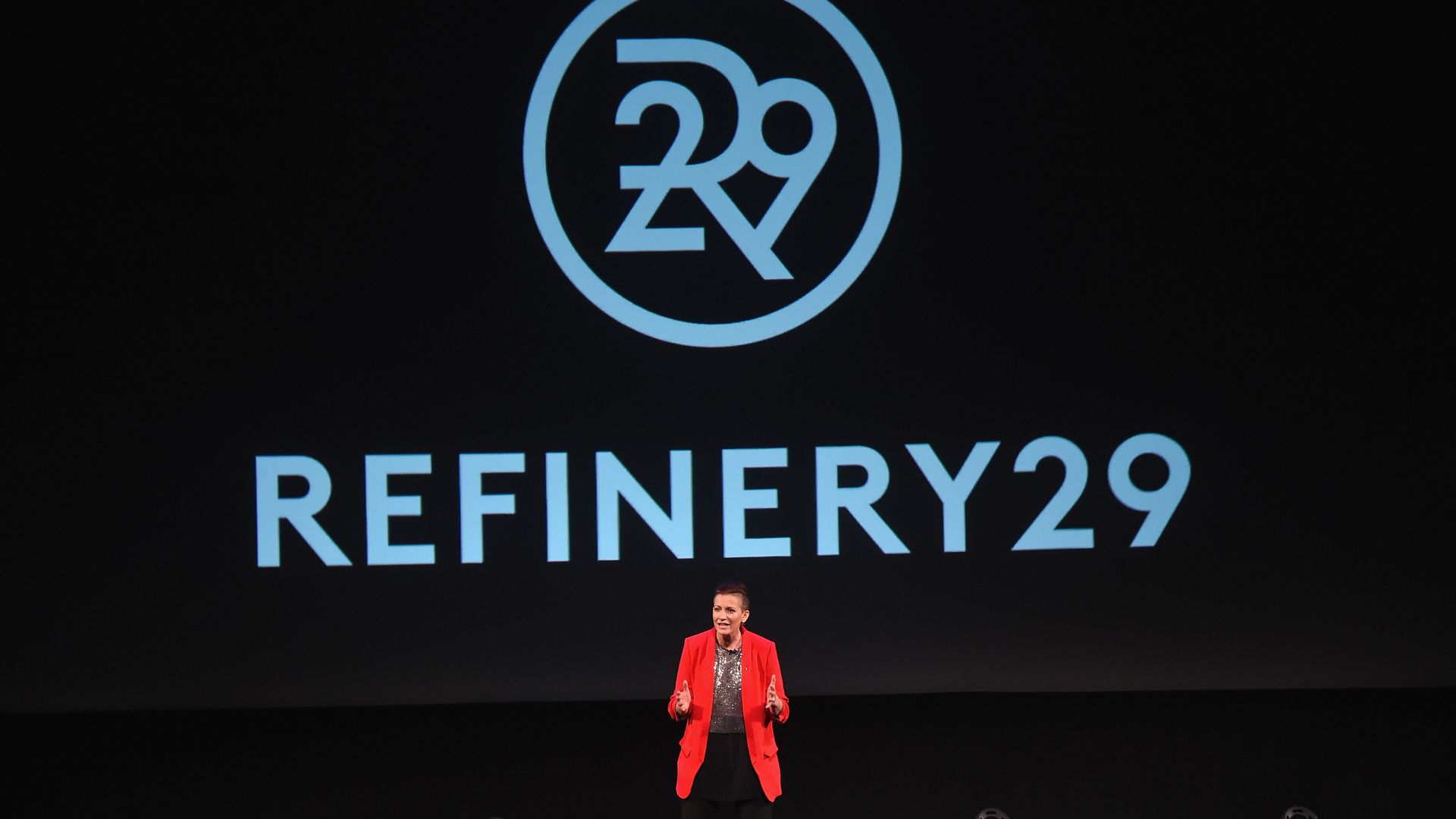
Refinery29, the digital media company catering to millennial women, announced Tuesday that it will begin to identify, purchase and co-distribute films with NEON, the movie studio responsible for the release of I, Tonya and Ingrid Goes West.
Why it matters: It's the latest example of a digital publisher diving into long-form content to create a new revenue stream and engage their audiences in places other than big social platforms, like Facebook, which is sending less traffic to publishers.
Federal officials are doubling down on sounding alarms about the risks of supply-chain security threats — attacks where hackers sabotage software or hardware before it's sent to the customer — with warnings to businesses up against the theft of intellectual property, federal contractors up against espionage and telecoms who will soon face large-scale buildout of 5G networks.
Why it matters: It's difficult to extract supply-chain-vulnerable products from the market. Many devices and networks include components from a variety of companies from all over the world, providing ample opportunity for bad actors to interfere. Banning certain products can combat such threats, but can also cause friction: Just look at the recent call to remove ZTE and Huawei products from the telecom networks.
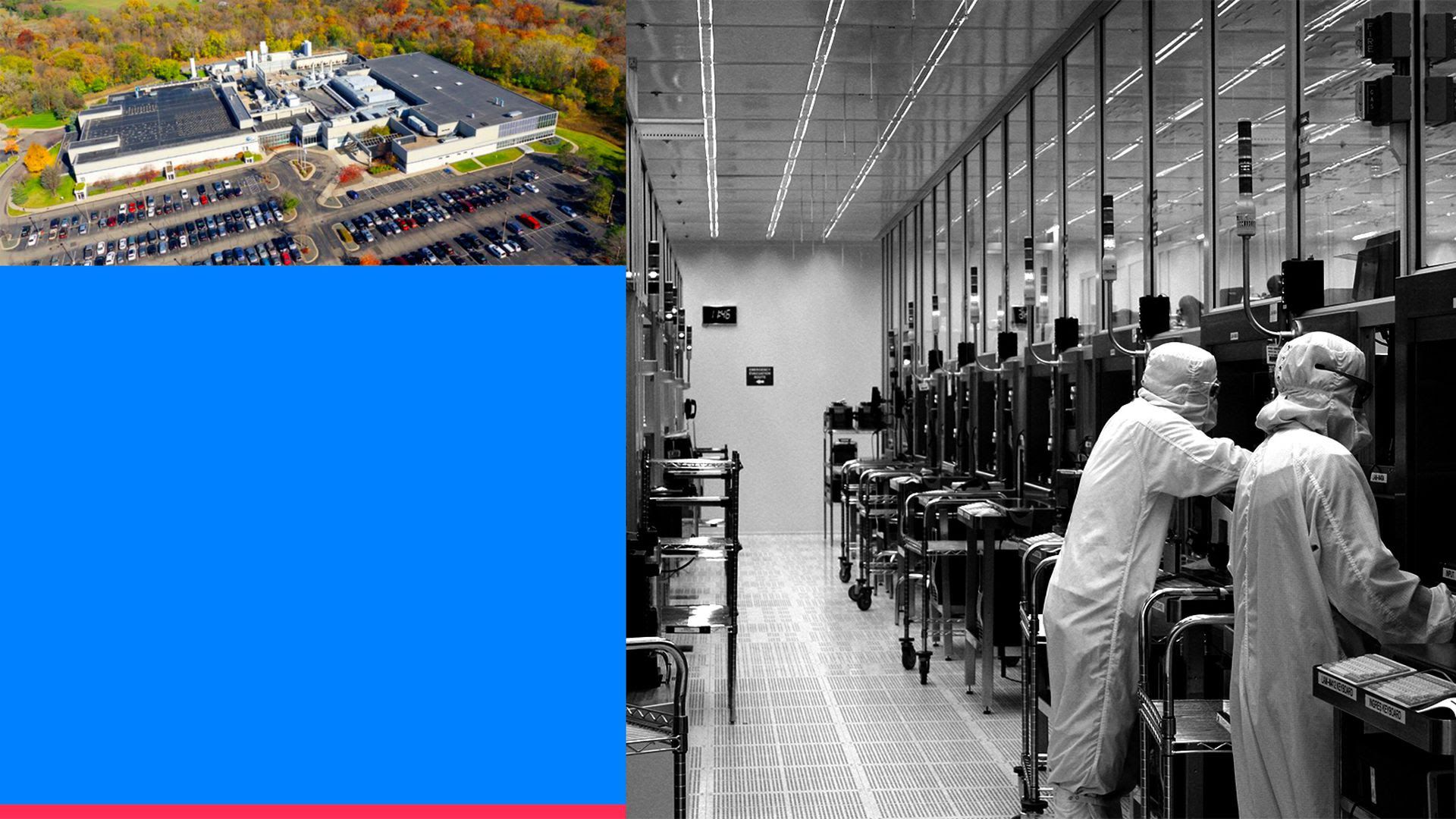
In 2017, with funding from a Minnesota private equity firm, a small startup called SkyWater Technology bought a chip foundry from Cypress Semiconductor in hopes of sparking a resurgence in U.S. chipmaking. Now, with the government pining for more homegrown tech manufacturing, that bet is starting to pay off.
Why it matters: No one is going to suddenly start making iPhones in the U.S., but chip production is one area of tech manufacturing that still has roots in the U.S. The key is finding new uses so that work doesn't just fade out like other tech manufacturing.
President Trump labeled billionaire GOP activist brothers David and Charles Koch as globalists and "a total joke in real Republican circles" in a series of tweets Tuesday morning.
"The globalist Koch Brothers, who have become a total joke in real Republican circles, are against Strong Borders and Powerful Trade. I never sought their support because I don’t need their money or bad ideas. They love my Tax & Regulation Cuts, Judicial picks & more. I made them richer. Their network is highly overrated, I have beaten them at every turn. They want to protect their companies outside the U.S. from being taxed, I’m for America First & the American Worker - a puppet for no one. Two nice guys with bad ideas. Make America Great Again!"
The backdrop: Charles Koch told reporters this weekend that his political network would be moving away from supporting Trump's priorities — especially on trade — ahead of this fall's midterms, even signaling that he may be open to supporting Democrats who believe in free-market ideals over Trump's protectionism.
Several examples of major non-political news stories recently show that collective bias by the mainstream media goes beyond politics, seeping into issues of race, climate and terrorism.
Why it matters: Collective media bias can be hard to detect and address in real time, but the consequences are significant. At best, it can dramatically skew coverage for the majority of the population; at worst, it can distort the truth by inflating or downplaying significant aspects of some news stories.
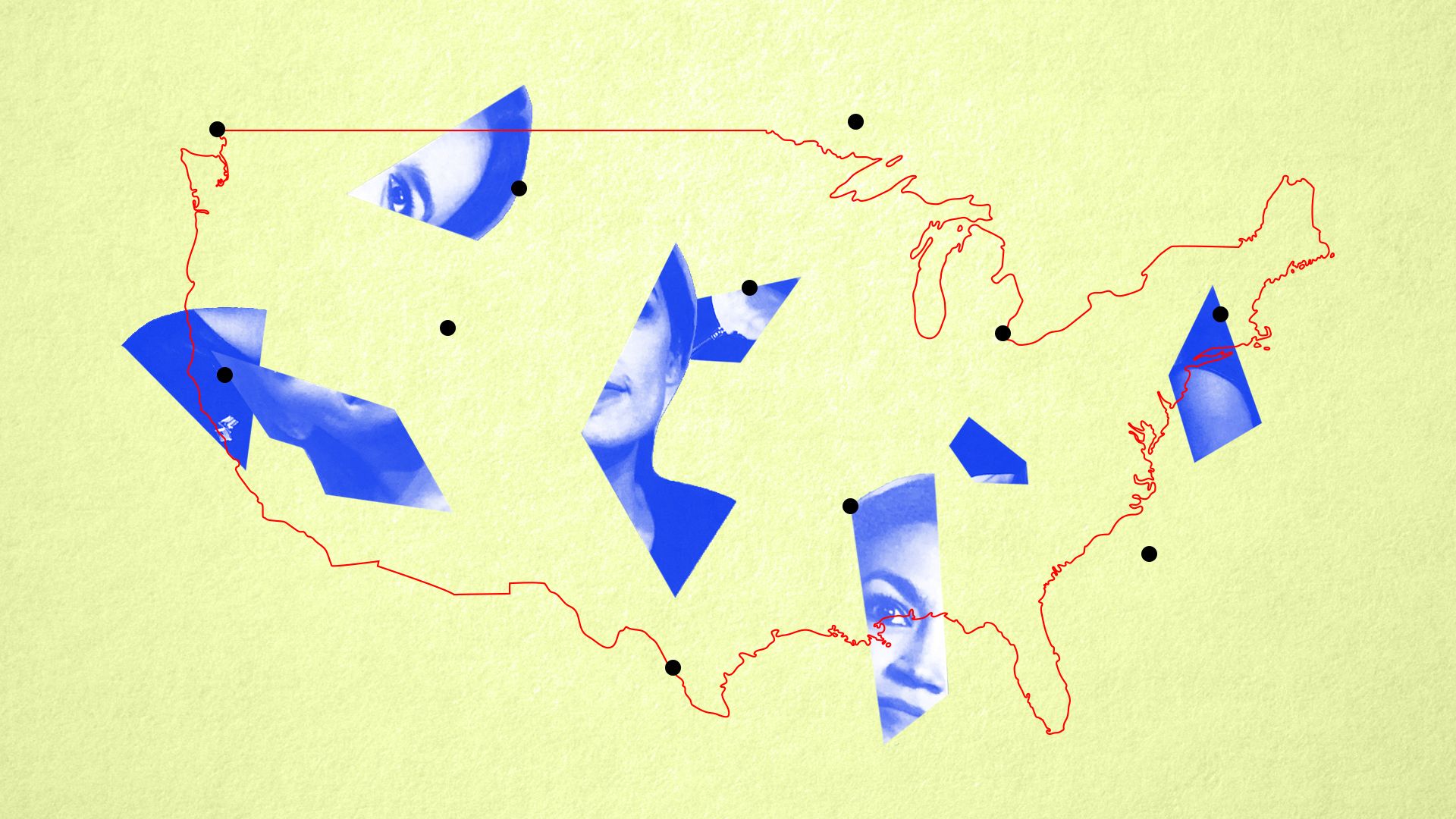
America is not a socialist nation,and the Democratic Party is not a socialist party. But after Alexandria Ocasio-Cortez’s shocker win in New York, a growing number of Democrats are pushing a formula to try to nudge both the nation and the party in Bernie Sanders' direction.
The bottom line: This isn't going to end — Ocasio-Cortez was just in California spreading the Democratic socialist message.
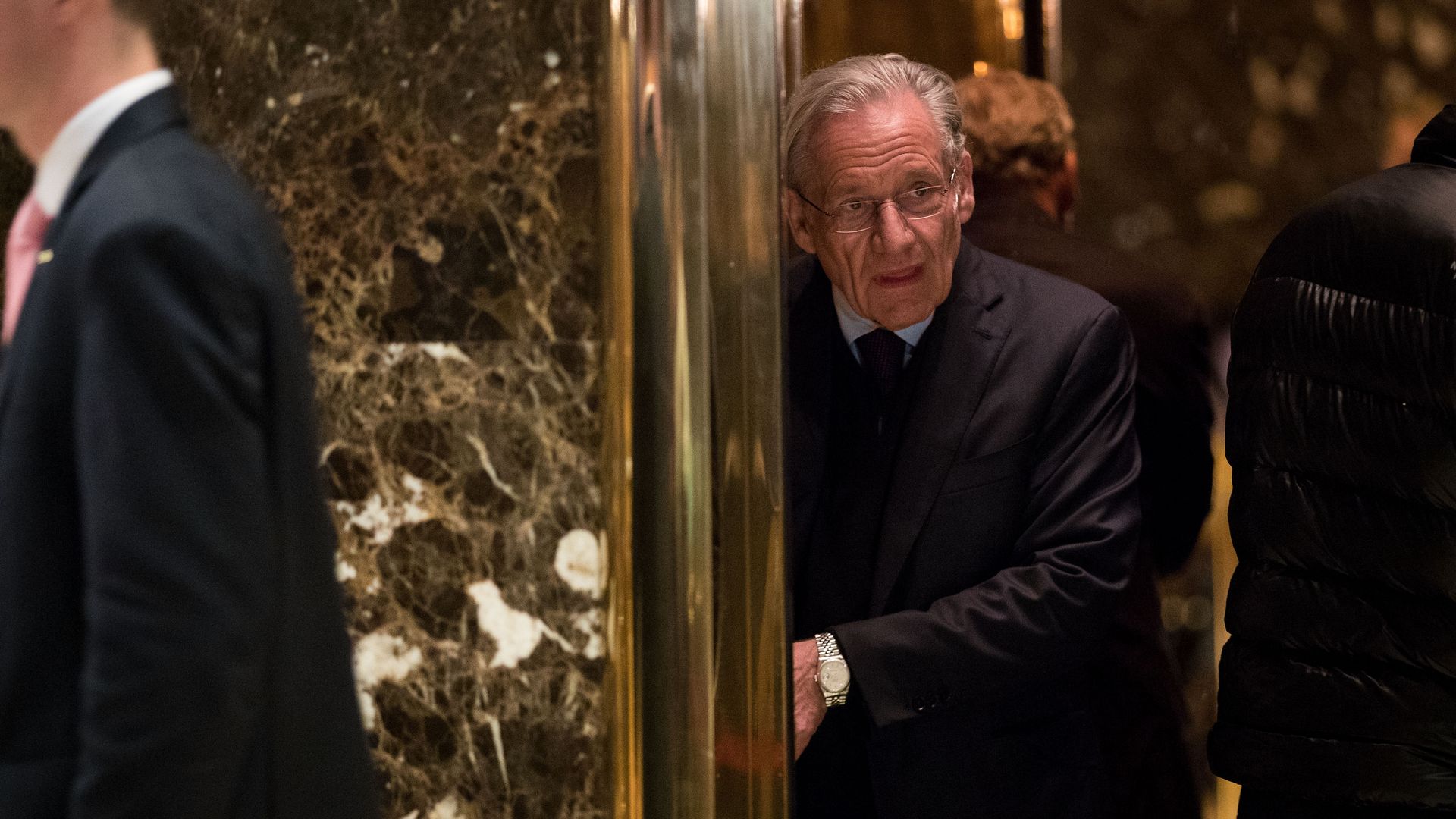
Renowned Pulitzer Prize-winning investigative journalist Bob Woodward plans to release his first book on President Trump's White House.
The details: Publisher Simon & Schuster said Monday that “Fear: Trump in the White House” is set to release on Sept. 11. “[It] is the most acute and penetrating portrait of a sitting president ever published during the first years of an administration,” said Jonathan Karp, president and publisher of Simon & Schuster, in a statement. Woodward, an associate editor at the Washington Post, is known for his coverage of the Watergate scandal, which led to President Richard Nixon's resignation.
The Trump administration bailing out all the industries affected by the president’s escalating trade war could cost American taxpayers $39 billion, according to the U.S. Chamber of Commerce’s analysis.
Flashback: Agriculture Secretary Sonny Perdue last week announced details of an emergency plan to extend $12 billion in aid to farmers who produce certain goods like soybeans, prompting rebukes from farm state Republican lawmakers in Congress.
Washington Nationals shortstop Trea Turner issued a statement Sunday night apologizing for offensive tweets that were uncovered from 2011 and 2012, becoming the third Major League Baseball player this month to face the consequences of their unsavory digital footprints, ESPN reports.
Why it matters: For the first time, professional athletes are growing up to face a world where their thoughts and opinions as teenagers are forever preserved in cyberspace. As these scandals increase in frequency, so too will the recognition that 140 characters is more than enough to derail a budding career.
E-commerce startups, especially those in the fashion and lifestyle spaces, are testing novel methods to keep young shoppers coming back in a saturated market.
Why it matters: Millennial spending habits on retail are impulsive as they spend more freely than other generations. New startups are popping up on their Instagram feeds to advertise free trials or referral codes to get them in the door — but retaining those free-flowing dollars can be more difficult.
President Trump's lawyer Rudy Giuliani made the rounds on morning news show circuit Monday, notably claiming that "collusion is not a crime" during an appearance on Fox & Friends.
Why it matters: It's a notable moving of the goalposts by Trump's personal lawyer. And it comes just one day after Trump denied any collusion — as he often has — and continued his withering rhetoric against Special Counsel Robert Mueller's investigation on Twitter.
Retailers are increasingly using technology like geolocation mapping and virtual shopping assistants in an attempt to increase shoppers' loyalty.
Why it matters: "Physical retail is not dead. Boring retail is," Steve Dennis, strategic adviser on retail growth, wrote in Forbes. Consumer data is key to understanding consumer preferences and lifestyles. The trick for brick-and-mortar retailers now is to figure out how to use data and technology, while also personalizing the physical shopping experience.