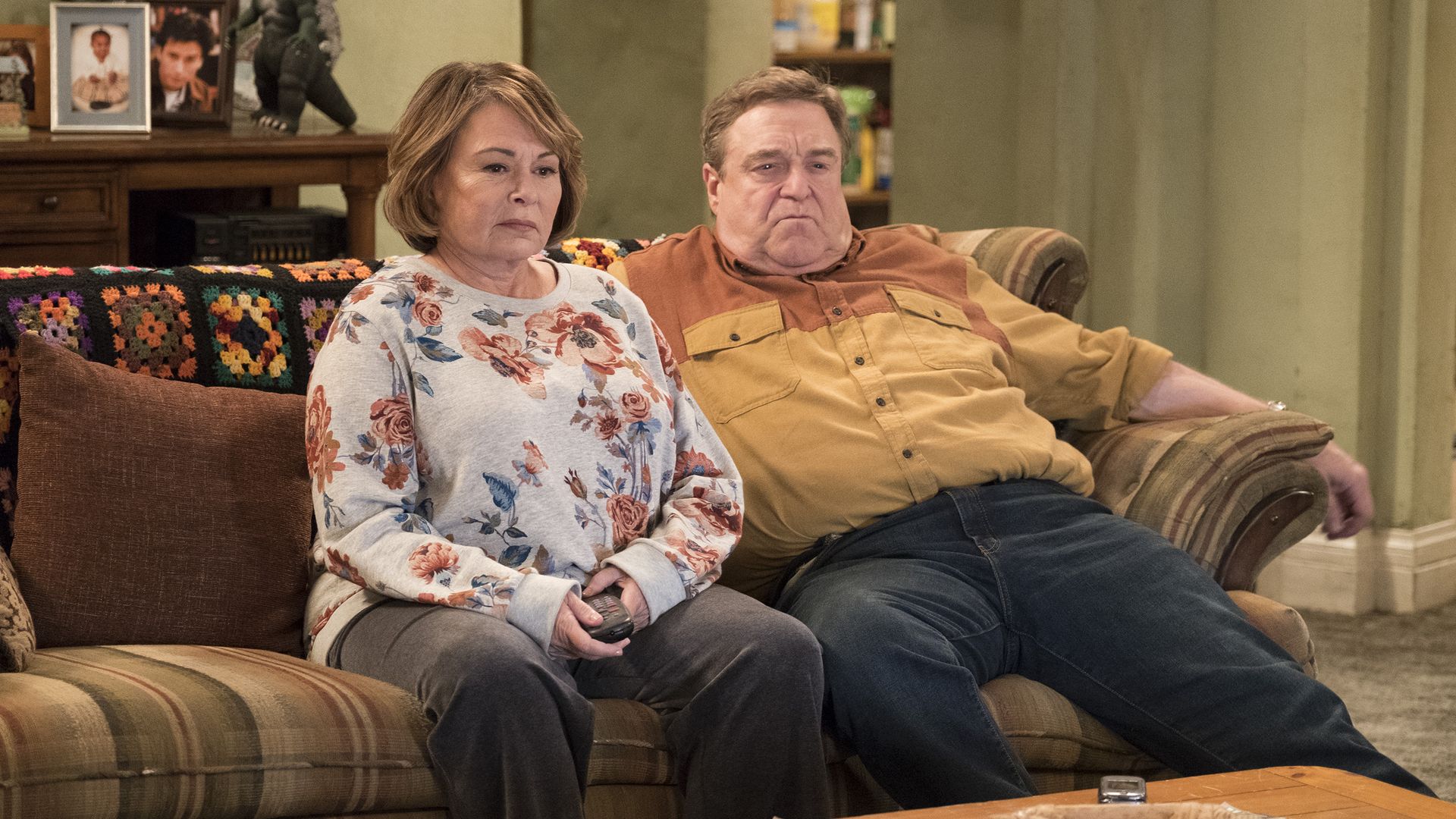
Roseanne Barr's reboot at ABC is gone, less than 12 hours after her racist tweet and notwithstanding ratings so strong that she picked up a congratulatory phone call from President Trump.
Why it matters: The show's cancellation came at nearly the exact same time Starbucks across the country shut down for racial bias training after two black men were arrested at a Philadelphia Starbucks.
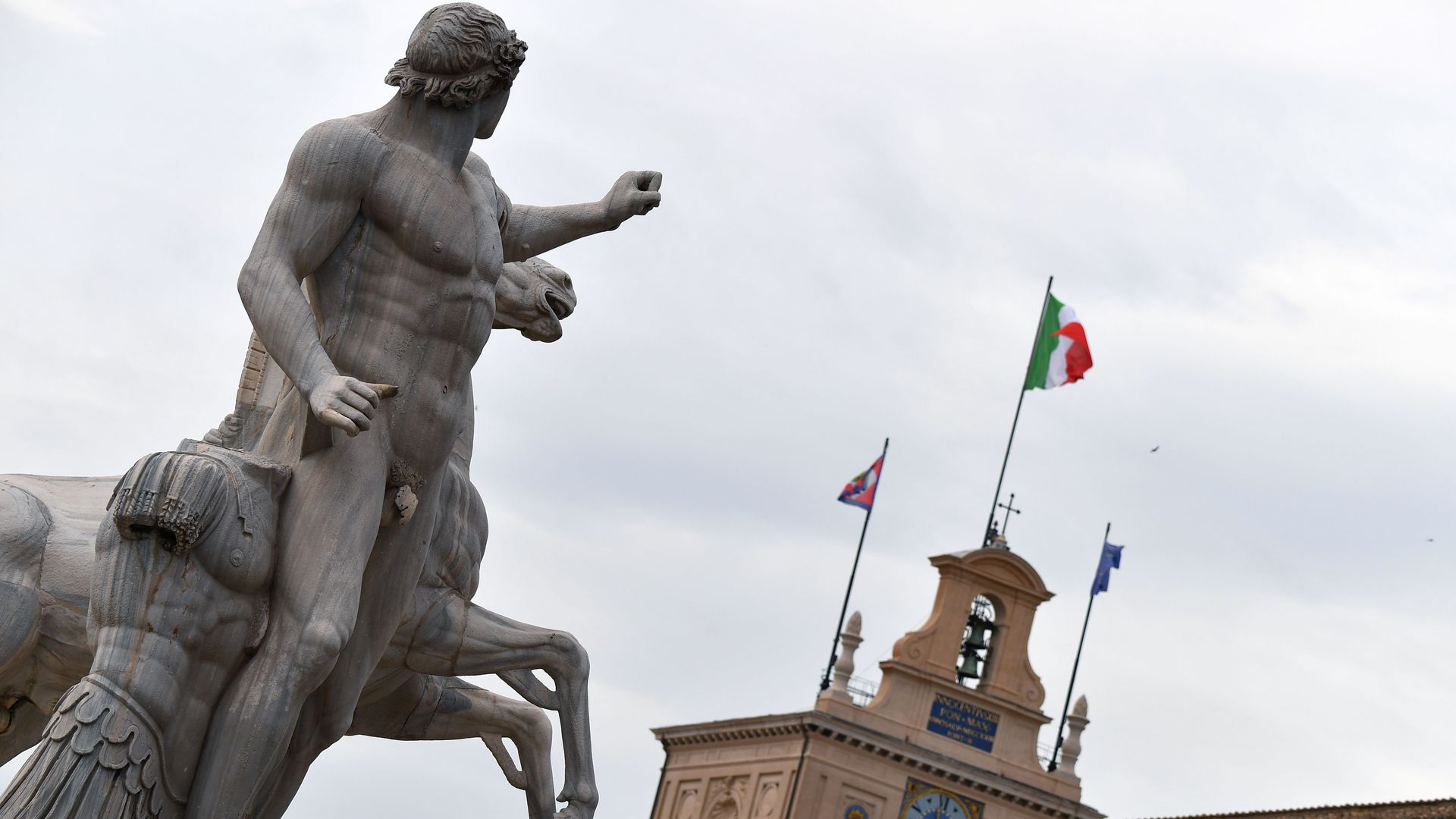
Political chaos in Italy is hitting the financial markets, the WSJ reports, with new elections carrying the risk that Italy’s surging populist parties could move to take the country out of the euro.
Big picture: Italy's president Sergio Mattarella vetoed a government proposed by the Five Star Movement and the League — the two big populist winners from March's election — because it included a nominee for finance minister who has repeatedly advocated for leaving the Euro. Now there will be fresh elections in the coming months, and the future of the Euro could be front and center. That prospect has led to mass selling of European debt, and the Dow has dropped by more than 400 points.
ABC has cancelled its reboot of "Roseanne" after star Roseanne Barr tweeted that former Obama adviser Valerie Jarrett looks like "Muslim Brotherhood & Planet of the Apes had a baby."
"Roseanne's Twitter statement is abhorrent, repugnant, and inconsistent with our values, and we have decided to cancel her show."
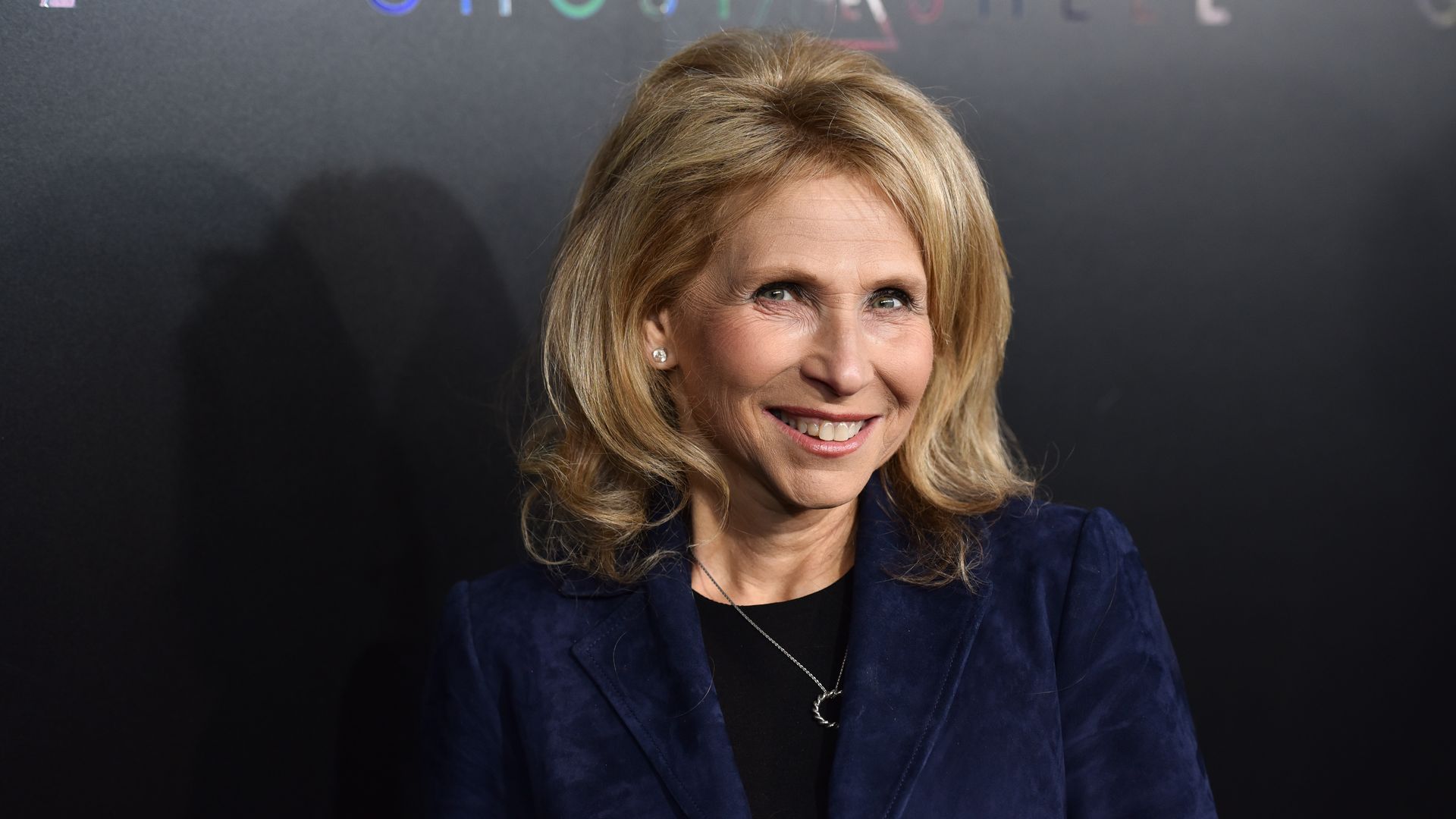
In a new complaint filed Tuesday, National Amusements Inc. (NAI), CBS Corporation's parent company, now says that its vice chairwoman and CBS' majority stakeholder Shari Redstone advised Viacom’s special committee that NAI no longer supported a merger — prior to CBS' lawsuit against Redstone and NAI that attempted to strip Redstone of her voting power.
Why it matters: Today's statement solidifies what the media community has largely assumed for the past few weeks: the desire to merge CBS and Viacom is officially dead on both sides — not just from CBS' perspective.
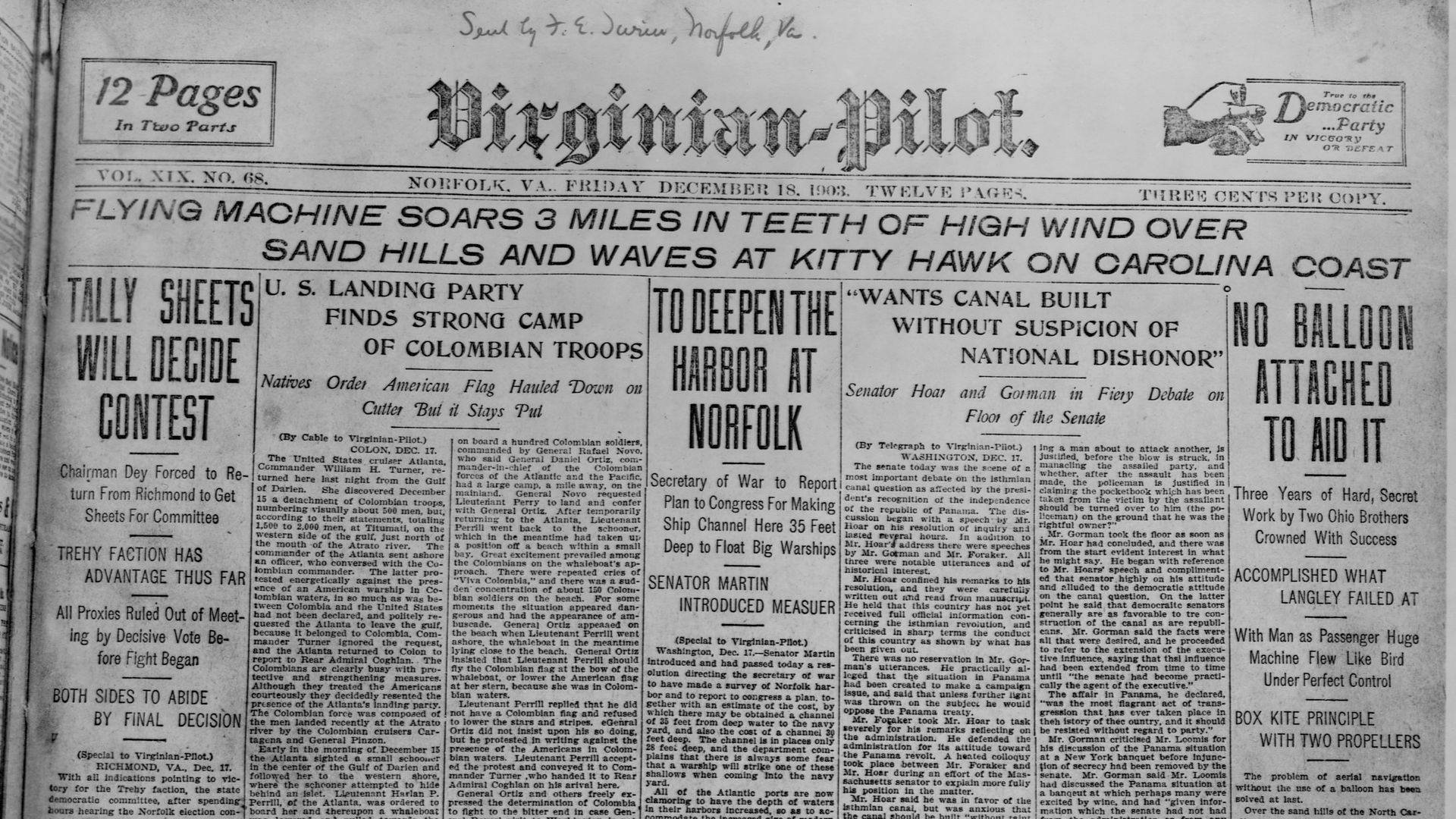
Newspaper conglomerate Tronc, which owns a plethora of local American newspapers like The Los Angeles Times and The Chicago Tribune, has purchased Norfolk's Virginian-Pilot, Virginia's largest newspaper, for $34 million.
Why it matters: It is another example of a local newspaper being bought up by a larger conglomerate or holding company in the wake of a difficult economic climate for the newspaper and local news publishing industries.
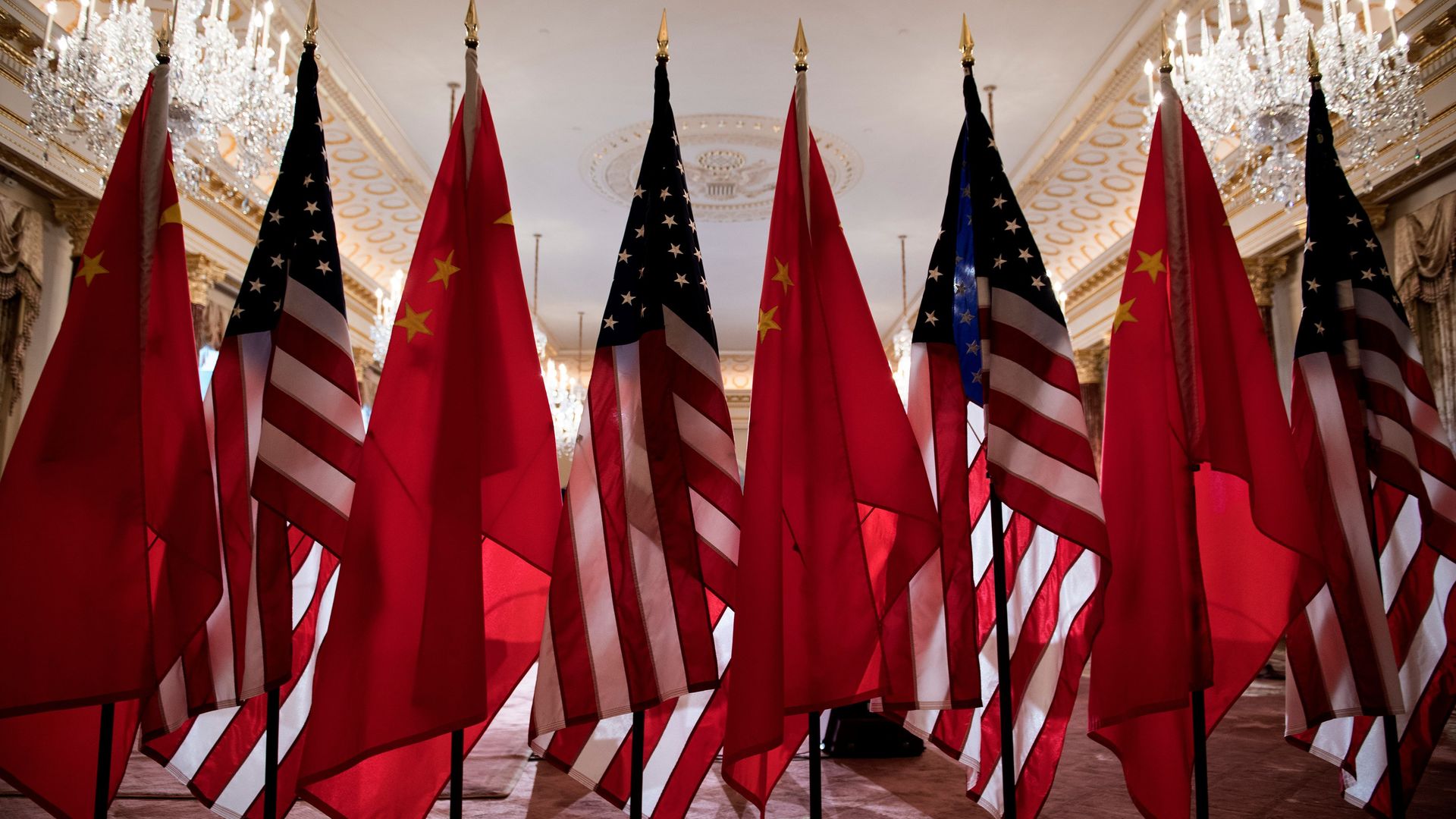
The White House announced this morning a plan to levy a 25% tariff on $50 billion worth of Chinese tech goods — with the exact list to be announced next month — as well as tech investment limits for Chinese nationals and entities. It also plans to pursue litigation at the World Trade Organization relating to Chinese intellectual property abuses.
The big picture: It’s a show of force that has surprised some sources close to the White House who believed Trump would defer any aggression towards China until after the North Korea summit.
Europe's sweeping data privacy law, the General Data Protection Regulation (GDPR), went into effect last Friday, triggering a flurry of multi-billion dollar complaints, the shuttering of news websites overseas and a programmatic (automated) ad-buying market crash in Europe.
Why it matters: There hasn't been any indication that enforcement will be that stringent — regulators have indicated they'll be more lenient in the beginning than businesses realize — but ominous press coverage and the fear of heavy penalties has been enough to rattle industry.
Satellite video companies like AT&T's Direct TV and Dish Network are having a tougher time navigating the cord-cutting crisis than some of their cable rivals.
Why it matters: Telecom companies once saw satellite TV services as a good way to expand their customer bases, leading to acquisitions like AT&T's DirecTV buy in 2015. But as viewers ditch their expensive pay-TV packages at a faster rate, those investments are becoming harder to quickly spin forward in a profitable way.
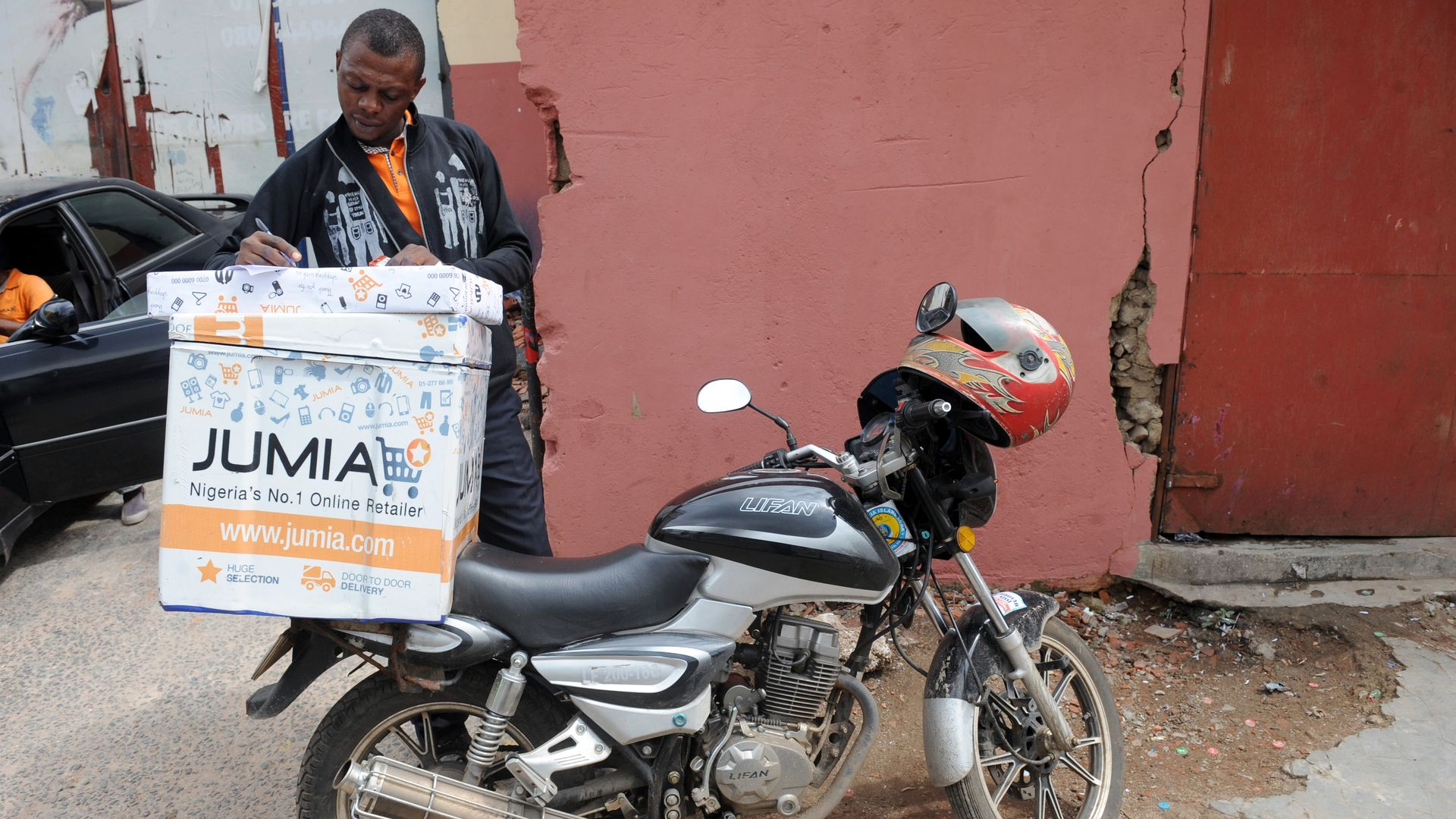
Online retailer Jumia, which launched in Nigeria in 2012 and is attempting to become "Africa's Alibaba", has won the backing of Goldman Sachs and other big investors, the WSJ reports.
The big picture: "Jumia’s growth story outlines the scale of the challenge for African online retail. Faced with poor internet connections and tight bank lending for vendors and consumers, the startup has had to build from scratch much of the economic infrastructure within which to operate."






/2018/05/29/1527593606627.gif?w=3840)