Very few Americans have enjoyed steadily rising pay beyond inflation over the last couple of decades, a shift from prior years in which the working and middle classes enjoyed broad-based wage gains as the economy expanded.
Why it matters: Now, executives of big U.S. companies suggest that the days of most people getting a pay raise are over, and that they also plan to reduce their work forces further.
One of the biggest puzzles in economics is why U.S. productivity growth is so sluggish despite low unemployment and record corporate profits — apart from a spurt during the dotcom boom, the rate has been under half the historical trend since 1970.
What's going on: A group of economists say they have an answer: we are in the middle of a gigantic but invisible technological transition. And, when it's over, productivity growth will return closer to its historical trend.
Two of Trump's top economic advisers, including Larry Kudlow, fear that one of the proposals closest to his heart — automobile tariffs — would kill American jobs. And his lawyers aren't sure the national security argument underpinning the idea is solid. Meanwhile, U.S. allies and free traders have been freaking out over a Trump request to use a “national security” law — the same one he used to impose massive steel and aluminum tariffs — to put new tariffs of as much as 25% on automobile imports.
Between the lines: The proposal for these tariffs didn’t emerge from a policy process assessing the economic or geopolitical pros and cons of such an approach — they came from the president’s hard-wired instincts.
The death of the U.S. retail mall will be worse than forecast — with just a quarter of the current 1,200 or so surviving, says former J.C. Penney CEO Mike Ullman.
Quick take: Until now, most experts have said that a quarter of the malls will close. But, speaking on a panel at a conference at the Dallas Fed on technological disruption Thursday, Ullman reversed the numbers, estimating that only about 300 malls will make it. The rest will close over the next five years, becoming victims of decades-long changes in consumer taste, including the recent impact of Amazonization.
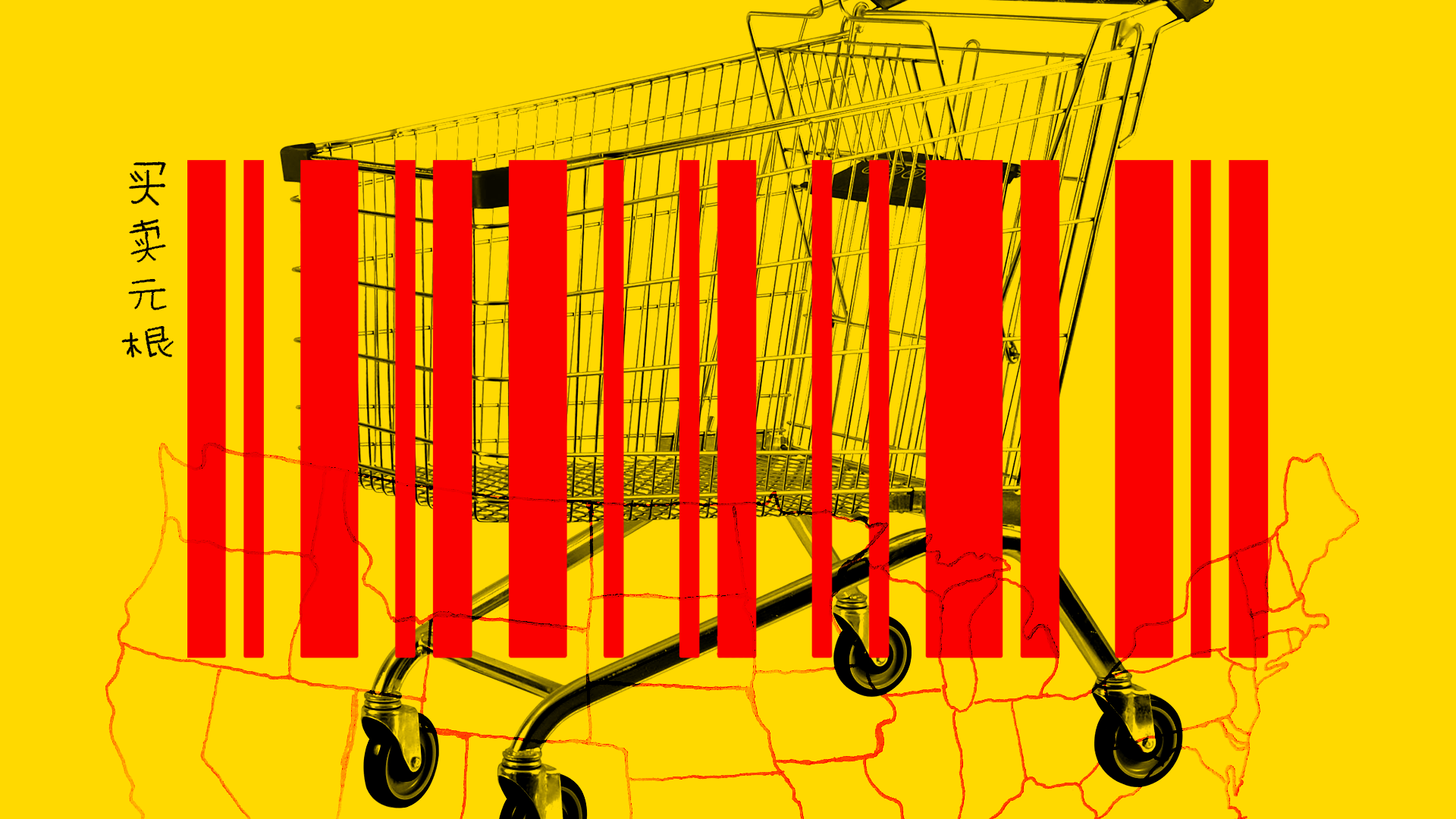
In January, Amazon attracted intense attention when it opened Go, its cashless convenience store in Seattle. And it's poised to open six more of them on the U.S. west coast, according to Recode. But that still leaves the e-commerce giant far behind its Chinese rivals, which are already staking out new ground in retail.
Why it matters: The future of retail in the world's leading economies is increasingly expected to be not online shopping, but a melding of e-commerce and physical stores. And Chinese Big Tech appears to be in the vanguard of how to pull this off. The research firm Sanford Bernstein calls it the "digitization of retail."
Washington is waking up to the reality that the cost of doing business in China's massive market is risking precious tech secrets, but it may be too late.
The big picture: Rogue practices like intellectual property theft are built into Beijing's industrial policy, and China has used these policies to innovate so rapidly that it may soon be able to cut its reliance on the West.






/2018/05/23/1527109993608.gif?w=3840)