Europe is preparing 25% tariffs on U.S. goods from Levi's to Harley Davidson bikes in a sign of brewing retaliation for President Trump's imposition of a levy on foreign steel, and economists are warning of a sharp hit to the global economy and markets.
Why it matters: Economists tell Axios that, should Trump proceed with his 25% steel tariffs, and tit-for-tat retaliation cascade, there is serious risk of a blow to global GDP growth, which the International Monetary Fund had forecast at 3.9% for 2018 and 2019.
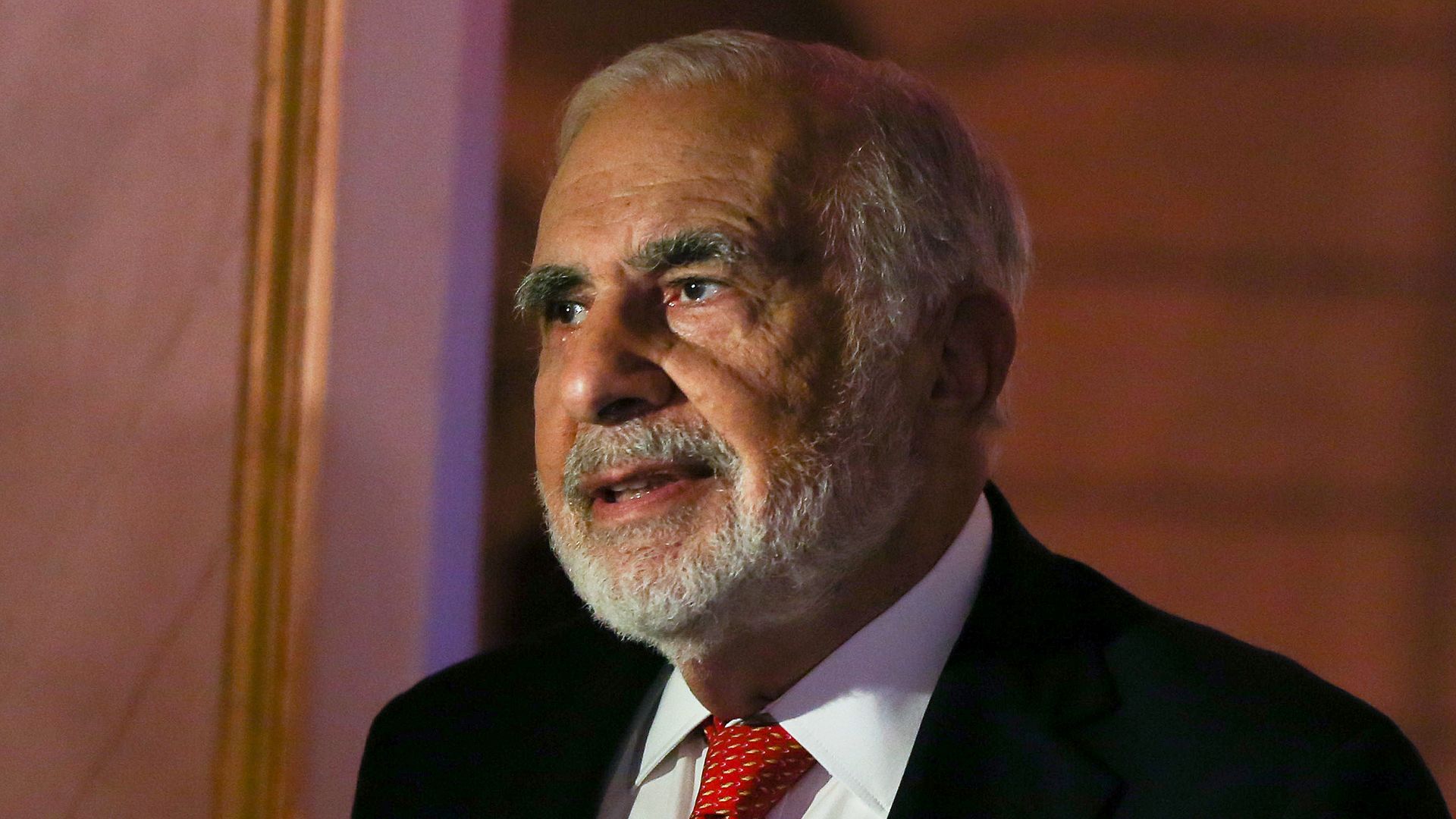
Billionaire investor and former adviser to President Trump, Carl Icahn, revealed in a recent SEC filing that he withdrew a $31.1 million stake in the popular crane manufacturer, Manitowoc, which relies heavily on steel-related products, first reported by ThinkProgress. The company's stock sank 6% following Trump's Thursday announcement that he will raise tariffs on steel and aluminum. Icahn has not yet returned Axios' request for comment.
Why it matters: The Feb. 22 filing came a week prior to Trump's announcement. Countries and global organizations have announced their displeasure with the U.S.' decision to raise tariffs of 25% on steel and 10% on aluminum and have threatened to pull out of trade deals if tariff prices surge.
President Trump announced on Thursday that he's going to impose tariffs on imports of steel (25%) and aluminum (10%). He has long called for these tariffs, saying America is being cheated by foreign competitors and its large trade deficits.
The big picture: Trump's announcement jolted markets, upset allies and led to rebukes from The Wall Street Journal and some congressional Republicans.
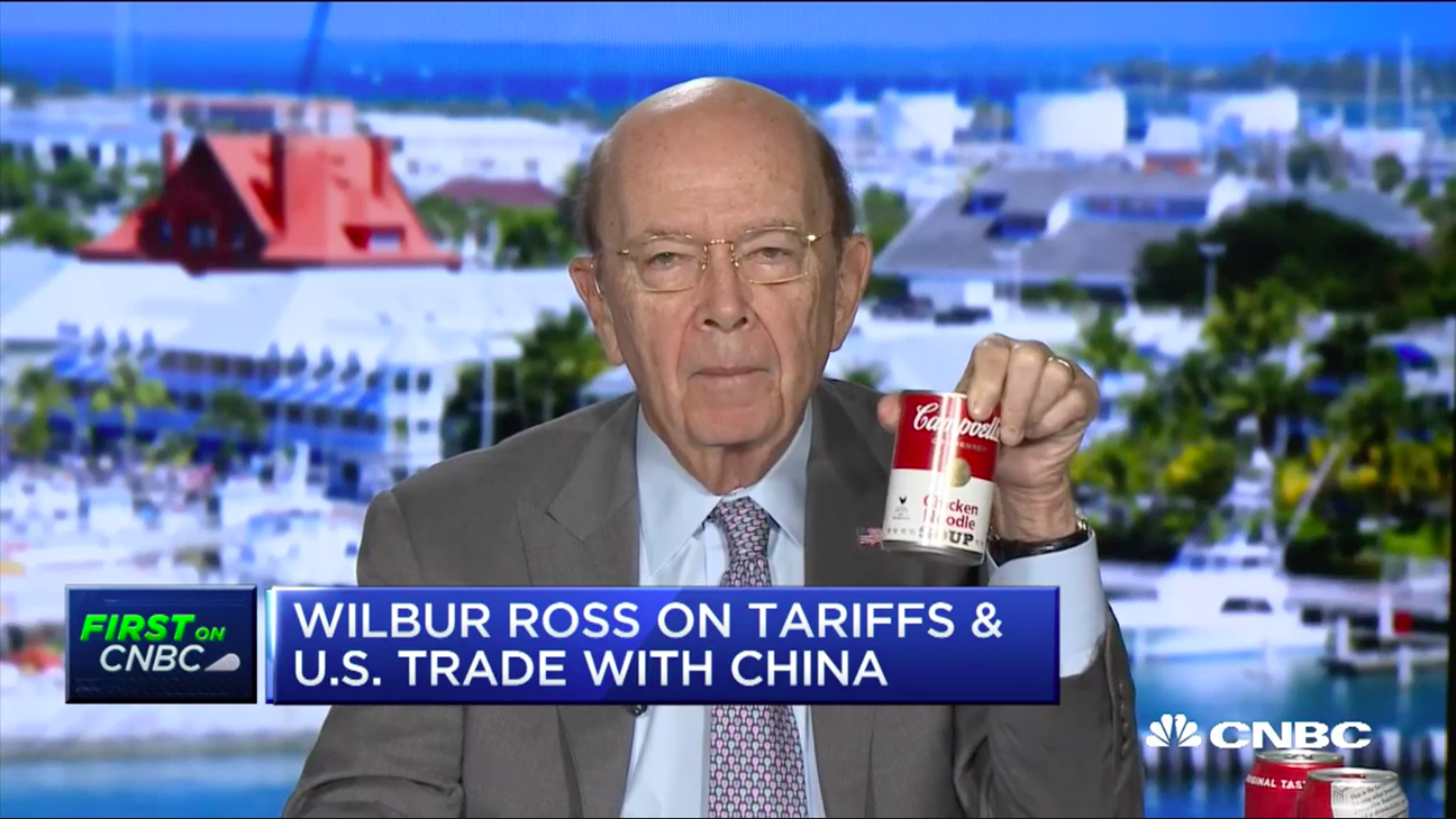
Appearing on CNBC's Squawk on the Street Friday, Commerce Secretary Wilbur Ross defended the steel and aluminum tariffs he helped promote and dismissed their price consequences as "broad," but "trivial."
With its $9.5 billion takeover offer this week for Chinese food-delivery juggernaut Ele.me, Alibaba is pushing ahead with a massive advance into physical retail, a trend that U.S. rivals are only starting to follow.
Why it matters: Alibaba's offer for Ele.me fits into its "New Retail" initiative, shaping the future of retail on a scale that makes it Amazon's true global competition.
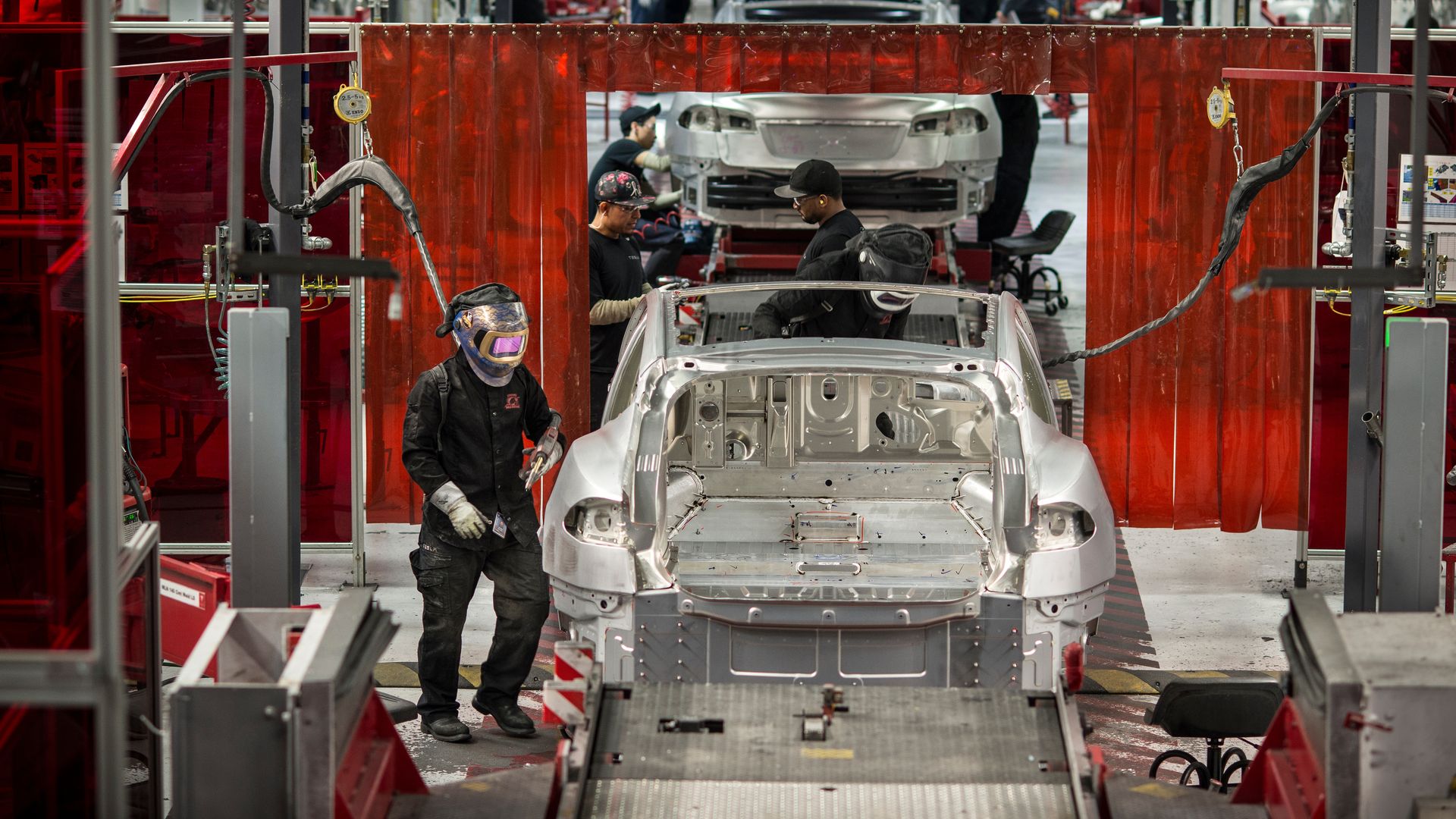
President Trump's decision to slap tariffs on steel and aluminum imports had an immediate effect on the stock market yesterday, driving the Dow 420 points lower and boosting U.S. steelmaker stocks. But several sectors that rely on steel and aluminum for raw materials are already feeling the heat from the tariffs, which go into effect March 5.
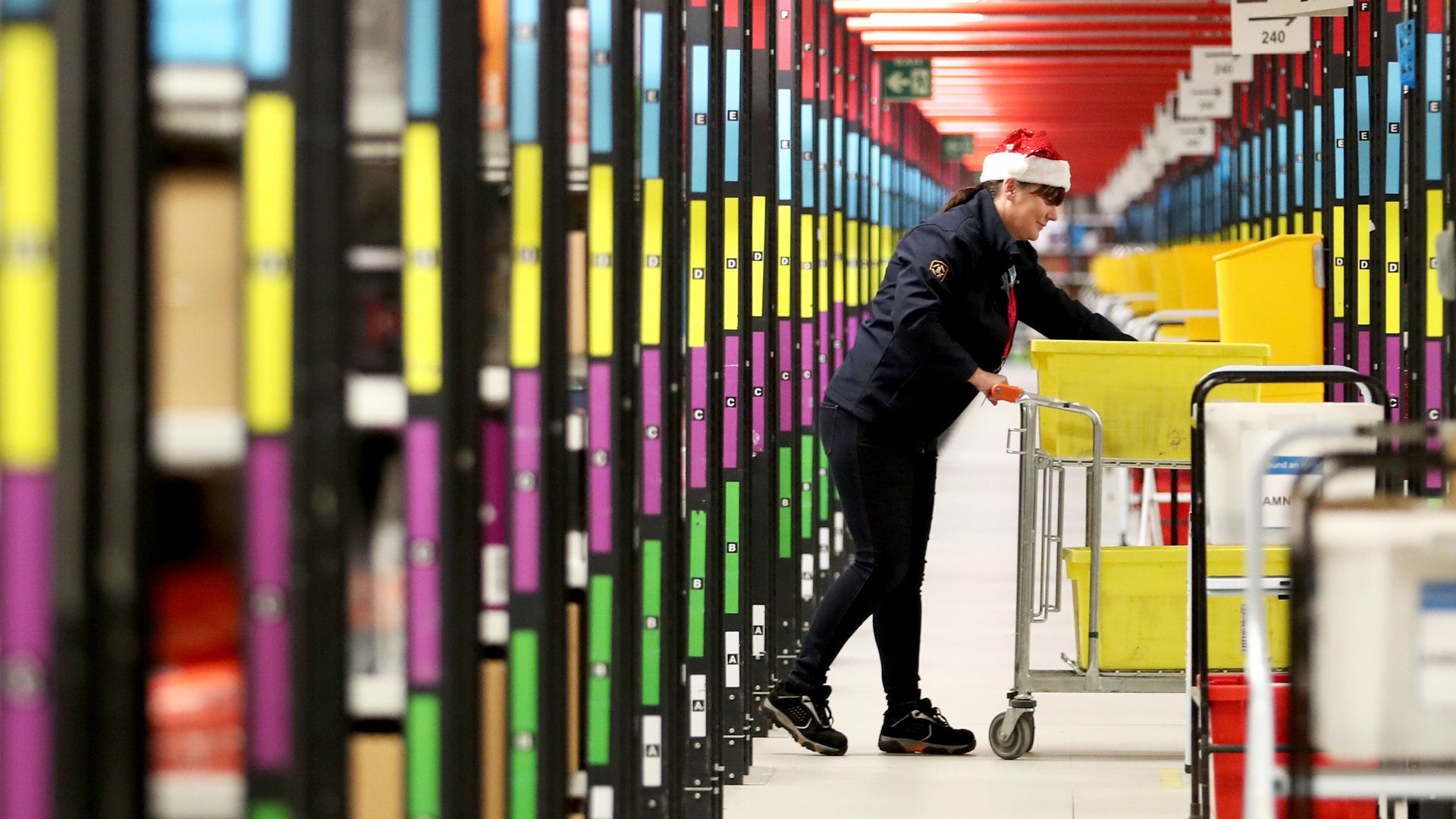
Walmart is supposed to be making a solid run for second place in online shopping. But a leading Wall Street bank downgraded its shares today, as Amazon is instead extending its already-towering dominance of the market.
What we're hearing: Walmart had a respectable 2017 in terms of overall sales, racking up $485 billion in revenue, up 3.1% from the prior year. But Thomas Paulson of Inflection Capital says the retailer had $11.5 billion in online sales last year, amounting to 1.9% of a total $606 billion U.S. e-commerce market. Amazon commanded $219 billion in e-commerce sales — 36.2% of the whole, he said.
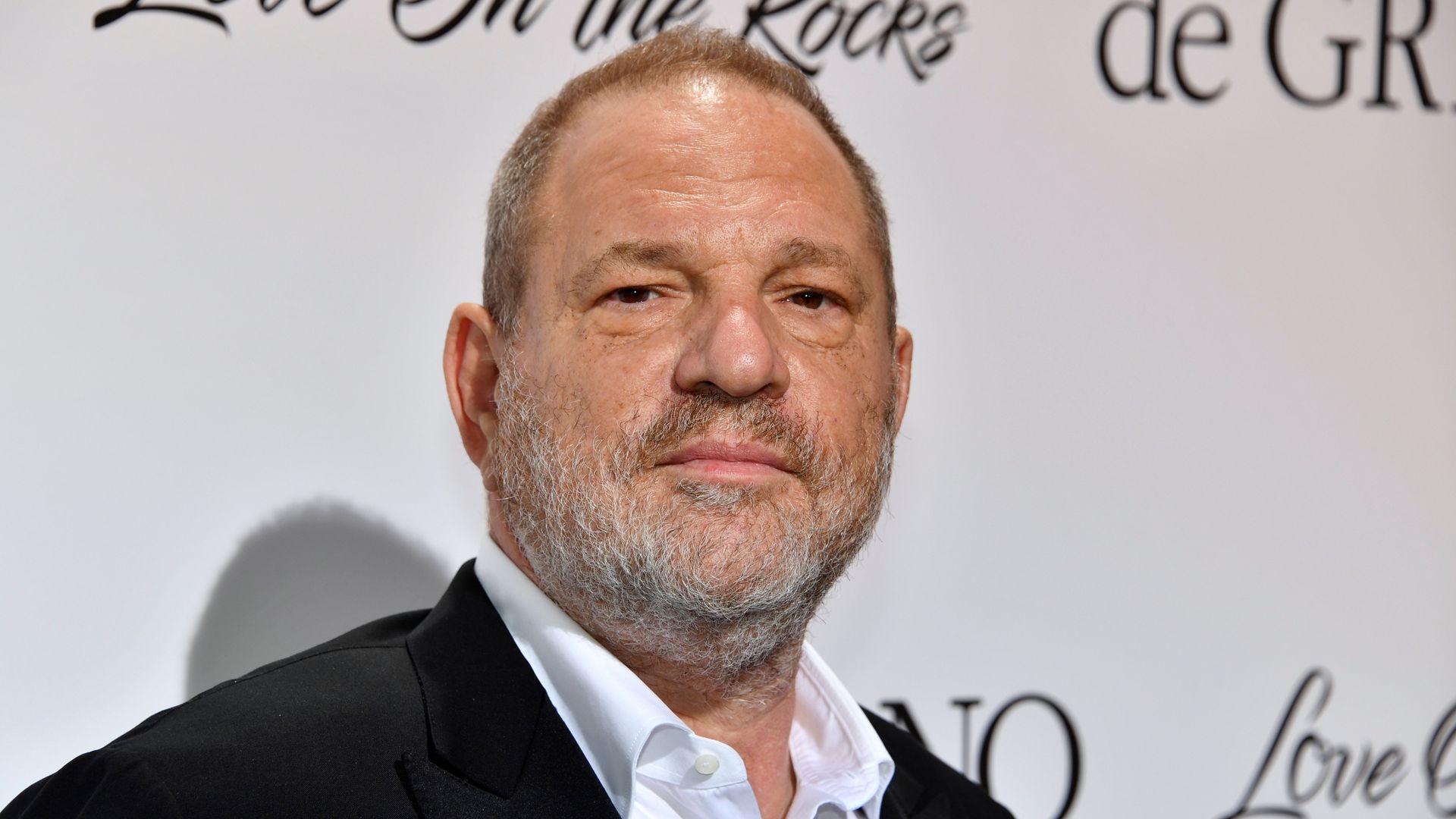
An investor group led by Maria Contreras-Sweet and Ron Burkle has agreed to a $500 million takeover of The Weinstein Co. — including $275 million in new investment and $225 million to pay off debts — which will keep the troubled studio out of bankruptcy. The deal also reportedly includes a $90 million victims compensation fund and a 40-day closing period.
Why it matters: Because this bailout seemed dead and buried, only to be revived Thursday in a marathon negotiating session in the offices of NY Attorney General Eric Schneiderman.
Bottom line: Harvey and Bob Weinstein get nothing.
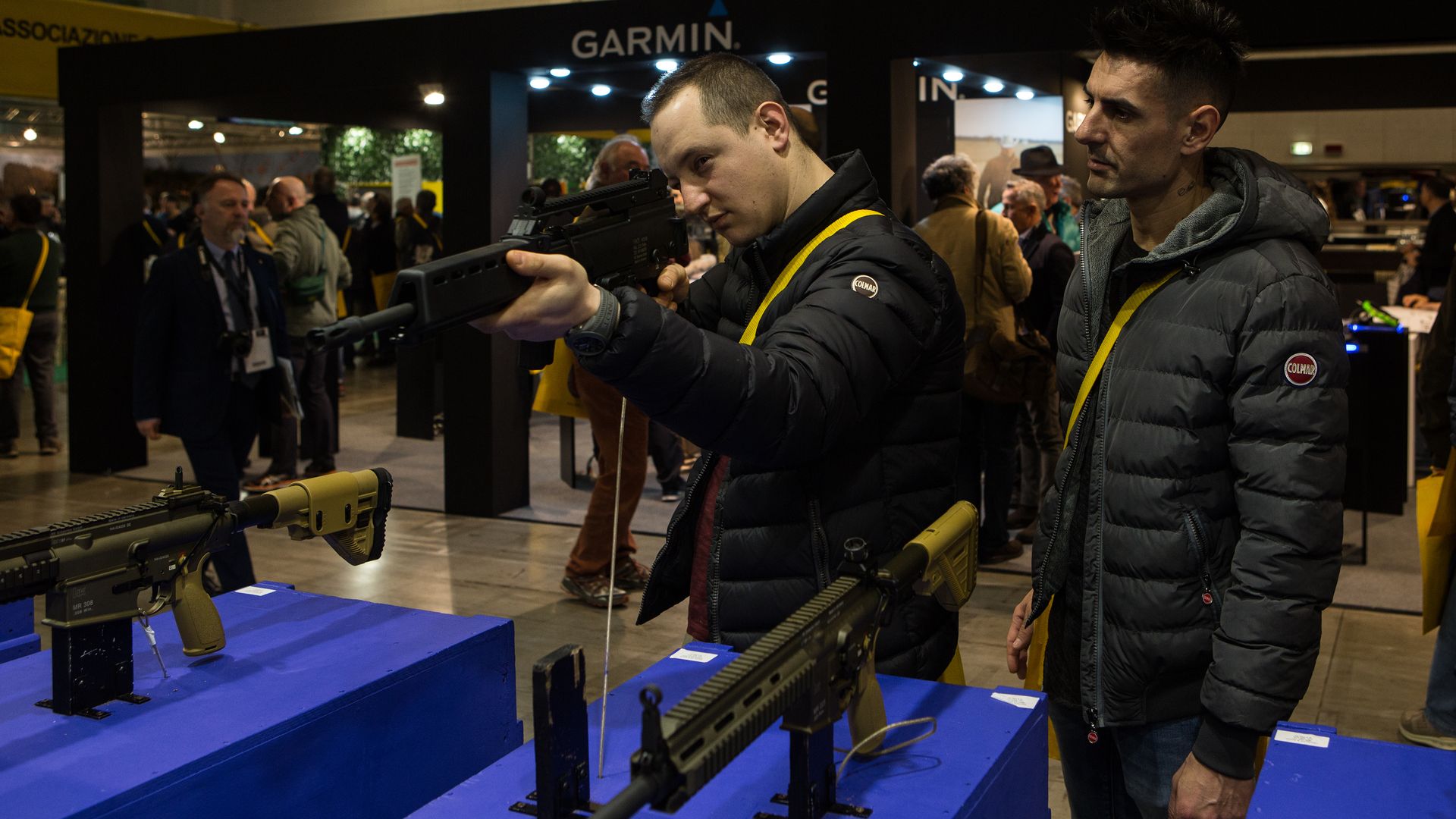
The U.S. is one of the easiest places to buy a gun, only requiring 2 steps: passing a background check to ensure no criminal activity and buying the gun. It can take less than an hour, the New York Times reports. (Although some states have extra restrictions or steps.)
Why it matters: Other countries, like Russia and China, have a much longer process before buying a gun, which can take months. Because of the Second Amendment, U.S. lawmakers have been slow to add obstacles to the legal gun purchasing process, despite several recent mass shootings with legally purchased guns.
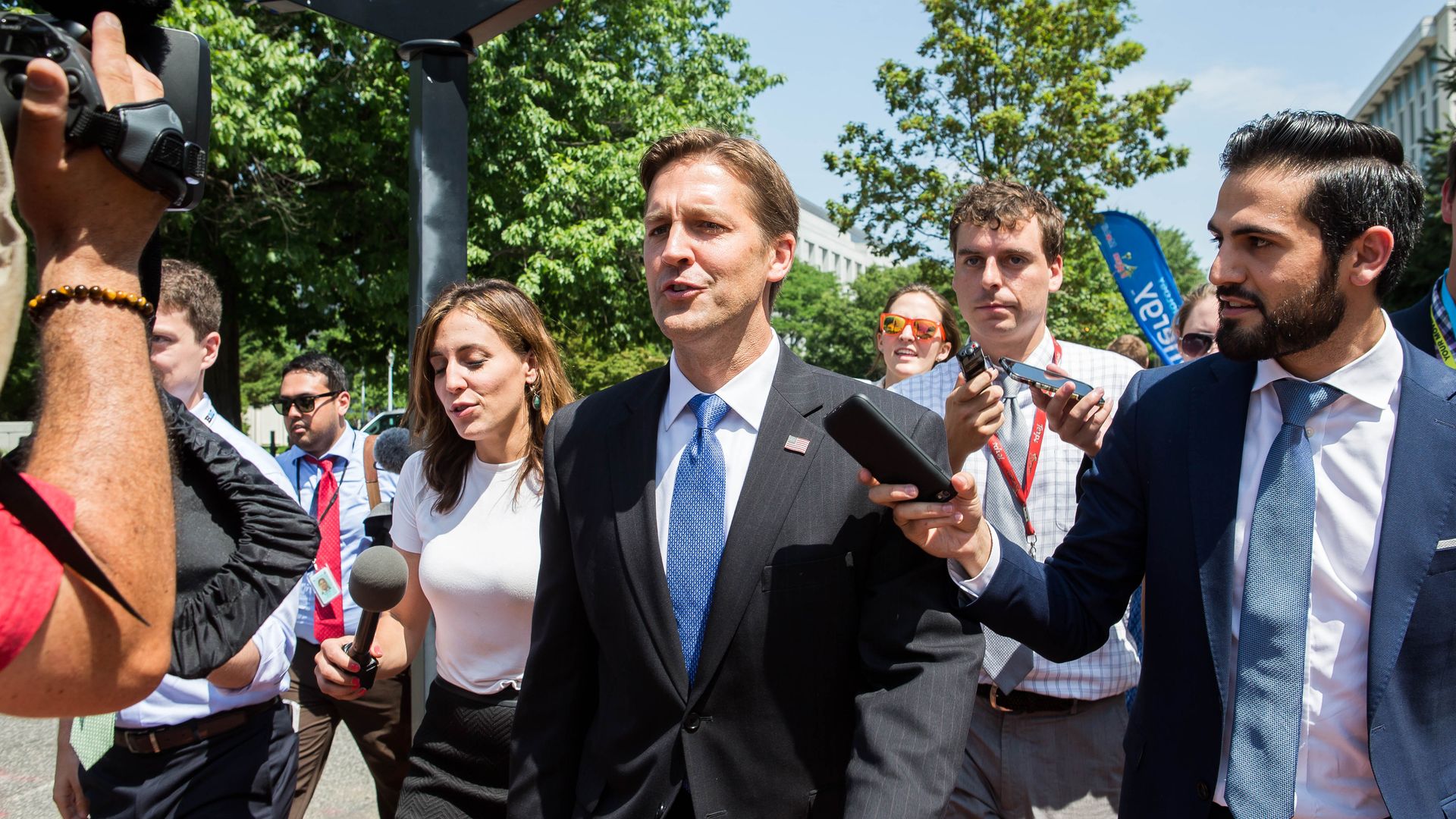
"Trade wars are never won. Trade wars are lost by both sides. Kooky 18th century protectionism will jack up prices on American families -- and will prompt retaliation from other countries. Make no mistake: If the President goes through with this, it will kill American jobs -- that's what every trade war ultimately does. So much losing."
"Turmoil on Madison Avenue as Marketers Push for Change ... P&G slashes digital ad spending, calls for disrupting 'archaic Mad Men model'" from the Wall Street Journal's front page.
Why it matters: "It represents an important shift after years of marketers raising digital ad spending almost reflexively."
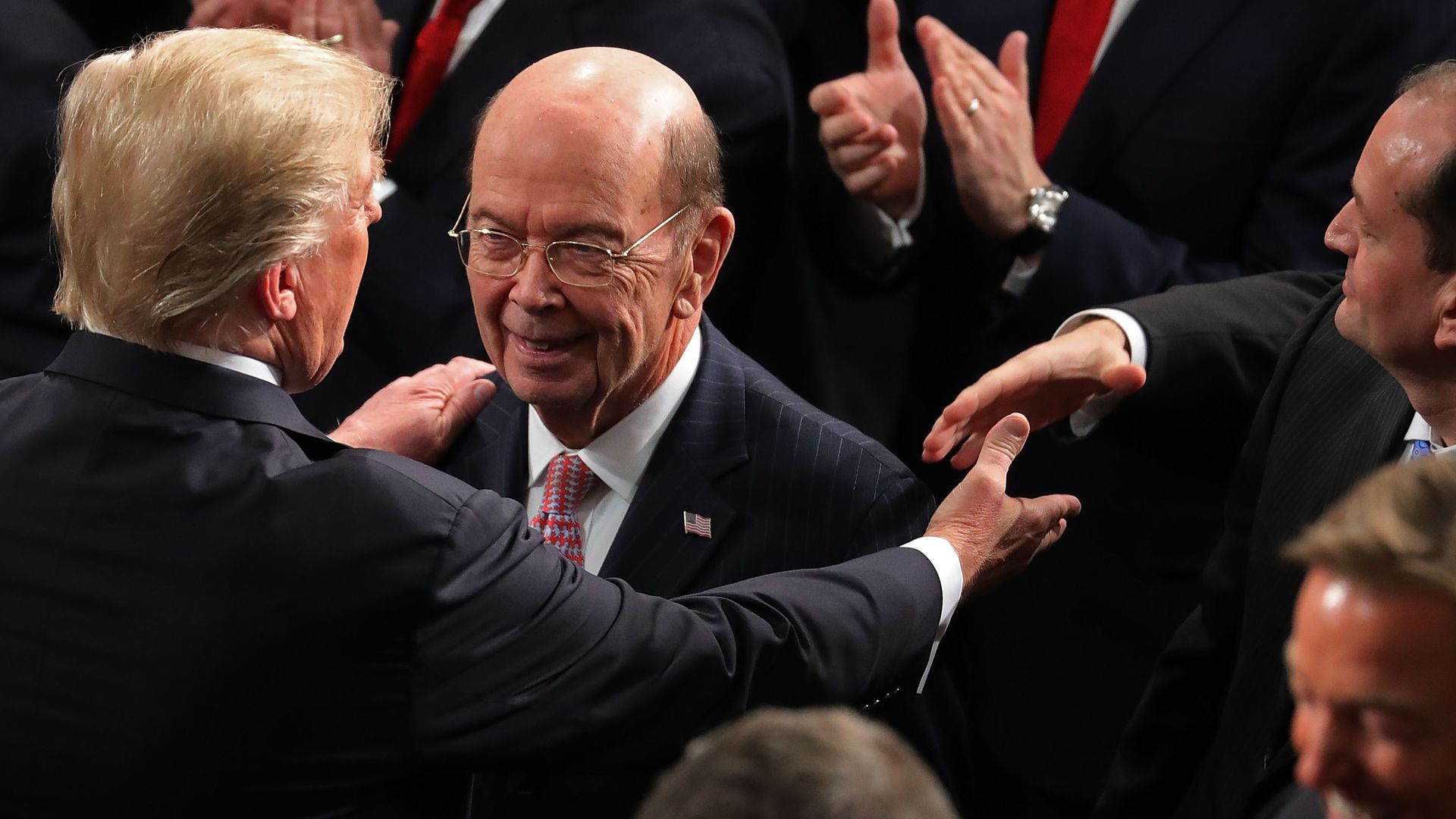
White House staff, most of whom were in the dark about Trump's planned tariffs announcement, are referring to Commerce Secretary Wilbur Ross, the victor in the policy coup, as "Chief Ross."
Their reasoning: Based on what happened on trade, the 80-year-old Ross looks more in charge than White House Chief of Staff John Kelly.
President Trump has long mused about doing what he wants, when he wants, how he wants. He wanted tariffs on steel and aluminum — big ones — now. He wanted to negotiate with Congress — in public, on his court, surprise and shock, all for the cameras. He wanted to ditch any P.C. pretenses and consider Singapore-style death for all drug dealers. He wanted to play by his rules alone.
Why it matters: His staff at times managed to talk him off the ledge. No more. Tired of the restraints, tired of his staff, Trump is reveling in ticking off just about every person who serves him.
Public school teachers across West Virginia have been on strike for a week.
Why it matters: Kids have been out of school as teachers fight for raises to their stagnant salaries. But the state's teachers have been just as anxious over major proposed cuts to their health care benefits — a trend that spans companies and industries.
Snap's stock has now traded for one full year and the results have been... underwhelming.
By the numbers: The social camera company priced its IPO at $17 per share one year ago tonight, and opened trading on March 2, 2017 at $24 per share. It hit an all-time high within its first week, soon fell below its IPO price and slightly rebounded to today's close of $17.21 per share.
President Trump announced on Thursday new tariffs on steel (25%) and aluminum (10%).
Why it matters: Many around him have been strongly opposed to this, but as Axios' Jonathan Swan reported last year, Trump wants them and it doesn't look like anything will be stopping him. But the international response, as well as response from Republicans on Capitol Hill, hasn't been warm, and the Dow dropped 500 points as a result.