The more your job is digitizing, the more you are earning and the greater the chances you will get a raise, according to a new report. In a counter-intuitive finding, there is also slightly greater protection from being automated out of a job.
Why it matters: The report released today by the Brookings Institution dramatizes the financial gulf between those working jobs that have undergone heavy computerization, and those that have not, and adds nuance to the story of income stagnation.
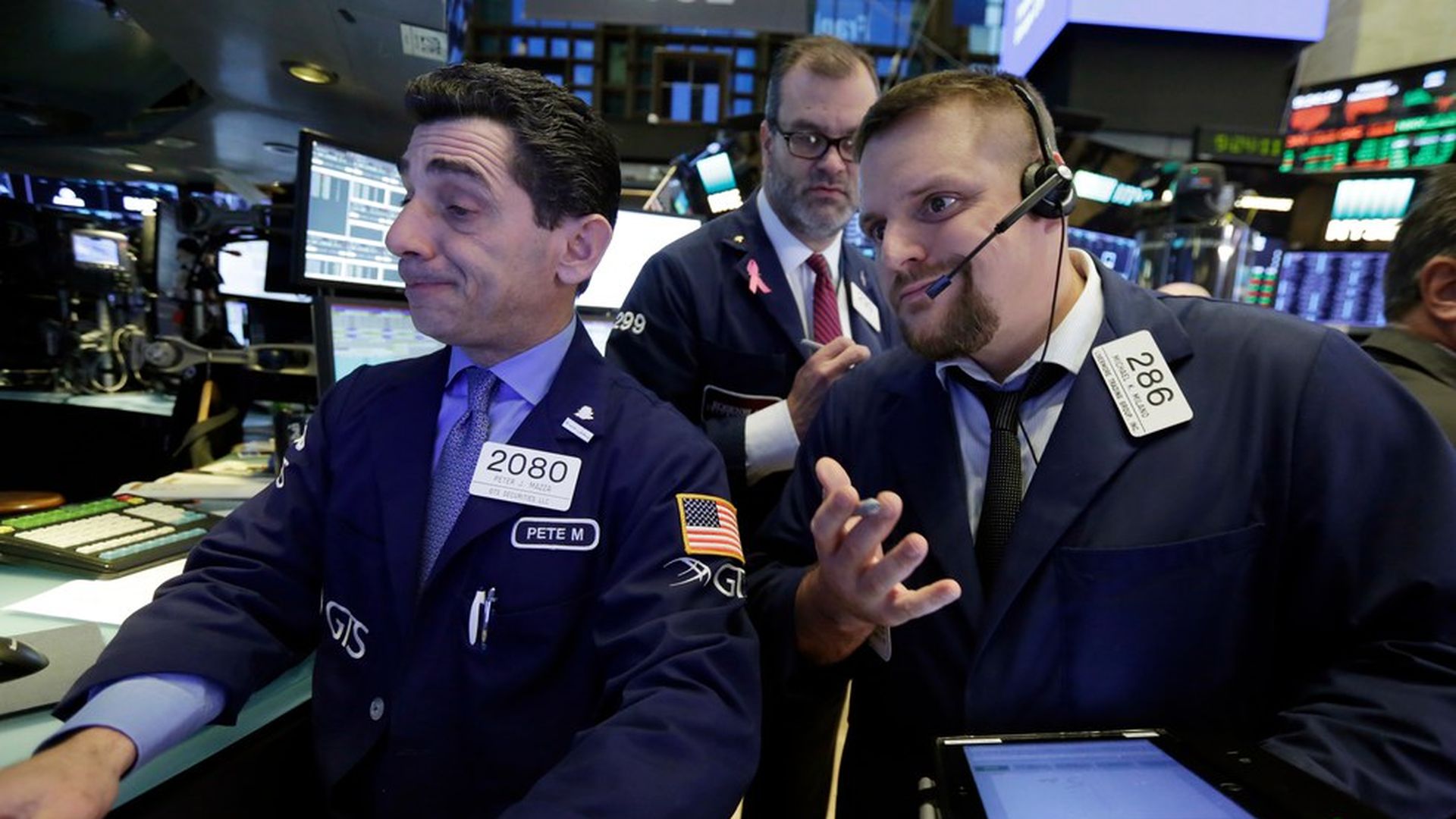
What's new: "U.S. Manufacturing Rides Rising Tide, Buoyed by Global Growth, Optimism: Makers of everything from bulldozers to food products are on an upswing as production, spending and sentiment improve."
"[B]usiness investment has risen, a sign companies are spending to increase productivity."
"The gains have happened even though important parts of Mr. Trump's manufacturing agenda haven't come to fruition."
The chief representative of India-based IT consulting companies is firing back at federal efforts to crack down on H-1B visas, saying Indian technology workers are being unfairly singled out by the Trump administration's policies.
Why it matters: Republicans want to curb the number of foreign workers coming to the U.S. on high-skilled visas that many companies use to find talent for hard-to-fill specialized roles. Many proposals, including a bill by Rep. Darrell Issa that heads to a committee vote today, focus on heavy users of H-1B visas, many of which are India-based IT companies.
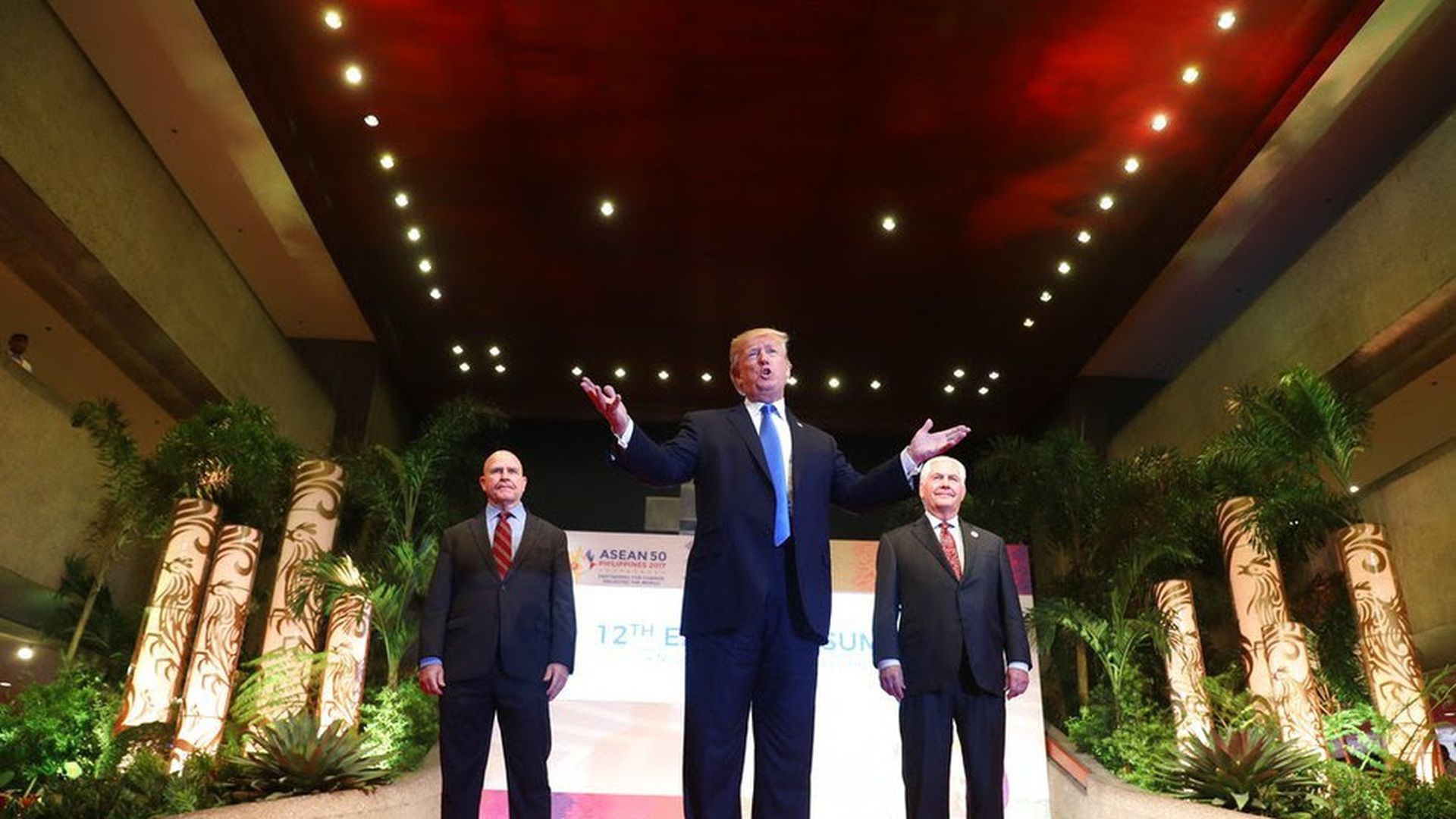
President Trump arrived back at the White House just before 9 last night after his first Asia swing — five nations, six cities, three summits, 20,295 miles.
AP's Jonathan Lemire and Jill Colvin: "For all his tough campaign talk on trade, Trump appeared reluctant to take a confrontational stance. He cajoled and flattered leaders in Tokyo and Seoul without eliciting firm commitments for a more balanced economic relationship."
Behind-the-scenes nugget: "As Trump and Chinese President Xi Jinping wrapped up their joint statements to the press in Beijing [and] ducked backstage, Xi summoned his interpreter and posed an inquiry to Trump: 'Who is Roy Moore?'"
A big year of wins for the broadcasting industry is about to get even bigger with a pair of votes at the Federal Communications Commission on Thursday.
Why it matters: Local television affiliates remain a popular way for many Americans to get their news. Deregulation has ushered in a new era of consolidation for those stations through the controversial Sinclair-Tribune deal and is good news for the broadcasting giants left standing. Broadcasters also want to take advantage of new technology to target viewers with ads to better compete with Facebook and Google.
The GOP is betting its control of Congress on the passage of tax cuts, but in interviews with economists, we found little confidence that either the House or Senate proposals would boost GDP growth and wages, the stated aims.
Data: Inflation data from BEA retrieved via Federal Reserve Bank of St. Louis, Productivity data from BLS retrieved from "No Recovery: An Analysis of Long-Term U.S. Productivity Decline"; Chart: Andrew Witherspoon / Axios
Amazon could soon have a $1 trillion valuation, according to Morgan Stanley analyst Brian Nowak, who broke down the calculations in this best-case scenario in a research note to clients this week.
How Amazon could double in value: Investors already prize Amazon highly relative to its typically meager quarterly profits, but Nowak argues that Amazon can increase its retail profit margins from less than 2% today to 5.5% by 2022.
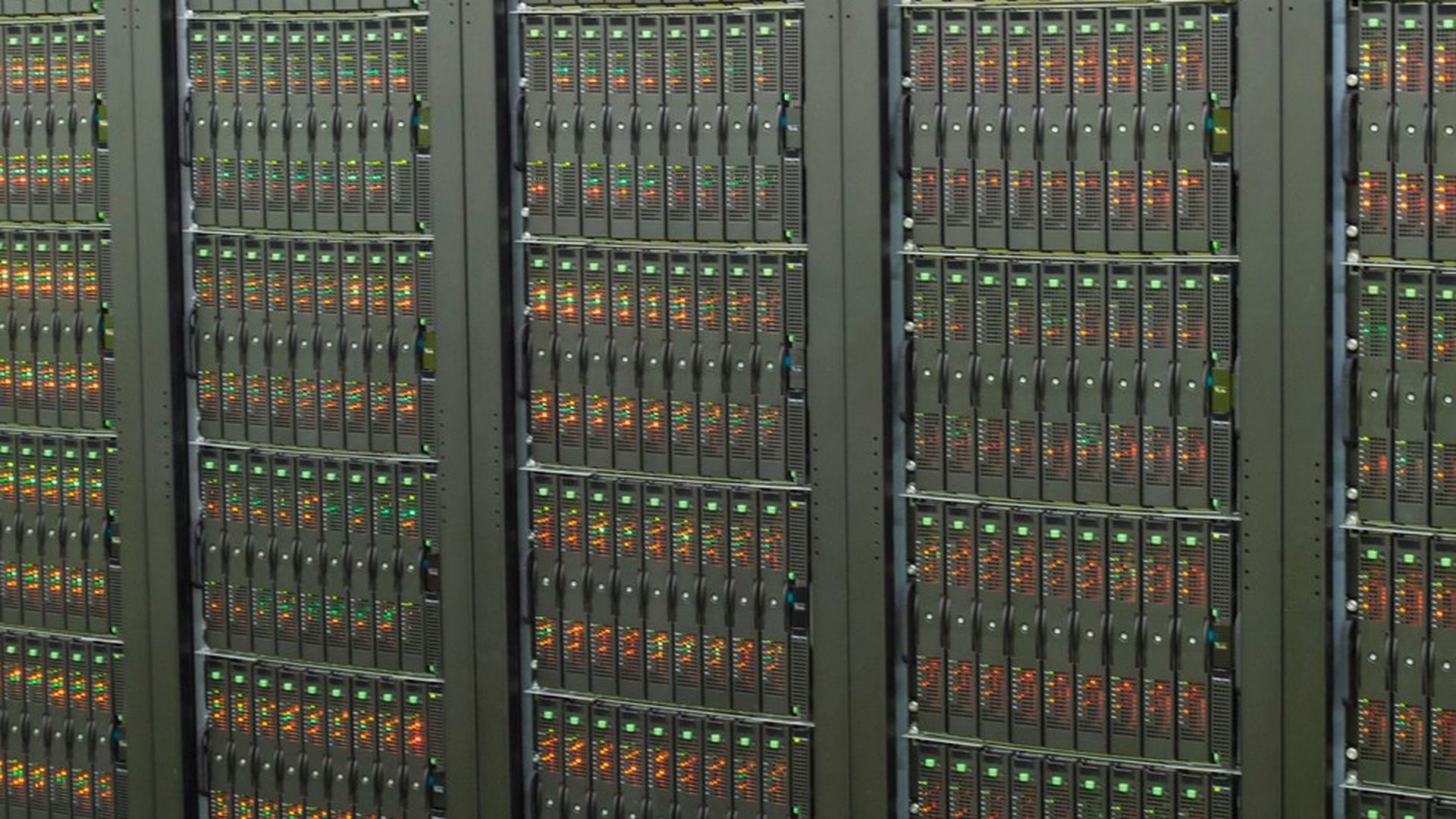
China claimed 202 spots in the annual TOP500 supercomputer list with the U.S. only holding 143, its "lowest level since the list's inception 25 years ago," per CNET.
Why it matters: The power of supercomputers is crucial to some of the most important sciences of our age, including weather forecasting, climate change modeling, and astronomical exploration. China's rise in the TOP500 list is indicative of its increased investment in the sciences in its attempt to become a technological superpower.
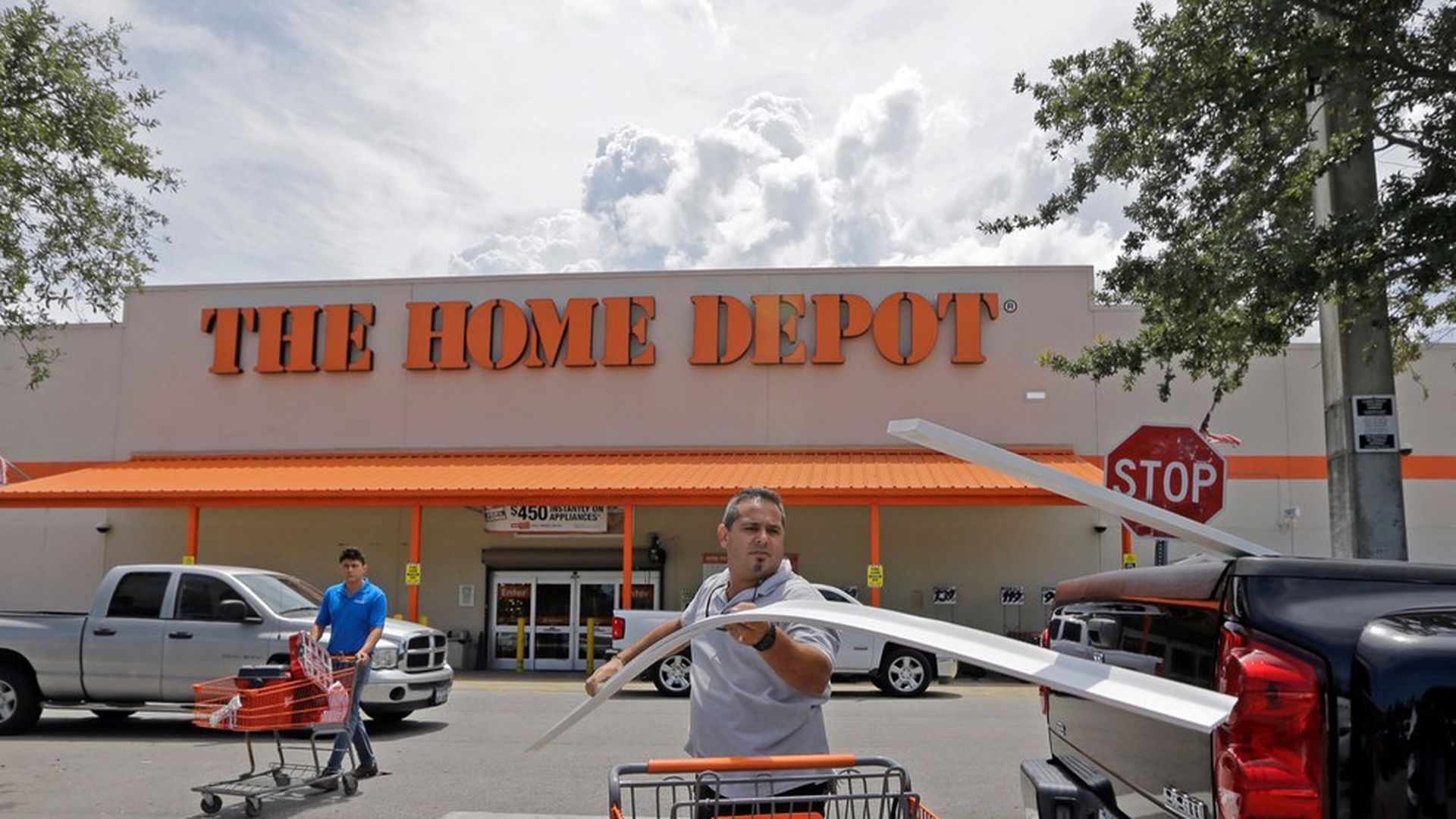
The hurricane effect: Home Depot says that hurricane recovery efforts added $282 million to same-store sales, helping it to surpass Wall Street's forecasts.
Why it matters: Home Depot's success of late — the stock is up more than 23% this year and more than 166% since 2012 — can be attributed in part to the fact that its business is resistant to online competition, as the firm sells heavy and bulky items that are difficult to profitably ship to individual customers. It has also benefitted from a robust recovery of home prices over the past five years, which creates incentive for homeowners to invest in repairs and renovations.
As more television becomes digital, the push to provide consumers with customized content discovery will only intensify. At least half of consumers (55%) look for a new content to watch at least once per week, and 83% look for it a few times per month, per PwC's new content discovery report.
Reproduced from a PwC content discovery report; Chart: Axios Visuals
There are numerous reasons American politics went off the rails, but there are at least six seminal events in the past 24 years that steered us here.
Be smart: Politics is growing more personal, polarized and pugnacious. This dynamic is particularly acute on the right. This will likely get worse before it gets better as the trends outlined below continue unabated.
Reproduced from a Pew Research Political Polarization report; Graphic: Axios Visuals