Why it matters: Some media experts believe that the CNBC story was used a signal from Fox executives to potential buyers that it was interested dumping its entertainment assets to focus on its global news and sports properties. Both Comcast and Verizon have made major investments in content companies in an effort to scale their digital audiences, primarily through video on mobile.
Home-sharing company Airbnb has acquired two companies: Accomable, an accommodations marketplaces for travelers with disabilities, and AdBasis, an ad testing tools company. No terms were disclosed.
Why it matters: Though very different, both Accomable and AdBasis have clear relevance to Airbnb's core business.
U.K.-based Accomable will help the home-sharing company make its marketplace easier to navigate for travelers with specific accommodations needs.
Though the company isn't sharing what it will use AdBasis's tech for now, it would both fit nicely with Airbnb's tools for hosts to help them maximize their income and bookings, as well as help the company's own advertising efforts online.
As Airbnb slowly prepares for an eventual IPO (it hasn't publicized any specific plans yet), it has to continue to grow its business by appealing to more customers and ensuring they find the service lucrative.
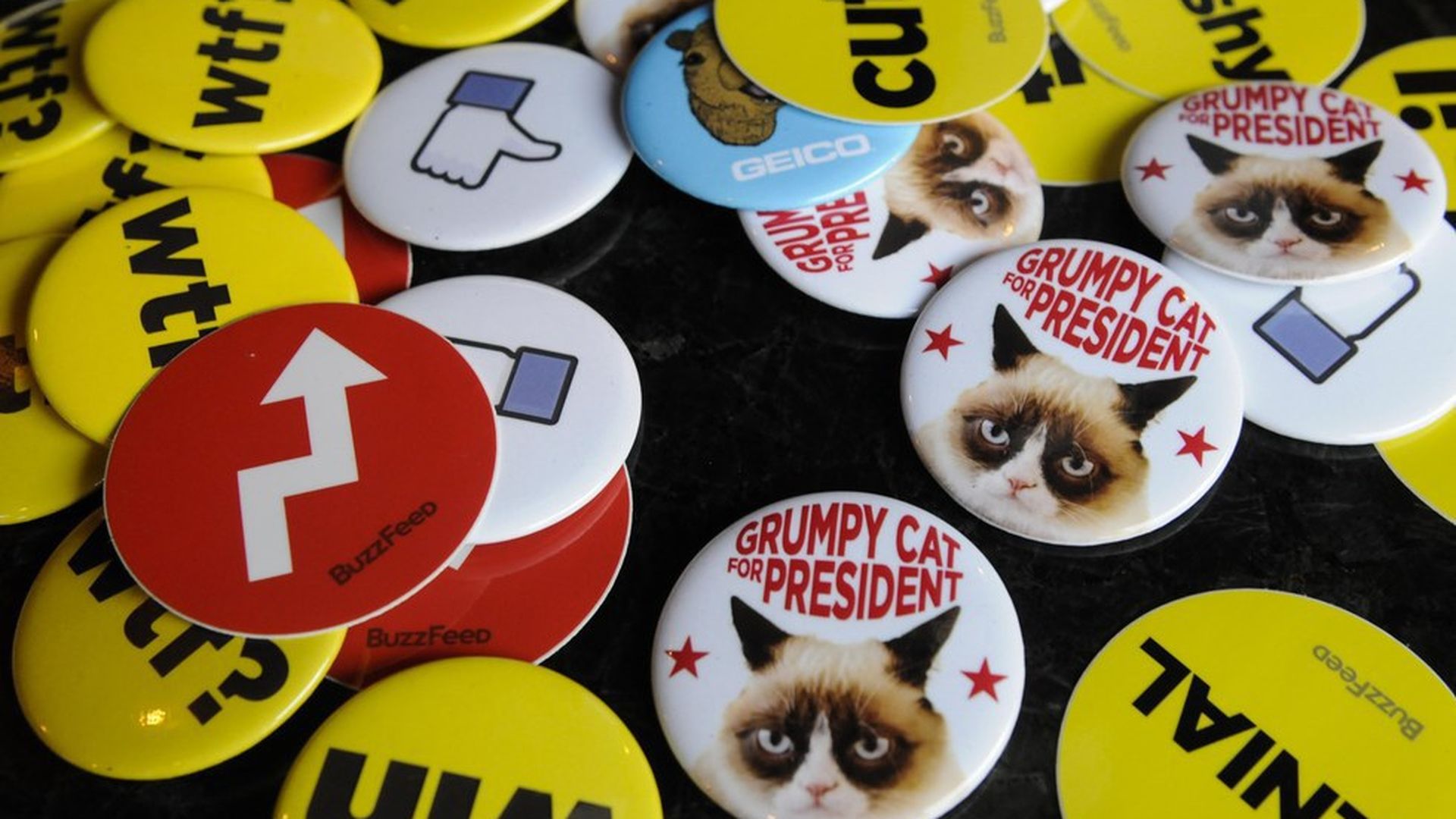
Both BuzzFeed and Vice Media will miss their 2017 revenue projections, according to The Wall Street Journal. The paper also reports that Ziff Davis has agreed to buy tech-focused Mashable for just $50 million, or around one-quarter of what Mashable was valued at by its venture capitalists in early 2016.
Bottom line: This could put pressure on valuations for digital media startups, particularly those with ad-supported revenue models.
Proposed changes to corporate tax rates, and tax credits for the construction of below-market housing, could worsen the nation's affordability crisis, the Wall Street Journal reports.
Why it matters: A recent report from Freddie Mac estimates that America's stock of housing that is affordable for low-income Americans fell by 60% between 2010 and 2016.
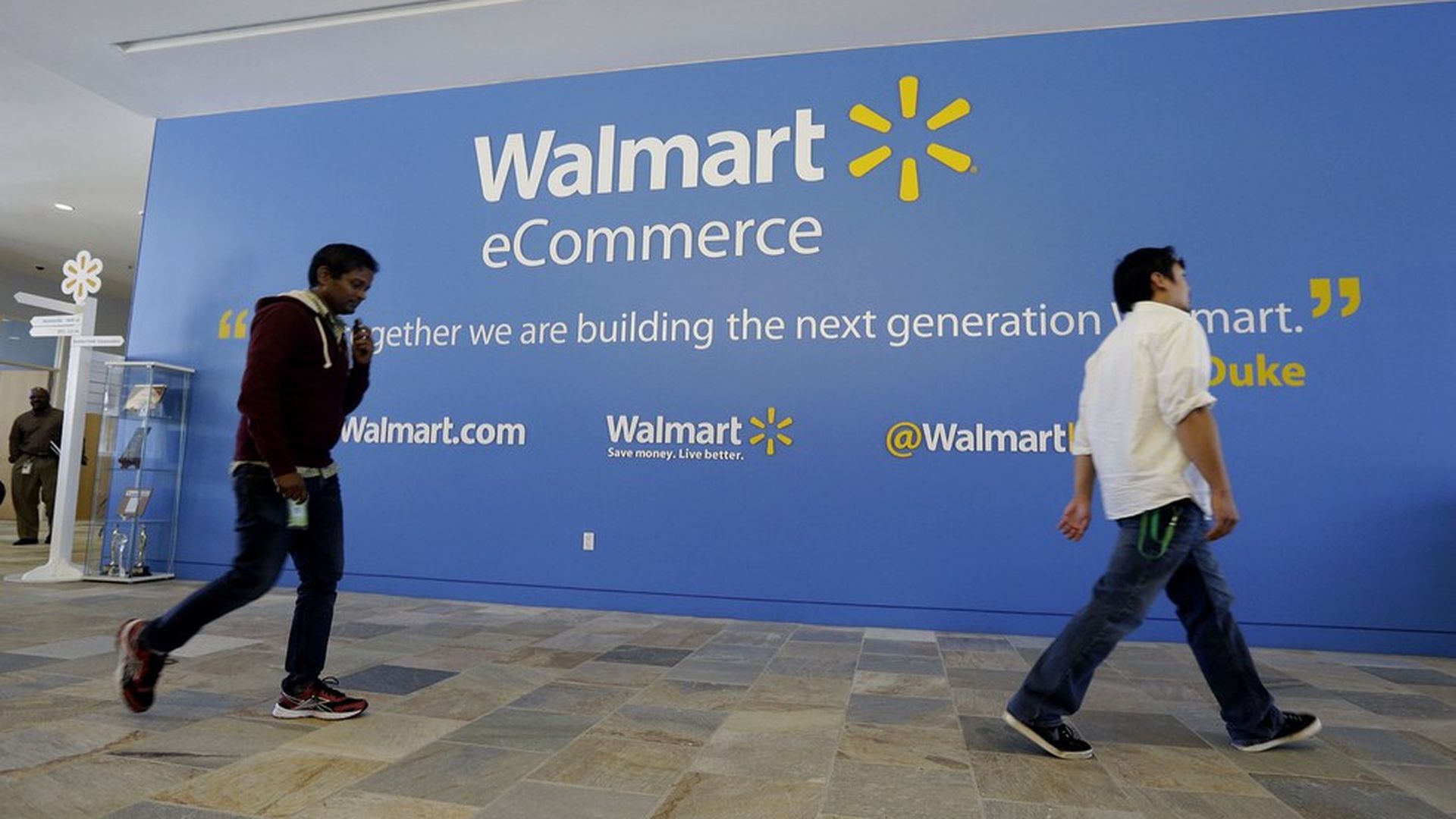
Walmart shares climbed more than 8% on Thursday morning — representing more than $24 billion in added market value — after reporting third quarter profit and sales that were much higher than expected.
Why it matters: While Walmart reported 50% growth in e-commerce sales, the overall $123 billion in revenue is a reminder that retailers with large physical presence can still compete with Amazon. It's also the ninth straight quarter that Walmart has beat Wall Street analyst estimates.
Coca-Cola CEO James Quincey was asked today on CNBC about a Wall Street analyst suggestion that the beverage-maker should get into beer or other alcohol categories. His reply:
Philosophically, I never say never about many things.... But there's so many more things we can do which are so close to what we already have strength and capability in, it doesn't make sense to do that next.
The reigning heavyweight champion of brick-and-mortar retail is making a name for itself in e-commerce, with Walmart announcing that online sales grew 50% in the third quarter, powering the company's revenue past analyst expectations.
Why it matters: Acquisitions of e-commerce upstarts like Jet.com, Modcloth, and Bonobos have helped supercharge online growth, but Walmart.com is also benefiting from innovations like free two-day delivery on orders more than $35 and curbside pick-up.
Walter Isaacson — author of the ambitious, fascinating new "Leonardo da Vinci" — writes in the new TIME on what he learned about genius from his astonishing series of biographies.
Data detective. Man-machine teaming manager. Genetic Diversity Officer. Those are some of the new job titles we are likely to see over the next 10 years, according to professional services firm Cognizant.
Why it matters: Job prospects for truck drivers and cashiers may be dimming, but there are a range of entirely new jobs being created.