Friday's economy stories

On-demand cleaning proves profitable for two startups
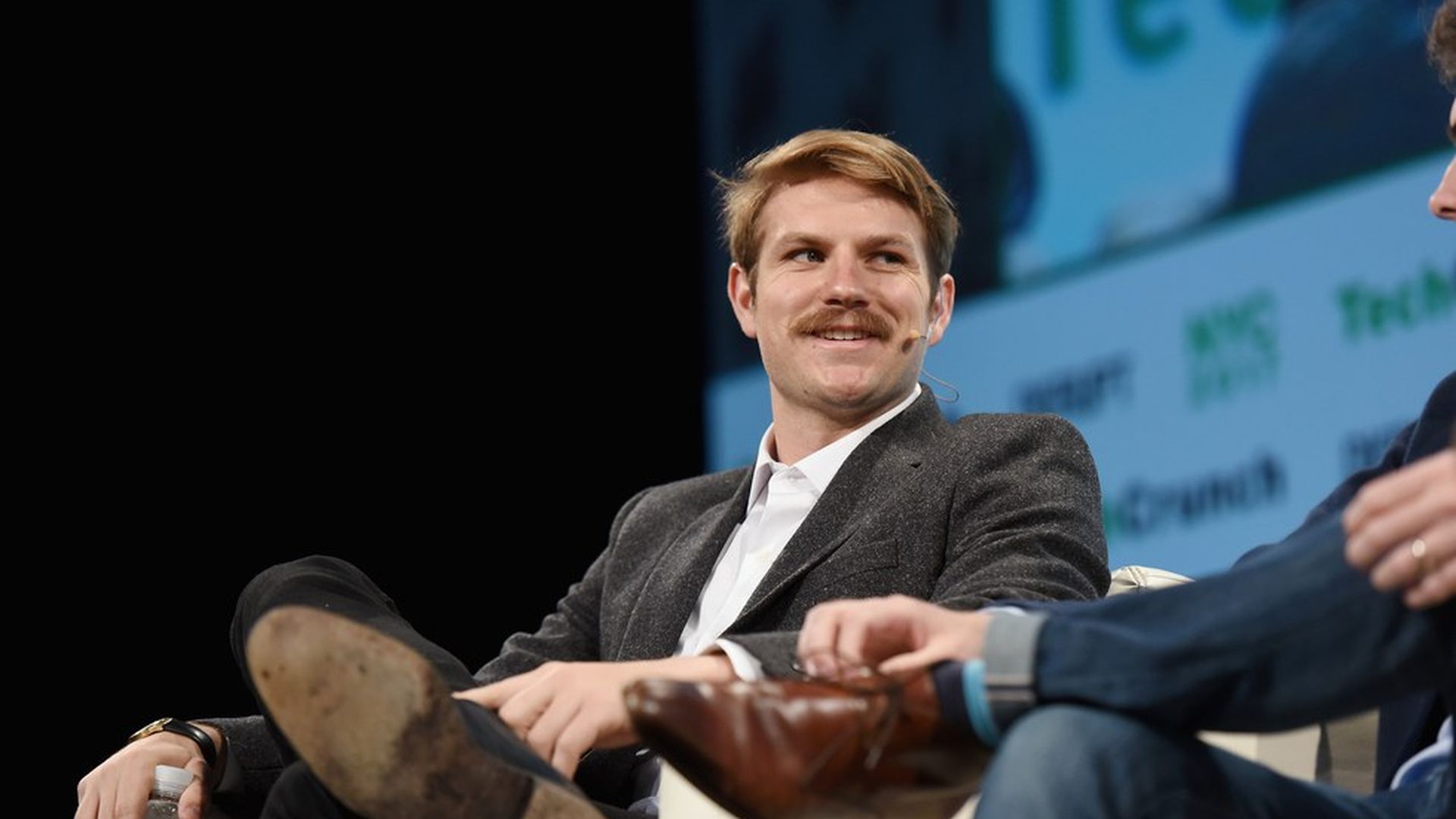
Many gig economy startups have shut their doors, but two on-demand cleaning companies are showing signs of economic viability:
- Handy, which provides cleaning and other home services, is profitable and cash flow positive, a source tells Axios.
- Managed by Q, which provides cleaning and other office management services, said on Friday that its core office services business is profitable. Not included in that top-line math: employee stock grants, NYC headquarters rent and expenses for employees not working on that core business.

Facebook announces ad disclosure updates ahead of congressional hearings
Facebook announced Friday details around a feature to make all ads, including political ads, visible to users on its platform in the coming months. Facebook CEO Mark Zuckerberg announced that the company would be adding this feature in a video message last month, but didn't have implementation details to share at the time.
Why it matters: Facebook is responding to pressure from lawmakers concerned about the way Russian actors were able to buy ads focused on divisive political issues during the election. The company will be testifying before House and Senate Intelligence committees next week, and this is the company's way of getting ahead of questions about steps it's taken to improve transparency on its platform.
About the new feature:
- Timing: Facebook says it will start testing the feature in Canada and will roll it out to the U.S. by this summer — ahead of the U.S. midterm elections in November — as well as broadly to all other countries around the same time. During this initial test, Facebook will only show active ads, or ads that are currently running. However, Facebook says that when expand to the United States beginning next month, it plan to begin building an archive of historical and current federal-election related ads.
- Functionality: People will be able to click "View Ads" on any Facebook Page to be able to view the ads that particular Page is running, regardless of whether the person viewing the ads is being targeted by those ads.
- Scope: Every Facebook Page will be included in this change and Facebook will require that all ads be associated with a Page as part of the ad creation process. (Facebook announced earlier this year that Pages creating too much fake news would be stripped of their ability to sell ads until they stopped posting fake news.)
- Political ads: For each federal-election-related ad, Facebook says it will now include the ad in a searchable archive that, once full, will cover a rolling four-year period (starting from when it launches the archive). Facebook says it will also provide details on the total and average amounts spent, the number of impressions delivered, and the demographics information (e.g. age, location, gender) about the audience that was targeted by the ads.
New details around advertiser documentation:
- Timing: As Facebook has previously suggested, it will now require more thorough documentation from advertisers who want to run election-related ads. It will begin requiring more documentation for federal elections in the United States, and will eventually expand to include additional contests and elections in other countries.
- Adding "Paid for by" disclosure text: Facebook says that advertisers may (no details around when scrutiny will be applied) be required to identify that they are running election-related advertising and verify both their entity and location. Once verified, advertisers will have to include a disclosure in their election-related ads, which reads: "Paid for by". When users click on the disclosure, they will be able to see details about the advertiser and an explanation of why they saw that particular ad.
- Adding machine learning: For political advertisers that do not proactively disclose themselves, Facebook is building machine learning tools that will help the company find those advertisers and then require them to verify their identity.
Go deeper: Per Axios' David McCabe: "Facebook and Twitter have now both made a play at self-regulating political ads on their platforms. But it's not clear that will be enough to stop Democratic Sens. Mark Warner and Amy Klobuchar and Republican John McCain from pushing a bill that would put new transparency requirements into law. "We look forward to engaging with Members of Congress and other key stakeholders on these issues as the legislative process continues," Twitter said in its blog post announcing the changes earlier this week."

Walmart introduces robot shelf-scanners in 50 stores
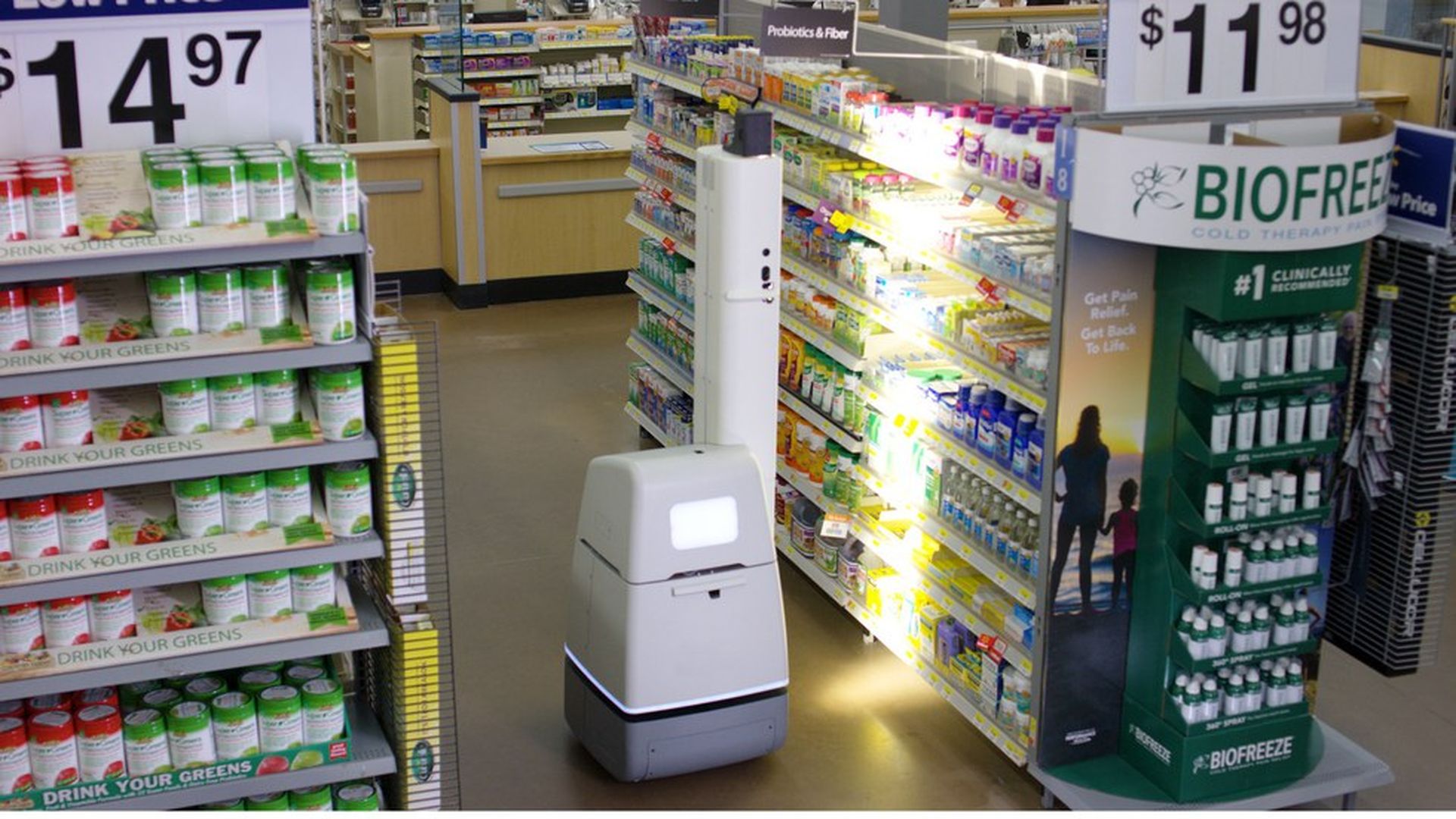
Walmart is expanding its use of robotic shelf-scanning technology it says will be able to alert store managers when items are running low on store shelves, or if items have misplaced, 3x faster and more accurately than human associates, Reuters reports.
Why it matters: Employment at brick-and-mortar retail operations has been declining throughout the year, even as the economy and overall employment has been growing at a healthy pace. Innovations like Walmart's will only continue to reduce demand for these traditional retail jobs.

How Washington billionaire David Rubenstein became a TV star
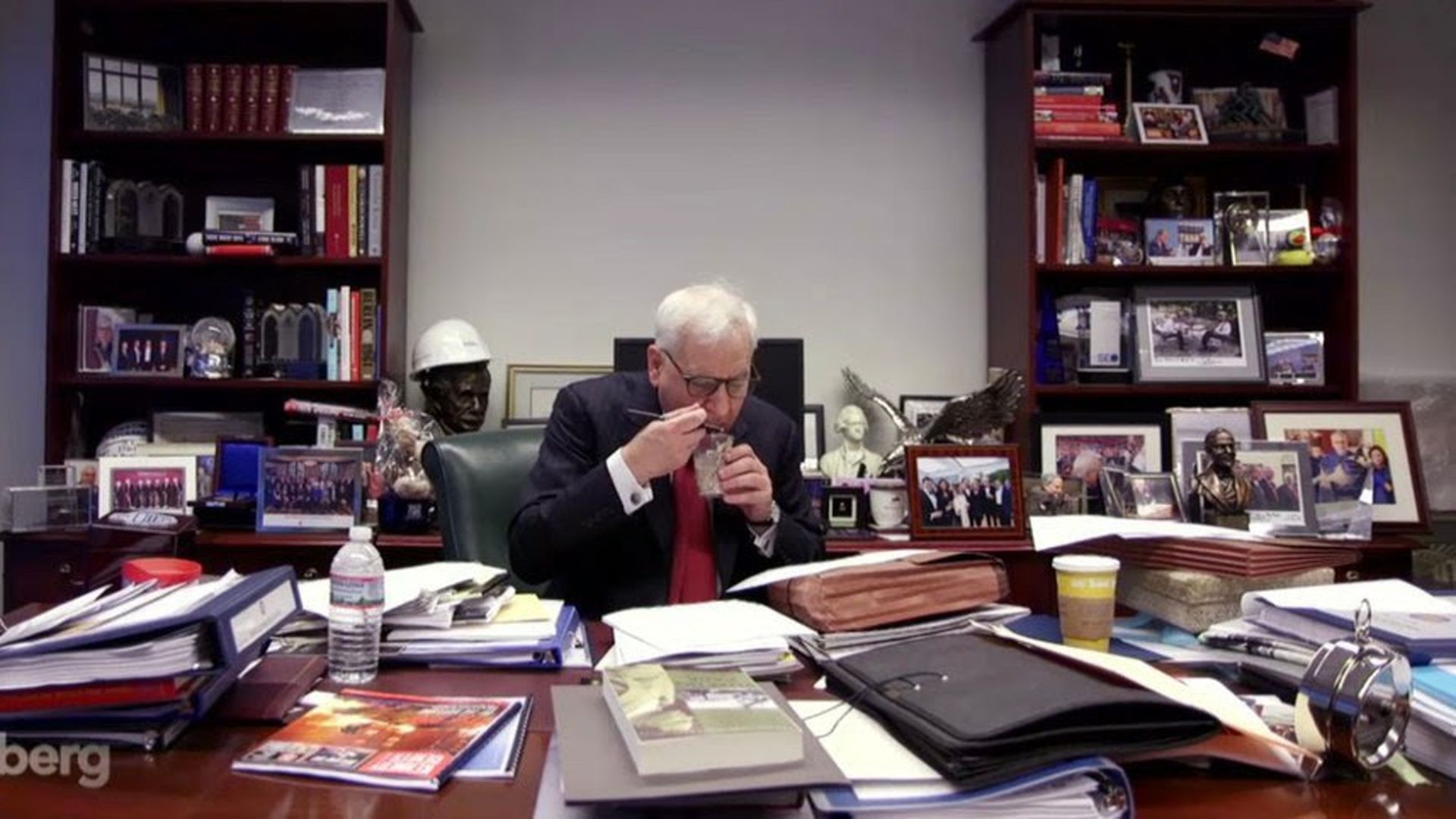
"How Did David Rubenstein — Yes, That David Rubenstein — Become a TV Star? He's a socially awkward 68-year-old private equity titan — and his show is one of Bloomberg's fastest-growing programs," by Washingtonian's Ben Wofford:
"At 68, David Rubenstein [co-founder and co-CEO of The Carlyle Group] is now host of his own show on Bloomberg Television. The half-hour program — The David Rubenstein Show: Peer-to-Peer Conversations — plops him beside fellow CEOs of the billionaire class, with the occasional sports star and military general thrown in: Berkshire Hathaway's Warren Buffett, Oprah, Coach K, David Petraeus."

Halperin's book, show deal canceled after harassment allegations
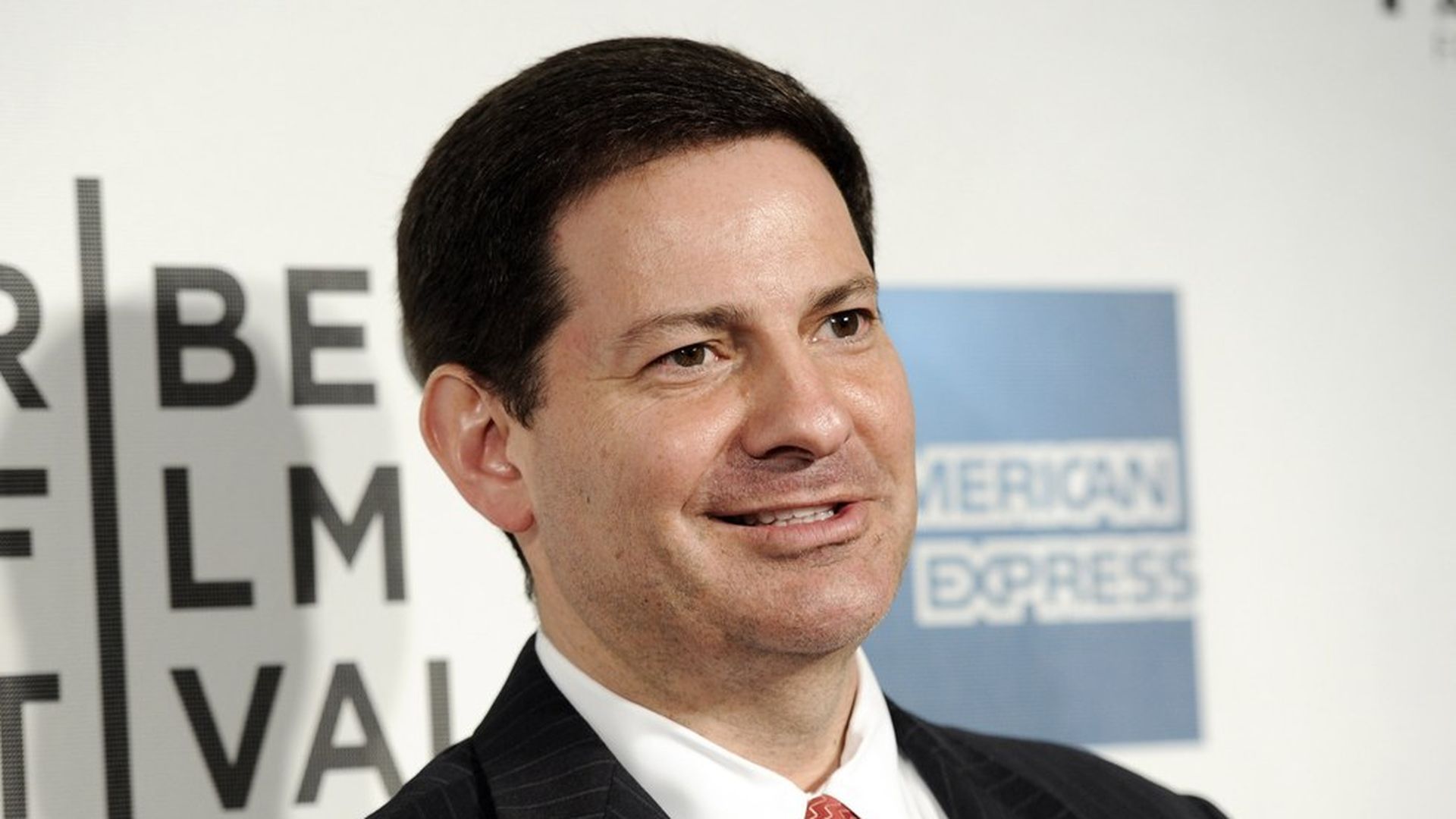
Halperin is out at MSNBC, where he had a role as an analyst. From the network: "We find the story and the allegations very troubling. Mark Halperin is leaving his role as a contributor until the questions around his past conduct are fully understood."
He's lost the book and TV show deals for the 2016 edition of "Game Change," which focused on Trump's rise to the presidency. Penguin Press canceled plans to publish Halperin's book, and HBO dropped the show in light of the accusations against him.
Amazon shares surge on higher-than-expected profits
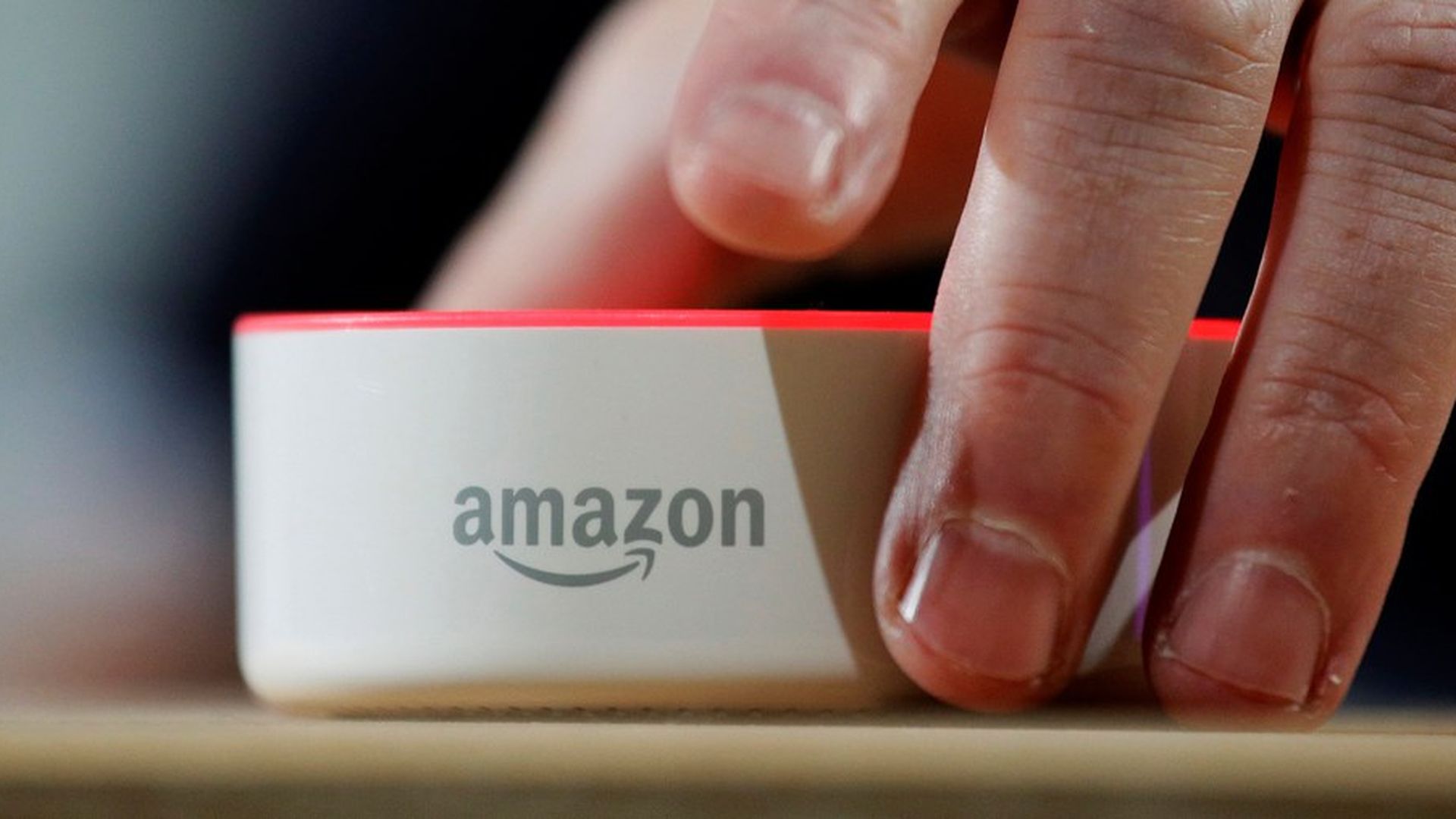
Amazon announced earnings of $0.52 per share in the third quarter, well above analyst expectations of $0.03 per share, with the news sending the stock up more than 7% in after-hours trading.
- The Seattle retailer beat bottom-line expectations all while maintaining sizable investments in a dizzying variety of business lines from its suite of Alexa-enabled products, to brick-and-mortar book stores, to its wind farm business — which launched its largest ever 100-turbine farm in Texas this quarter.
- The bottom line: Amazon looks unstoppable in 2017, especially when compared to many of its peers in the largely struggling retail sector. If there's one statistic that reveals Amazon's dominance, it's that the firm will account for 43.5% of all e-commerce sales this year, according to eMarketer, up from 38.1% last year.
Google launches new fact-checking program
Google is partnering with the International Fact-Checking Network (IFCN) at The Poynter Institute to give people a better understanding of the information they are about to click on online. The partnership will increase the number of verified fact-checkers working on Google Search and Google News, expand fact-checking efforts to more regions with language translations and addmore fact-checking tools and training.
Why it matters: As the fake-news problem grows, Google has been taking additional steps to ensure its transparency around the news on its platform. The company introduced a Fact Check tag last week as a way to show people when a news publisher or fact check organization has verified or debunked a claim, statistic or statement. It's also made updates to its algorithm to down-rank bad news sources, although the company still grapples with incidents in which faulty news sources appear in recommended articles.

Sexual harassment revolution hits business, media, Hollywood
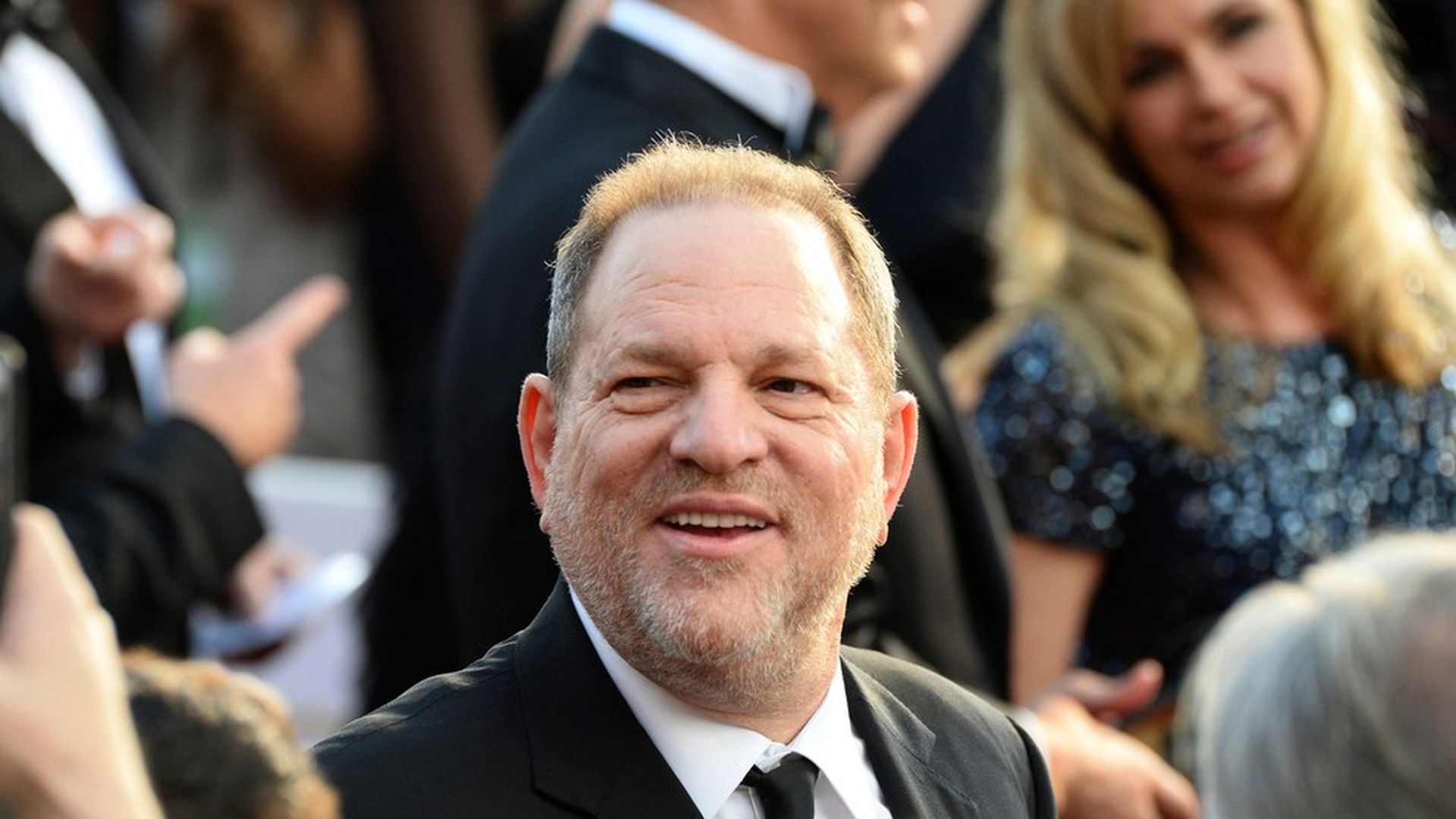
It was just three weeks ago that the N.Y. Times punctured film mogul Harvey Weinstein after decades of creepy sexual harassment and assault, usually targeting aspiring, vulnerable young women in the industry — the open secret that had long been hinted at but never properly exposed.
Past culture-rattling revolutions took decades to come to fruition. This one, befitting an era when everything is sped up, took days.

Google keeps low profile in Russia investigation

Facebook and Google both have a Russia problem. But while Facebook has mounted a very public response to charges of election meddling on its platform, Google has kept its head down.
Why it matters: At least so far, Google has managed to avoid the scale of criticism that has hit Facebook and Twitter as a result of Congress' investigation into Russia's actions and the platforms' role in allowing them, which is good news for a company that is frequently at the center of tech policy battles. Still, it will get intense questioning when its general counsel testifies on Capitol Hill next week.