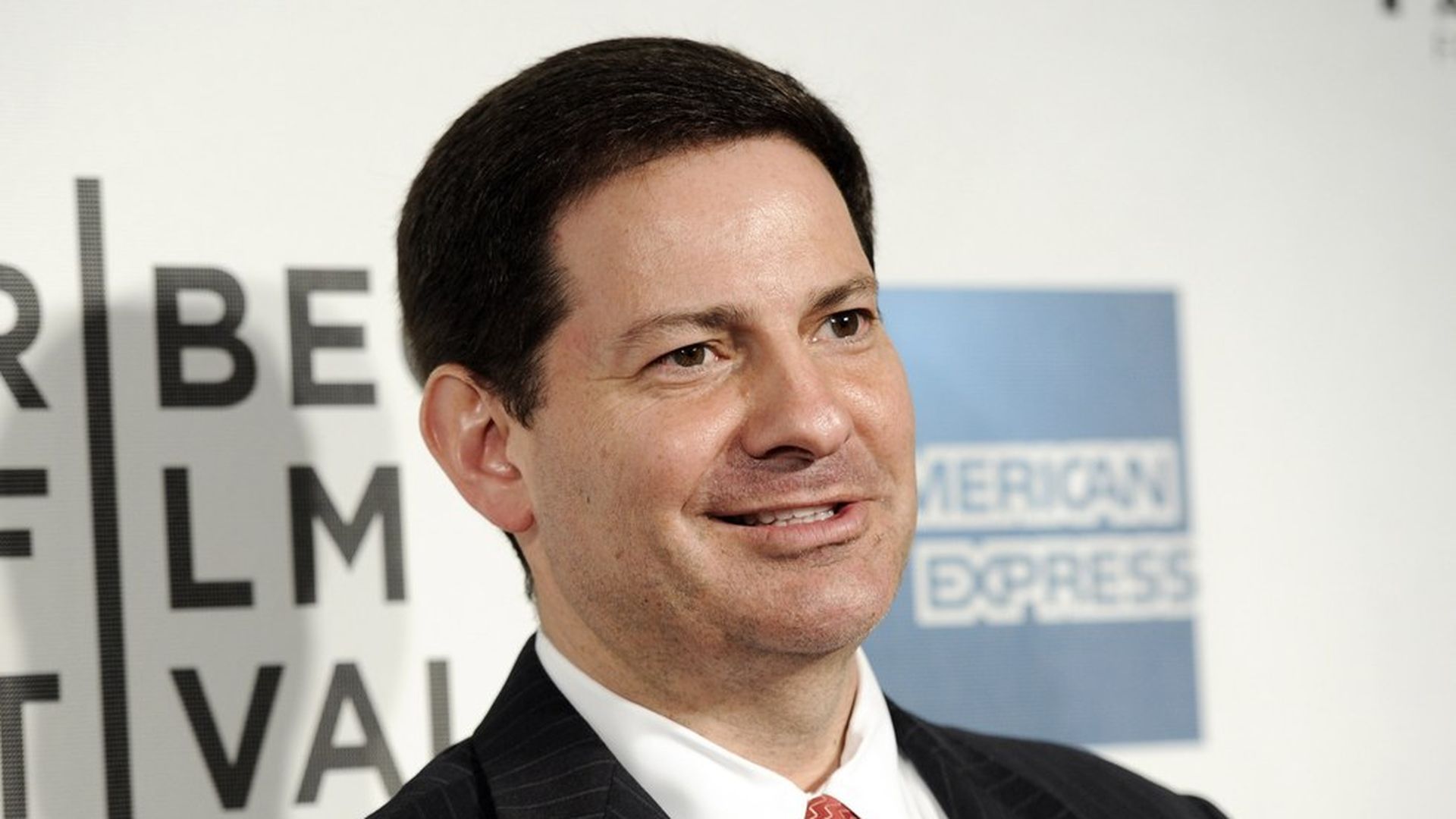
Halperin is out at MSNBC, where he had a role as an analyst. From the network: "We find the story and the allegations very troubling. Mark Halperin is leaving his role as a contributor until the questions around his past conduct are fully understood."
He's lost the book and TV show deals for the 2016 edition of "Game Change," which focused on Trump's rise to the presidency. Penguin Press canceled plans to publish Halperin's book, and HBO dropped the show in light of the accusations against him.
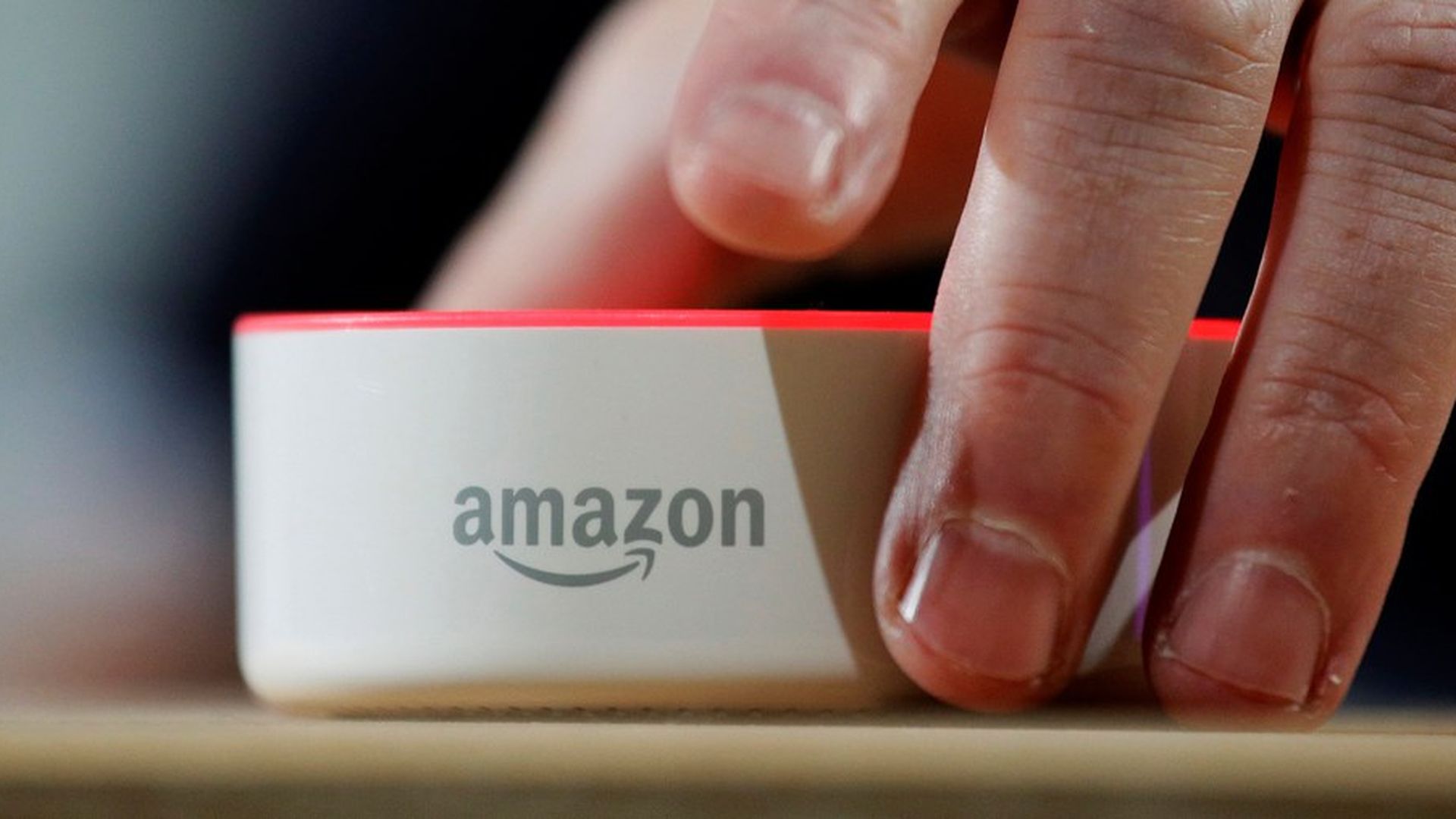
Amazon announced earnings of $0.52 per share in the third quarter, well above analyst expectations of $0.03 per share, with the news sending the stock up more than 7% in after-hours trading.
The Seattle retailer beat bottom-line expectations all while maintaining sizable investments in a dizzying variety of business lines from its suite of Alexa-enabled products, to brick-and-mortar book stores, to its wind farm business — which launched its largest ever 100-turbine farm in Texas this quarter.
The bottom line: Amazon looks unstoppable in 2017, especially when compared to many of its peers in the largely struggling retail sector. If there's one statistic that reveals Amazon's dominance, it's that the firm will account for 43.5% of all e-commerce sales this year, according to eMarketer, up from 38.1% last year.
Google is partnering with the International Fact-Checking Network (IFCN) at The Poynter Institute to give people a better understanding of the information they are about to click on online. The partnership will increase the number of verified fact-checkers working on Google Search and Google News, expand fact-checking efforts to more regions with language translations and addmore fact-checking tools and training.
Why it matters: As the fake-news problem grows, Google has been taking additional steps to ensure its transparency around the news on its platform. The company introduced a Fact Check tag last week as a way to show people when a news publisher or fact check organization has verified or debunked a claim, statistic or statement. It's also made updates to its algorithm to down-rank bad news sources, although the company still grapples with incidents in which faulty news sources appear in recommended articles.
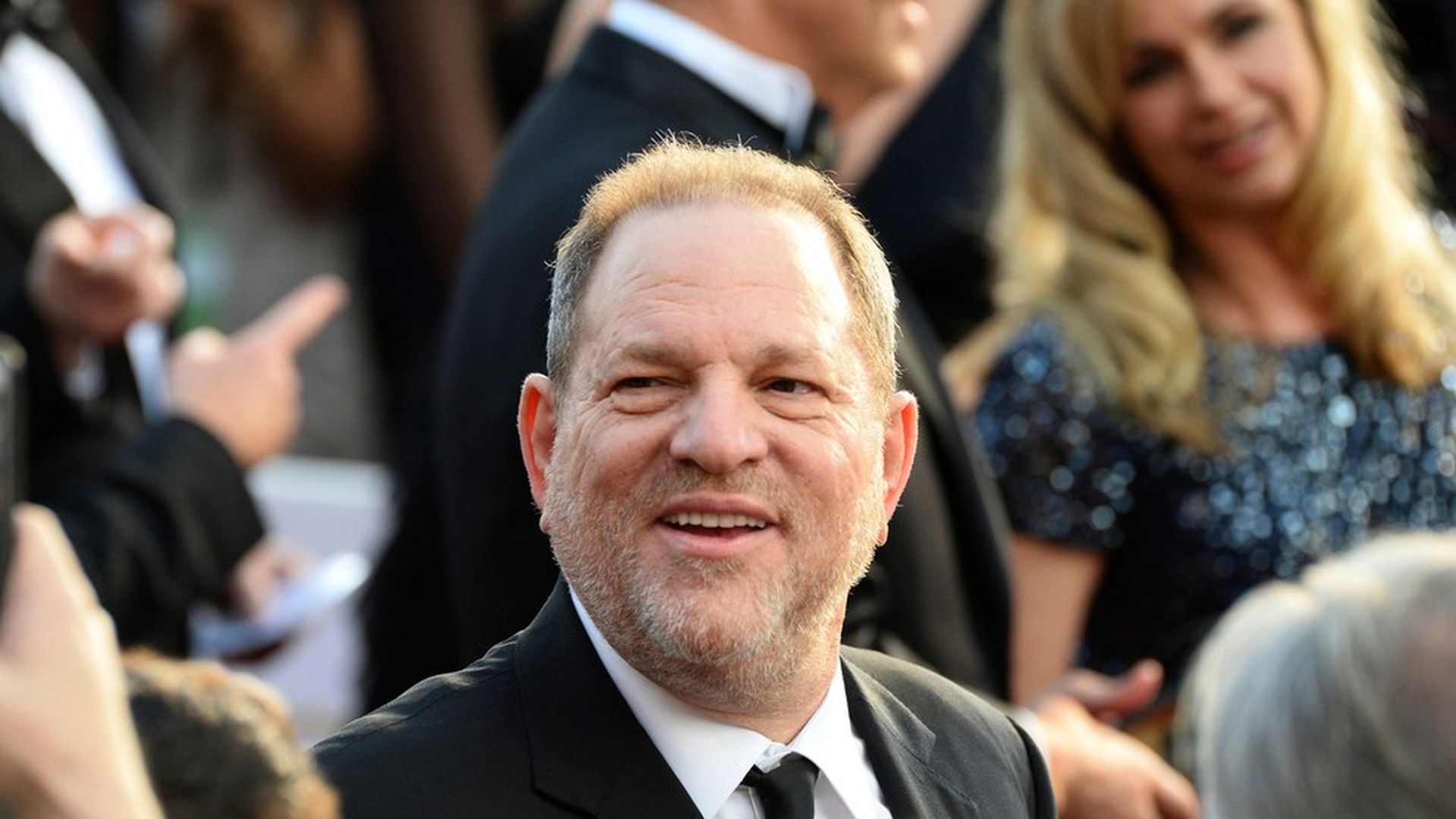
It was just three weeks ago that the N.Y. Times punctured film mogul Harvey Weinstein after decades of creepy sexual harassment and assault, usually targeting aspiring, vulnerable young women in the industry — the open secret that had long been hinted at but never properly exposed.
Past culture-rattling revolutions took decades to come to fruition. This one, befitting an era when everything is sped up, took days.
Facebook and Google both have a Russia problem. But while Facebook has mounted a very public response to charges of election meddling on its platform, Google has kept its head down.
Why it matters: At least so far, Google has managed to avoid the scale of criticism that has hit Facebook and Twitter as a result of Congress' investigation into Russia's actions and the platforms' role in allowing them, which is good news for a company that is frequently at the center of tech policy battles. Still, it will get intense questioning when its general counsel testifies on Capitol Hill next week.
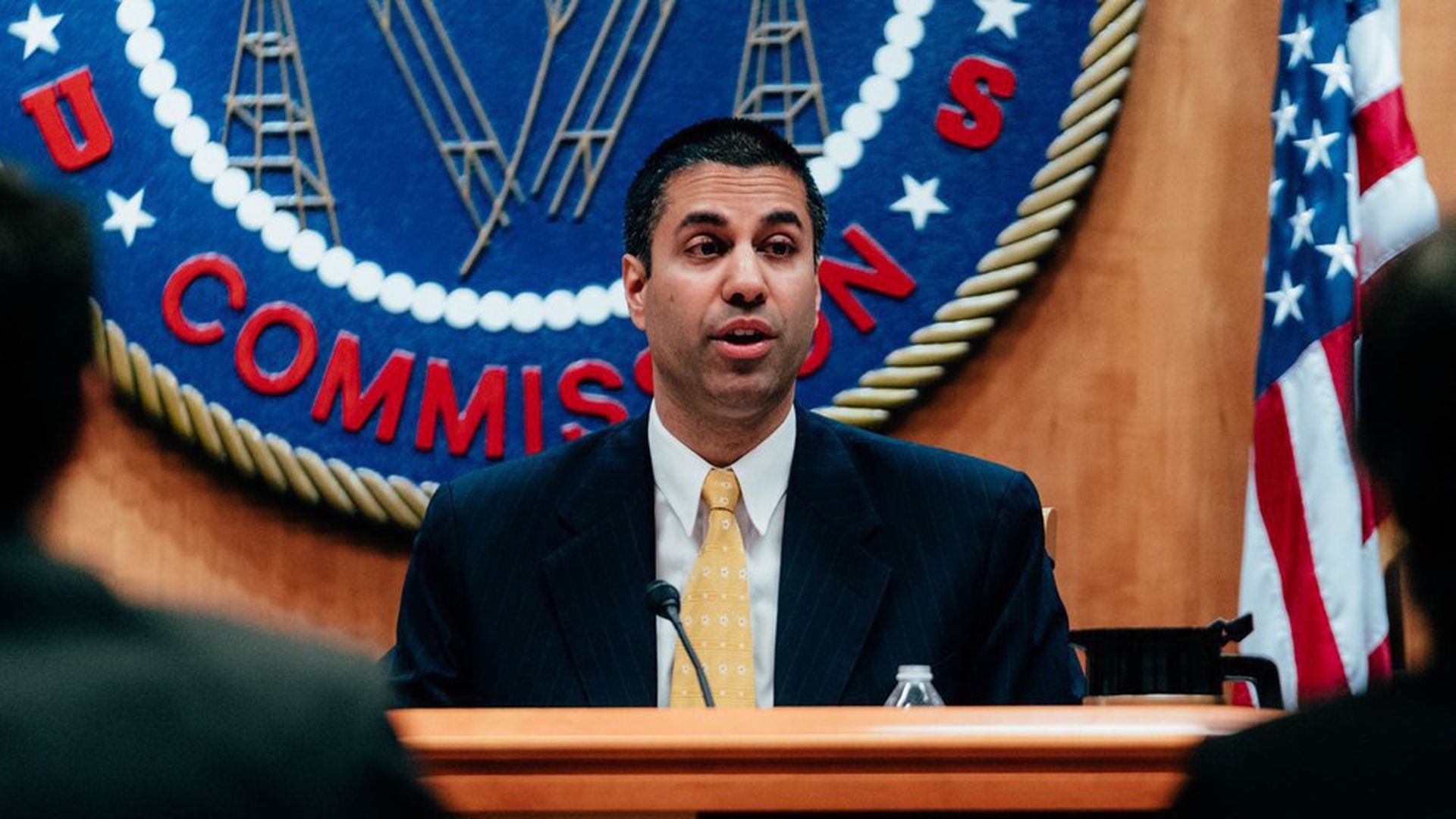
The FCC will vote next month on a sweeping media deregulation proposal put forth by the agency's Republican chairman on Wednesday.
Why it matters: It will be the latest victory the FCC has handed the broadcast industry this year. Critics say the agency takes positions that benefit the Trump-friendly Sinclair Broadcast Group that is trying to acquire Tribune stations.
A growing number of U.S. employers are requiring bachelor's degrees for jobs that have long been performed by workers without them, contributing to a rise in income inequality, according to a report published today.
Why it matters: The report, by Harvard Business School, Accenture, and Grads of Life estimates that 6 million American jobs are at risk of "degree inflation," a result of employers increasingly using a bachelor's degree "as a proxy for a candidate's range and depth of skills."
Data: Harvard Business School and Accenture analysis; Note: 2015 Burning Glass data, BLS' Occupational Employment Statistics, and American Community Survey data for 2010–2015; Chart: Andrew Witherspoon, Chris Canipe / Axios