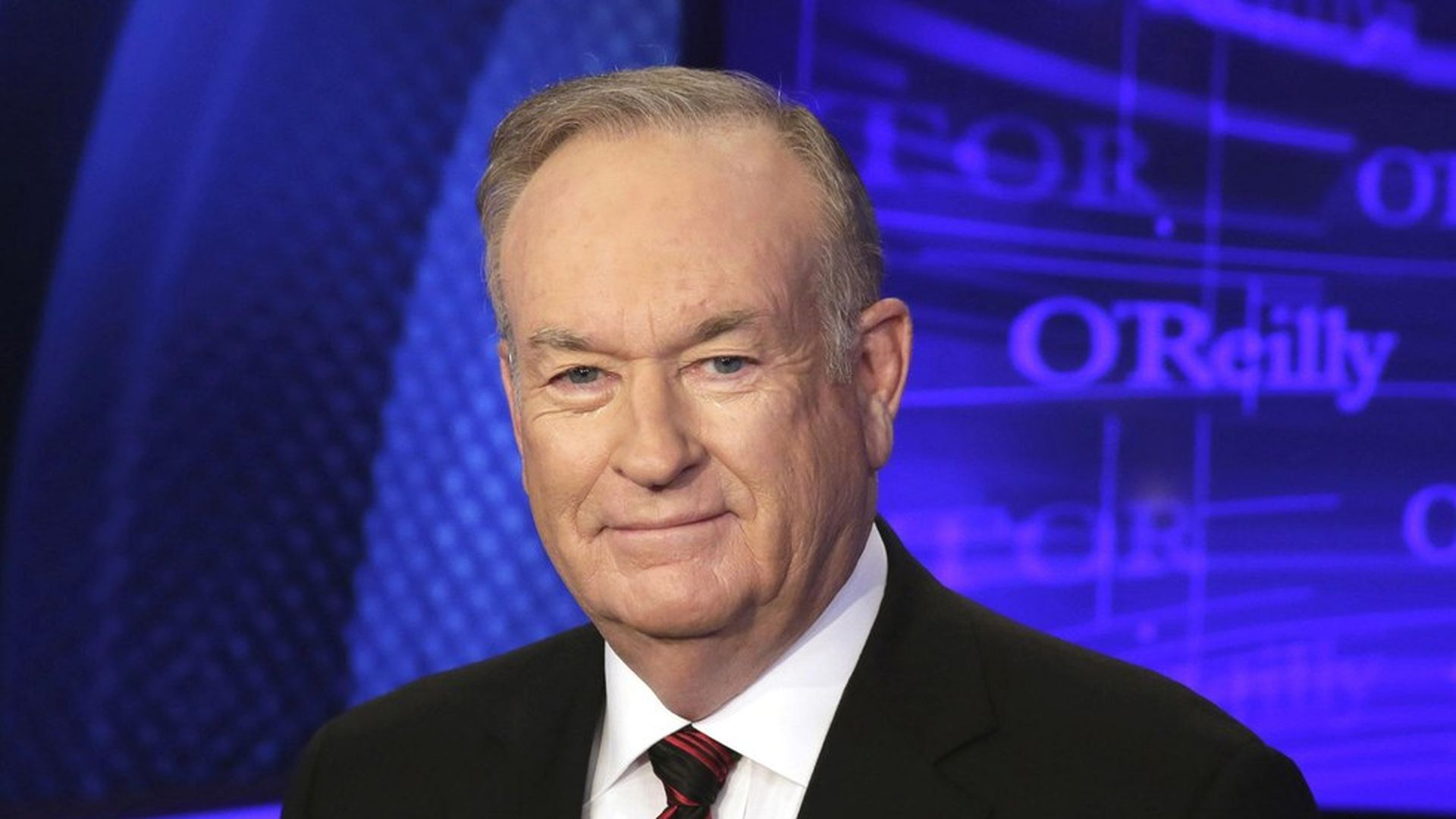
At least 56 companies have announced that they are pulling ads from "The O'Reilly Factor" after multiple women have accused Bill O'Reilly of sexual harassment, and the list is continuing to grow.
Paul Rittenberg, EVP of ad sales at Fox News, released this statement Tuesday night:
"We value our partners and are working with them to address their current concerns about the O'Reilly Factor. At this time, the ad buys of those clients have been re-expressed into other FNC programs."
Read highlights from the company statements below:
General Electric is seeking to sell its consumer-lighting business for around $500 million, the Wall Street Journal reports.
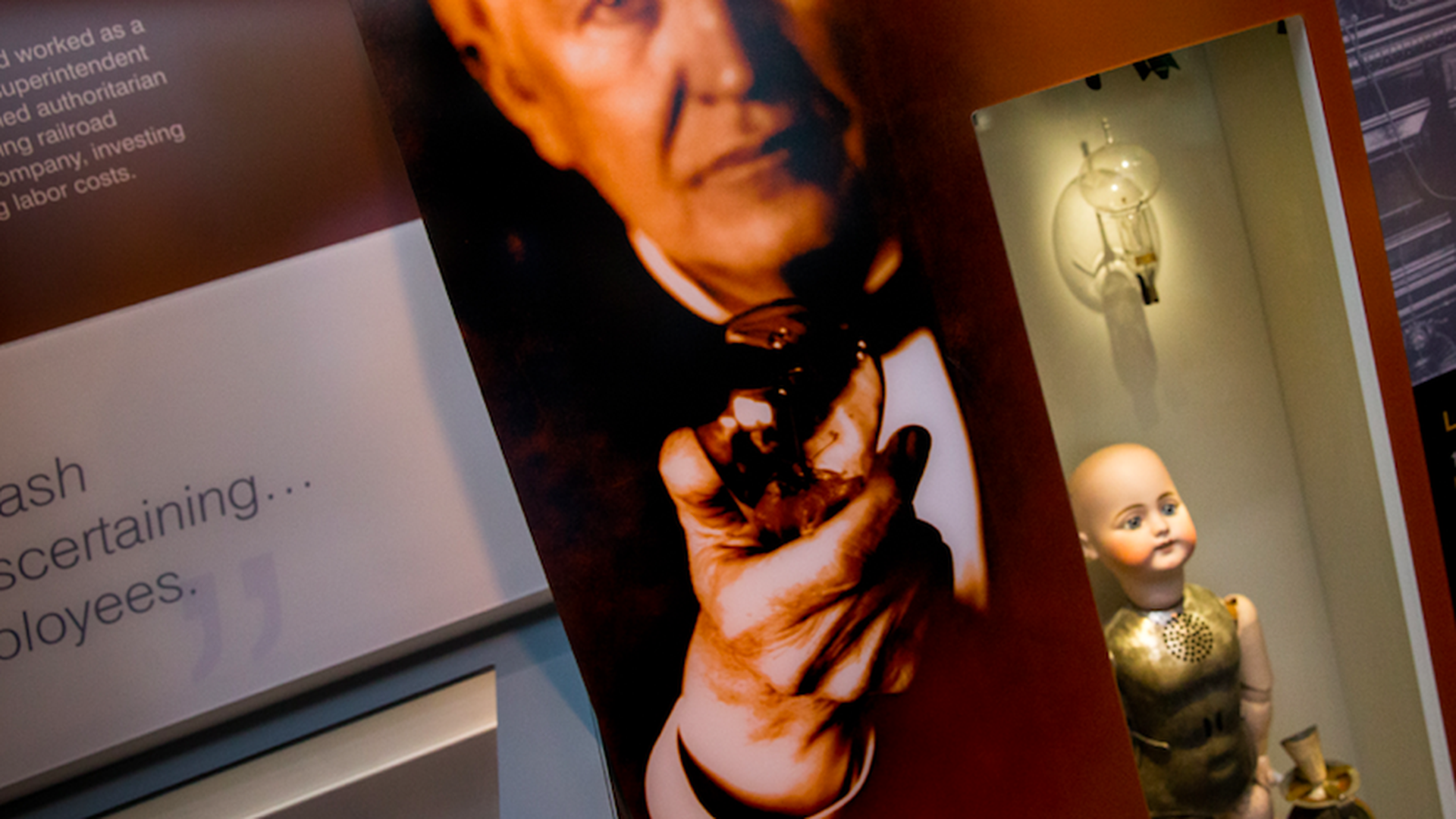
Why it matters: GE's founder, Thomas Edison, invented the first commercially viable lightbulb more than 125 years ago, and the light bulb business has been one of GE's most recognizable for generations. That they are considering the move is further evidence that in order to thrive, large American manufacturers must focus on high-tech, high-value parts of the supply chain in order to leverage America's advantages, like a highly-skilled workforce.
Donald Trump Jr. told members of an elite gun club in New York that he's interested in running for office:
Do I want to be behind the scenes and be a mouthpiece and fight back against crazy liberal media? Maybe.
The details: He's specifically interested in being governor of New York — not Mayor, nor a Senator, nor a member of Congress, an attendee told Page Six.
Why: "Going back to doing deals is boring after 18 months. The politics bug bit me," he said.
When: Governor Andrew Cuomo is up for reelection in 2018, but Don Jr. didn't specify when he would run, if he does.
His political platform: As an avid hunter, Don Jr. is pro-guns and has said he would oppose anything that limited the Second Amendment, Page Six reported.
Because so much advertising and content is automatically distributed, the digital supply chain has become confusing and messy, lending itself to more ad fraud, malware, extremist content and fake news. Here's a look at how much more complicated the system has gotten over the past ten years:
YouTube's subscription TV service, YouTube TV, launched Tuesday in five U.S. cities: NYC, LA, SF, Chicago and Philly. The $35 monthly subscription service is meant to offer cord-cutters cheap access to cable on desktop, mobile or Google Chromecast for TV.
YouTube TV currently streams content from 39 channels, including the major broadcast networks and an array of cable channels, and it plans to announce more network partnerships soon. The subscription also gives users access to YouTube Red original content, a DVR cloud with unlimited storage and up to six different user log-ins.
Winners: YouTube (subscription revenue), Google (access to more TV consumption data), users (cheap alternative to cable).
Losers: Cable companies. (YouTube TV's service is significantly cheaper than the average cable package and allows users to cancel their plans at any time). Netflix, Amazon and eventually Hulu, Comcast and 21st Century Fox. (All will compete against YouTube for more content distribution rights.
In 2016, 63% of women were offered lower salaries than men for the same job at the same company, Hired found, but women of color were offered even less.
For every $1 a white man makes in a tech job, Recode reported that:
White women with the same job make 90 cents
Asian women with the same job make 87 cents
Latina women with the same job make 83 cents
Black women with the same job make 79 cents
Not only are women offered less, but 53% of the time, Hired found that companies didn't even interview women for a position, while only 6% of the time they exclusively interviewed women.
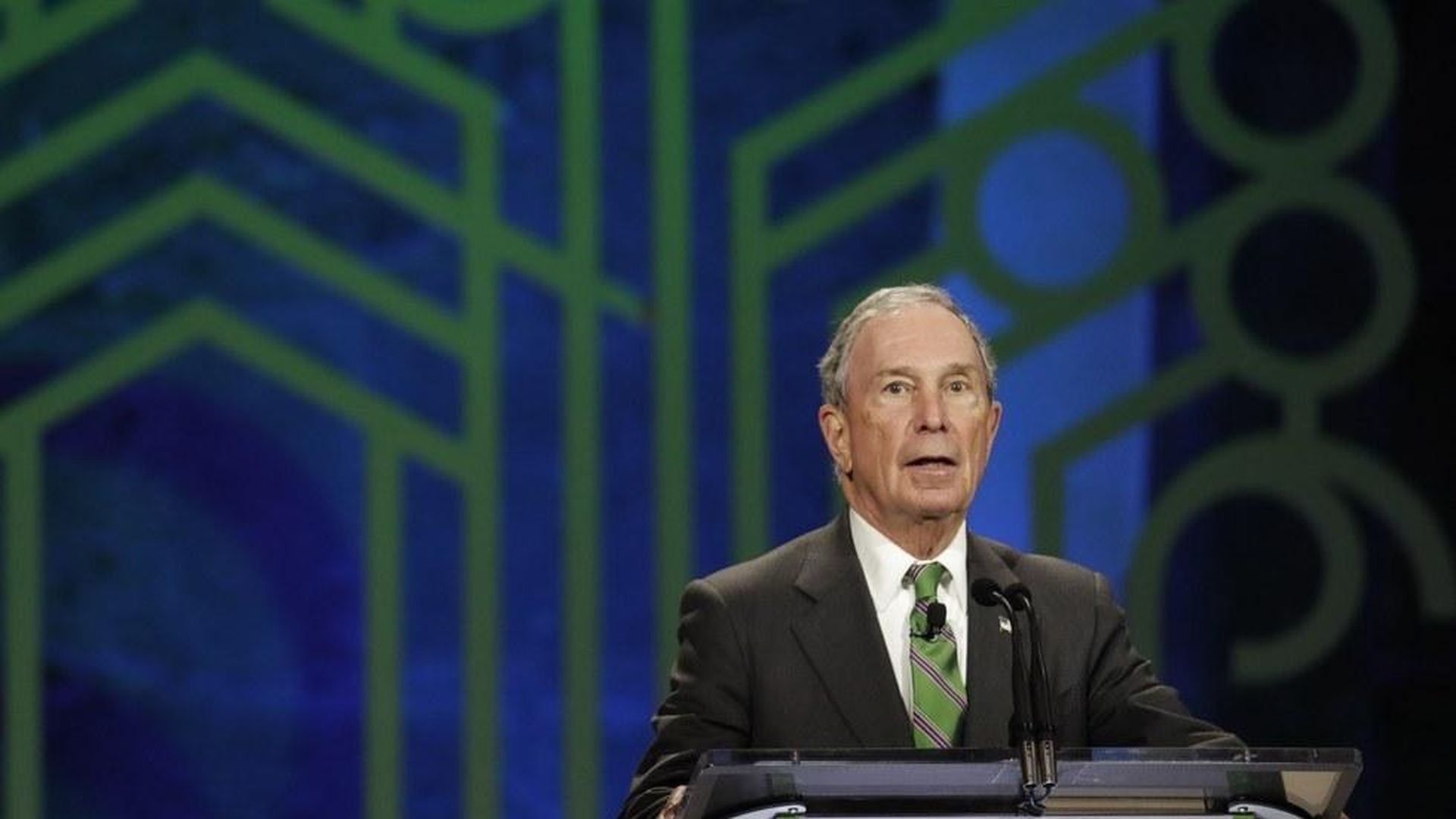
Bloomberg L.P. announced today it will merge its government policy business, Bloomberg Government (BGOV), with its legal and regulatory business arm, Bloomberg BNA (BBNA), to create a single unit that will cover Washington. Bloomberg says the merger, happening this summer, will consolidate content, data and sales under Bloomberg BNA.
Why it matters: In an increasingly competitive media policy space, it made little sense for Bloomberg to have two Washington brands competing with each other for audience, revenue and brand recognition. Bloomberg created BGOV in 2011 to compete with other Beltway policy publications, like CQ Roll Call, Politico, the Hill and National Journal. Under the direction of then-CEO Daniel Doctoroff, Bloomberg also bought BNA that same year for almost $1 billion. It came to house Bloomberg's legal unit, Bloomberg Law, and covers regulatory news. These units work with Bloomberg News' Washington bureau.
Why it matters less: BGOV and BBNA are a small part of Bloomberg's more than $9 billion in annual revenue that's driven by the high-end Bloomberg Terminal financial-information subscription service.
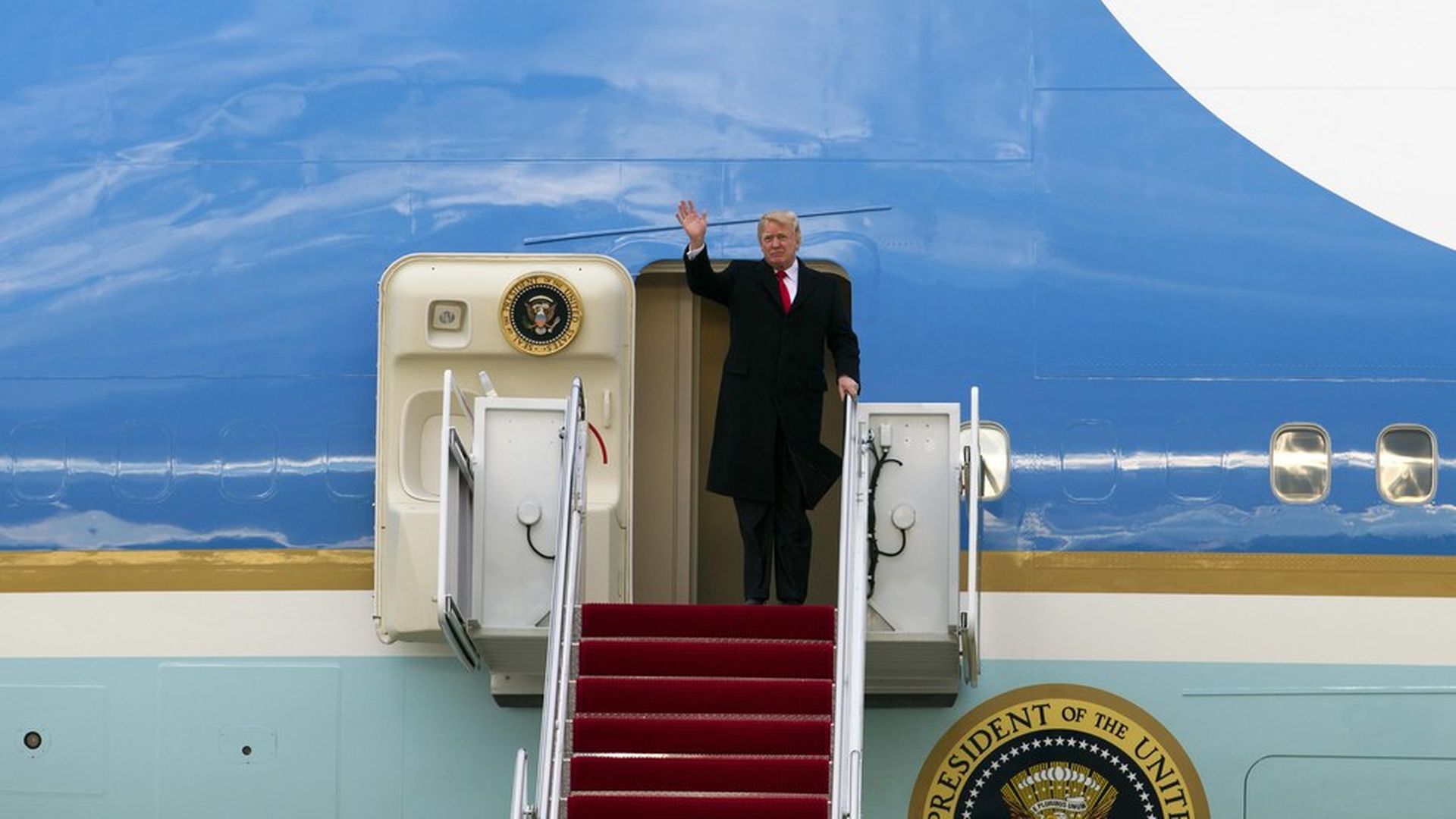
President Trump earned the title of "aviation enthusiast" during a meeting with the Air Force's mobility chief, four-star General Carlton Everhart, in December. Everhart praised Trump's "good questions" about the manufacturing of a new Air Force One in a recent interview with Bloomberg, and their exchange suggests that Trump approached their meeting with a business mindset.
Trump "wanted to come from a position of negotiations to try and get the price down," Everhart told Bloomberg. Given his previous tweet about Boeing's "out of control" costs for Air Force One planes, Trump made it clear to Everhart that he wouldn't settle for an overpriced new aircraft.
One interesting thing: The Boeing 757 that Trump used for travel during his presidential campaign was a hand-me-down from Microsoft co-founder Paul Allen, Bloomberg noted. Trump has a history of being crafty with his aircraft purchases, opting to buy second-hand planes that he can then modify to fit his lavish lifestyle.
Even though the Trump administration punted on major H-1B visa reform, it's taken a number of steps this week to show it is rooting out fraud and abuse of the program that allows U.S. companies to hire foreign high-skilled workers, and possibly cracking down on some kinds of applicants.
Specifically, the move to restrict eligibility for jobs in the "computer programmer" job category — the third-largest classification of workers on employers' H-1B filings — will shake up IT consulting companies' ability to hire lower-level computer professionals typically used to staff corporate IT departments. But it is mostly good news for Silicon Valley tech giants.
What it means: The guidance released just before this year's H-1B filing period got underway suggested companies wanting to sponsor H-1B workers as computer programmers would be subject to more scrutiny, especially if those jobs are promised low wages. It was a relatively small step, one the U.S. Citizenship and Immigration Services insists is simply reiterating an existing policy. But it sends the message, according to immigration attorneys, that application reviewers can — and should — weed out visa applications for jobs that are lower-level, lower-paying and do not meet the education bar of the specialized technical jobs H-1B visas are meant for.