A round of layoffs have begun at GameStop, the company at the center of 2021's meme stock craze, according to a source familiar with the matter and multiple LinkedIn posts from people claiming to be impacted.
Details: One source within the company tells Axios that the team building GameStop's blockchain wallet was heavily impacted.
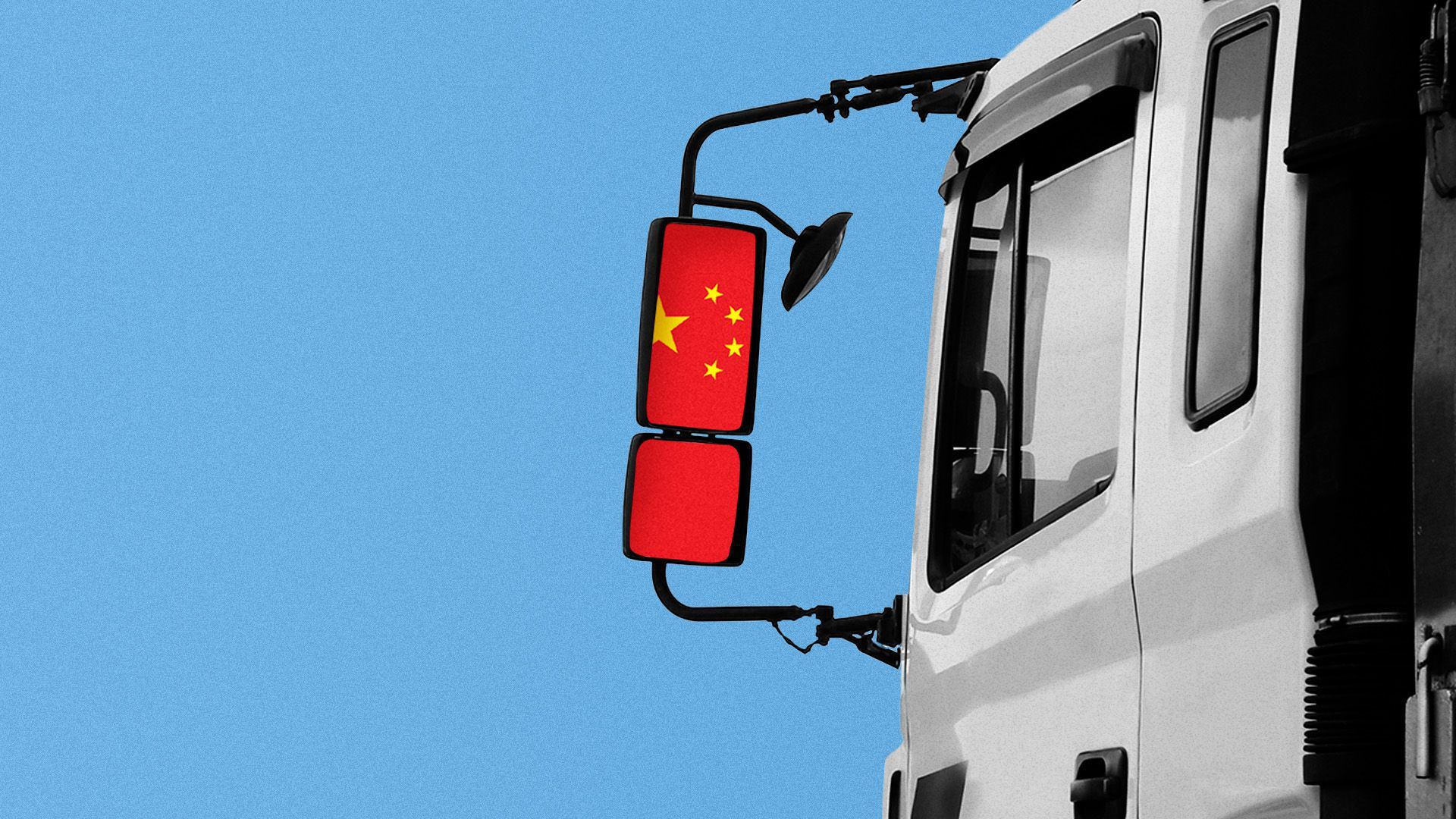
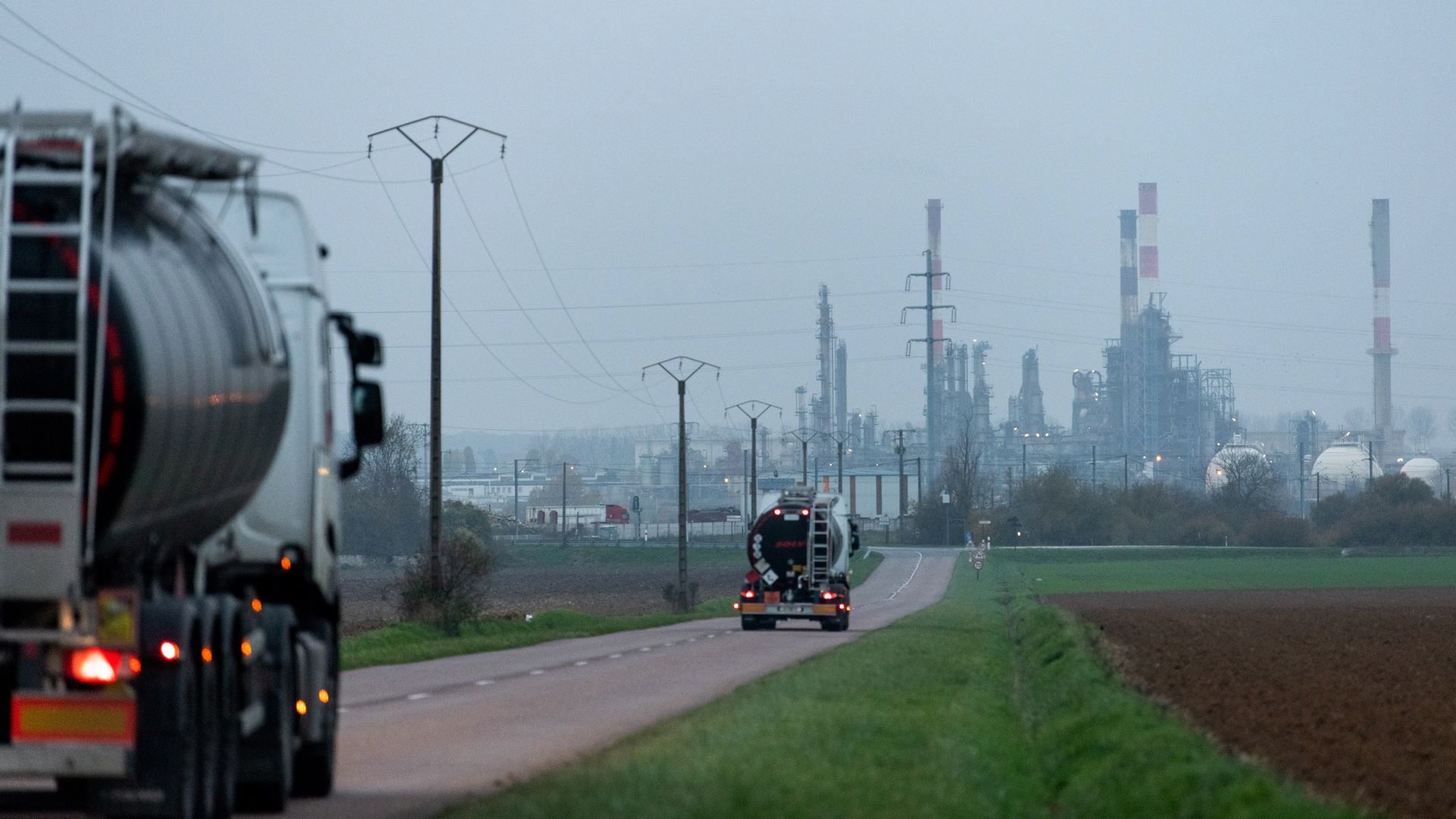
A few months ago, it was a glimmer in the eyes of some U.S. economic diplomacy wonks. Now, a price cap on Russian oil — imposed by U.S. and European allies to try to throttle revenues to Russia — is a reality.
Driving the news: The cap, agreed at $60 per barrel on Friday, is meant to be enough to give Russia incentive to keep pumping oil, contributing to global supply, but prevent windfall profits amid its war in Ukraine.
The policy allows those importing Russian oil to take advantage of Western shipping, financing and insurance, only if they pay at or below the $60 price.
Right now the debate is over whether the price is too high or too low. Ukraine and some of its closest allies like Poland wanted the number set lower to punish Russian President Vladimir Putin more. Shipping nations like Greece wanted it higher.
Flashback: But amid arguments over the details of the policy design, it's easy to miss what the strategy has achieved relative to expectations that prevailed among energy analysts this past spring, in the early days of the Ukraine war.
The conventional wisdom was that, given Europe's commitment to applying maximum pressure on Putin, the result would be sharply fewer global oil supplies, resulting in price spikes and risking economic crisis.
In an April note, JPMorgan analysts estimated oil would reach $185 a barrel in the event of a full embargo of Russian oil, as Europe had threatened. In March, Goldman Sachs analysts were forecasting $135 per barrel of oil for year-end.
Numbers like those would have meant both higher inflation and high odds of a global recession.
By the numbers: Brent crude now stands at around $86 a barrel, down from $123 in June.
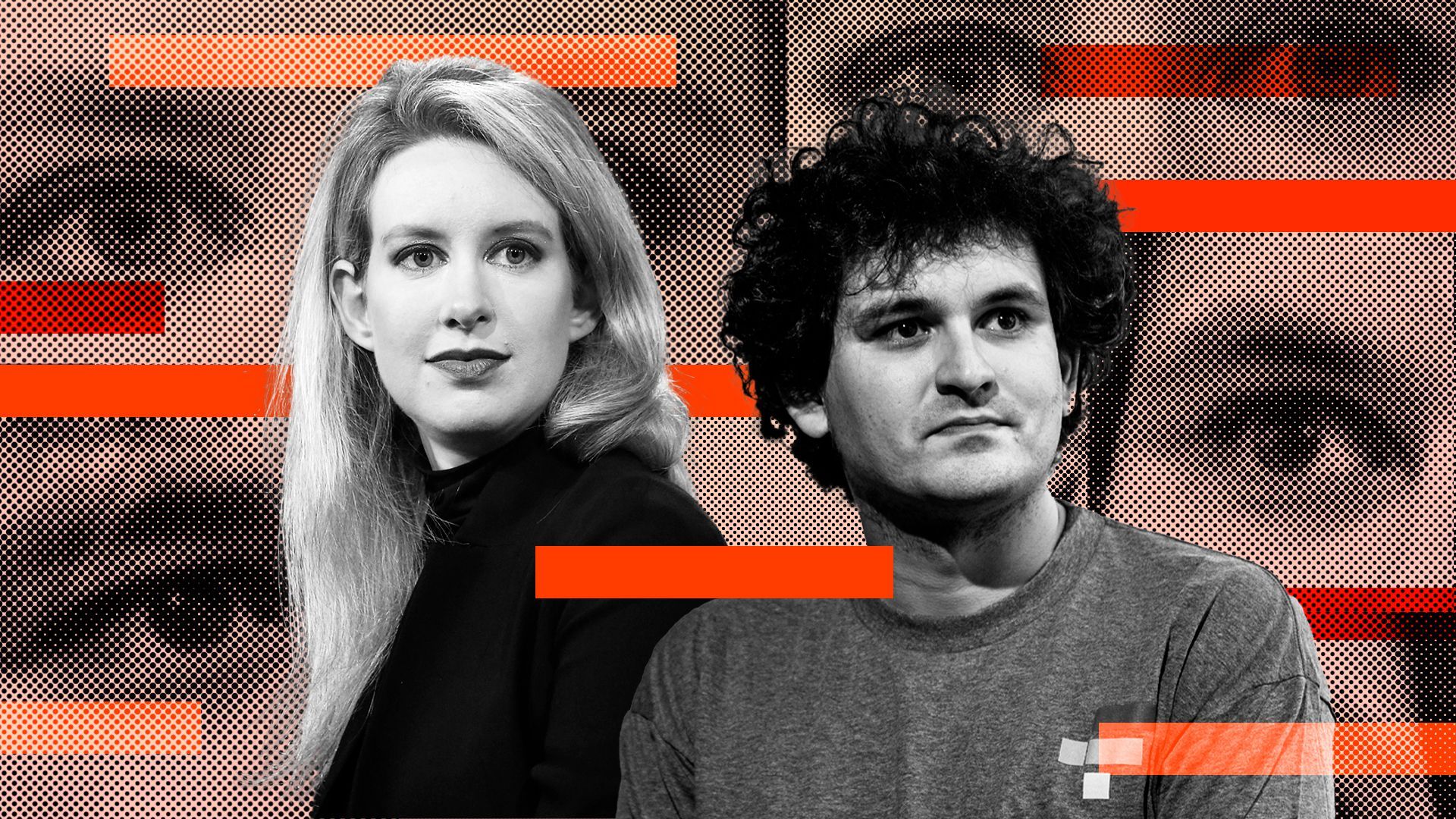
Social media is full of questions about why Sam Bankman-Fried hasn't been arrested, often with a reminder of how much money the former FTX CEO gave to Democratic politicians.
Clichéd and accurate answer: The wheels of justice turn slowly.
Whoosh, a Russian electric scooter company, disclosed plans to raise up to $80 million at a $400 million valuation in a Moscow IPO.
Why it matters: This would be the first such offering since Russia invaded Ukraine in February, following which the Russian capital markets were hamstrung by Western sanctions.
The number of child care workers is slowly ticking up — with 10,000 employees added over the past two months — but still is about 9% below pre-pandemic levels as employers struggle to hire.
Why it matters: The U.S. needs more people in the workforce, and a shortage of child care workers sure isn't helping.
The world of crypto is a new frontier for a host of government agencies — and the IRS is no exception.
Why it matters: Though changes are happening slowly, the agency’s trying to make sure that Americans who dabble in digital assets pay their fair share of taxes — while other regulators grapple with the more existential questions of crypto’s place in our financial system.
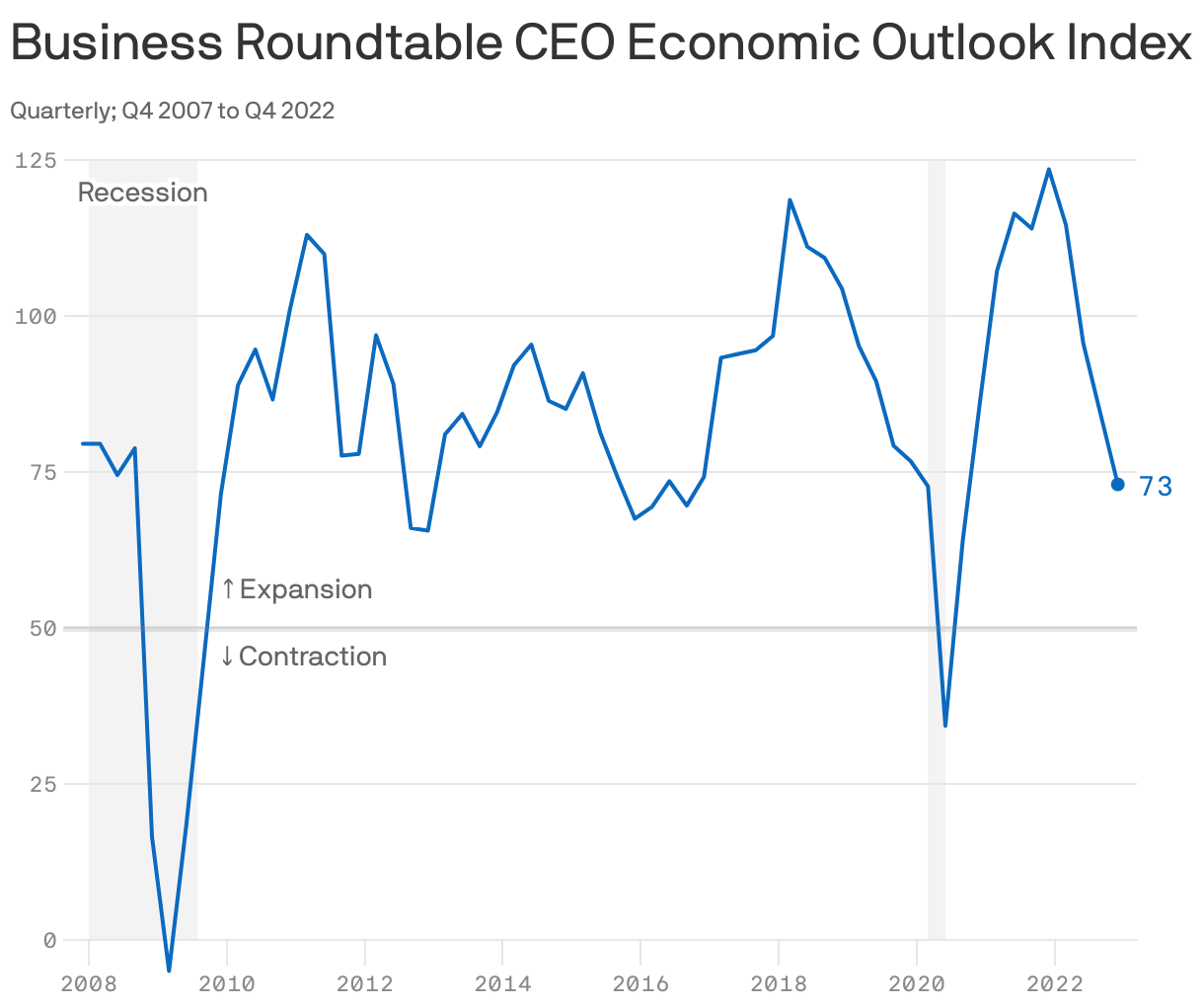
The chief executives of America's biggest companies have downgraded their view of the economy — though not to the levels of gloom normally seen in recessions.
Why it matters: Economic jitters have not sent CEO confidence diving off a cliff. Their plans for hiring and capital spending are more consistent with a slowdown in growth than outright economic contraction.
Elon Musk's year-end balance sheet for 2022 is full of red ink.
Why it matters: The world's richest man has been an icon of technological success, but his moves this year — led by his purchase of Twitter — have slashed his financial bottom line and tarnished his personal capital.
OPEC and its allied producers agreed to maintain their current oil-output targets during a videoconference on Sunday.
Why it matters: The decision comes despite a recent decline in energy prices and a price cap on Russian oil by the Group of 7 nations set to take effect on Monday.
Sam Bankman-Fried, the founder and former CEO of FTX, admitted during an interview that aired on ABC's "This Week" Sunday that he had "screwed up" and that he wished he had "done much better" at keeping track of financial exchanges at the company.
Driving the news: Crypto exchange FTX and Bankman-Fried are under scrutiny from regulators and politicians over the total lack of oversight at the company, which saw more than $30 billion of value wiped out in a matter of weeks.
Applicants want remote jobs, but the number of postings that allow people to work from home is dwindling as companies start to call workers back to offices.
By the numbers: 50% of applications submitted on LinkedIn are for remote jobs, but just 15% of postings are advertising flexible work.
💡 Why it matters: "The scaling back of remote-work policies is among the first and most visible signs of a changing job market," The Washington Post's Abha Bhattarai writes.
"Flexibility remains one of the top priorities for employees," says Rand Ghayad, head of economics and global labor markets at LinkedIn.
But the balance of power is starting to shift away from workers and back to employers as the labor market shows more signs of cooling down, he says.