The recent shuttering of a startup accelerator run by On Deck is a reminder that while these programs provide nascent companies access to investors, mentorship and practical support, they are also businesses themselves.
Why it matters: Startup accelerators largely get attention because of the highly valued companies they help along the way, how they design (and promote) their programs, and the high-profile gurus who lead them.
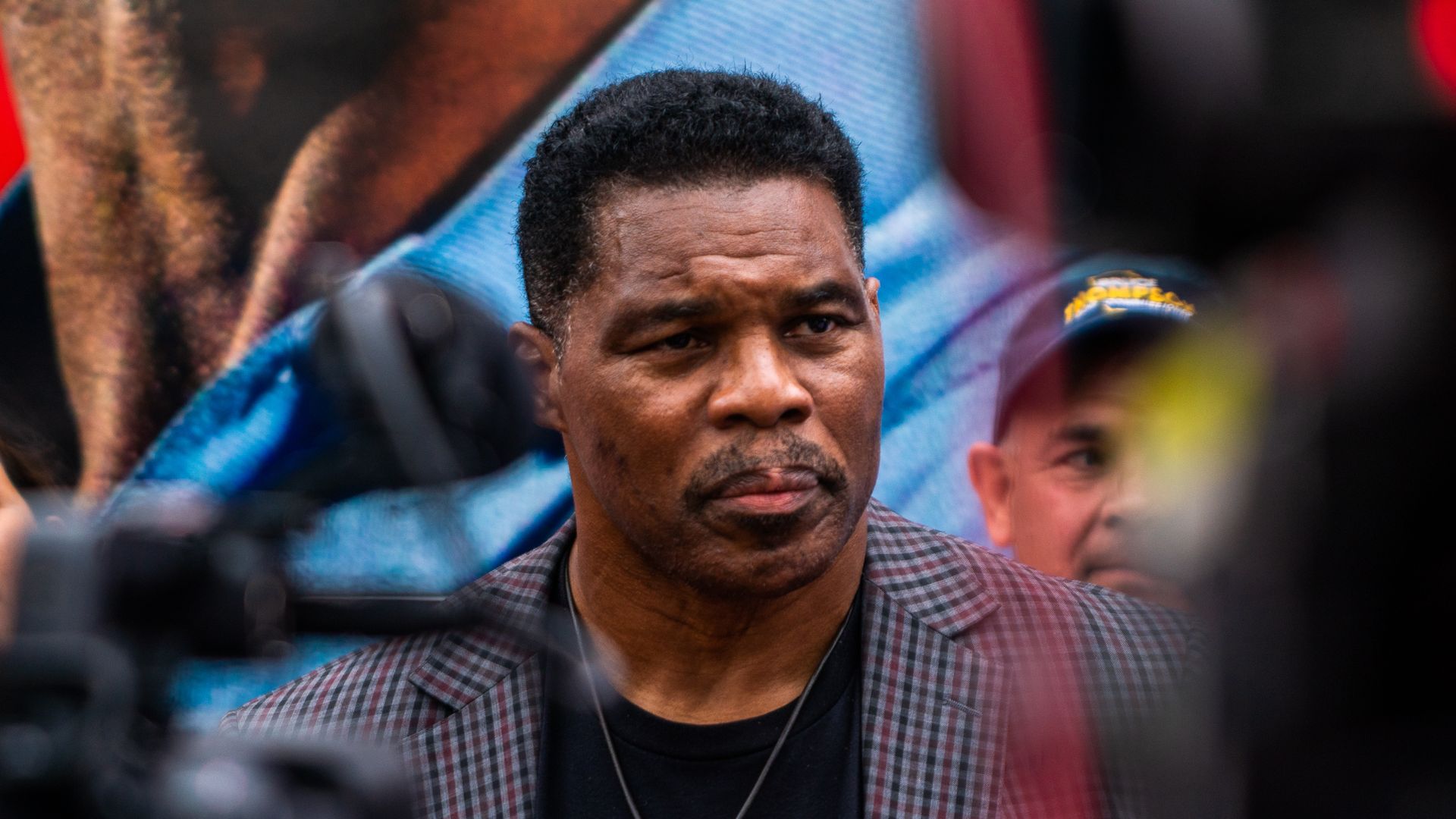
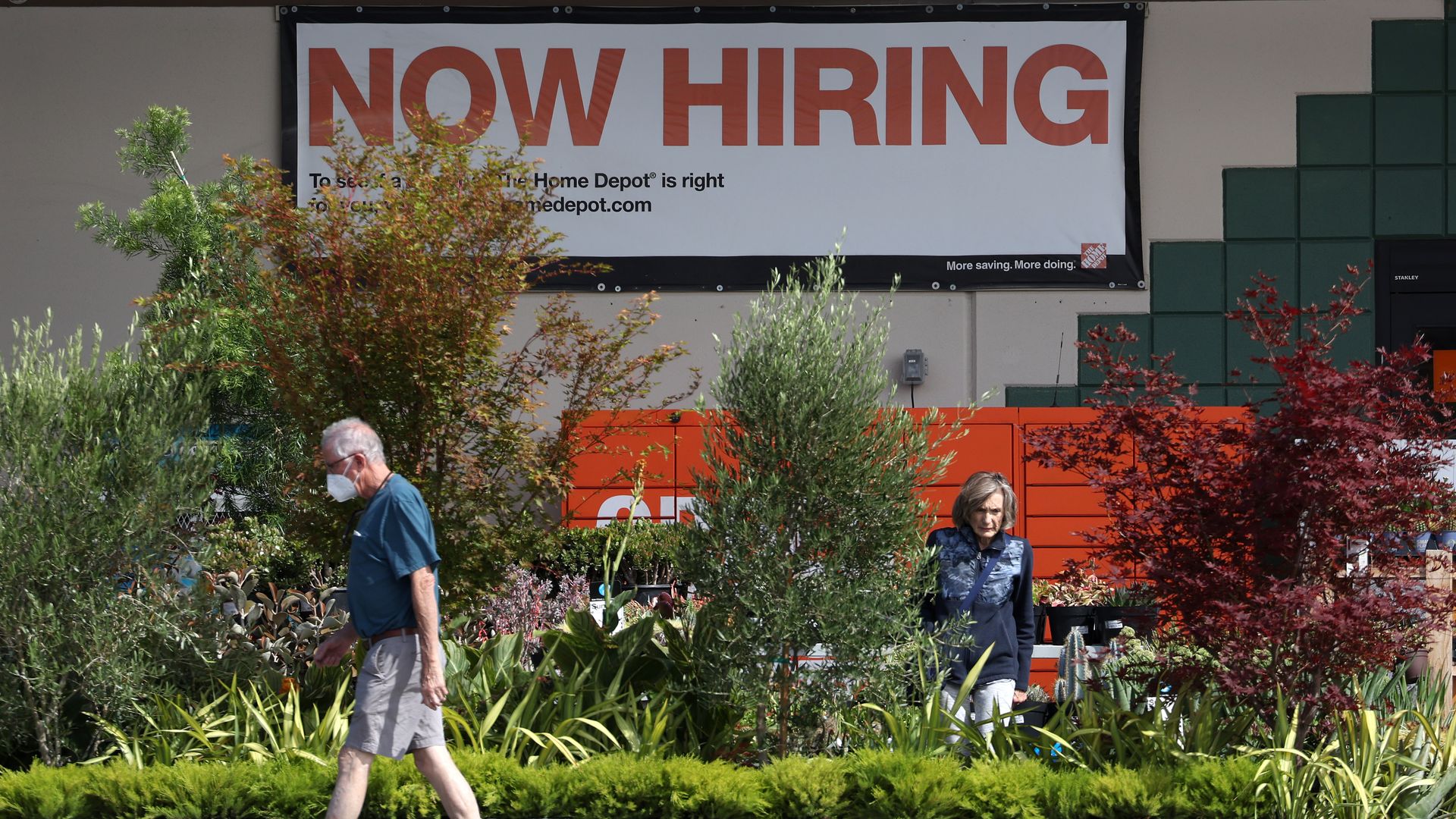
Home Depot denied claims Friday that it has contributed funds to Herschel Walker's U.S. Senate campaign.
Why it matters: The Georgia Senate race, which has recently been marred by controversy, is viewed by many Republicans as the key to gaining the Senate majority in the November midterm race. Walker is running against Democratic incumbent Sen. Raphael Warnock.
In the five years since the publication of two gut-wrenching exposés involving women who said they were abused by film mogul Harvey Weinstein while trying to enter the industry, there's been a massive rise in social awareness of the pervasiveness of sexual harassment.
Why it matters: Despite this, there's been little systemic change.
#MeToo may have advanced women's progress, but the Supreme Court's Dobbs v. Jackson Women's Health Organization decision to overturn the constitutional right to an abortion is expected to roll back progress in other ways.
Why it matters: Lack of access to abortion care has major socioeconomic consequences for women, previous research shows, lowering their earnings, career prospects, educational advancement and even pushing them into poverty.
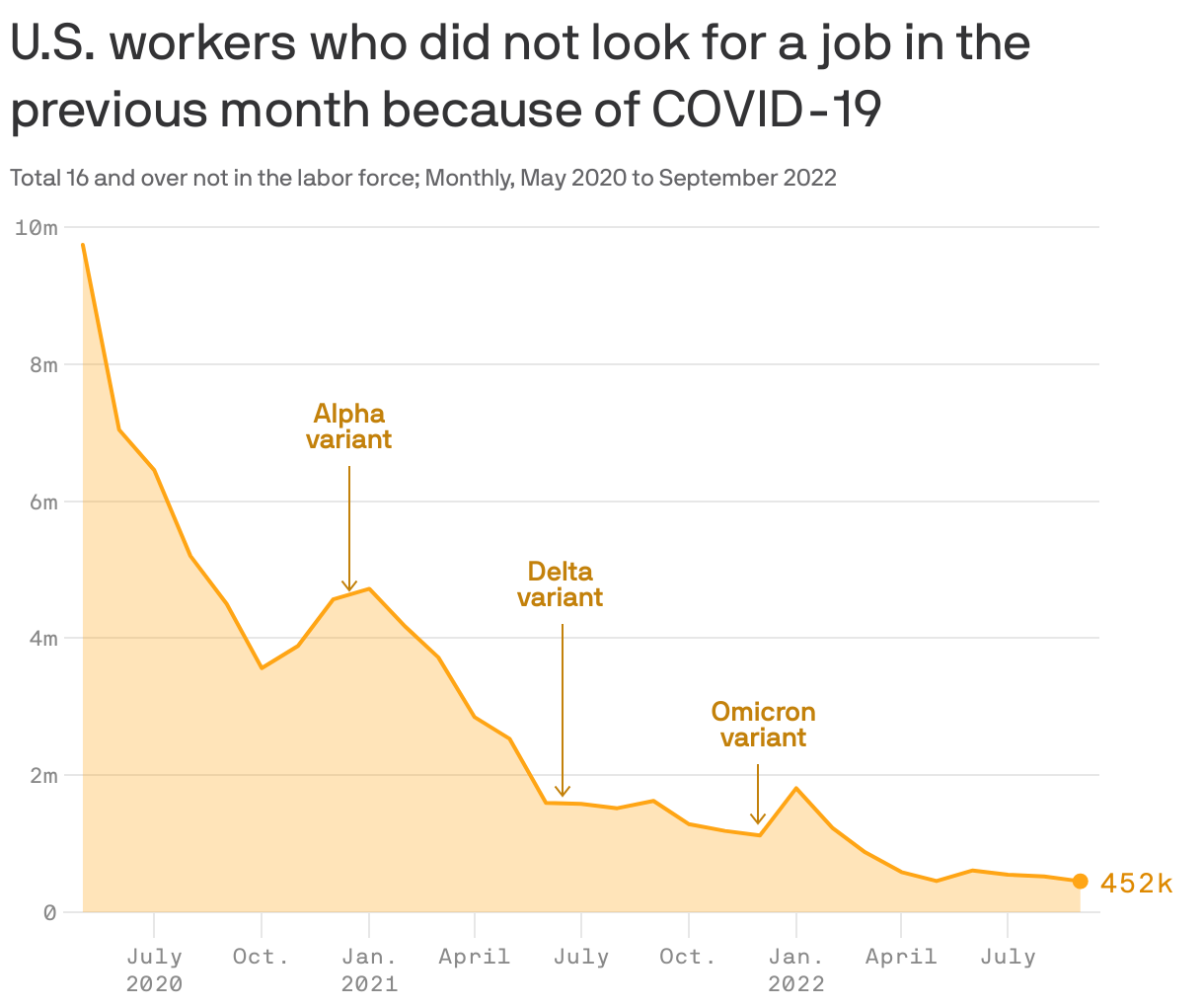
The Bureau of Labor Statistics is retiring certain questions related to the pandemic used in its monthly jobs report.
Why it matters: The questions were added to its household survey in May 2020, to examine the effects of the pandemic on the labor market. They have now become "less relevant," the agency noted on Friday.
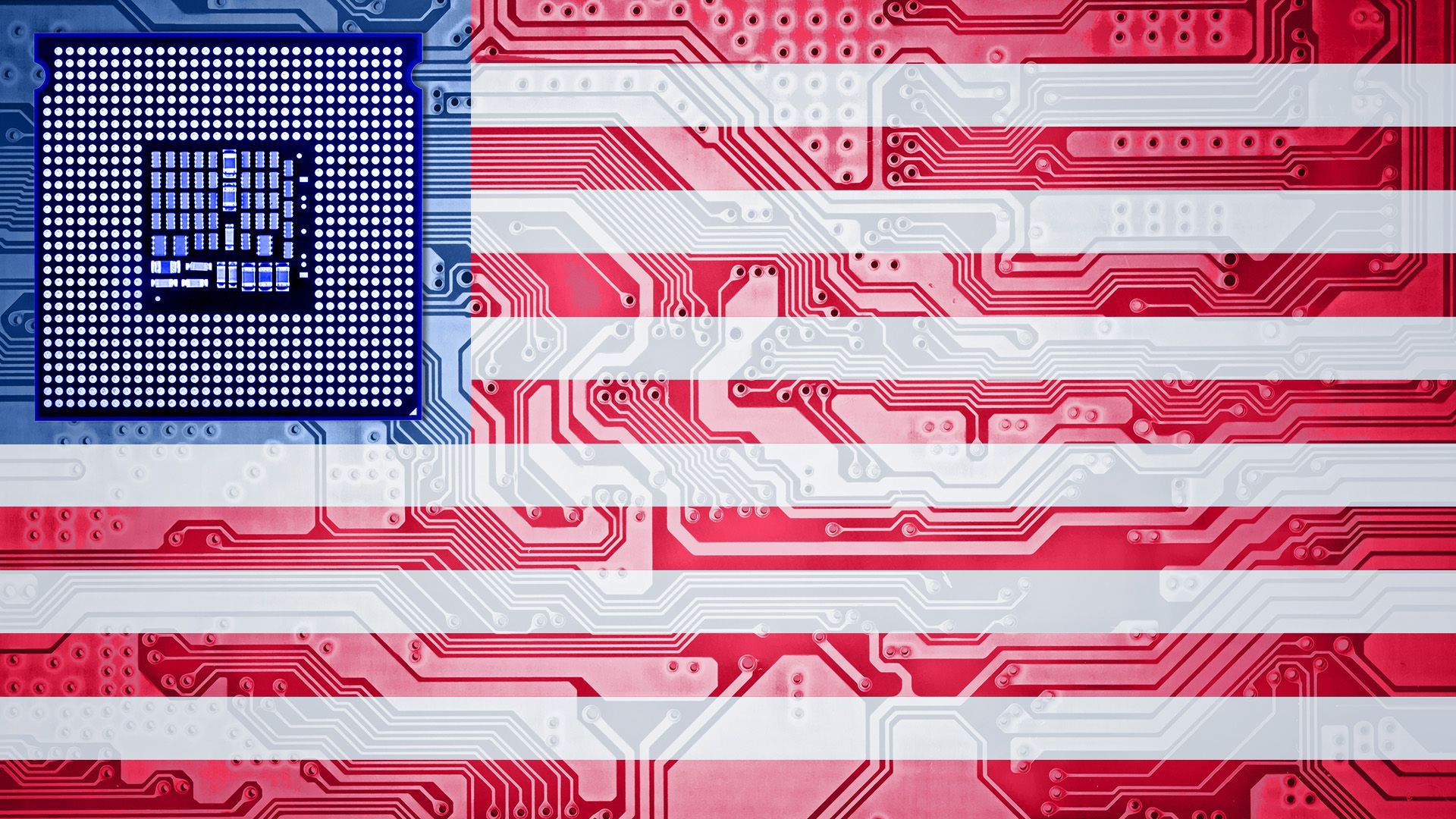
The Biden administration on Friday announced new export restrictions aimed at hobbling China's ability to make advanced semiconductors, escalating the tech conflict between the world's two biggest economies.
Why it matters: The move is expected to reshape the interplay between American and foreign chipmakers, potentially undermining China while also heightening the risk of a countermove.
Half a decade after Elon Musk first revealed it, the Tesla Semi is poised to reach its first customers before the end of the year.
Why it matters: The rollout will launch a real-world validation process, testing whether electrification is well-suited for heavy trucks, which mostly run on diesel fuel.
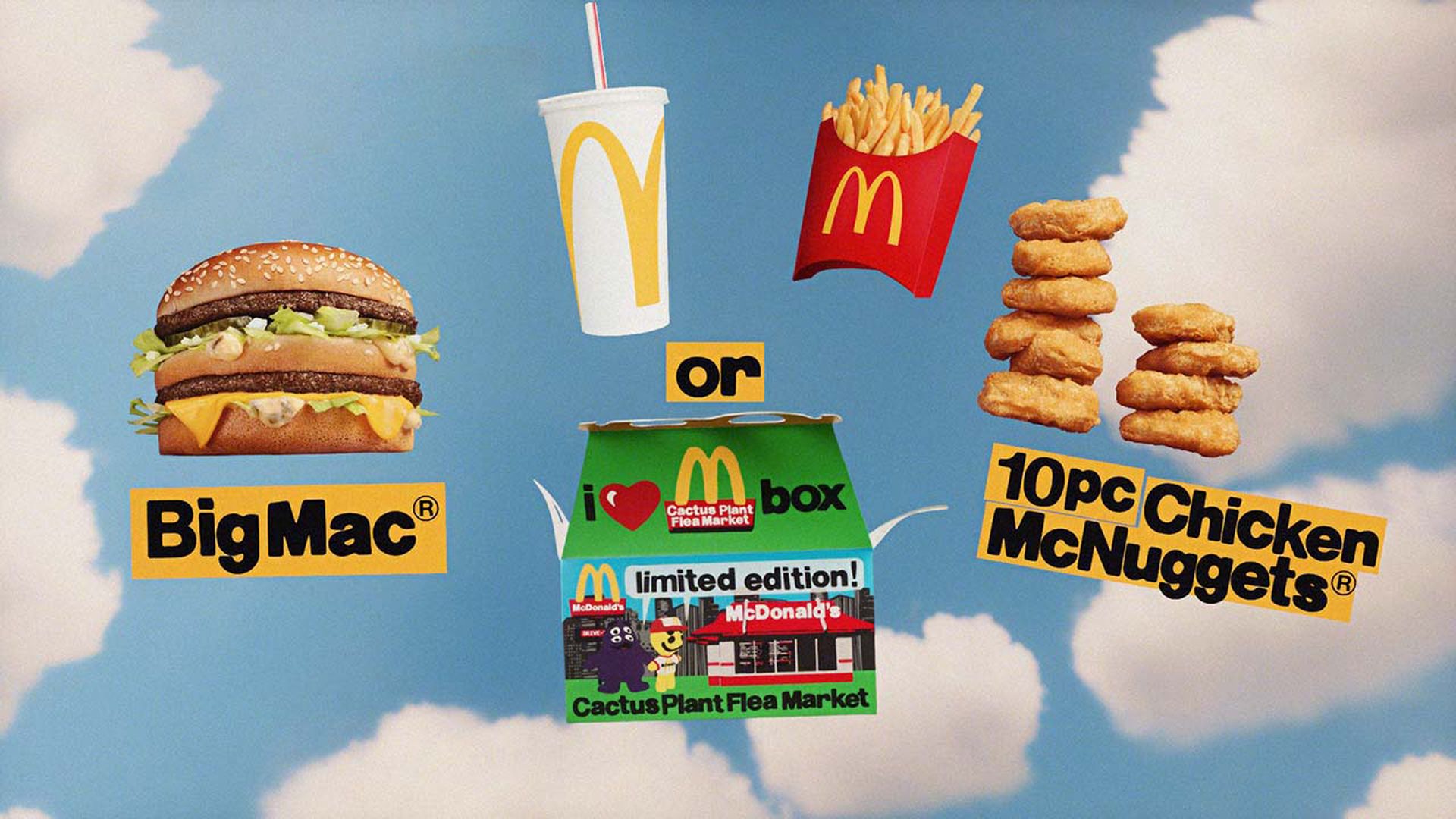
McDonald's adult Happy Meals have already sold out at some restaurants across the country, the fast-food chain confirmed to Axios.
Why it matters: Demand for the viral Cactus Plant Flea Market Box that includes one of four collectible toys is outpacing supplies. At the same time, the toys have sold on eBay for as much as $250.
Investment giant BlackRock defended its environmental, social and governance position Friday with a dedicated website outlining its strategy amid ongoing attacks from Texas officials and Republican lawmakers.
Why it matters: The asset manager is continuing to throw its weight behind ESG assets while also preparing for the possibility of its detractors gaining majorities in the Senate and House in the midterms.
Aura is the rare protocol in decentralized finance (DeFi) showing double-digit growth over the last month, with $419 million in assets committed to it.
Why it matters: In a bear market and an economic downturn, people are less hungry to put their wealth in a risk asset like crypto, and even less likely to entrust that asset to some weird third-party piece of code. So if one risky arrangement is growing, something unique must be going on.
Most of the time, if a jobs report like the one that came out Friday morning were to be released, there would be only good things to say about it. Job creation remained robust, the unemployment rate fell to match a five-decade low, and wages rose steadily in September.
Yes, but: These are not normal times. We're at a moment in which small changes in the data could have an outsized effect on the Federal Reserve's policy fulcrum, and hence what the economy looks like in 2023 and beyond.
President Biden on Thursday said that he'll ask for a review of whether marijuana should remain classified as a Schedule 1 substance under federal law.
Why it matters: This could be momentous for the upstart U.S. cannabis industry, which has been slowed at every turn by federal prohibitions.
The new documentary about the U.S.'s leading crypto exchange is called COIN, but they might as well have called it BRIAN, after its chief executive.
Why it matters: Coinbase has taken the vanguard of the crypto industry in the public imagination (much as Facebook is synonymous with social media). COIN — which is also its ticker symbol — appears to be its effort to get out in front of the criticism that has come with that position.
The U.S. economy added 263,000 payrolls in September, while the unemployment rate fell from 3.7% to 3.5% — a half-century low, the government said on Friday.
Why it matters: Monthly job gains have slowed from the breakneck pace that defined the pandemic recovery. But the labor market so far remains on solid footing and companies still have strong demand for workers.
Inflation adjustments are kind of sexy again, after years of not mattering much. The cost of living adjustments the IRS makes for 2023 are expected to be higher than they've been in decades — and could lower your taxes next year.
Why it matters: Cost of living adjustments, or COLAs, on taxes, Social Security payments and wages were barely noticed in the era before high inflation, but are now crucial for Americans copingwith record price increases.
Tesla is starting production of its Semi truck and the electric vehicle maker will deliver to PepsiCo on Dec. 1, CEO Elon Musk announced in a tweet Thursday evening.
The big picture: PepsiCo was among the firms lined up for deliveries of the battery-powered Class 8 truck after Musk announced in 2017 that production would begin two years later.
I was stewing about a work aggravation as I sat in a pew at church in 2016. David Glade, the preacher, seemed to know it: He started talking about the difficulties of being good.
He told a story about how his kids wondered how — with all the chaos and challenge of life — a person can choose to do the right thing, always.
Rev. Glade offered nine words of wisdom that guided me through that problem — and shape how I try to live today: "All you can do is the next right thing."
Why it matters: This throwaway phrase in a random sermon has served as a mantra for running our company — and for me when I hit turbulence outside work.