Wednesday's economy & business stories

Dolly Parton launches "Doggy Parton" pet apparel collection
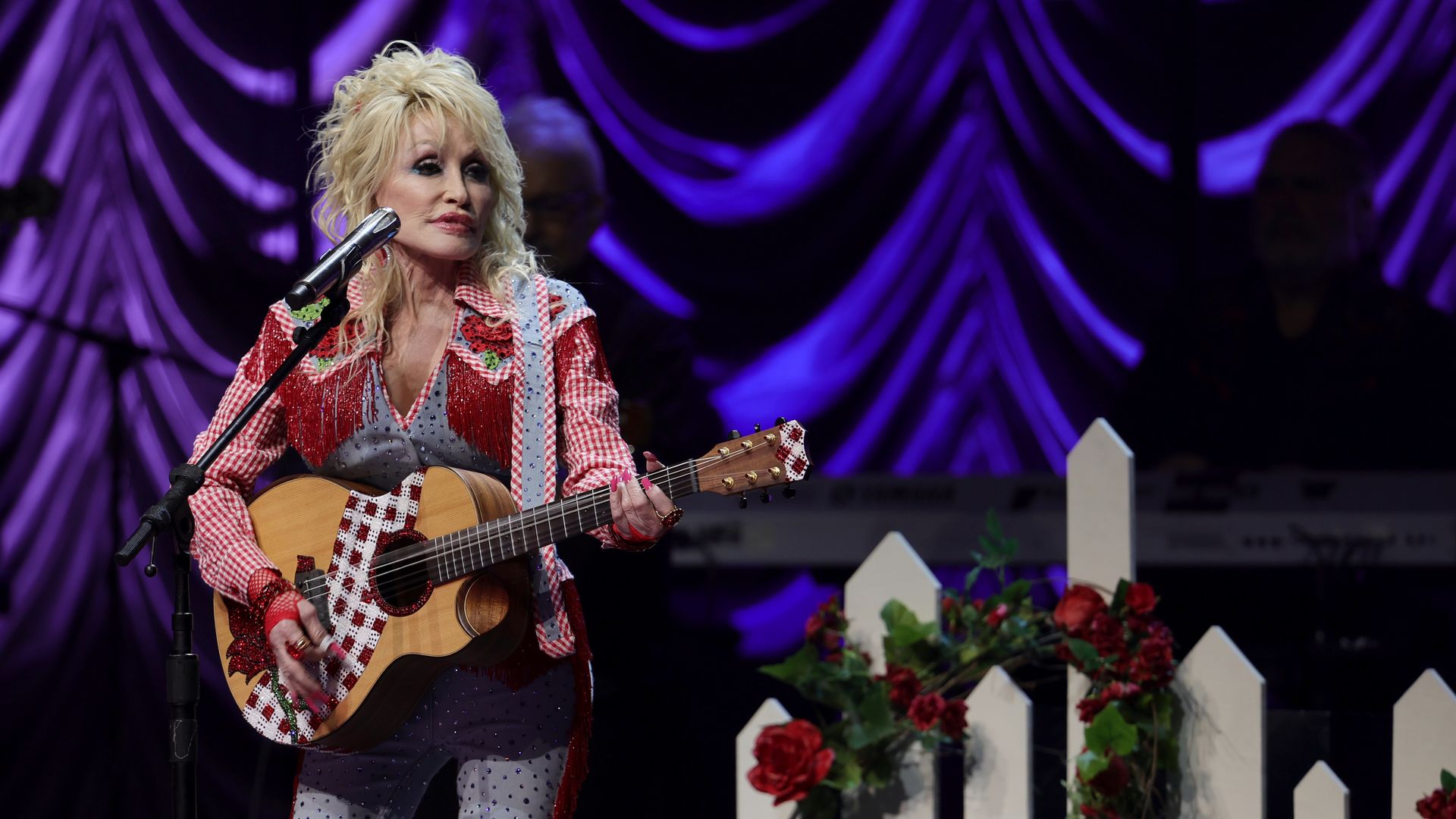
Dolly Parton on Wednesday announced the launch of "Doggy Parton," a line of apparel, accessories and toys that seeks to help support an animal rescue organization.
Driving the news: The collection is now on sale on Amazon and part of the sales proceeds will go to support Willa B. Farms Animal Rescue, a Tennessee-based non-profit, according to a news release.

The commodification of Princess Diana
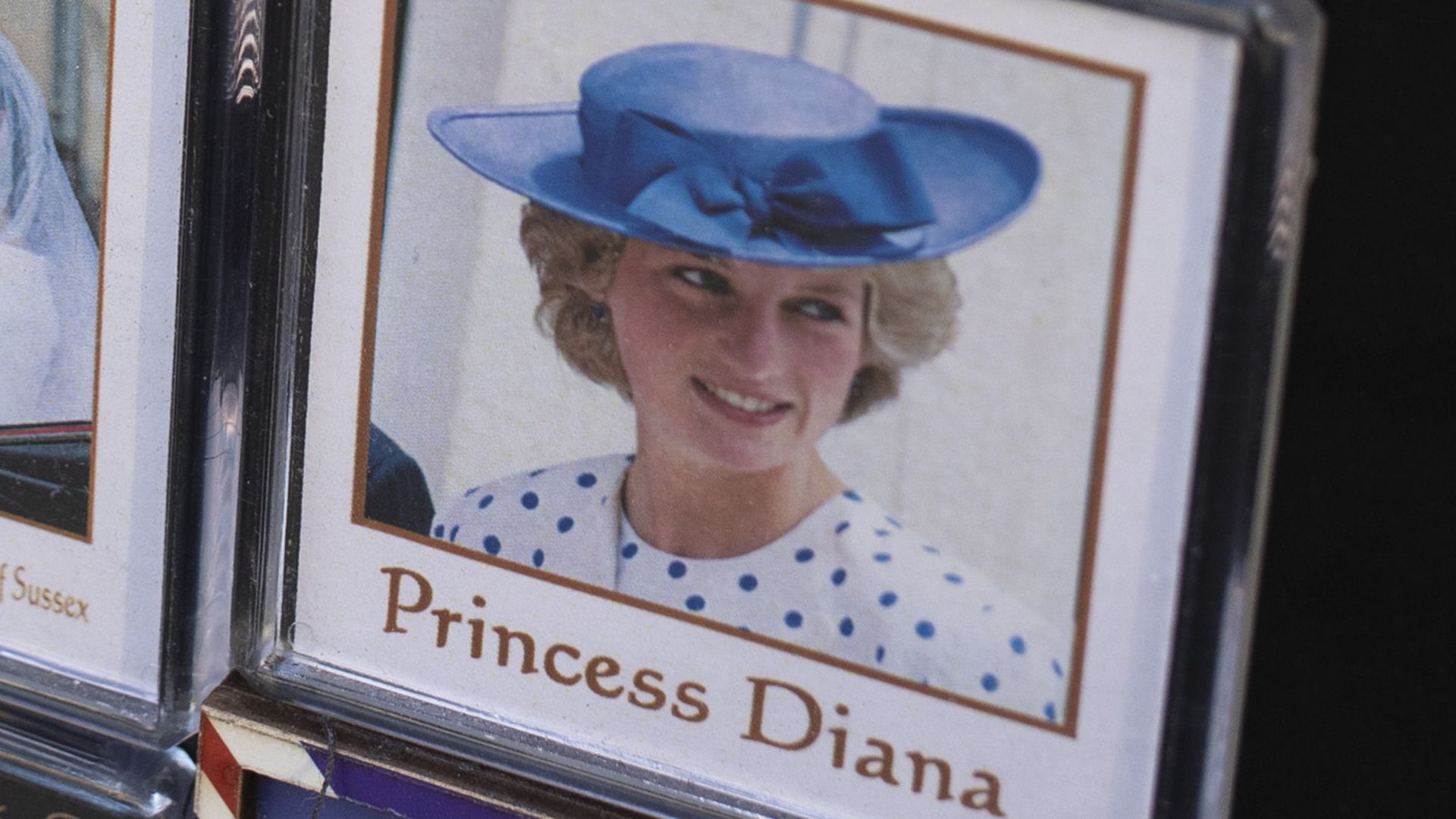
Since her death 25 years ago, there have been countless films made about Diana, Princess of Wales. A musical bares her name, she is a character in multiple television series, the subject of numerous books, and her face can be found on commemorative plates, dolls, tea towels, and other memorabilia worldwide.
The big picture: Even before her tragic death, Diana was seen as an economic power, with her popularity selling out magazines and newspapers across the globe. One of the most expensive photos ever sold was a paparazzi photo of her for $6 million.
Sam's Club raising membership fees for first time in 9 years
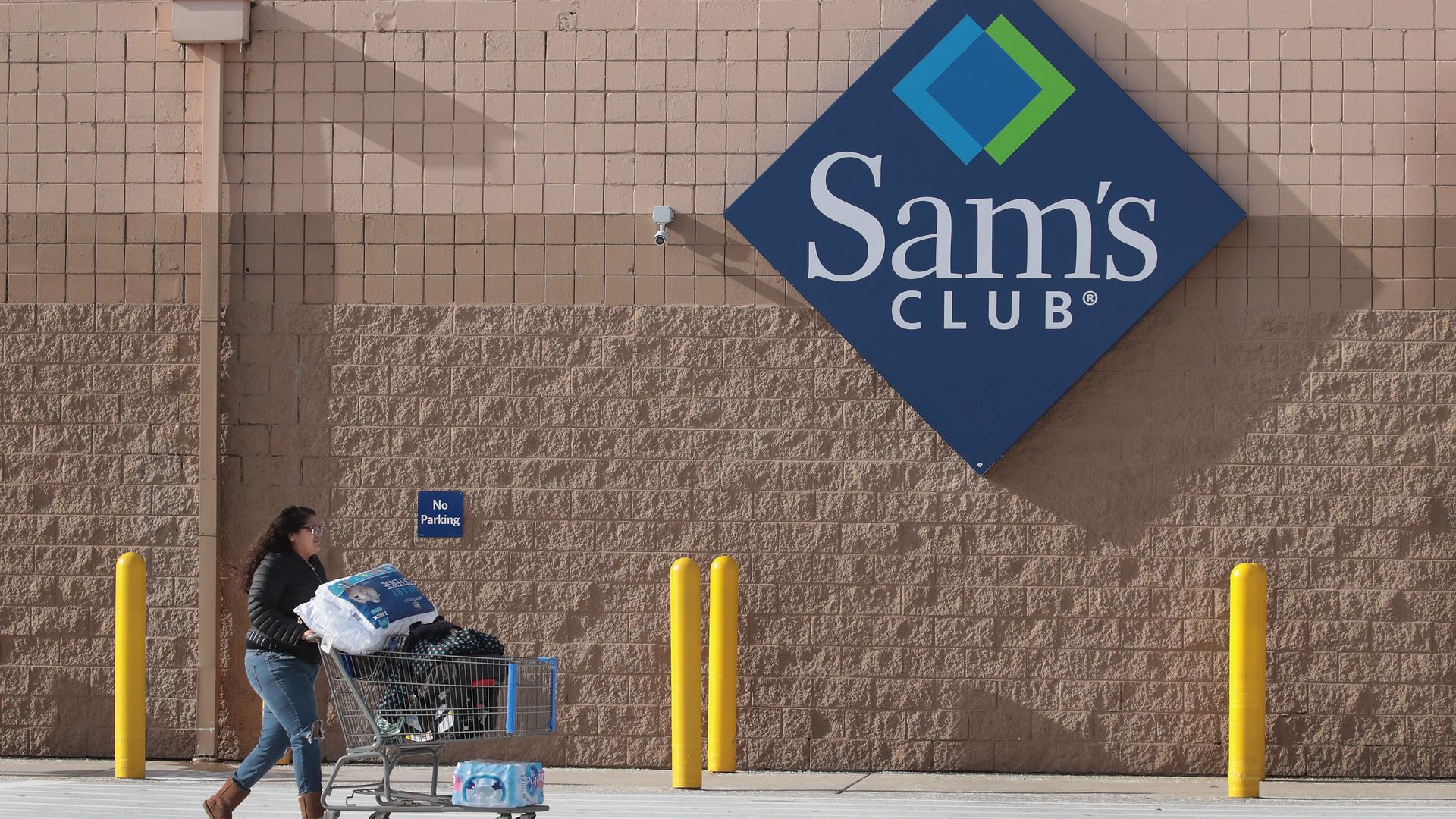
Sam's Club is raising its membership rates for the first time in nine years starting in mid-October, the Walmart brand said Wednesday.
Why it matters: Consumers are already grappling with inflation and higher food prices while retailers are dealing with rising costs and looking to increase profits.


Qualcomm sued by chipmaker Arm
Arm, the British chipmaker owned by SoftBank, on Wednesday sued Qualcomm for breach of contract and trademark infringement, according to court documents.
Why it matters: This comes just months after reports that Qualcomm would seek to buy an ownership stake in Arm, whose prior agreement to be acquired by Nvidia was scrapped due to regulatory pressures.

For NFT pawn shops, price discovery is the holy grail
/2022/08/30/1661892812141.gif?w=3840)
Keep your gaze fixed on non-fungible token (NFT) pawn shops.
- Protocols and platforms that allow folks to post their NFTs as collateral for a crypto denominated loan are on the rise. Yet for many, price discovery is a persistent problem in search of a holy grail to resolve it.
Why it matters: For those holding NFTs that trade frequently and are considered more liquid, like those in the Bored Ape Yacht Club, CryptoPunks, or Pudgy Penguins collections, collateralized loans allow them to "hodl" and have coin on-hand.
- For the industry, NFT lenders are another piece of crypto plumbing that would support consumer-facing "NFT financialization."
Be smart: NFT holders have been weathering declining coin prices and falling prices by "freezing" portfolios, according to Chainalysis' market report.
Driving the news: Lenders are pivoting their strategy to either address the issue, or simply stay competitive.
- Arcade.xyz, formerly Pawn.fi, rolled out an update mid-August with a redesign and new features like collection offers. They allow users to post a collection of NFTs as collateral for a loan.
- BendDao.xyz recently held an emergency vote to change liquidation thresholds to make them more enticing for buyers, a BendDao representative tells Axios, in the wake of a rash of defaulted loans and no bidders that drained reserves.
Big picture: NFTs are less liquid than coins. Consider, for example, the oft-quoted reference metric "floor price" only represents the lowest price someone is willing to sell the NFT for, but not the lowest price at which someone would buy.
How it works: NFT lending protocols generally follow three models, with peer-to-peer the most common.
- Protocol-to-peer: JPEG'd allows a borrower to post NFTs as collateral in exchange for its synthetic stablecoin. If they default, the underlying NFT is auctioned. (This is how MakerDAO, the biggest protocol in DeFi, works, except it uses crypto as collateral.)
- Peer-to-peer: NFTfi and Arcade allow borrowers to propose terms for a loan against their valuable NFTs. If someone accepts their offer (duration, denomination, etc), they lend the borrower what they asked for. If the borrower defaults, the lender can take the NFT.
- Pool-to-peer: BendDao and Drops pools loans and an algorithm sets terms. If the borrower defaults, NFTs are posted for auction. (Also see: Astaria)
What they're saying: "Pricing protocols are getting better at pricing assets, but we’re not there yet. There’s not enough liquidity to base a lending decision on a specific trade," Gabe Frank, chief of NFT lending protocol Arcade, tells Axios.
- "It's super niche right now with just 5,000 active users, but with gaming and NFTs representing claims to real-life items, it could be mainstream in the next two to three years," he added (Arcade recently saw a loan on a tokenized NFT).
- "Unlike in fungible markets, one of the most difficult things to establish for NFTs are their real time valuations," according to Cherry Ventures, an early-stage VC shop.
Yes, but: Better mechanisms for price discovery are in development, whether they're appraisal games or price oracles.
Bottom line: NFTs are finding a new life, but in a different market.
Bed Bath & Beyond to close 150 stores, lay off 20% of staff
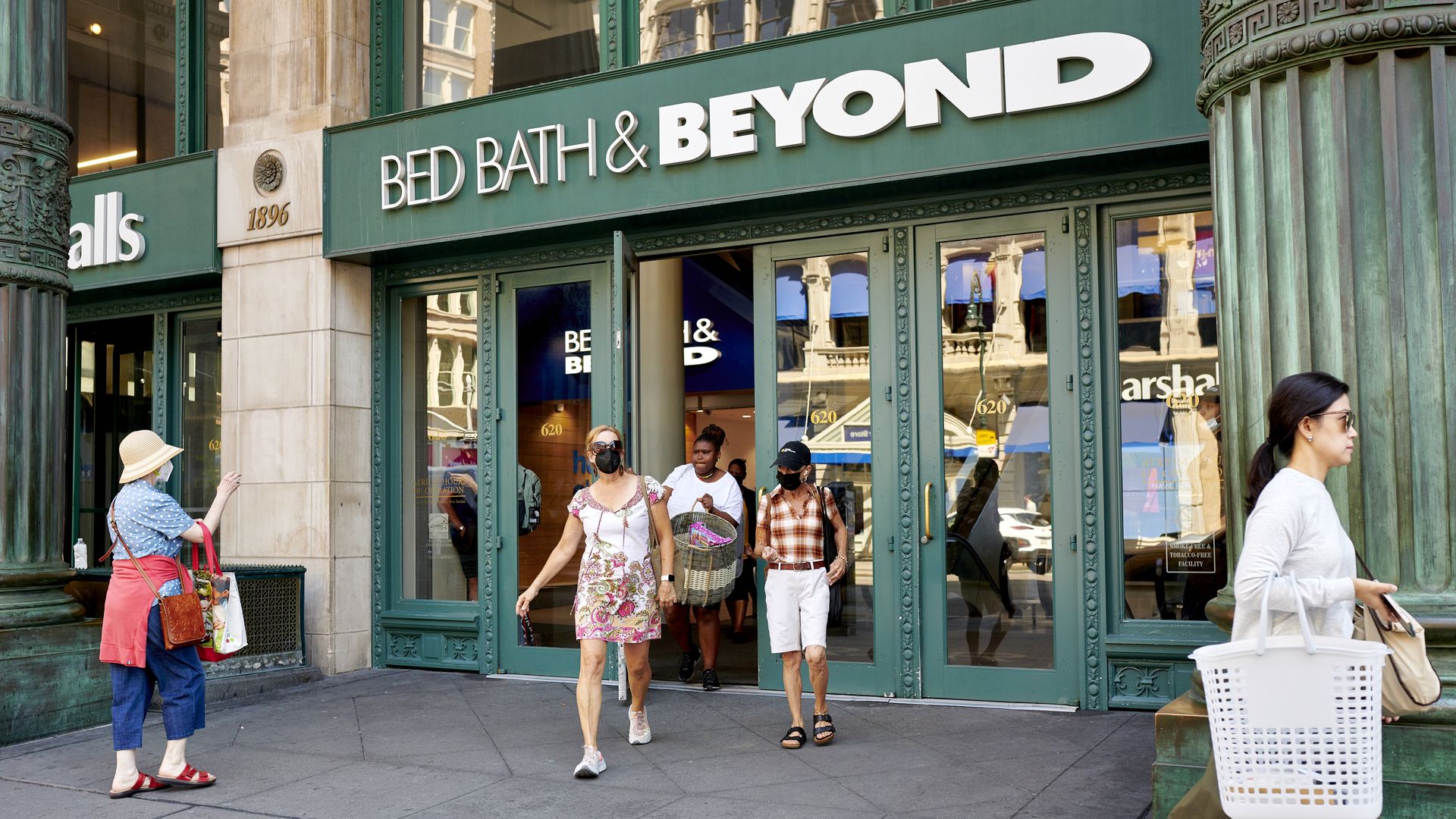
Bed Bath & Beyond is closing approximately 150 “low-producing” stores and laying off 20% of its staff, the New Jersey-based home goods retailer announced Wednesday.
Why it matters: This may be the cash-strapped company's last bite at the turnaround apple, lest it join onetime rival Linens 'n Things in the retail refuse bin, Axios’ Dan Primack reports.
Bed Bath & Beyond tries to restructure (again)

Bed Bath & Beyond on Wednesday confirmed details of its financial restructuring, store closures and layoffs.
Why it matters: This may be the cash-strapped company's last bite at the turnaround apple, lest it join onetime rival Linens 'n Things in the retail refuse bin.
Private equity piles into data centers
/2022/08/31/1661956369821.gif?w=3840)
Private equity keeps buying up data centers, despite the warnings of a veteran short-seller.
Driving the news: An investor group yesterday agreed to pay $1.5 billion for a 35% stake in Dallas-based DataBank, while Malaysian telco Time Dotcom reportedly short-listed final bidders for a data center unit that could be valued at around $600 million.
- There's also the ongoing auction process for London-based data center operator Global Switch, which is expected to fetch more than $10 billion.
By the numbers: 2022 already is a record year for PE investment in data centers, per PitchBook.
- The research group reports $41.5 billion of deal value as of Aug. 25, which doesn't include DataBank, topping the $36.8 billion from 2013 and last year's $27.7 billion tally.
- The year's largest data center buyout was CyrusOne, which KKR and Global Infrastructure Partners took private for around $15 billion.
The big picture: Private equity's interest in data centers is largely about predictable cash flows. Plus, there's dry powder pressure tied to the infrastructure fundraising boom, and a PE belief that legacy location is a key differentiator.
There's at least one notable naysayer: Jim Chanos, who's raising several hundred million dollars for a fund that will short U.S. data center groups.
- Yes, Chanos invests in public equities instead of in private equities. But his thesis would hold for both.
- He basically believes that cloud giants like Amazon, Google and Microsoft will come to dominate the data center market. Not just by building massive facilities for their own services, but by cheaply leasing out space in those data centers to others that currently contract with traditional players.
- For context, Chanos has made some very good short bets (e.g., Enron) and some very bad ones (e.g., Tesla).
The bottom line: This could become private equity vs. Big Tech. Or maybe the other way around.

Nuclear power is having a resurgence
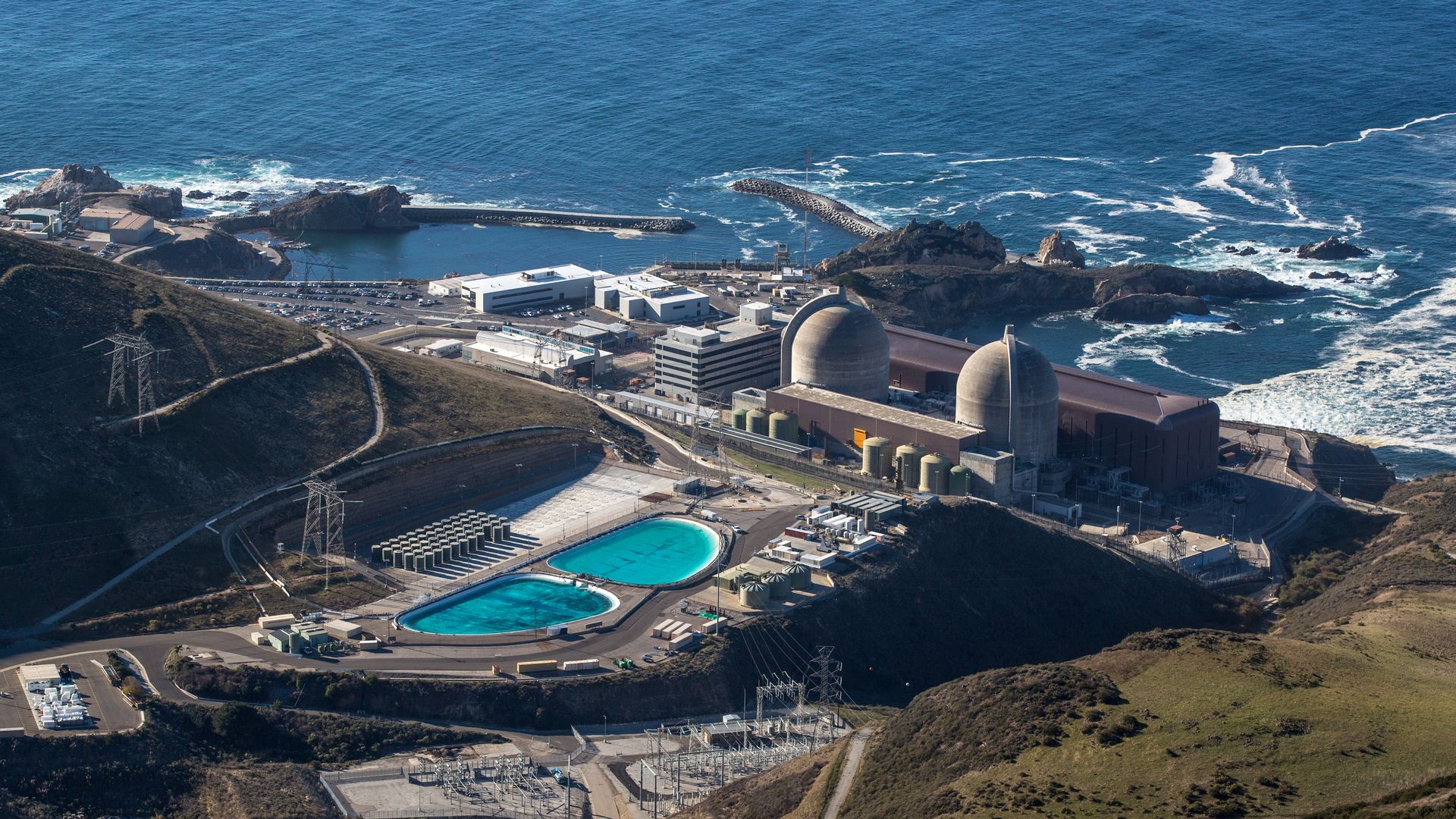
Twin energy and climate crises are forcing governments around the world to take a fresh look at nuclear power.
Why it matters: Pressure on politicians to find reliable, low-carbon power supplies has them reconsidering the long-standing stigma surrounding nuclear plants.

How to help a friend through a layoff

Dozens of companies have started to tighten their belts as executives look to cut costs amid a weaker economic environment. That means layoffs.
- State of play: American companies announced nearly 26,000 job cuts in July — a 36% year-over-year jump.
Why it matters: Losing a job means more than just losing a source of income. There's also loss of community, self-worth and identity. And it might bring on feelings of shame or guilt.

Army grounds Chinook helicopter fleet after "small number of engine fires"

The U.S. Army grounded its entire Chinook helicopter fleet on Tuesday "out of an abundance of caution" after fuel leaks caused a "small number of engine fires" among several of the aircraft, Army spokesperson Cynthia Smith said.
Driving the news: The helicopters, which primarily serve to transport troops, artillery, equipment and fuel, will remain temporarily grounded while the Army works to resolve the issue, according to Smith. No deaths or injuries were reported.