Friday's economy & business stories

Grandparents are becoming influencers, too

The content machine needs constant feeding. Consider grandparents a new genre.
Catch up quick: Several TikTok accounts featuring older video creators are racking up millions of followers.
- Some, like @ourfilipinograndma, tell stories of intergenerational divides. In the screenshot above, the grandson and grandmother are using a viral TikTok template to make fun of a common technology issue — forgetting a password.
- Others, like the Old Gays, show off snippets of real life.
- Retirement House is an account that parodies the current trend of young creators living together to collaborate on viral content. In the scene above, members of the senior group are going to see the new "Minions" movie.
The big picture: An aging U.S. society will have more seniors than children by 2030, the New York Times notes, citing census data.
What they're saying: “I think my spiritual path may be showing people that aging is mostly in the mind,” 85-year-old TikToker Gaylynn Baker, recently told BuzzFeed News.
- “I’ve never had such a good time. I don’t know how much longer I’ll be on this planet, but I hope I’ll always be having this much fun," she added.
Stay-at-home stocks have lost all their steam


For a certain clutch of tech brands, it's as if the pandemic never happened.
- Several high-flying stocks that surged during the COVID-19 crisis have since crashed to prices below their pre-pandemic levels.
State of play: Peloton closed below $10 a share, a 66% swoon from its 2019 IPO price.
- Chegg, the online learning platform, is currently sitting at about $20 a share, a 52% discount from its stock price three years ago.
- Fastly, a cloud computing provider, is trading 47% below its 2019 level.
- Zoom closed today at $106.55, only slightly above where it was three years ago at $96.67.
Why it matters: Current prices are a reflection of a tougher operating environment as more people get outside, and of a downturn that some fear may become a recession.
- Companies are dealing with more variables now than when the world was sitting squarely in the middle of the pandemic, when everyone stayed home.
What they're saying: “This notion of stay-at-home companies and stocks is somewhat anachronistic,” Scott Kessler, global sector lead for technology, media and telecom at Third Bridge, tells Axios.
- The biggest challenge now is to figure out the “true health of the global economy,” says Kessler.
Zoom out: Companies that spend money on advertising have been pulling back as they face growing macroeconomic challenges like high inflation, rising interest rates and geopolitical risks associated with Russia’s war with Ukraine.
- Digital media giants Twitter, Snap and Netflix all cited these conditions this week as they tried to explain their poor second quarter performance, and weaker outlook for the rest of the year.
- Macro “headwinds” have been putting “pressure on the earnings of a wide variety of companies, and this is directly impacting the demand for advertising,” Snap CFO Derek Andersen told analysts yesterday.
- Twitter canceled its earnings call today, but said in a statement that its revenue decline reflects “advertising industry headwinds associated with the macroenvironment.”
What to watch: Google and Facebook — the two biggest U.S. digital advertising companies by revenue — are set to report earnings next Tuesday and Wednesday.

Vince McMahon retires from the WWE following hush money scandal
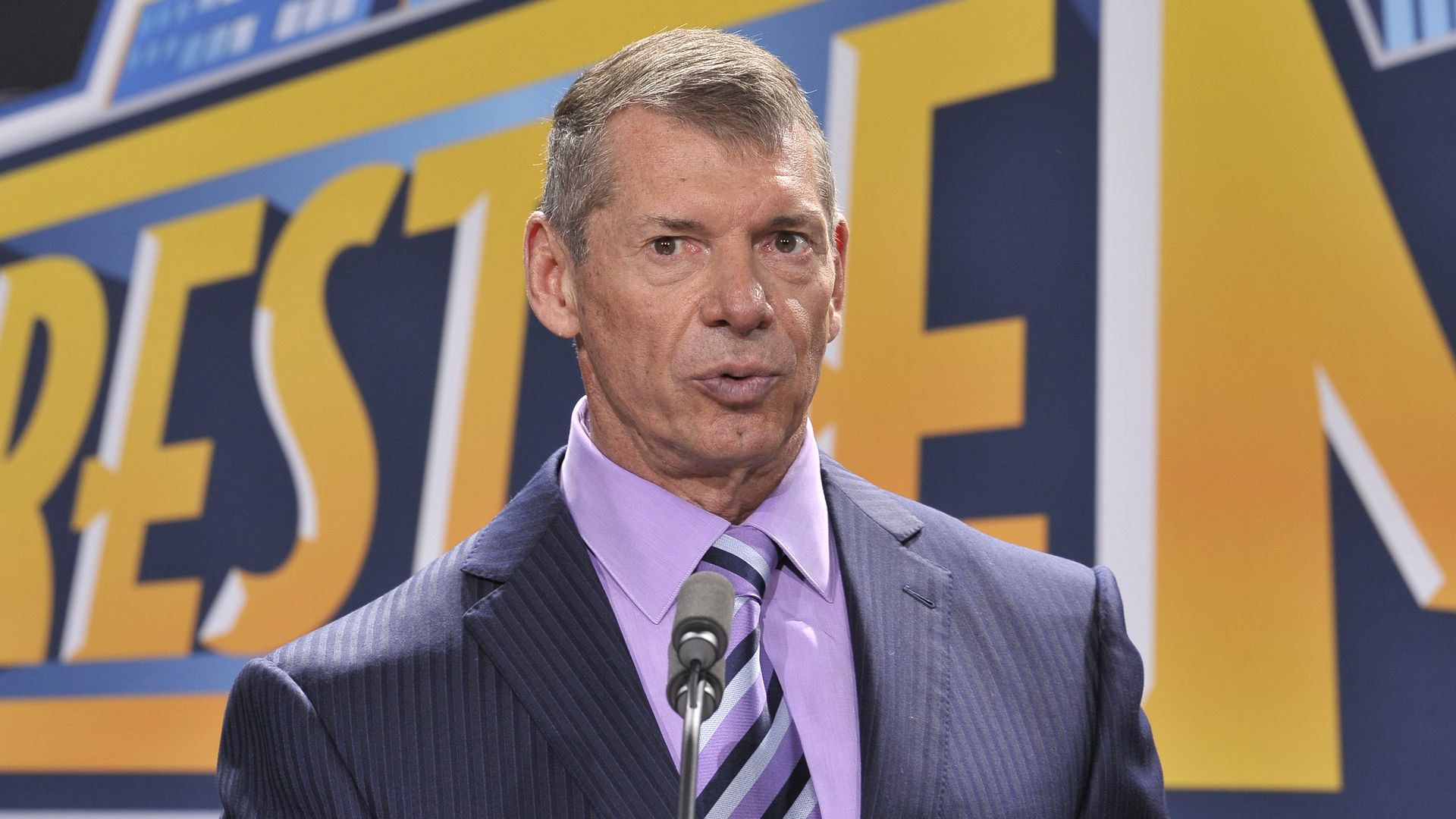
Vince McMahon, the longtime leader of World Wrestling Entertainment announced on Friday that he's retiring, five weeks after the Wall Street Journal first reported that McMahon had secretly paid off a former employee with whom he allegedly had an affair.
Why it matters: In the weeks following that story, the Wall Street Journal reported that McMahon had paid out $12 million to four women to cover up allegations of sexual misconduct and infidelity while acting as Chairman and CEO of the company.

Family Dollar struggles with "problem child" woes
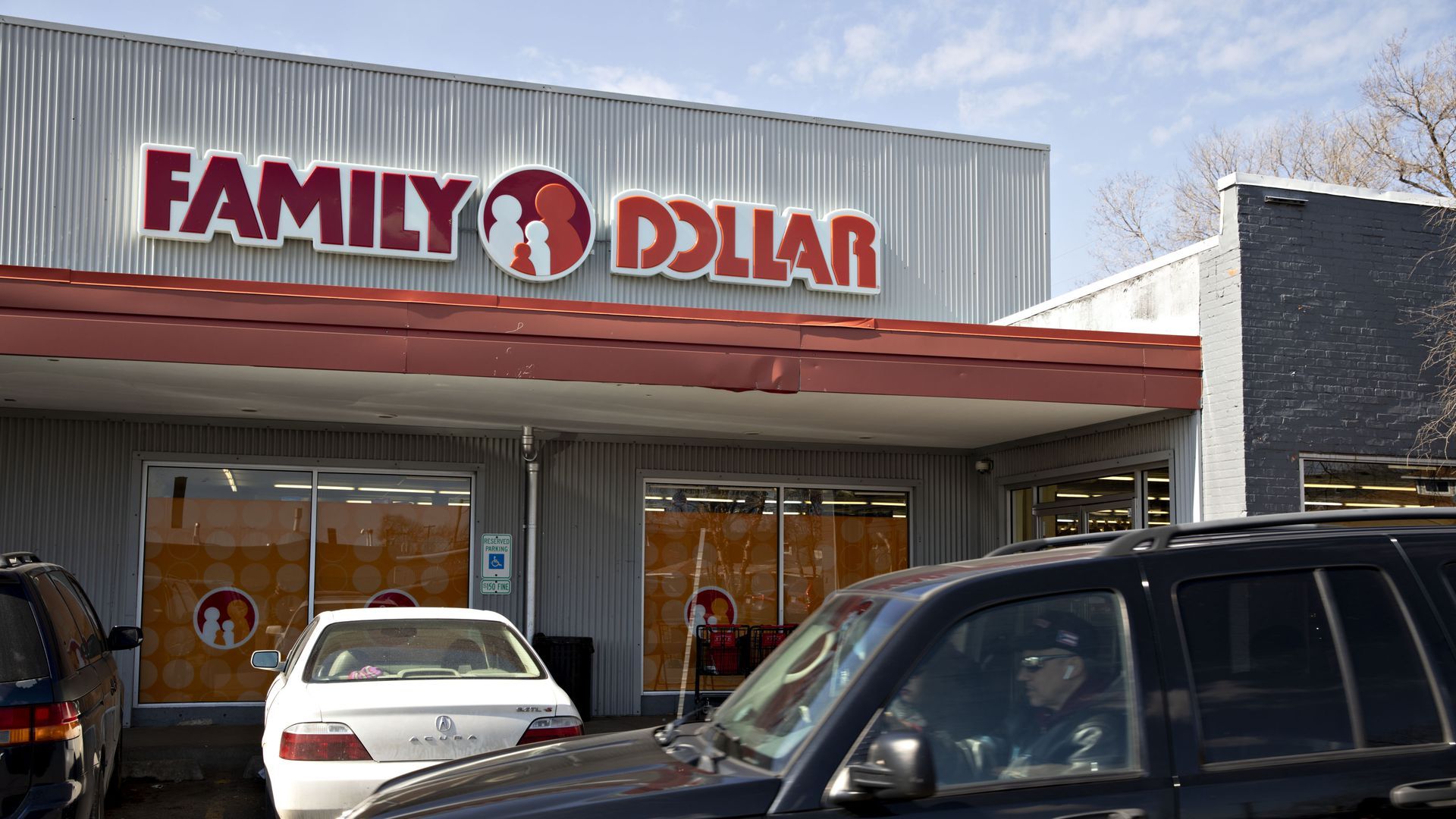
Family Dollar issued another sweeping recall stemming from logistical problems, which suggest the chain hasn't fixed its systemic challenges.
- The Dollar Tree-owned retailer released an 11-page list of recalled medical items and hygiene products, saying they were “stored outside of labeled temperature requirements," Axios' Kelly Tyko reports.
Why it matters: Family Dollar's woes were exposed earlier this year, when the FDA discovered a devastating rat infestation at one of the retailer's distribution centers in Arkansas.
- It was so bad the chain had to issue a huge recall and temporarily close 404 stores, before eventually deciding to shutter the troubled hub permanently.
Of note: Months later, Dollar Tree cleaned house, with the CFO, COO, CIO, chief strategy officer and chief legal officer all departing.
- Their departures came after the company reported a same-store sales decline of 2.8% in its most recent quarter; meanwhile, Dollar Tree was up 11.2%.
- "There is a lot of sloppiness and dysfunction within Family Dollar," GlobalData Retail analyst Neil Saunders wrote recently, calling the brand a "problem child."
What they're saying: Dollar Tree did not respond to Axios' request seeking comment.
- But in May, the company said in a statement that it's making investments to improve the "capabilities and efficiency of its supply chain," with a focus "on delivering improved safety, conditions and operational standards.
What Amex tells us about consumer spending
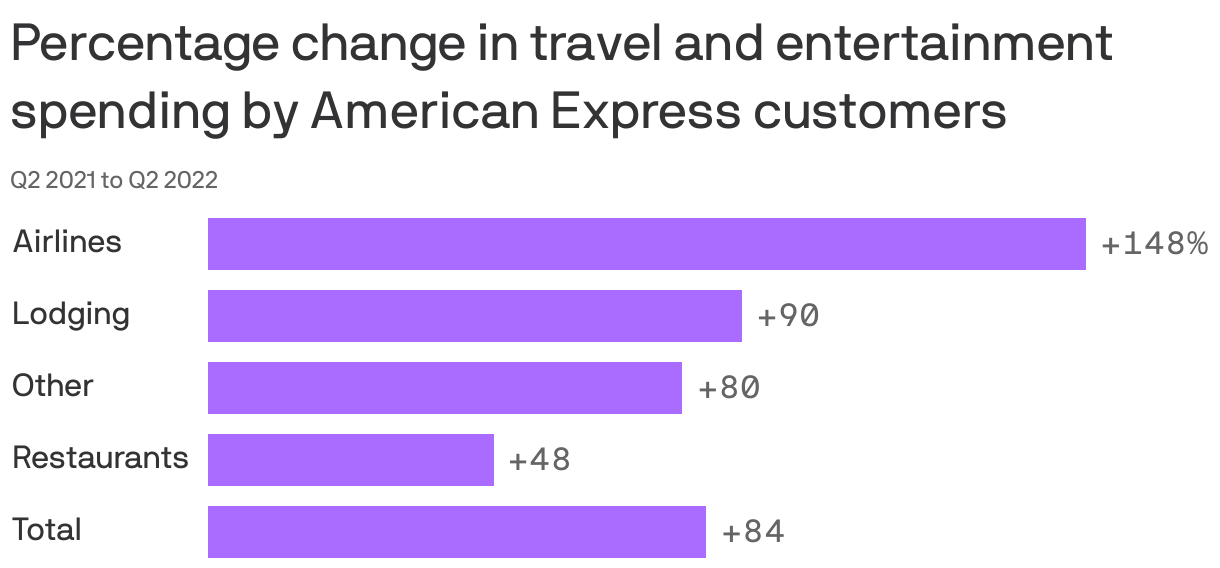
Consumers are ready to see the town after two years of being cooped up — and American Express' second quarter give us a window into just how eager they are.
Driving the news: Amex reported Q2 earnings that showed soaring consumer outlays on travel and entertainment, reflecting an ongoing shift in spending as people get more comfortable getting out.
- The credit giant's customers spent 84% more on experience-related spending in Q2 than they did a year earlier.
- That included a 148% increase in spending on airlines, and a 90% increase in spending on lodging.
The big picture: The company's total revenue spiked 31% in the period, compared with a year earlier.
- "The travel rebound in particular has been faster and stronger than anyone expected," American Express CEO Stephen Squeri said on a conference call.
But, but, but: Spending isn't exactly soaring across the board. Retailers like Target have recently reported a glut of inventory as shoppers spend less on items that used to be harder to find, and pricier.
The bottom line: People are transitioning from spending on stuff to spending on experiences.

What trucking tells us about the economy
Sky-high freight rates are falling, pinching truckers' income. And that tells an important story about what's going on in the economy overall.
Why it matters: Nearly every good consumed in the U.S. is put on a truck at some point. Right now, there are hints of a slowdown in demand.
Twitter blames Musk and ad market headwinds for declining revenue
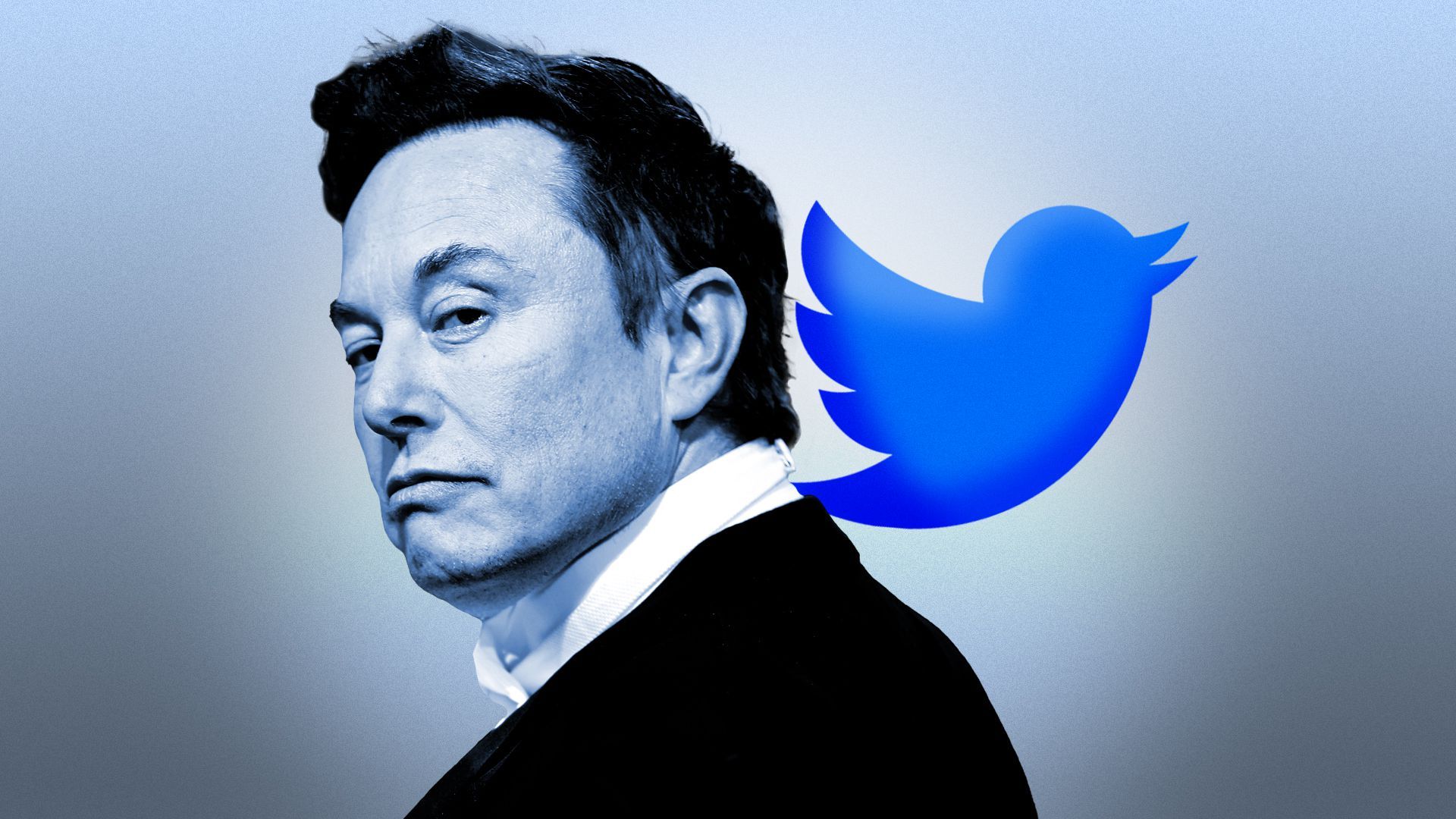
Twitter on Friday said Elon Musk’s contentious takeover bid, combined with macroeconomic factors affecting the ad market, were to blame for the tech giant missing Wall Street’s revenue expectations for the second quarter.
Why it matters: Twitter’s share price, which is typically a reflection of performance as well as other factors, could play a role in possible negotiations with Musk later this year, if the two parties decide to settle their dispute out of court.

Two crypto cases from the Feds and one glaring issue

Two different cases were filed yesterday against three people accused of insider trading on crypto tokens — one from the DoJ was about the commission of a crime, while the related SEC complaint seemed to be, deeper down, about something else entirely.
Why it matters: The two takes on one case has reignited a seemingly esoteric but central question for cryptocurrency companies aiming to operate in a way that complies with U.S. law: What is or isn't a security, as opposed to a commodity.

Heat wave drives surge in U.S. natural gas prices


While crude oil prices are starting to slip, the extreme heat hitting the U.S. has sent natural gas prices up roughly 45% this month.
Why it matters: Even as prices at the pump ease, natural gas will keep utility bills high for the foreseeable future, as Americans run their air conditioners on overdrive.

Europe's surging electricity prices are shattering records
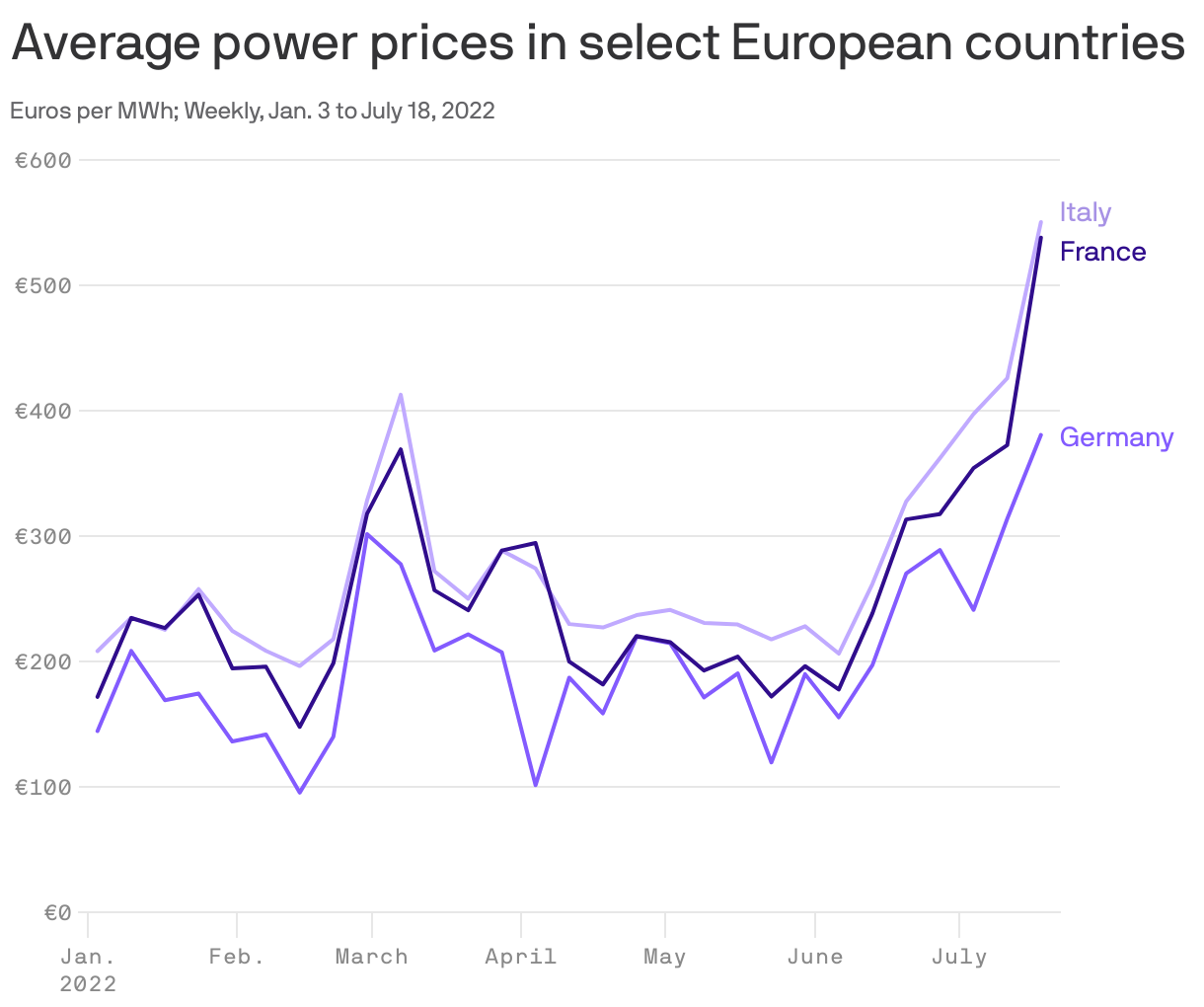
Electricity prices in Europe are headed to record-breaking territory — and government bailouts are getting underway to save the energy market.
Driving the news: In Germany, France and Italy, July is on track to be the highest-priced month ever for spot prices, according to Rystad Energy.

Fake online reviews lead shoppers to overpay, new study says

Fake online product reviews cost shoppers 12 cents for every dollar they spend, and increase the likelihood they buy inferior products, according to a new working paper to be presented Friday at the NBER Summer Institute.
Why it matters: Intuitively we know fake reviews are bad, but the paper offers a deeper picture of how phony write-ups and inflated star ratings change shopping behavior.
Oil is back under $100 a barrel

Oil prices have slipped below the $100 a barrel mark, amid a roughly 20% sell-0ff since early June.
Why it matters: Falling prices could disrupt the doom loop of rising inflation, rising interest rates, and rising expectations of further Fed hikes that have crushed the stock market this year.

Health deal shows how Amazon keeps ahead of regulators and rivals
For all its size and power, people continue to underestimate Amazon by focusing on what the company is already doing, instead of looking where it will go next.
Why it matters: Amazon is never content with just growing its share of markets it's already in. It always has an eye toward what large market it can upend next.

Ford's answer to EV supply chain hell: Cheaper batteries

Automotive giant Ford is shoring up its battery supply chain — partly by importing lower-cost, iron-based batteries popular in China — as it sprints to increase electric vehicle production.
Why it matters: Employing cheaper, safer and more durable iron batteries could accelerate demand for mass-market electric vehicles (EVs), and help automakers sidestep nickel and cobalt supply problems that have been driving up EV prices.

Axios Finish Line: The selfish benefit of selflessness

This originally appeared in Axios Finish line as CEO Jim VandeHei's weekly column on life and leadership lessons. Sign up here.
The best people and leaders put their friends, colleagues and company above their own ambition.
Why it matters: It's often the wild CEOs with cutthroat cultures who get featured in books or HBO shows. But the most successful — and happy — leaders we know realize their own selfish ambitions by genuinely serving others.
- This sounds counterintuitive. But particularly in this era of valuing inclusion and purpose at work, people want to do things for people who do things for others.
- This is like a magnet, attracting other talented people of high character who want and cheer for you to succeed. You, in turn, benefit.
- The opposite is true, too: You can win a battle or an early promotion by being an ass or hiding your self-obsession. But it will bite you or bring you down eventually. Or leave you lonely at the top. Both outcomes are terrible.
This helps explain the massive surge in companies seeking leaders with soft skills, including high emotional intelligence.
- The next wave of great CEOs will have a healthy mix of strong opinions and intuition, risk-taking courage, and high EQ.
We're all selfish and ambitious in some respects. That’s actually great: It motivates and stimulates you.
- But if you can train yourself to be more selfless by freezing big moments in your mind and looking at them through others’ eyes, needs and wants, you'll see big returns.
This works in business and life. My co-author Mike Allen is the one who turned me on to the power of it at work.
- He noted how he always treats everyone the same, regardless of status, and always looks for chances to serve.
- He doesn't do this because he wants something in return. But he's amazed how often those same people do big things for him down the road.
Here’s the best part: You can train yourself to do this.
- Start small. Look for one chance each week to help a colleague, your team or a friend — and seek no credit for it.
- Check back six months later. I bet you'll see a noticeable improvement in your relationships, standing and happiness.