Private equity firm Joffre Capital has agreed to acquire a majority stake in gaming company Playtika at $21 a per share from a Chinese investment group, Axios has learned.
Why it matters: It's nearly a 46% premium to where Playtika stock ended trading on Monday.
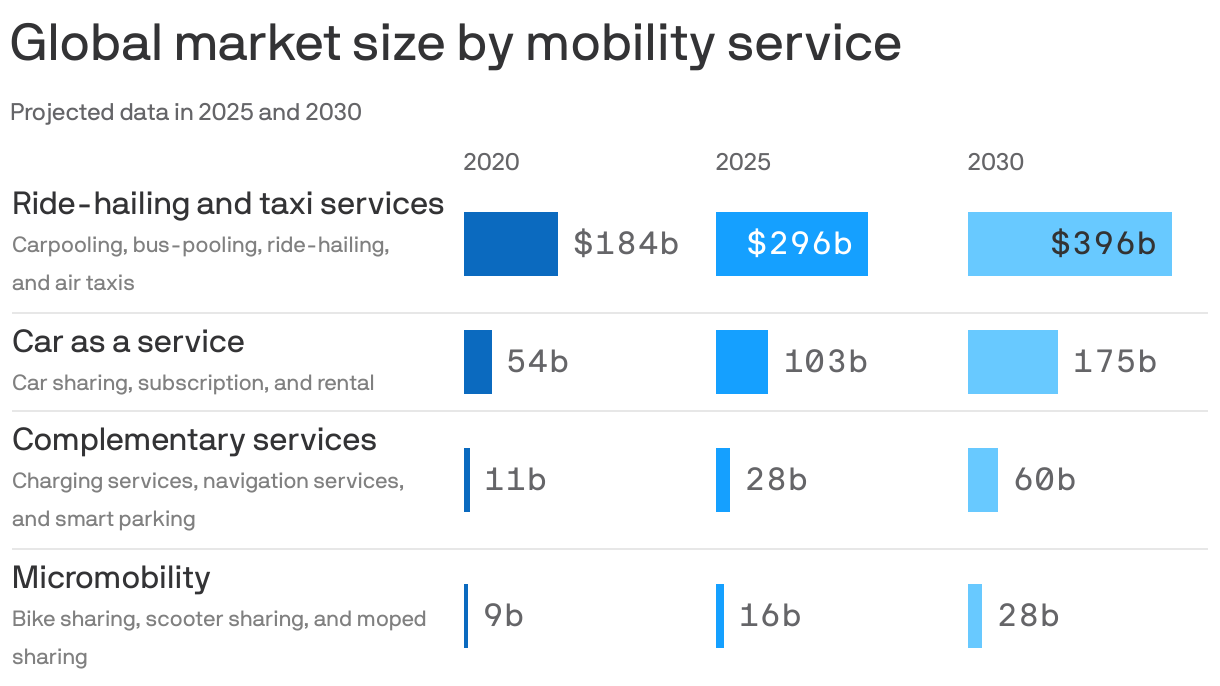
A new study finds that alternative mobility services, from ride-sharing to e-scooters, will grow twice as fast as traditional public transit annually through 2030.
Why it matters: If powered by electricity from renewable sources, many of these new modes of transportation could improve air quality, reduce noise levels, and shrink cities' carbon footprints.
Robinhood Markets' stock jumped 14% Monday on a Bloomberg report that crypto exchange FTX is considering an acquisition offer for the stock and crypto-trading app.
What to know: FTX founder and CEO Sam Bankman-Fried tells Axios that "there are no active conversations with Robinhood," although that statement obviously doesn't preclude FTX from beginning talks at any moment.
The job market is strong. Layoffs are happening. Businesses are pessimistic. Consumers are still spending.
If you're having a hard time figuring out this economy, you're not alone — it's sending all sorts of mixed signals.
Why it matters: The inflation crisis — namely record gas prices — has plunged consumer sentiment to an all-time low.
Meanwhile, the Fed's bid to wrest control of price spikes by imposing interest-rate hikes is having far-reaching effects.
The big picture: Depending on where you focus your attention, the economy can look nowhere near as bad as some people say — or that we're heading for a total face-plant:
The unemployment rate is only about a point away from an all-time low, but companies like Redfin, Netflix and Coinbase are cutting workers.
Business optimism hit the lowest point in the 12 years of JPMorgan Chase’s Business Leaders Outlook Pulse survey, released today. But durable goods orders rose 0.7% in May, according to figures released today, signaling that companies were still spending.
Mortgage rates are pricing many buyers out of the housing market — but median home price growth held steady for a third straight week last week.
Reality check: The pandemic triggered a period of profound economic disruption, leaving some of the economic tea leaves harder to read than in past cycles.
Much of what seems today like conflicting or inconsistent data could simply be the result of an economy on the brink of change.
What they're saying: "As people learned to live with COVID-19 and prove resilient so far to higher prices at the checkout stand, economic momentum will likely protect the U.S economy this year," S&P Global Ratings U.S. chief economist Beth Ann Bovino said Monday in a statement. "What's around the bend in 2023 is the bigger worry."
The bottom line: Uncertainty is toxic for investor and consumer sentiment.
Ethereum, the world's second largest blockchain, should switch over to a completely new version this year, one that will change basically everything about how it operates. The Ethereum Foundation calls the new version "The Merge," but many others refer to it as "Ethereum 2.0."
Why it matters: For blockchain critics, it will massively reduce the energy consumption of Ethereum (maybe by 99%). For ether holders, it will reduce the emissions of that coin, which should improve price appreciation.
The classic July 4 cookout — complete with cheeseburgers, chicken and potato salad — will cost Americans much more this year.
The big picture: Amid record inflation, most Fourth of July staples have seen an increase in price over last year, with food prices up as much as 36%, according to a recent survey from the American Farm Bureau Federation.
Several large private equity firms, including Blackstone and TPG, responded to Friday's Supreme Court decision by pledging to cover any abortion-related travel costs for U.S. employees who live in states where the procedure is outlawed.
What to watch: If these benefits get extended to portfolio company employees.
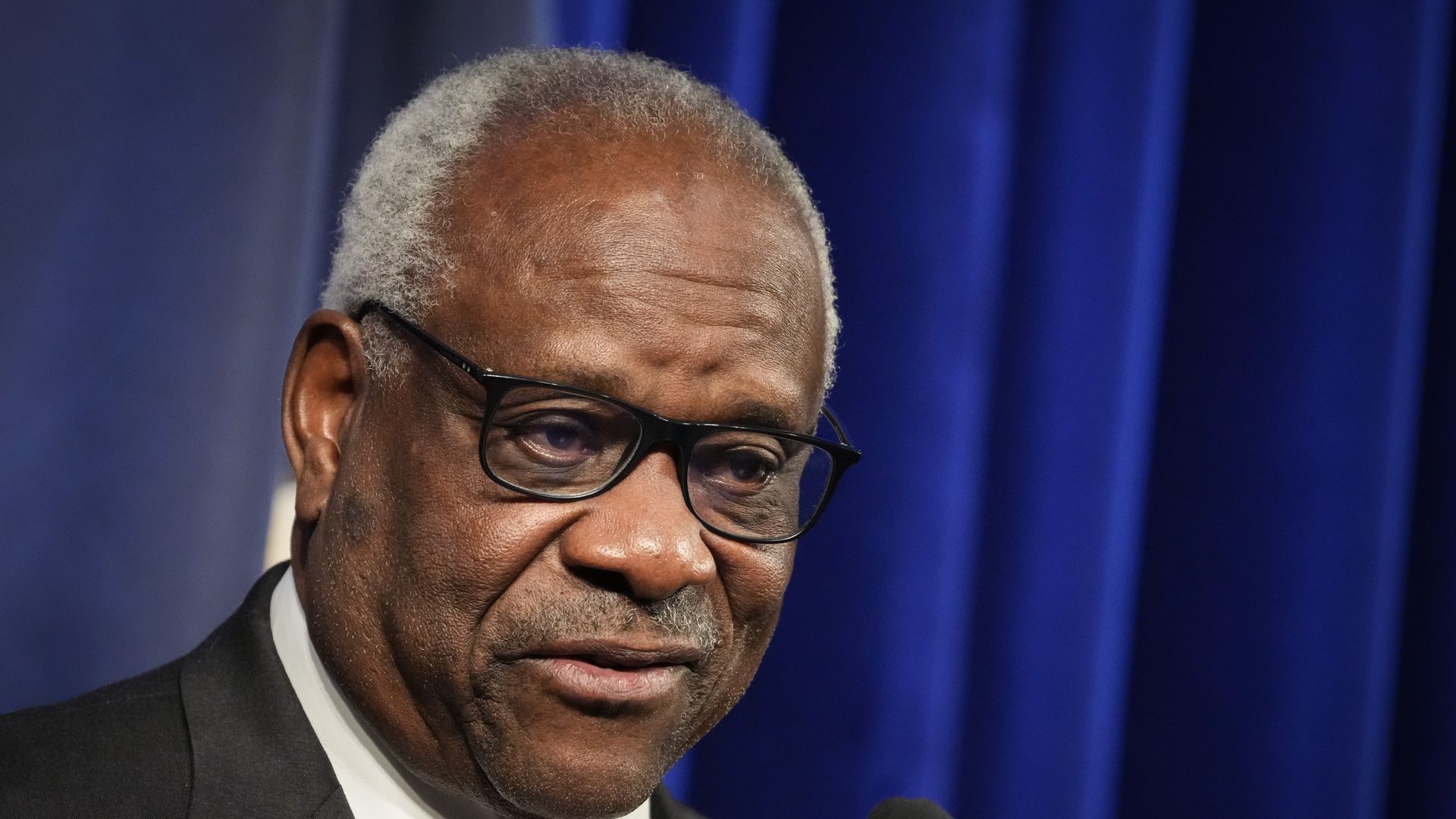
Justice Clarence Thomas on Monday indicated that he believes the Supreme Court should reconsider a ruling that makes it more difficult to sue media organizations, saying he disagreed with the court's decision to turn away an appeal in a defamation case.
Why it matters: The case in question, Coral Ridge v. SPLC, was designed to overturn the landmark New York Times v. Sullivan case, which established the precedent that a public figure must prove a defendant acted with "actual malice," or intentionality, in defaming a person.
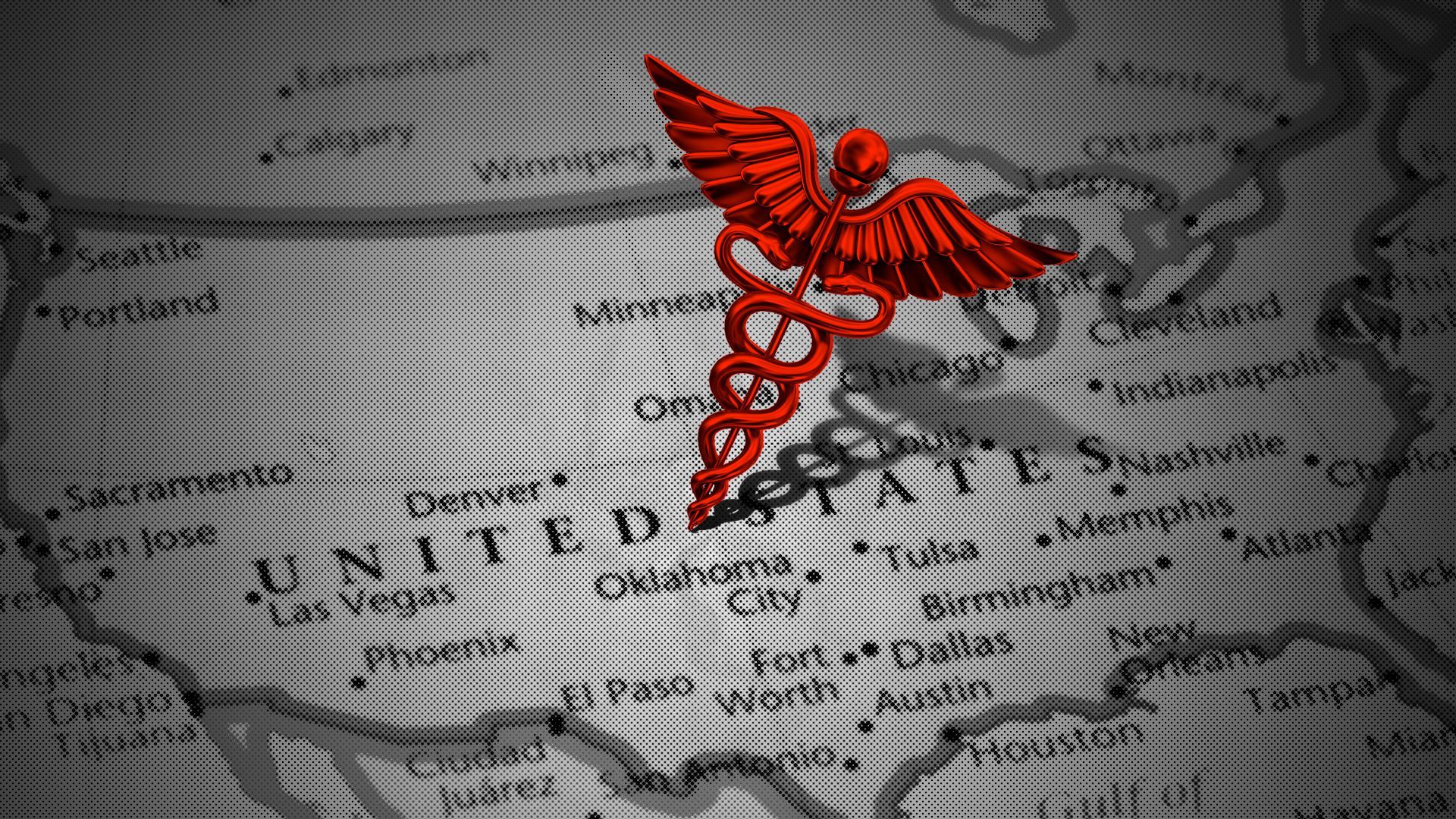
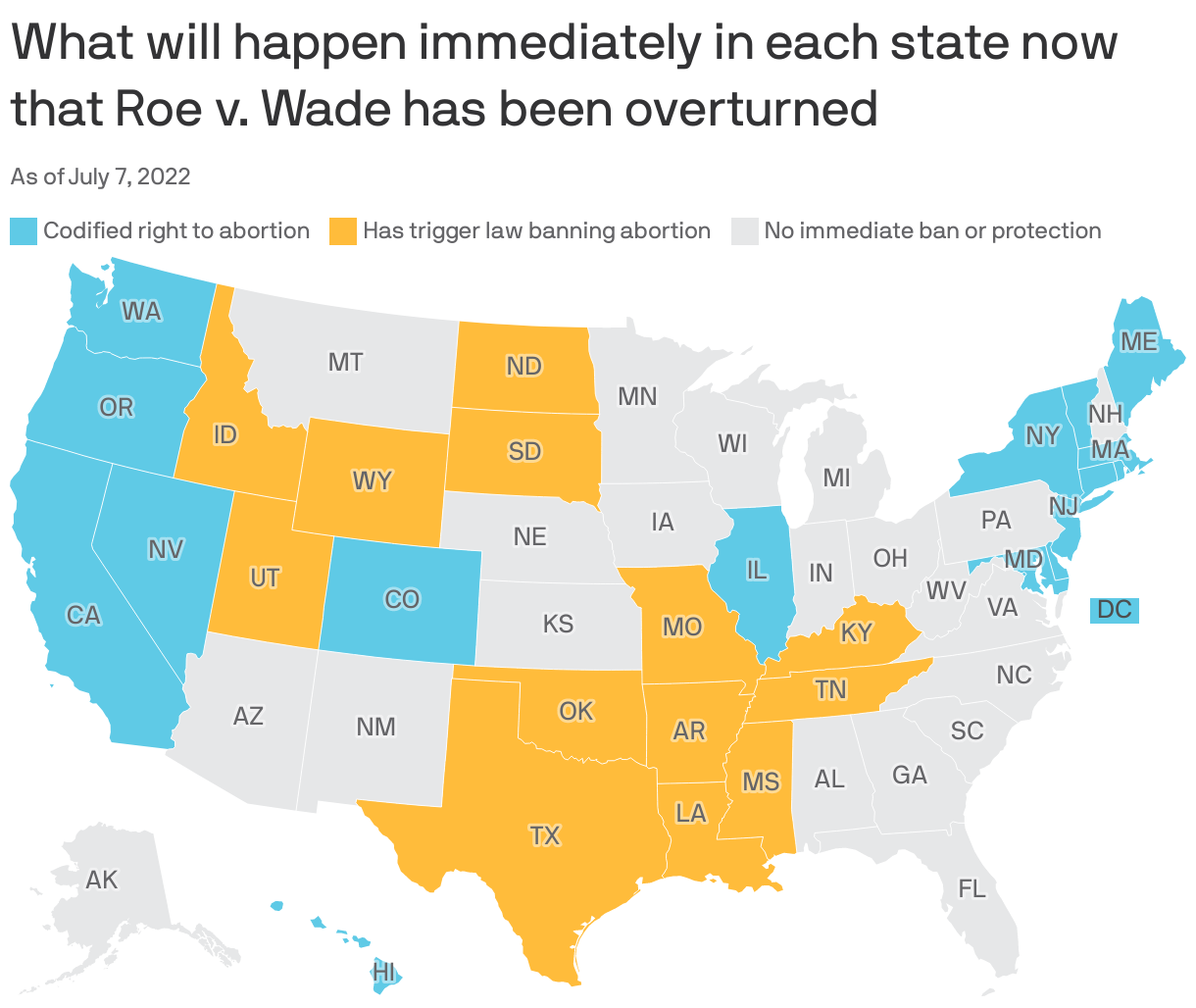
The overturning of Roe v. Wade means that U.S. employers — that provide health insurance to nearly 180 million Americans — must now contend with abortion; a controversial subject most have long tried to ignore.
Why it matters: Many large employers' insurance plans cover abortion, and now these benefits are suddenly political, the WSJ reports: Companies and insurers are now adding travel benefits so that workers can access care, but that opens up a raft of legal questions.
Data: Axios research; Cartogram: Sara Wise and Oriana Gonzalez/Axios
Lower-income women will likely bear the brunt of Friday's U.S. Supreme Court ruling overturning the constitutional right to an abortion.
Why it matters: Though it may seem solely personal and political, abortion access is also an economic issue for women in the U.S., where they often face a steep wage and career penalty for becoming mothers.
Stocks last week posted their second-best showing of the last 12 months, leaving investors to puzzle over whether it was just a colossal bear-market bounce or a sign that the worst of the market meltdown is over.
A federal grand jury in New York has issued subpoenas to each board director of the blank check company that has agreed to take public Donald Trump's social media startup, Truth Social.
Why it matters: This is in addition to previously disclosed investigations into the blank-check company by both the SEC and Justice Department, thus intensifying questions about Truth Social's financial future.
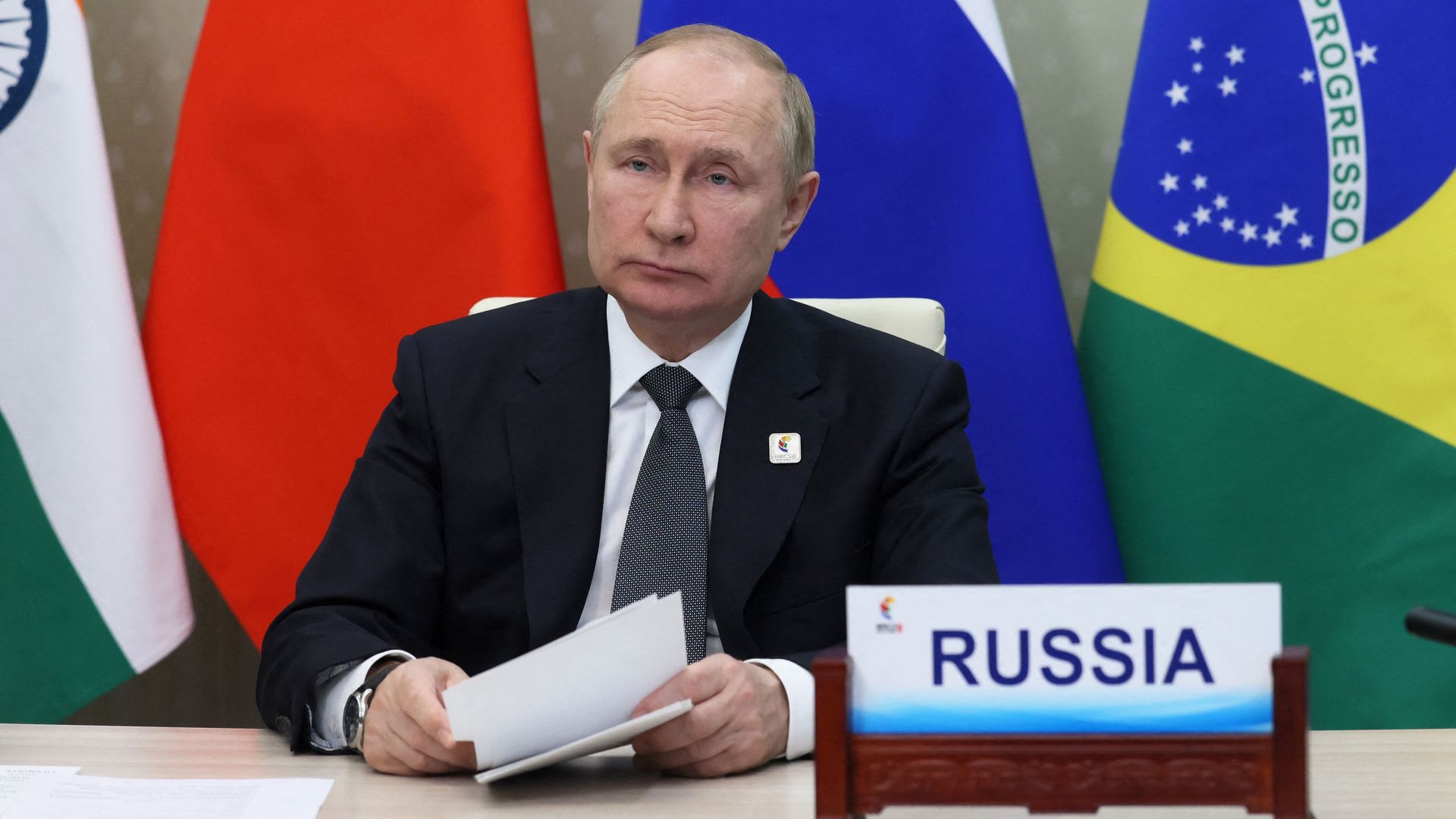
Why it matters: This is the foreseeable outcome of sanctions imposed due to the invasion of Ukraine, even though Russia had successfully pushed off the inevitable for months. For now, the default is mostly notable for its symbolism as Russia's first foreign debt default since 1918, reflecting the country's international pariah status and crumbling economy.

















/2022/06/24/1656093700467.gif?w=3840)